
On this page
A lower-sugar dessert doesn't have to taste like a compromise. Sweetness is only one part of what makes a treat enjoyable; contrast, fruit acidity, cocoa, spices, salt and tender texture are just as important. The challenge is that sugar also helps baked goods brown, stay moist and hold their structure. The most successful approach is to choose desserts designed with less added sugar rather than subtracting half the sugar from every favourite recipe.
Define lower sugar for your own purpose
Lower sugar is a relative description, not automatically a regulated nutrition claim for a homemade dessert. Consider the original recipe, serving size and any medical or dietary needs. A smaller brownie made with conventional sugar may fit a person's goals better than a very large bar made with a sweetener substitute.
Sugar is structural in baking
In cookies and cakes, sugar influences spread, aeration, tenderness, browning and moisture retention. Reducing it can make a dessert drier, paler or denser. The effect depends on the recipe, so dramatic reductions should use a specially developed formula.
Start with fruit-forward desserts
Baked pears, roasted peaches, berry compotes and apple crisps can showcase naturally sweet produce. Ripe fruit brings its own flavour and sugars, often reducing the need for heavy added-sugar toppings. Choose a recipe that balances fruit juice and topping so the dessert doesn't become watery.
Baked apples with cinnamon
Core appropriate apples and bake with cinnamon, a little water and a small amount of measured sweetener if needed. A crumble of oats can add texture. The fruit's variety matters: sweet apples may need less added sweetness than tart varieties. Follow a tested bake for temperature and doneness.
Yogurt and berries
Plain yogurt with berries, citrus zest and a few toasted oats or granola pieces can feel like a layered parfait. Use a recipe or product that suits the intended dietary needs and read nutrition labels if added sugar is important. Keep dairy or plant yogurt properly refrigerated.
Dark chocolate in small portions
A modest piece of good dark chocolate can satisfy a desire for rich flavour. Cocoa percentage doesn't directly tell you sugar content or nutritional superiority across brands, so read the label. Pair with berries or roasted nuts only when allergies and preferences permit.
Fruit and cocoa pairing
Strawberries, raspberries and oranges offer acidity that makes a little chocolate taste fuller. Chocolate-dipped fruit can work with less total coating than a thick ganache dessert. Use a tested melted-chocolate method and store perishable cut fruit safely.
Small ramekin crumbles
Individual apple or berry crumbles make portioning natural without making anyone feel restricted. A crisp topping of oats, flour, butter or a suitable alternative adds texture. A teaspoon more cinnamon may be more useful than a spoonful more sugar, though the recipe should still be balanced.
Recipe to try: Gluten-Free Apple Crisp. This is a fruit-and-crumble texture example, not a reduced-sugar claim. It contains added sugar; keep its formula intact or choose a dedicated reduced-sugar recipe.

Mini cheesecake portions
A mini baked cheesecake can be rich and satisfying because cream cheese and vanilla provide body and flavour. But it still contains sugar and perishable dairy. Choose a lower-sugar recipe tested for proper set, not a regular cheesecake with its sugar removed at random.
Recipe to try: Keto No-Bake Keto Cheesecake. A chilled cheesecake alternative with its own setting method. Read the exact sweetener and ingredient amounts; keto does not establish suitability for an individual medical diet.

Citrus olive-oil cake
Lemon zest and olive oil can make a modest slice taste fragrant and tender. Use a cake designed with an appropriate lower-sugar balance, because sugar contributes to mixing and crumb. The citrus zest often makes flavour feel brighter without demanding a very sweet glaze.
Spice can increase perceived richness
Cinnamon, cardamom, ginger, nutmeg and vanilla contribute aroma. They're useful in apples, pears, oatmeal cookies and baked custards. Use measured food-grade spices, not arbitrary essential oils. Spices complement sweetness; they do not chemically replace sugar's structural work.
A pinch of salt helps balance
Salt can sharpen chocolate and caramel flavours, allowing a carefully formulated dessert to taste complete. It doesn't make a large reduction of sugar structurally harmless. Keep amounts measured, especially if using salted butter or packaged toppings.
Texture gives dessert satisfaction
Crunchy toasted oats, a smooth yogurt cream or a crisp baked shell provides contrast. A bowl of soft fruit alone may feel less dessert-like than fruit topped with a small, well-made crumble. Layering two textures can be more effective than increasing the sweetener.
Choose recipes specifically labelled reduced sugar
A test-kitchen recipe usually adjusts sugar alongside liquid, fat or leavening to preserve quality. Read the full ingredient amounts and nutrition information when provided. A social-media claim of sugar-free can be misleading if it includes large amounts of honey, maple syrup or sweetened dried fruit.
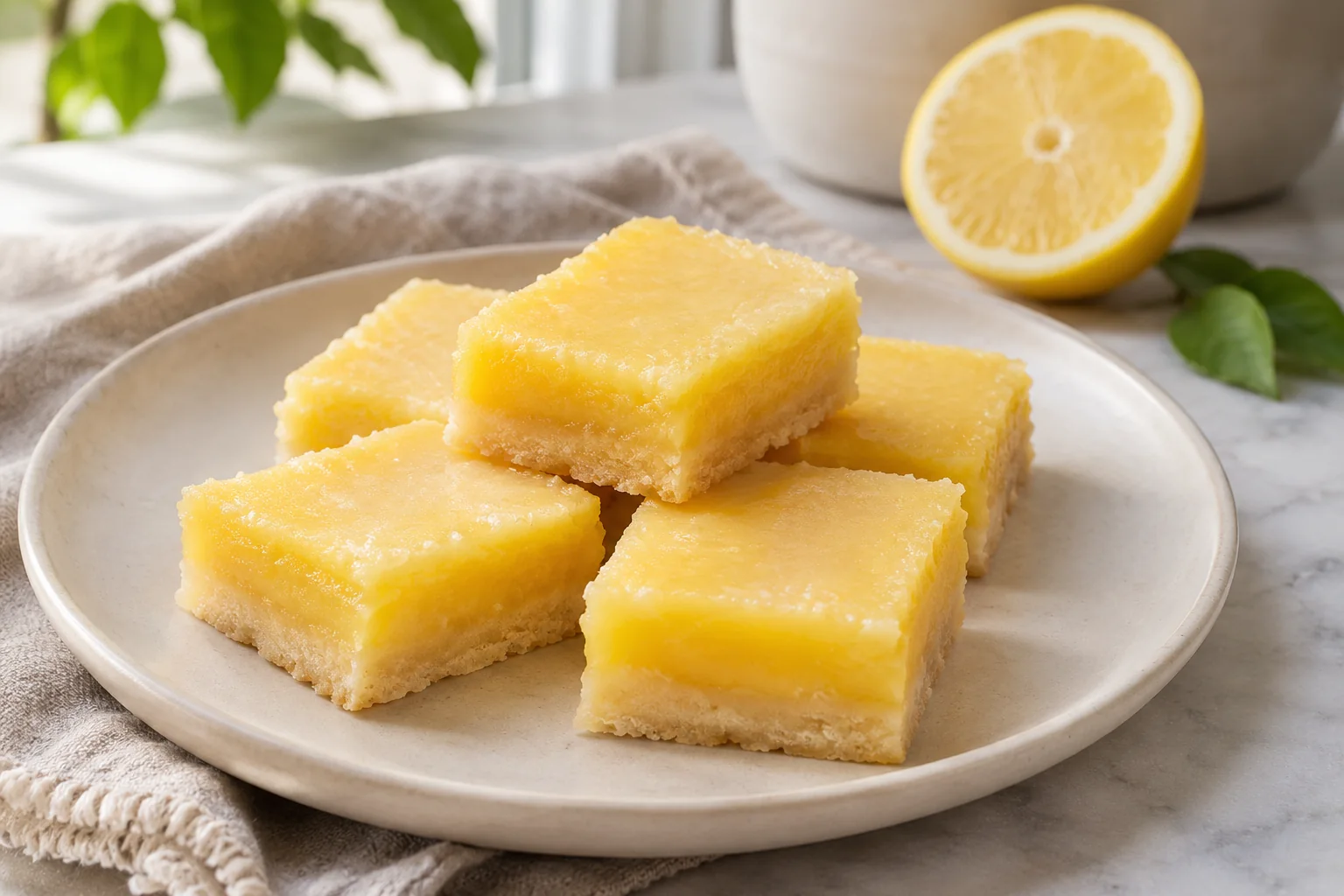
Recipe to try: Keto Lemon Bars (Sugar-free). This formula specifies a baking sweetener. Use the stated product type and portion thoughtfully; the recipe title does not establish zero total carbohydrate.
Honey and maple syrup remain sugars
These sweeteners add flavour, moisture and sugar; they aren't zero-sugar replacements. Liquid substitutions may change cake structure and browning. Use them because you enjoy their taste, and count them as added sugars where relevant to your diet.
Dried fruit and dates
Dates and raisins offer sweetness and fibre along with their sugars. Date paste also adds moisture and solids, which can affect texture. It may be useful in recipes specifically designed for it, but a date-rich energy ball isn't necessarily a low-sugar dessert simply because it has no white sugar.
Sugar substitutes have different behaviour
Stevia, monk-fruit blends, erythritol and other sweeteners differ in bulk, browning and mouthfeel. Some are extremely sweet in tiny amounts while others contain bulk ingredients. Baking performance and digestive tolerance vary. Choose a tested dessert recipe for the exact product and read its usage instructions.

Avoid a one-to-one swap without checking
If a sweetener measures cup-for-cup, it still may not caramelize, retain moisture or brown the way sugar does. A meringue or crisp caramel recipe is especially sensitive. Follow an author-approved conversion and keep expectations realistic about colour and texture.
Serving with intention
Small attractive bowls, good fruit and a thoughtful garnish can make a modest dessert feel celebratory. Serve dessert after a satisfying meal rather than trying to make it replace dinner. No one needs a dozen different low-sugar alternatives at the same event.
Recipe to try: Keto Chocolate Truffles. Small chocolate portions made with the recipe’s specified sweetener. Check the chocolate label and all ingredient amounts rather than assuming every keto product has the same composition.

For guests with diabetes
People with diabetes have individualized nutrition and carbohydrate considerations. Don't label a homemade dessert 'diabetic-safe' without an appropriate assessment; natural sugars and starches still affect carbohydrate intake. Provide accurate ingredient information and let guests make their own informed choices.
A five-dessert rotation
Try baked cinnamon pears, chocolate-dipped strawberries, citrus yogurt parfaits, small berry crumbles and a tested reduced-sugar chocolate cake. These options differ in temperature, texture and richness without relying on a single sweetener trick.
Keep pleasure in the plan
A lower-sugar dessert can be enjoyable when fruit quality, strong flavour and thoughtful texture lead the recipe. Choose balanced formulas and suitable portions rather than treating sweetness reduction as a contest.
IN PICTURES
From the baking notebook
FROM THE RECIPE BOX


