On this page
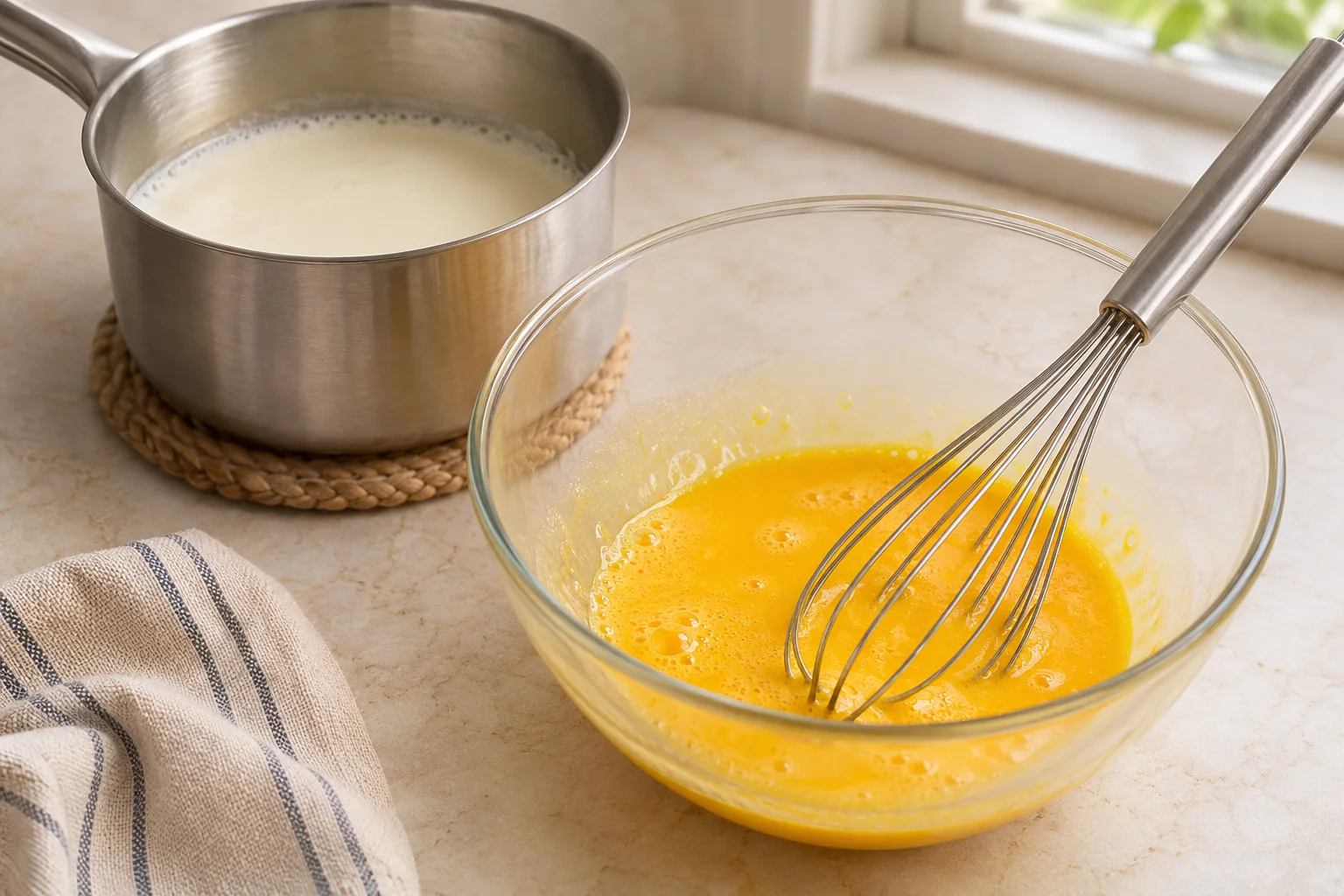
Tempering eggs sounds technical, but the purpose is practical: warm a cold egg mixture gradually so it can join hot milk or cream without immediately forming scrambled pieces. It's a common step in pastry cream, custard sauces, ice cream bases and some baked custards. The technique takes only a little control over temperature and whisking, and it helps make the final dessert smooth instead of speckled with cooked yolk.
What does tempering mean?
In custard making, tempering usually means gradually adding some warm or hot liquid to beaten eggs while whisking, raising their temperature before combining everything for further cooking. It doesn't mean bringing raw eggs to room temperature or making an unheated egg mixture safe to eat.
Why dumping hot milk into eggs can fail
The first portion of boiling dairy touching a small area of yolk can heat it too abruptly, causing localized coagulation. That forms lumps before the rest of the custard has begun thickening. Gradual additions and continuous whisking distribute heat more evenly.
Why recipes differ in their sequence
Some methods warm dairy and temper eggs before returning the mixture to a saucepan. Others combine ingredients cold, then heat slowly while whisking. Both can be reliable when developed correctly. Don't add a tempering step to an unrelated recipe if its tested order already manages heating safely.
Gather equipment first
Use a heat-safe bowl, whisk, sturdy saucepan, ladle or heat-safe measuring jug, fine sieve and an appropriate thermometer. A damp kitchen towel under the bowl can help stabilize it while you pour, provided it's safely away from burners and hot surfaces.
Step 1: measure ingredients
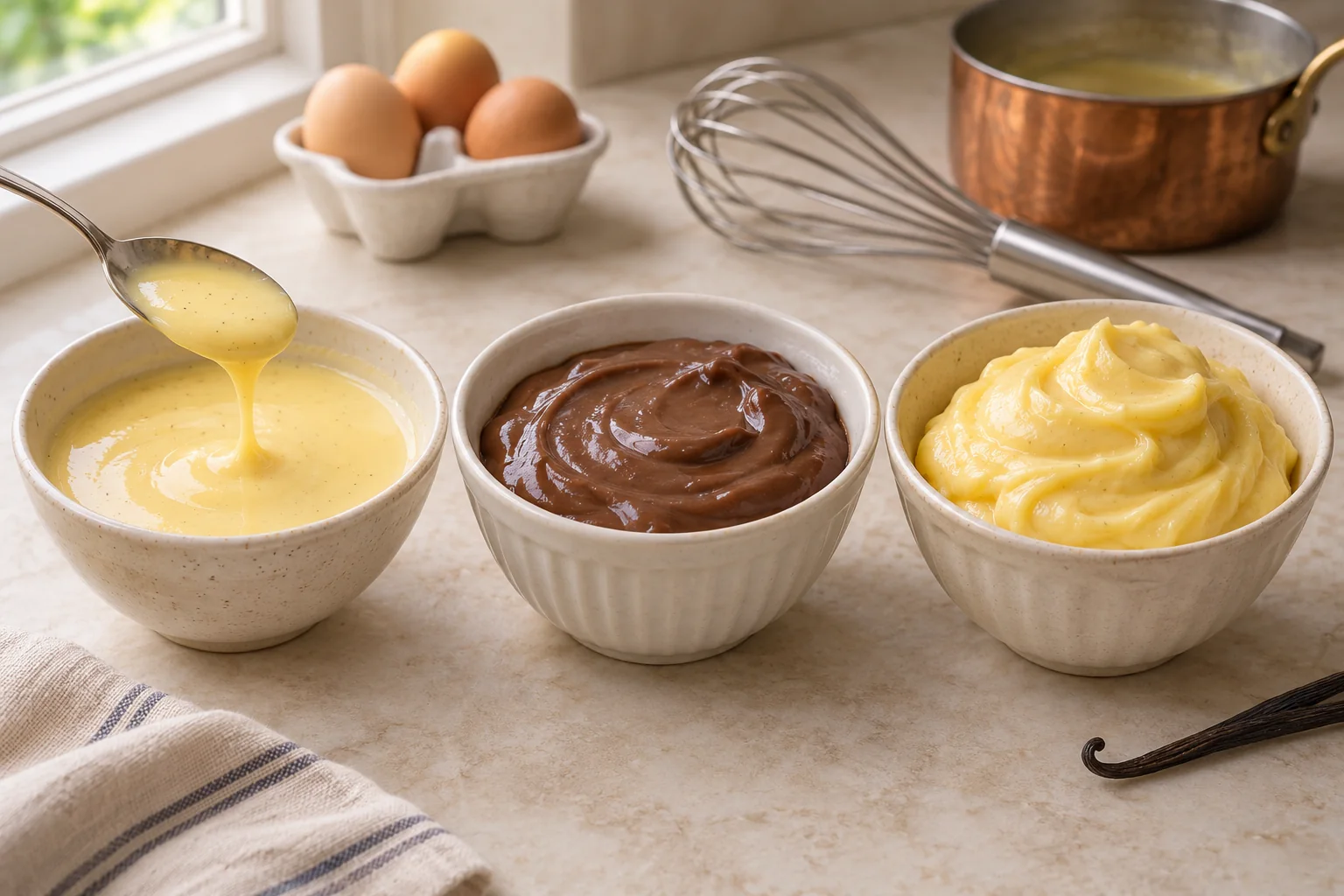
Read the full recipe before heating anything. Egg count, sugar, milk, cream and starch must be balanced for the intended custard. A pourable sauce requires a different formula from pastry cream that supports berries in a tart shell.
Step 2: warm dairy as instructed
Heat milk or cream over controlled heat until it reaches the recipe's cue, often steaming or near simmering. Some recipes steep vanilla or spices in the warm dairy. Don't let dairy scorch on the bottom of the saucepan; stir or monitor as directed.
Step 3: prepare the egg mixture
Whisk yolks or whole eggs with sugar and starch if the recipe uses them. Combining thoroughly before tempering helps prevent concentrated patches. Avoid excessive foam if the final dish is intended to be a smooth baked custard.
Recipe to try: Classic Custard Tart. This offers a baked custard inside pastry. Check the filling according to its recipe rather than judging by crust colour alone.

Step 4: pour slowly while whisking
Add a small amount of the warm dairy in a thin stream or measured portions while continuously whisking the eggs. Begin gently so the mixture warms progressively. Keep the bowl stable and take care not to splash hot liquid onto your hands.
Step 5: continue gradual warming
Once the first addition is smoothly incorporated, add more warm dairy at the pace instructed by the formula. The goal is to raise the egg mixture's temperature enough that it can join the remaining liquid without sudden local overheating.
Step 6: combine and cook correctly
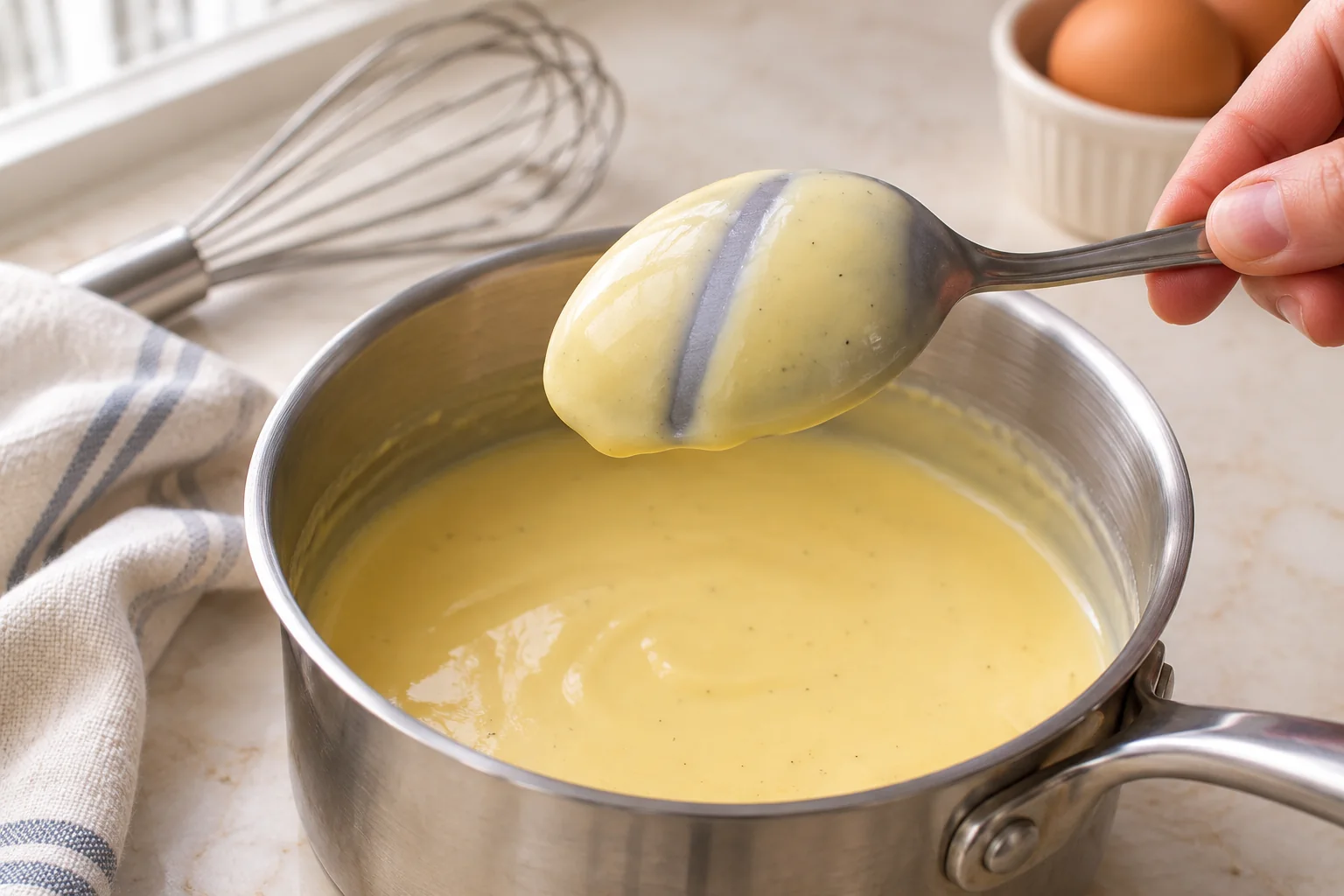
Many stovetop pastry creams return the tempered mixture to the saucepan for controlled cooking. Other recipes bake the tempered mixture in ramekins. Follow the next stage precisely; tempering alone does not sufficiently cook eggs for service.
Whisking versus stirring
A whisk is useful during the initial additions because it disperses heat and ingredients efficiently. Some sauces later use a spatula to scrape the pan bottom continuously. Use the utensil and motion suitable for the formula rather than beating vigorously at every stage.
Don't use a rolling boil as the default
A very hot stream increases the chance of scrambling yolks, and aggressive stovetop boiling can scorch dairy. However, starch-thickened pastry cream may need to boil briefly in its final cooking stage according to the recipe. Distinguish between tempering temperature and final thickening requirements.
Why sugar can help
Sugar influences how egg proteins behave when heated, providing some tolerance in a custard formula. That doesn't make raw yolks immune to scrambling or remove the need for controlled addition. The recipe's sugar quantity should be respected rather than increased as a protective trick.
The role of starch
Cornstarch or flour in pastry cream thickens the mixture and can help reduce curdling under the right conditions. It must be distributed evenly and heated sufficiently to perform. Starch-containing pastry cream is different from egg-only crème anglaise, which can curdle if heated too far.
Strain if the recipe recommends it
A fine-mesh sieve can catch tiny cooked egg particles or spice pieces before chilling or baking. Straining improves smoothness but cannot repair a completely curdled mixture or replace sufficient cooking for safety.
How to tell if you've scrambled eggs
Small yellowish or pale specks, gritty texture or visible curds can indicate localized coagulation. Sometimes a small number of particles can be strained out while the liquid remains usable. If the mixture is severely curdled, a fresh batch may be better than repeated blending.
Can a blender fix scrambled custard?
Blending may break visible curds into finer particles but cannot reverse the protein structure or guarantee a silky result. Avoid processing very hot liquid without equipment rated for it. The better solution is gentle temperature control during preparation.
Using an ice-water bath appropriately
For cooked stovetop custards, some recipes call for transferring the mixture to a bowl set over ice to stop cooking and cool it quickly. Keep ice water out of the custard and stir with clean utensils. This is a safe cooling technique when performed as prescribed, not a substitute for completing the cooking stage.
Tempering eggs for ice cream
Cooked ice cream bases often temper yolks with warm dairy and then heat to the formula's endpoint before chilling thoroughly and churning. If the recipe uses raw or undercooked eggs, choose pasteurized egg products as recommended by applicable safety authorities.
Recipe to try: Vanilla Bean Custard Tart. For another custard project, use this tart’s measured filling and baking sequence. Vanilla flavour does not change the need for careful heat control.

Tempering for pastry cream
A classic pastry cream may combine yolks, sugar and starch, temper with milk, then return to heat until thick. Cook thoroughly according to the tested method, cool promptly and refrigerate. Don't fill éclairs with a warm custard that has been left at room temperature for hours.
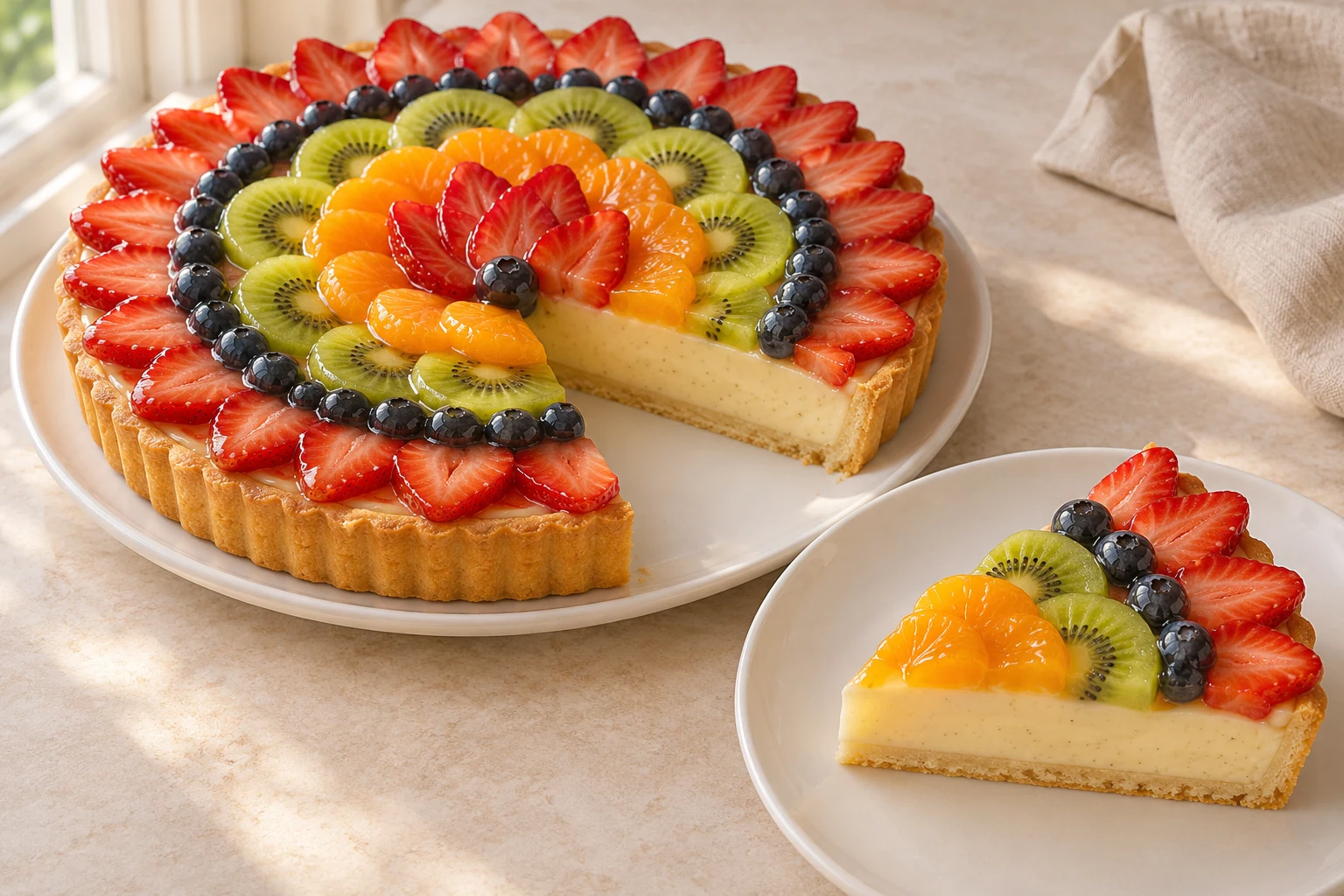
Recipe to try: Classic Fruit Tart. This tart combines a separate pastry shell and filling. Follow the recipe’s order for baking, cooling and assembly.
Tempering for crème brûlée
For crème brûlée, yolks are gently combined with warmed cream, often strained and baked in shallow dishes in a water bath. Avoid creating excessive foam. Baking and chilling require separate time, and the top sugar crust is caramelized close to serving.
Food safety first
Egg dishes should be cooked to an appropriate validated endpoint. Do not taste raw custard or treat tempering as a pasteurization method.
Frequently asked questions
Must I bring eggs to room temperature? Not in every formula; follow its method. Can I pour warm milk all at once? Gradual additions are safer for typical tempering. Will straining fix curdled custard? Only minor particles sometimes. Does tempering fully cook the eggs? No. Can I use a thermometer? Yes, particularly when verifying the later cooking stage.
Think of tempering as a bridge
The purpose is to move eggs gently from cool to warm before the decisive cooking stage. Accurate measurements, slow additions, constant mixing and proper final cooking produce the smooth custard base that makes so many classic desserts possible.
IN PICTURES
From the baking notebook
FROM THE RECIPE BOX


