
On this page
A lid can keep a chewy cookie soft and make a crisp one lose its snap. Start by separating the batch by texture. Once the cookies are cool, the filling and the finish tell you whether they belong in a tin, the fridge or the freezer.
Cool Cookies Before Putting Them Away
Freshly baked cookies need time to finish setting and release steam. Sealing them warm can trap condensation and soften crisp edges. Follow the recipe's cooling directions, often including a short rest on the tray and then a cooling rack.
Don't prolong room-temperature cooling for cookies with perishable fillings. Those require the recipe's food-safety handling, including prompt refrigeration where appropriate.
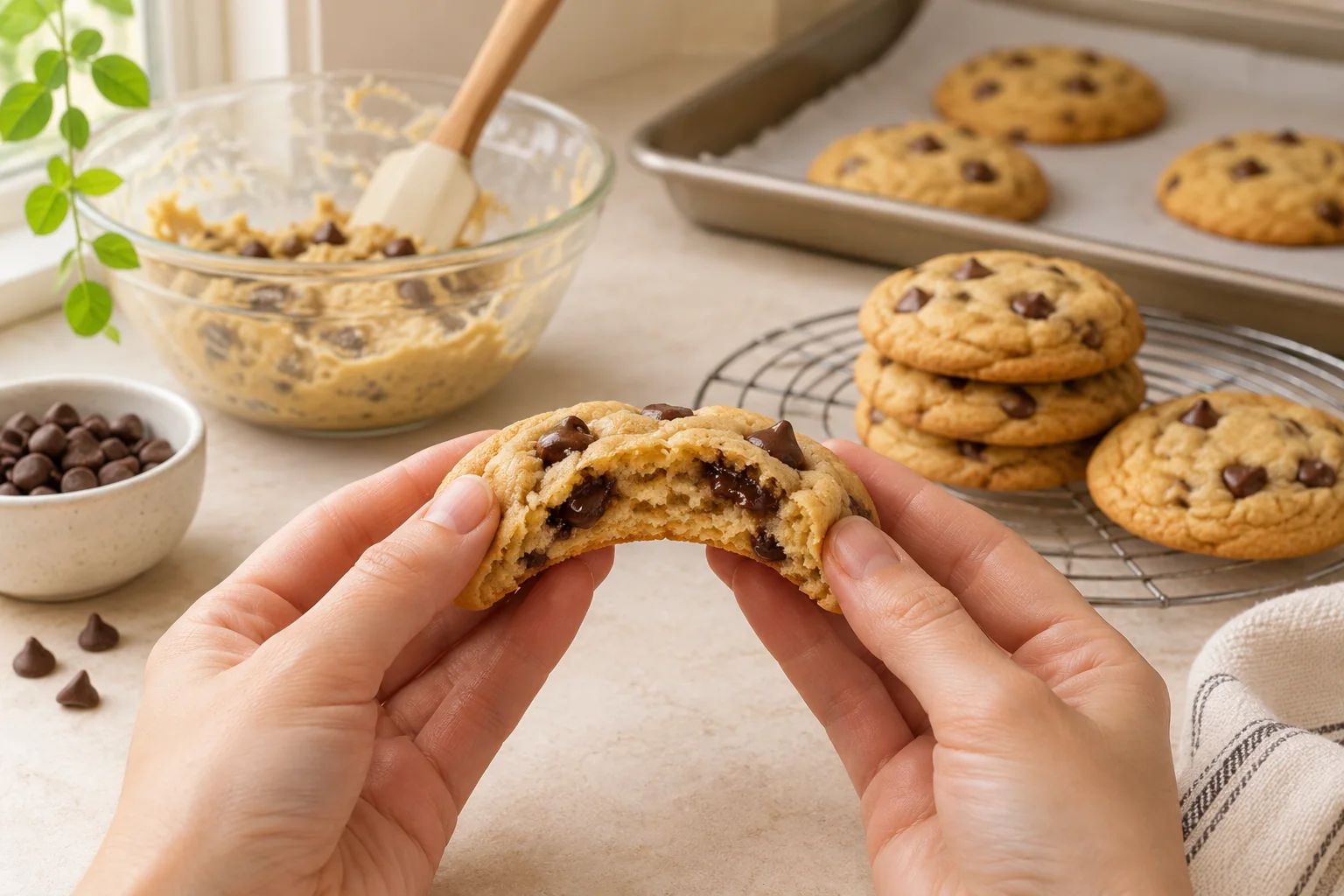
Separate Soft and Crisp Cookies
A chewy cookie retains more moisture than a dry shortbread or biscotti. When mixed together in one container, moisture can migrate and soften the crisp cookies while the softer ones lose some of their ideal texture. Use separate airtight containers or divided, well-sealed compartments.
Keep strongly spiced cookies away from delicate vanilla cookies if you want to avoid flavour transfer. This is especially useful in holiday gift boxes prepared a day or two before serving.

Store Chewy Drop Cookies Carefully
Chocolate chip, oatmeal and other chewy drop cookies often do well in a suitably sealed food-safe container at the temperature recommended by the recipe. Keep them away from heat and direct sunlight, which can affect chocolate and fat-rich textures.
Some people add bread to cookie containers to transfer moisture, but that trick can alter texture and introduce other ingredients or spoilage concerns. Follow a known recipe storage method rather than relying on a universal hack.
Pack Classic Chocolate Chip Cookies together once their centres have cooled.

Keep Shortbread and Biscotti Dry
Crisp, low-moisture cookies need protection from humidity. Allow them to cool fully, then use a tightly closing container. Avoid leaving an open tin near steam from a kettle or a busy kitchen sink.
If a recipe includes a delicate chocolate coating, protect the surface with parchment and choose storage conditions that prevent melting or condensation.
Give Vegan Shortbread Cookies a separate tin so the edges stay crisp.
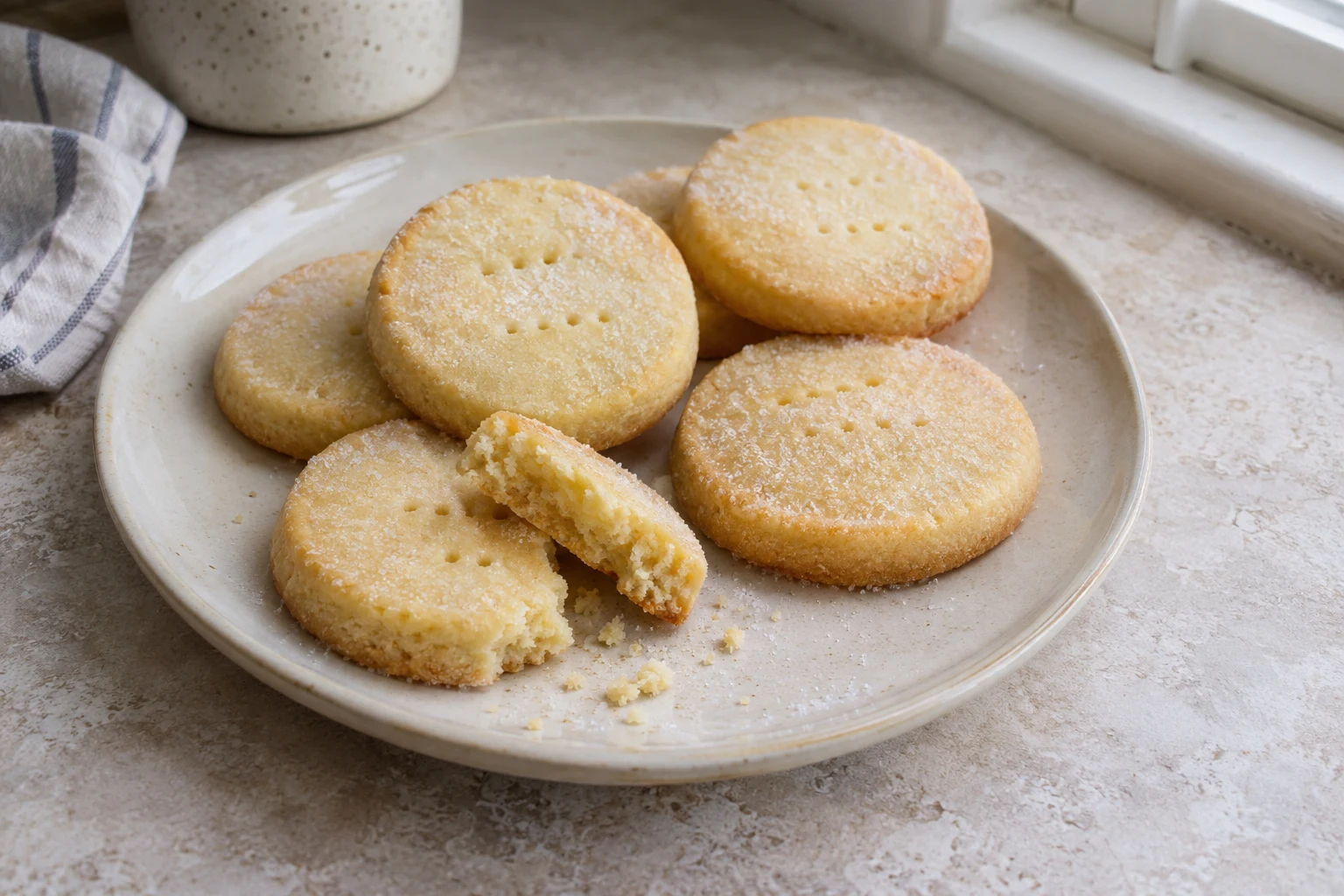
What About Frosted Sugar Cookies?
Iced cookies should be stored only after the icing has set according to the recipe. Some royal icing formulations dry firm enough for gentle stacking with parchment; soft buttercream does not. Choose a container that won't press on raised decorations.
Frosting ingredients matter. Cream cheese, custard, whipped cream and certain other fillings require refrigeration. Do not assume a decorated cookie has the same room-temperature storage life as an unfrosted one.
Let the glaze on Iced Ginger Cookies set before adding a layer of parchment.
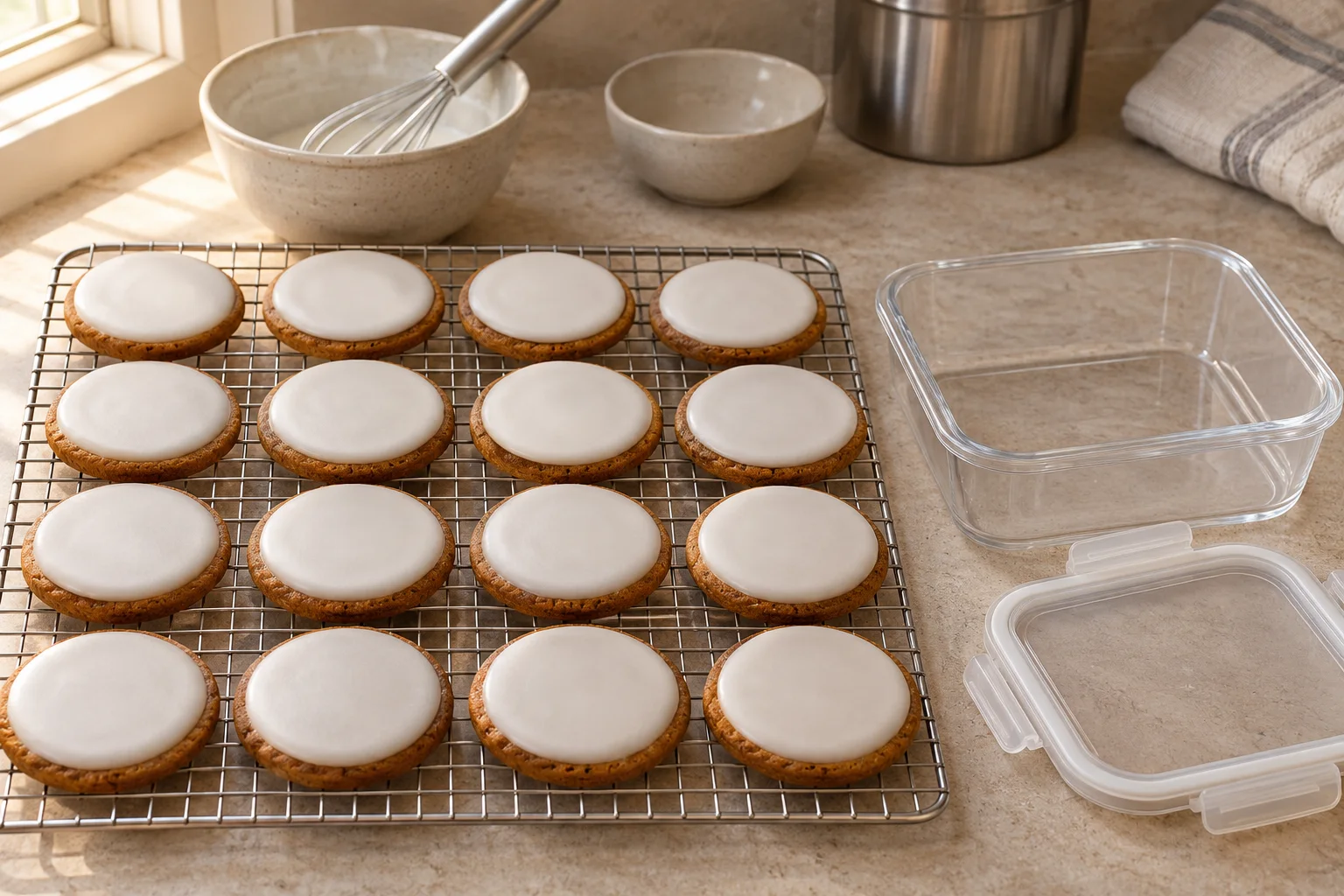
Sandwich Cookies and Filled Cookies
Jam, buttercream, ganache and cream fillings can change the cookie's texture and storage requirements. Moist fillings soften crisp shells over time, so recipes sometimes call for filling near serving. Others are designed to mature after assembly.
Follow the recipe's instructions about refrigeration and how far ahead to fill. If making a holiday assortment, consider storing cookies and filling separately until closer to gifting.
For Lemon Curd Sandwich Cookies, refrigerate the assembled cookies in a covered container; the curd determines storage.

Room Temperature or Refrigerator?
Plain cookies with recipe-supported room-temperature storage may keep their best texture outside the refrigerator in appropriate containers. Refrigeration can change the texture of some baked goods, but perishable toppings and fillings override texture preferences.
For dairy- and egg-rich fillings that require chilling, store at 4°C (40°F) or colder. Do not leave those cookies on the counter simply to keep the biscuits crisp.

Freezing Baked Cookies
Many sturdy baked cookies can be frozen if the recipe supports it. Cool thoroughly, separate layers with parchment and use suitable freezer-safe packaging. Label with the type and date. Frosted or delicately decorated cookies may not freeze as neatly as plain bases.
Follow recipe-specific thawing instructions. Condensation can damage delicate icing if cookies are unwrapped or warmed improperly.
If you freeze Chewy Ginger Cookies, wrap a few together so you can thaw just enough for one plate.

Freezing Cookie Dough Instead
For fresh-from-the-oven cookies later, freezing dough can be a better option. Portion drop-cookie dough into balls or prepare cutout shapes as the recipe directs. Some doughs can bake from frozen with a specified time adjustment; others must thaw.
Label the container with ingredient information, oven temperature and baking instructions. Raw dough containing uncooked flour or eggs is not safe to taste.
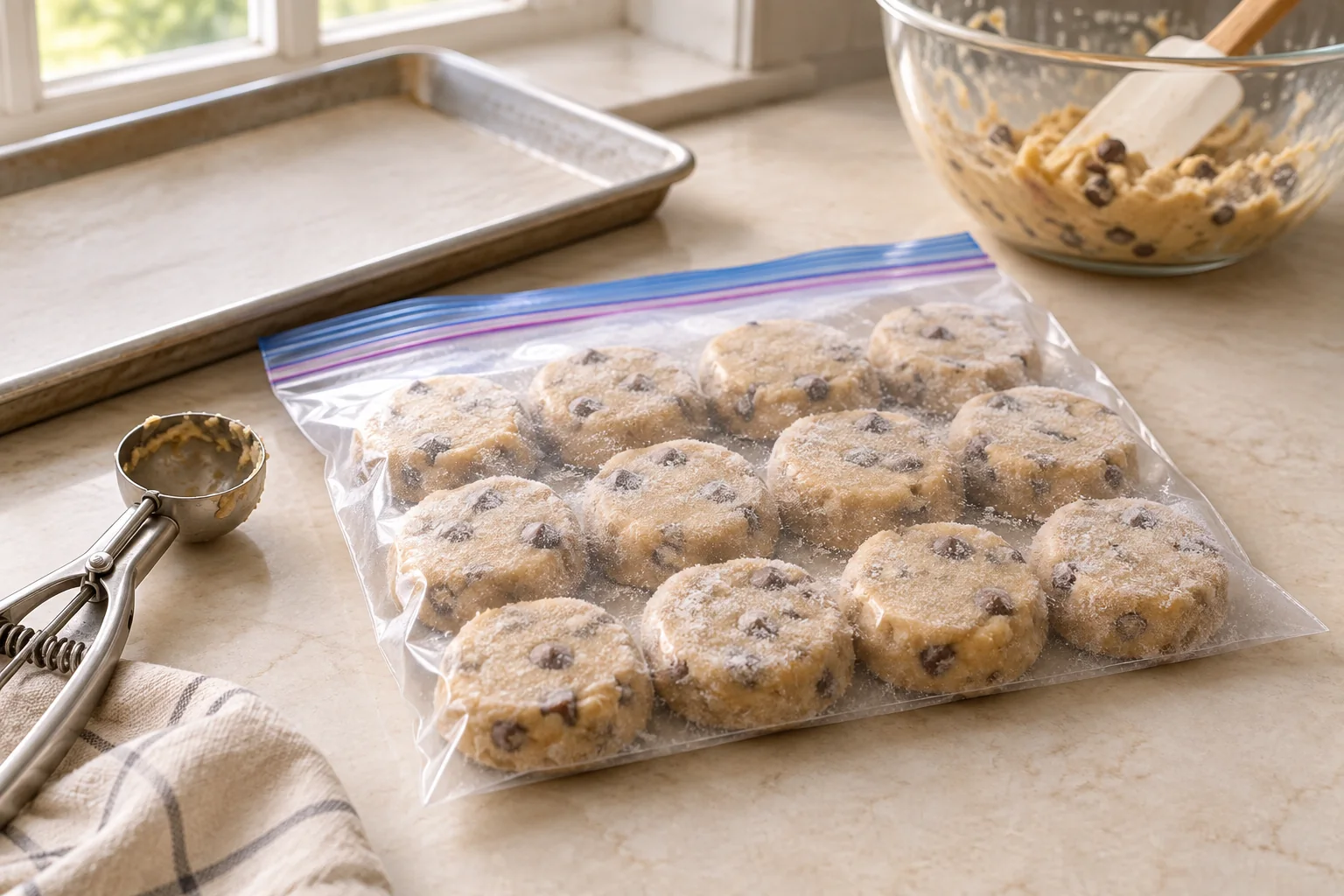
How to Package a Holiday Cookie Box
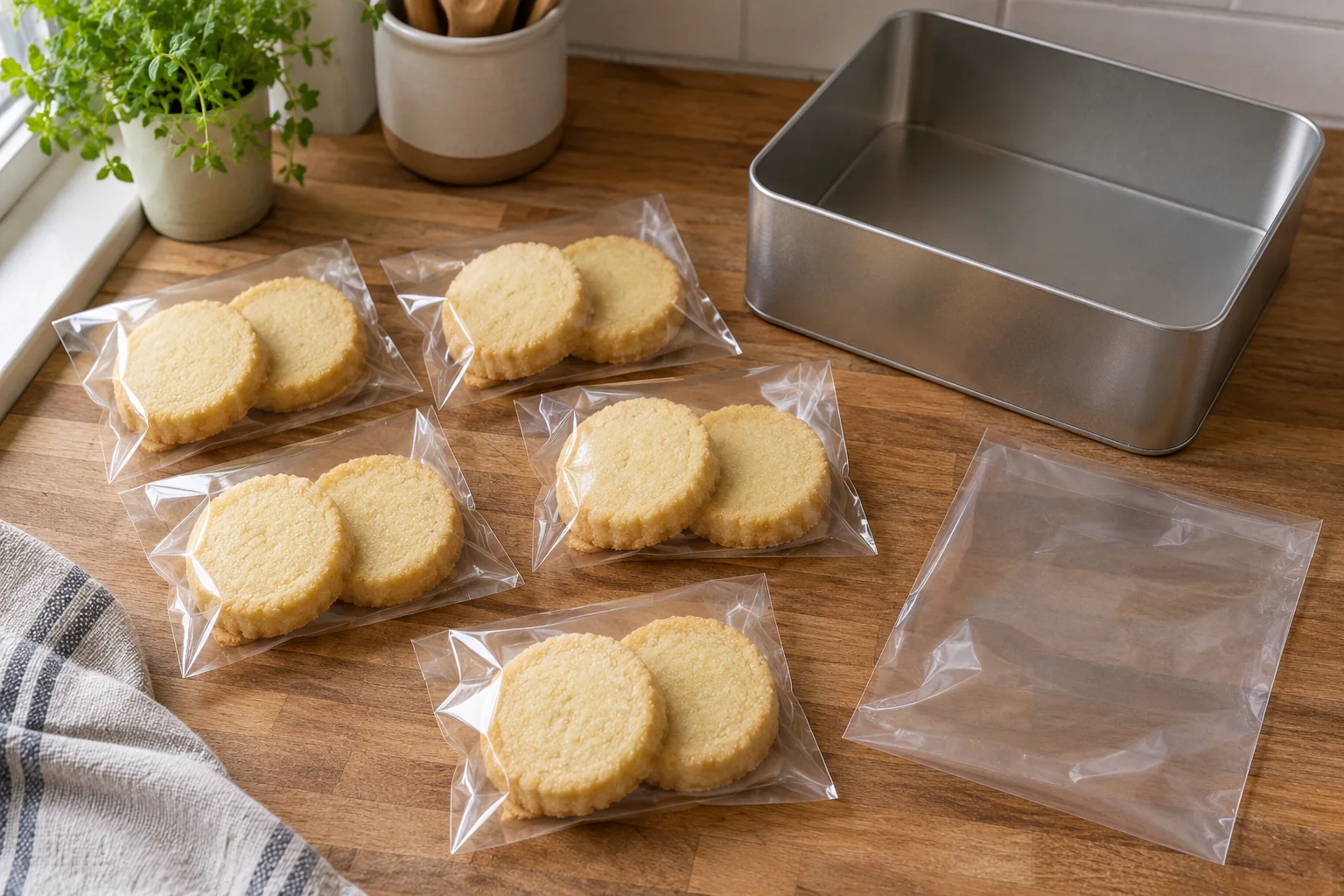
Choose cookies with compatible storage needs, and include dividers or individually sealed food-safe bags where necessary. Pack robust cookies at the bottom and fragile decorated pieces in protected spaces. Keep nut-containing cookies clearly identified, and consider cross-contact.
For gifting, a fresh batch packed shortly before delivery is often better than assembling the entire mixed box far in advance.
Pack sturdy Gingerbread Cookies in their own layer to protect the cut edges.

Why Cookies Go Stale
Staling isn't only a matter of water evaporating. Changes in starch structure, moisture distribution and fat can all affect texture. A cookie may become firm even inside a sealed container, while crisp cookies can become soft from absorbing moisture in humid air.
Good packaging slows unwanted changes, but it cannot make every cookie taste freshly baked indefinitely. Use the recipe's best-quality window rather than assuming an airtight tin guarantees weeks of freshness.
Can You Refresh Cookies?
Some plain cookies can regain pleasant texture with gentle warming using an established method, but delicate icing, chocolate coatings or perishable fillings may melt or separate. Follow the cookie recipe's reheating guidance where available.
Do not try to salvage mouldy, spoiled or improperly stored cookies by baking them again. Discard food that is no longer safe.
Common Storage Mistakes
Packing warm cookies: condensation softens them. Mixing crisp and soft cookies: textures change. Stacking unset icing: decorations stick. Leaving filled cookies on the counter: perishables may become unsafe. Storing in a humid area: shortbread loses snap. Omitting dates: quality is difficult to track.
IN PICTURES
From the baking notebook
FROM THE RECIPE BOX


