
On this page
Pack dough in the shape you want to bake. A disc is easy to roll, a log is ready to slice, and scoops let you take out just enough for one tray. Label the package with the date and the recipe’s baking instructions before you refrigerate it.
Use a safe refrigerator
Keep perishable cookie dough refrigerated at 4°C (40°F) or colder. Use an appliance thermometer rather than assuming a cold-feeling shelf is necessarily at a safe temperature. A garage, balcony or basement window ledge isn't an equivalent controlled environment, even during winter. Dough should be chilled promptly after mixing rather than left out through dinner and put away hours later.
Raw flour isn't ready to eat
Ordinary uncooked wheat flour can carry bacteria, and refrigeration does not make it safe to taste. Raw eggs add another potential hazard. Even dough made without eggs isn't automatically edible if it contains untreated flour. If you want a no-bake edible cookie dough dessert, use a formula with appropriate commercially heat-treated flour and other safe ready-to-eat ingredients rather than serving baking dough raw.
How long can refrigerated dough last?
Use the maximum refrigeration period given by the tested recipe and relevant food-safety guidance. Different doughs have different ingredients and handling histories, so no single duration guarantees safety or best texture for every homemade batch. Some published cookie recipes support an overnight or multi-day chill, while fresh-fruit or perishable-filled dough may require a shorter window. When uncertain, freeze properly prepared portions sooner rather than extending fridge storage by guesswork.
Label every container
Write the cookie type, preparation date, intended baking temperature, portion weight and relevant allergens on a label. The dough may look like any other brown or pale mixture after two days. A label prevents a family member from baking an almond-containing dough for someone with a nut allergy or using the wrong oven settings. It also reduces repeated opening and unnecessary warming while checking what's inside.
Choose an airtight container
A food-safe container with a secure lid reduces drying and absorption of refrigerator odours. If using wrap, press it into the correct shape and seal securely. Avoid wrapping still-warm cooked additions into dough that will release condensation. Keep dough away from raw meat or seafood and store it so spills from other foods cannot contaminate the surface.
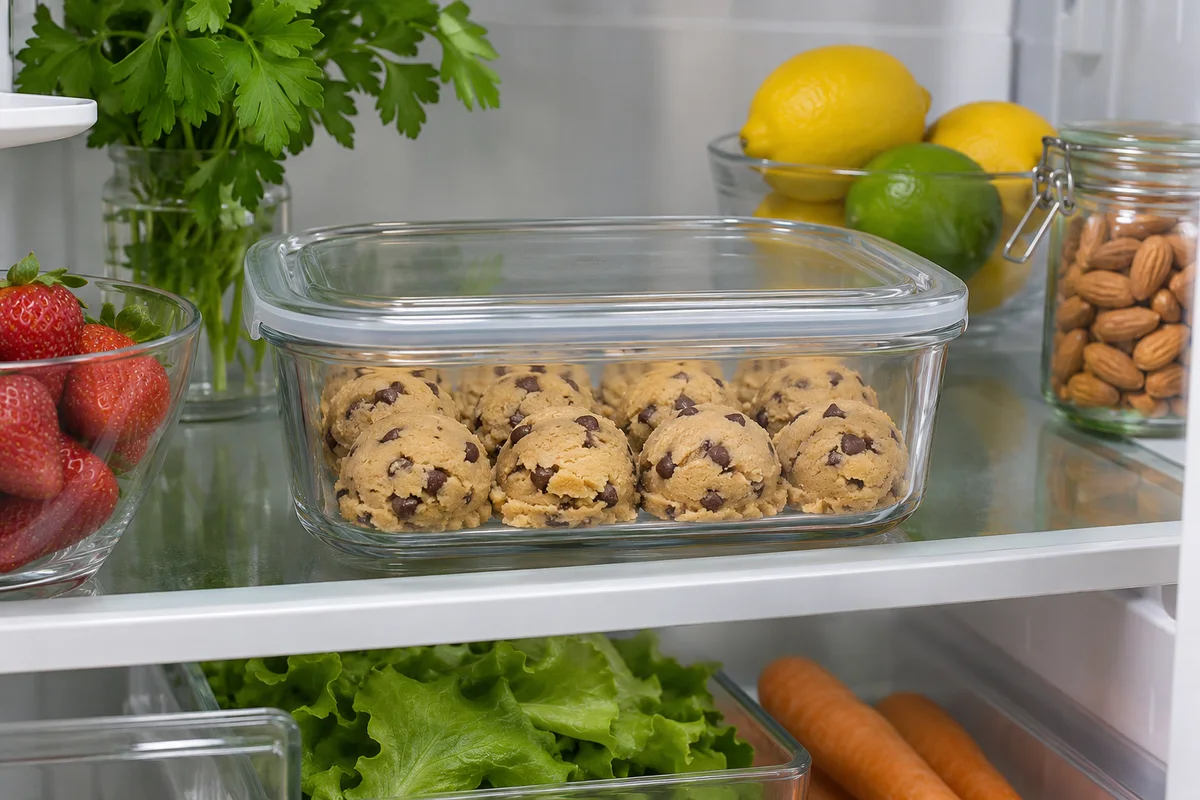
Choose a container that fits a batch of Classic Chocolate Chip Cookies with room to close the lid.

Portion before chilling
Scoop dough while it is soft if the recipe permits, place evenly sized portions on a tray and cover before refrigerating. Chilled butter dough can become difficult to scoop cleanly. Portioning first keeps cookie weights consistent and makes it easier to bake only six pieces later. For a roll-out recipe, the author may instead direct you to shape a disk or roll the sheet before chilling.
For Ginger Spice Drop Cookies, separate the portions before they firm up.
Chilling rolled dough
Sugar-cookie and gingerbread dough often benefit from a shaped disk or a sheet rolled between parchment. Chilling firms fat and may reduce distortion during cutter work. Very cold dough can crack, so allow the brief pliability prescribed before rolling. Avoid large amounts of bench flour to solve sticking; they may dry the dough and change texture.
A flat package makes dough for Gingerbread Cookies easier to roll evenly.

Slice-and-bake logs
Wrap logs securely to reduce flattened sides and drying. Chill until the dough can be cut into clean consistent slices. Rotate a soft log occasionally while initially chilling if the method recommends it, or use a suitable shaping support. Large chocolate chunks can interfere with slicing, so log formulas often use smaller inclusions than ordinary drop-cookie dough.
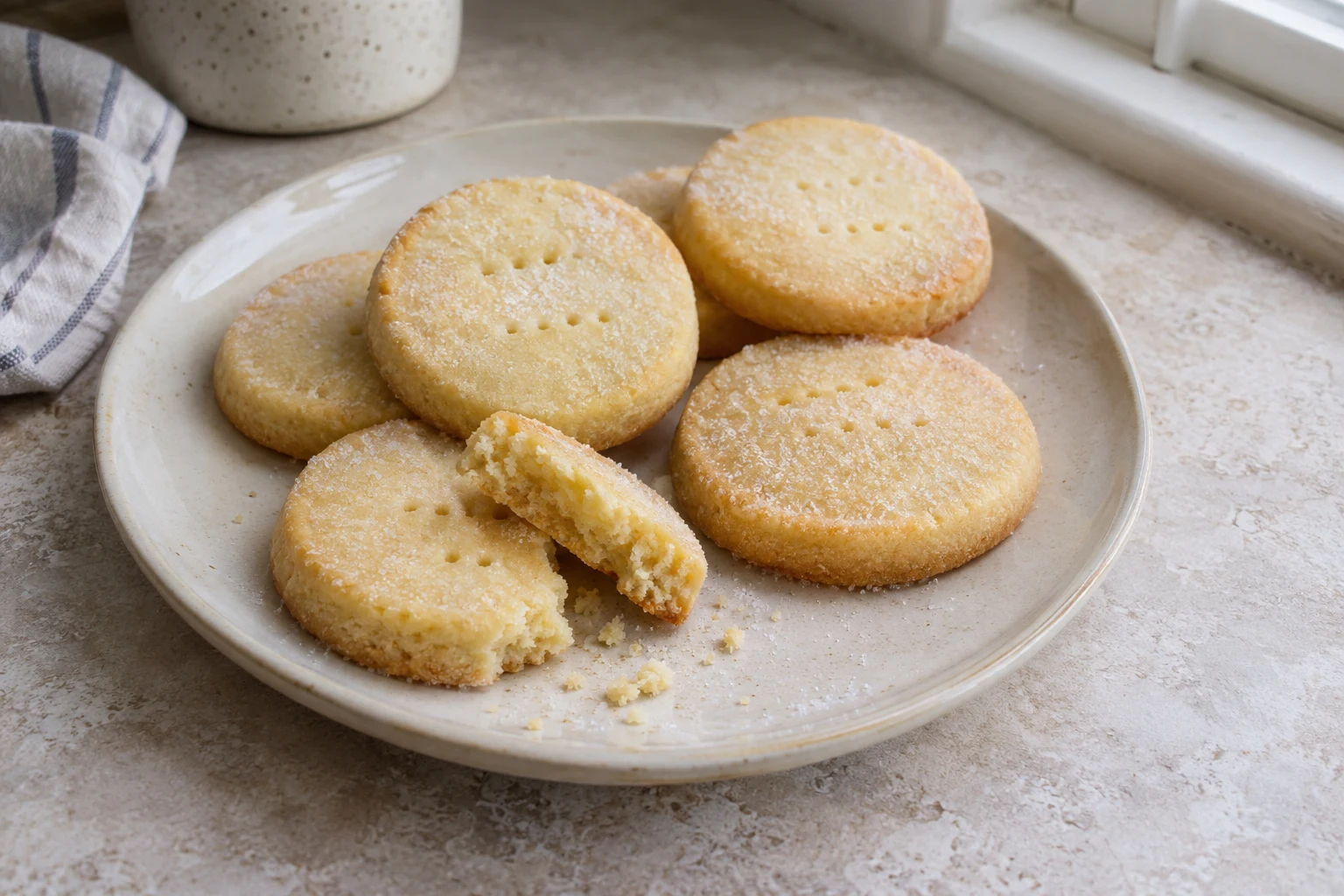
Before shaping a dough into a log, check the shaping method in Vegan Shortbread Cookies.
Refrigerator odours and flavor
Butter-rich dough absorbs nearby strong smells more readily than many bakers expect. Store away from uncovered onions, garlic or highly scented items and use a well-sealed container. Vanilla, citrus and spice aromas can also change during a rest. A dough smelling strange after prolonged storage isn't automatically an interesting fermented variation; follow safety advice and discard questionable food.
Moisture on the container
Condensation can form if warm ingredients are sealed into a cool box or when cold dough is repeatedly brought into a humid kitchen. Excess surface moisture may affect flour balance or cause powdered coatings to dissolve later. Mix with appropriately cooled additions, cover correctly and take out only portions needed. Don't leave dough cycling between counter and fridge during a long baking session.
Cookie dough with fresh fruit
Fresh strawberries, bananas and similar moist ingredients make dough less predictable and can introduce different safe storage requirements. They may release liquid over time and create wet patches that bake unevenly. Follow a tested recipe developed for that fruit and its recommended refrigerator window. Dried fruit and freeze-dried fruit behave differently; equal-weight swaps aren't necessarily reliable.
For Lemon Blueberry Whoopie Pie Sandwich Cookies, refrigerate the assembled cookies in an airtight container. The recipe calls for up to three days refrigerated.

Cream cheese and filled dough
Cookie sandwiches or doughs containing cream cheese, pastry cream or other perishable filling need stricter handling than plain butter-sugar dough. Keep them cold and use the storage and baking plan specified by the full recipe. Frosting added after baking may also determine how the finished cookies are stored. Sugar and a freezer bag don't magically make dairy filling shelf-stable.
When dough gets too hard
A refrigerated all-butter dough can become firm enough to challenge an ordinary scoop. Avoid forcing a hand mixer into a solid chilled block. Portion before chilling next time, or let the dough become workable for the short time the recipe permits. Don't allow it to warm for several hours while you complete unrelated tasks.
When chilled dough feels wetter
Flour hydration continues during resting, but fruit and other inclusions can also release liquid. If the dough has developed an unexplained wet separated layer, assess its ingredients and storage history rather than stirring in flour automatically. A recipe-designed chilled dough may become tacky; spoiled food may look normal. Follow storage limits rather than using visual appearance as the only safety test.
Bake from cold or warm slightly?
Some recipes expect cookie balls to enter the oven directly from refrigeration, producing a thicker result. Others specify a short warming period for even spread or easier slicing. Use the intended starting temperature and the corresponding bake time. Chilled dough can need longer than freshly mixed dough, but the difference isn't the same for every size and oven.
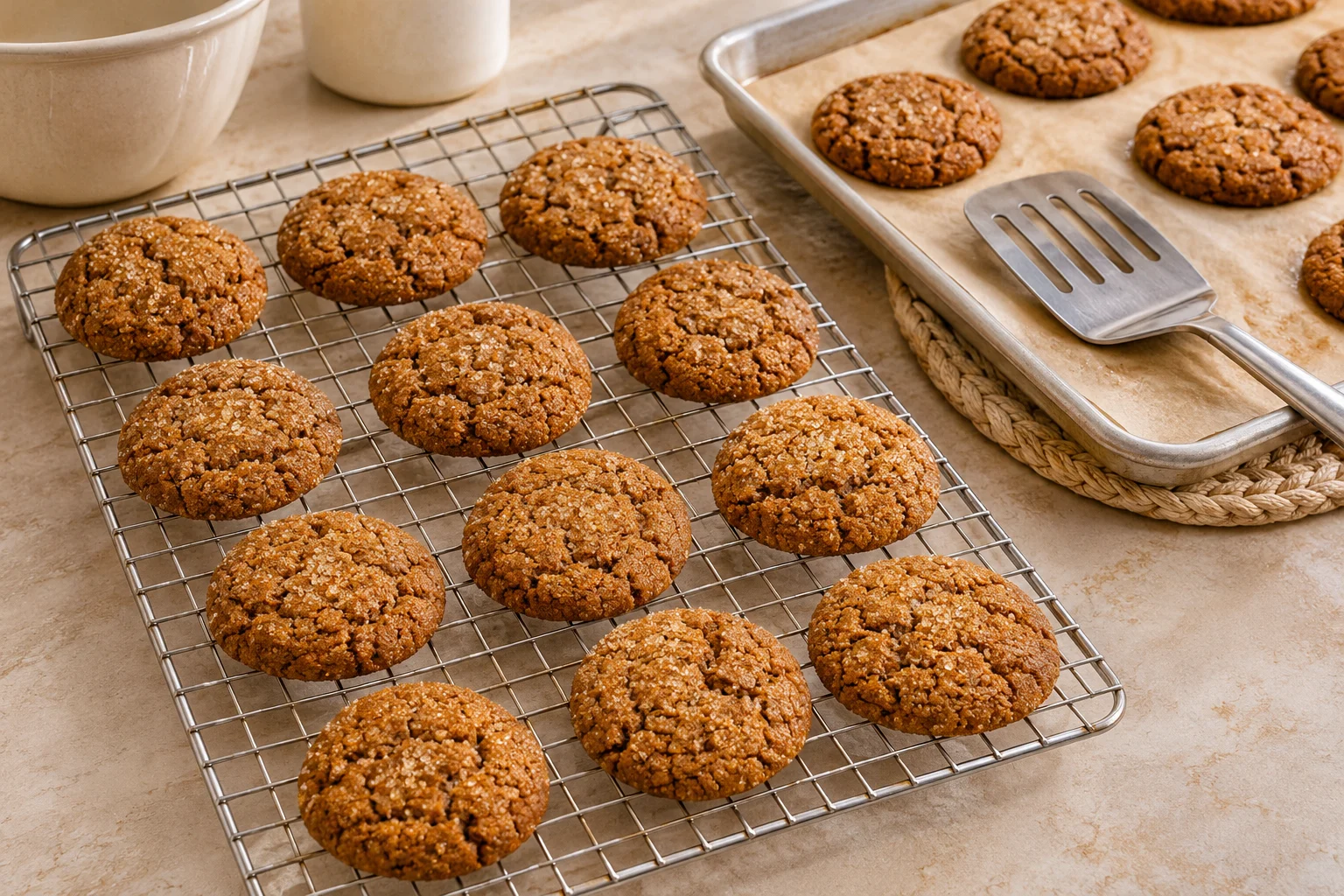
Follow the specified rest for 36-Hour Refrigerated Dough Ginger Cookies with Sugar Crystal Crust when planning your oven time.

Freezing for a longer delay
Many drop-cookie doughs can be scooped and frozen, while slice-and-bake logs and some rolled dough sheets can be wrapped for freezer storage. Follow the recipe's package and timing instructions, label the date and use suitable freezer-rated packaging. Freeze while the dough is safely fresh; freezing cannot reverse extended unsafe room-temperature handling.

Can you refreeze thawed dough?
Whether a dough can safely be refrozen depends on how it was thawed, time at refrigerator temperature and the ingredients. Quality can decline after repeated cycles. Follow authoritative food-safety guidance and recipe instructions rather than routinely moving a batch between freezer and counter. Smaller pre-portioned bags reduce the need to thaw more than you want.
Prevent cross-contact
If baking for a guest with allergies, prepare dough with verified ingredients and clean separate equipment as needed. A labelled peanut-butter dough shouldn't share a container or tools with a dough represented as nut-free. Some packaged chocolate chips also contain milk, soy or nut warnings. Refrigeration doesn't change allergen exposure.
A practical weekend plan
Mix and portion on Friday evening, refrigerate in covered trays or boxes within the recipe's allowed window, then bake on Saturday or Sunday as instructed. Keep the unused portions chilled while the first tray bakes. A clean baking sheet must cool before receiving more butter-rich dough. Bake fully and allow cookies to cool before packaging so trapped steam doesn't make them soggy.
What to discard
Throw away dough that has visible mold, a rotten smell, unexpected discoloration or a known unsafe storage history. Food without obvious spoilage can still be unsafe if held too warm or too long. Do not taste raw dough to make that decision. When the handling record is uncertain, a fresh small batch is better than risking illness.
IN PICTURES
From the baking notebook
FROM THE RECIPE BOX


