On this page
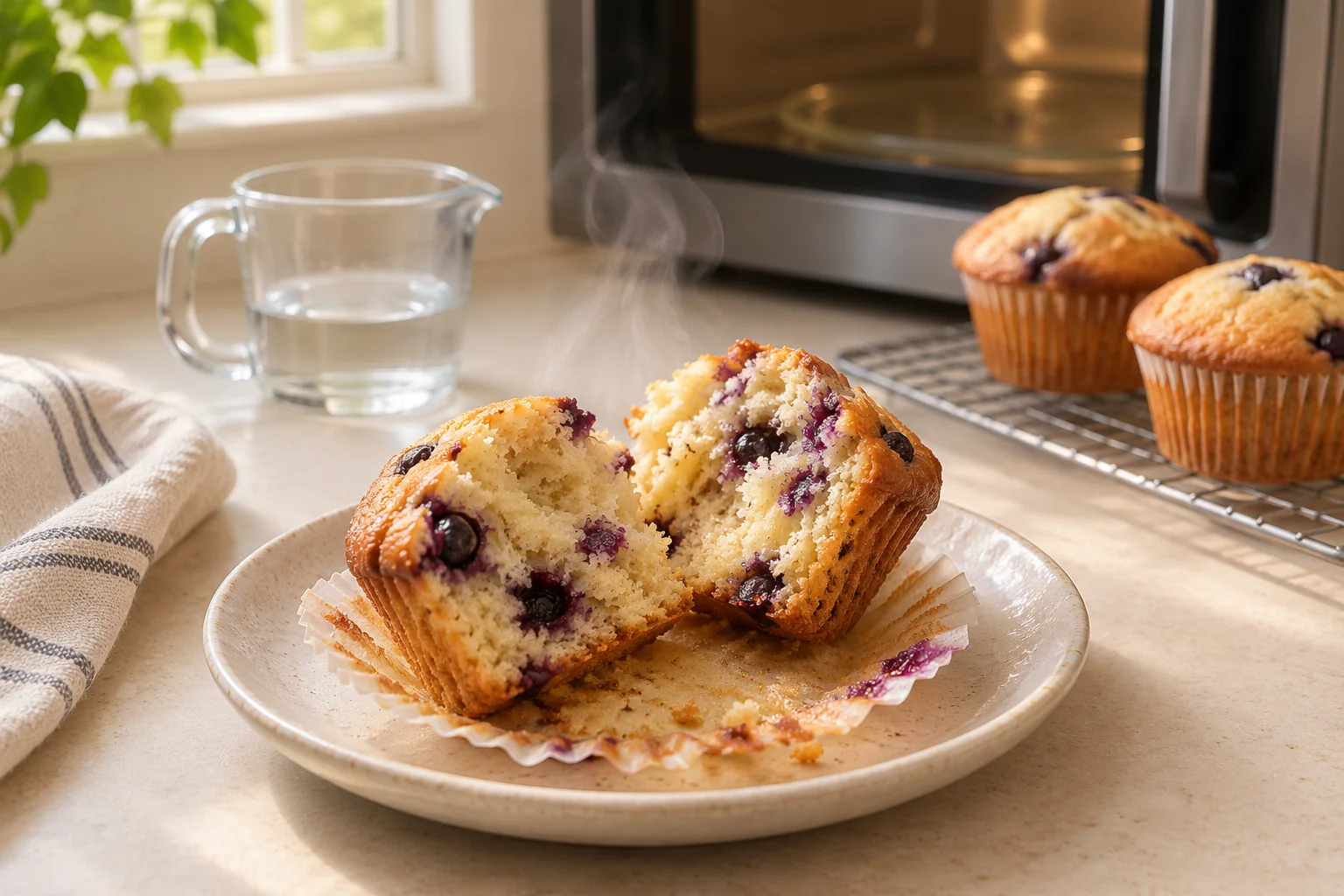
There's something lovely about a warm blueberry muffin, especially when the crumb is tender and the butter just begins to soften against it. But reheating a muffin that's already baked can easily make it dry, rubbery or soggy. A microwave heats quickly but can leave an uneven texture; a hot oven can brown the crust before the centre is warm. The most dependable approach is to match the reheating method to the muffin's size, toppings and storage condition.
First decide whether the muffin needs reheating
A freshly baked muffin that has cooled to room temperature may be delicious as it is. Warm it only if you prefer a softer crumb, warm chocolate pockets or a crisp streusel finish. The objective is to restore a pleasant eating temperature, not to bake the muffin a second time.
Why muffins dry out when reheated
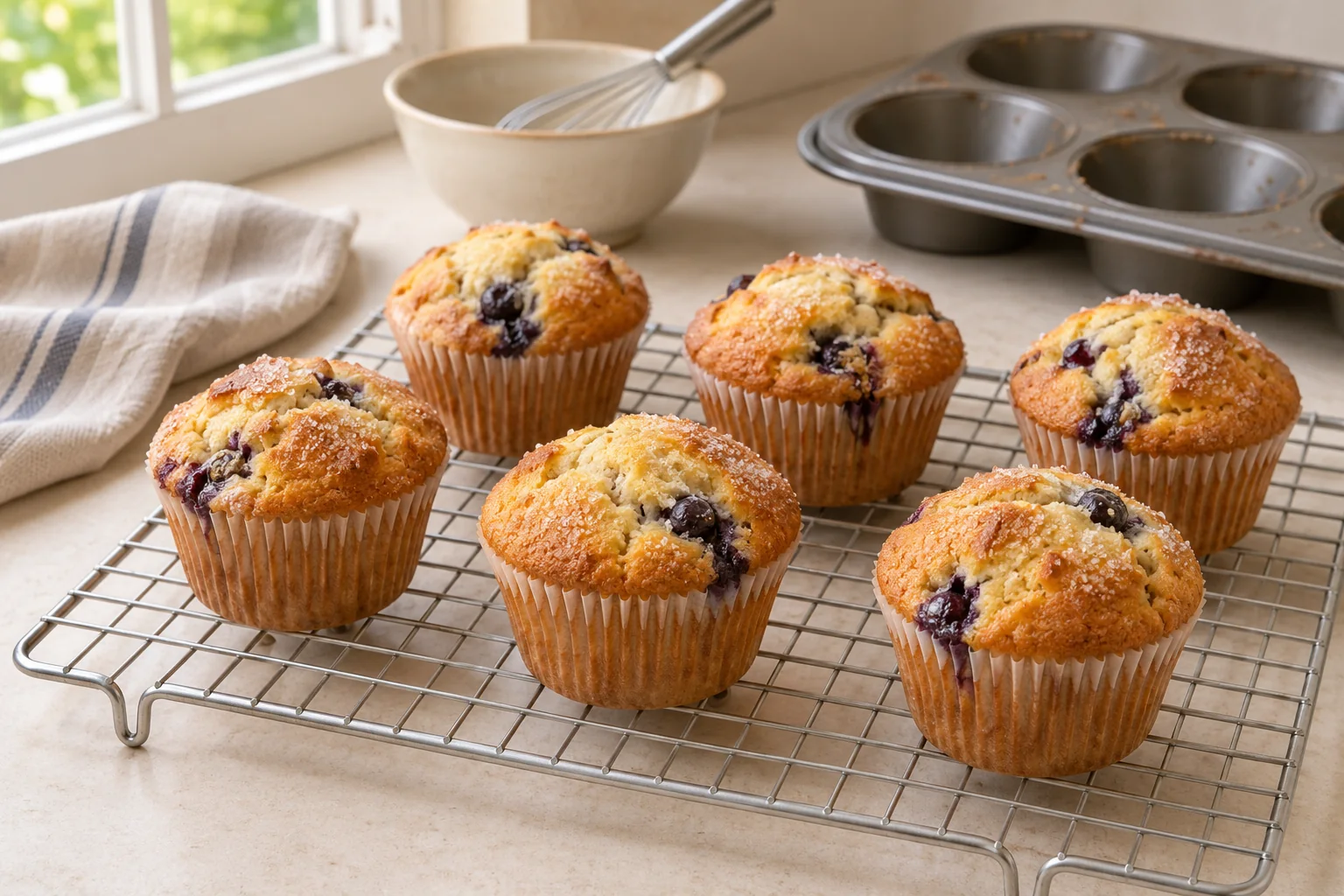
Heat moves moisture within baked goods and encourages evaporation from exposed surfaces. Reheating too long, using an overly hot oven or heating a small muffin as if it were a large loaf can leave the edges hard. The muffin's original fat, sugar and moisture content determine how forgiving it will be.
The low-oven method
A moderate or low oven often warms muffins relatively evenly and can refresh the outer surface. Follow the storage or reheating instructions attached to the specific muffin recipe.
How to protect the crumb in the oven
For a muffin that is already golden brown, avoid an aggressive high-heat setting. If the top begins overbrowning, a loose foil tent may help in a recipe-approved method. Warm just until the centre is pleasant to eat and remove promptly; holding muffins in a hot oven for extended periods is a common cause of dryness.
A toaster oven for one or two muffins
A toaster oven can be convenient for small portions, particularly when you want to avoid preheating a full-size oven. However, its heating elements may sit closer to the muffin top. Choose a gentle setting, use suitable cookware, and check early to prevent burning exposed chocolate or streusel.
Reheating in a microwave
Microwaves are fast but can produce uneven hot spots and a temporarily soft, steamy texture that changes as the muffin cools.
Why microwaved muffins sometimes turn rubbery
Microwave heating can move water rapidly and change the crumb's texture. Extended heating dries parts of the muffin while other areas remain cooler. If the muffin feels rubbery, shorter heating and eating it promptly may help next time, but there is no guarantee that an overbaked original muffin will become tender again.
Should you add a damp paper towel?
Some bakers loosely wrap a muffin in a slightly damp, microwave-safe paper towel to reduce immediate surface drying. It may improve softness for certain plain muffins but can make streusel and sugar tops soggy. Use only microwave-safe materials, keep them away from exposed elements, and follow appliance and recipe guidance.
Reheating muffins from room temperature
A plain muffin stored for a short approved period may need only gentle warming. Avoid a full oven baking cycle. If you want a crisp outer top, a toaster oven may suit it; if you mainly want a soft warm centre, a brief microwave may be more convenient.
Reheating refrigerated muffins
Cold butter-rich muffins can feel firmer because their fats solidify in the refrigerator. Gentle warming can soften the crumb. However, if the muffin contains cream cheese, custard or another perishable filling, its food safety and reheating instructions take precedence over convenience.
Reheating frozen muffins
Use the specific recipe's thawing directions or reheating-from-frozen method. Some muffins can be microwaved or warmed in an oven from frozen, while larger jumbo portions are easier to reheat evenly after thawing. Don't assume a browned outside means the centre has warmed sufficiently.
When thawing is better than heating from frozen
Large, dense muffins, particularly those with fruit or filled centres, may benefit from appropriate thawing before warming. A still-frozen interior surrounded by a hot crust gives a disappointing texture. Follow suitable thawing methods for the ingredients; perishables should not sit on the counter for long periods.
Blueberry muffins
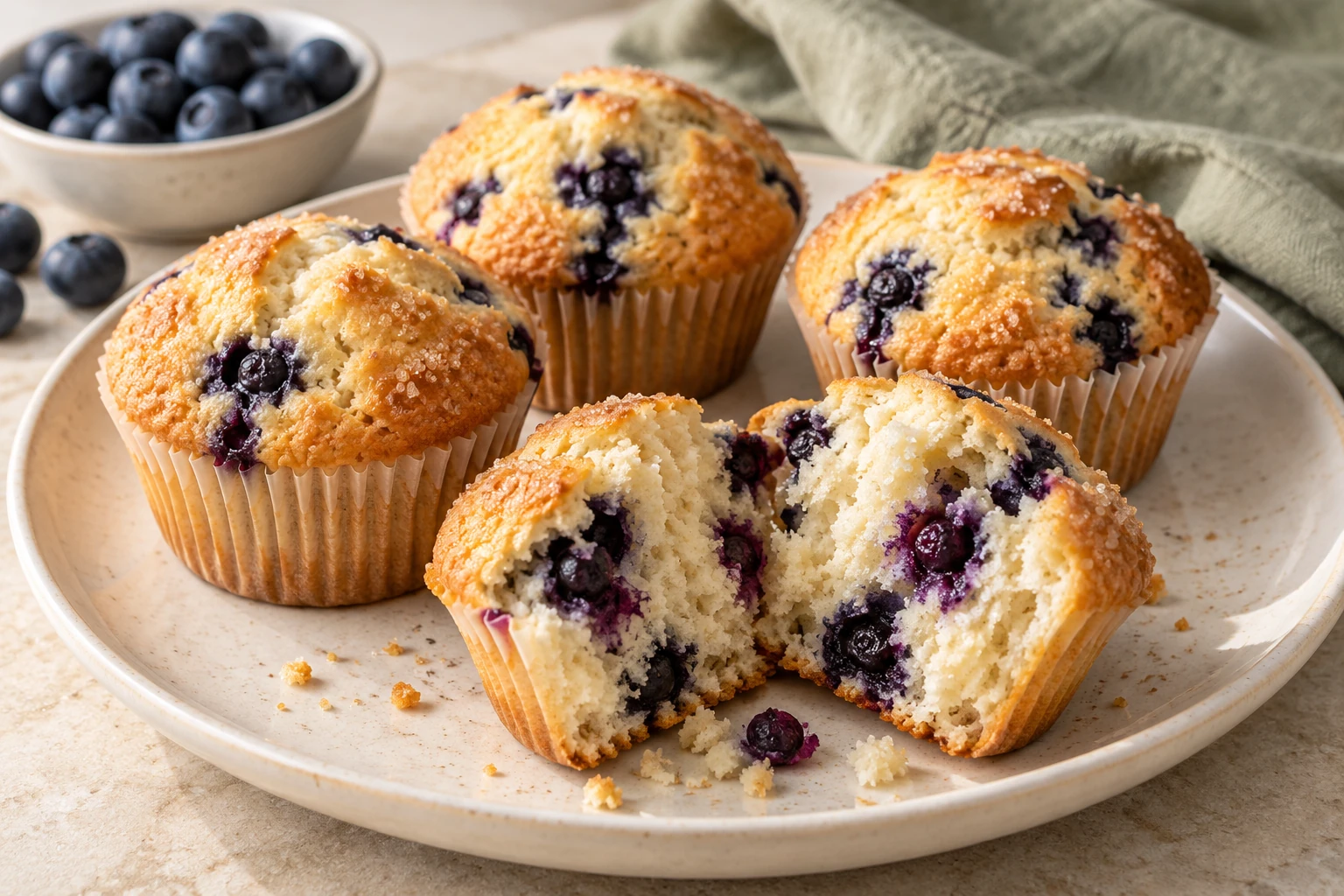
Blueberry pockets contain more moisture than the surrounding crumb and may heat rapidly. Check carefully because hot fruit can burn the mouth even when the muffin exterior feels only moderately warm. Gentle oven warming helps avoid making the tender crumb tough, while short microwave bursts may be practical for a single serving.
Recipe to try: Blueberry Muffins. Blueberries add a different source of moisture from chocolate. Keep the fruit quantity and baking cues matched to this muffin recipe.
Banana muffins
Banana provides a moist, soft crumb but also can make the muffin feel heavier. Reheat briefly and avoid trapping too much steam, which can make the edges damp. A properly baked banana muffin usually needs less help than one that was dry before storage.
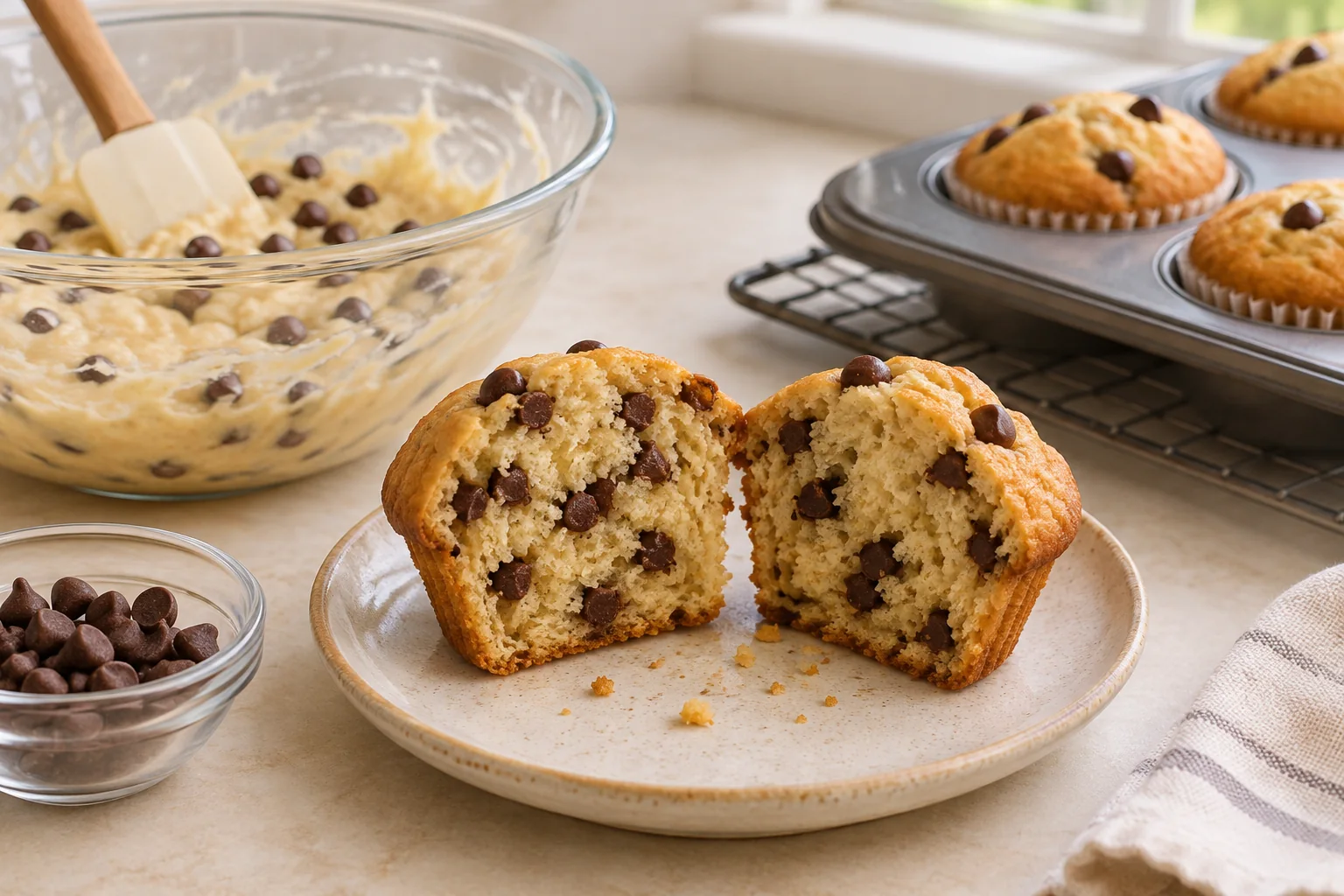
Chocolate chip muffins
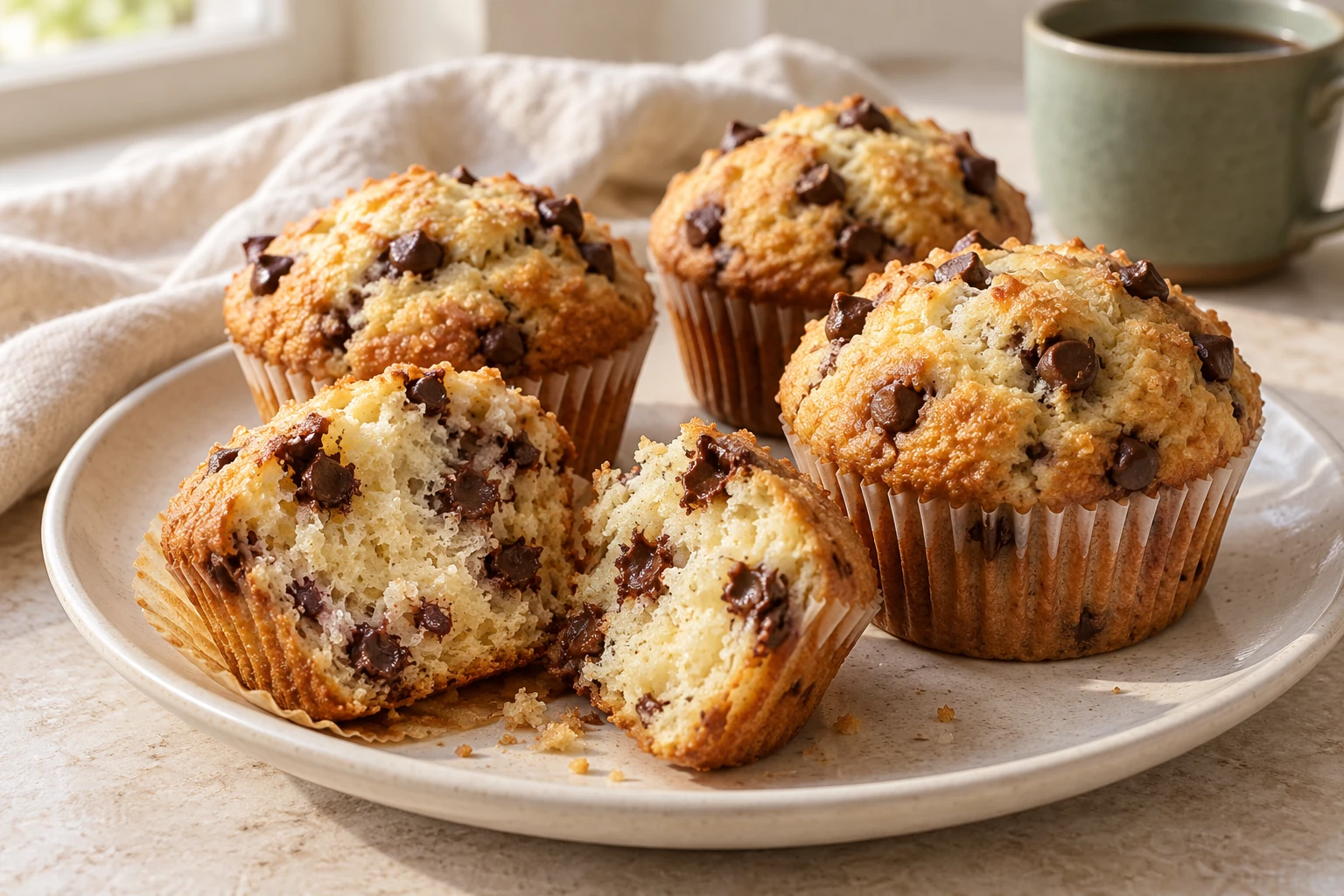
Chocolate chips and chunks can melt and become unexpectedly hot during reheating. A short gentle method helps restore a pleasant chocolate texture without scorching surface pieces. Let the muffin stand briefly after heating and test its temperature before serving to children.
Recipe to try: Chocolate Chip Muffins. This muffin formula already accounts for chocolate chips. Use its quantity before experimenting with larger add-ins.
Streusel-topped muffins
Crunchy toppings absorb moisture easily. A covered microwave method may soften the streusel even if it warms the centre effectively. A brief oven or toaster-oven refresh is often preferable when crisp topping is the priority, but check frequently so the exposed sugar does not burn.
Recipe to try: Blueberry Streusel Muffins. The streusel creates a separate topping texture. Cool the muffins before packing so trapped steam does not soften it unnecessarily.

Muffins with glaze
A powdered-sugar glaze may soften, melt or become sticky when heated. Some decorated muffins are better served at a suitable room temperature rather than reheated. If a recipe supports advance preparation, it may recommend warming the plain muffin and glazing afterward.
Cream cheese-filled muffins
These need particular care because the filling is dairy-rich and perishable. Keep refrigerated as directed and follow a validated reheating approach for the complete recipe. A filled muffin that was left at an unsafe room temperature cannot be made safe merely by briefly microwaving it.
Savoury muffins
Cheese, vegetables, egg components or meat can make savoury muffins more perishable. Follow their specific refrigeration and leftover-reheating guidance.
Should you slice muffins before warming?
Slicing can speed heat transfer but also exposes more crumb to drying. For a dense jumbo muffin, a recipe may suggest cutting it before toasting; for a small tender muffin, keeping it whole may be better. If using a toaster, follow appliance instructions and avoid loose toppings that may burn or fall into the heating elements.
Why reheating cannot fix a failed bake
An underbaked muffin with raw batter should not be served, and reheating later does not reliably repair the original structure. A seriously dry muffin also cannot regain all its lost moisture through heat alone. For future batches, address baking temperature, pan size and accurate doneness first.
A quick decision guide
Choose gentle oven heat when texture and a lightly crisp exterior matter; use brief microwave heating when speed and a soft centre matter; choose a toaster oven for a small number of muffins when their toppings suit it. For frozen and filled muffins, the original recipe's instructions take priority.
Safety and serving
Use oven mitts, allow hot fruit and chocolate to cool briefly, and watch children around hot muffin centres. Keep perishable baked goods at 4°C (40°F) or colder as required. If leftovers need safe reheating, follow the applicable guidance for their ingredients rather than using a generic time.
Frequently asked questions
Can I microwave a muffin? Yes, when the recipe and ingredients permit, using short controlled heating. How do I keep it moist? Avoid excessive heat and time. Can I warm streusel muffins? An oven may preserve crunch better than a damp microwave method. Can I heat frozen muffins? Often, but follow the formula and watch larger portions for uneven warming.
A small warm-up makes the difference
A muffin needs only enough heat to restore its appealing texture. Begin gently, check early and consider the topping and filling before choosing the appliance. The nicest reheated muffin still tastes like the one you baked—not like something that went through the oven all over again.
IN PICTURES
From the baking notebook
FROM THE RECIPE BOX


