On this page
For vegan whipped cream, start with chilled coconut cream or a plant-based cream labelled for whipping. Choose coconut cream when its flavour suits the dessert, such as strawberry shortcake. If you want a more neutral topping for a pie or cake, look for an unsweetened whipping product and follow the directions on its carton. Chill the base before mixing and stop at the peak you need.
Some technique and serving photos are AI-generated editorial illustrations.
Which vegan cream should you buy?
What makes a plant-based cream whip?
Whipped toppings need a system that holds air bubbles inside a stable mixture of fat and water. Dairy whipping cream uses milk fat; some vegan products rely on coconut fat, while specialized products combine plant fats, emulsifiers and stabilizers. A carton labelled plant milk isn't automatically capable of forming stable peaks.
Coconut cream is a common starting point
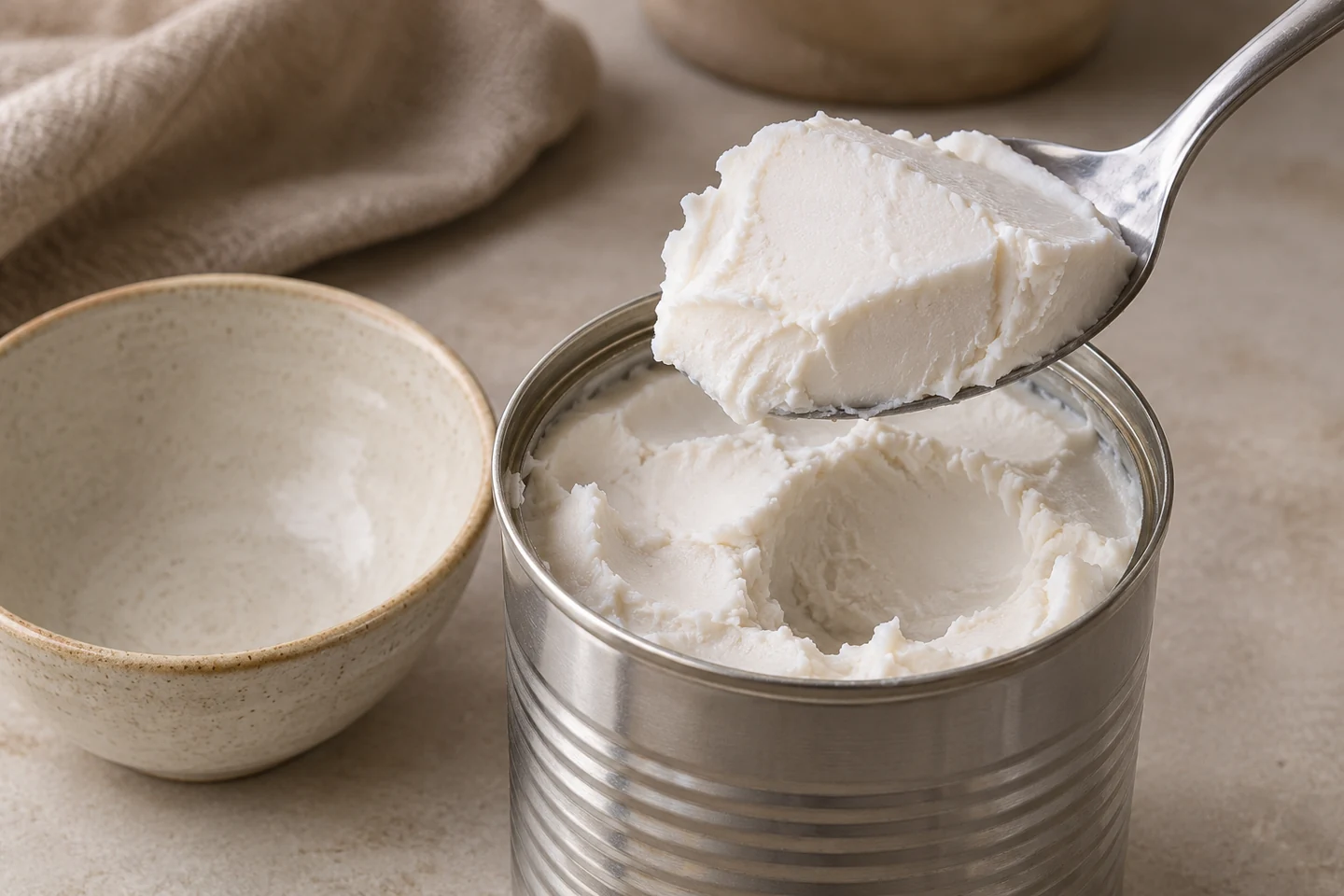
Certain high-fat canned coconut creams separate when chilled, leaving a thick cream layer over thinner liquid. The thick portion can sometimes be whipped with powdered sugar and flavouring. Results vary by brand, fat content, additives and refrigeration, so follow a product-tested recipe rather than assuming all cans separate the same way.
Coconut milk versus coconut cream
Coconut milk often has a larger proportion of water than coconut cream. Some full-fat brands form a firm layer after chilling. Use unsweetened coconut cream or the full-fat milk your recipe specifies. Cream of coconut is usually sweetened for drinks and can give a different result.
Commercial vegan whipping cream
Plant-based products formulated specifically for whipping may give more predictable volume and stability than cans of coconut milk. Check the carton for chilling time, mixing directions and any sweeteners already included. Some are sweetened, so adding a full recipe's sugar quantity can make the final topping overly sweet.
Some cartons tell you to shake before opening and whip the whole product. A recipe that uses the firm layer from a can usually asks you to keep its contents separate. Follow the directions for the product in your hand. If you’re making a dessert for guests and trying a new brand, check how it whips before you need to assemble the dessert.
How to make whipped coconut cream
If your recipe uses the thick layer from a chilled can, follow its ingredient amounts and chill time. The usable cream from each can varies by brand. Start with our Vegan Strawberry Shortcake recipe and buy the number of cans it specifies.
Chill thoroughly before mixing
Chill the can upright as directed by the recipe so the firm layer is easy to lift away. Chill commercial whipping cream according to the carton. Follow the product’s directions about whether to shake before opening.
Use a cold bowl when helpful
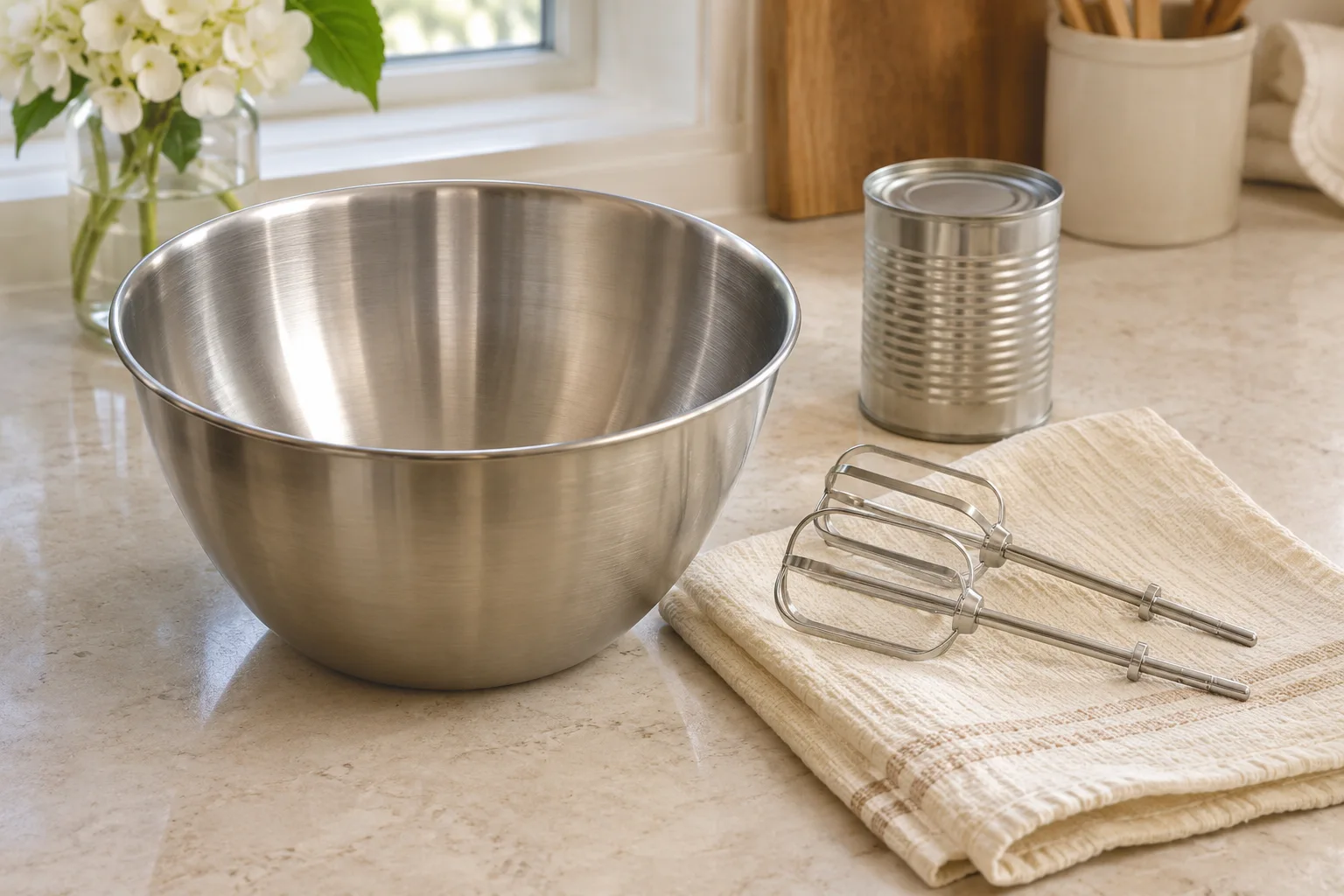
In a warm kitchen, a chilled bowl and beaters can make handling easier. This is particularly helpful for small batches that warm quickly under the mixer. Keep the equipment clean and dry, since added water can thin separated coconut cream. Choose a bowl narrow enough for the beaters to reach a small batch at the bottom.
Open coconut cans carefully
When a recipe calls for the thick separated layer, avoid shaking the cold can first. Open it and scoop the firm part without collecting the thin liquid below. Save the liquid for a separate suitable recipe rather than pouring it into the whipping bowl and making the mixture too runny.
Don't waste the leftover liquid
Save the thinner coconut liquid for smoothies, soups or oatmeal if you can refrigerate it promptly at 4°C (40°F) or colder. Follow the package’s after-opening storage directions. Keep the reserved liquid in a separate covered container so it stays easy to measure for another dish.
How to tell when the cream is ready
Whipping in stages
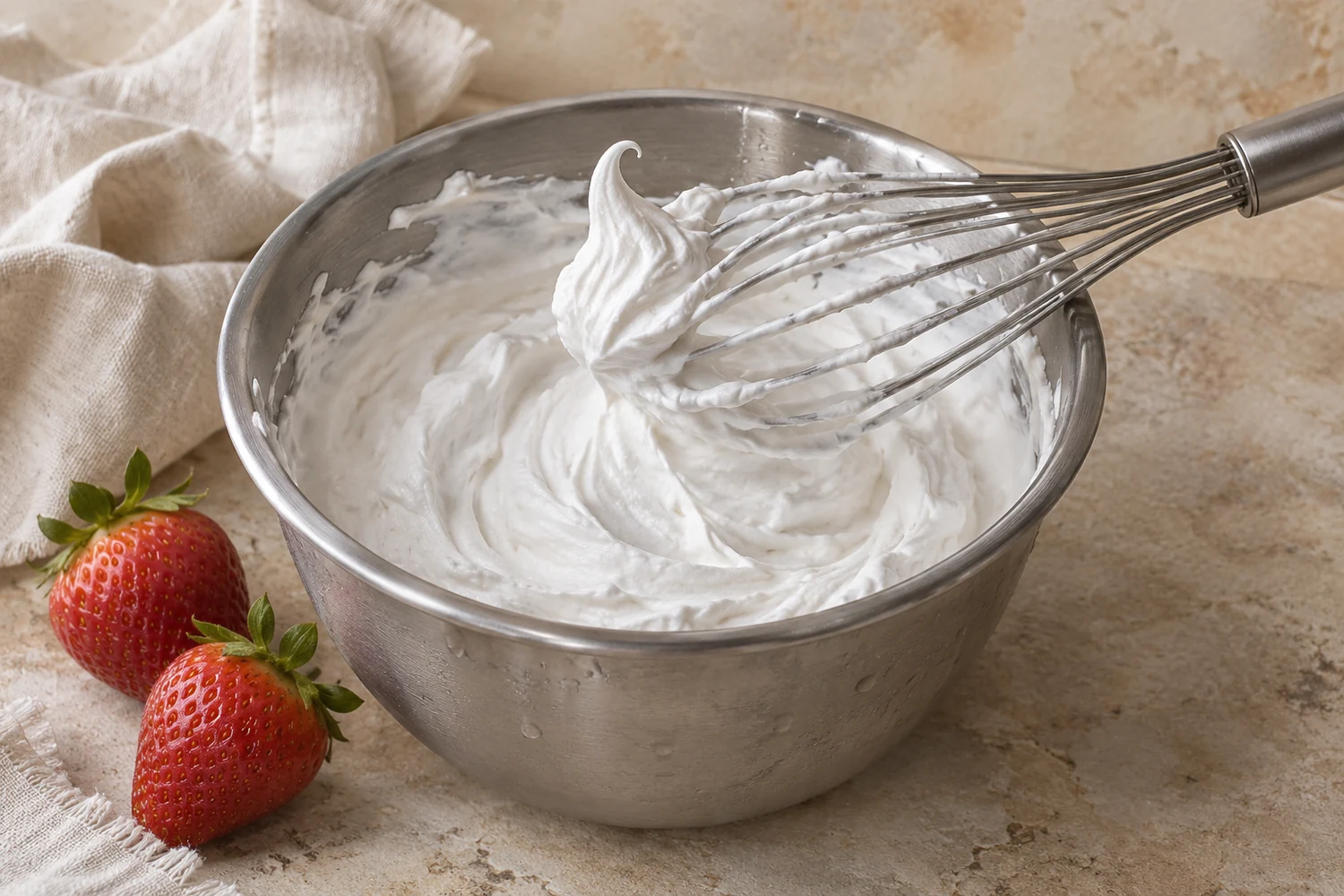
Start at the speed in the recipe or on the carton. An electric hand mixer gives you control over a small batch. Once the beaters leave tracks in the cream, stop the mixer and lift them to check the shape. The visual cue is more helpful than a universal time, since the mixer speed, amount of cream and formulation all affect how fast it whips.
- Soft peaks curl down as soon as you lift the whisk. Choose this texture for spooning over berries or folding into a recipe that calls for a light topping.
- Medium peaks stand at the base with a bent tip. They hold a rounded dollop on cooled shortcakes and tarts.
- Firm peaks stand upright. Use them when your recipe calls for piping and the cream you chose can hold that shape. Stop if the texture starts turning coarse or splitting.

Sugar and flavour
Powdered sugar disperses easily in coconut whip. Add it at the stage and in the amount the recipe specifies. If it has clumps, sift it first. Vanilla makes a simple topping for berry desserts, and a little finely grated lemon zest pairs well with coconut. If you want a chocolate or coffee topping that holds its shape, choose a recipe written for that flavour so the added ingredients are accounted for.
How to reduce coconut flavour
Vanilla, melted-and-cooled chocolate in a tested formula, or a commercial neutral-flavoured whipping product can help. Lemon zest and berries also complement coconut rather than masking it. A strongly coconut-flavoured canned cream won't become completely flavourless simply through extra sweetener.
Troubleshoot the base before beating longer
Why it won't thicken
Possible causes include insufficient fat, a product not formulated to whip, incomplete chilling or too much watery portion in the bowl. If you tipped in the watery layer, more mixing may leave you with a foamy liquid. If the can never developed a firm layer after chilling, try a different base for the topping and use that can in a recipe that calls for pourable coconut milk.
Why it turns grainy
Some coconut fats can become lumpy as temperatures shift, and aggressive mixing may cause partial separation. Stop and assess rather than immediately adding water or heat. First check whether the cream started out lumpy or became grainy only after you kept beating. For a product-specific repair, follow the recipe or carton. If the texture is uneven but the topping is still safely chilled and the recipe permits it, a spooned dollop can be more forgiving than a piped swirl.
If an ordinary plant beverage froths without holding peaks, look for a product formulated for whipping. Check the carton’s directions and chill it before mixing. Extra beating cannot give an ordinary plant beverage the same structure.
Which desserts go with vegan whipped cream?
Stabilizing for decoration
Some tested vegan toppings use starches, gums or specialized stabilizers to keep piped peaks defined. Agar and gelatin are not interchangeable; gelatin isn't vegan. Choose a truly plant-based setting method developed for the base rather than adding raw agar to cold whipped coconut cream.
Filling cakes versus topping desserts
A spoonful of coconut whip on berries needs less structural strength than a tall layer cake filled with cream. For layered desserts, use a specifically stabilized recipe and limit filling depth. Heavy fruit and moist sponge can collapse a weak whipping product during transport.
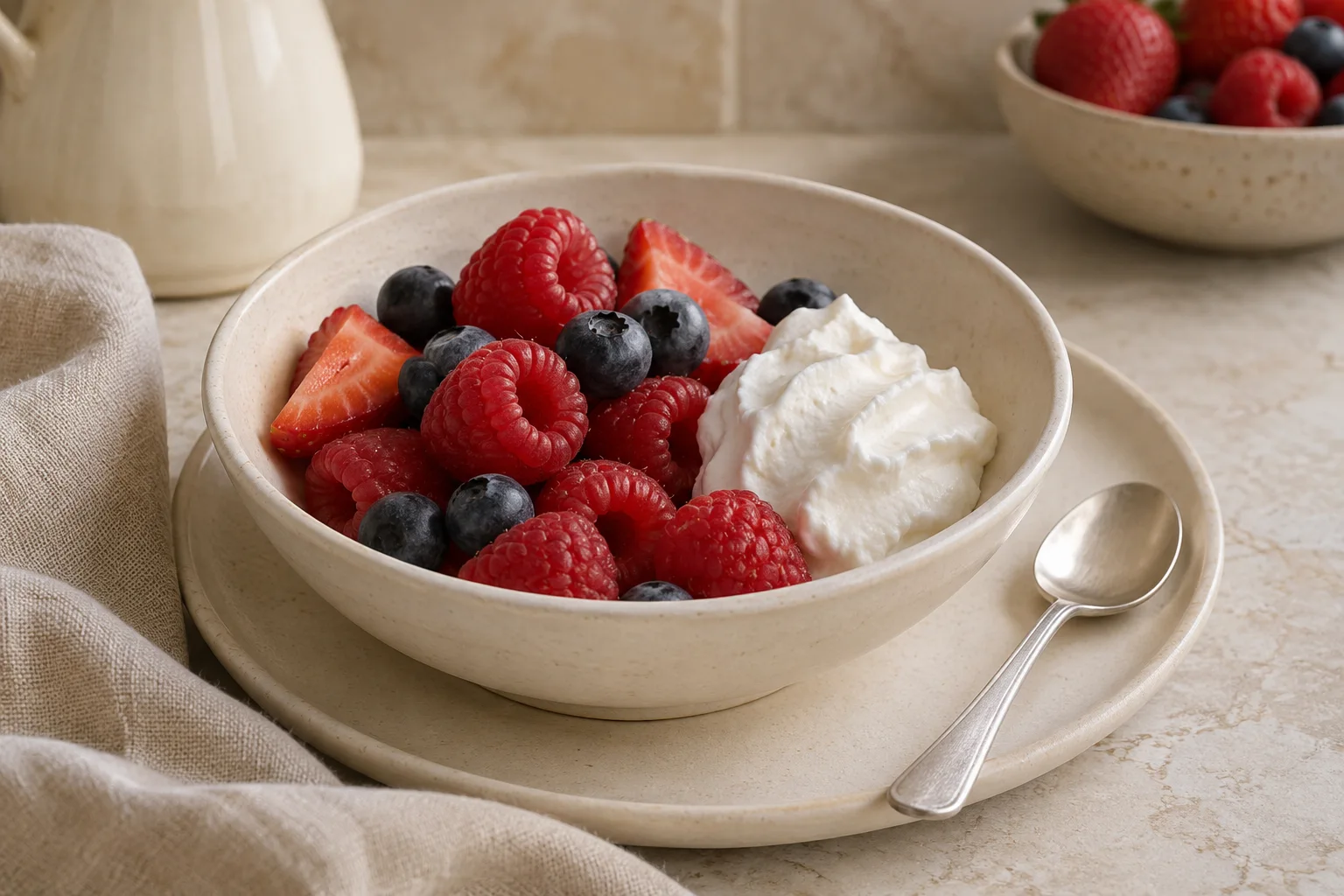
For an easy serving idea, spoon soft coconut whip beside a bowl of fresh berries just before serving. On shortcakes, let the biscuits cool completely before adding cream. Spoon over only as much berry syrup as you want the biscuit to absorb.
Our vegan strawberry shortcake cupcakes use whipped coconut cream on fully cooled cakes. Keep the cans and cream chilled until needed. Pipe or spoon the topping before serving. The cream’s ability to hold a cupcake swirl does not make it suitable for stacking cake layers.
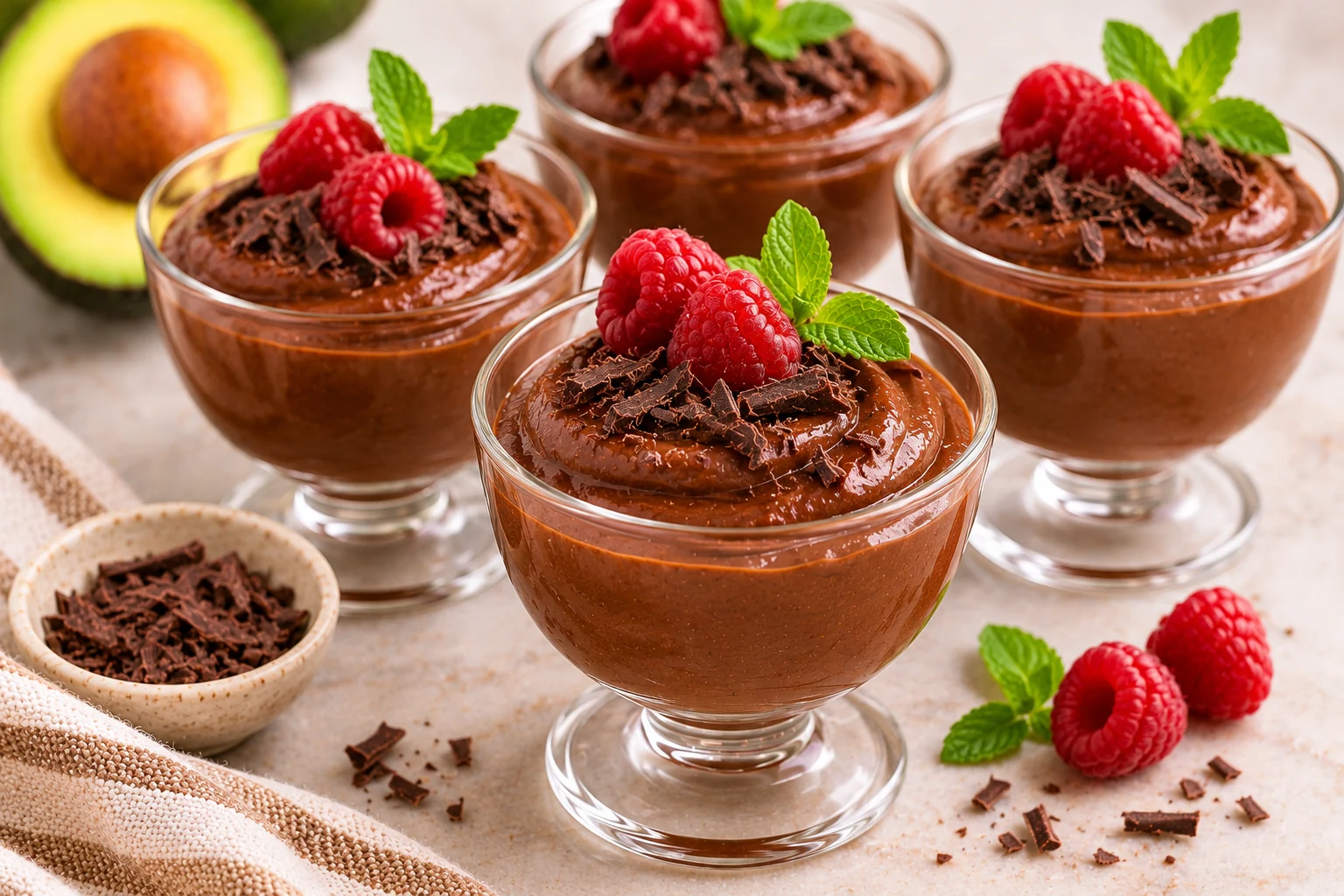
For a serving option that uses a smaller dollop, try it on vegan chocolate avocado mousse or alongside a slice of vegan gluten-free chocolate tart. Add it at serving time.

Check labels and keep the topping cold
Vegan and allergen labels
Read the complete ingredient list and any relevant “may contain” statements. Vegan toppings may contain soy, nuts or coconut. Check the chocolate, sprinkles and decorations, and prevent cross-contact with clean, separate equipment.
Food safety remains essential
Plant-based creams are perishable once opened or prepared. Follow the manufacturer's storage directions and keep the finished topping refrigerated at 4°C (40°F) or colder. A dairy-free cake with coconut cream should not be treated as safe for all-day room-temperature buffet display.
Keep whipped topping and assembled desserts at 4°C (40°F) or colder until needed. Discard perishable portions left at room temperature for more than two hours.
Serving and holding time
Whip close to serving when possible. If you’re bringing shortcakes or cupcakes somewhere, pack the cream and berries in separate covered containers in a cooler with ice packs. Store the cooled biscuits or cupcakes separately as the recipe directs. Assemble at the destination so fruit juice does not soften the bake or run down the topping.
Frequently asked questions
Can I whip ordinary oat milk?
Not into a dependable cream-style topping without a specially designed formulation. Choose a product labelled for whipping or a recipe developed for the base.
Will light coconut milk work?
Usually not for firm peaks. Follow the product and recipe specified rather than adding more mixer time.
Is powdered sugar required?
It depends on the formula. A sweetened commercial whipping product may need less or no additional sugar.
Can I freeze whipped coconut cream?
Only when the chosen recipe permits it; thawed texture may change.
Is dairy-free automatically shelf-stable?
No. Refrigerate prepared toppings as directed and keep perishable desserts cold.
Start with the base, not the mixer
Select a coconut or commercial vegan whipping product proven to make peaks, chill it correctly, limit added liquid and beat only to the texture needed. A dependable dairy-free topping is the result of a suitable ingredient formula plus thoughtful temperature control.
IN PICTURES
From the baking notebook
FROM THE RECIPE BOX