
On this page
The white coating and the dough underneath do different jobs. The surface begins to set while the centre is still expanding. When the surface splits, the dark dough shows through. For sharp contrast, start with the coating and chill specified for your recipe.
Why crinkles crack
A crinkle dough is usually soft and rich enough to expand during baking. The outside begins to dry and set while the interior continues moving, opening fissures that reveal chocolate beneath the pale coating. The exact mechanism depends on sugar, fat, eggs, flour and leavening. A very stiff dough may not expand enough to crack; a very wet dough may dissolve much of its coating before the pattern appears.

Use a tested crinkle recipe
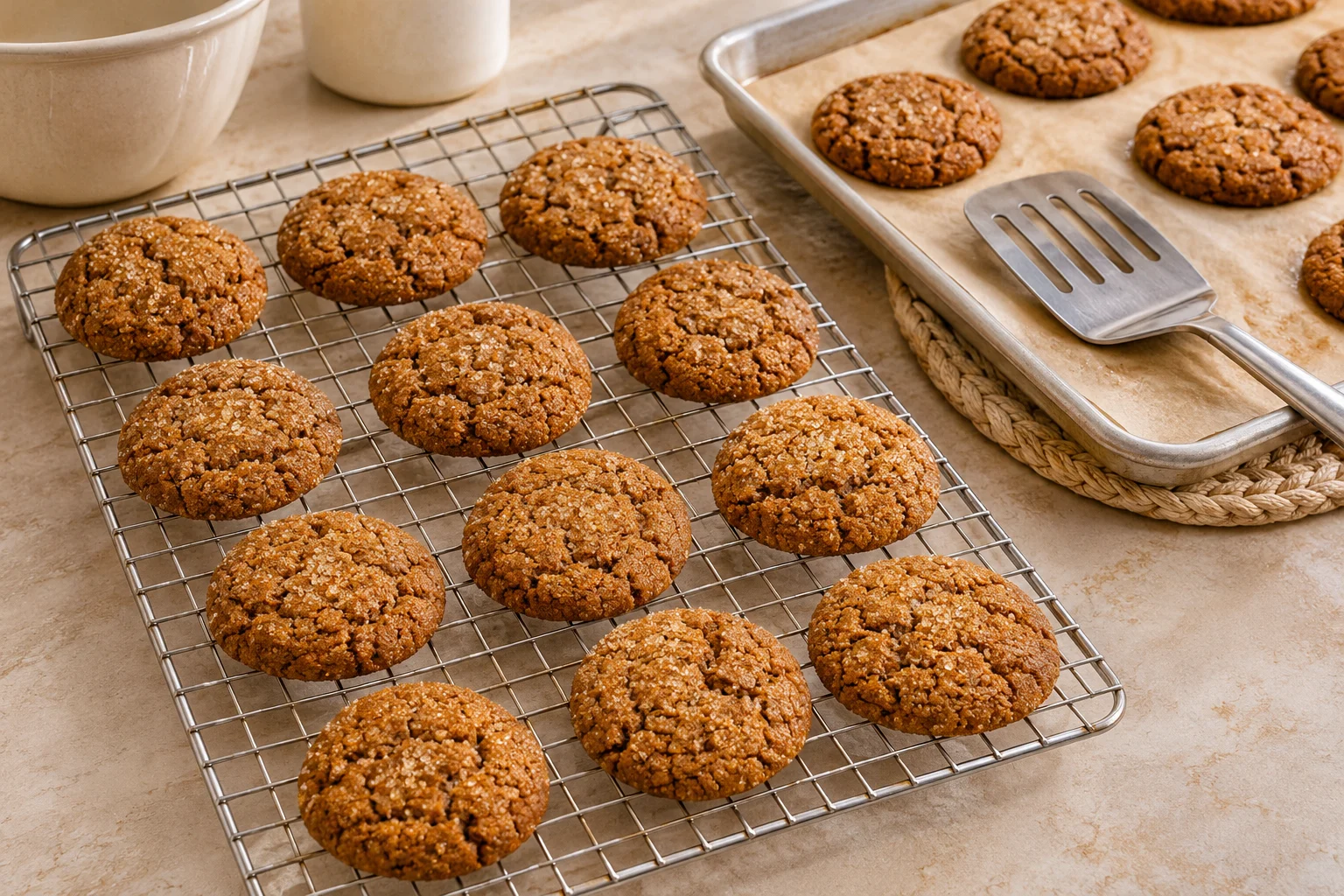
Crinkle formulas vary considerably: some use oil, others butter, and some contain melted chocolate in addition to cocoa. Their chilling and coating methods aren't always interchangeable. Choose a reliable recipe and follow its weights before comparing the finished appearance with photographs. A cookie with the wrong sugar or flour quantity may spread unpredictably even if rolled perfectly.
Start with Ginger Crinkle Cookies to see a recipe designed for a crackled surface.

How cocoa powder affects dough
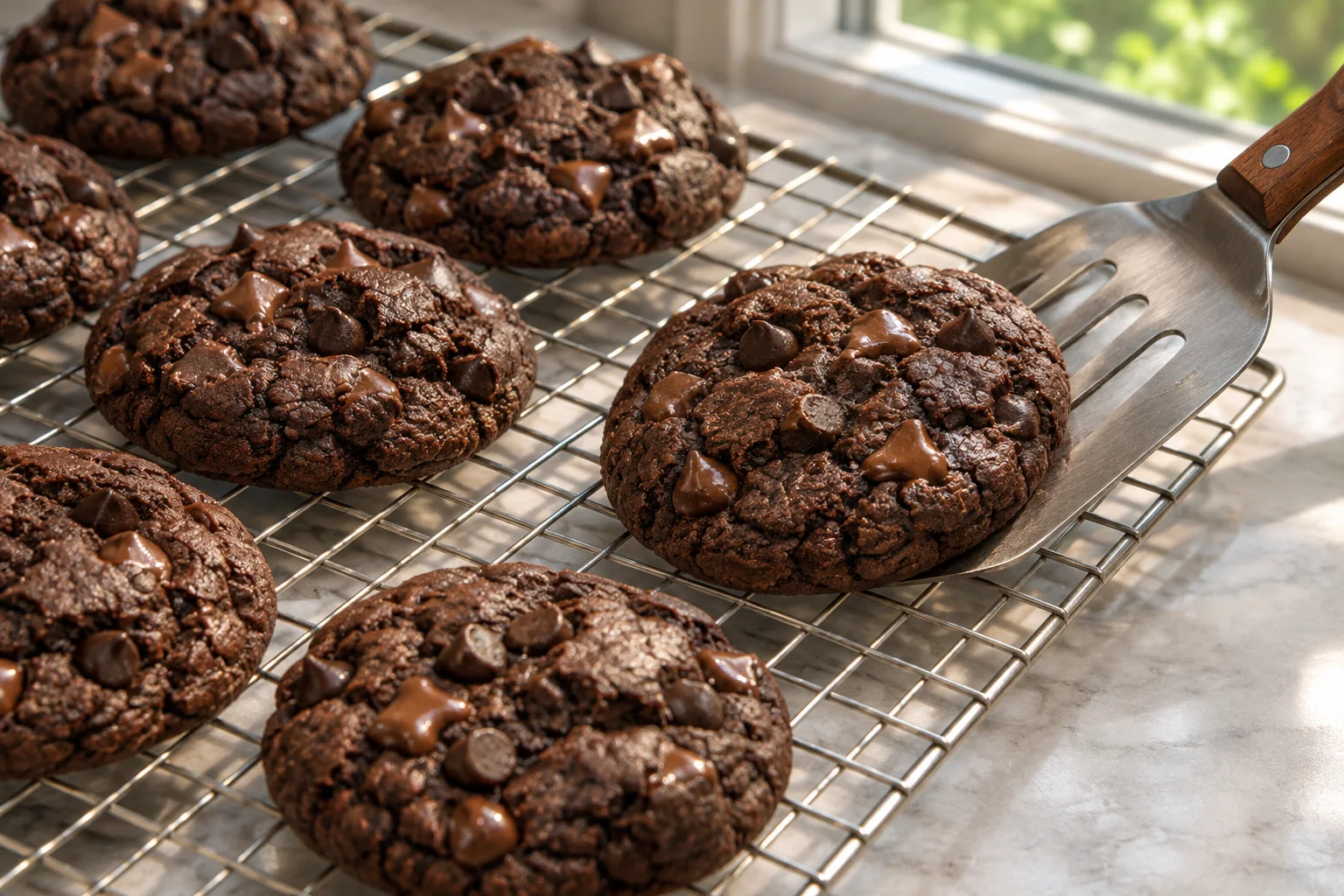
Cocoa powder brings cocoa solids and absorbs moisture. Natural and Dutch-process cocoa may differ in acidity and color, potentially influencing leavening in particular formulas. Substituting one type without checking the recipe can change rise and texture. A deep dark base creates more visual contrast with the sugar coating, but a blacker cookie isn't automatically a better crinkle.
Compare the cocoa-rich dough in Double Chocolate Chip Cookies before changing the cocoa in a crinkle recipe.
Butter versus oil formulas
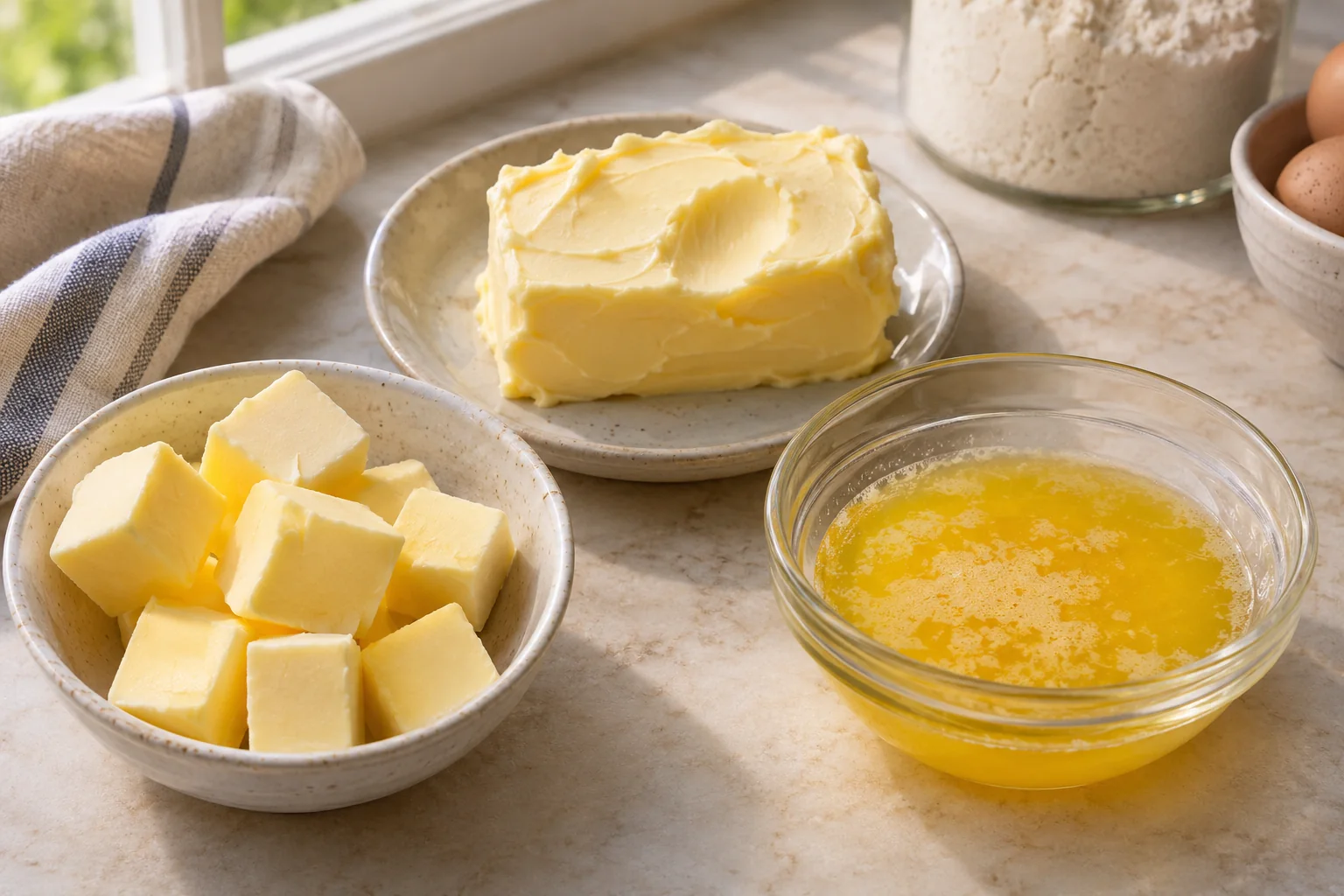
Oil-based crinkle dough may stay soft when chilled because oil doesn't firm like butter. A butter-based version can become noticeably stiffer after refrigeration. That changes portioning, spreading and how quickly the surface sets. Don't swap butter for oil one-to-one without a tested adjustment. Both can produce attractive cracks when their entire ingredient system is balanced.
Why dough often needs chilling
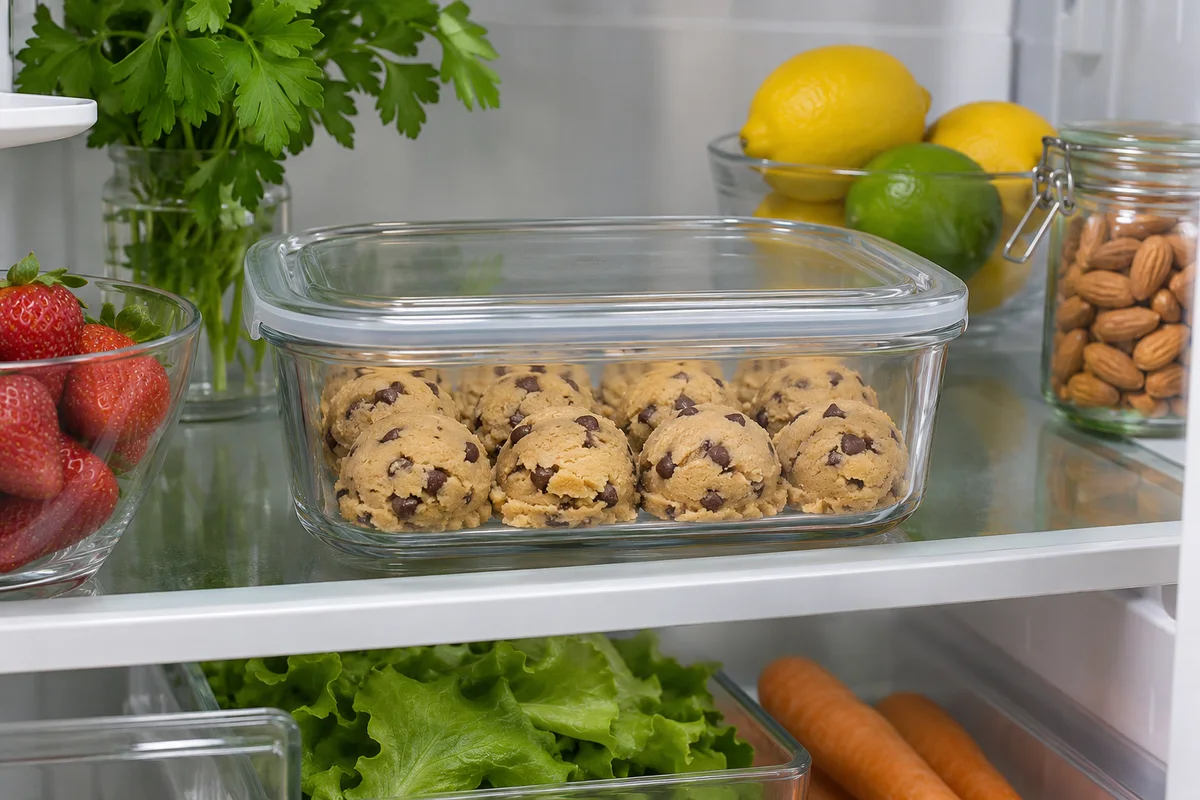
Many crinkle recipes recommend chilling to make sticky dough scoopable and to control initial spread. The time can range from relatively short to several hours, depending on formula. Overly warm dough may flatten rapidly and dissolve the sugar; extremely cold hard dough may need a slightly different bake. Follow the stated rest and scoop size, not a universal overnight rule.
For a dough with a deliberately long rest, see 36-Hour Refrigerated Dough Ginger Cookies with Sugar Crystal Crust.

Portion evenly
Use a scoop or scale to keep each piece the same size. Even balls spread and set at similar times, producing consistent cracks. If one cookie is twice the weight of another, it may remain doughy while the small one overbakes. Roll gently without compressing into hard dense spheres unless the recipe directs a firm roll.
Practise portioning with Ginger Spice Drop Cookies before moving on to coating each scoop.
A key coating: confectioners' sugar
Powdered sugar creates the bright pale surface that separates as the cookie cracks. A substantial even coating is important, but excess loose powder can burn or create thick pasty patches on the pan. Sift out large lumps and coat dough according to the recipe. Handle coated portions gently so the powder stays in place before baking.

The granulated sugar first technique
Some tested methods roll the dough ball in granulated sugar before powdered sugar. The first layer can help preserve the outer white coating by affecting moisture movement. Not all recipes require this step, and adding it changes sweetness and surface behavior. If your current formula repeatedly absorbs the white sugar, a published double-coating variation is worth trying rather than improvising a large extra quantity.
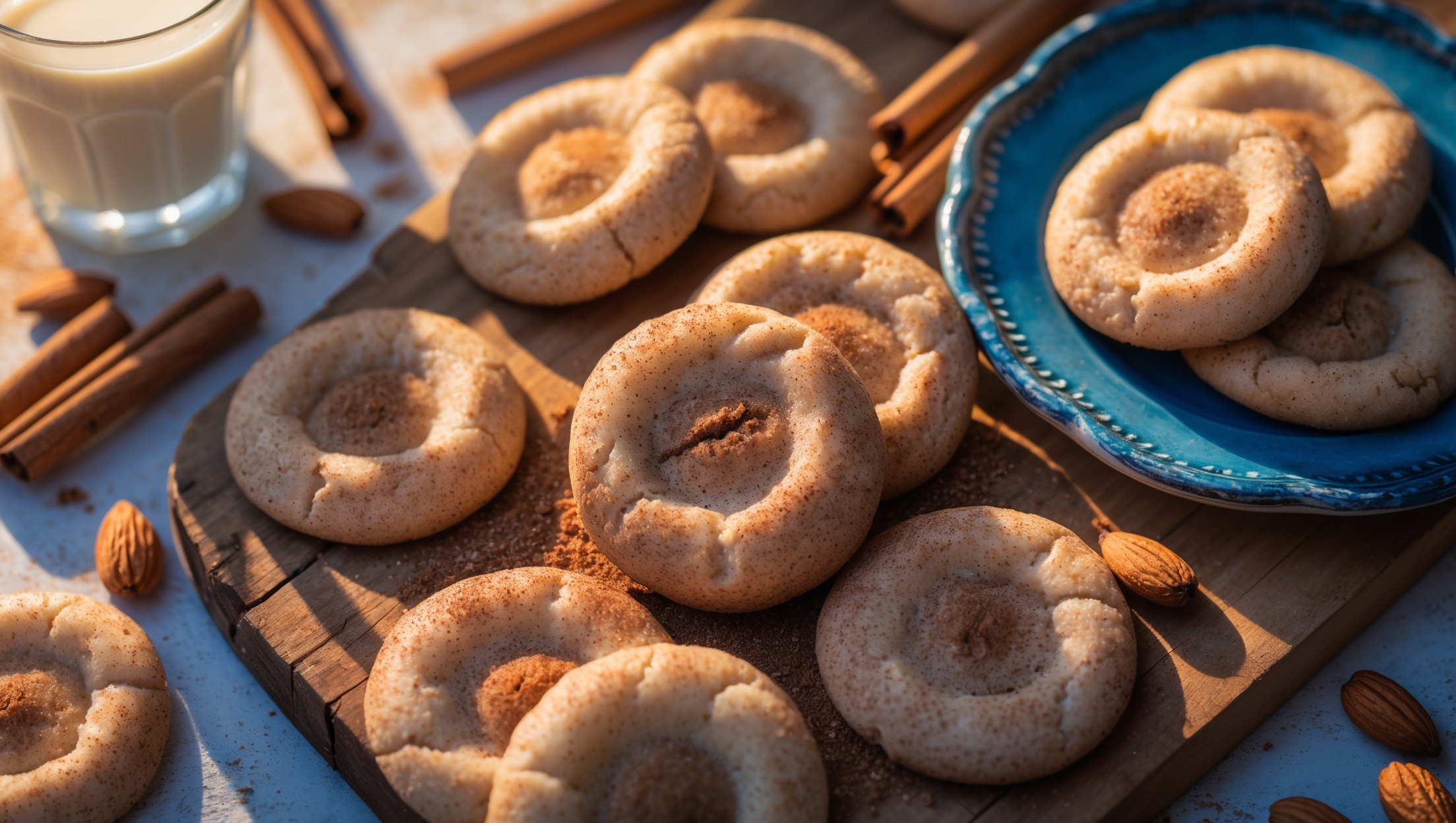
Compare the cinnamon coating on Keto Snickerdoodles with a powdered-sugar crinkle.
Why sugar disappears
A moist warm dough can wet powdered sugar as the cookie sits before baking. The white coat turns translucent or patchy, reducing contrast. Coat pieces close to baking time when instructed and don't leave a tray of sugar-covered balls for a long period in a warm kitchen. Some formulas deliberately use a two-sugar coating for better visibility.
The oven must be preheated
Crinkles need a predictable expansion-and-setting sequence. If the oven is too cool, cookies may spread and absorb the coating before the surface sets. If it's too hot, the outside may dry before adequate movement occurs. Verify actual oven temperature if results consistently differ from the recipe. A kitchen timer alone cannot correct an inaccurate oven.

Dark versus light baking sheets
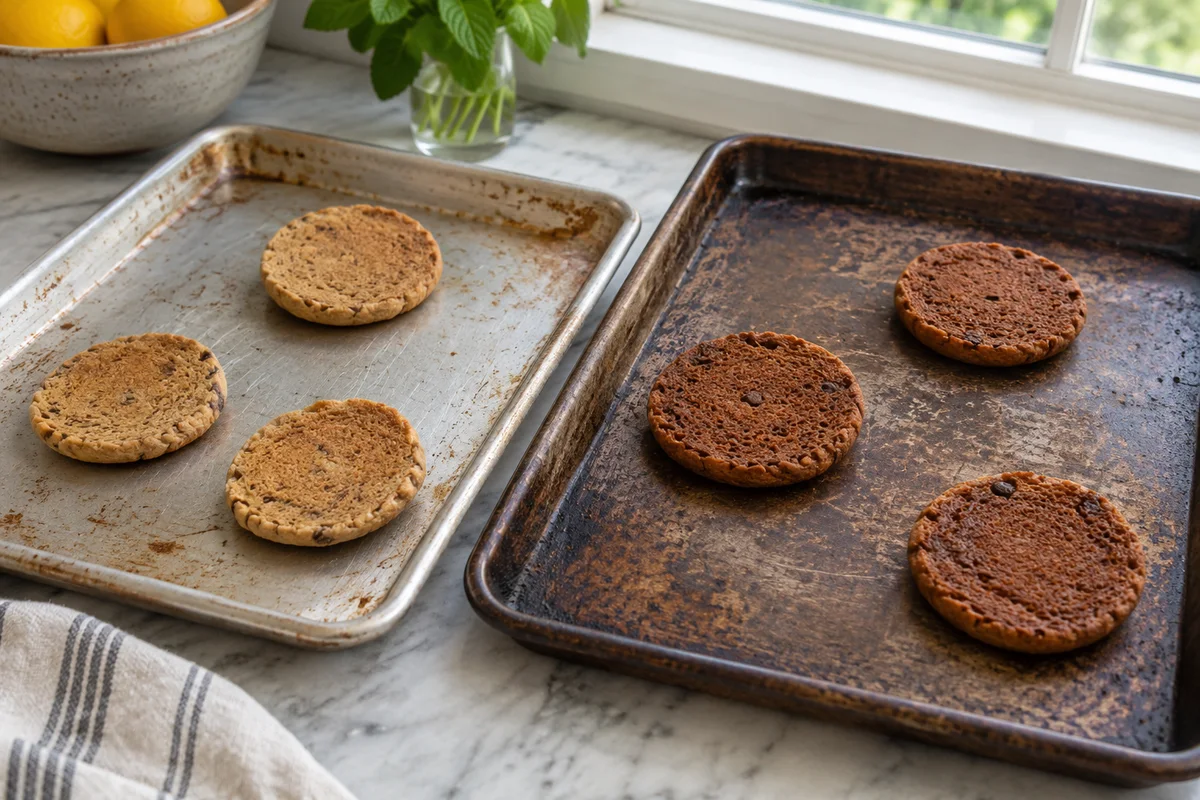
Dark sheets absorb heat differently and may brown undersides earlier than light aluminum. That can change cookie spread and the time before the surface sets. If your crinkles come out flat with overly browned bases, note the pan material before altering dough ingredients. Use the sheet and parchment recommended, and allow pans to cool between batches.
Why cookies don't crack
Possible causes include excessively stiff dough, insufficient leavening, inaccurate flour quantity, inadequate expansion or an unusual temperature schedule. Confirm your baking powder or soda is appropriate and not expired. Check dough ball size and whether the formula was altered. Adding more leavener randomly can create a chemical flavor or a collapse rather than better cracks.
Why cracks are too fine
Tiny fissures rather than bold openings may reflect smaller cookie size, dough composition or early surface setting. Some recipes naturally produce delicate crackling, which isn't a flaw. For stronger visual contrast, start with the published recipe's portion size and coating method. Don't increase portion size so much that the center remains unsafe or unbaked.
Why cookies turn flat
Warm dough, too little flour, excessive sugar or butter temperature can contribute to spreading. An oil-based recipe has different behavior from a butter-based one. Chill as directed, measure accurately and use a cool baking sheet. Crinkles should spread enough to open their coating, but not into a thin crisp wafer unless that is the intended style.
Why cookies are dry
A small dark cookie can go from tender to dry quickly if baked too long. Powdered sugar may hide color changes, so watch the recipe's edge and center cues. Cookies continue setting on a hot tray after removal. Don't leave them in the oven indefinitely because you are waiting for one more dramatic crack.
Understanding the center
Some chocolate crinkles are intended to be soft or brownie-like within a fully baked cookie. A slightly moist crumb isn't necessarily raw batter, but an unset liquid center may mean inadequate baking. Follow the tested size, time and doneness cues. Raw flour and raw eggs make unbaked dough unsafe to sample.
Pull apart a cooled batch of Chewy Ginger Cookies for a contrasting view of a chewy centre.

Rolling without melting dough
If the dough sticks badly to your hands, chill as directed or use a small scoop. Repeated squeezing can warm a butter dough and alter spread. Very cold dough may need gentle pressure to become rounded, but don't work it until greasy. Portioning speed and consistency are more helpful than elaborate hand shaping.
Bake in manageable batches
Prepare the first tray with enough space for spreading and keep remaining dough at the temperature recommended. Avoid placing dough onto a still-hot cookie sheet, which can start melting fat before the oven. Rotate trays only at the stage specified, especially if you have an oven with uneven heat.
A controlled side-by-side test
If the coating repeatedly vanishes, try the original published method on one tray and a validated granulated-sugar-undercoat variation on another. Keep dough weight and oven conditions constant. Compare the visible white coverage, cracks, texture and sweetness after cooling. A single change provides clearer feedback than altering chill time, sugar quantity and oven temperature simultaneously.
Storage for the best contrast
Cool cookies completely before sealing. Trapped steam can dampen the powdered sugar and make bright white surfaces patchy. Keep them away from very moist cakes or fruit-filled cookies in the same container. Freeze only if the recipe supports it; thawing may produce condensation that affects the coating.

IN PICTURES
From the baking notebook
FROM THE RECIPE BOX


