On this page
You bake a dozen soft blueberry muffins on Sunday, then wonder whether they'll still taste good on Wednesday. The answer depends on what kind of muffin you made, how you cooled it and where it has been stored. Plain muffins can often be held briefly at room temperature, while cream-filled or other perishable varieties need refrigeration. Freezing is frequently the best way to preserve a homemade muffin's fresh-baked quality for later.
How long do plain muffins stay fresh?
Many standard muffin recipes advise storing the fully cooled muffins in an appropriate covered container at room temperature for about two days. Some specify a shorter or longer quality window. Treat the original recipe's directions as the most reliable guide.
Freshness is not the same as food safety
A muffin can lose its soft texture before it becomes unsafe, and a food can sometimes be unsafe without an obvious change in smell. Moisture, fillings, sanitation and room temperature all matter. Quality advice for a plain chocolate chip muffin is not appropriate for a muffin filled with custard or cream cheese.
The first rule: cool them properly
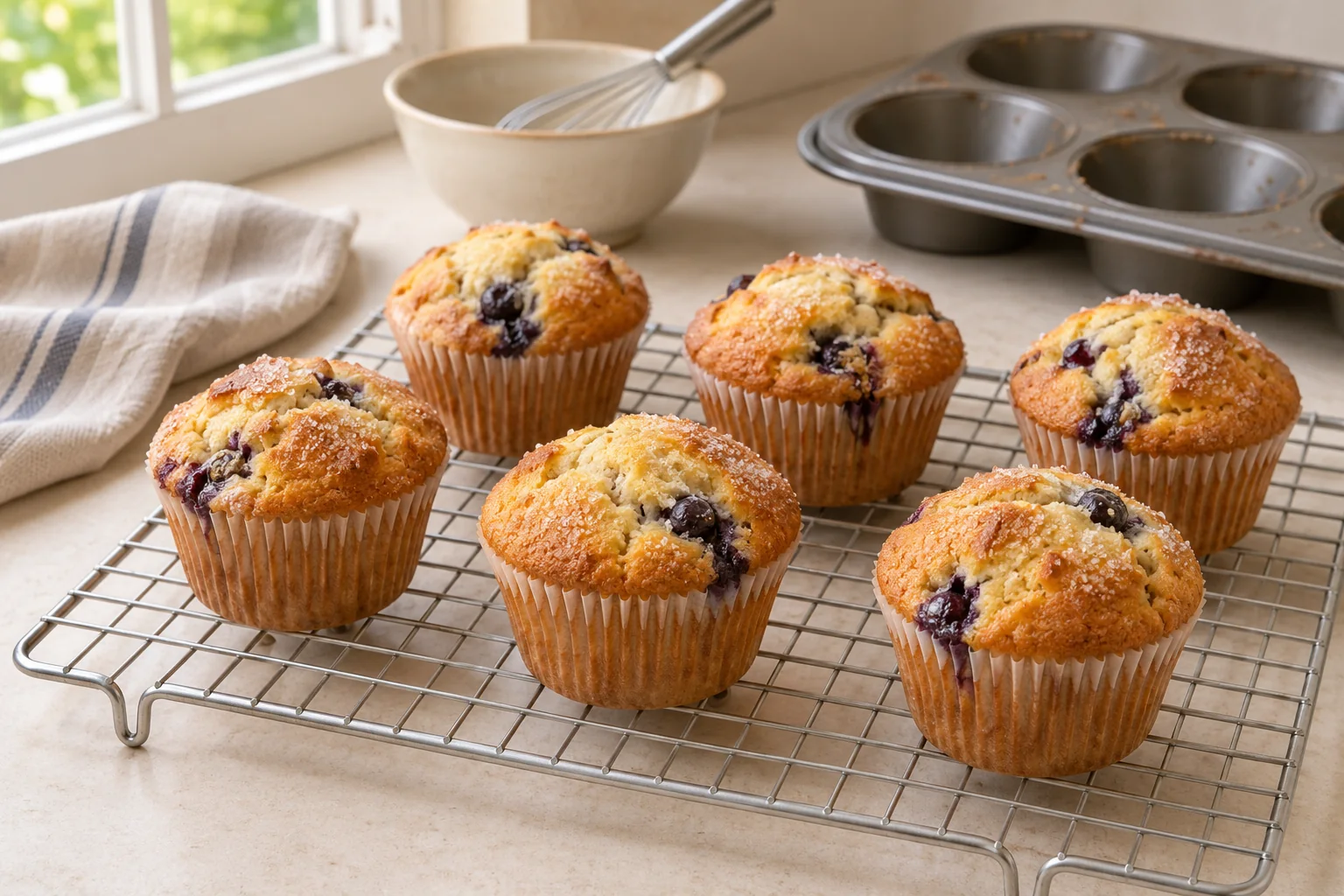
Hot muffins release steam. If you close them in an airtight box while still warm, moisture may condense on the liner and top, making the crust sticky and encouraging spoilage. Follow the recipe's cooling instructions, often including a brief pan rest and transfer to a wire rack. For perishable products, do not delay required refrigeration beyond safe limits.
Why muffins become sticky overnight
Moisture from the soft crumb can migrate toward the top and condense on the surface when air circulation is limited. High-sugar muffins and those with fruit may show this especially clearly. The result can be a damp crown or peeling paper liners even when the muffin was originally baked correctly.
How to package plain muffins
Once completely cool, put muffins in clean, suitable food storage packaging. An airtight container limits drying but can also trap humidity, so follow your recipe's storage notes. Keep them away from heat, sunlight and humid conditions. An open counter display looks attractive but may expose muffins to drying and contamination.
Can paper towels help control moisture?
Some home storage techniques place a clean paper towel beneath muffins or over the top inside a container to absorb excess condensation. That may help preserve a less sticky surface for certain plain muffins, but it isn't a substitute for refrigeration when ingredients are perishable, and it doesn't extend a recipe's validated safe storage period.
What about very moist banana muffins?
Banana muffins contain fruit and can develop a sticky surface more readily than comparatively dry muffins. The amount of mashed banana matters; an overfilled, gummy centre is a baking problem, not a storage technique. Follow the banana muffin recipe's shorter storage instructions if supplied and freeze extras promptly for later use.
Blueberry and berry muffins
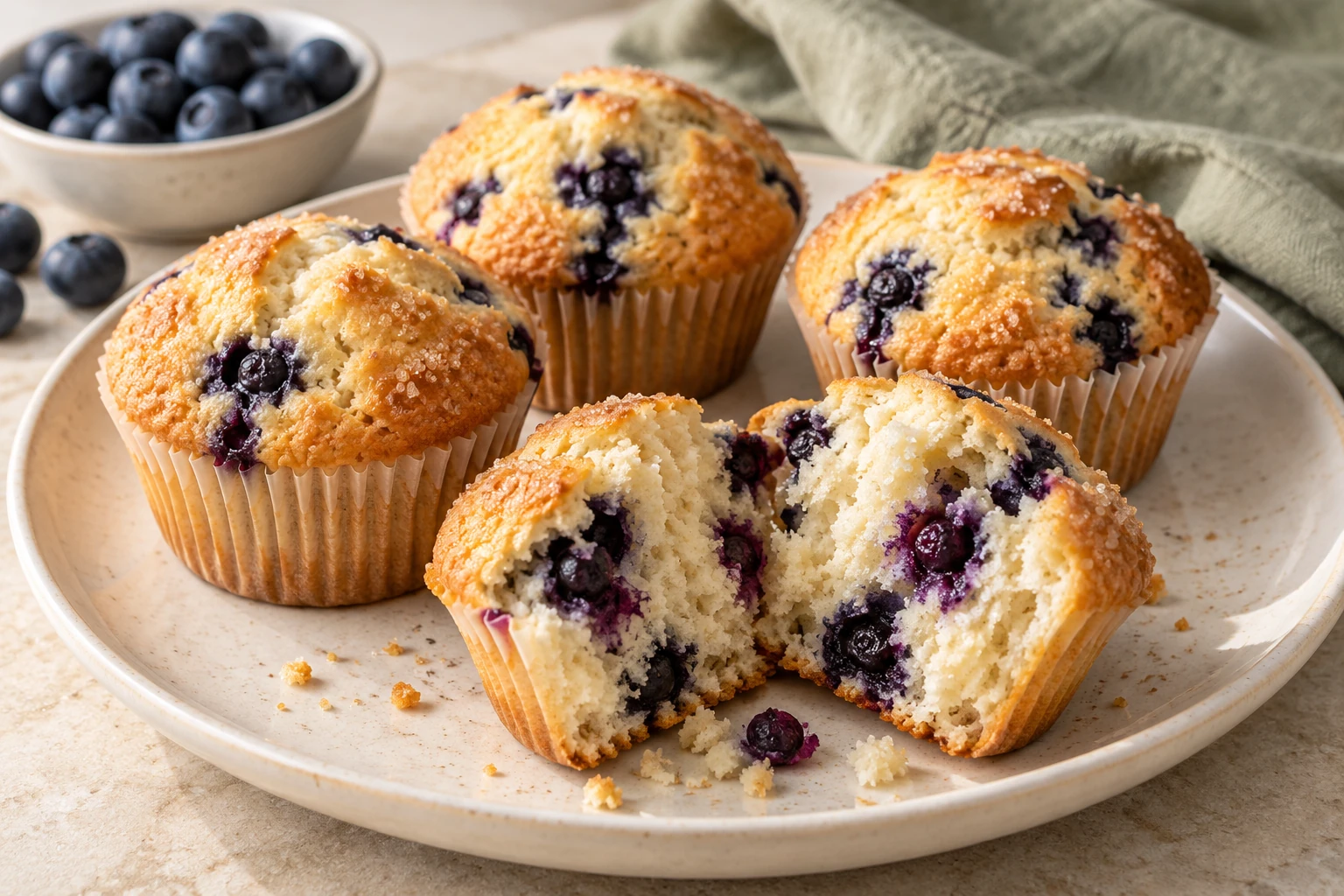
Juicy berries create moist pockets in the crumb. If a muffin contains fresh or frozen berries baked fully into the batter, its storage guidance may resemble a conventional fruit muffin, but quality can change faster in a warm, humid room. Use the specific recipe's timeframe and discard products showing signs of spoilage.
Recipe to try: Blueberry Muffins. Blueberries add a different source of moisture from chocolate. Keep the fruit quantity and baking cues matched to this muffin recipe.
Chocolate chip muffins
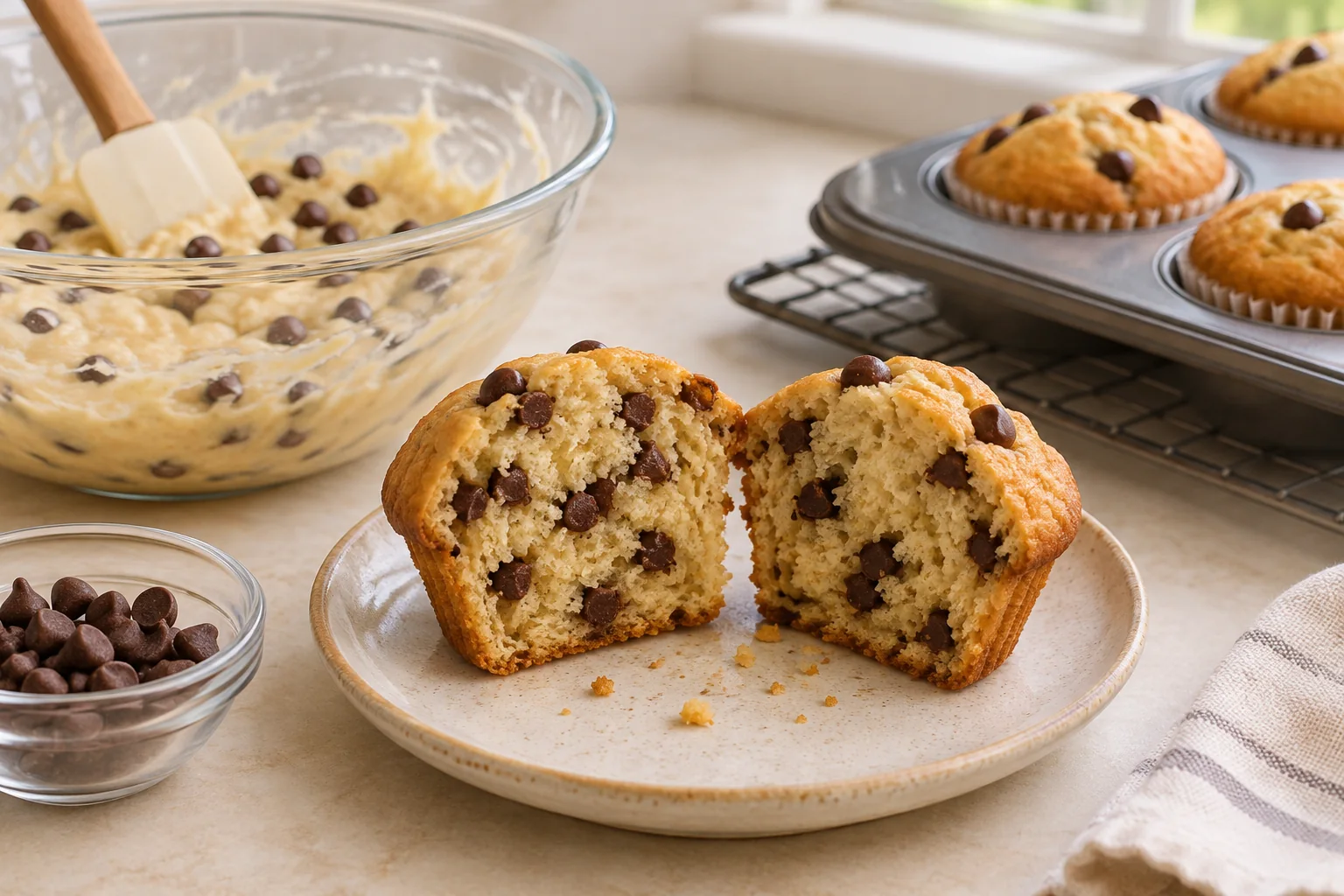
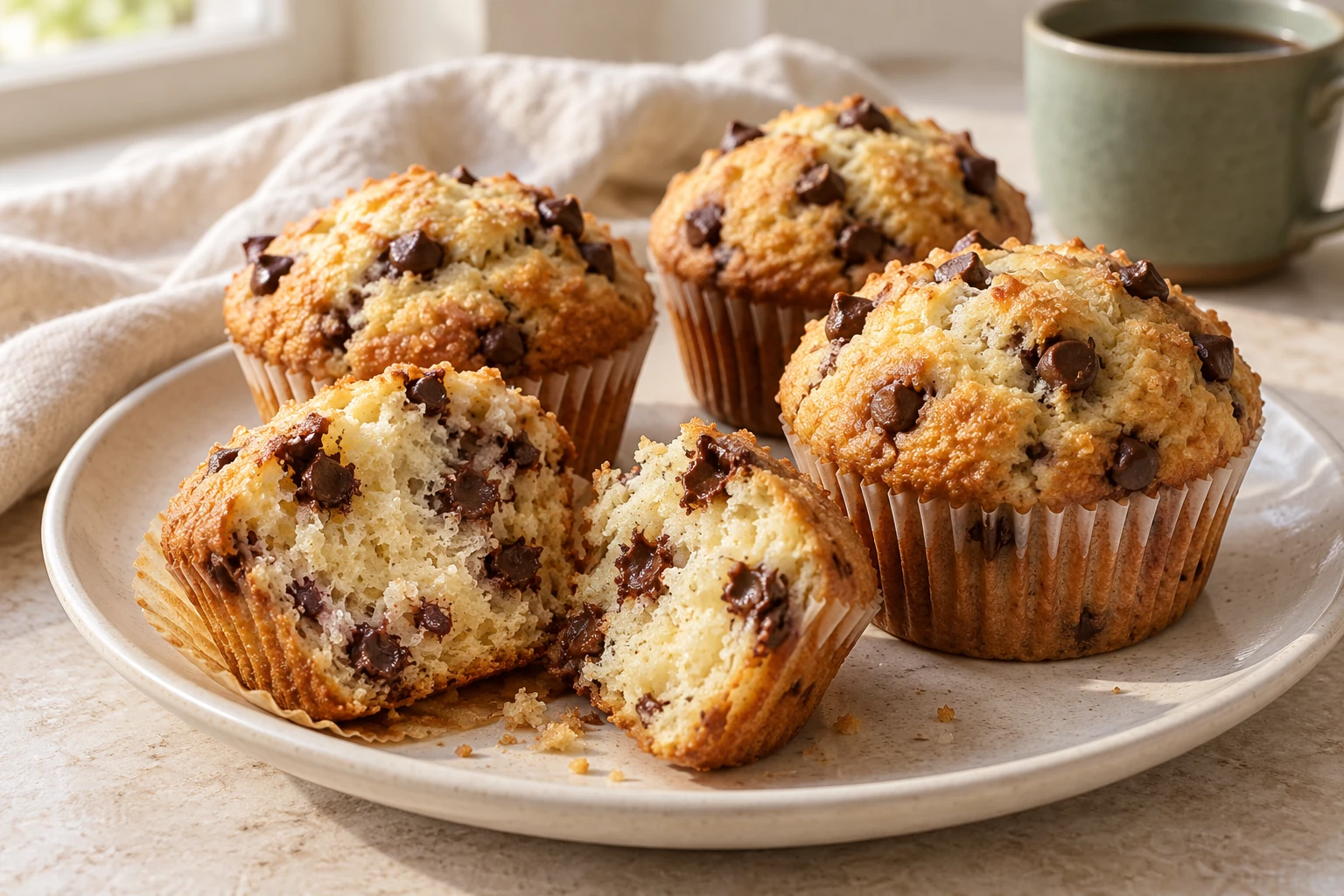
Plain chocolate chip muffins are often suitable for short room-temperature storage if their recipe permits it. Chocolate pieces may become firm in a cool environment and soften when warmed. If the muffins include a cream filling or rich perishable frosting, use the requirements of those additional ingredients instead.
Streusel muffins
A crisp streusel topping often softens during storage as it absorbs moisture from the cake and surrounding air. That is a quality issue, not necessarily a sign of spoilage. If crunch is important, a recipe-approved light oven refresh or separately baked crumble added near serving may help.
Recipe to try: Blueberry Streusel Muffins. The streusel creates a separate topping texture. Cool the muffins before packing so trapped steam does not soften it unnecessarily.

Do muffins last longer in the fridge?
Refrigeration can slow microbial growth in perishable foods but may make some plain muffins feel firmer or stale more quickly. For a plain muffin with a brief approved room-temperature window, freezing extras is often better for texture than refrigerating all of them. A cream-filled muffin, however, must be handled according to its safety requirements.
When muffins need refrigeration
Cream cheese, custard, pastry cream, whipped cream, certain egg-rich savoury fillings and other perishables require appropriate cold storage. Do not assume baking the muffin makes its filling shelf-stable. Follow the complete recipe's directions and keep foods requiring refrigeration at 4°C (40°F) or colder.
The two-hour rule for perishables
Refrigerate perishable filled or topped muffins within two hours; keep them cold until serving. This rule concerns fillings such as custard or cream cheese. Plain muffins have different storage needs, so follow the complete recipe and discard any mouldy bake.
Muffins for lunchboxes
Plain muffins can be practical to pack when they are fully baked, cooled and stored as recommended. Avoid packing cream-filled muffins without a reliable cold-holding plan. For young children, check that nuts, hard toppings and other ingredients are age-appropriate.
What if the kitchen is hot and humid?
Warm, humid conditions can reduce the quality and safe storage margin of many homemade products. Use a more conservative timeframe, choose refrigeration where necessary and freeze suitable plain muffins for longer storage. A warm countertop beside an oven or sunny window is not a good long-term storage location.
How freezing preserves freshness
Freezing slows quality changes and helps preserve a properly baked muffin when it is well protected from freezer air. The muffin should cool first according to its recipe, then be wrapped or packaged and labelled. A freezer maintained at −18°C (0°F) or colder is a common food-safety recommendation.
How long do muffins keep in the freezer?
The best-quality window depends on recipe, fat and moisture content, packaging and freezer stability.
How to thaw frozen muffins
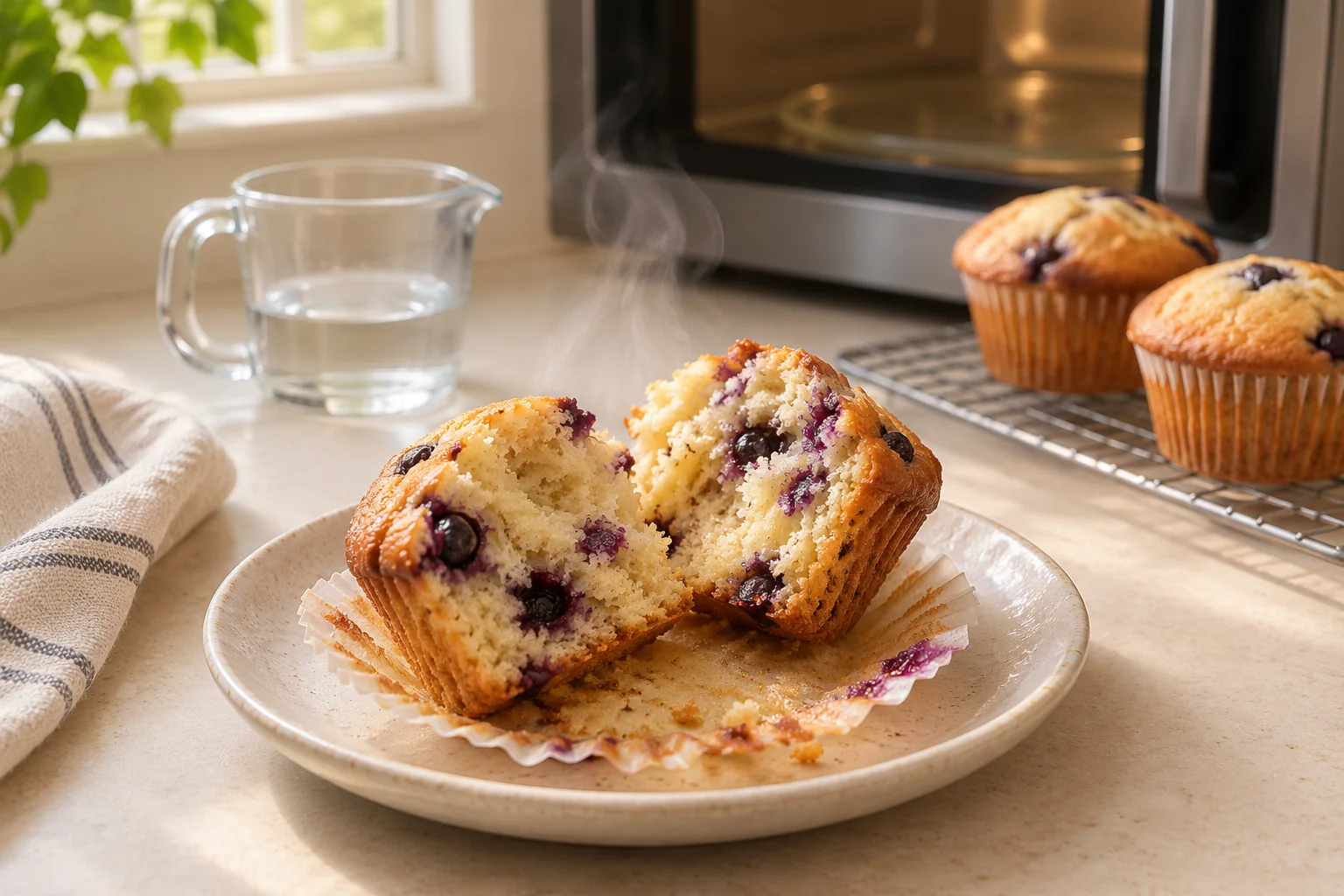
Use the storage and thawing method supplied by the formula. Plain frozen muffins may be thawed in suitable packaging or warmed with a recipe-approved method, while muffins with perishable fillings must follow safe refrigerator-thawing guidance. Avoid repeatedly thawing and refreezing the same batch.
How to recognize spoilage
Visible mold, unexplained off-odours, sliminess or a damaged storage container are reasons to discard a muffin. Do not cut away a moldy spot and serve the remainder of a soft porous muffin. When storage conditions are uncertain, especially for filled muffins, discard rather than gamble.
Why the topping is soft but the middle is fine
Water moves from the moist crumb into the crust during storage. A streusel or coarse-sugar top can lose crunch even when the centre remains tender. Reheating may restore some exterior texture but does not extend food safety or reverse spoilage.
How to plan a weekly muffin bake
Keep only the portions that will be eaten within the recipe's short storage window, then freeze the rest once properly cooled. Individual wrapping makes it easy to take one muffin at a time. Label the flavour and date, especially when several muffin types are packed together.
Recipe to try: Chocolate Chip Muffins. This muffin formula already accounts for chocolate chips. Use its quantity before experimenting with larger add-ins.
Frequently asked questions
Are muffins good for a week on the counter? Don't assume so; many plain recipes suggest roughly two days. Can I refrigerate muffins? Yes when required, although plain muffins may lose some softness. Can you freeze them? Often, with proper cooling and wrapping. Can mold be scraped off? No; discard a moldy soft muffin.
The simplest storage decision
For plain muffins, follow the recipe's short room-temperature guidance and freeze extras rather than keeping them indefinitely. For cream-filled or other perishable muffins, follow refrigeration and safe serving instructions. Cooling, packaging and accurate labelling make the biggest practical difference.
IN PICTURES
From the baking notebook
FROM THE RECIPE BOX


