On this page
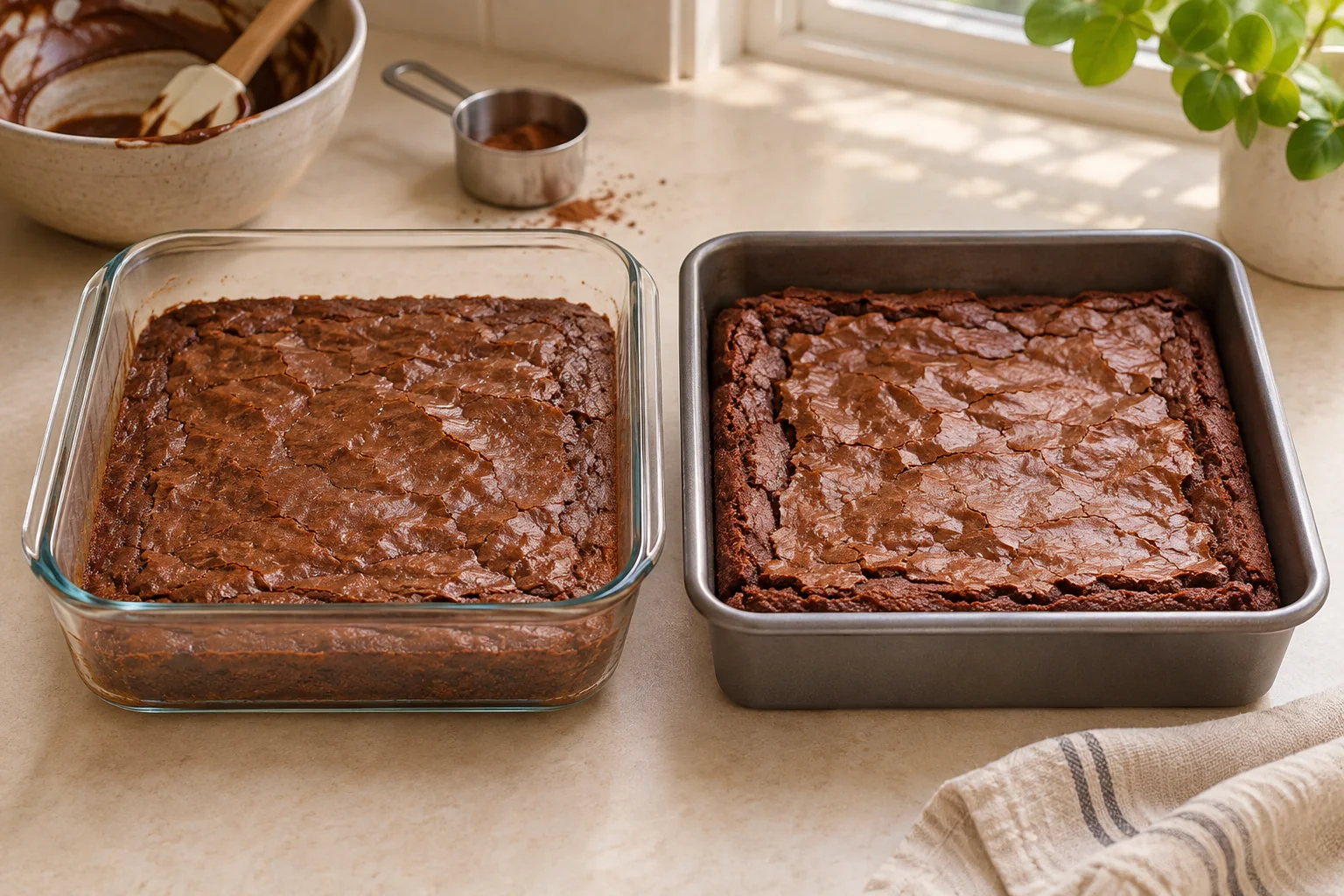
Brownies have a narrow sweet spot: the edges should be set without becoming tough, and the centre should feel fudgy without containing uncooked batter. The pan influences how the oven's heat reaches those regions. Glass, light-coloured metal and dark metal can all bake brownies, but they don't behave identically. Choosing the right material matters especially for dense, high-sugar batters.
Why pan material affects brownies
Different materials absorb, conduct and retain heat differently. Metal tends to respond quickly to temperature changes, while glass and ceramic generally warm and retain heat in other ways. That changes the rate at which the sides and bottom cook, and can influence how much the outer brownie sets before the centre reaches the right stage.
Light-coloured metal: a dependable default
Many brownie bakers prefer a light metal pan because it produces predictable heat transfer and limits aggressive darkening compared with some dark finishes. If a trusted recipe specifies light-coloured metal, use it for your first test. Consistency is more valuable than finding a theoretical perfect material.
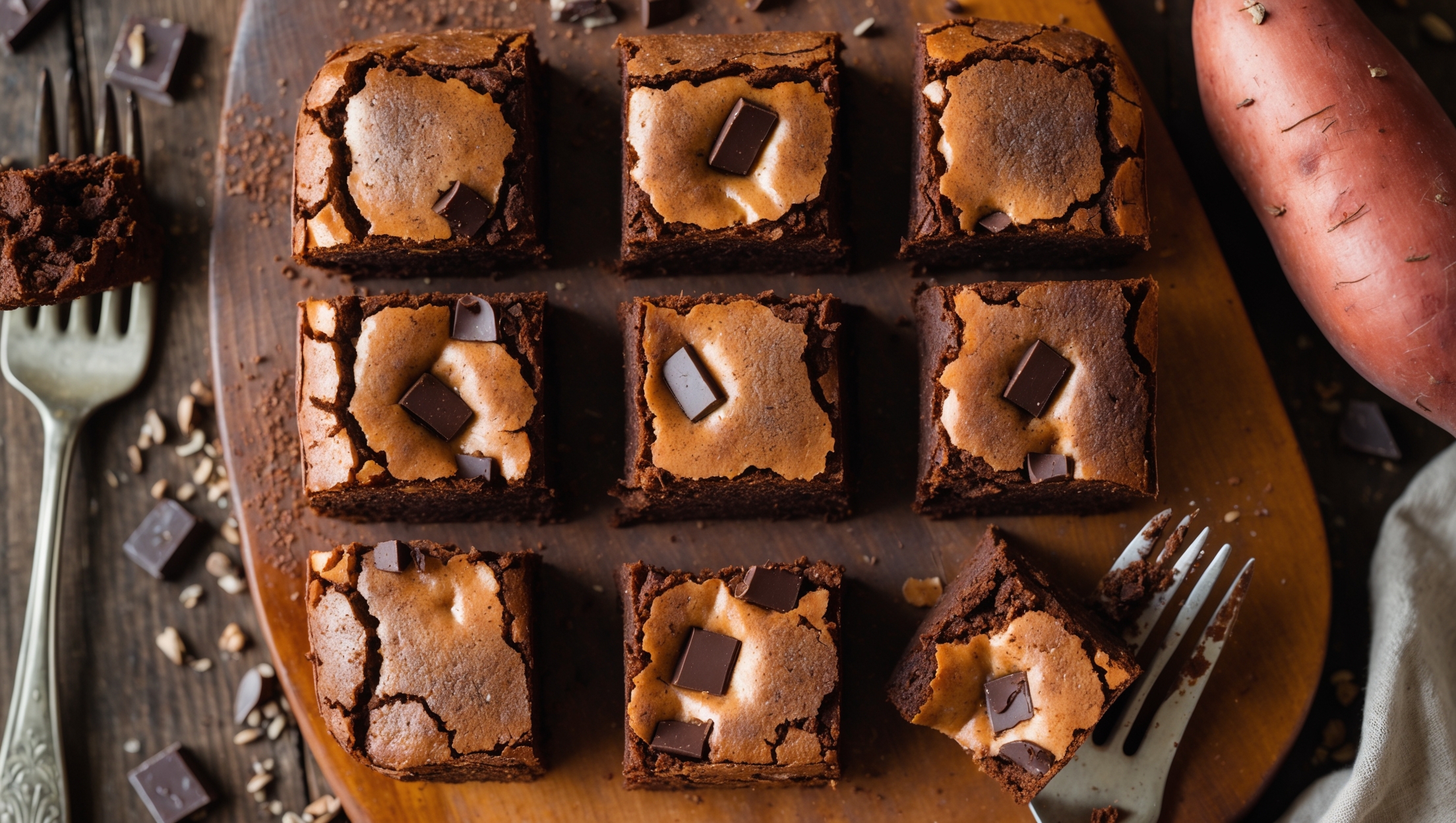
Recipe to try: Sweet Potato Brownies. These brownies use sweet potato in their own formula. Treat them as a separate option, not a direct conversion of a conventional brownie batter.
Dark metal: watch the edges
A dark finish often absorbs radiant heat efficiently and may brown brownie edges or bottoms more quickly. The centre still needs time to cook. Some recipes give adjustments for dark pans, but there's no safe universal rule that works for every batter and oven.
Glass: what changes?
Glass can retain heat after leaving the oven and may produce a firmer outer edge as the hot pan continues transferring warmth. Baking times may differ from a metal pan. Some recipes were developed in glass specifically, so the important question is which vessel the author used.
Ceramic and stoneware
Ceramic pieces vary widely in thickness and thermal characteristics. They can heat comparatively slowly and continue holding warmth after baking. But applying a blanket time increase to all ceramic dishes can still overbake certain recipes.
Which material gives the fudgiest centre?
A fudgy crumb is primarily a formula-and-doneness result. Butter, chocolate, sugar, flour and egg ratios are central. A pan helps manage edge-to-centre heating, but glass won't magically create fudginess if the recipe is cakey or the batter is baked until dry.
Why pan size matters separately
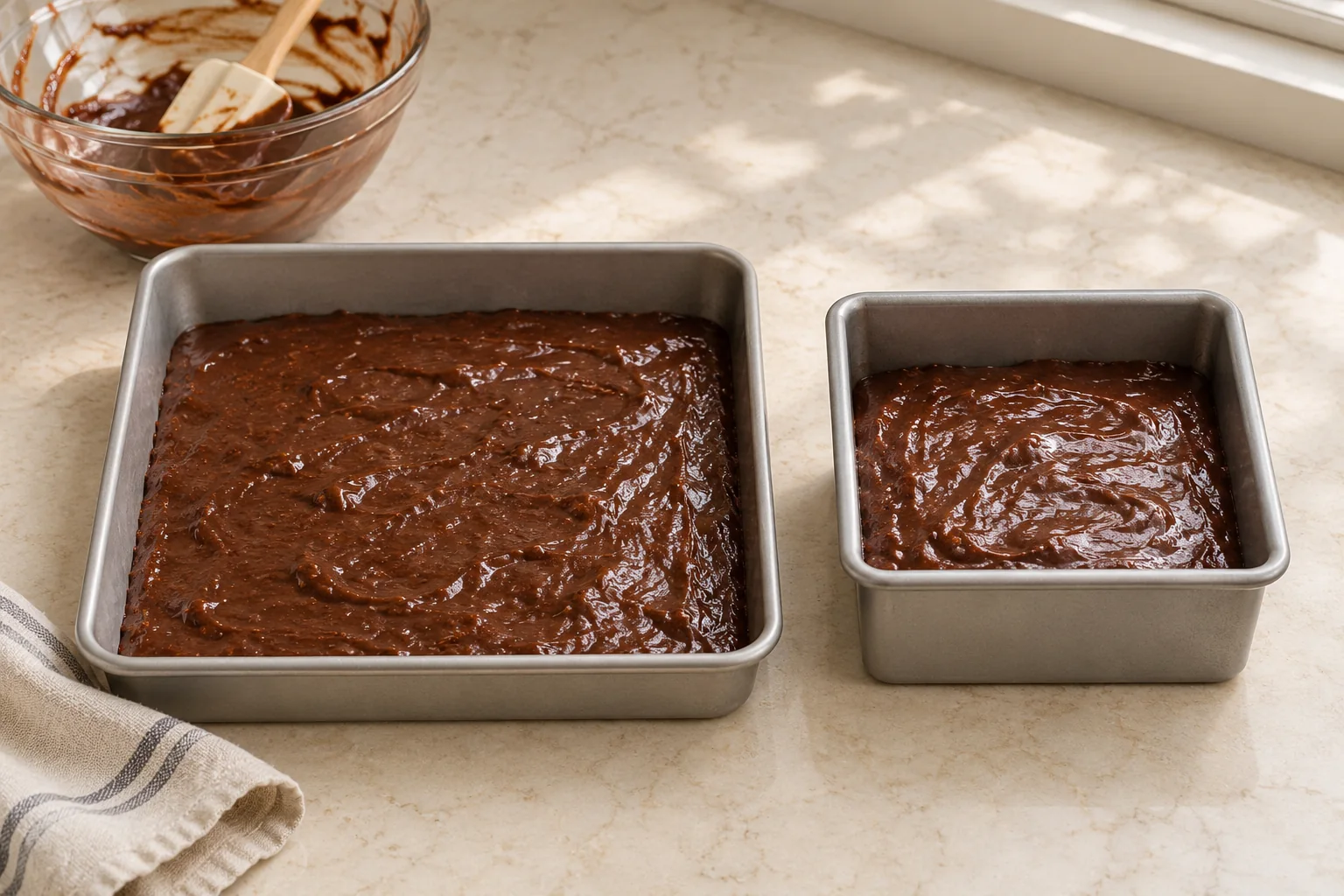
An eight-inch glass square and nine-inch metal square differ in both material and batter depth. If one produces much drier brownies, you can't attribute the result solely to glass. Compare the same internal dimensions and approximately the same batter quantity before drawing conclusions.
How metal changes cooling
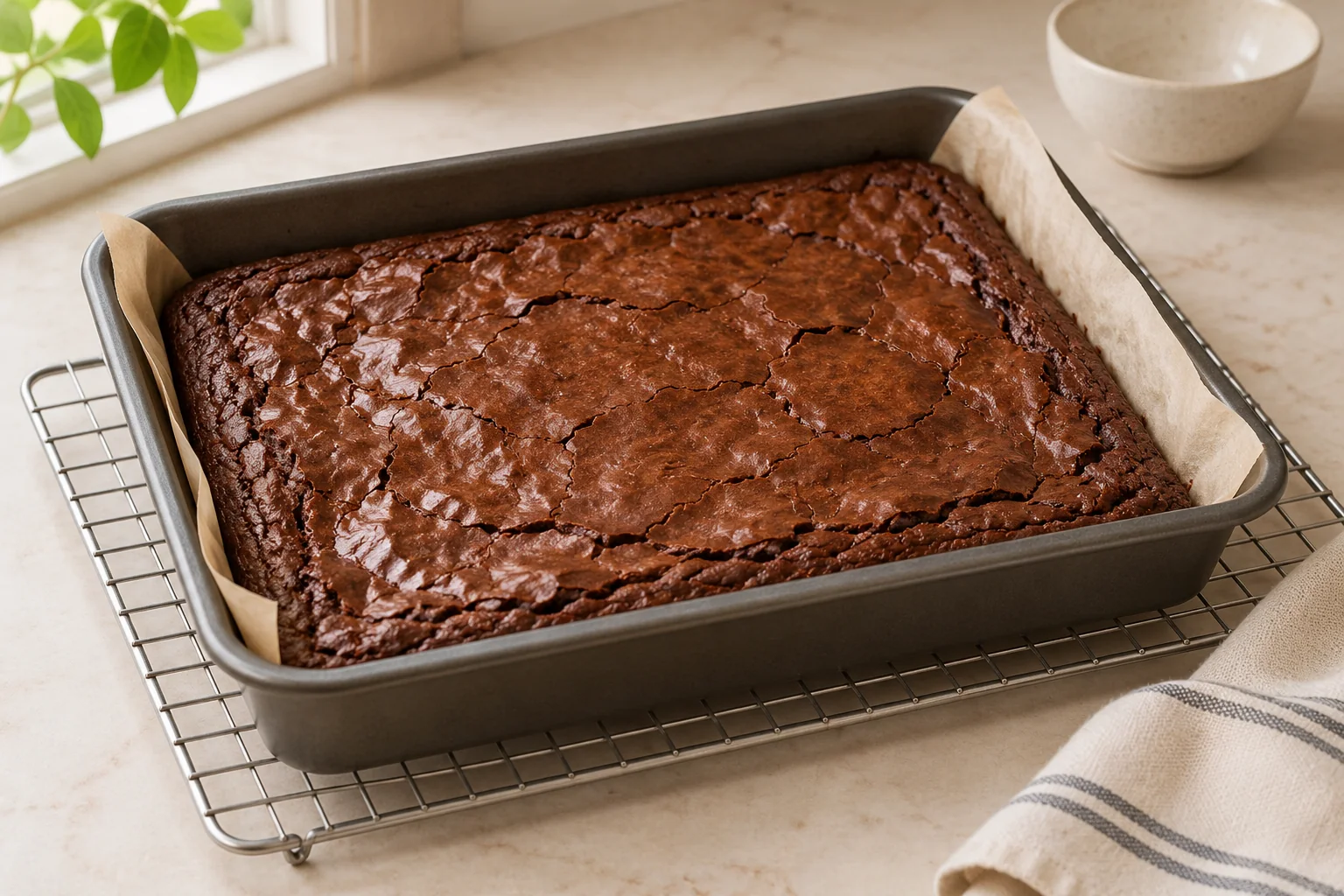
A thin metal pan may lose heat more quickly than a thick ceramic or glass dish after removal. That can affect how much carryover heating the brownie experiences. Nevertheless, all hot pans remain dangerous to touch, and the correct cooling period still follows the recipe.
Should you reduce temperature for glass?
You may encounter advice to reduce oven temperature when substituting glass, but it is not a universal instruction. Modern manufacturers and recipes provide different recommendations. Check the glass dish's oven rating and the specific recipe before changing temperature or baking time.
Thermal shock is a serious risk
Glass or ceramic can crack or shatter when subjected to sudden temperature changes. Never move a frozen glass brownie pan directly into a preheated oven unless the manufacturer explicitly rates it for that transition. Avoid setting hot glass on a wet, icy or cold surface, and follow its care instructions.
Are all glass pans oven-safe?
No. Glass vessels differ in their intended use and temperature limits. A storage container or attractive serving dish isn't automatically suited to high-temperature baking. Read the manufacturer's markings, including lids, and never put non-oven-safe plastic covers in the oven.
Why the corners can overbake
Brownie corners receive heat from two surrounding walls and often brown faster than interior pieces. A dark or heat-retaining pan may intensify this effect. If you prefer centre pieces, focus on appropriate size and doneness rather than raising the temperature for a crispier corner.
Why the bottom becomes too dark
Pan finish, rack height, oven heating pattern and the presence of a baking sheet beneath the pan all influence bottom browning. Use the setup specified in the brownie recipe. Placing improvised insulation beneath a pan can change baking and may create equipment hazards.
How to line glass or metal pans
Parchment with a slight overhang can help remove cooled brownies from many pans. Some recipes instruct you to grease the paper; others don't. Keep parchment within its rated oven temperature and avoid leaving handles near exposed heating elements.
How to judge doneness in either pan
Use the recipe's stated visual and tester cues. A completely clean skewer isn't always the right endpoint for fudgy brownies.
Recipe to try: Almond Flour Brownies. This version combines almond flour with dark chocolate. Its proportions are specific to that flour and are not a one-for-one wheat-flour conversion.

When to lift brownies from the pan
A fragile hot slab needs time to firm before removal. Follow the cooling schedule, then lift with a parchment sling if used. Don't attempt to pry hot brownies out of a heavy glass pan with a sharp knife or bend the dish to release the dessert.
Can you use the microwave to finish brownies?
A brownie pan may not be microwave safe, especially metal. Microwaving a baked slab rarely produces the same evenly set texture as a proper oven bake. For a raw centre, follow the oven recipe's correction guidance rather than inventing an unrelated microwave rescue.
Which pan for extra-thick brownies?
Use the exact pan specified by the extra-fudgy recipe. A deep slab can leave the middle undercooked regardless of whether it sits in glass or metal. A light metal pan in the right size is often practical, but follow the author rather than generalizing from appearance.
Recipe to try: Black Bean Brownies. Black beans and cocoa form a different brownie base. Use the stated preparation and baking cues for this formula.

When glass is worth using
If a reliable brownie recipe explicitly calls for a glass pan and gives an appropriate timing, there's no reason to abandon it merely because another baker favours aluminium. Glass can serve well when the pan is rated, the dimensions are correct and the bake is monitored carefully.
When to choose metal instead
If you're selecting a versatile pan for many brownie formulas, a good light-coloured metal pan is often the easiest reference point. It avoids glass thermal-shock concerns and is compatible with many baking techniques, although manufacturer directions still apply.
Frequently asked questions
Can I use glass in place of metal? Sometimes, with recipe and manufacturer guidance. Why are my brownie edges hard? Overbaking, depth or material may contribute. Does dark metal bake faster? It can brown surfaces sooner. Can I freeze batter in glass and bake directly? Not unless explicitly approved for that exact transition.
The reliable choice
Rather than arguing about a universal winner, match the recipe's pan size and material first. If you need to substitute, account for thermal behaviour and check the centre thoughtfully. This protects the fudgy texture and avoids the most common pan-related mistakes.
IN PICTURES
From the baking notebook
FROM THE RECIPE BOX


