
On this page
The dark powder in your cupboard may taste right and still behave differently in a cake. Check the label for “processed with alkali,” then look at the recipe’s leaveners before choosing which tin to open.
What natural cocoa is
Natural cocoa powder is produced from cocoa solids after much of the cocoa butter has been pressed out, without the alkalizing treatment used for Dutch-process cocoa. It typically has a more acidic pH and a brighter, sometimes fruitier chocolate flavor. Its color may be lighter reddish-brown than alkalized cocoa, although brand and roast vary. Choose unsweetened natural cocoa when the recipe specifies it.
What Dutch processing does
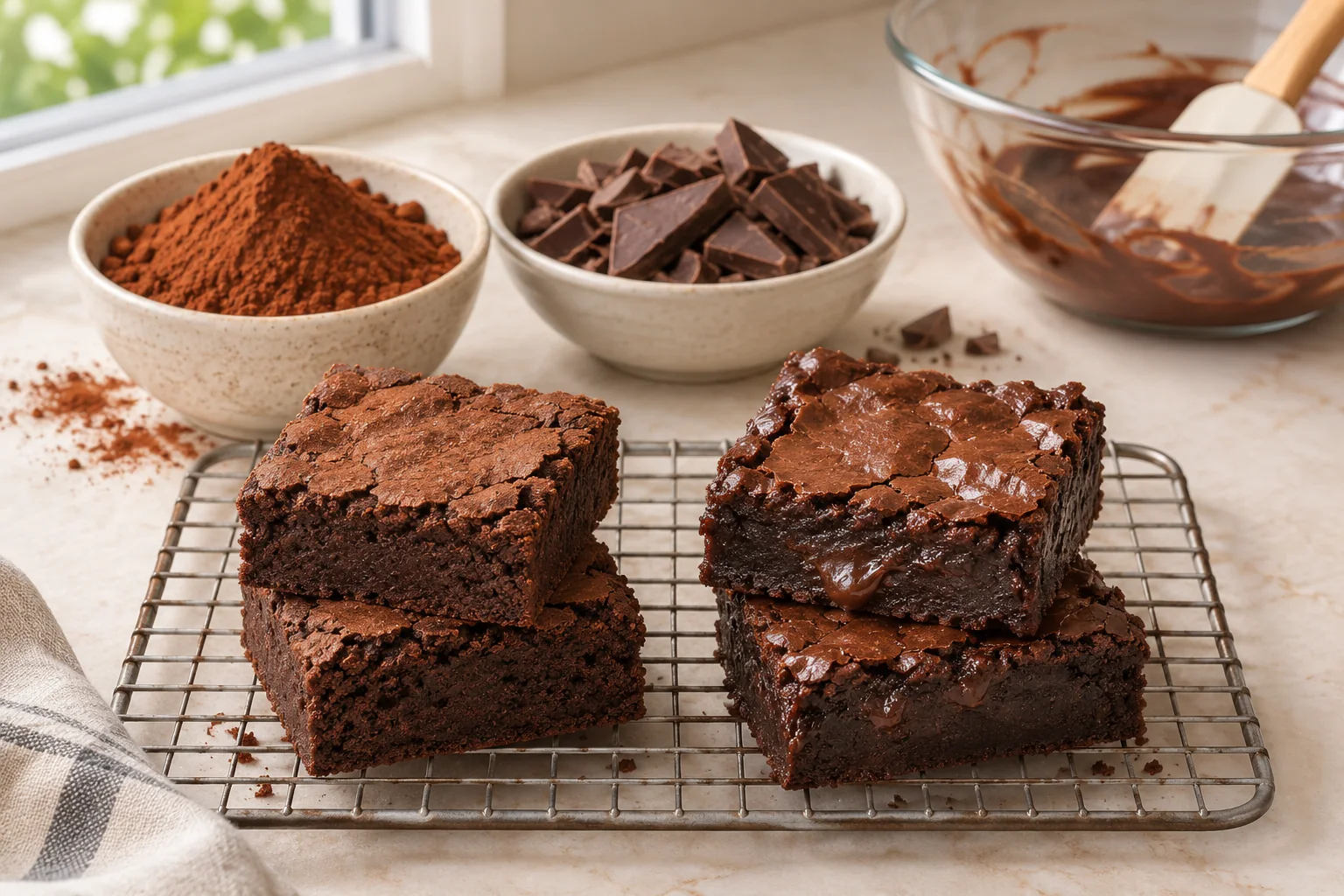
Dutch processing treats cocoa with an alkaline solution, altering pH and often changing color and flavor. The result may be smoother or more mellow in certain products and darker in appearance. Alkalization levels vary substantially; very dark or black cocoa is not equivalent to ordinary lightly Dutched cocoa. Read the label rather than using color as a complete description of chemistry.
Why pH matters in baking
Baking soda is alkaline and can react with acidic ingredients to release gas. Natural cocoa may contribute acidity in a formula that relies on soda. Dutch-process cocoa is less acidic and can alter that balance. Recipes containing other acids or baking powder may behave differently. Do not substitute by eye and then add random amounts of soda when the cake fails to rise.
Baking powder has its own acids
Most commercial baking powders contain an alkaline component and acid salts, often working at multiple stages of mixing and baking. A recipe leavened primarily with baking powder may be less dependent on natural cocoa's acidity than one relying on soda alone. But flavor and color can still change. Use published substitution guidance for the entire formula.
Look at the ingredient list
If a chocolate cake uses natural cocoa, buttermilk and baking soda, the combination may be carefully balanced. If a brownie uses cocoa without much chemical leavener, the choice may be more about flavor, color and batter balance. Evaluate all acidic and alkaline components rather than deciding from the cocoa alone.
Cocoa percentage isn't the relevant number
Chocolate bars carry cacao percentages that describe proportions of cacao ingredients, but cocoa powder's processing and fat content are separate characteristics. A seventy-percent chocolate bar cannot replace seventy grams of cocoa powder in a hundred-gram recipe without accounting for sugar and cocoa butter. Keep solid chocolate and dry cocoa distinct when interpreting labels.
Color variation
Natural cocoa may produce a lighter reddish-brown crumb, while strongly Dutched cocoa can make brownies or cookies appear deep brown or almost black. Color can make the dessert seem richer even when its flavor isn't proportionally stronger. A darker exterior also makes it harder to judge doneness visually. Use the recipe's center cues rather than darkness alone.
Flavor differences
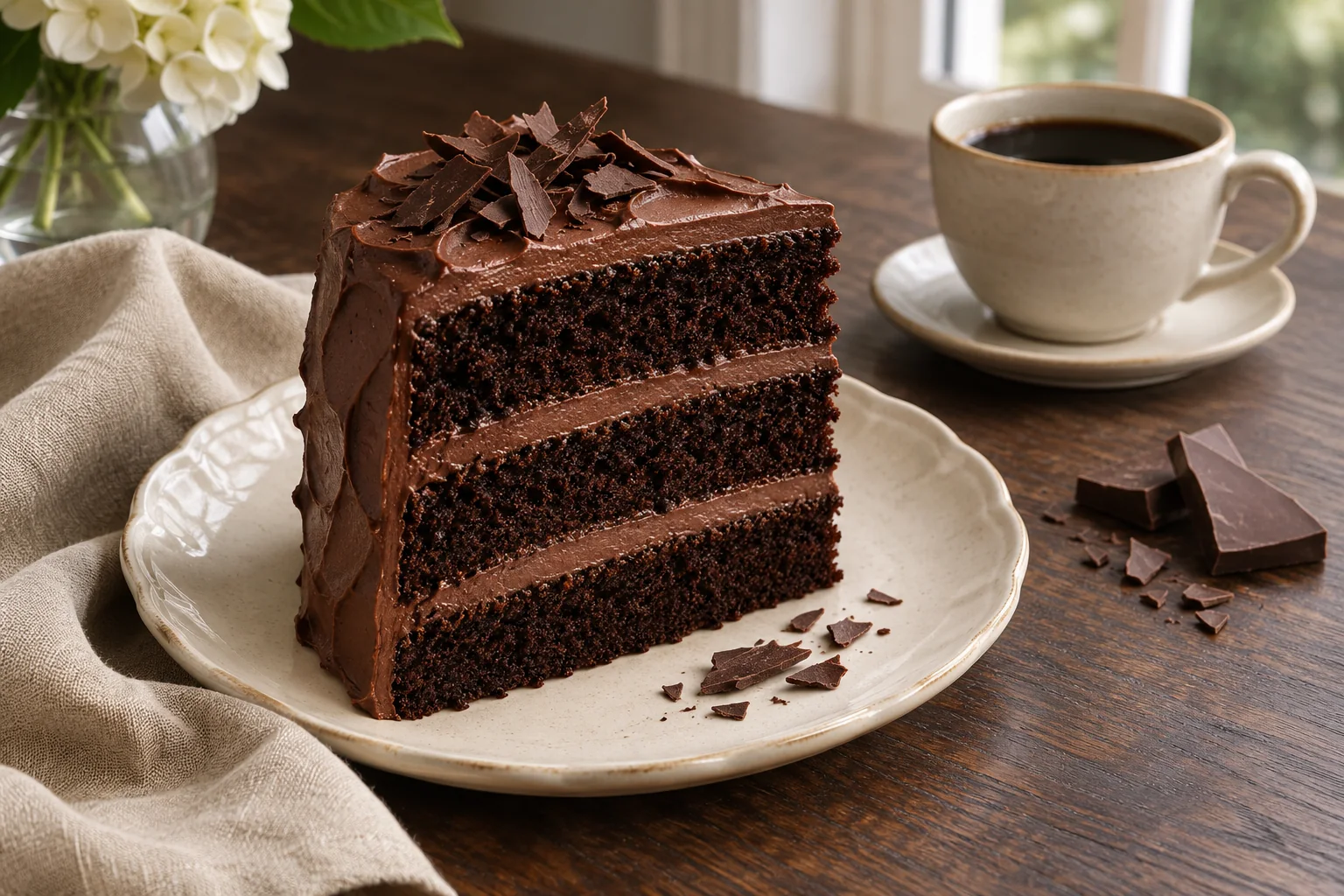
Natural cocoa often tastes bright and slightly sharp, while many Dutch-process products taste mellow, earthy or rounded. Actual results depend on bean origin, roasting, alkalization and freshness. Neither is universally superior. A dark chocolate cake might benefit from one and a delicate cocoa buttercream from the other.
Brownies are often flexible
Many brownie recipes use minimal baking powder or soda, so cocoa substitution may be more forgiving than in a soda-dependent cake. However, cocoa powders differ in fat, absorption and flavor, which can still affect texture. Choose a brownie formula that permits both if you want flexibility. Replacing cocoa with sweetened drinking chocolate isn't an equivalent substitution.
Check the cocoa and leavener specified for Air Fryer Brownies before changing the powder.

Chocolate layer cakes
A cake built around natural cocoa and soda may rely on specific acidity. A Dutch-process cake can be formulated with baking powder or other acids to achieve appropriate lift. Both can be excellent. If changing cocoa types, consult the author's guidance or choose a recipe written for the product you own rather than modifying leavener from internet fragments.
Read the cocoa and leavening instructions together in Chocolate Layer Cake.

Cookies and cocoa powder
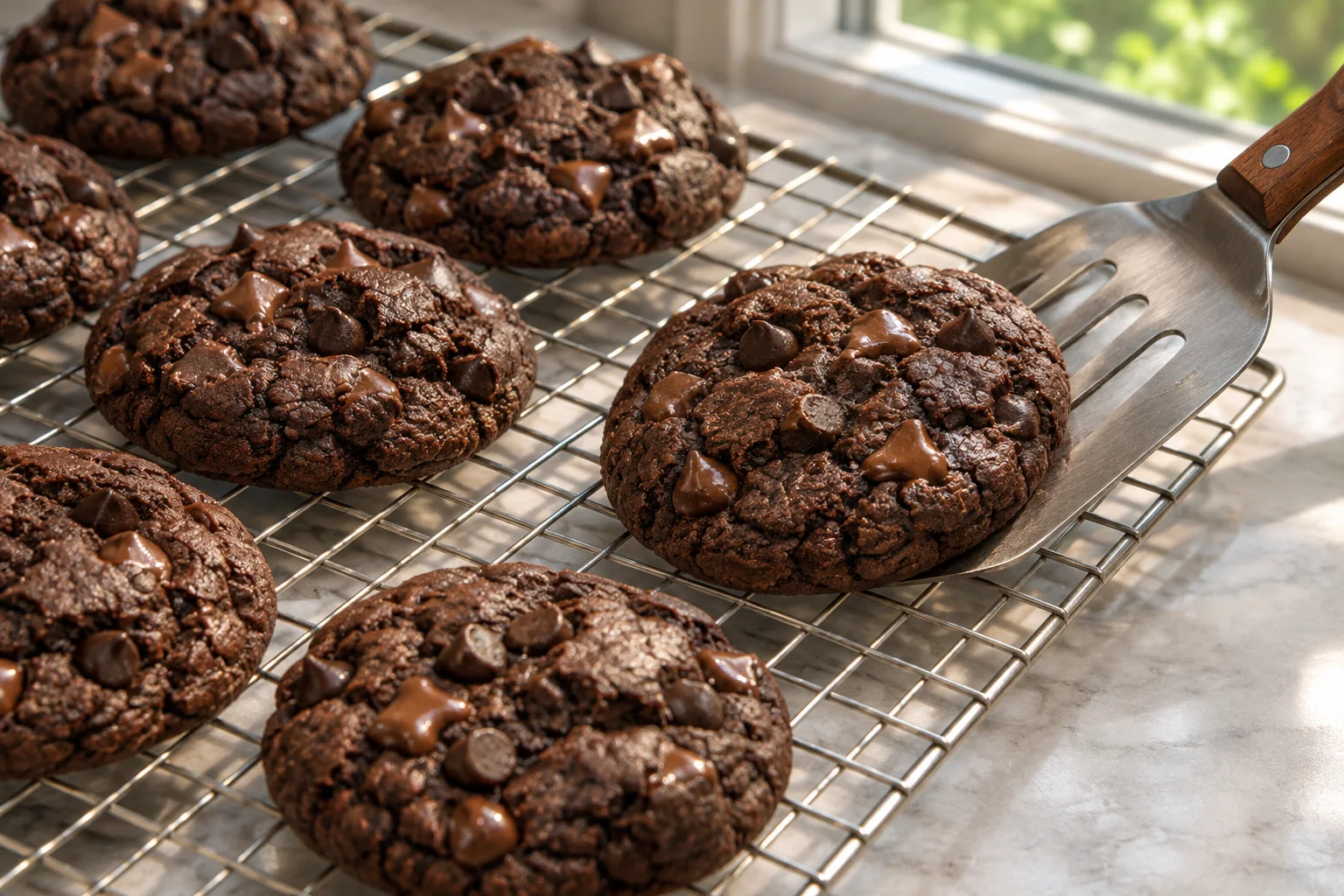
Cocoa absorbs liquid, and adding it to a vanilla cookie often requires changing flour and sometimes fat or liquid. Both natural and Dutch cocoa may produce delicious chocolate cookies, but their pH can influence spread and browning in soda-based doughs. Choose a tested chocolate-cookie variation. The darker cocoa doesn't automatically make a cookie chewier or richer.
For Double Chocolate Chip Cookies, compare a cooled test cookie before judging the effect of a cocoa swap.
Red velvet and color
Traditional red velvet formulations may combine cocoa, buttermilk and acid with a particular leavening balance. Switching heavily alkalized cocoa for natural cocoa can alter color and chemistry. Modern red velvet recipes often use food coloring and other components, so results vary. Follow the recipe's specified cocoa instead of treating the hue as a simple branding effect.
Hot cocoa and beverages
For a drink, there is no baking soda-dependent cake structure to preserve. Natural and Dutch cocoa may both be used, depending on flavor and dispersion preferences. Some cocoa powders disperse more smoothly when made into a paste with a small amount of warm liquid first. Choose unsweetened powder and adjust sweetener to taste.
Chocolate frosting
Buttercream and some glazes can tolerate either cocoa type when the formula allows it, but taste and color differ. A dark Dutch cocoa may create an attractive deep frosting with a mellow flavor. Excess powder can make frosting stiff or dry, so do not keep adding cocoa merely to reach a specific color. A separate dark chocolate ganache may better suit a glossy dark finish.
Taste the frosting and sponge in Vegan Chocolate Cupcakes together when choosing your cocoa.

Black cocoa is a separate case
Black cocoa is often highly alkalized and very dark, producing an almost black result in certain sandwich-cookie recipes. It may have a distinctive less acidic flavor and isn't a universal substitute for regular Dutch-process cocoa. Recipes developed for it often balance additional chocolate flavors and leaveners. Start with a tested black-cocoa formula rather than pouring it into every brownie mix.
For an intentionally dark cake, follow the formula for Black Cocoa Bundt Cake.

What to do if the wrong cocoa was used
If you used Dutch-process in a natural-cocoa soda cake, assess the fully baked rise and flavor. A low cake may reflect changed acidity, but oven heat, mixing and leavener freshness also matter. A properly baked but different-looking cake may still be delicious. Do not add baking soda after the batter is fully mixed to repair an uncertain pH.
Why cocoa sometimes clumps
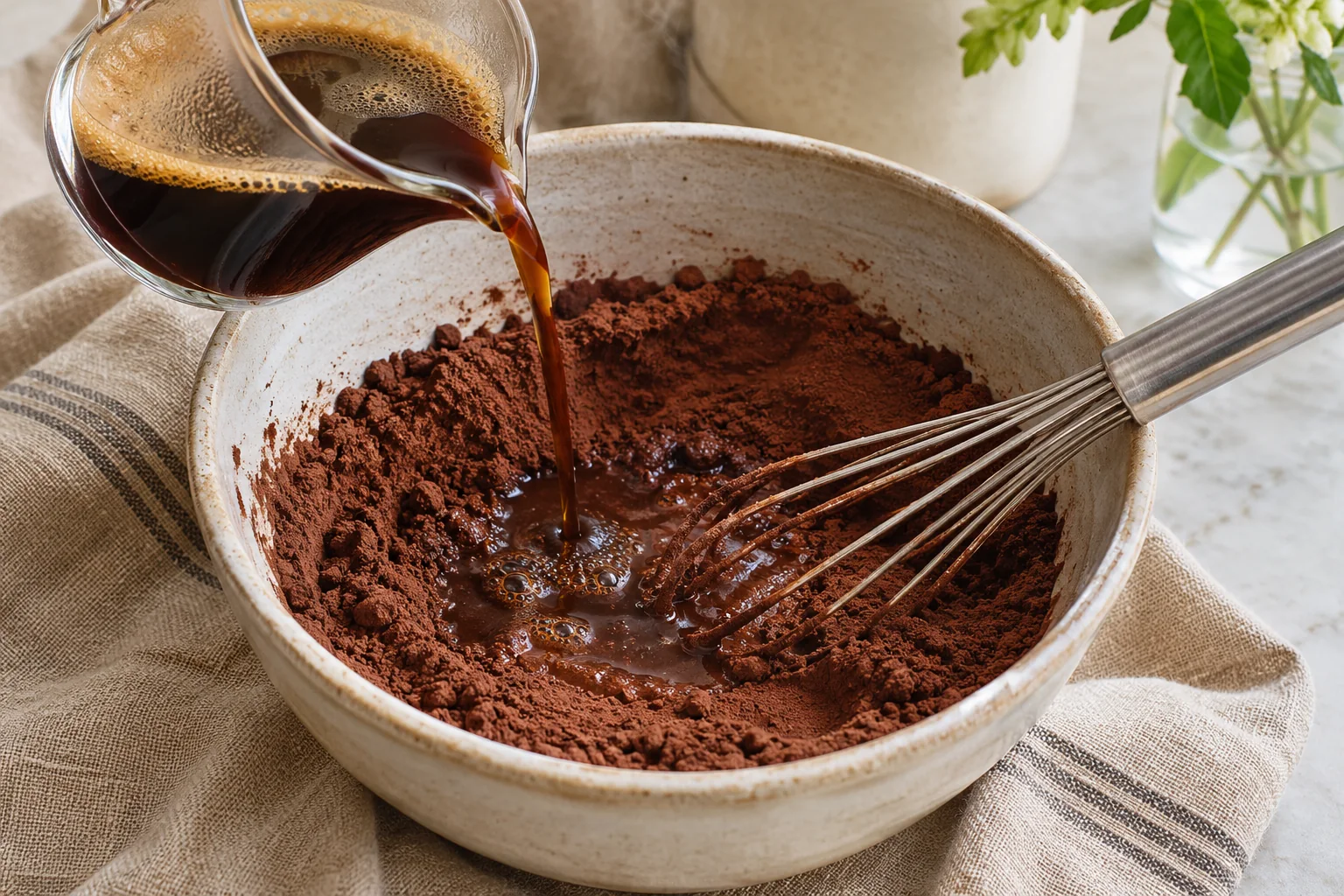
Cocoa is fine and can form dry clumps when mixed directly into liquid. Many recipes sift it or whisk it with dry ingredients, while others bloom it in warm water or coffee. The method affects dispersion and flavor but doesn't make natural and Dutch powders chemically identical. Follow the original mixing instructions.
Blooms in hot liquid
Blooming cocoa with warm liquid helps wet the particles and may intensify chocolate perception in particular formulas. It changes batter temperature and liquid distribution, so not every recipe calls for it. A cake using creamed butter and dry cocoa may require a different order. Don't add extra hot liquid without adjusting the recipe.
Cocoa storage
Keep unsweetened cocoa sealed in a cool dry place away from moisture and strong odors. Powder that has absorbed moisture may clump, while stale cocoa can lose aromatic quality. Check packaging and use clean dry measuring tools. A darker color isn't proof of freshness, and damaged or contaminated products should be discarded.
A useful substitution framework
Ask three things: which cocoa does the recipe specify, which leavener is used, and what other acids are present? A recipe with no chemical leavener may be more flexible; a soda-based cake requires extra caution. Look for a validated swap from the recipe creator or manufacturer rather than applying a universal one-to-one rule.
A comparison bake
Choose two tested versions of a chocolate cake, one designed for natural cocoa and one for Dutch-process, and follow each complete formula. Compare crumb color, lift and flavor after cooling. Do not alter cocoa, leavener and buttermilk independently if the goal is a meaningful comparison. The formulas are systems rather than isolated ingredient demonstrations.
If testing cocoa in Double Chocolate Muffins, keep the portions, pan and oven shelf consistent.

IN PICTURES
From the baking notebook
FROM THE RECIPE BOX


