On this page
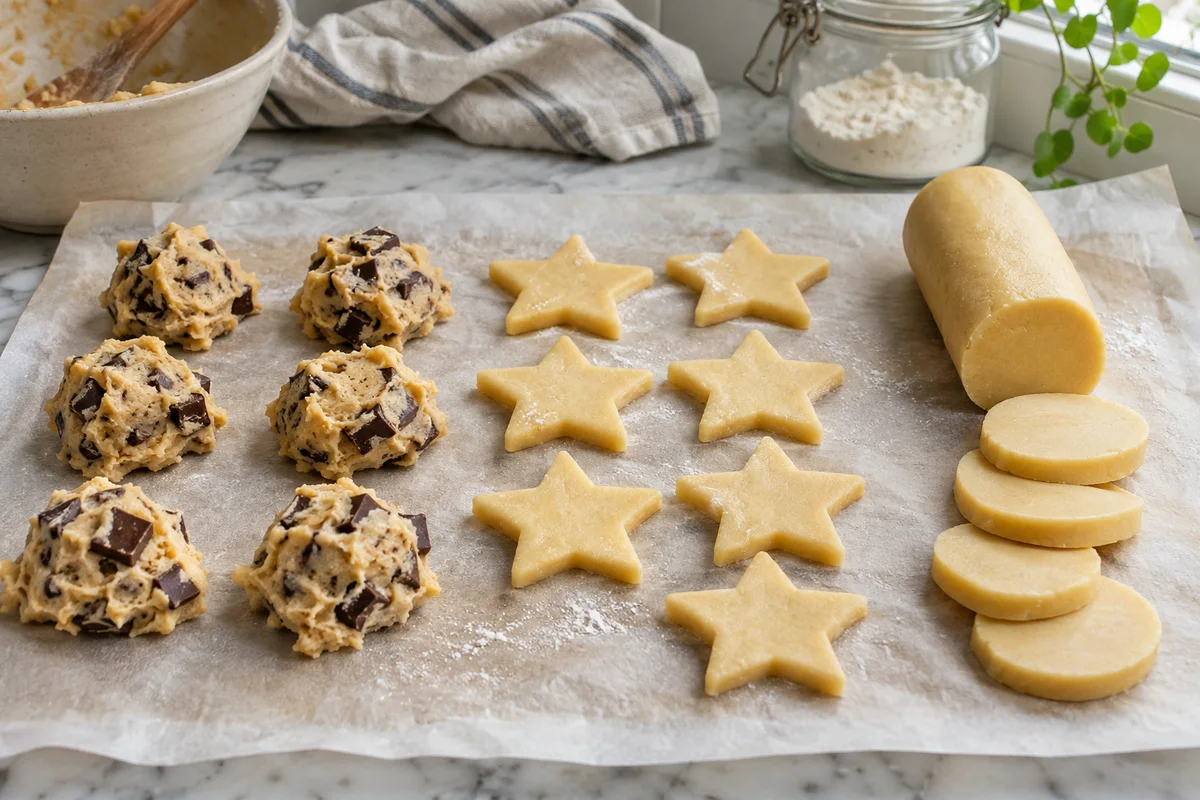
Look at the dough before reaching for a cutter. A soft mound with chocolate chunks can spread into a round on its own. A star needs dough that holds an edge, while a neat slice needs a log firm enough to cut without flattening.
What defines a drop cookie
Drop cookies are portioned as mounds with a spoon or scoop directly onto a baking sheet. Chocolate chip, oatmeal and many peanut butter cookies fall into this category. The dough is often soft and may spread as it bakes. Consistent portions matter more than perfectly smooth shapes. Some recipes benefit from chilling, while others are baked soon after mixing.
Start with Classic Chocolate Chip Cookies for the familiar scooped shape.

Why drop cookies spread
Fat melts, sugar dissolves and leavening creates gas as the dough warms. The balance of flour, eggs, fat, sugar and oven heat affects final diameter. Drop cookies rely on a formula that allows desirable spread without losing all thickness. A chilled dough may spread differently from a warm one, but chilling isn't a universal cure for an incorrect flour ratio or oversized scoop.

Best uses for drop cookies
Drop cookies are efficient when feeding a crowd because the dough can often be scooped quickly and baked in repeated batches. Mix-ins such as chopped chocolate, nuts and dried fruit distribute naturally through the mounds. The look is invitingly rustic rather than geometric. For consistent results, weigh portions and leave sufficient space on the tray.
A scoop handles the uneven texture of Oatmeal Chocolate Chip Cookies neatly.

What defines a rolled cookie
Rolled cookies begin as a sheet of dough extended to a target thickness and cut with a knife or cutter. Sugar cookies, gingerbread shapes and some decorative biscuits use this method. The formula must hold enough structure to keep a clean outline. A soft chocolate chip dough rarely becomes a sharp-edged snowflake simply because it has been flattened and cut.
Try Gingerbread Cookies when a clean outline matters.

The importance of thickness
Uniform rolled-cookie thickness makes baking predictable: thin shapes otherwise brown and dry before the thick ones finish. Use rolling guides or a ruler if helpful. Choose the thickness specified by the recipe because an extra few millimetres changes center texture and baking time. Keep the dough cool enough to lift shapes without stretching.

How chilling helps cutout shapes
A short chill can firm butter so the dough rolls or transfers without distortion. Some recipes recommend chilling the entire sheet before cutting or placing the cut shapes back in the refrigerator. Follow the specific method. Too much flour added during rolling can make cookies tough and change flavor, so manage stickiness through temperature as well as light dusting.

Best uses for rolled cookies
Choose this style for seasonal shapes, decorated cookies, geometric biscuits and any design where clean edges matter. Simple round cutters can work just as beautifully as elaborate holiday shapes. Frosting and royal icing have their own setting and food-safety guidance; ensure cookies are completely cool before decorating so the finish doesn't melt.
Matching cutouts make it easier to pair Christmas Sugar Cookie Sandwich Cookies for filling.

What defines slice-and-bake cookies
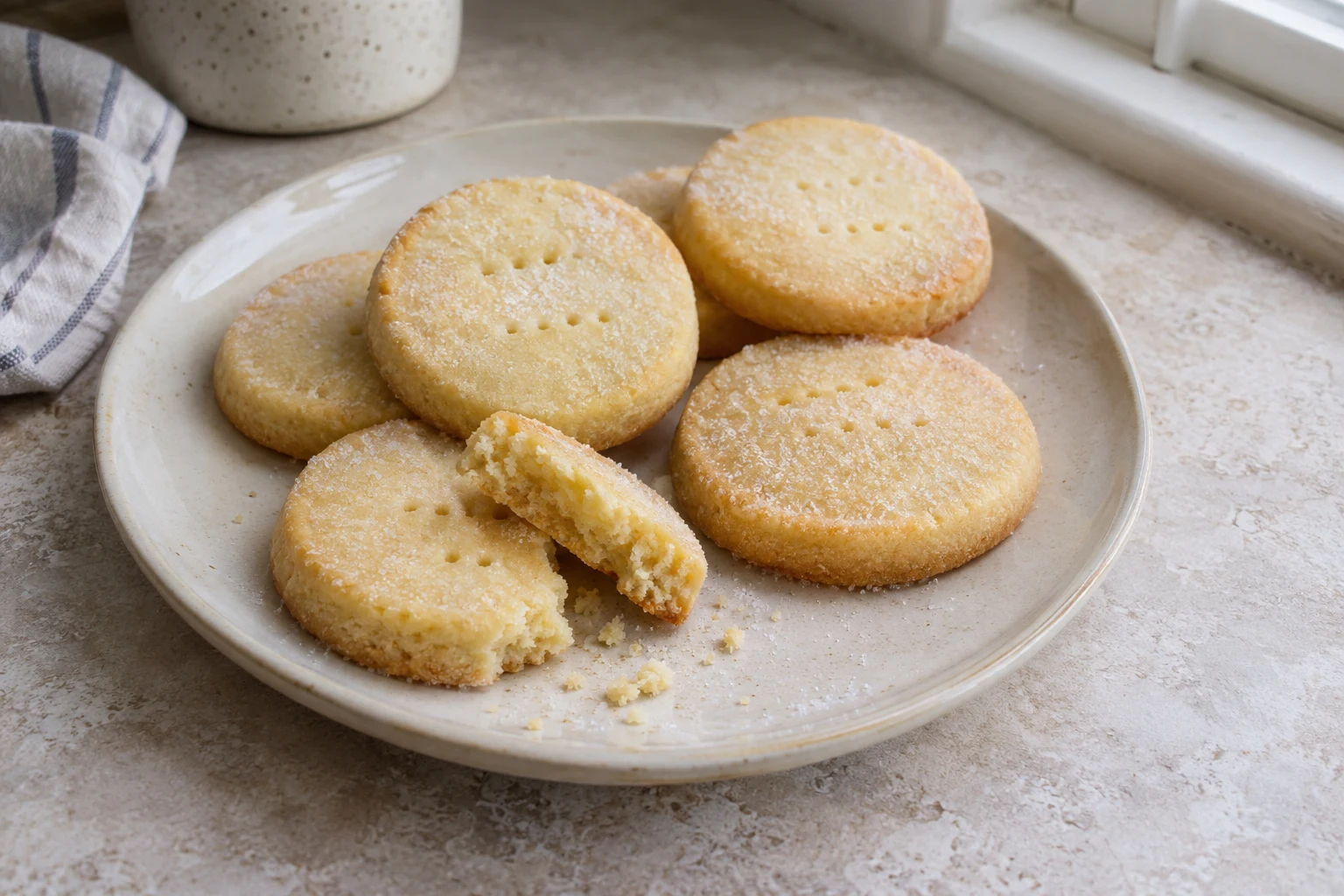
Slice-and-bake dough is shaped into a log, chilled until firm and cut into round or rectangular slices before baking. Shortbread and certain butter cookies use this method. It is convenient for uniform discs and can be prepared ahead under proper storage guidance. The recipe needs a dough that holds a log without crumbling or becoming too soft to cut.
Shaping an even dough log
Roll the dough gently into a cylinder of consistent diameter. Parchment or a clean mat may help create straight sides. An uneven log produces small cookies at the ends and larger ones in the middle. Chill as directed before slicing. If the log becomes flattened along the bottom while resting, rotate occasionally if the recipe suggests it or reshape while still pliable.
Cut clean slices
Use a suitable sharp knife and rotate the log as you slice to avoid flattening one side. If the dough is rock-hard, allow a small recipe-approved softening period; if it smears, return it to the refrigerator. Keep slices the specified thickness and leave room for any spreading. Very thin pieces brown faster than thick shortbread discs.
Compare the shaping directions for Vegan Shortbread Cookies before choosing how to portion a buttery dough.
How mix-ins affect slicing
Large chocolate chunks or whole nuts can obstruct a knife and cause uneven slice edges. Use the mix-in size the slice-and-bake formula requires. Some recipes roll logs in finely chopped nuts or sugar before chilling for a decorative border. Very wet fruit or large sticky additions may weaken the log. A drop-cookie formula may be a better choice for oversized chocolate pieces.
Can you convert drop dough to rolled shapes?
Not reliably. A dough designed to spread may lose its outline even after a long chill. Adding extra flour to make it stiff changes sweetness, texture and leavening balance. If detailed cutter shapes matter, begin with a roll-out formula tested for shape retention. If you merely want round chocolate chip cookies, a scoop can produce attractive consistent circles without modifying the dough.
Can rolled dough become slice-and-bake?
Some sugar and shortbread formulas can be shaped as logs, but others become too crumbly or don't slice cleanly after chilling. If the author offers both methods, follow the specific thickness and baking cues for each. Switching methods changes the dough's surface area and possibly final texture even when the ingredient list stays constant.
Which style suits the busiest week?
For a weekend bake sale, drop cookies are usually fast to portion and scale. For an elaborate holiday decorating activity, rolled cookies offer the shapes you want but require extra rolling and chilling. For small batches throughout a week, slice-and-bake logs may be efficient when safely stored. Choose based on your real schedule rather than trying to force one dough into every role.
Pan spacing and size
Drop cookies may spread substantially; rolled and slice-and-bake cookies often hold sharper boundaries but still need air circulation. Follow recipe spacing. Small cookies finish faster than large ones, so don't mix radically different sizes on the same tray. Cool baking sheets between batches to avoid premature butter melting.
Storage of unbaked dough
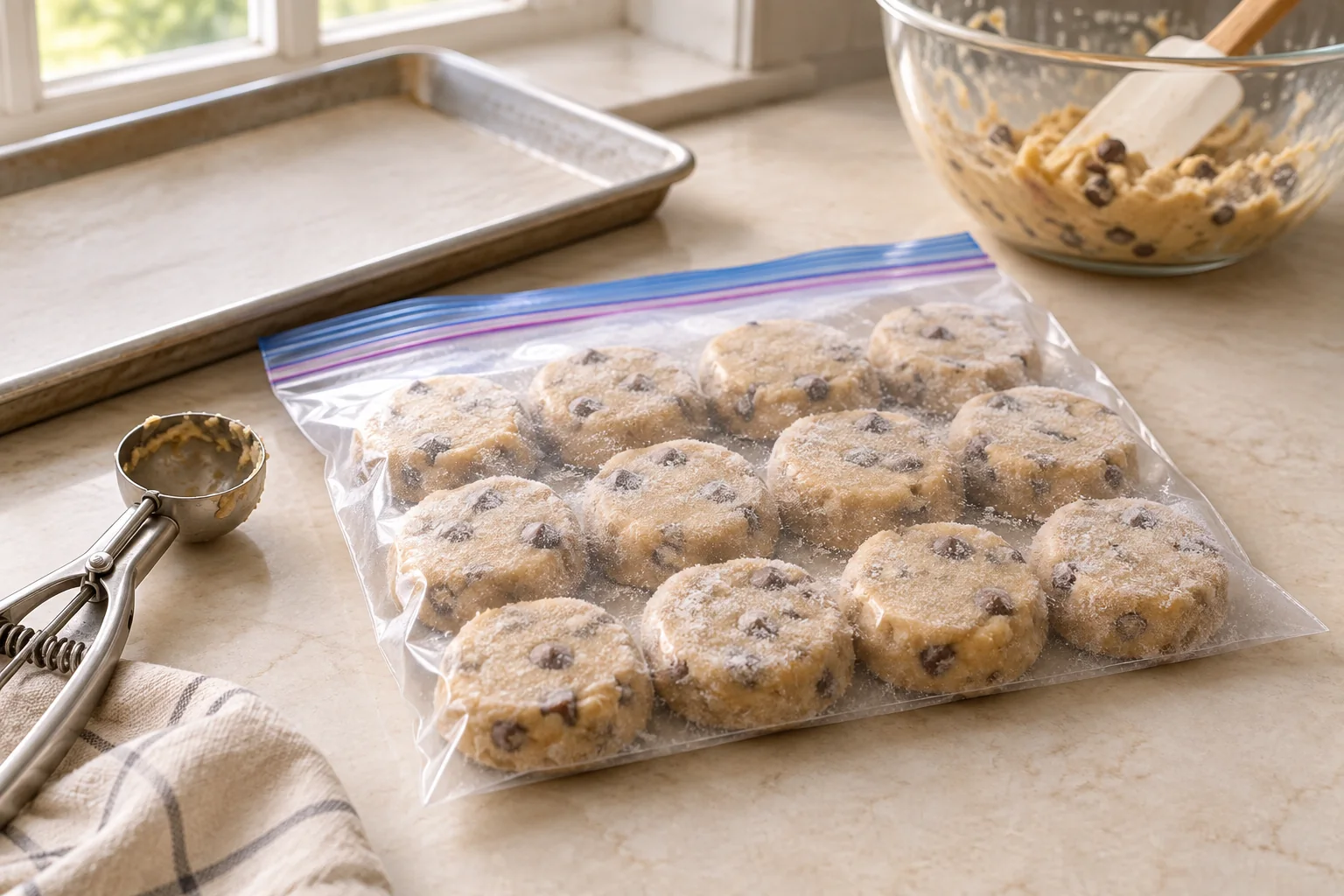
Raw cookie dough contains untreated flour and often eggs, and should not be eaten. Refrigerate perishable dough promptly at or below 4°C (40°F), or freeze according to recipe directions. Shape logs or pre-scoop portions before freezing when appropriate. Don't assume dough can sit at room temperature for hours just because it contains sugar.
Freezing dough portions
Many drop cookies freeze well as scooped balls, and some slice-and-bake logs can be frozen for later slicing or baking. Roll-out dough can also be frozen when its formula supports it. Label with bake temperature, portion size and date. Frozen dough may need different baking time, so use instructions specifically tested for it.
How icing affects the choice
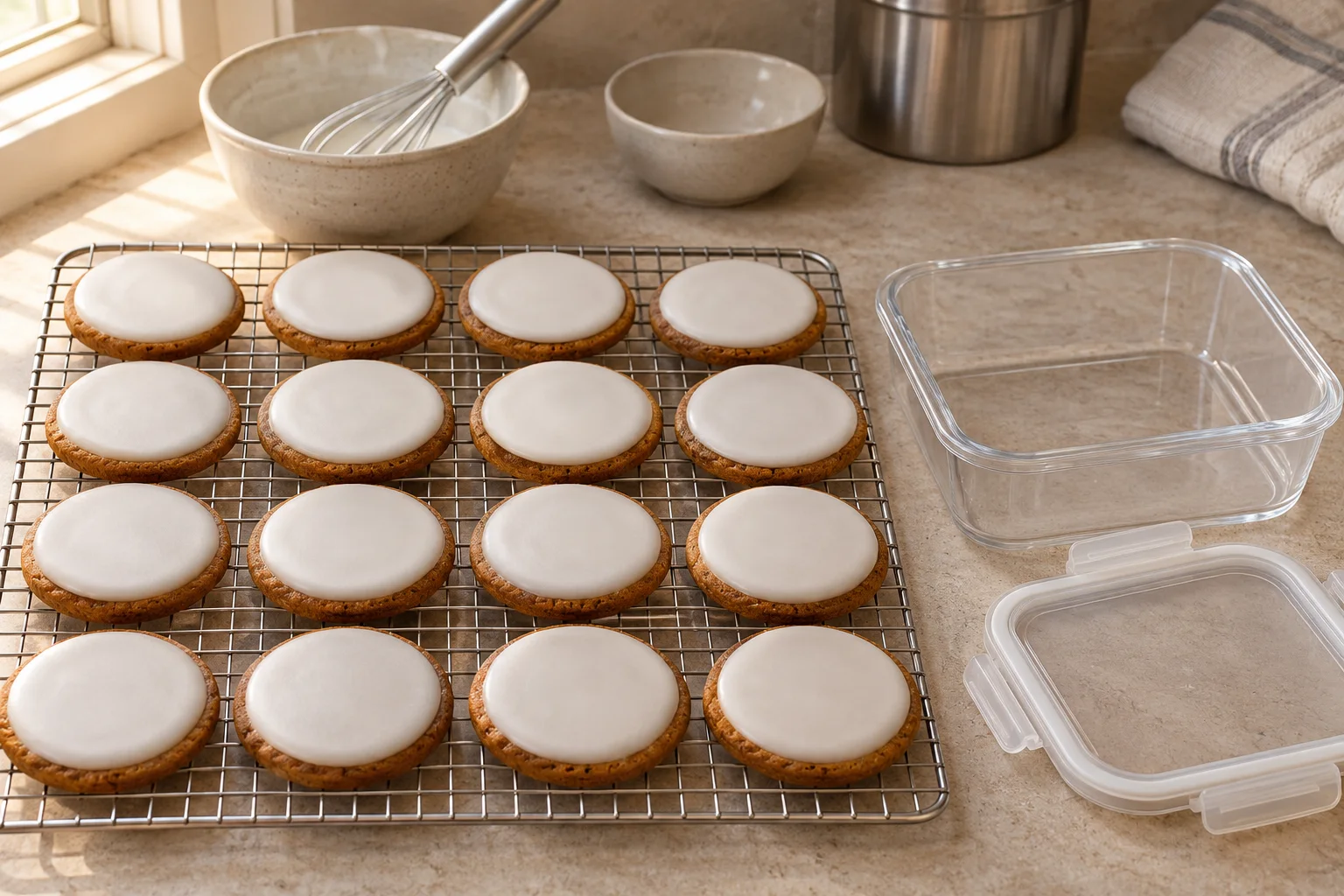
Rolled cookies often provide a flat surface for detailed icing, but crisp shortbread rounds and sturdy drop cookies can also be decorated simply. A cookie carrying a heavy wet glaze may soften during storage. Choose a decoration compatible with the base rather than expecting every cookie to hold stacked buttercream or elaborate piping.
Look at Iced Ginger Cookies for a finish you can add after baking.
Texture differences
Drop cookies often emphasize a soft or chewy center with crisp edges; rolled cookies can be crisp or tender depending on thickness and formula; slice-and-bake shortbread may be sandy and delicate. These are tendencies, not rules. A rolled gingerbread can be chewy, and a drop cookie can be crisp. Ingredient ratios and baking remain the primary controls.

A practical comparison bake
Prepare a tested drop cookie, a tested rolled sugar cookie and a tested slice-and-bake shortbread over a weekend. Compare active preparation, chilling needs, baking and clean-up. Note which style your family actually prefers. This is more revealing than forcing one ingredient formula into three shapes, because each style is designed for different structural demands.
IN PICTURES
From the baking notebook
FROM THE RECIPE BOX


