
On this page
Replacing dairy milk in a muffin often looks straightforward, while replacing heavy cream in a chocolate ganache can change the whole dessert. Dairy ingredients do several jobs in baking: they provide water, fat, proteins, acidity, flavour and sometimes a foam that can be whipped. A successful dairy-free swap depends on which of those jobs matters in the recipe. The best substitute for a pancake is rarely the same as the best substitute for piped cream.
Start with the dairy ingredient's function
Read the recipe and ask whether milk mainly hydrates flour, cream makes a rich emulsion, yogurt adds acidity or butter creates laminated layers. A substitution that matches flavour but not structure may fail. When dairy is central to the texture, choose a complete dairy-free formula instead of changing one ingredient in isolation.

Unsweetened soy milk
Soy milk often works in suitably formulated cakes, muffins and pancakes because it supplies water and some protein. Its fat and sugar levels vary among brands, and soy is a major allergen. Choose an unsweetened unflavoured product when the original recipe expects plain milk; vanilla-sweetened cartons can change flavour and browning.
Oat milk
Oat milk has a mild flavour that suits many everyday cakes and quick breads. Barista versions may include more oil or stabilizers than ordinary beverages, producing different batters. Oat milk may contain gluten through processing unless appropriately certified; check labels if baking for someone with celiac disease.
Almond milk needs allergy caution
Almond beverage may work in some recipes but is unsuitable for tree-nut allergies and can be low in fat and protein. It should never be offered as a blanket dairy-free solution for a classroom. Choose a tested formula and confirm all restrictions before purchasing.
Rice and coconut beverages
Thin rice drinks and carton coconut beverages behave primarily as liquids and may contribute relatively little fat. Canned coconut milk is much richer and not directly comparable. A recipe using light carton coconut beverage may not set correctly with thick canned coconut cream substituted one-for-one.
Choosing milk for a cake
For a standard dairy-free snack cake or muffin, choose a milk substitute approved by the recipe and measure it accurately. Avoid changing milk, egg, butter and flour simultaneously without a fully designed vegan or dairy-free formula. The changes interact, so a dense result is difficult to diagnose when everything changes at once.
Recipe to try: Vegan Lemon Blueberry Loaf. Follow this recipe’s ingredient amounts and complete method.

What about buttermilk?
A quick dairy-free buttermilk may combine unsweetened plant milk with a measured amount of lemon juice or vinegar. It creates acidity for recipes that use baking soda, but doesn't reproduce all the proteins and thickness of cultured dairy buttermilk. Use a tested conversion rather than adding acid indiscriminately.
Replacing yogurt or sour cream
Thick unsweetened plant yogurt can provide moisture and acidity in certain cakes. Products differ dramatically in protein, starches, fat and added sugar. A very thin coconut yogurt may loosen batter while a dense soy yogurt behaves differently. Follow a recipe written for the chosen product.
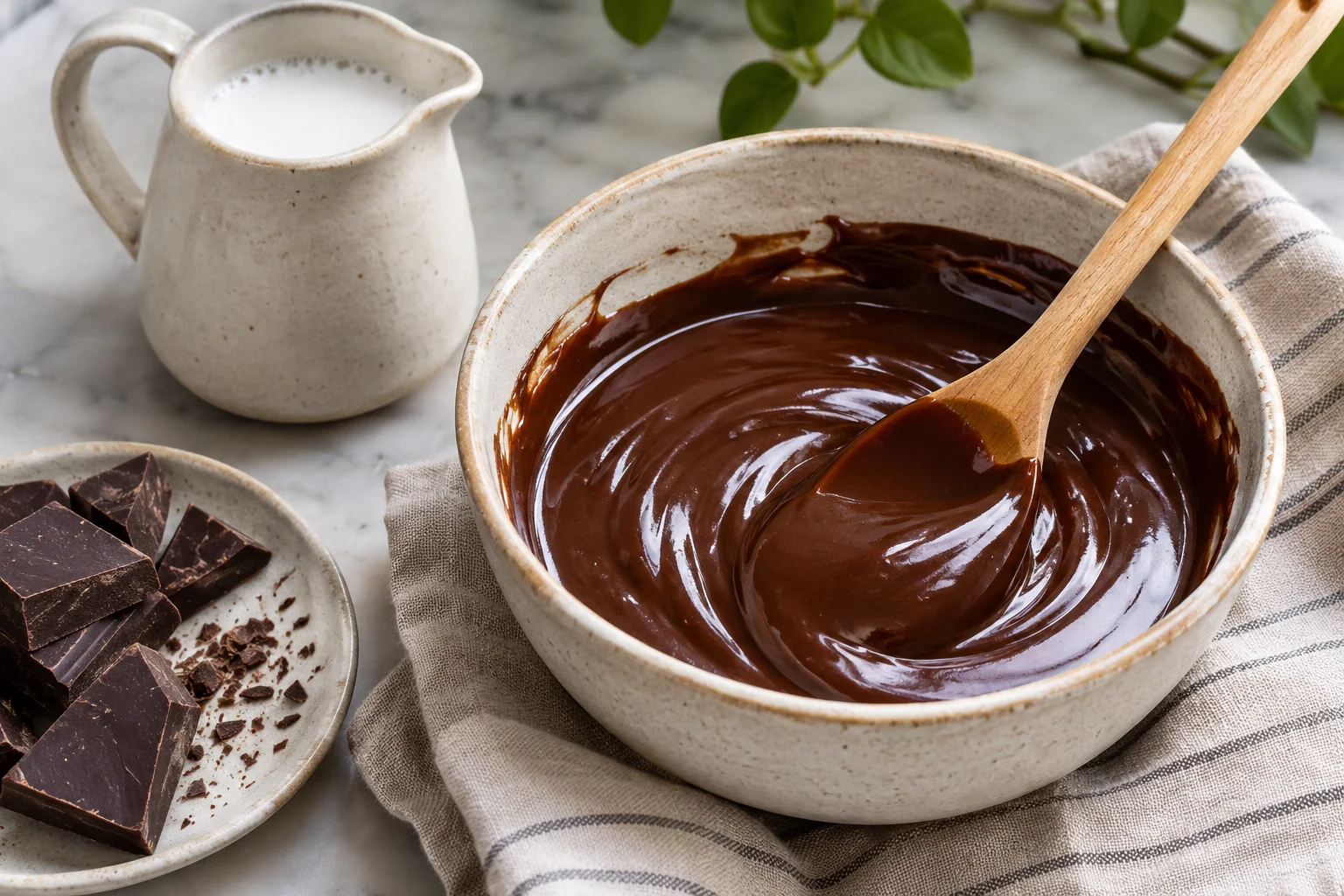
Heavy cream in chocolate ganache
Ganache is an emulsion of chocolate with liquid and fat. Ordinary plant milk often contains much more water relative to fat than dairy heavy cream, so a direct equal-volume swap can make ganache thin or unstable. Use a coconut-cream or plant-cream ganache recipe with its own chocolate ratio.
Recipe to try: Vegan Chocolate Layer Cake. Follow this recipe’s ingredient amounts and complete method.
Whipped cream is a specialized product
Ordinary oat, soy or almond milk doesn't simply turn into stable whipped cream under beaters. Use a plant-based product explicitly formulated for whipping, or a tested chilled coconut-cream method. Follow cold-storage and whipping instructions because brands vary in fat and stabilizer composition.
Coconut cream for toppings
Some high-fat canned coconut products separate after refrigeration, allowing the thick layer to be whipped. Others remain liquid because of formulation. The thin layer underneath isn't an equivalent whipping ingredient. Coconut also contributes flavour that may or may not suit your cake.
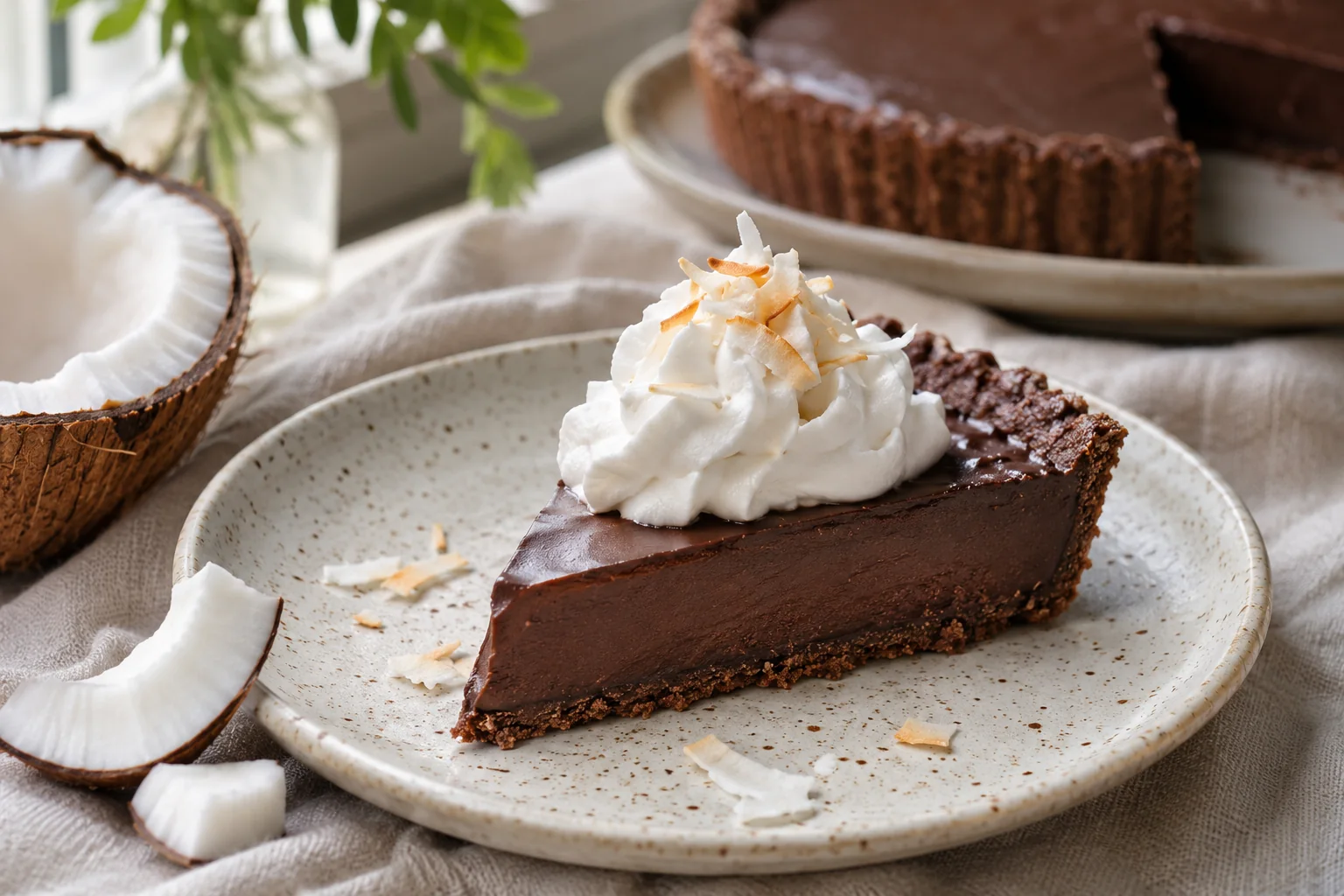
Recipe to try: Vegan Gluten-Free Chocolate Tart. This tart uses dairy-free dark chocolate and coconut milk. Its nut-based crust still requires a separate allergy check.
Dairy-free chocolate selection
Dark chocolate isn't automatically dairy-free, and milk chocolate generally contains dairy unless specially formulated. Check ingredient labels and potential cross-contact. For allergy-sensitive baking, the chocolate selection can matter as much as the milk replacement.
Butter alternatives
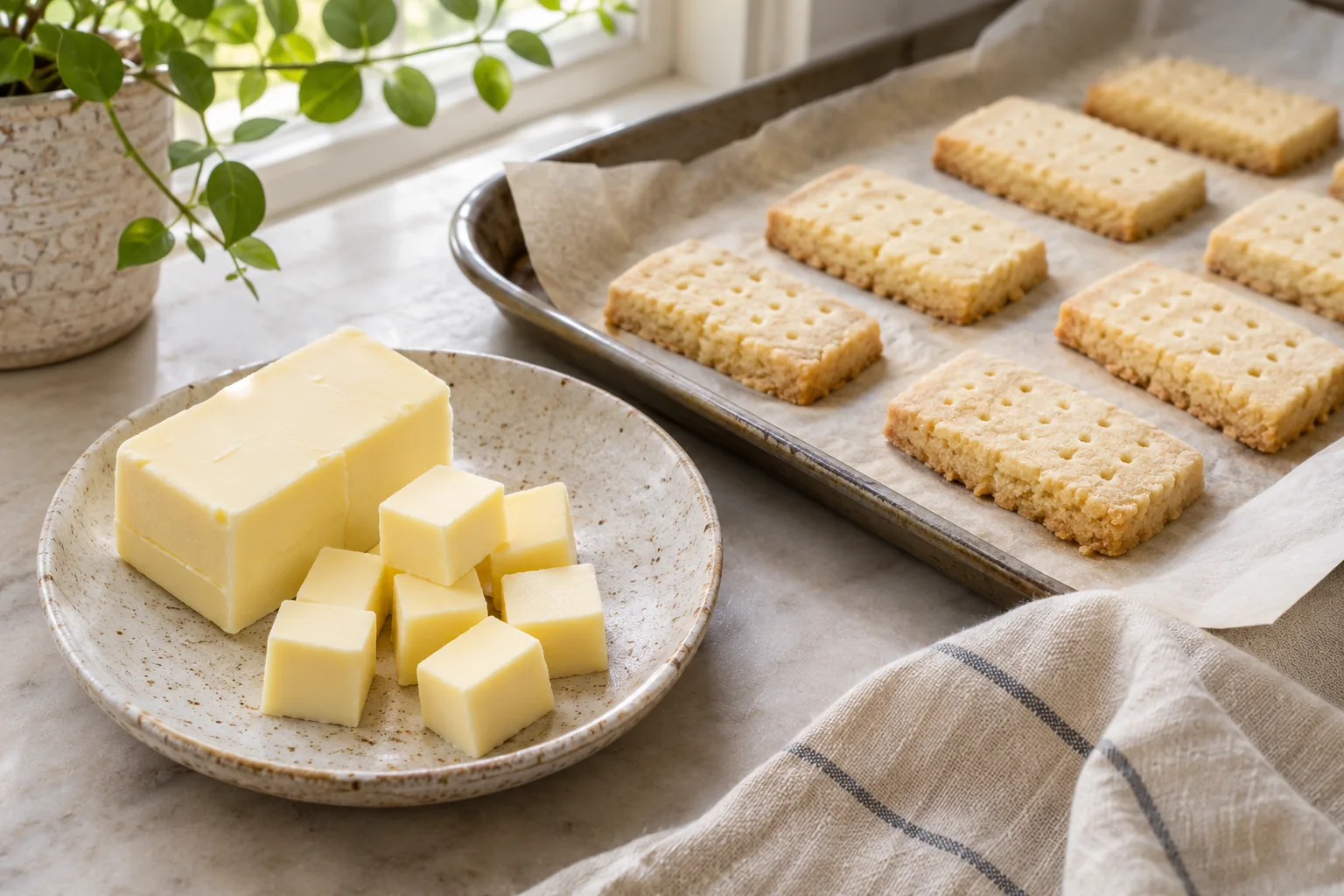
Plant-based block butter or baking sticks may work better for creamed cakes or pastry than soft, low-fat spreads. Water content, emulsifiers and melting behaviour differ. Oil can work in a recipe built around liquid fat but is not a direct replacement for butter's aeration or flaky pastry layers.
Recipe to try: Vegan Shortbread Cookies. Follow this recipe’s ingredient amounts and complete method.
Custard and pastry cream
Dairy milk's protein and fat contribute to traditional custard texture, while eggs and starch provide much of the set. Plant-based pastry creams can work well with the right thickener and fat balance. Avoid replacing dairy in a complex custard without a tested recipe and proper cooking instructions.
Cream cheese alternatives
Dairy-free cream cheese products differ in firmness and water content. Some frostings turn runny when beaten with powdered sugar, while others pipe well under a designed formula. Chill according to instructions and do not assume a plant-based cheese makes a cake shelf-stable.
Condensed milk substitutes
Plant-based sweetened condensed milks, often made with coconut or oats, can work in desserts developed for them. Their sugar and fat concentrations vary; a canned coconut drink is not equivalent. For key lime pie or fudge, use a tested dairy-free recipe to preserve setting chemistry.
Lactose-free is not dairy-free
Lactose-free cow's milk still contains milk proteins and is unsuitable for milk-protein allergy. Likewise, clarified butter or ghee remains dairy-derived even though its composition differs. Read full labels and distinguish lactose intolerance from milk allergy requirements.
Avoid cross-contact
A dairy-free recipe prepared with tools contaminated by milk-based chocolate or frosting may be unsafe for a person with milk allergy. Clean equipment thoroughly and follow the individual's needs. Never promise allergen safety based solely on a plant-based label on one ingredient.
How to troubleshoot a thin batter
Check whether the product was a watery carton beverage instead of concentrated canned milk, and whether the original recipe expected dairy fat or acidity. Measure by weight when possible and return to the chosen recipe's instructions. Adding extra flour by eye can make cakes rubbery rather than repairing the substitution.
How to troubleshoot separated frosting
A plant butter may be too warm or contain more water than the formula can emulsify. Cool ingredients to the specified temperature and use a frosting developed for the product. Continued whipping at high speed may cause further separation.
Storage remains important
Plant-based milk and cream products are perishable once opened and prepared. Refrigerate according to label and recipe guidance, generally at or below 4°C (40°F). A dairy-free pastry cream or whipped topping should not sit at room temperature all day simply because it contains no dairy.
Choose the replacement for the job
Use a tested unsweetened beverage where milk supplies hydration, a suitable thick cultured alternative where yogurt supplies body, and specifically formulated plant cream where fat and whipping are essential. That is the difference between merely dairy-free and genuinely good dairy-free baking.
IN PICTURES
From the baking notebook
FROM THE RECIPE BOX


