On this page
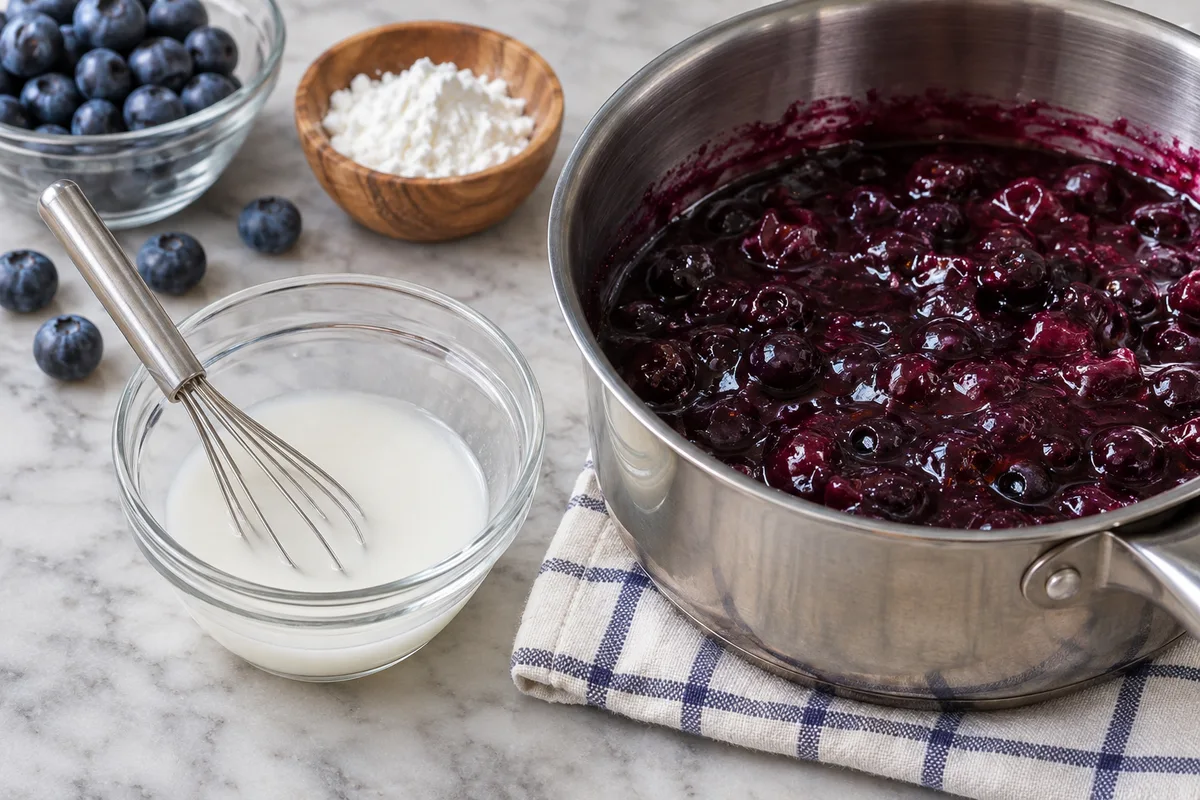
A slice of berry pie and a shortbread cookie can both contain cornstarch, but it does a different job in each. In a filling, heat and available liquid let starch build thickness. In dough, replacing some flour with starch changes the structure that forms when the dough is mixed and baked.
What cornstarch is
Cornstarch is the starch isolated from corn kernels, generally sold as a fine white powder in North America. It is distinct from whole corn flour or cornmeal, which contain different grain components and behave differently. In some regions, the label 'cornflour' means cornstarch, while elsewhere it means finely milled whole corn. Read packaging and ingredients when following an international recipe.
How starch thickens liquid
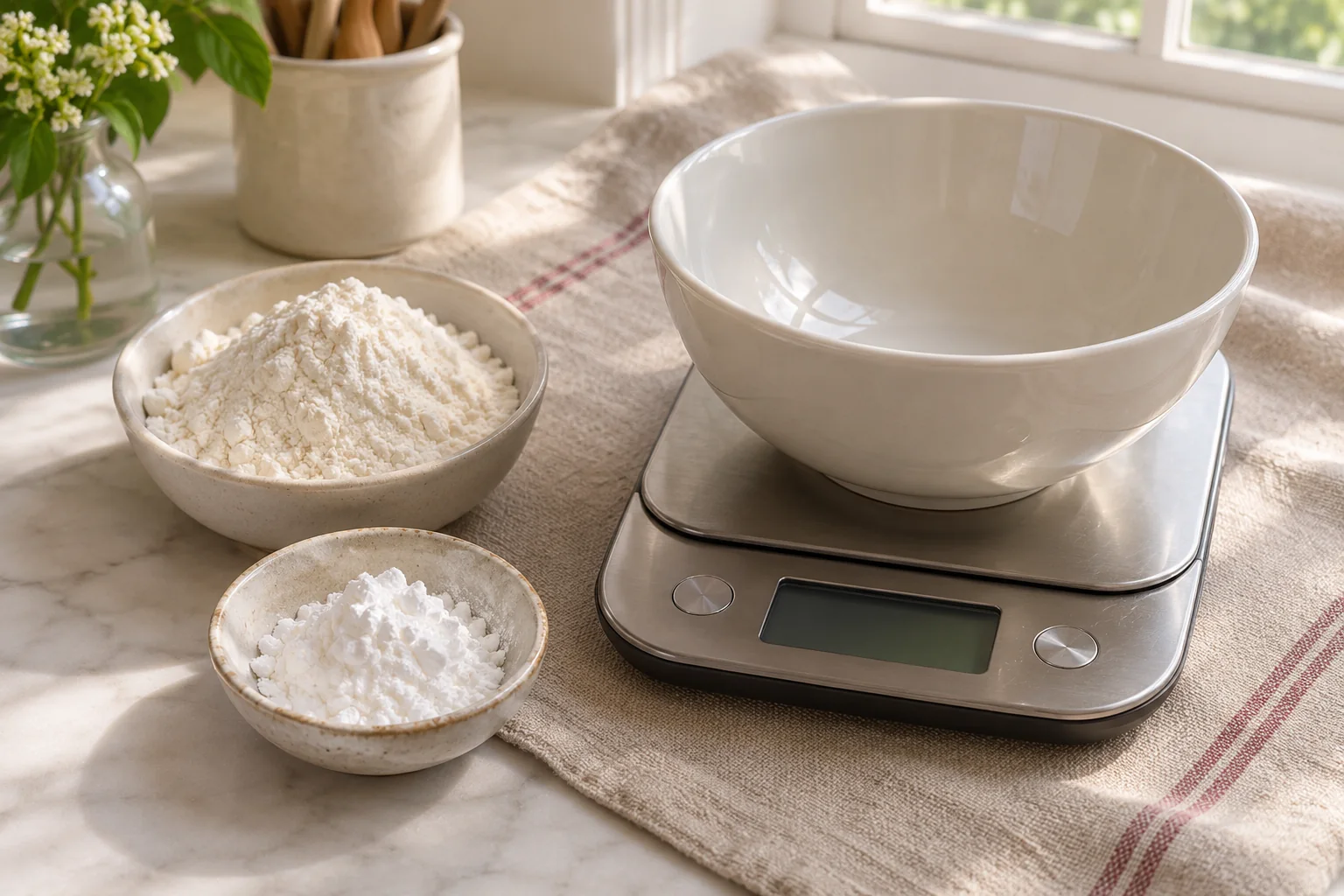
When cornstarch granules encounter sufficient water and heat, they swell and release starch molecules, thickening the mixture. The exact gelatinization behaviour depends on temperature, sugar, acidity and cooking conditions. Too little cooking may leave a starchy texture; prolonged heating or strong acidity can weaken some gels. Use a tested thickener quantity for the liquid you actually have.
Cornstarch for fruit pies
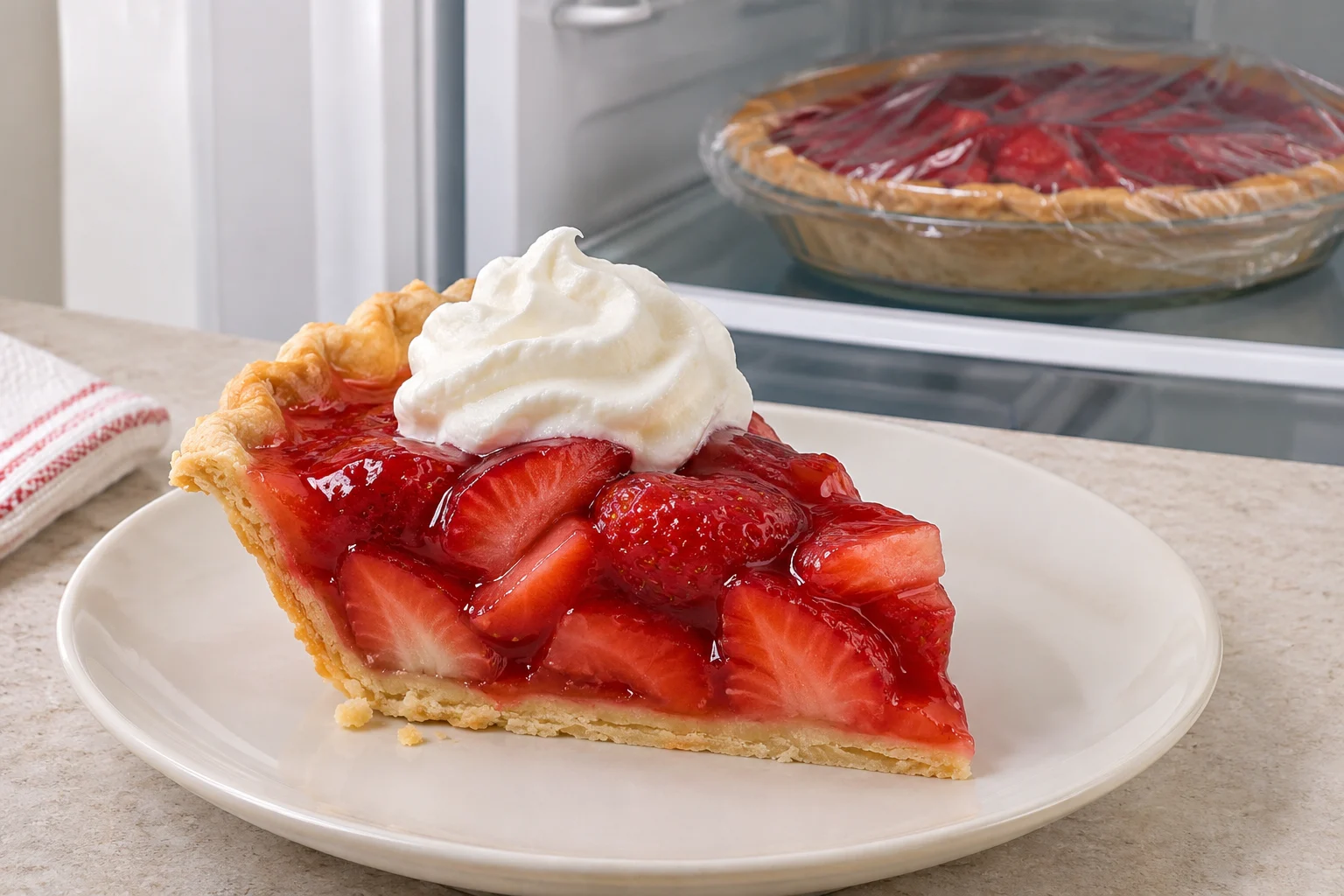
Berry and cherry fillings often release liquid that needs thickening so the cooled pie holds a slice. Cornstarch can produce a glossy gel, but excess may feel gummy. A filling needs adequate heat near the center to activate the thickener, and it often sets further while cooling. Frozen fruit and very juicy berries change the amount of water available, so follow a formula designed for the fruit.
For Blueberry Pie, check how the berries and thickener are combined before the filling goes into the shell.
Cornstarch versus flour in pie
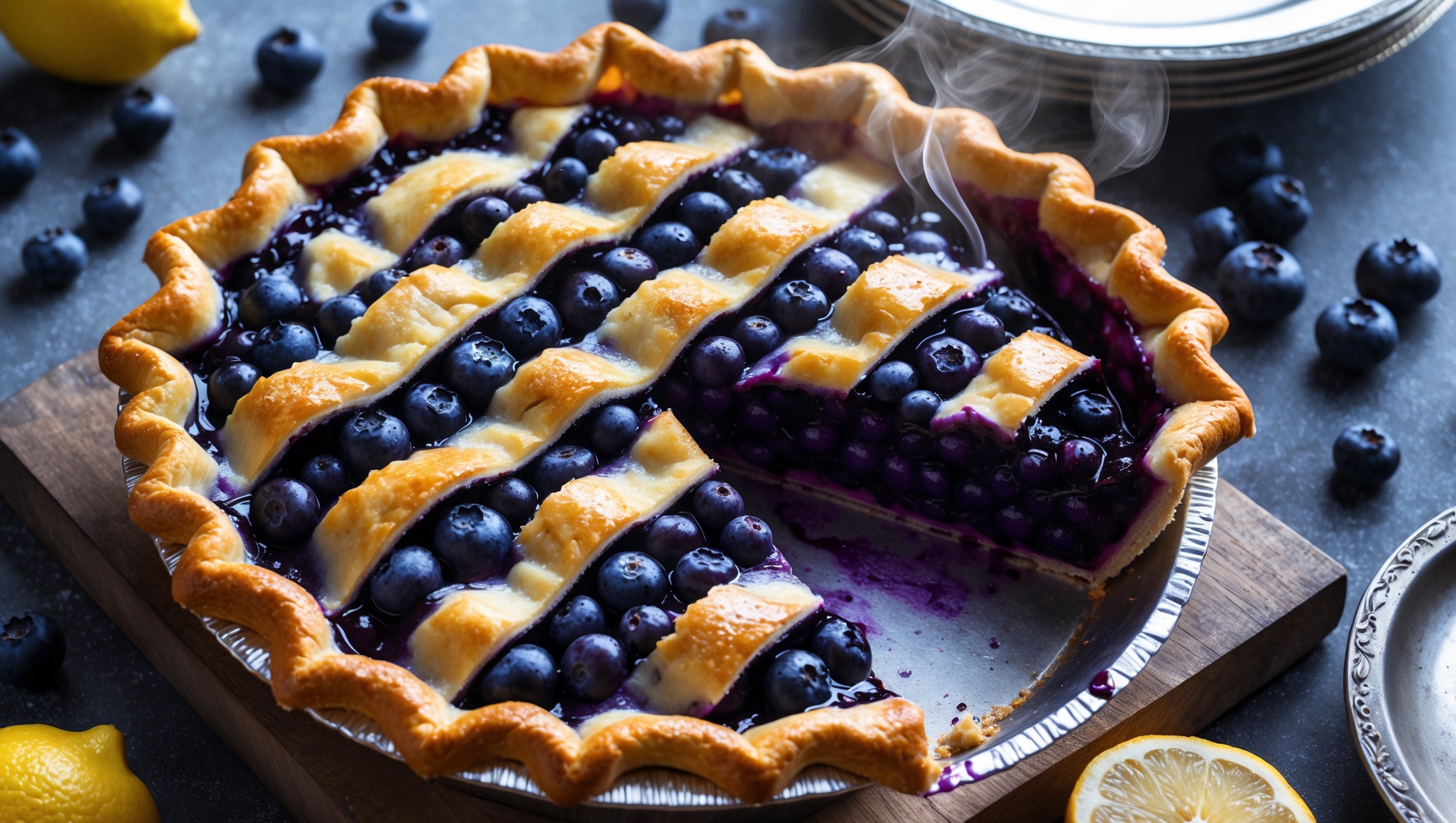
Wheat flour includes starch plus proteins and other components, often creating a cloudier filling than cornstarch. Cornstarch is more concentrated as a thickener, so exchanging equal spoonfuls can produce a very different set. The choice affects clarity, flavor and texture. Consult a recipe-specific conversion rather than assuming every pie can switch thickeners by volume.
Cornstarch versus tapioca
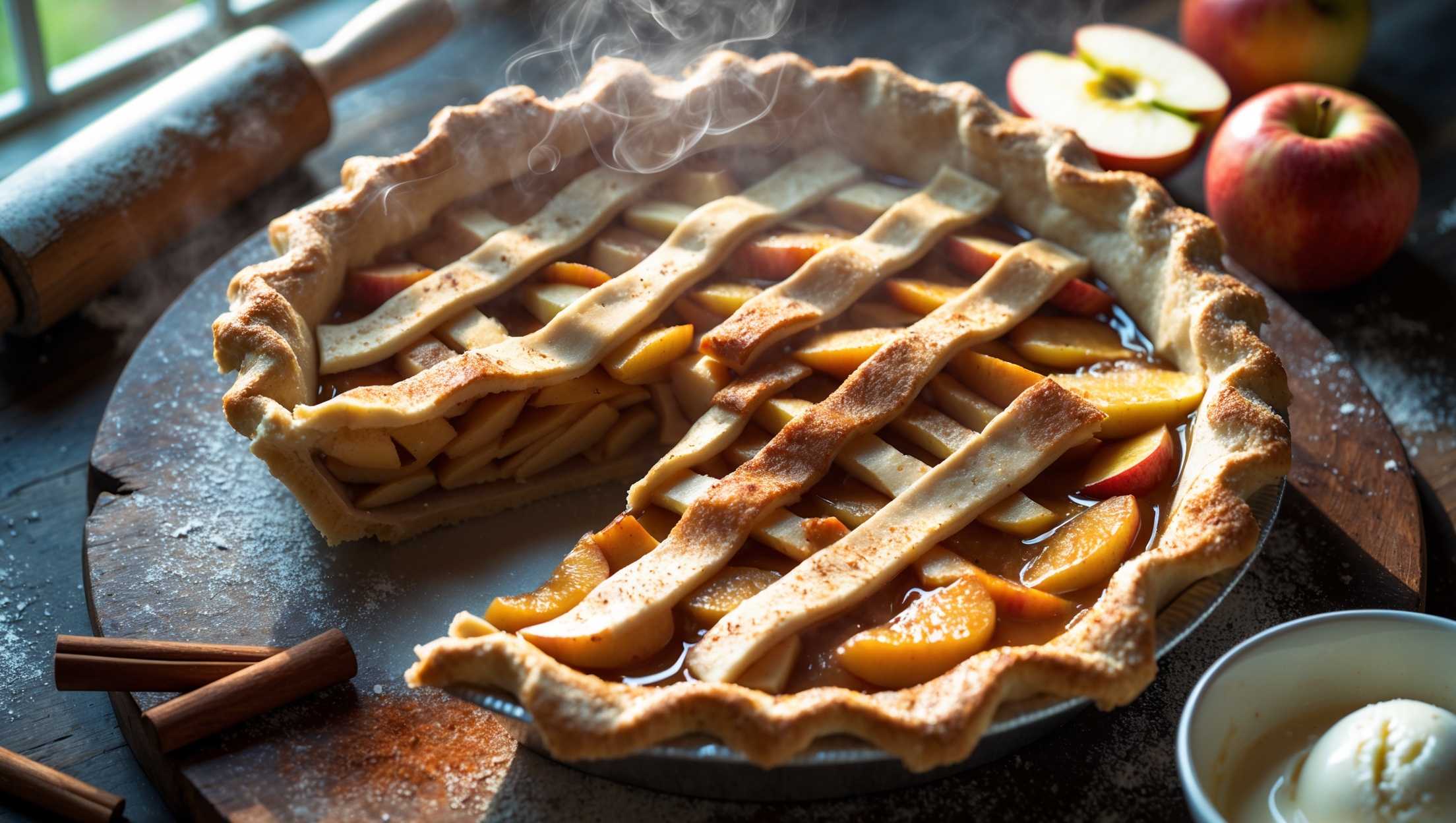
Tapioca starch can form a more elastic relatively clear gel, while cornstarch has its own thickening and freezing behaviour. Instant tapioca granules are different from fine tapioca starch. A substitution changes more than the powder's source; it may affect rest time and how the filling slices after thawing. Select a published variation for the fruit and storage method you need.
Read the thickening method in Strawberry Pie before swapping starches in a juicy berry filling.
Why cornstarch sometimes clumps
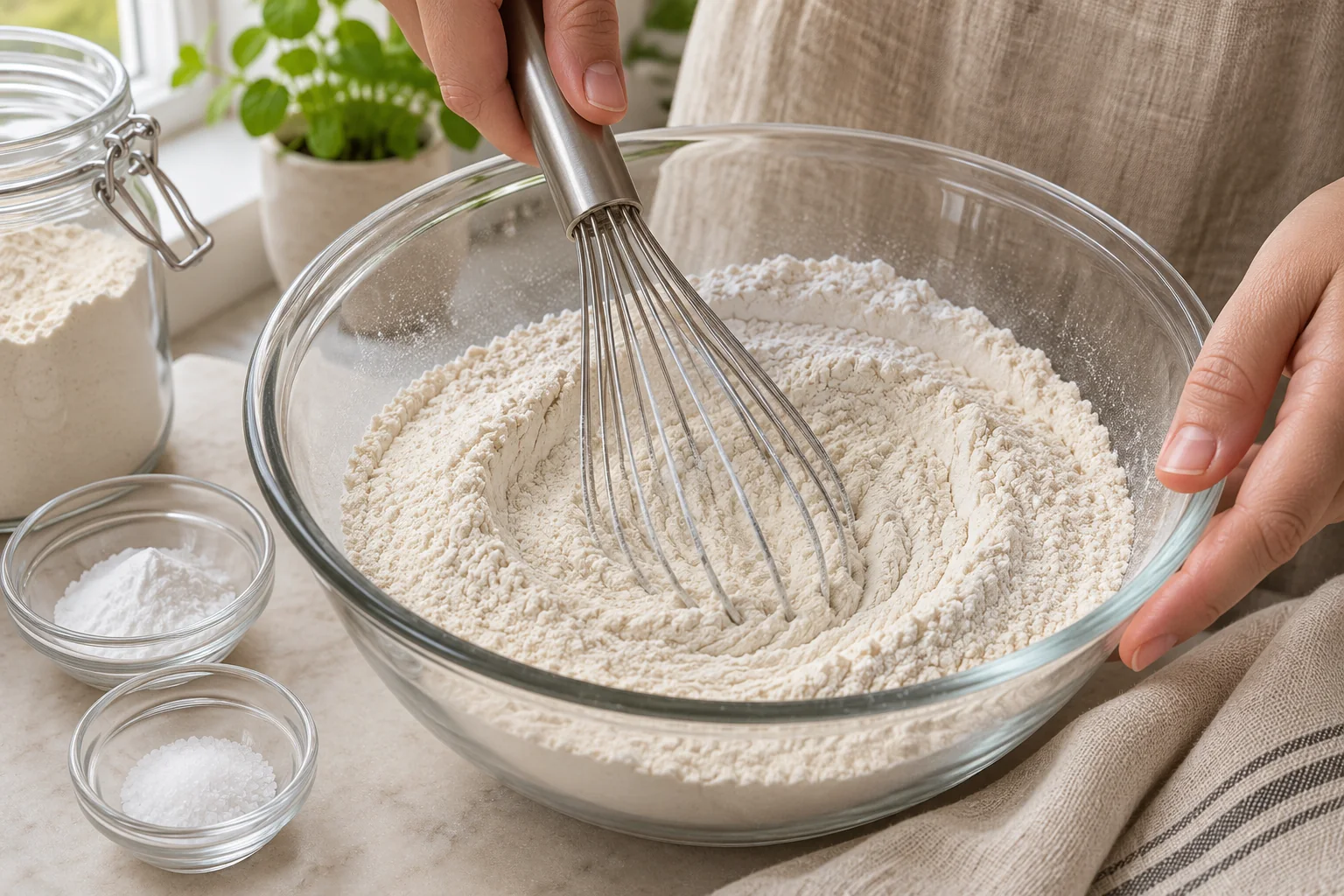
Dry starch added directly to a hot wet mixture may gelatinize on the outside and form lumps before dispersing. A common solution is to mix cornstarch with cold liquid to form a slurry in methods that call for one. Other recipes combine it with sugar before stirring into fruit. Follow the proper order rather than sprinkling a powder onto boiling custard and whisking frantically.
What a slurry is
A cornstarch slurry blends measured starch with an appropriate cold liquid until smooth before incorporation into a warm mixture. The mixture may settle quickly, so stir again just before adding. Continue cooking for the period specified by the recipe to develop the desired thickness. A slurry must be part of a balanced method; adding one arbitrarily can make a filling gluey or excessively thick.
Pastry cream and custard
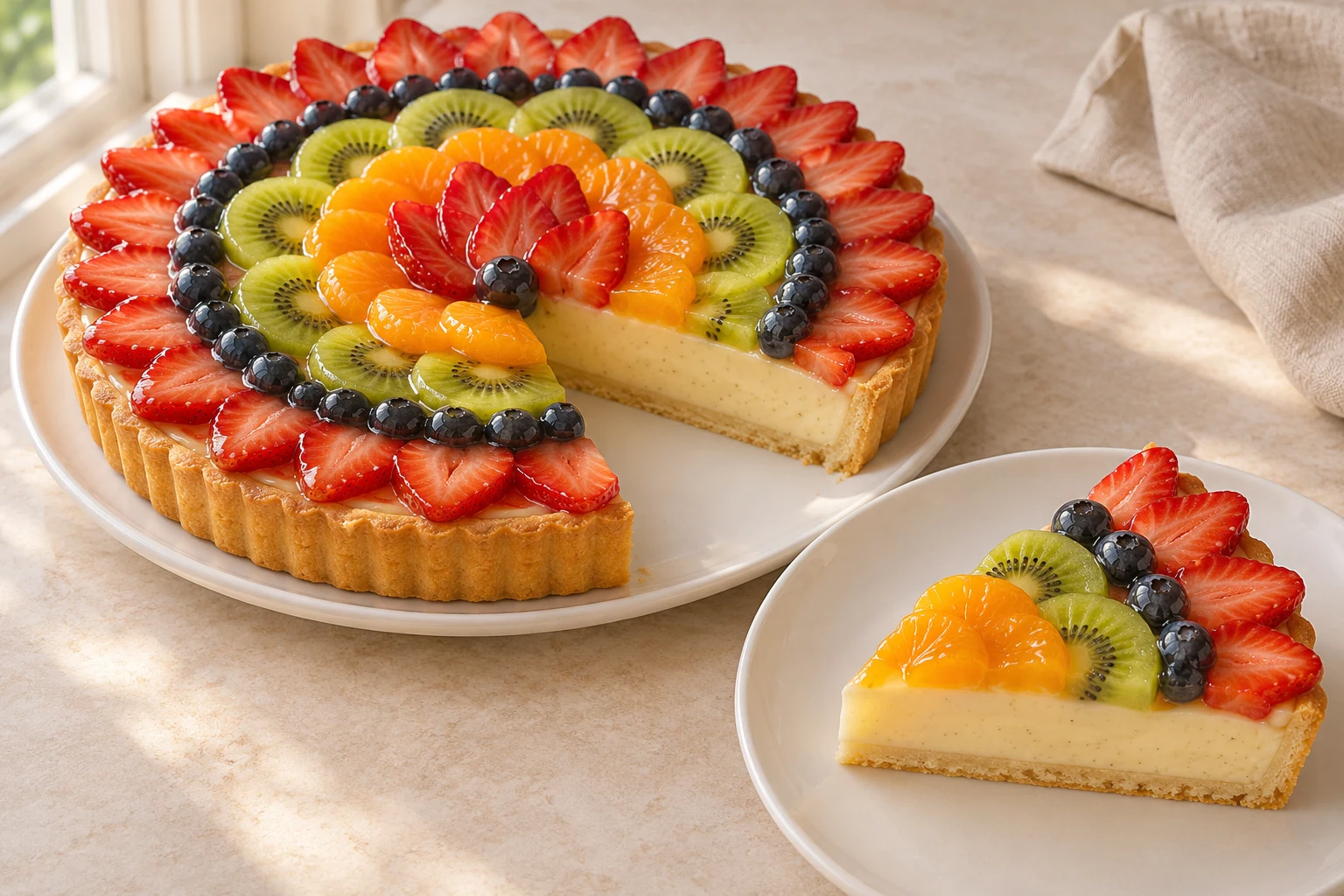
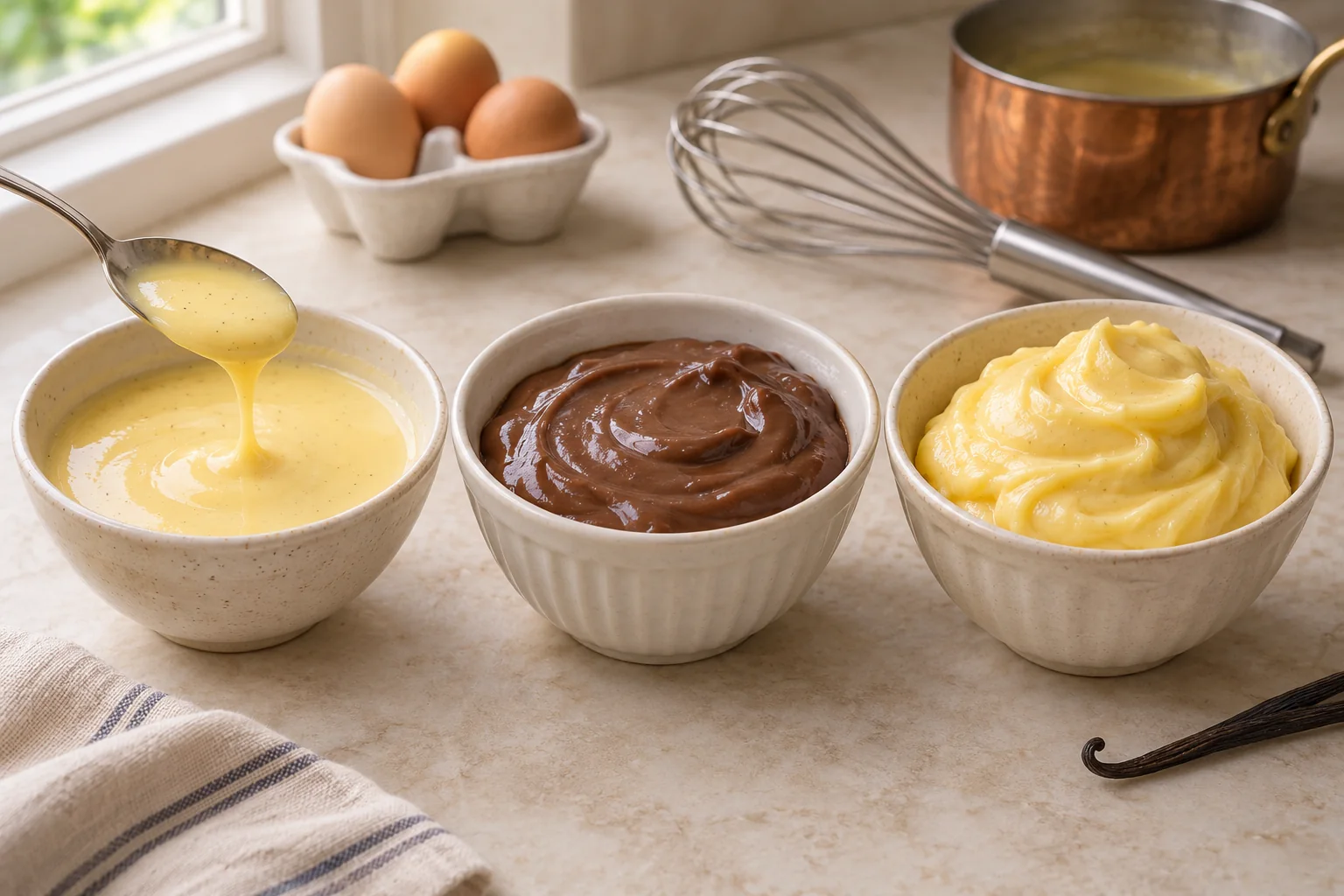
Pastry cream often relies on egg yolks and starch to create a rich spreadable filling. Cornstarch helps it thicken and can influence how it tolerates heating. Egg and dairy safety remain important: use a tested recipe with a proper cooking and chilling method. The finished pastry cream is perishable and usually needs refrigeration even if it contains a substantial amount of starch.
Cut a slice of Classic Fruit Tart to see the contrast between a spoonable cream and a filling firm enough to support fruit.
Why custard can taste starchy
Insufficient cooking, too much cornstarch or uneven incorporation can leave a floury or chalky impression. Stir and cook according to the recipe, noting that high heat can scorch the pan before the whole custard thickens. Straining a lumped cooked custard may improve texture in some cases but doesn't replace proper cooking or safe storage.
Cornstarch in cake batter
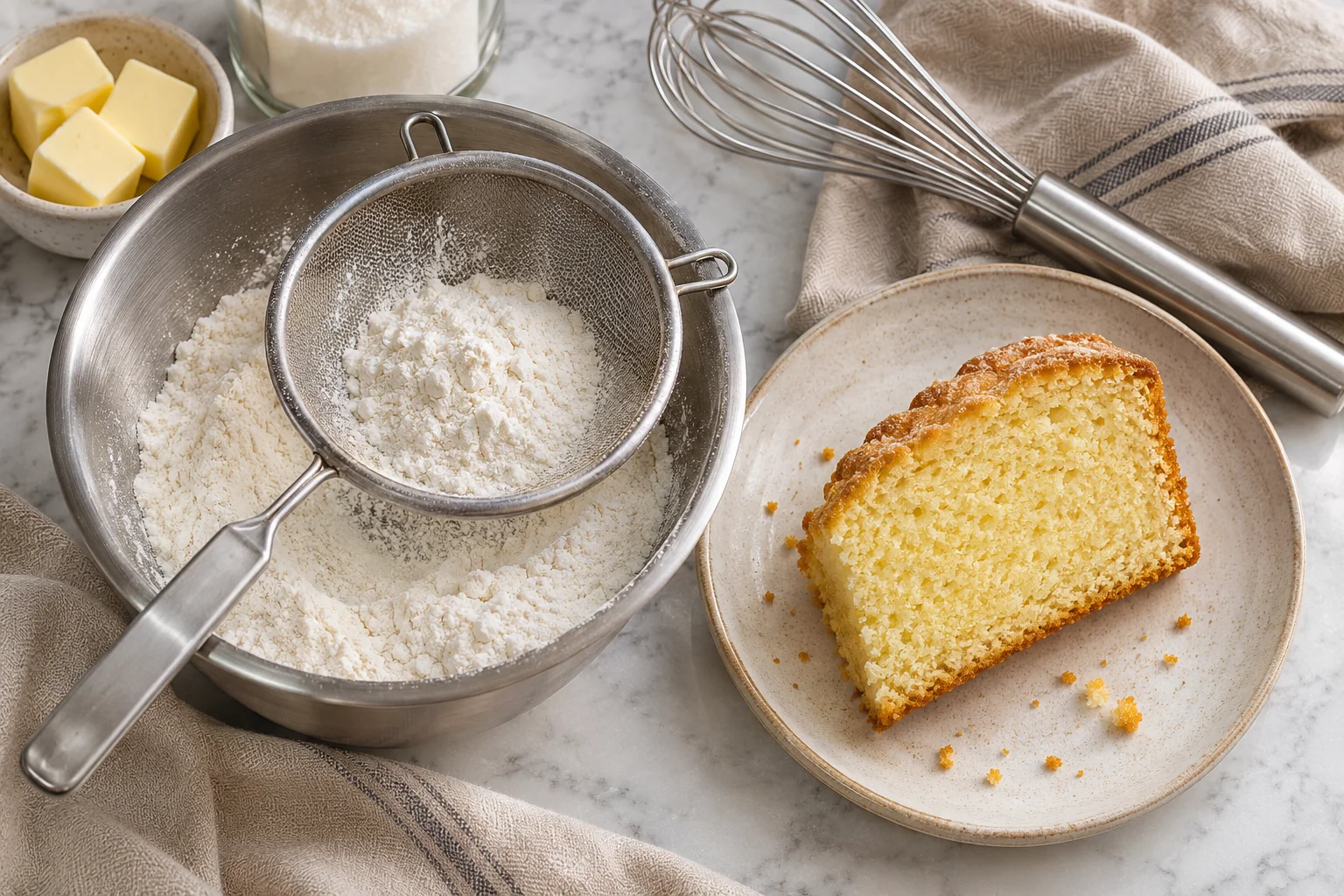
Replacing a measured portion of wheat flour with cornstarch lowers the concentration of gluten-forming proteins in the blend. In a formula designed for it, that can produce a more delicate crumb. Too much starch can weaken structure or change mouthfeel, so keep the specified flour-and-starch proportions.
When making Classic Vanilla Layer Cake, start with the flour specified before experimenting with added starch.

Cake flour substitute
An all-purpose flour and cornstarch blend can be useful when a recipe explicitly permits it, but it does not reproduce every property of commercially milled cake flour. Use the recipe’s stated blend by weight. For a delicate foam cake or another sensitive formula, the specified flour may be the more dependable choice.
How cornstarch affects gluten
Cornstarch itself contains no wheat gluten-forming proteins, so replacing some flour with it lowers the total gluten potential of the mixture. But it also changes the starch and water balance, which affects batter structure. It is incorrect to say cornstarch removes gluten from wheat flour or makes a wheat cake gluten-free. A cake containing all-purpose flour still contains wheat gluten.
Cornstarch in cookies
Some soft cookie recipes include a small amount of cornstarch to encourage tenderness or modify spread. The effect depends on total flour, fat, sugar and mixing. Adding it to a well-balanced chocolate chip dough may make a subtle difference or a disappointing powdery texture if overdone. A recipe written for cornstarch is more dependable than adding several tablespoons to any cookie dough.

Shortbread and melt-in-the-mouth texture
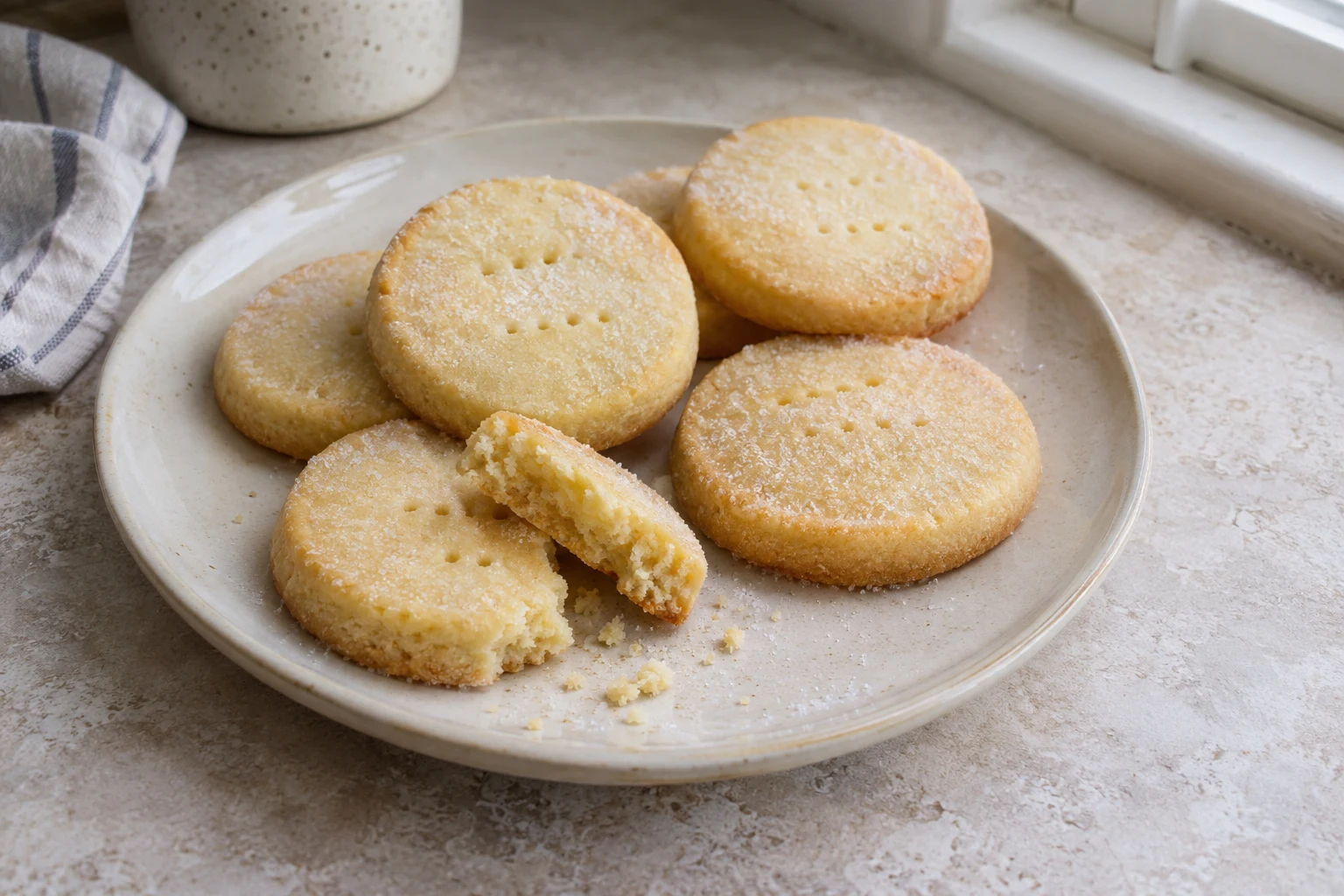
Certain shortbread or melting-moment cookies use starch alongside flour to create a tender sandy bite. They may be delicate and require careful cooling before handling. Cornstarch isn't the same as powdered sugar, although both can appear fine and white. Measure each ingredient correctly, and don't assume extra starch will automatically make an overbaked shortbread soft again.
Break a cooled piece of Vegan Shortbread Cookies as a reference for a short, tender bite.
Cornstarch for crisp coatings
In some savory or sweet frying and baking methods, starch can help create crisp surfaces by influencing moisture and how coatings set. However, these applications are different from thickening custard or tenderizing cake. A cornstarch dusting on fruit may alter texture but isn't automatically appropriate inside pastry. Use a dedicated recipe for the crisp result you want.
Freezing thickened fillings
Cornstarch gels can change texture after freezing and thawing, sometimes weeping or separating in certain formulas. Other starch systems may be developed for better freezer performance. If making a frozen unbaked pie, follow a tested freezing recipe rather than assuming the fresh cornstarch filling will behave the same. Freezing also doesn't remedy unsafe handling of egg- or dairy-based custards.
Acid and prolonged heating
Fruit juices such as lemon are acidic and can affect starch gel stability during long cooking. Sugar concentration also influences gelatinization. A filling that thickens initially may later thin when overheated or held too long. Check the recipe's acid balance and cooking time before increasing the starch, because adding more powder doesn't solve every heat-related problem.
Cornstarch and food allergies
Pure cornstarch is not wheat flour, but products can have manufacturing or cross-contact considerations relevant to certain allergies. A cake flour substitute containing wheat remains unsuitable for gluten avoidance even if cornstarch is added. Read labels and use a fully tested gluten-free formulation if required. Don't promise a baked good is gluten-free simply because it contains corn-based starch.
Measuring accurately
Cornstarch is compact and can clump, making casual spoon measurements inconsistent. Use grams when provided and level measuring spoons where necessary. Sift or whisk into other dry ingredients as the method specifies. A small quantity has a noticeable effect in custard, so doubling to make a sauce 'extra thick' may result in an unpleasant gel.

Troubleshooting a thin filling
Check whether the starch was measured correctly, dispersed before heating and cooked sufficiently. Very watery fruit, excess added liquid or a long acidic cook can also matter. If the pie hasn't fully cooled, allow the recommended setting time before declaring it runny. Repairing an already baked pie by stirring in raw powder isn't practical without changing the filling process.
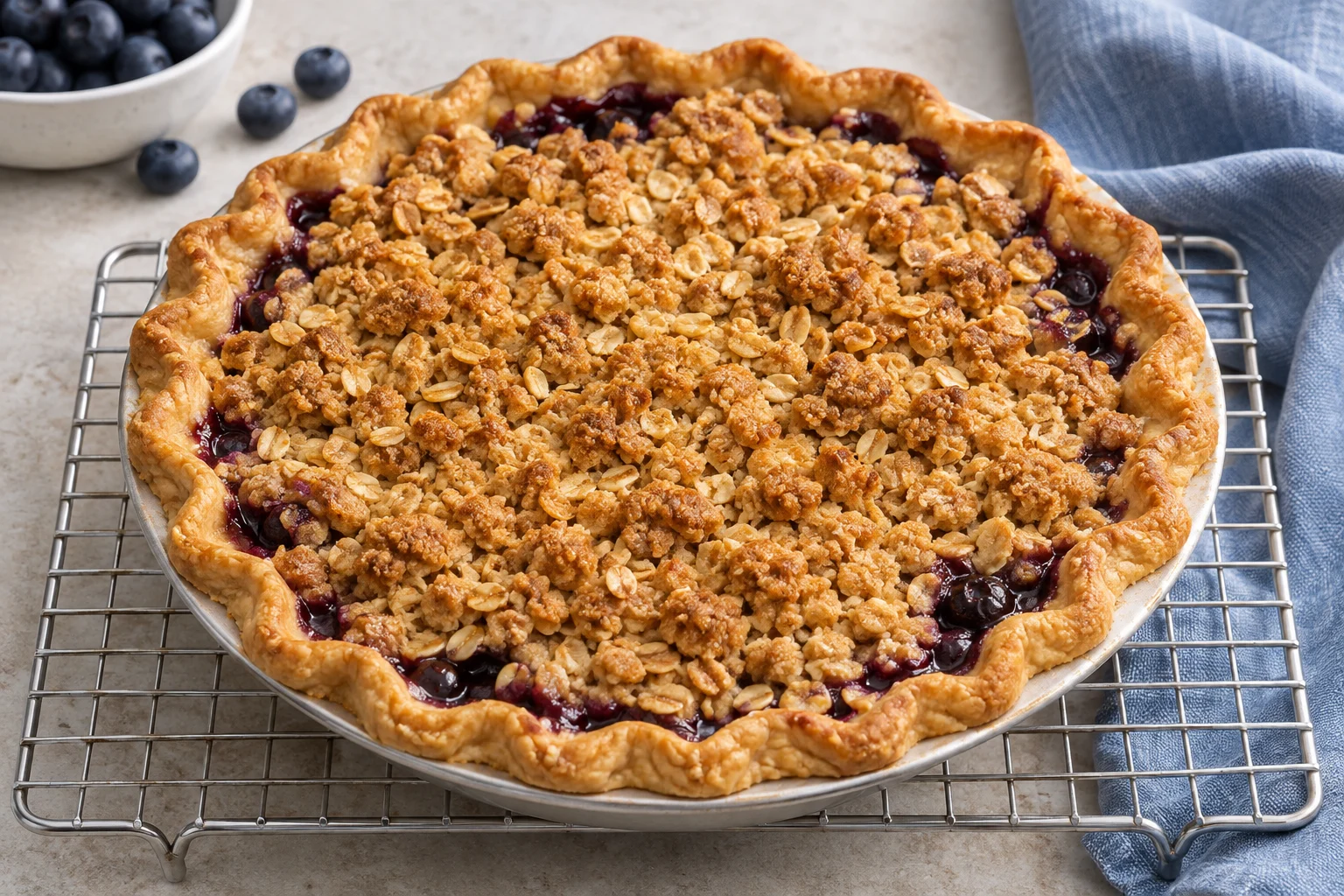
With Blueberry Crumble Pie, let the filling cool as directed before judging whether it needs more thickener.
Troubleshooting a rubbery filling
Too much cornstarch or an unsuitable thickener ratio can create a stiff elastic texture. Rather than diluting the fully set filling randomly, revise the next batch using a trusted formula. Fruit pie should taste like tender fruit in a light gel, not a block of starch. The best thickener is the smallest appropriate amount that achieves a clean cooled slice.
IN PICTURES
From the baking notebook
FROM THE RECIPE BOX


