On this page
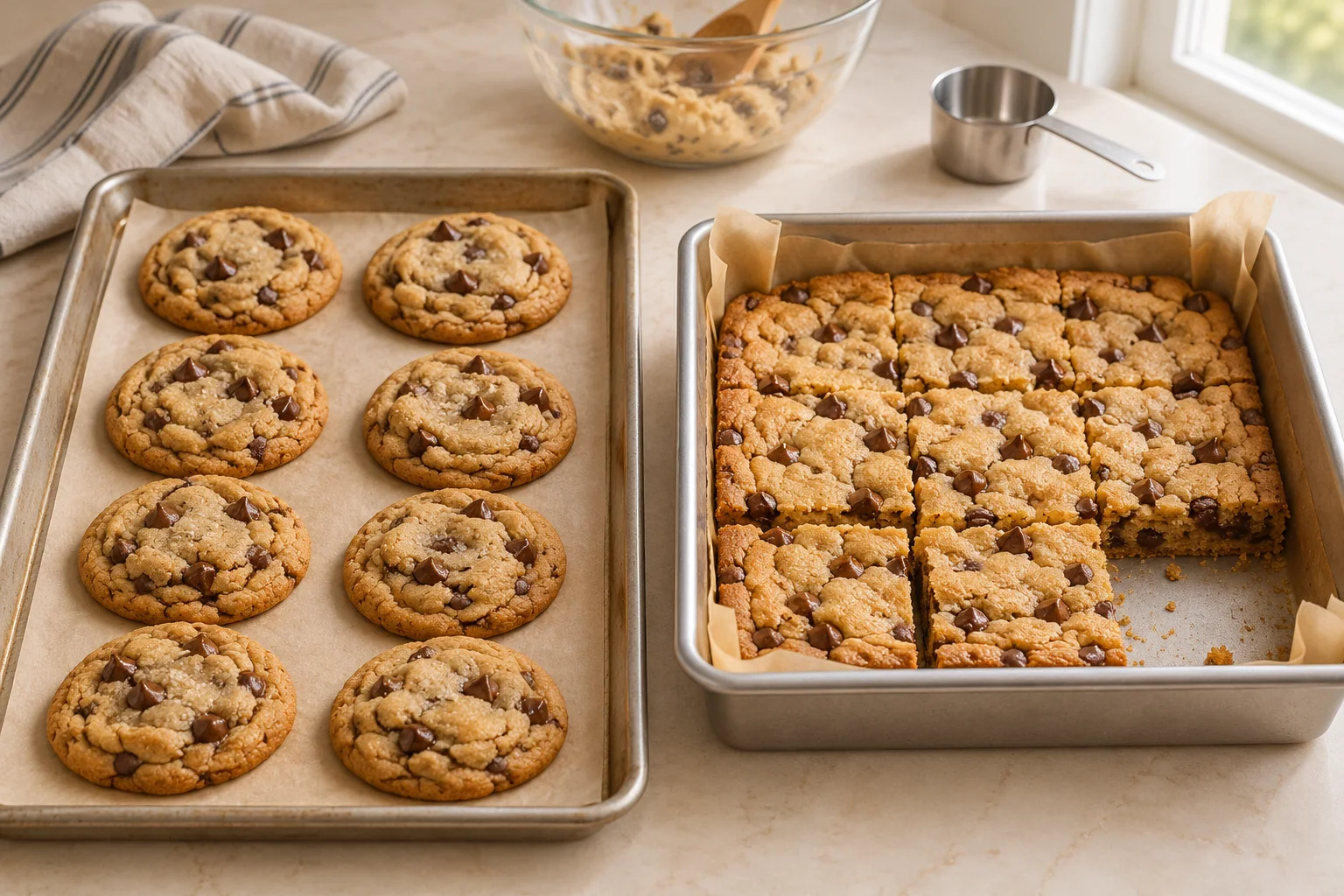
A chocolate chip cookie and a chocolate chip cookie bar may begin with similar flour, butter, sugar and eggs, yet the results feel surprisingly different. One gives you individually browned edges and a warm centre; the other offers neat squares with chewy middles and fewer scooping steps. Neither is better for every occasion. Their baking geometry changes texture, timing and the way you serve them.
The key difference is portion geometry
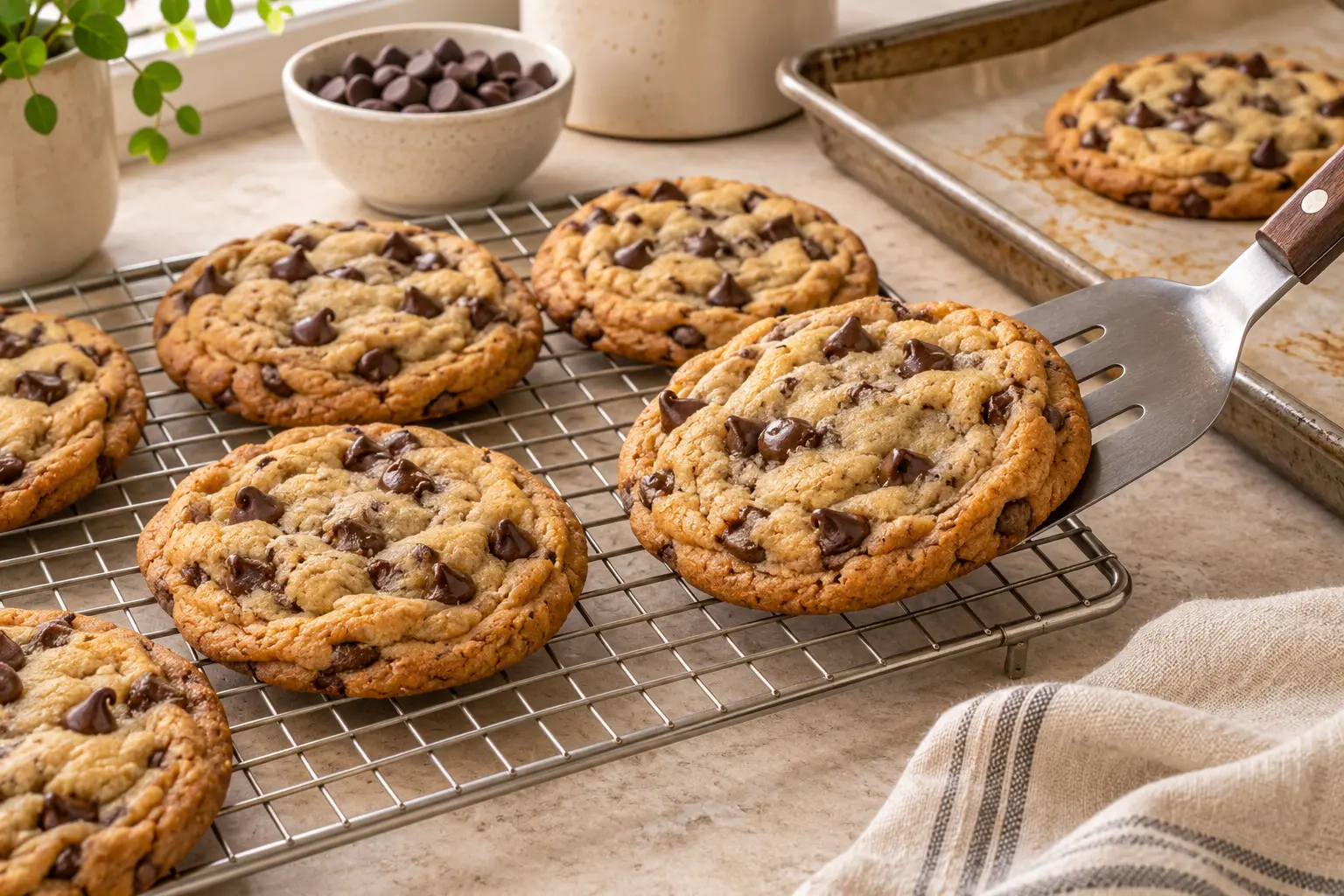
Individual cookies spread on an open baking sheet. Cookie bars bake as a continuous mass inside a pan. Even if the ingredient lists are identical, the ratio of exposed edge to soft centre changes. That is why a bar can feel chewier or more uniformly thick than the original cookie.
Individual cookies give more edges
Each cookie has a complete perimeter and can brown around it. If you love crisp rims with tender centres, separate portions provide more of those bites. A pan of bars usually has crisp outer pieces and softer interior pieces.
Recipe to try: Classic Chocolate Chip Cookies. Use the stated butter texture, dough portions and bake time together to establish a consistent cookie baseline.

Bars can offer a thicker middle
A square pan concentrates dough into a relatively deep slab. Its centre is slower to set and may stay pleasantly dense when baked correctly. An oversized pan can produce thin, crisp bars, so the distinction isn't automatic.
Time in the oven
Cookies commonly bake in relatively short batches; bars often spend longer in the oven because the centre is deeper. Exact times depend on dough, pan and temperature. You can't apply a cookie's twelve-minute timing to a thick bar without checking a tested conversion.
Total kitchen time
Bars eliminate repeated scooping and rotating several cookie sheets, making them convenient for events or busy evenings. However, they need cooling before neat cutting. Individual cookies can be ready to eat sooner if you only bake one tray.
Portion consistency
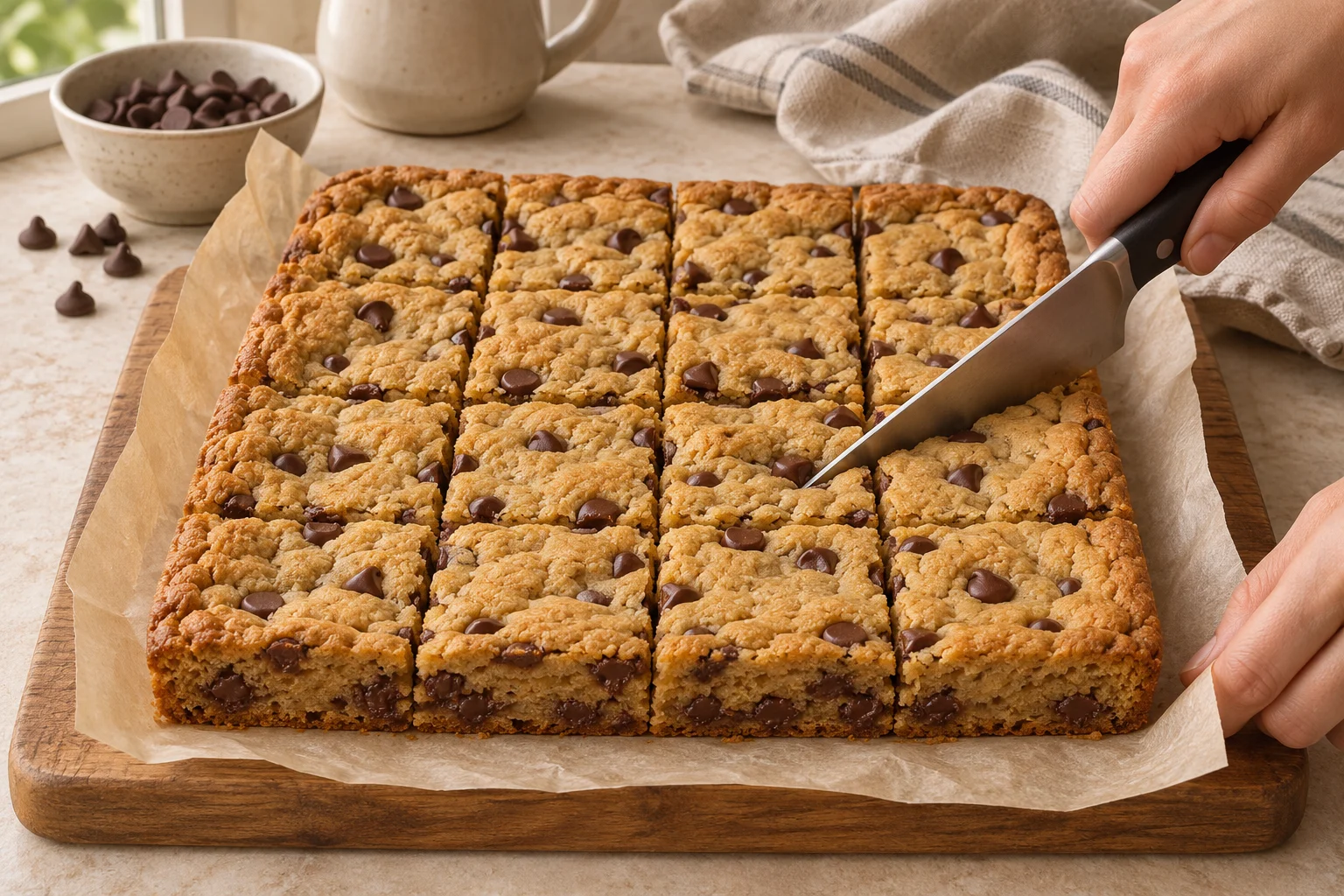
A scoop helps make cookies equal, while a ruler and sharp knife give bars precise squares. For a bake sale or dessert table, bars may be easier to package identically. Cookies offer familiar single-serving portions without cutting.
The role of the pan
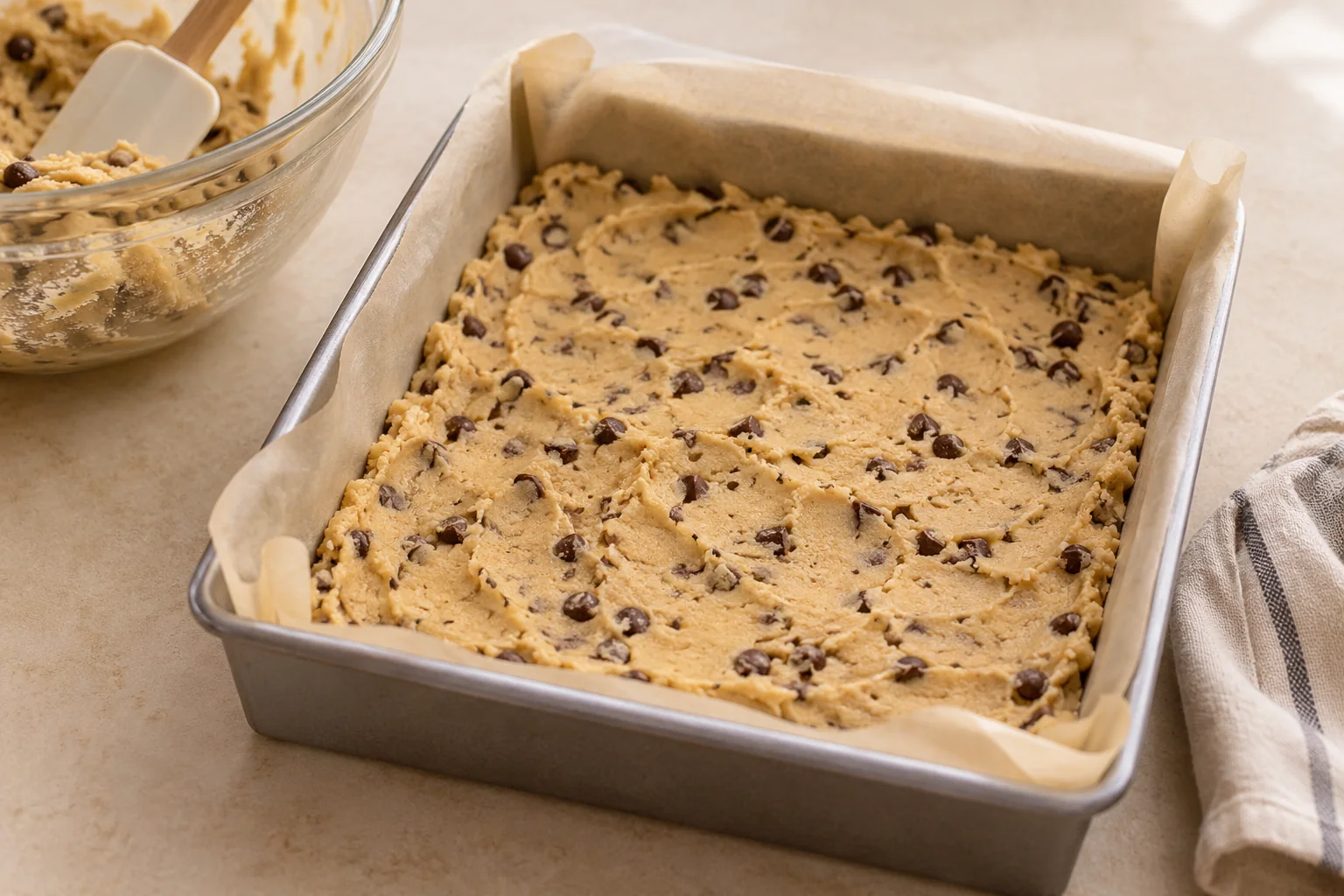
Most bars need a square or rectangular baking pan with the depth the recipe expects. Cookies use large sheets with space between portions. Glass and metal can change bar edges, while different sheet finishes affect cookie spread and bottom browning.
Recipe to try: Chocolate Chip Cookie Bars. This formula is designed for a pan of bars. Use its pan dimensions and centre-doneness cues before adapting another cookie dough.
Parchment paper
Bars benefit from an overhang for lifting the slab after cooling. Cookies often use parchment or another recipe-approved baking surface for easy release. Avoid cutting bars directly inside nonstick pans with sharp knives.
Mix-ins
Chocolate chips, nuts, toffee and dried fruit appear in both formats. In bars, heavy clusters can make slices crumble; in cookies, they can affect individual spreading. Follow the formula's measured quantities rather than doubling mix-ins because you want a dramatic cross-section.
Which is easier to decorate?
A pan of bars can be drizzled with chocolate and then divided into attractive squares. Individual cookies can be dipped, sandwiched or decorated one by one. For detailed royal icing work, cutout cookies are a different style and don't convert naturally into bars.
Texture the next day
Both formats can dry out when left exposed, but a thick bar may retain a softer centre under proper wrapping. A thin crisp cookie may lose snap in a humid container. Choose storage that protects the texture intended by the recipe.
Recipe to try: Chewy Chocolate Chip Cookies. For a chewy cookie option, use this complete formula. Sugar, flour and cooling work together; changing only baking time is not the whole method.
For parties
Bars travel well in a sturdy covered container and make it easy to scale servings. Individual cookies can be arranged without a knife and are easy to hand out. For a buffet, avoid overlarge bar portions; a small square can be rich enough.
For lunchboxes
A plain fully cooled cookie bar can be wrapped individually when the recipe permits, offering an easy homemade snack. Cookies can be portioned from frozen dough as needed. Mind school allergy policies and perishable toppings regardless of the format.
For make-ahead baking
Cookie dough balls can often be frozen under recipe-specific directions so you bake a few at a time. Finished bars can frequently be frozen after cooling and cutting. Decide whether you value fresh oven-baked portions or finished ready-to-serve squares.
When bars are more forgiving
An irregularly shaped cookie or one that spreads too far may look disappointing; a bar hides some variation because all portions are baked together. But bars introduce their own risk of raw centres and overbaked outer edges, especially in thick pans.
When cookies are more forgiving
Small portions are easier to check for doneness and you can adjust the next tray if one batch spreads too much. Bars generally commit the whole dough to one pan, leaving fewer chances to correct temperature or timing.
Brownies are not cookie bars
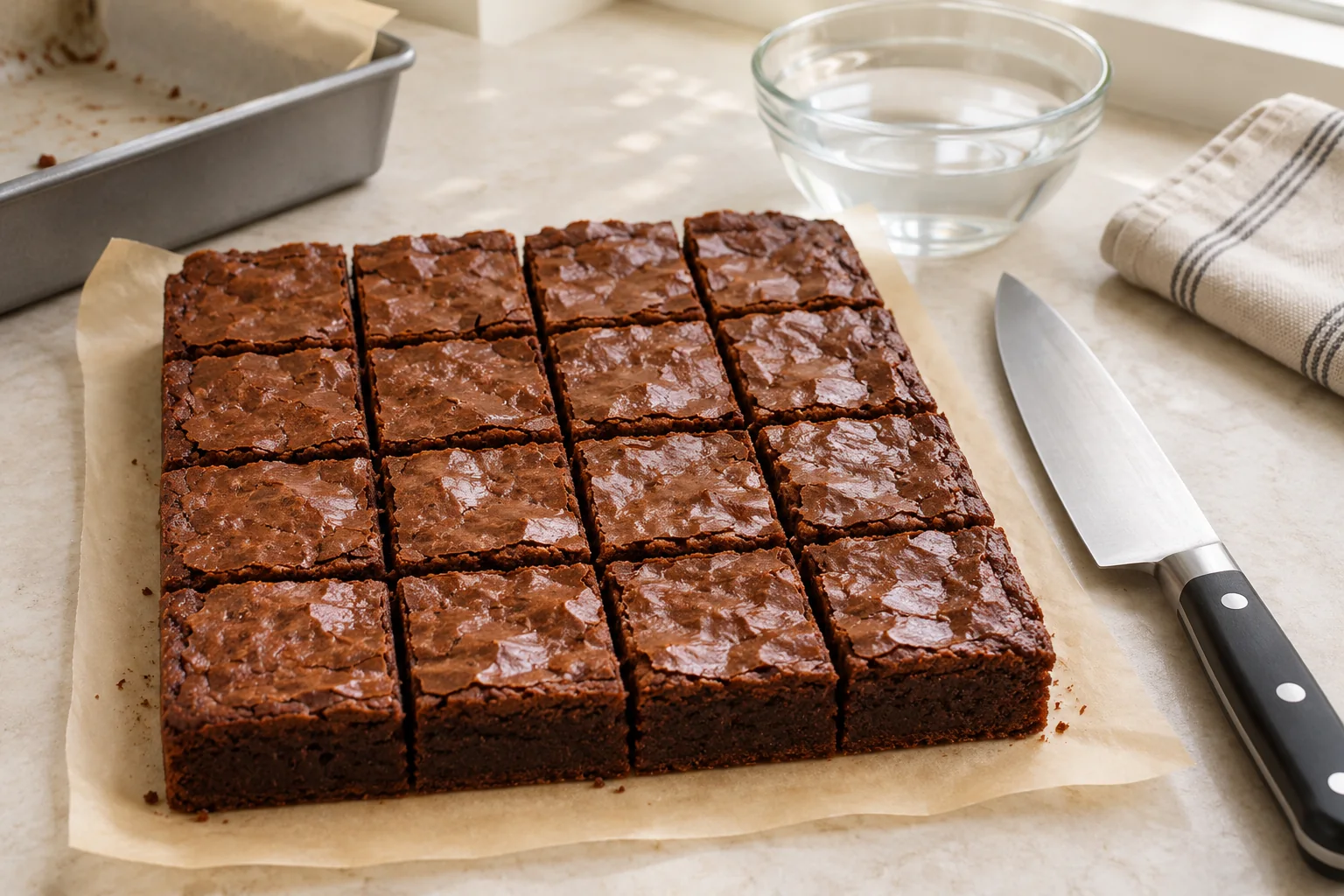
Brownies typically use a chocolate-forward batter formulated for a fudgy, chewy or cakey crumb. Cookie bars are usually based on cookie dough. Blondies sit near the border as butter-and-brown-sugar bars, but they are their own style rather than simply unfrosted cookies.
Can you bake one dough both ways?
Some recipes explicitly provide both methods, but their portioning and baking times should differ. Divide an experimental batch if you want to compare, keeping ingredient weights constant and taking careful notes on texture.
Frequently asked questions
Are bars always softer? No, pan depth and baking matter. Are cookies faster? They can bake faster individually but may require several batches. Do bars need baking powder? Use the amount in the recipe. Can I use a brownie pan? Yes if the size and material match the formula.
Choose by the bite and the occasion
Make cookies when you want many crisp edges and warm individual portions. Make cookie bars when you want a simple, chewy slab that cuts into consistent squares. The same flavours can shine in either format when the baking method is matched to the shape.
IN PICTURES
From the baking notebook
FROM THE RECIPE BOX


