On this page
Cooking once and eating twice should make life easier, not mean reheating the exact same dinner with a sigh the next evening. The approach works best when you prepare flexible components rather than an enormous finished casserole. Roasted vegetables can become grain bowls; cooked beans can turn into a skillet dinner; and roast chicken can support both a Sunday plate and a quick weekday soup. The transformation starts before the first meal is served.
Cook a component, not necessarily two full dinners
Choose one versatile element worth making extra: roasted vegetables, a pot of plain lentils, cooked grains, tomato sauce or appropriately cooked poultry. Finish part of it for tonight's meal and set aside the remainder promptly. This keeps the second meal open to different seasonings and textures.
Why doubling every recipe doesn't work
A huge batch of a heavily dressed salad may become watery, while an entire tray of crispy potatoes can lose its crunch in storage. Some meals are best cooked fresh and others reheat beautifully. Double ingredients that travel well through refrigeration or freezing and add delicate components only when serving.
Decide on the second use first
Before cooking, ask what tomorrow's meal will be. If making chicken tonight, reserve plain meat for tacos or noodle bowls. If roasting carrots, set aside enough for soup or a warm salad. This planning prevents the problem of a container of seasoned leftovers that doesn't fit a second dish.
Start with a roast vegetable tray
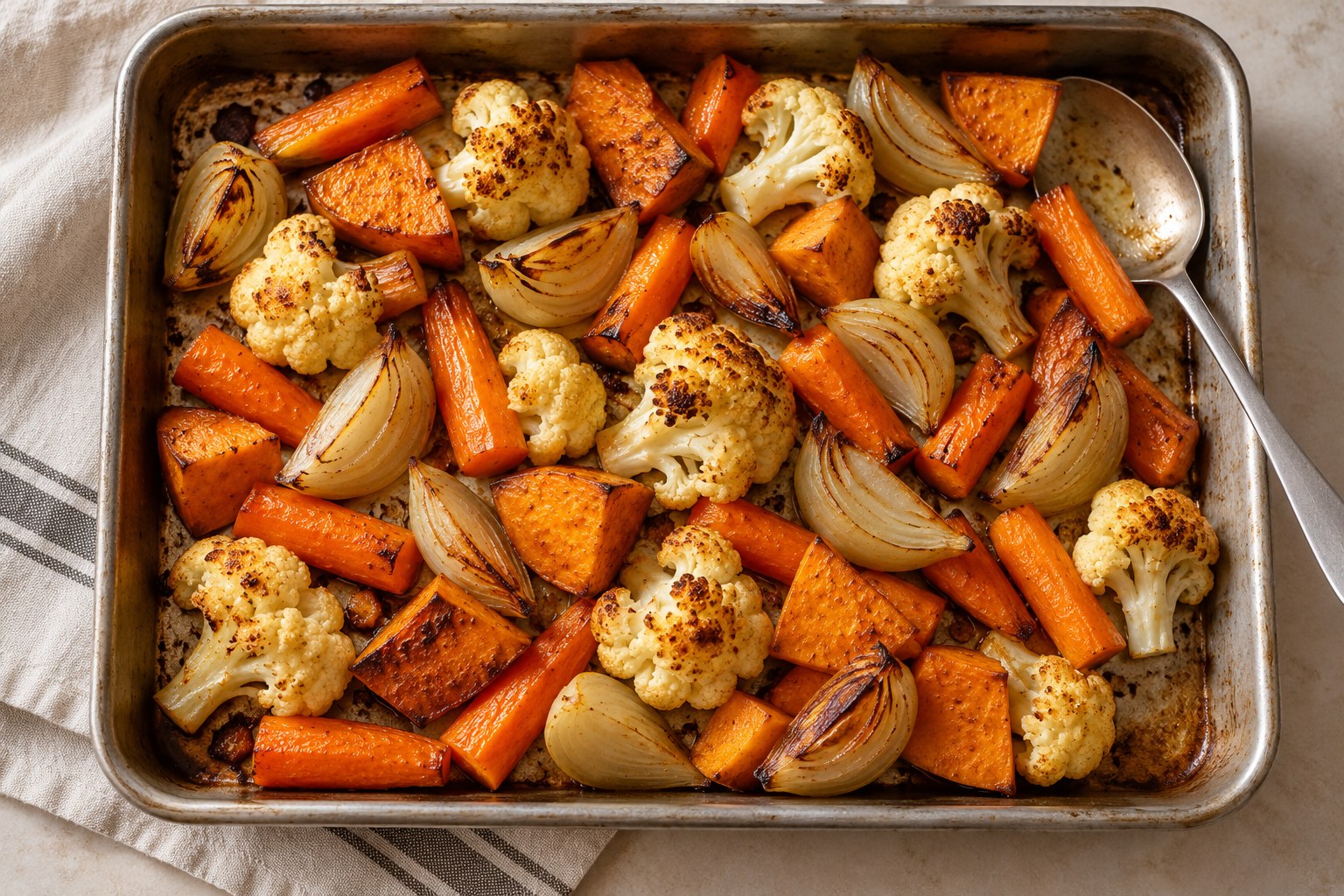
Roast a mix of carrots, cauliflower, onions or sweet potatoes under a suitable recipe. Night one, serve them as a side with beans or chicken and a simple sauce. Night two, fold the safely stored vegetables into cooked grains with feta, herbs and lemon. Add fresh greens at service so they don't wilt in the container.
One pot of beans, two flavours
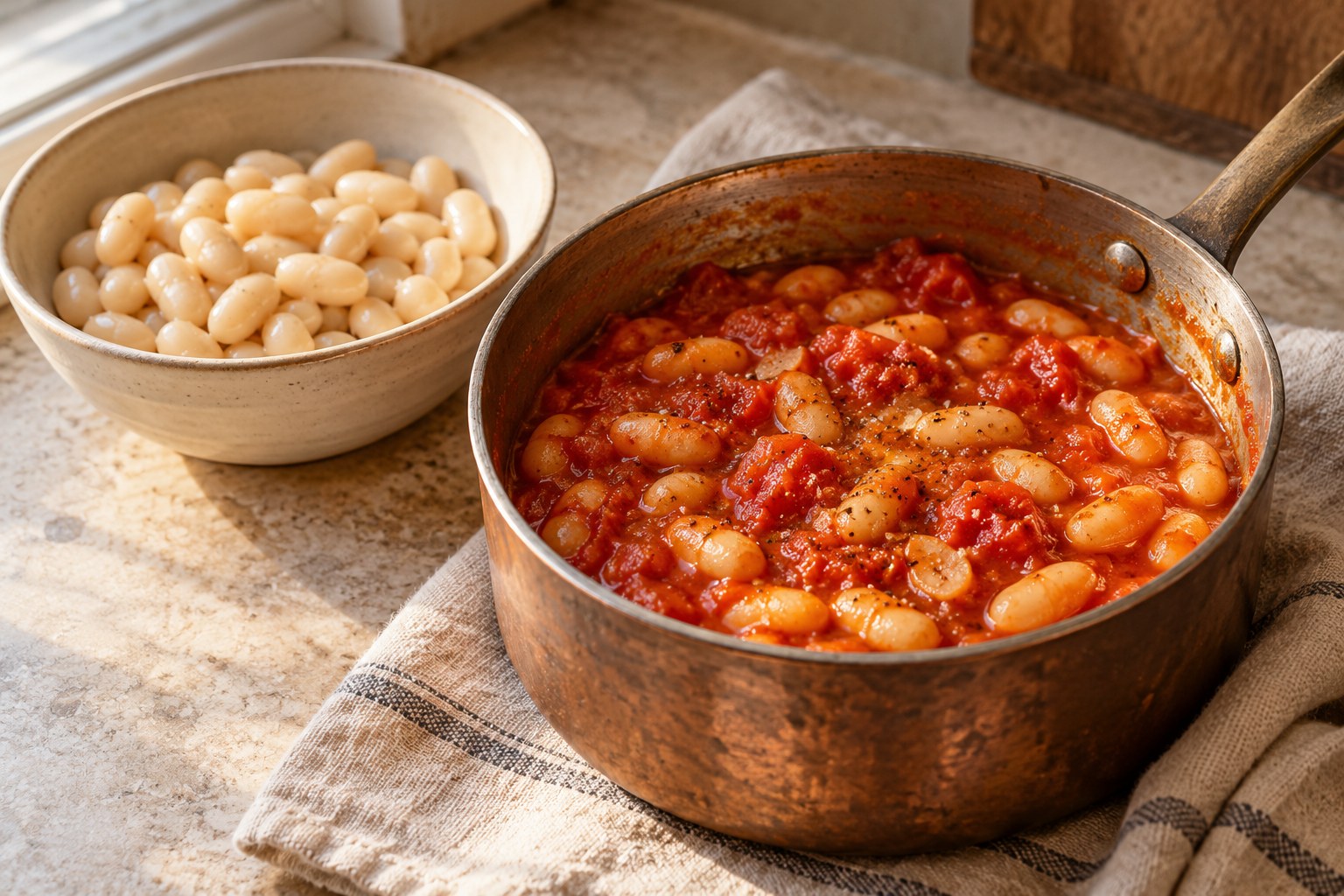
Cook or heat a batch of chickpeas or white beans. Use some in tomato and garlic sauce for the first dinner; later turn the rest into a lemony mash or a warm paprika-spiced soup. Reserve the undressed portion before adding strong flavours so it can fit both meals.
A cooked-bean batch can lead to different meals: use the recipes for Pasta e Fagioli and Sweet Potato Black Bean Tacos as separate ideas, following each recipe's bean type, seasoning and food-safety instructions.
A cooked-grain strategy
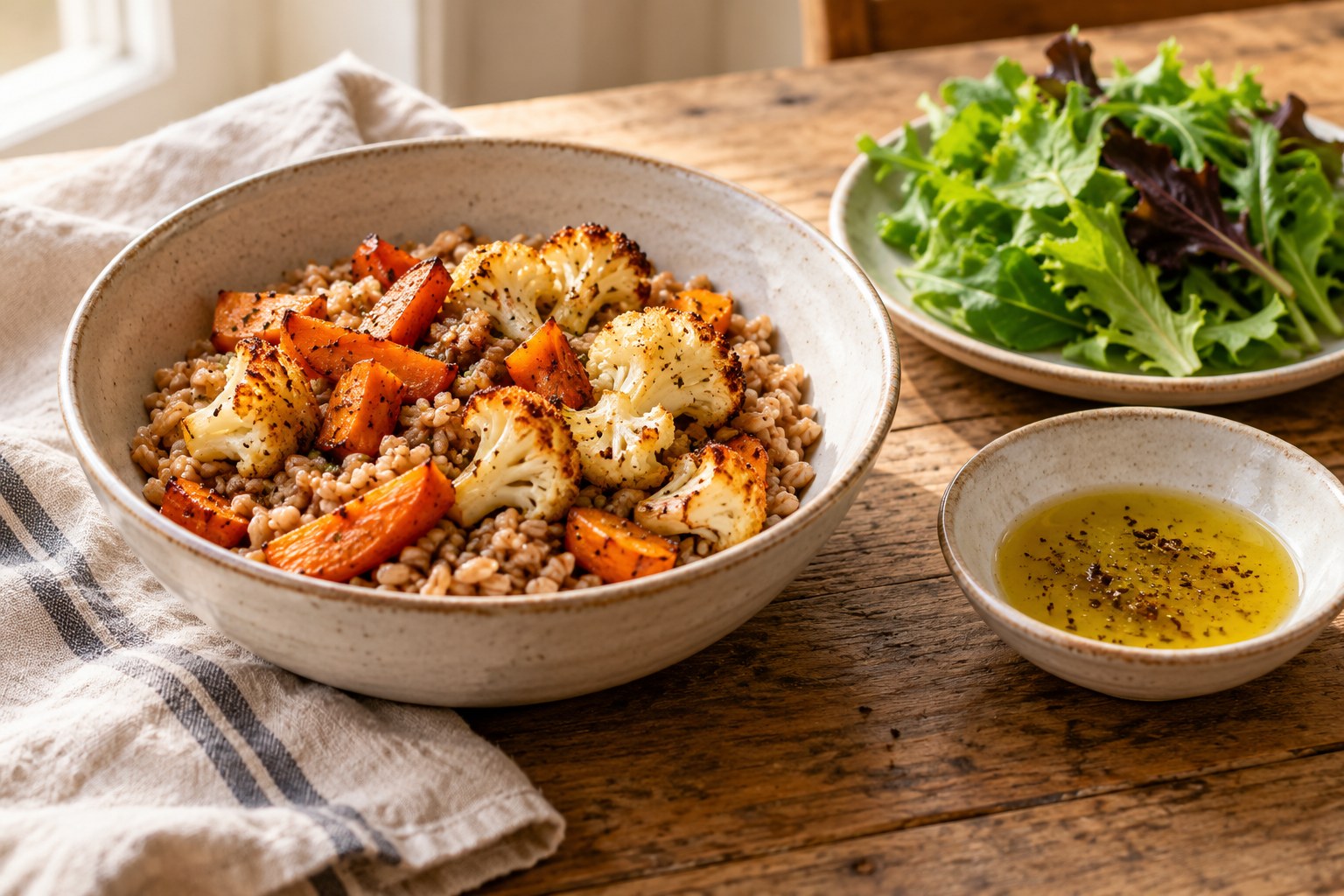
Rice, farro, barley or quinoa can make tomorrow's lunch easier. Use the first portion as a simple side; combine another safely chilled portion with vegetables and a separate dressing for a grain bowl. Rice needs special care because unsafe cooling allows pathogens to grow; cool promptly in shallow containers and refrigerate, never on the counter overnight.
For a use of properly chilled cooked rice, see our Egg Fried Rice and follow its rice handling and cooking directions.
Roast chicken: dinner then tacos
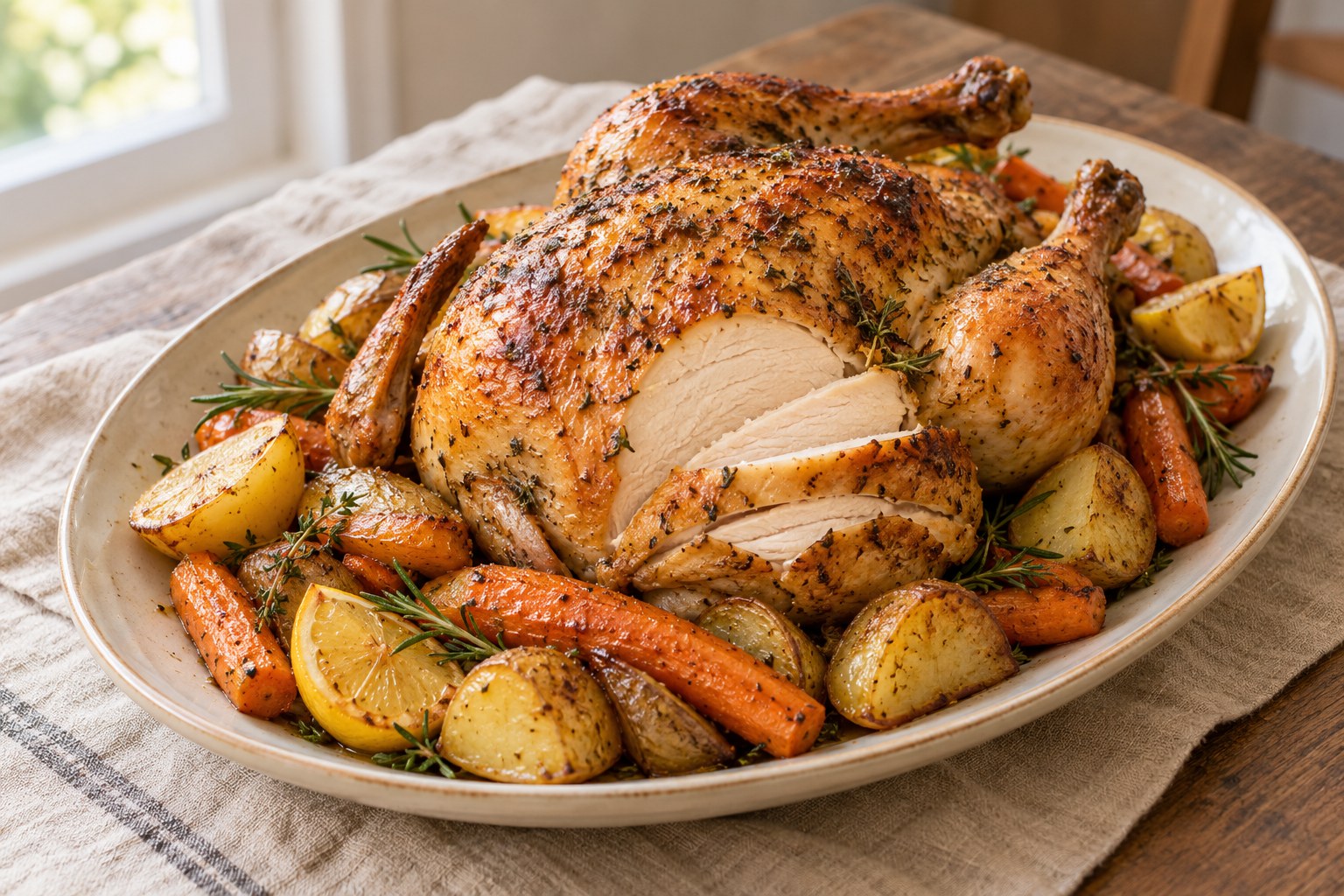
Serve a properly cooked chicken with vegetables and potatoes. Promptly remove and refrigerate the extra cooked meat. The next day, warm it thoroughly for tacos with cabbage slaw, lime and a small amount of sauce. Keep chicken separated from raw poultry juices and use a thermometer when reheating.
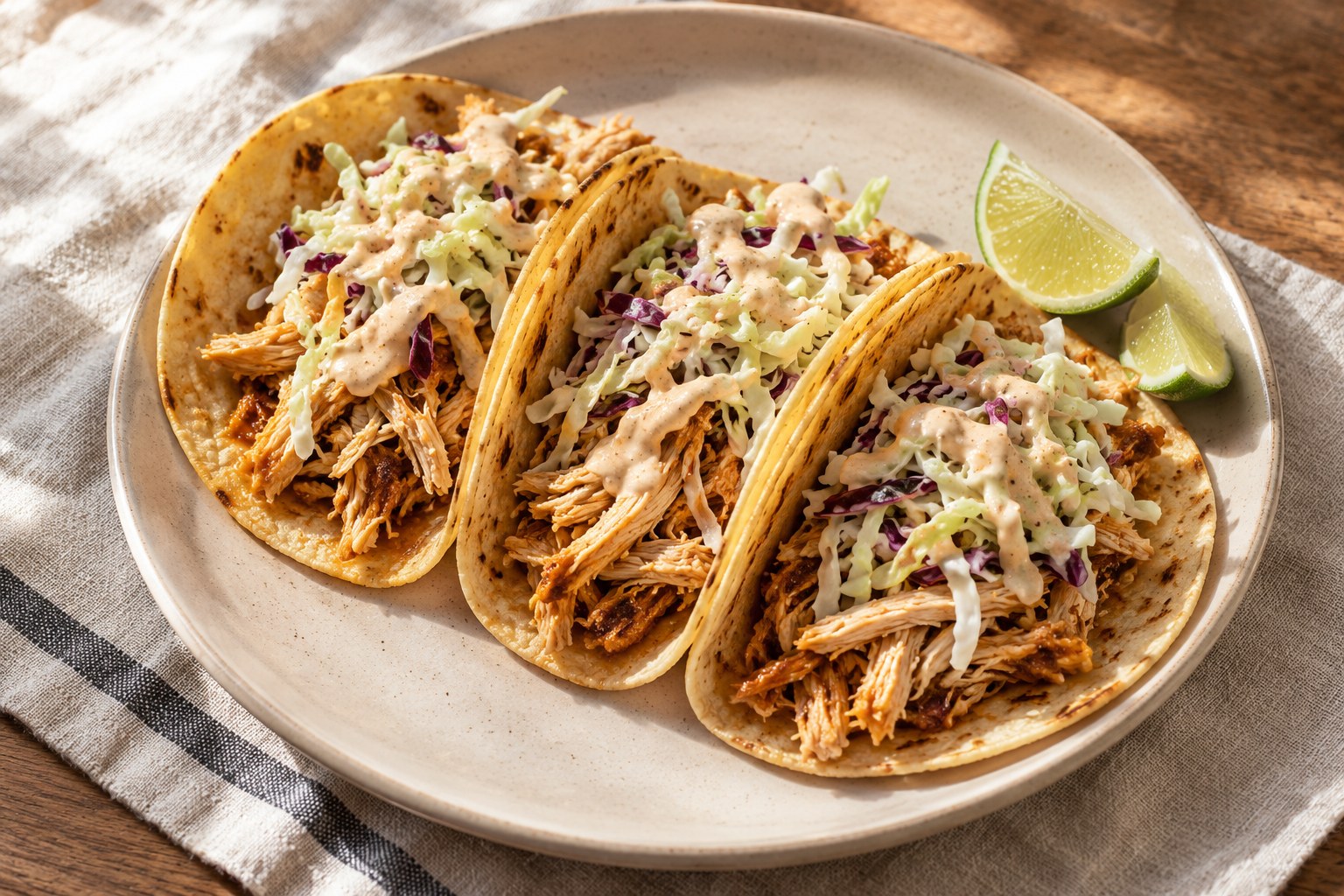
Roast chicken: dinner then soup
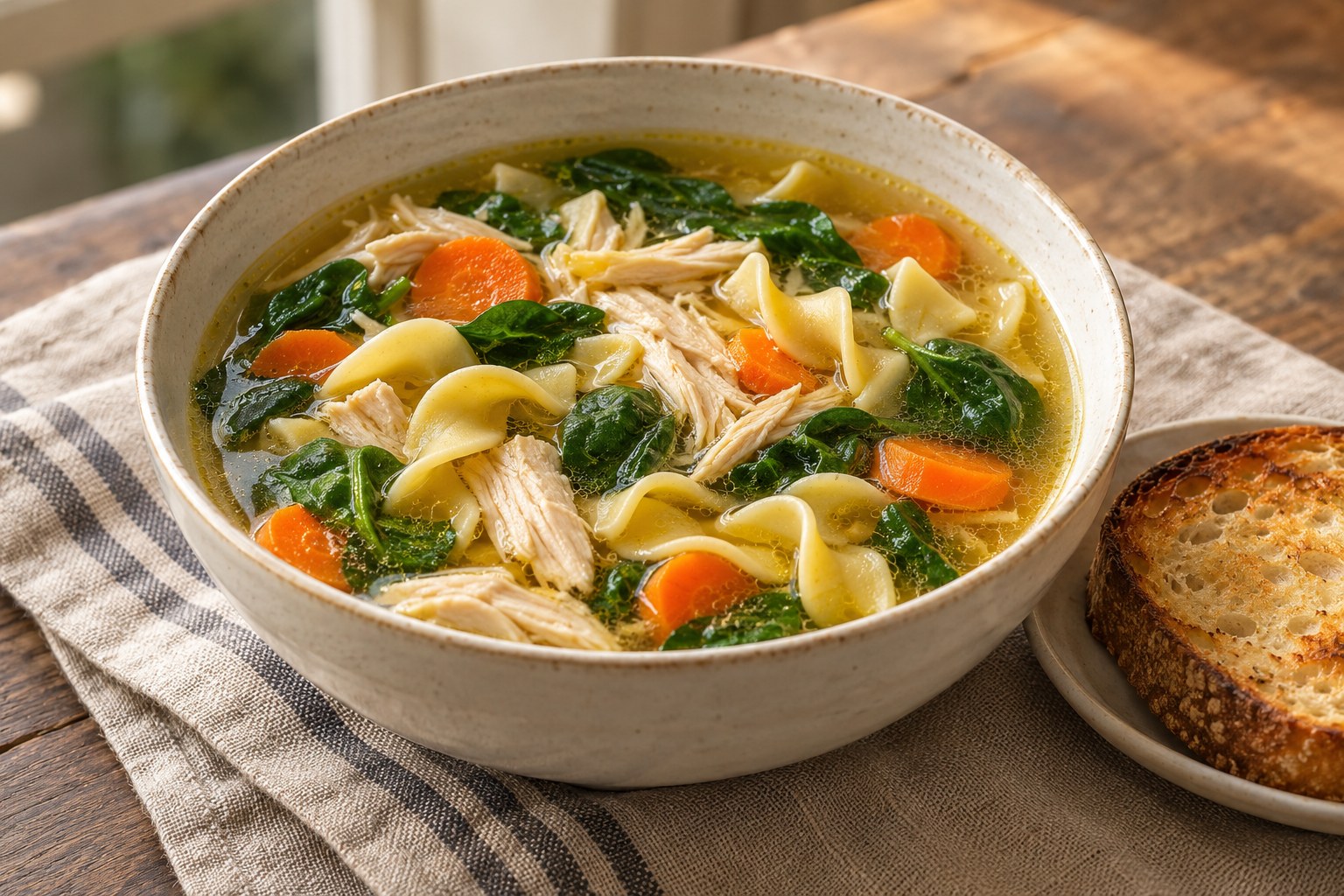
Another direction is to shred safely chilled cooked chicken into a simmering broth with vegetables and noodles. Bring soup to the proper reheating temperature, adding cooked chicken late enough to prevent unnecessary drying. A second dish based on stock feels different from the original roast dinner.
A versatile tomato sauce
Make a batch of a simple onion-garlic tomato sauce. Serve it over pasta tonight. Later simmer beans in it, use it with baked eggs or add it to a small lasagna. Store in divided containers rather than repeatedly warming the entire pot.
Our Cherry Tomato Pasta is a fresh tomato-based dinner to make when you have the ingredients; its full method is separate from this batch-sauce example.

Potatoes can have a second life
Roasted potatoes become less crisp in refrigeration, but can be repurposed into a skillet hash with vegetables and properly cooked eggs. Baked potatoes can turn into a soup or mashed-potato topping. Avoid leaving foil-wrapped baked potatoes warm for prolonged periods; cool and store potatoes safely.
If baked potatoes are your first meal, begin with Perfect Baked Potato, then cool and store any extras safely before repurposing them.
Build sauces after separating portions
Keep lemon dressing, spicy glaze or dairy-based sauce apart from the components you intend to reuse. The next meal can then taste entirely different. A neutral roasted vegetable base can become Mediterranean with olive oil and lemon or warm-spiced with cumin and yogurt.
Don't double highly perishable garnishes
Fresh avocado, cut tomatoes, leafy greens and whipped toppings may lose quality quickly. Prepare them closer to serving and only in the quantity needed. The cooked component can be ready in the refrigerator while the fresh element stays fresh.
Buy ingredients for two meals at once
If using an entire bunch of kale, plan a sauté for dinner and a soup addition for the next day. A large package of tortillas might support tacos and a breakfast wrap. Shared groceries save money only when their quantities and storage limits align with the plan.
Portion before guests start serving
If the intention is a second meal, reserve it in a clean container before the food sits on a buffet. This avoids repeatedly handling food that's been out too long. Don't rely on returning a serving platter of room-temperature chicken to the refrigerator at the end of a long party.
Cool leftovers promptly
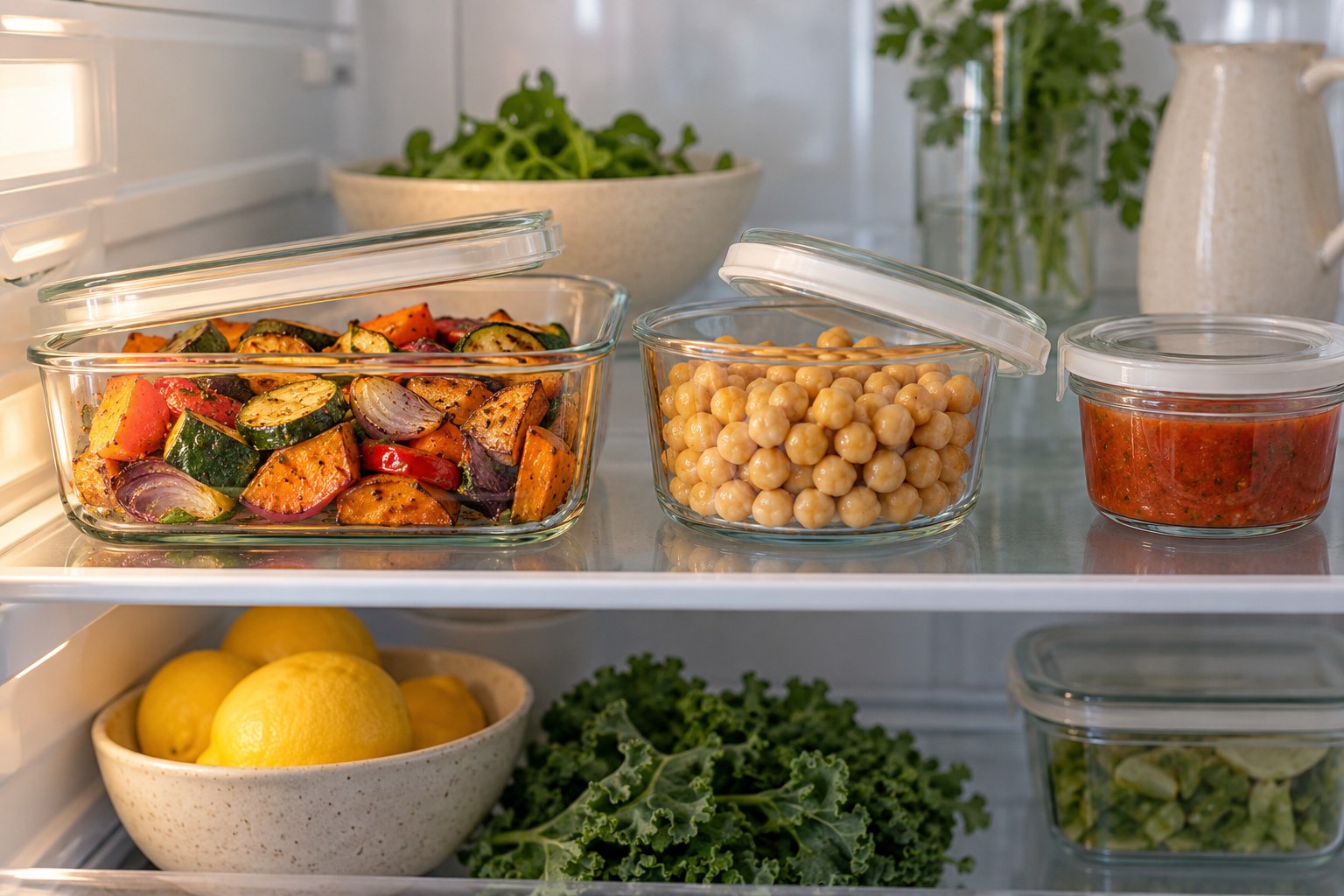
Health Canada advises transferring leftovers into shallow containers and refrigerating within two hours. Very hot foods may stop steaming briefly before refrigeration, but they should not sit out for hours to cool completely. Leave lids loose while cooling safely, then seal and label.
How long to keep them
For general cooked leftovers, Health Canada recommends eating refrigerated food within two to three days or freezing it for later. Specific foods and provincial guides may offer their own windows. Write the cooking date on containers and plan the second meal early rather than treating leftovers as an indefinite pantry.
Reheat safely only what you need
Use a thermometer to reach 74°C (165°F) for reheated leftovers, and bring soups or gravies to a rolling boil where instructed. Reheat just the portion for that meal; repeated warm-cool cycles increase handling risks and can reduce food quality.
Freezing the second meal
If tomorrow's plans change, many cooked beans, sauces, stews and plain proteins can be frozen promptly using tested guidance. Cool, package and label suitable portions. Lettuce, juicy fresh tomatoes and dairy-rich sauces may change texture after freezing; choose freezer-friendly components.
Build a three-part freezer inventory
Keep a few portions of cooked grains, a tomato or bean sauce and an appropriate protein or vegetable base. On a busy evening, combine one or two with fresh produce or a quick seasoning. Not every frozen component should be mixed into a single casserole.

A realistic two-night example
Sunday: roast chicken, carrots and potatoes with a lemon-herb finish. Reserve plain chicken and a few carrots promptly. Monday: shredded chicken and carrot noodle soup with spinach and toasted bread. The cook time on Monday is short because the protein was already cooked.
A plant-based example
Night one: smoky chickpea skillet with rice and sliced cucumber. Reserve plain chickpeas and rice separately under safe chilling. Night two: a lemony chickpea-and-vegetable grain bowl with fresh herbs. The second meal doesn't taste like reheated chili because its finishing flavours were chosen later.
What not to reuse
Discard food that has been held outside safe temperatures too long, is past its recommended storage period or has been contaminated by raw ingredients or dirty serving utensils. Food that looks and smells normal can still be unsafe. Saving money doesn't justify a food-poisoning risk.
The habit worth keeping
Each time you cook a versatile ingredient, write down one intended second use before you make the first dish. Reserve it, cool it promptly and label it. A little intention turns leftovers into ingredients and gives you a second dinner without starting from scratch.
Food-safety reference: Health Canada: safe handling and storage.
IN PICTURES
From the baking notebook
FROM THE RECIPE BOX


