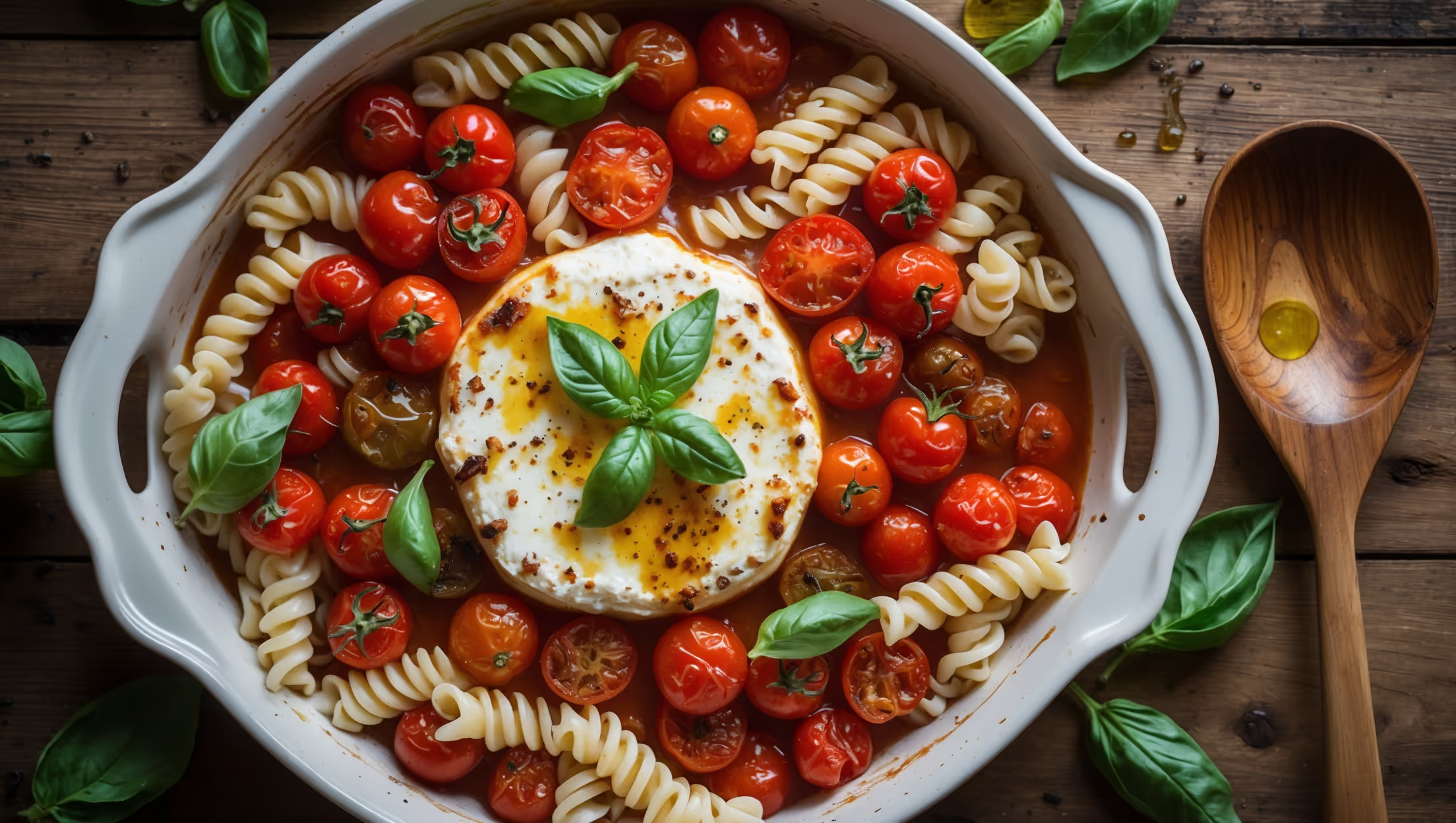
Directions
<ol class="no-list-style"><li class="MethodStepper"><h4 class="step-title">Step 1</h4>Preheat your oven to 200°C. Line a large baking tray with parchment paper. This prevents the tomatoes from sticking and makes cleanup easier.</li><li class="MethodStepper"><h4 class="step-title">Step 2</h4>Place the cherry tomatoes on the prepared baking tray. Drizzle with 3 tablespoons of olive oil, then scatter the sliced garlic, red pepper flakes (if using), salt, and pepper over the tomatoes. Toss gently to ensure all tomatoes are coated evenly. The oil not only prevents sticking but also helps the tomatoes roast rather than steam.</li><li class="MethodStepper"><h4 class="step-title">Step 3</h4>Roast the tomatoes for 20-25 minutes until they begin to burst and release their juices. Some should collapse completely while others remain partially intact. This contrast creates a wonderful texture variation in the finished dish. The natural sugars in the tomatoes will caramelize, intensifying their sweetness.</li><li class="MethodStepper"><h4 class="step-title">Step 4</h4>Meanwhile, bring a large pot of generously salted water to a boil. Cook the pasta according to package instructions until al dente (typically 8-10 minutes). Remember to reserve 240ml of the starchy pasta water before draining - this is crucial for creating a silky sauce.</li><li class="MethodStepper"><h4 class="step-title">Step 5</h4>When the tomatoes are done, carefully remove the tray from the oven. Use a wooden spoon to lightly press any unbroken tomatoes to release their juices. The mixture should be jammy and fragrant with garlic that's softened but not burned.</li><li class="MethodStepper"><h4 class="step-title">Step 6</h4>Transfer the drained pasta directly to the baking tray with the roasted tomatoes (if your tray is large enough), or combine everything in the pasta pot. Add 60ml of the reserved pasta water and the remaining tablespoon of olive oil. Toss gently to coat the pasta with the tomato juices. The starch in the pasta water helps the sauce cling to the pasta strands.</li><li class="MethodStepper"><h4 class="step-title">Step 7</h4>Add the torn basil leaves and grated Parmesan, tossing to incorporate. If the sauce seems too thick, gradually add more pasta water until you reach your desired consistency. The heat from the pasta and sauce will slightly wilt the basil, releasing its aromatic oils.</li><li class="MethodStepper"><h4 class="step-title">Step 8</h4>Serve immediately in warmed bowls, with additional Parmesan and freshly ground black pepper on top. The pasta is best enjoyed fresh when the contrasts between the hot pasta and the bursting tomatoes are most pronounced.</li></ol>