On this page
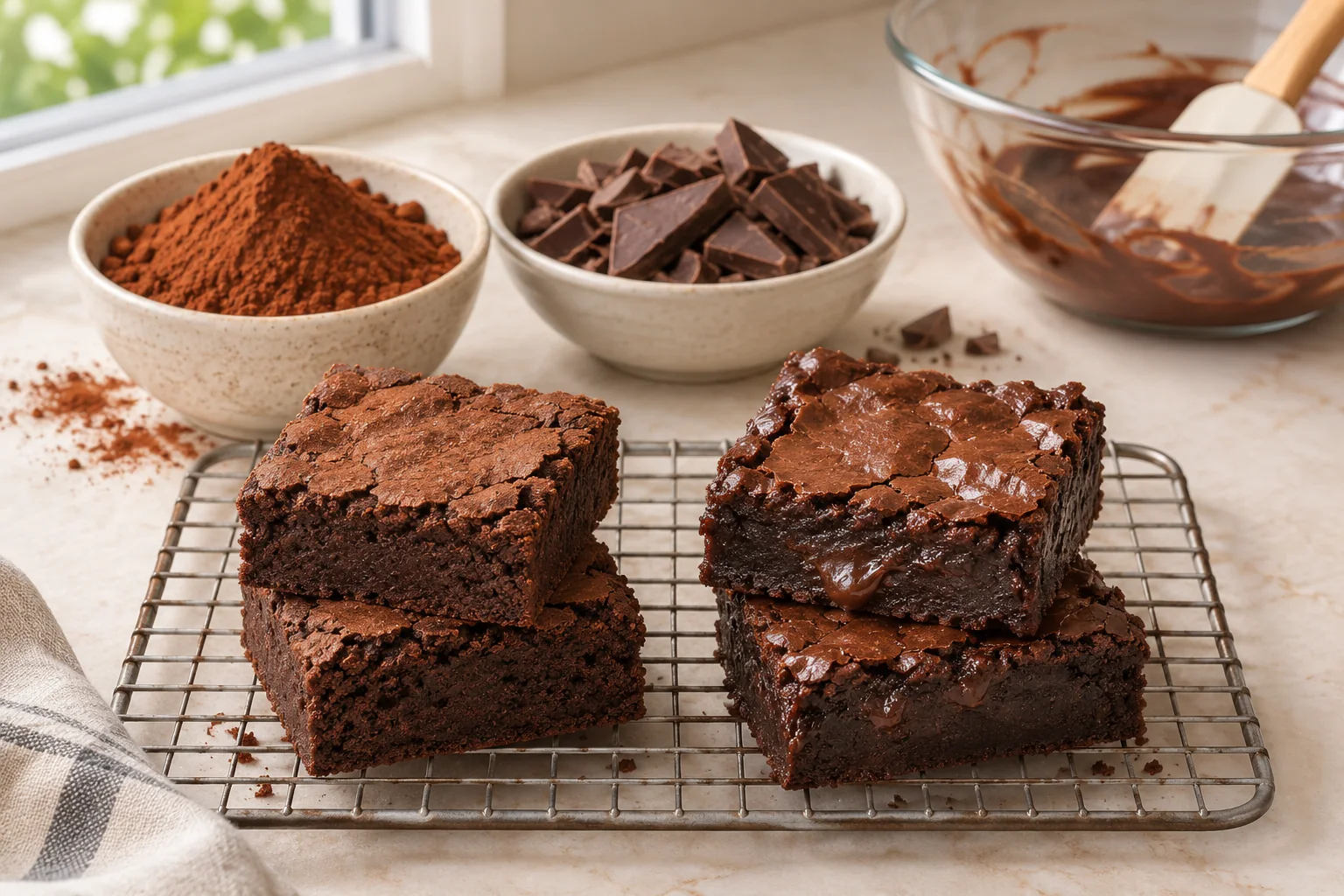
Two brownie recipes can look nearly identical except for the chocolate ingredient: one calls for cocoa powder, the other melts dark chocolate with butter. That choice changes more than the intensity of flavour. Cocoa is a concentrated dry ingredient with comparatively little cocoa butter; a chocolate bar also contains cocoa butter and often sugar. The finished brownies can both be excellent, but direct substitutions without reformulating the rest of the batter are risky.
What cocoa powder contributes
Unsweetened cocoa powder brings finely ground cocoa solids and some residual cocoa butter. It adds strong chocolate flavour and absorbs liquid. A recipe using cocoa must provide enough fat and moisture through other ingredients to produce the intended texture.
What melted chocolate contributes
Baking chocolate may include cocoa solids and cocoa butter, and sweetened varieties contain sugar. It brings both flavour and a distinct fat component. When melted into a brownie batter, it can create a rich mouthfeel if the entire ingredient balance supports it.
Recipe to try: Almond Flour Brownies. This version combines almond flour with dark chocolate. Its proportions are specific to that flour and are not a one-for-one wheat-flour conversion.

Unsweetened versus sweetened chocolate
Unsweetened chocolate generally contains cocoa components without added sugar, while semisweet and bittersweet bars include varying amounts of sugar. If a recipe specifies one, don't substitute the other gram for gram without accounting for sweetness and overall cocoa composition.
Why cocoa percentage isn't a direct recipe converter
A chocolate labelled 70% includes a combined proportion of cocoa ingredients. That percentage doesn't tell you exactly how much cocoa butter versus nonfat cocoa solid it contains. Therefore a fixed amount of cocoa powder plus oil is not an exact universal replacement for a labelled chocolate bar.
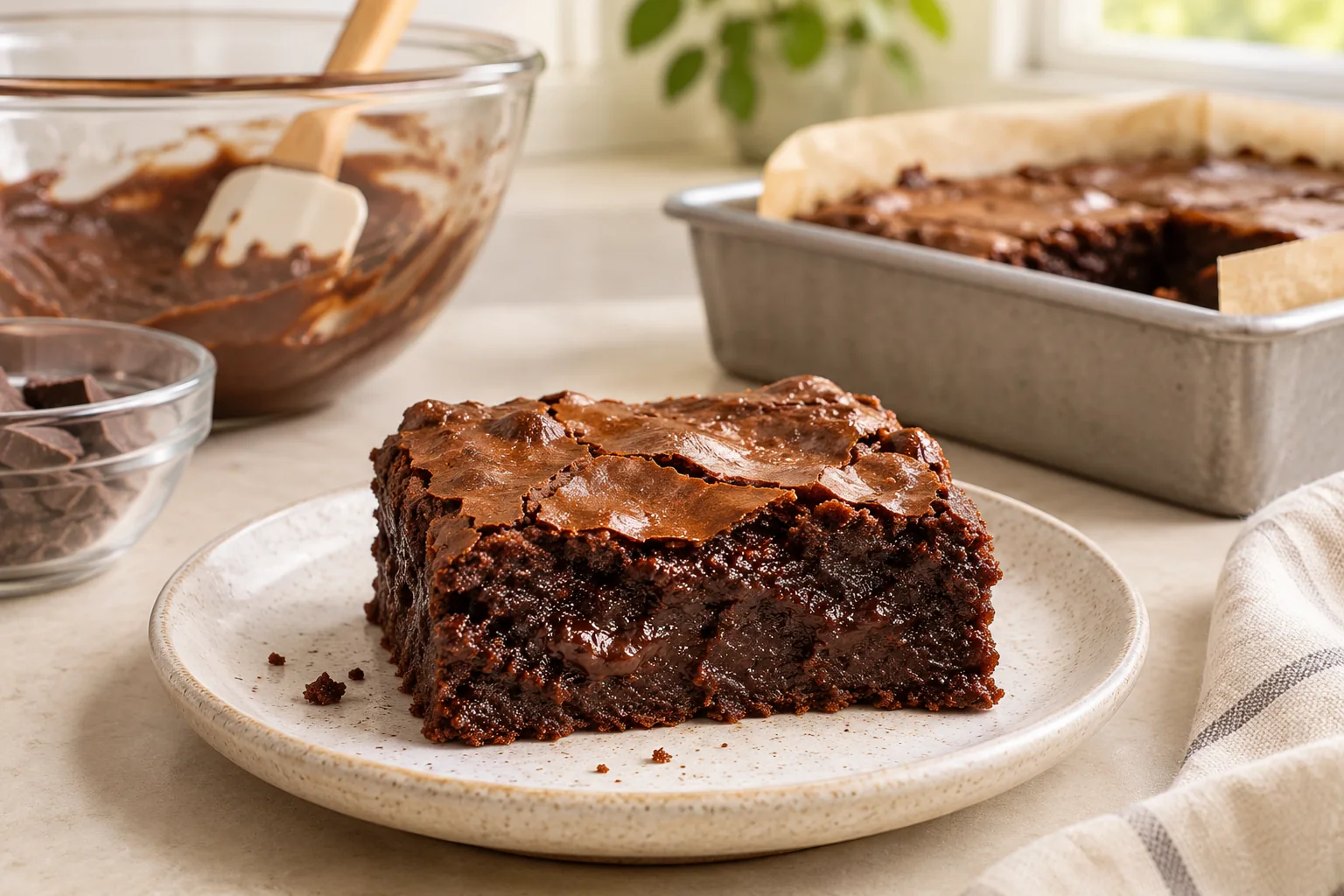
Cocoa brownies can be fudgy
A popular assumption is that cocoa-only brownies must be cakey. They need not be.
Melted-chocolate brownies can be cakey
Melted chocolate contributes cocoa butter, but the formula may also include additional flour, egg, liquid or leavening. Those ingredients can produce a lighter cake-like crumb. Chocolate form alone does not guarantee texture.
Texture and mouthfeel
Bars made with melted chocolate may feel particularly smooth and rich due to cocoa butter; cocoa-based bars may offer a direct concentrated cocoa flavour. Yet a well-formulated cocoa brownie can be equally moist, and texture depends on the whole recipe rather than ingredient labels.
Flavour intensity
Unsweetened cocoa can deliver strong roasted or bitter notes, but Dutch-process versus natural cocoa, cocoa origin and roasting all influence taste. Melted chocolate has its own sugar, fat and processing characteristics. Choose by the flavour profile the recipe was developed around.
Natural versus Dutch-process cocoa
Natural cocoa is usually more acidic; Dutch-process has been treated with alkali and can taste and behave differently. In recipes involving baking soda, their chemistry may matter. Do not switch automatically when the author specifies one type, especially if rise and browning depend on the acidity.
What fat balance looks like
Cocoa powder contributes much less fat than an equivalent mass of a typical dark chocolate bar. A cocoa brownie recipe may compensate through butter or oil. Adding the same weight of cocoa in place of chocolate without increasing fat can produce dryness and excessive chocolate intensity.
What sugar balance looks like
A semisweet chocolate bar includes sugar that may be absent from unsweetened cocoa. Replacing sweetened chocolate with cocoa without adjusting recipe sugar can create a very bitter or poorly textured bar. The right adjustment depends on product composition and the entire batter.
Why substitutions are complicated
To convert one form to the other accurately, you would need to account for cocoa solids, cocoa butter, other fat, sugar and often moisture. These proportions vary by brand and chocolate type. A tested alternative recipe is much more reliable than a generic one-tablespoon substitution chart.
When cocoa is the practical choice
Cocoa stores compactly and requires no chocolate melting step. Many quick one-bowl brownies are based on it. It is helpful when you want a straightforward pantry recipe, provided you choose an appropriate cocoa type and measure carefully.
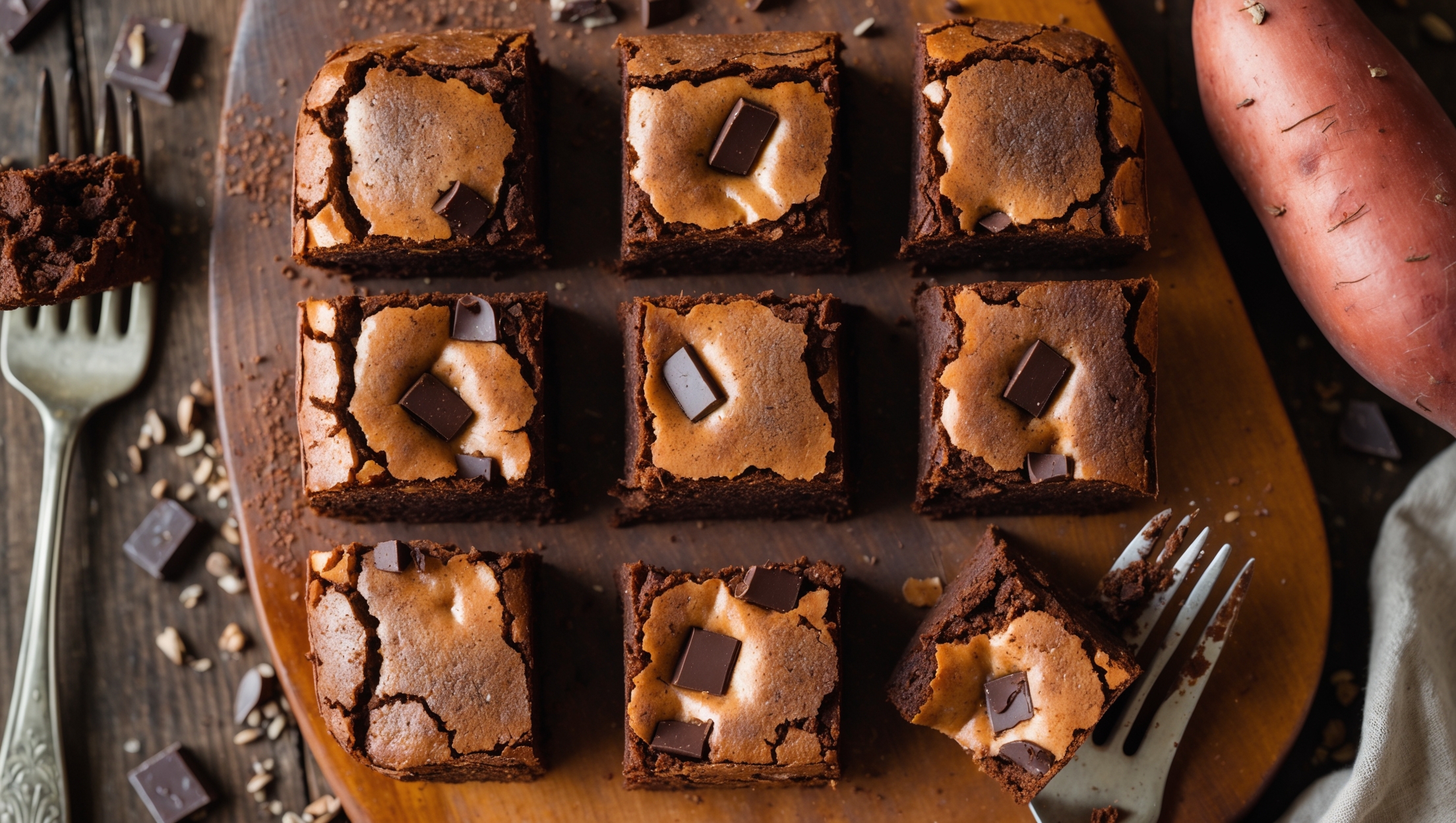
Recipe to try: Sweet Potato Brownies. These brownies use sweet potato in their own formula. Treat them as a separate option, not a direct conversion of a conventional brownie batter.
When melted chocolate is practical
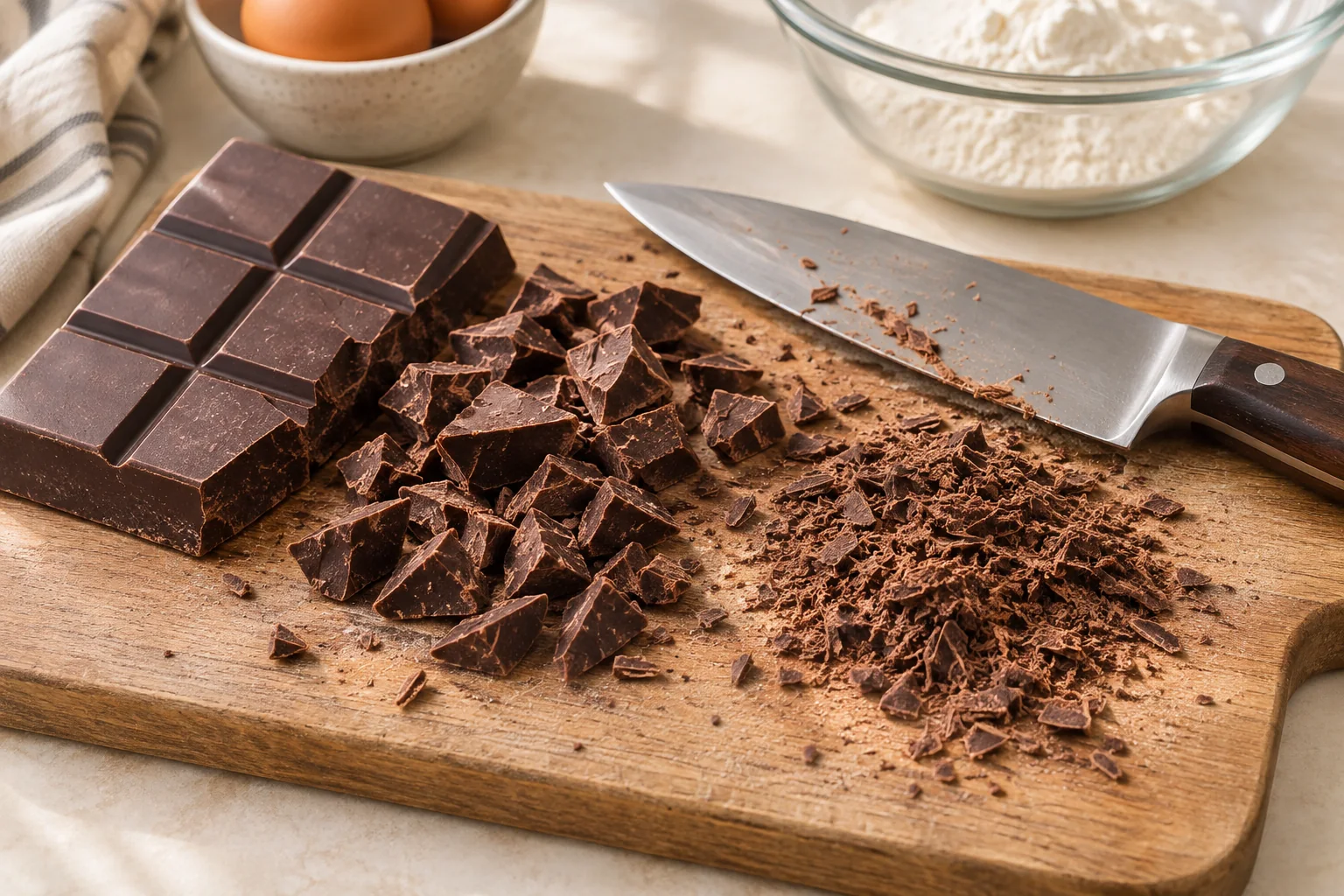
Melted chocolate can be ideal when you're using a recipe designed for a rich chocolate-forward centre. It adds flavour and fat in one ingredient. Use the chocolate percentage and type prescribed by the author to maintain the intended sweetness.
Mixing temperatures
Melted chocolate must cool enough before eggs are added; excessively hot fat can create an uneven batter. Cocoa powder may be mixed into warm fat in certain recipes to disperse it or develop flavour, but the correct order depends on the formulation.
Avoid overheating chocolate
Direct high heat can scorch chocolate or cause thick, grainy texture. Melt gently as directed, using a microwave in short increments or a properly managed water bath. Keep water away from plain melted chocolate unless the recipe deliberately creates a water-containing emulsion.
How they affect the shiny crust
A crackly top is associated with dissolved sugar reaching the surface and drying into a thin crust. Both cocoa and melted-chocolate brownies can achieve it with an appropriate recipe. Chocolate chips are useful in some shiny-top formulas, but not a universal requirement.
How to tell which recipe suits you
If you want a highly concentrated cocoa flavour and minimal prep, try a tested cocoa brownie. If you want the flavour profile of a particular bittersweet baking chocolate, use a recipe built around melted bars. Compare actual recipe photographs and ingredient ratios instead of assuming one method is superior.
Troubleshooting dry cocoa brownies
Check cocoa measurement, flour measurement, total fat and baking time. A heaped cocoa measure can make batter more absorbent. Resist adding arbitrary milk to compensate; select a cocoa formula with the moisture and fat balance you prefer.
Recipe to try: Black Bean Brownies. Black beans and cocoa form a different brownie base. Use the stated preparation and baking cues for this formula.

Troubleshooting greasy melted-chocolate brownies
Too much added butter, unusually fatty chocolate or an error in emulsification can leave a greasy layer. Follow the recipe's specified chocolate type and weigh ingredients. Mixing hotter or longer isn't always the fix.
Allergy and labelling considerations
Baking chocolate can contain milk, soy or nuts or carry cross-contact warnings, even when dark. Cocoa products can also have labelling considerations. Read packaging carefully and accurately describe the finished brownie for anyone with allergies.
Frequently asked questions
Can cocoa replace chocolate in brownies? Only with an appropriate tested conversion. Is dark chocolate always fudgier? No. Does cocoa powder contain fat? Usually some, but less than chocolate bars. Is Dutch-process the same as natural cocoa? No. Which gives a better brownie? Both can be excellent.
Work with a balanced formula
Choose cocoa or melted chocolate for its flavour and practical advantages, then let a reliable recipe manage the sugar, fat and moisture. An excellent brownie depends on those relationships, not a single superior chocolate ingredient.
IN PICTURES
From the baking notebook
FROM THE RECIPE BOX


