On this page
Christmas baking with kids should feel like an afternoon they will remember—not a race to get twelve perfect cookies into matching gift boxes. The happiest sessions usually have a simple plan, a little room for flour on the counter, and one or two projects children can actually help finish.
Whether you have a preschooler who wants to press cookie cutters or an older child ready to read a recipe and measure ingredients, there are plenty of festive ways to bake together. This guide brings together beginner-friendly Christmas baking ideas, age-appropriate tasks, realistic preparation tips, and a low-stress schedule that leaves time for tasting the results.
Start With the Experience, Not the Recipe
Before choosing a treat, decide what you want the afternoon to feel like. A two-year-old may enjoy sprinkling decorations onto pre-baked cookies for ten minutes. A ten-year-old might be proud to manage a full batch of gingerbread with an adult supervising the oven. Both experiences count as Christmas baking.
Look for a recipe with a short ingredient list, clear steps, and opportunities to pause. If you are working with younger children, dough that can be mixed ahead—or a decorating project based on fully cooled baked goods—often works better than a complicated pastry that needs precise timing.
Choose just one main activity for a first session. A child who is having fun can always help package the cookies or set up the table afterward. Trying to complete three ambitious desserts before dinner can turn a pleasant tradition into a stressful production.
10 Christmas Baking Ideas Kids Can Help Make
1. Cutout Sugar Cookies
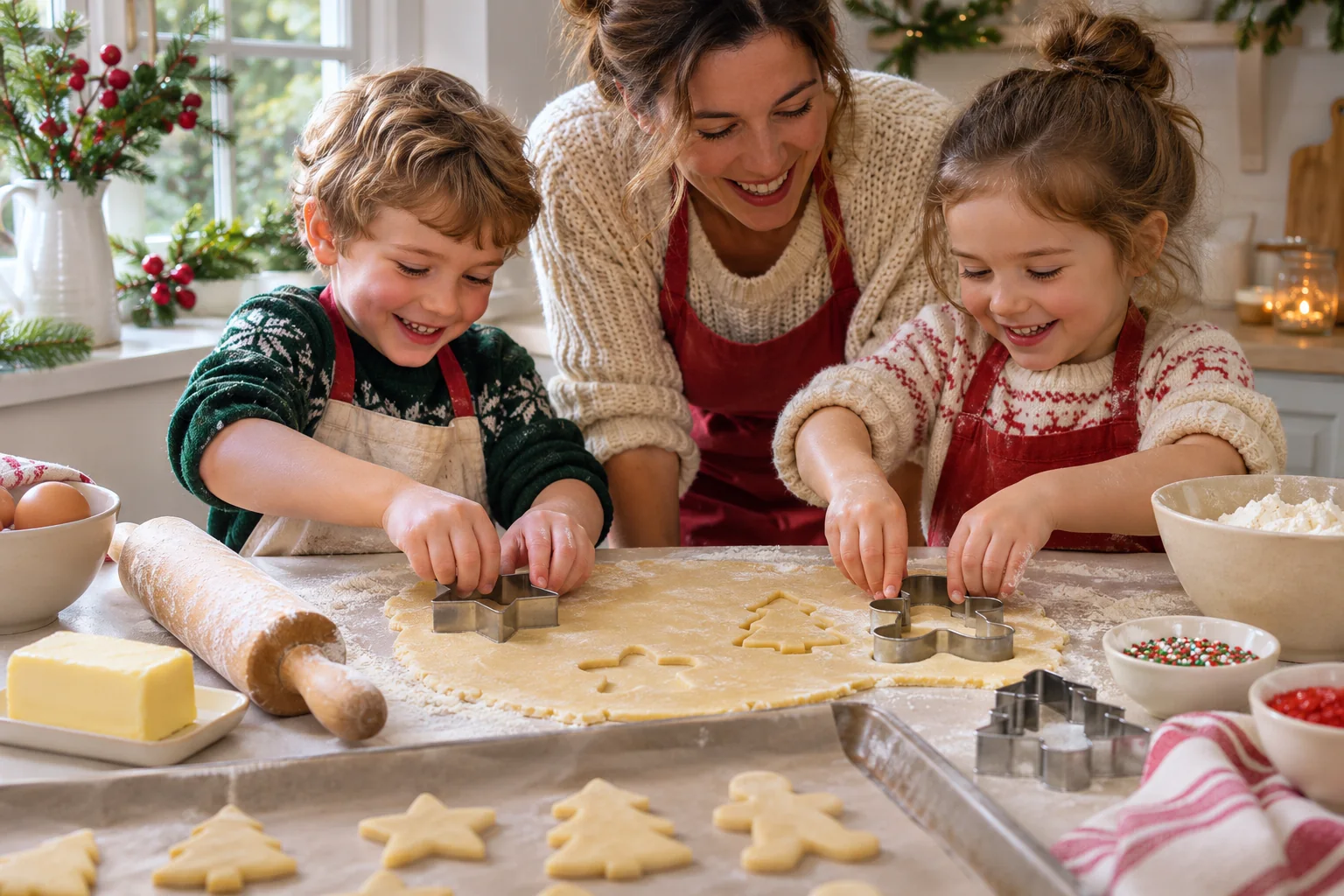
Cutout cookies are popular for a reason: children can see their ideas become real shapes. Mix a dough designed for rolling, chill it according to the recipe, and roll it to an even thickness. Let kids choose between stars, trees, bells and simple circles. Straightforward shapes are less likely to break when lifted from the counter.
For very young bakers, an adult can prepare and roll the dough while the child presses cutters into it. Older children can help measure flour, transfer cutouts with a small spatula and count how many cookies fit on the tray. Bake according to the recipe, then cool completely before decorating.
Make it easier: limit the decorating supplies to two icing colours and a few toppings. Too many tiny bowls can overwhelm small helpers and make cleanup harder.
2. Gingerbread Cookies with Simple Faces
Gingerbread brings the familiar scent of warm spices into the kitchen. Instead of planning a complicated gingerbread village, make a manageable batch of cookies using a recipe intended for cutout shapes. Children can choose buttons, scarves or funny expressions for each gingerbread person.
Decorating works best after the cookies cool. Put icing in small bags with suitably sized openings or use small spoons for younger children. Avoid hard candies and other choking hazards for young children; choose decorations appropriate to each child's age.
For a party activity, bake the cookies ahead and invite children to decorate one or two each. That keeps the oven work separate from the creative part.
Recipe to try: Gingerbread Cookies. Plan the rolling and cutting around the dough’s chilling instructions. Set aside cooled cookies for decorating.

3. Chocolate-Dipped Shortbread
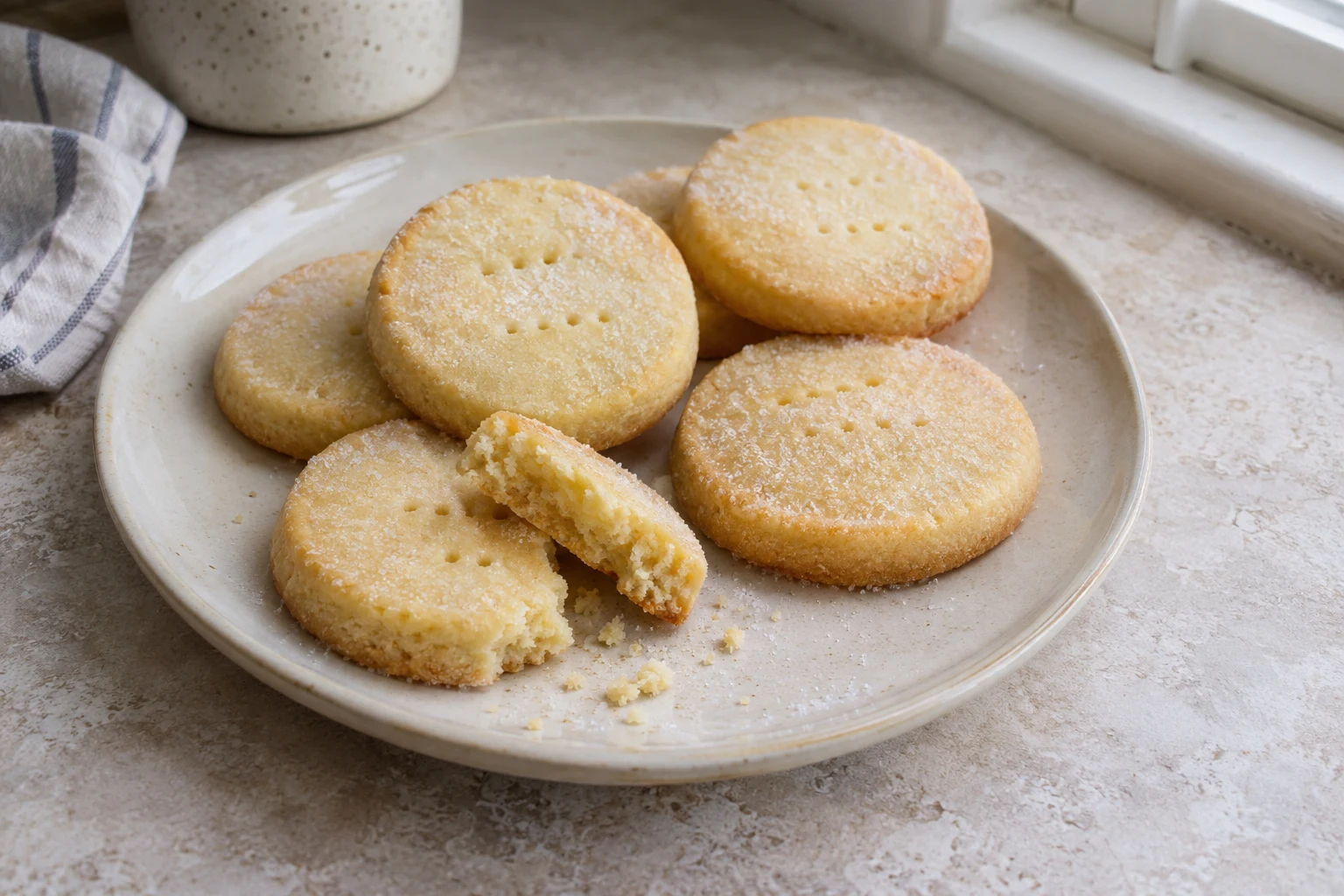
For children who are more interested in decorating than mixing dough, shortbread can be an excellent choice. Bake a reliable shortbread recipe, let the pieces cool, and have an adult manage any melting or handling of hot chocolate. Then older children can dip or drizzle cooled cookies, with close supervision and age-appropriate tools.
A light sprinkle of finely crushed freeze-dried berries or festive sugar makes the cookies look special without the need for piping skills. Let the coating set completely before storing them.
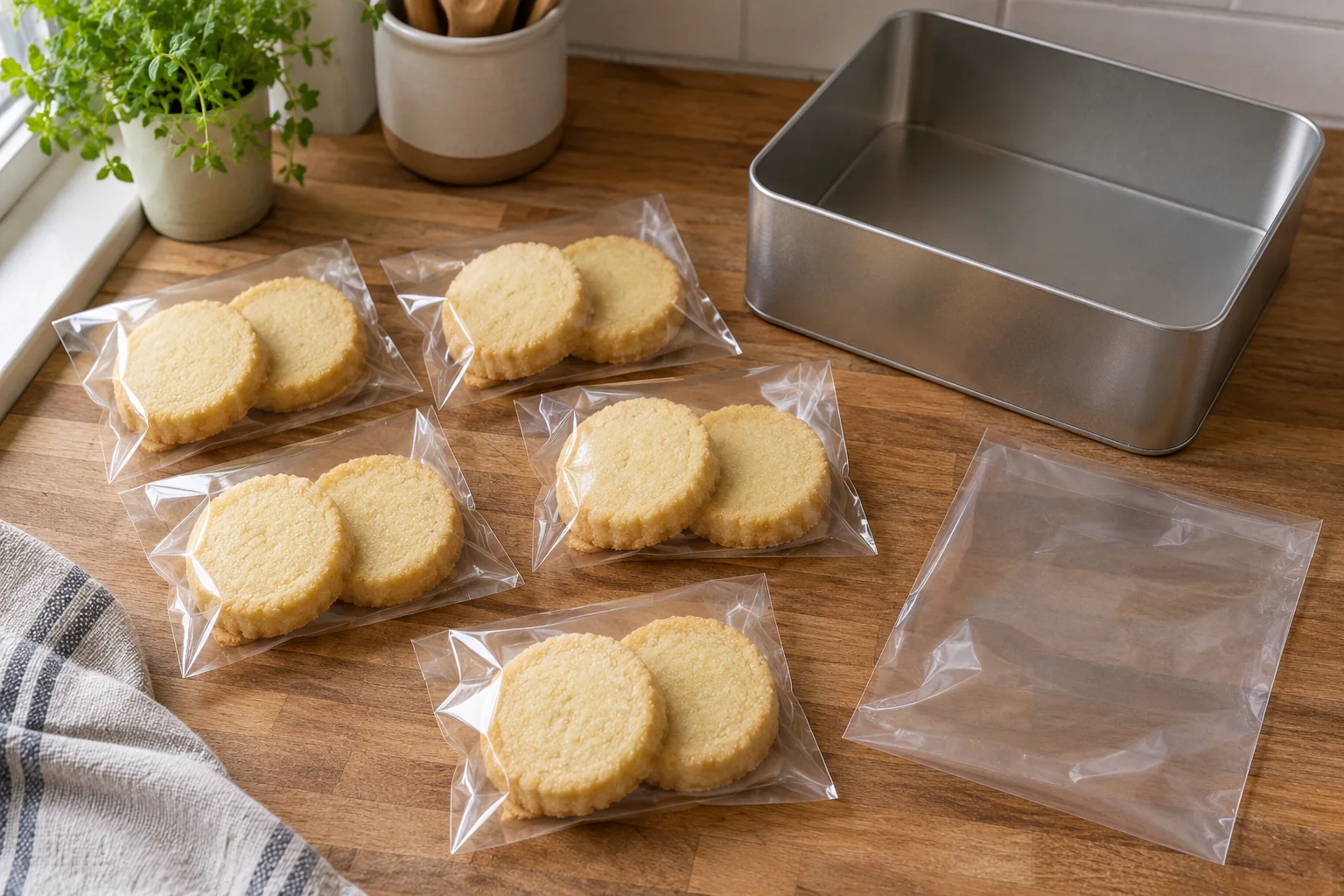
Gift idea: pack three to five cookies in a small food-safe bag with a label for grandparents or neighbours.
Recipe to try: Vegan Shortbread Cookies. The recipe uses vegan block butter, not a soft spread. Check ingredients before making it for someone with an allergy.
4. Mini Holiday Muffins
Mini muffins offer nearly instant satisfaction because they are portioned into little cups rather than rolled and cut. Children can line the muffin pan, count the paper cases and help fold dry ingredients into wet ones when the recipe calls for it.
Consider familiar flavours such as apple-cinnamon, banana or vanilla with chocolate chips. Fruit additions can introduce extra moisture, so stick to a recipe specifically developed for them rather than adding a handful of berries to an unrelated batter.
Use a scoop to keep the portions consistent and let an adult handle filling near hot equipment, moving the pan and testing doneness.
5. Cinnamon-Sugar Puff Pastry Twists
Store-bought puff pastry can make a short, satisfying activity, provided you choose an established recipe and follow its thawing and temperature instructions. An adult can cut strips with a sharp knife, then children old enough to work safely with raw pastry can help twist the strips and sprinkle cinnamon sugar.
Keep the pastry cool so it stays easy to handle, and return it to the refrigerator if it becomes sticky. The twists may not all look identical; that is part of their charm. Let them cool before eating, because hot sugar can burn.
6. Reindeer or Snowman Cupcakes
Instead of asking children to bake and decorate in one sitting, make a batch of cupcakes in advance. Set cooled cupcakes on a table with frosting and age-appropriate decorations, then let each child design a character. A simple snowman face can be made with a few safe edible details rather than an elaborate sugar sculpture.
For younger children, skip small hard candies and decorative picks. Use softened frosting in a small bowl, and allow them to spread it with a blunt child-safe utensil. Keep cupcakes with perishable frosting refrigerated as the recipe requires.
7. A Simple Christmas Traybake
Brownies, blondies or a simple vanilla tray cake can be a calmer choice than individually shaped cookies. Children can help whisk, stir and spread batter in a prepared pan while an adult supervises and handles the oven. Once the dessert is cool, older children can use a safe cutter or help mark portions while an adult makes any necessary sharp cuts.
Choose one topping: a little icing, festive sprinkles or a drizzle of melted chocolate applied safely. Cut the finished traybake into small squares so everyone can have a taste.
8. No-Bake Chocolate-and-Cereal Clusters
A no-bake project can be a useful alternative if the oven is busy, but no-bake does not mean unsupervised. Many cluster recipes use melted chocolate, which an adult should prepare, and ingredients that may be choking hazards or allergens. Choose a tested recipe suitable for your family and check the ingredients first.
Children can place paper cases on a tray and, when the mixture is cool enough to handle safely, help spoon portions into them. The clusters may need a setting period before they can be packed.
9. Holiday Banana Bread
Banana bread is a good opportunity to practice everyday baking skills. Children can mash ripe bananas, count eggs with an adult, and combine measured ingredients. A little cinnamon or an approved recipe variation may make it feel festive without changing a dependable formula.
Explain that quick breads can be overmixed: children do not need to stir endlessly. A few gentle folds are often enough once the flour has been added, depending on the recipe. Let the loaf cool before slicing and keep sharp knives with the adult.
10. Decorate a Cookie Gift Box
This is more of a finishing project than a separate recipe, and it is ideal when attention spans are short. Lay out a few types of fully cooled cookies, parchment and small food-safe boxes. Older children can count the cookies, choose a pattern and write gift tags.
Ask them whom the gift is for, and whether the recipient can eat the ingredients. This introduces the idea that thoughtful baking includes checking allergies and helping someone enjoy the food safely.

Christmas Baking Tasks by Age
Age ranges are guides, not rules. Children develop different skills at different times, and the adult in charge should judge the task, the tools and each child's ability to follow safety instructions.
Toddlers and Preschoolers: Make It Sensory and Short
Consider pressing large cookie cutters into prepared dough, scattering soft age-appropriate toppings, counting paper cases or stirring a cool mixture with help. Five or ten focused minutes may be enough. Keep small decorations, choking hazards, raw batter, sharp tools and hot surfaces out of reach.
Ages 5–8: Give Them a Clear Job
Children in this range may enjoy measuring pre-selected ingredients, reading simple steps, mixing, rolling dough and applying icing. Choose a stable work surface and utensils they can control. The supervising adult continues to manage the oven, sharp tools and hot mixtures.
Ages 9–12: Introduce Recipe Reading
Older children can often help scale ingredients, compare measuring tools, organize steps and track a timer. Let them lead parts of a familiar recipe while you oversee safety-critical steps. Talk about why a recipe asks for softened butter, chilled dough or a preheated oven.
Teens: Offer Ownership
Teens may be ready to plan a cookie-box theme, compare recipes, prepare a shopping list and bake with supervision suited to their experience. Encourage them to check oven temperatures, follow food-safety directions and reflect on what they would change next time.
How to Set Up a Kid-Friendly Christmas Baking Station
A little preparation makes the activity smoother. Clear a portion of the counter, wipe it down and make room for everyone to stand comfortably. Gather measuring cups, bowls, a sturdy whisk, a spatula, parchment and a stable baking tray before calling children into the kitchen.
For young helpers, put measured ingredients in small bowls and keep the recipe card visible. Place decorating supplies in shallow containers instead of leaving them in tall jars that might tip over. Set a separate area for finished cookies so no one accidentally reaches for a hot tray.
Keep a damp cloth nearby for sticky hands and spills. Washing hands before baking and after handling raw eggs, flour or other raw ingredients is part of the activity. Teach children to taste only fully prepared, safe-to-eat foods—not raw cookie dough or cake batter.
A Low-Stress 90-Minute Christmas Baking Plan
This sample works best when the dough or baked cookies have been prepared ahead. Recipe-specific baking and cooling times may make a full from-scratch cookie session longer than ninety minutes.
- 0–10 minutes: wash hands, explain the plan, put on aprons and choose cookie shapes.
- 10–25 minutes: roll prepared dough and cut shapes, or decorate pre-baked treats while an adult supervises any oven work.
- 25–50 minutes: continue the age-appropriate activity and let hot or freshly baked items cool safely. An adult controls tray transfers.
- 50–75 minutes: decorate completely cooled cookies with a small selection of icing and toppings.
- 75–90 minutes: tidy up, choose a cookie to enjoy and write a gift tag if the treats are going to someone else.
If cooling takes longer than expected, take a break. Baking should not require rushing a warm cookie straight into frosting just to keep to the clock.
Safety Rules Worth Teaching Every Young Baker
Keep Raw Ingredients Out of Mouths
Uncooked flour and raw eggs can contain harmful microorganisms. Do not let children taste raw dough, batter or flour, even when the mixture smells delicious. Follow the recipe's cooking instructions and use properly prepared products if you want a genuinely edible dough activity.
Make the Oven an Adult Zone
Hot trays, oven racks, melted sugar and hot chocolate can burn. Have an adult manage them, and mark a clear place for trays to cool where children cannot grab them. Keep loose sleeves and long hair away from heat sources.
Check Allergens and Decorations
Ask about allergies before baking for other families. Read packaged ingredient labels, and remember that shared utensils and counters can cause cross-contact. Small hard candies, whole nuts and similar decorations may pose choking risks for younger children.
Supervise Knives and Electric Mixers
Use blunt or child-appropriate tools for simple activities. Sharp knives, processor blades and electric mixers need adult control or close, developmentally appropriate supervision. Never leave an active mixer within reach of a child who might put fingers or utensils near moving beaters.
What to Do When the Cookies Are Not Perfect
Misshapen stars and lopsided icing are not failed Christmas cookies. Children learn from making things, and a less-than-perfect batch still makes an excellent family memory.
If cookies spread too much, check whether the dough was chilled and measured according to its recipe. If the bottoms brown quickly, review the pan, oven position and baking time rather than immediately changing several ingredients. If the dough sticks, return it to the refrigerator as directed and work with smaller portions.
When decorating becomes messy, offer a fresh sheet of parchment, fewer toppings and a reset. Do not turn the activity into a competition unless the children enjoy that style of play.
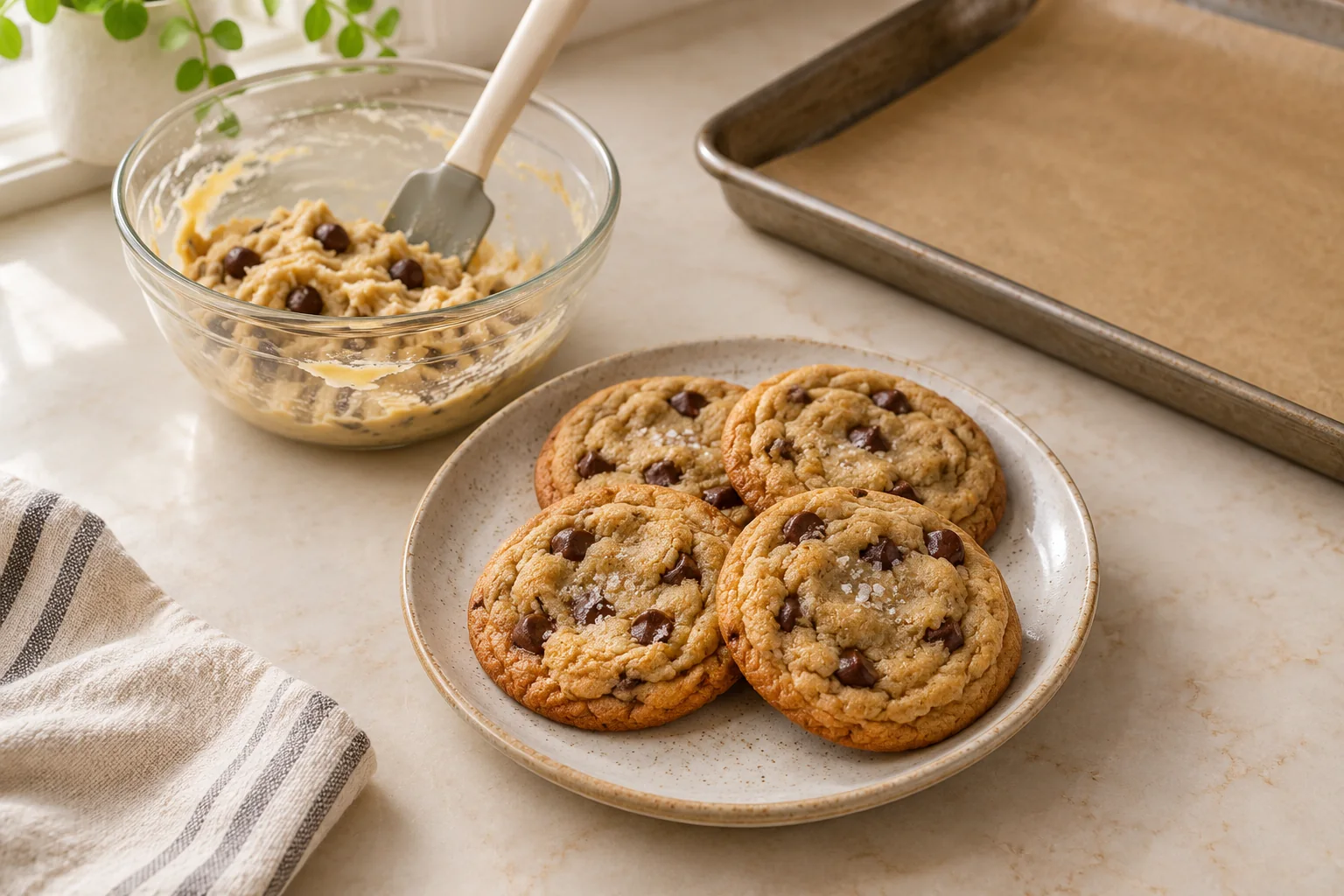
Recipe to try: Classic Chocolate Chip Cookies. Use the stated butter texture, dough portions and bake time together to establish a consistent cookie baseline.

Christmas Baking With Kids on a Budget
Beautiful memories do not require specialized holiday equipment. A round cutter or the rim of a suitable glass can make simple cookies, and an ordinary sandwich bag may be useful for decorating when used appropriately. Parchment, bowls and basic kitchen spoons often do more work than elaborate themed tools.
Choose recipes that share ingredients—flour, sugar, vanilla, cinnamon and butter or an appropriate alternative—so one shopping trip supports several activities. Make decorations minimal and put the money toward ingredients you will actually eat.
Instead of buying individual gift containers for everyone, turn a batch into one family cookie platter. Or let each child wrap just a few cookies for someone they care about.
Frequently Asked Questions
What is the easiest Christmas baking activity for toddlers?
Decorating a fully baked, cooled cookie is often easier than mixing dough from scratch. Provide a few safe, age-appropriate toppings and stay right beside the child. Avoid small hard decorations and remember that short sessions are enough.
What can children bake without a mixer?
Some muffins, simple traybakes, banana bread and cookie recipes use a bowl and a whisk or spatula. Choose a recipe written for hand mixing rather than assuming every stand-mixer recipe can be treated the same way.
Can kids make Christmas cookies ahead of time?
Yes, many recipes allow advance dough preparation or storage of finished cookies, but the details depend on the recipe. Prepare dough or bake cookies beforehand if that makes the session more manageable, and follow the stated refrigeration, freezing and shelf-life guidance.
How do I keep siblings of different ages involved?
Give each child a distinct job: one chooses cookie cutters, another measures ingredients and an older child reads the next step. Rotate the roles on the next batch. Avoid tasks that require younger children to handle hot or sharp equipment.
What if my child loses interest halfway through?
Let them stop. An adult can finish baking safely, and the child can return to decorate or package the treats later. The point is to make baking inviting, not compulsory.
Should we bake treats for school?
Only after confirming school and classroom food policies, including allergy restrictions. Some schools do not allow homemade food for sharing. If food is not permitted, a handwritten recipe card or a non-food seasonal activity may be a better choice.
Make It a Tradition They Want to Repeat
Christmas baking with kids works best when it is small enough to enjoy. Choose one dependable recipe, prepare the workspace before you begin, let children do real age-appropriate tasks, and leave plenty of room for creativity. The cookie shapes may change every year, but the feeling of being invited into the kitchen is what makes the tradition last.
IN PICTURES
From the baking notebook
FROM THE RECIPE BOX


