On this page
Freezing extra homemade pastry is one of the easiest ways to make future pies and tarts feel manageable. A well-wrapped disk of pie dough can often be prepared ahead, then thawed until pliable before rolling. Sweet tart dough and puff pastry may also be frozen when their formulas support it, though laminated butter layers require more careful temperature control. The best method depends on the dough and whether it is rolled, shaped or already baked.
Most plain pie dough freezes well
Many tested butter- or shortening-based pie dough recipes explicitly allow freezing. Their flour, water and fat components tolerate cold storage when wrapped against drying and odours. However, every recipe has its own recommended duration and handling method; don't assume all raw doughs last for the same number of months.
Decide how you'll use it later
Freeze a flat disk when you want flexibility to make a tart, pie or hand pies. Freeze a rolled sheet when the recipe supports it and you have protective flat storage. Freeze a fitted shell only when the baking dish and recipe are suitable for that method.
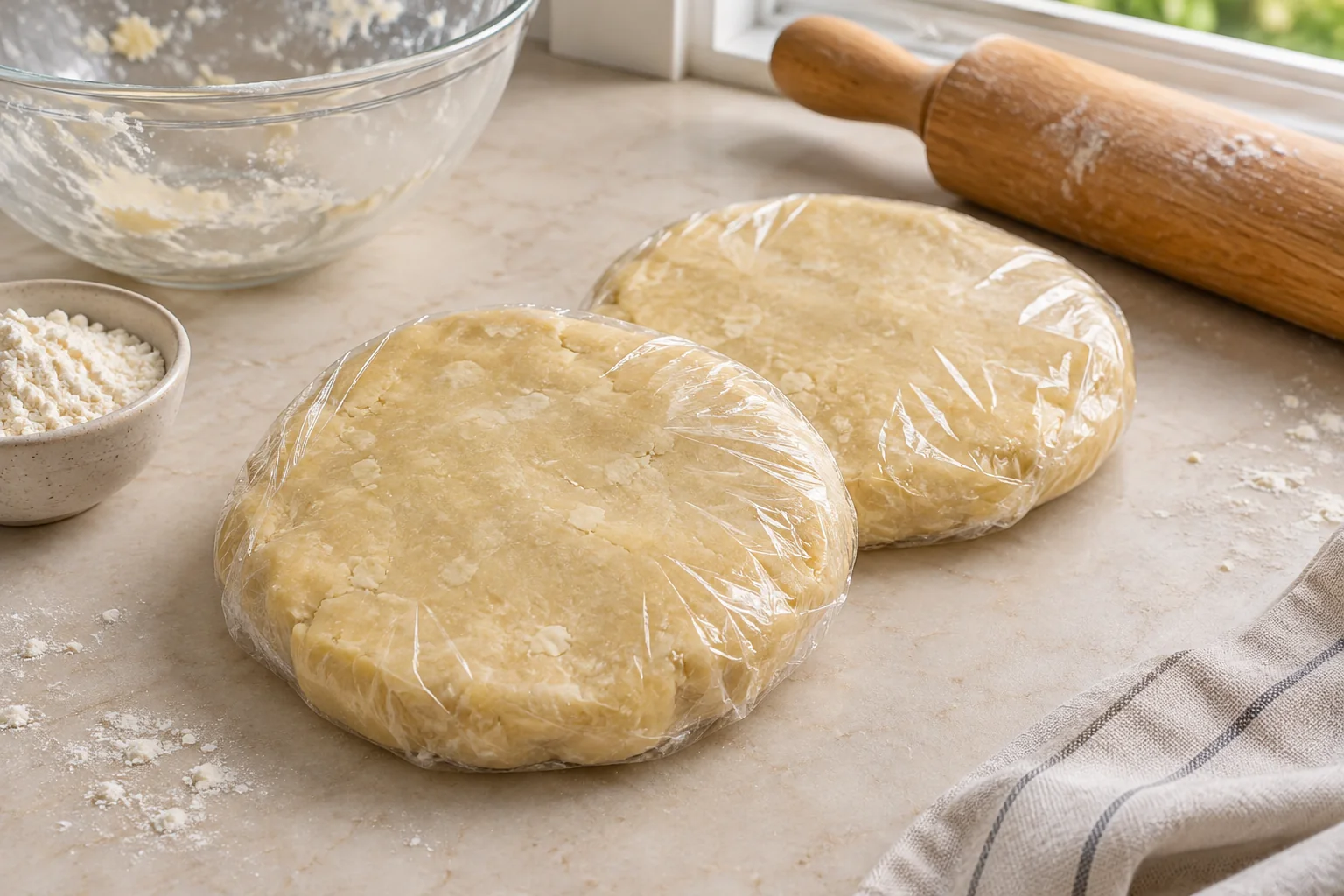
Form a disk before freezing
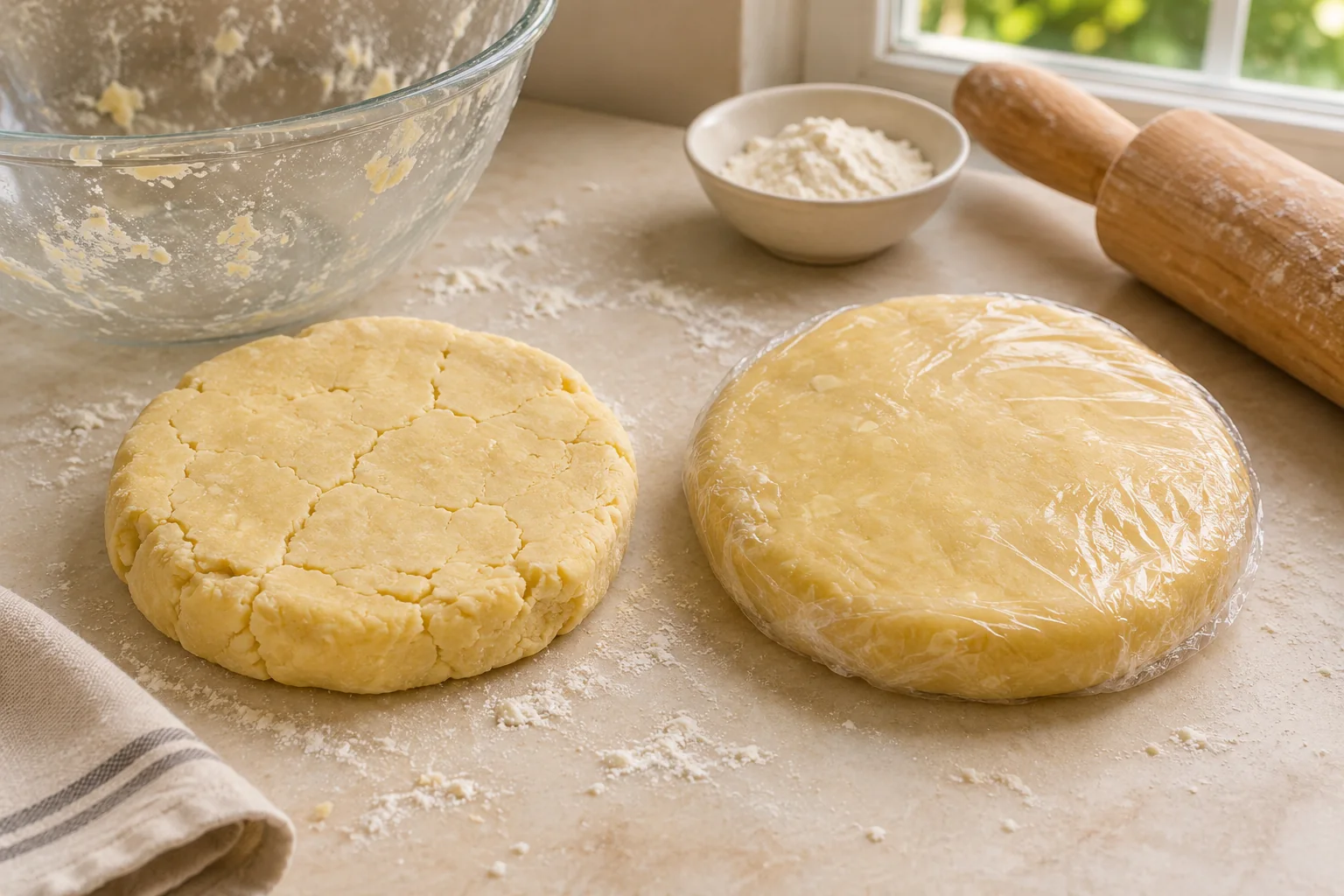
Gather freshly mixed dough gently and flatten it into a round with even thickness. This shape chills and later thaws more predictably than a thick ball. Don't knead dough smooth as though it were bread; overworking can develop gluten and reduce tenderness.
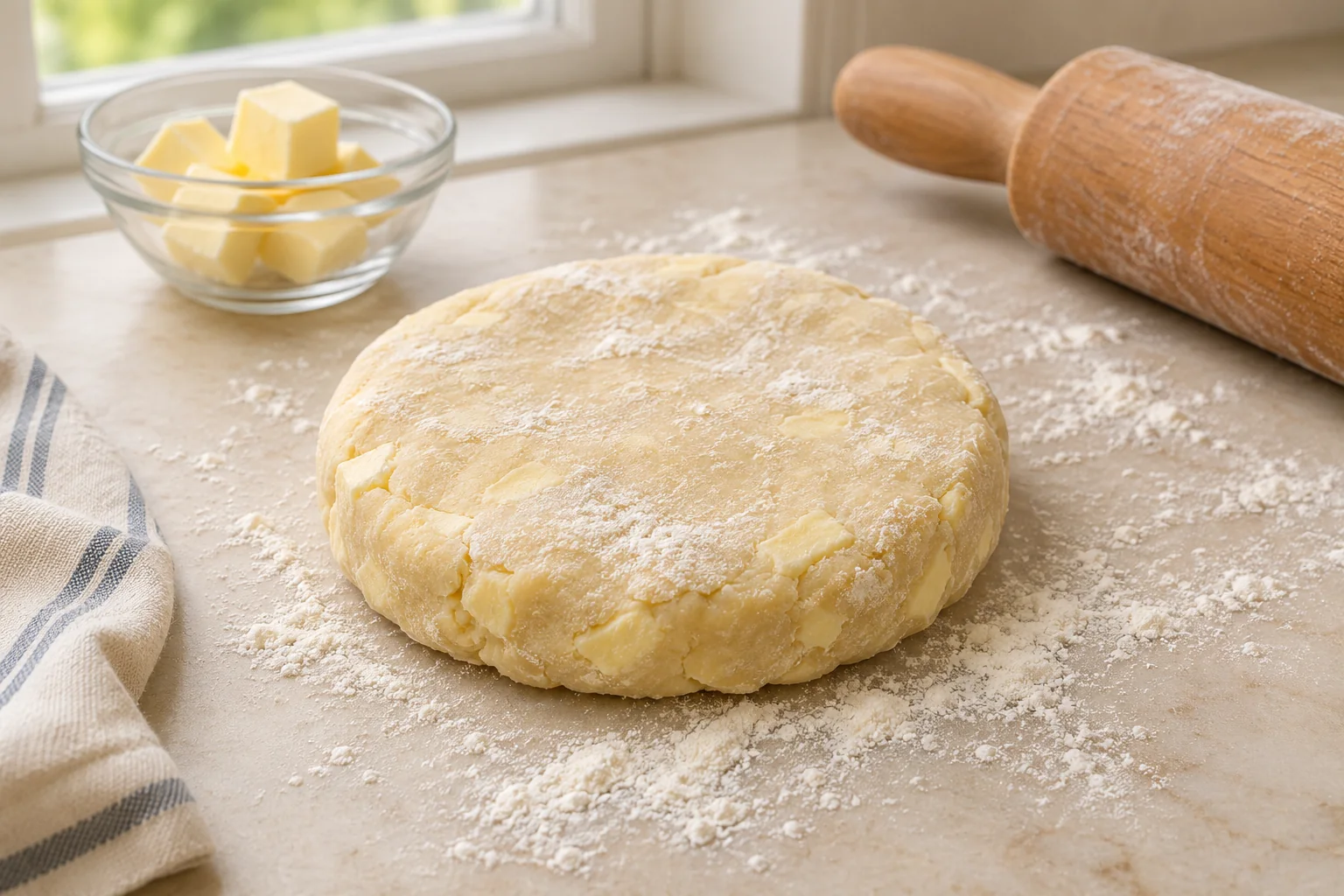
Wrap closely
Use food-safe wrap that contacts the dough and an outer freezer-rated bag or container. Remove excess air and label the pastry type and preparation date. Exposed dough can dry at its surface, forming cracks that make rolling more difficult later.
Portion by intended crust
If the recipe makes a double crust, divide into the intended base and top amounts before freezing. Label each disk so you know which belongs in a deep dish and which makes a lid. This avoids thawing an entire batch when you only need a single shell.
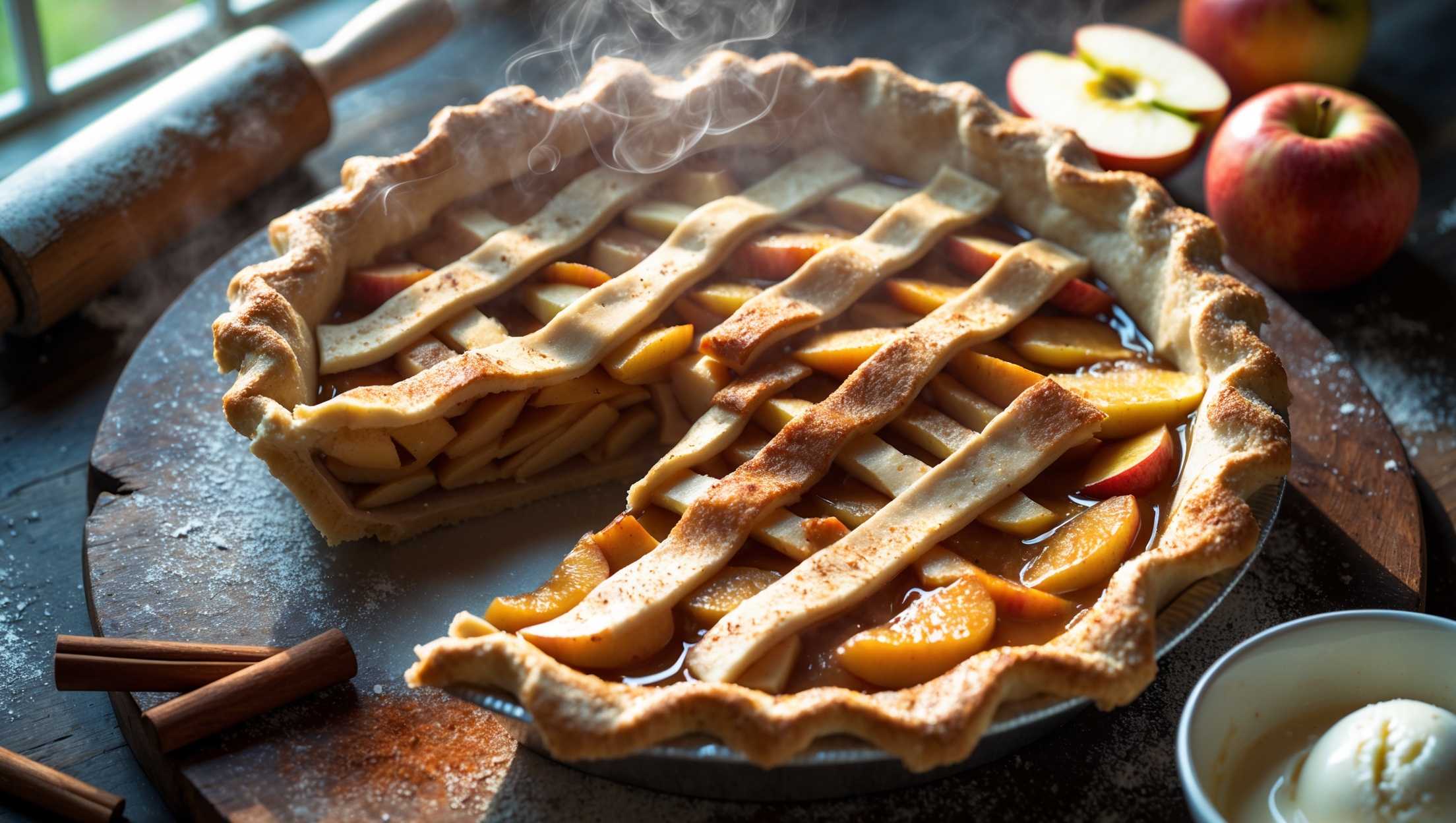
Recipe to try: Classic Apple Pie. Use the apple preparation, filling quantities and pastry method specified for this pie. A different fruit can require a different thickener balance.
Freezing sweet tart dough
Pâte sucrée and pâte sablée may freeze well in recipes that allow it, but their sugar, egg and fat balance can make thawed dough fragile or sticky at different temperatures. Roll or press into the pan as directed, protecting the dough from drying and strong freezer odours.
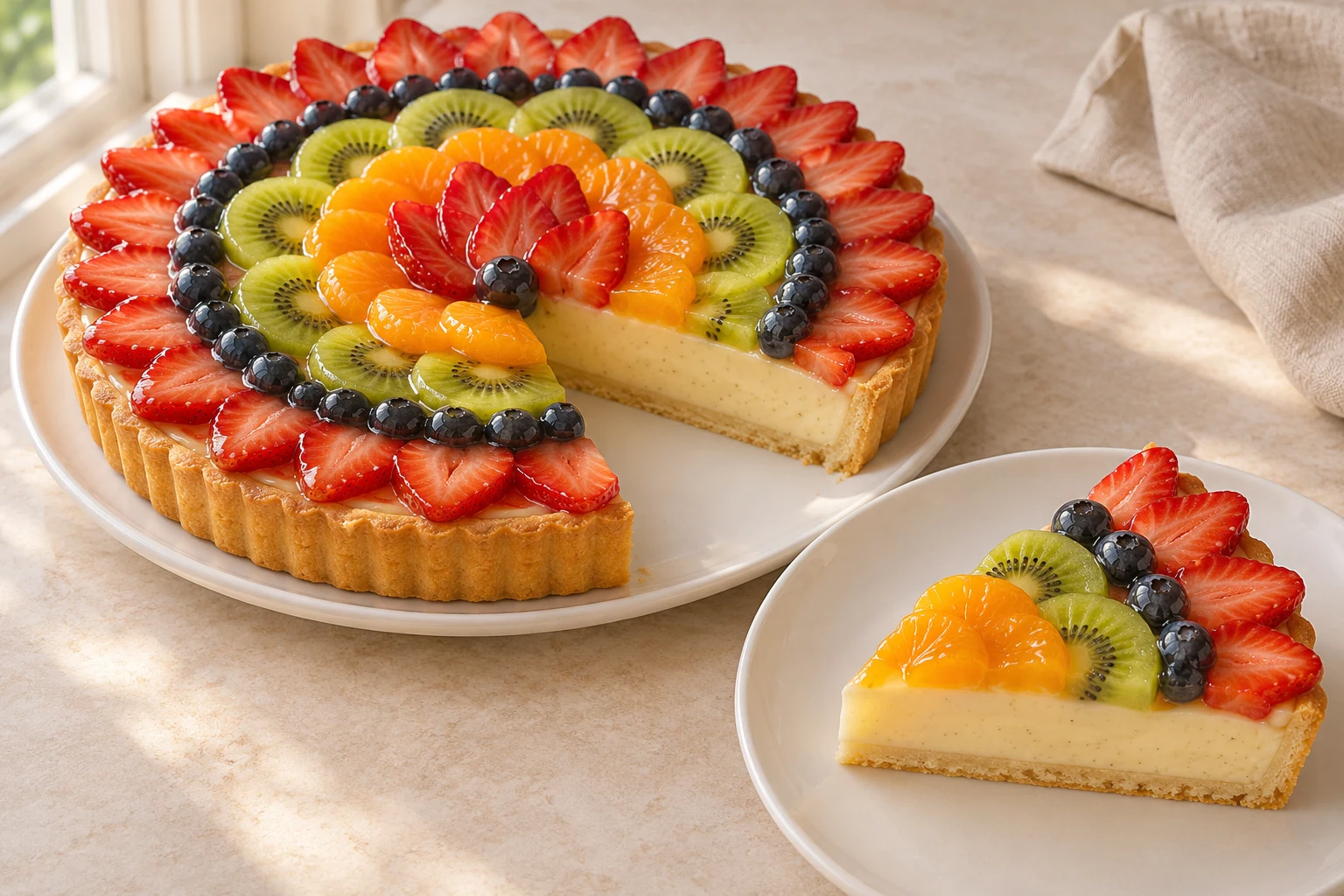
Recipe to try: Classic Fruit Tart. This tart combines a separate pastry shell and filling. Follow the recipe’s order for baking, cooling and assembly.
Freezing puff pastry
Puff pastry is frequently sold frozen, and homemade versions can also be frozen using a tested method. Protect the layered block or sheet so butter doesn't absorb odours or become exposed. Avoid crushing or tightly bending laminated dough, which can damage its layers.
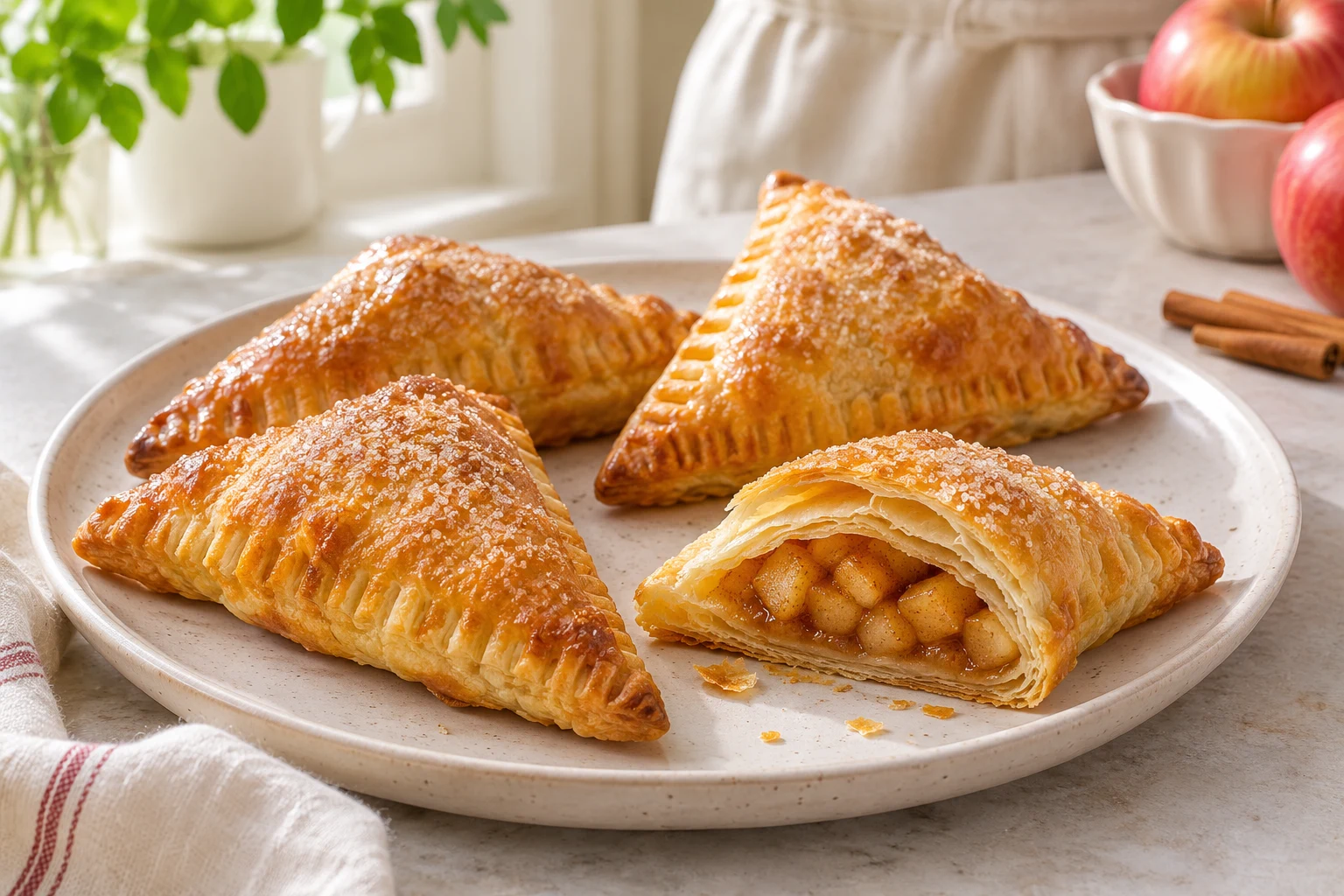
Recipe to try: Apple Turnovers. These turnovers use ready-made puff pastry. Keep their assembly and baking directions distinct from a shortcrust pie.
Why shaped shells need care
A fluted shell can be convenient to freeze already lined, but thin edges may crack if pressed against other frozen foods. Protect it in a rigid covered container. Never move a frozen glass or ceramic pie dish directly to a hot oven unless the manufacturer explicitly rates that exact transition.
Freeze unbaked versus baked pastry
A fully baked empty tart shell can sometimes be frozen after cooling, while raw pastry is stored before baking. They thaw and bake differently. A baked shell needs protection against absorbing moisture during thaw; raw dough requires the recipe's handling and cooking schedule.
Thaw gradually
Many pastry dough disks are best thawed in the refrigerator until cool but pliable. A dough that is frozen solid can crack when rolled; one warmed too much at room temperature may smear butter. Follow the recipe's thawing cues rather than assuming you can use it straight from the freezer.
What if the thawed dough is hard?
Allow the permitted controlled warming so it becomes workable without melting its fat. If it fractures at the edges, avoid hammering it with a rolling pin. Roll gently from the centre and use a short rest when the recipe calls for it.
What if it becomes greasy?
The butter or other fat may have softened too much. Return the wrapped dough to the refrigerator for the recipe's recommended interval, then resume rolling. Repeatedly adding flour to rescue oily pastry can produce a tough crust and won't restore damaged puff pastry layers.
Should you defrost in the microwave?
Microwaves heat unevenly and can melt patches of butter while the centre remains frozen, a poor outcome for flaky or laminated pastry. Use a tested method if one exists, but refrigerator thawing is generally more predictable for traditional pie dough.
Can you bake a frozen fitted shell?
Some blind-baking methods intentionally use frozen or thoroughly chilled shells, but their pan and temperature instructions matter. Use the formula developed for that approach. A frozen shaped shell isn't interchangeable with an assembled frozen fruit pie or a thawed disk.
How long is best quality maintained?
Freezer periods vary across recipes and equipment. Follow the pastry developer's recommended maximum for quality and date the package. Constant freezer temperature and air-tight protection matter; the freezer is not a guarantee of perfect flavour indefinitely.
What about raw egg in sweet pastry?
Unbaked dough containing egg or flour should not be tasted raw, even after freezing. Freezing doesn't sterilize flour or reliably eliminate pathogens in eggs. Bake pastry fully according to the eventual recipe.
How to avoid condensation
Keep wrapping in place during the appropriate thawing stages so moisture doesn't collect directly on the dough surface. Wet patches may cause sticking or make thin pastry fragile. Use a clean dry working surface after the dough becomes workable.
Can dough be refrozen?
If thawed under appropriate refrigeration and handled safely, refreezing may sometimes be possible but can harm pastry texture through repeated temperature changes. For a buttery laminated dough, every cycle risks additional smearing and poor rise. Portion dough before the first freeze to avoid the issue.
Common mistakes
Freezing a warm greasy mass without shaping it, leaving disks exposed, failing to label, thawing until butter melts, and putting frozen unsuitable glass into high heat are common avoidable errors. Plan the eventual pastry use before choosing the frozen shape.
Frequently asked questions
Can I freeze all-butter pie dough? Many tested formulas allow it. Can puff pastry be frozen? Yes when properly wrapped. Should I roll frozen dough? Usually thaw until pliable first. Will freezing fix overworked pastry? No. Can raw dough be eaten after freezing? No.
Prepare tomorrow's pastry today
Make the dough carefully, portion it, wrap against freezer air and date it. Thaw to a cool workable state and bake using the proper formula. That turns pie-making into a manageable series of steps without compromising the butter layers you worked to create.
IN PICTURES
From the baking notebook
FROM THE RECIPE BOX


