On this page
Read the two little words after “baking” before you measure. Soda relies on the formula for acid, while baking powder comes with its own. Changing one powder for the other can affect flavour as well as rise.
What baking soda contains
Baking soda is sodium bicarbonate. In a suitable wet acidic mixture, it reacts to release carbon dioxide, helping create gas bubbles. Heat also affects its decomposition, but most recipes balance soda with acidic ingredients. An excess can leave an alkaline taste and influence browning. More soda is not an automatic solution for higher cupcakes.
What baking powder contains
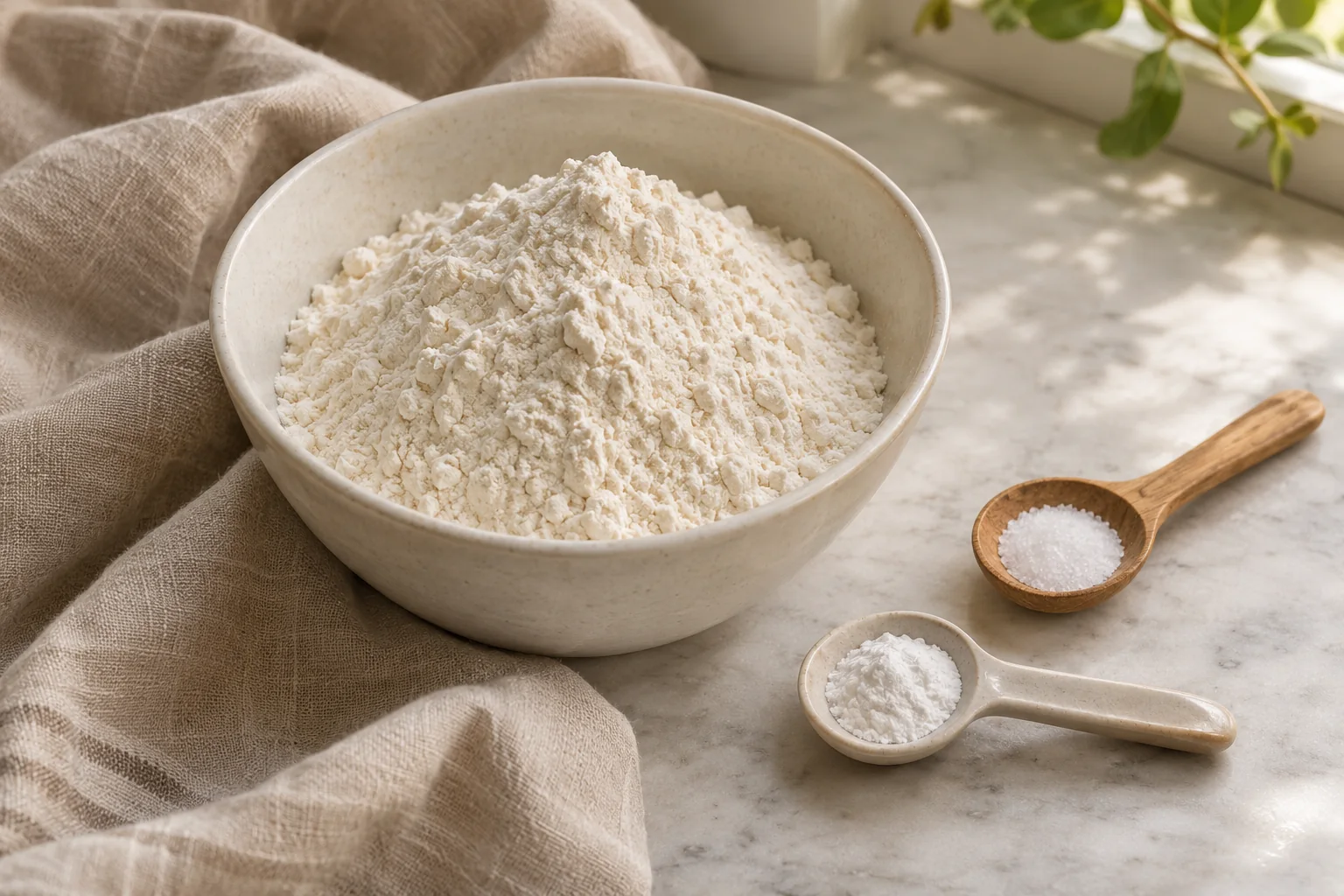
Baking powder usually includes sodium bicarbonate, one or more acid salts and a starch component that helps keep ingredients separated during storage. The precise formulation varies by manufacturer. Because it brings its own acid, baking powder can leaven a cake made with ingredients that aren't strongly acidic. It still needs moisture and the recipe's baking conditions to work properly.
Single-acting and double-acting
Some powders react substantially upon wetting, while many modern double-acting powders produce gas during mixing and an additional reaction when heated. The package label provides the best indication of the product's behavior. Don't assume every powder in every country has the same acid blend or response. A recipe designed around a common double-acting powder may behave differently with a specialty product.
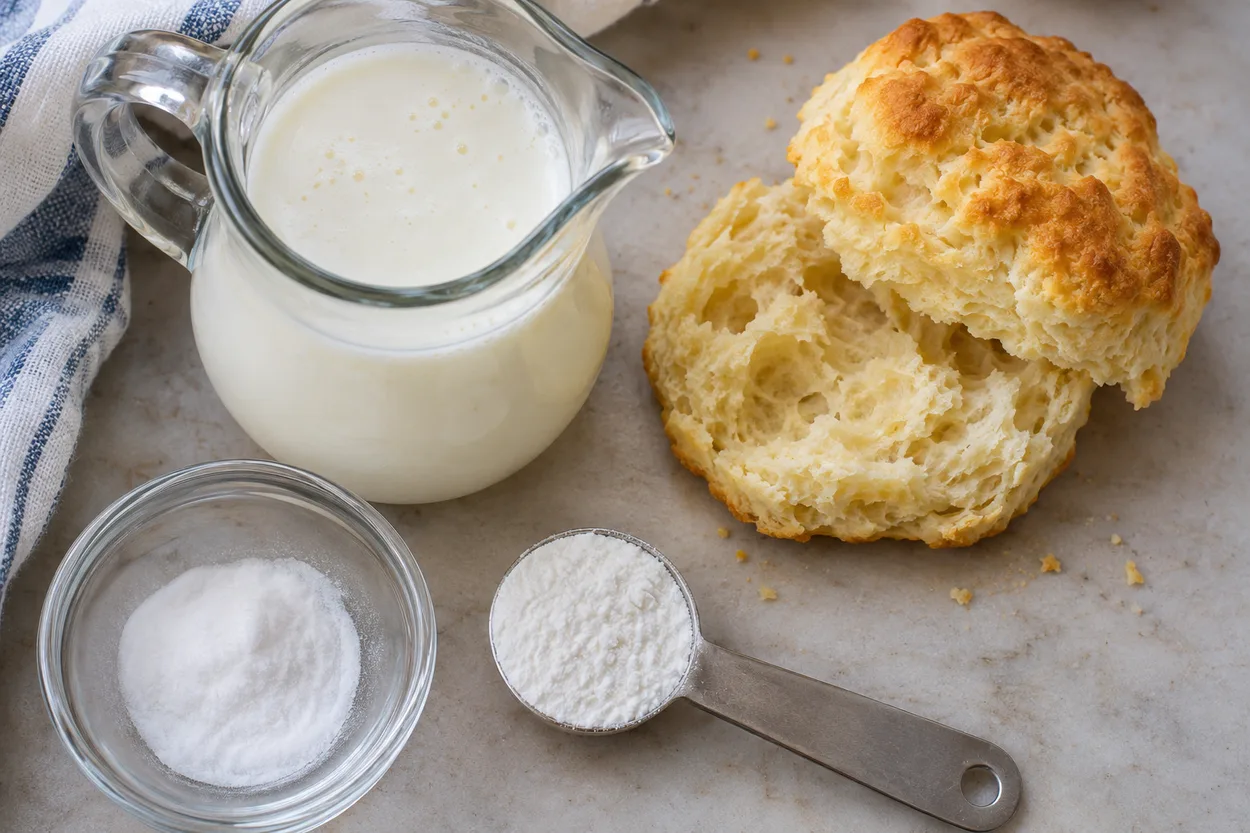
Why buttermilk matters
Cultured buttermilk is acidic and appears in many pancakes, biscuits and cakes that use baking soda. The recipe accounts for the acid and alkali balance. Swapping plain milk without adjustment may leave less available acid for the intended reaction. Use a tested milk-based version or a published substitution rather than adding lemon juice by guesswork.
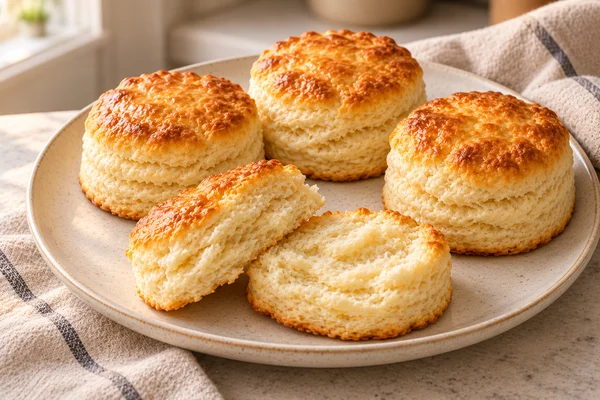
Check how the buttermilk and leaveners are paired in Buttermilk Biscuits.
Yogurt and sour cream
These cultured products contribute acidity as well as water, fat and proteins. A thick Greek yogurt may change batter consistency compared with thin buttermilk even when their flavors are similarly tangy. The amount of baking soda required depends on the whole formula, not merely whether an ingredient tastes sour. A direct swap can influence rise and crumb texture.
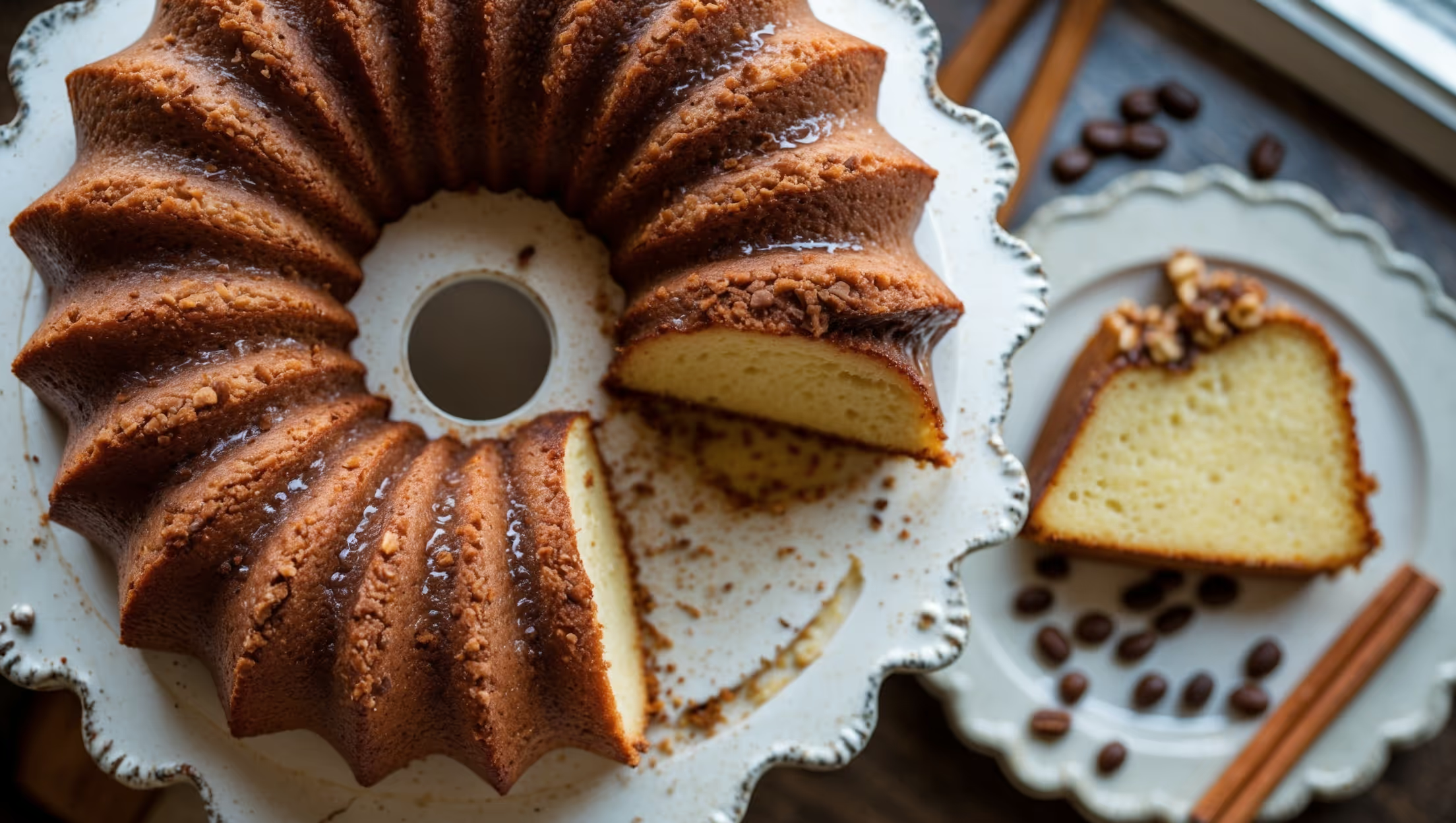
For Sour Cream Coffee Cake Bundt, keep the cultured dairy and leavener quantities together when scaling.
Natural cocoa and Dutch cocoa
Natural unsweetened cocoa is generally more acidic than Dutch-process cocoa, which has been alkalized. This difference may matter in chocolate cakes relying on soda. Recipes that also contain baking powder or other acids may be more flexible, but substitution shouldn't be assumed. The cocoa type also changes flavor and color.
Read the cocoa and leavening instructions in Chocolate Layer Cake before changing the type of cocoa.

Brown sugar and molasses
Brown sugar contains molasses components that can affect pH and flavor. Gingerbread and certain chewy cookies use molasses or brown sugar alongside baking soda in a balanced formula. Replacing all brown sugar with white may alter acidity and browning. Changing leavener at the same time makes outcomes difficult to interpret.

Why a recipe uses both
Some baking recipes combine soda and powder to meet different needs: soda reacts with acidic ingredients while powder provides additional leavening within the intended pH balance. A chocolate cake with buttermilk might use both. This isn't redundant by default. Follow the separate measured amounts instead of replacing them with one combined spoonful.
Baking soda and color
More alkaline batter can brown differently and may shift the color of some cocoa-based preparations. A very dark cake isn't necessarily more flavorful or better baked. Excess soda can also create an unpleasant chemical aftertaste. If the recipe's leavening is balanced, increasing soda for darker color isn't a reliable technique.
Baking powder and cake texture
Powder can provide controlled gas in cakes, muffins and biscuits, but the final volume also depends on mixing, egg structure, flour and oven temperature. Too much powder may cause rapid rise followed by collapse or leave an unpleasant flavor. Too little may produce dense cake. Measure carefully and choose the specific powder type the recipe expects.
Why old leavener may fail
Exposure to moisture and prolonged storage can reduce leavener effectiveness. Keep containers tightly closed in a dry environment and observe the manufacturer's best-before guidance. If a tested recipe repeatedly comes out flat despite correct mixing, freshness is worth checking. Don't simply double the amount to overcome a stale product; replacing it is safer for recipe balance.
The limits of home activity tests
A little baking powder in water may visibly bubble, and soda with an appropriate acid can fizz, showing some activity. These informal tests don't guarantee exact performance in a full cake formula or measure a precise remaining leavening strength. Fresh correctly stored product and a tested recipe remain more dependable than judging by the size of bubbles in a cup.
Can powder replace soda?
Because baking powder contains a smaller proportion of sodium bicarbonate combined with acids and starch, equal-volume substitution generally doesn't provide the same leavening or pH behavior. Some recipes offer a validated conversion for small amounts, but others cannot be adapted cleanly. A better choice is often to bake a recipe designed for the ingredient you have.
Can soda replace powder?
Baking soda lacks baking powder's built-in acid system, so replacing powder with soda alone can leave the batter too alkaline and poorly balanced. Adding random vinegar or lemon juice also alters hydration. If the recipe has no tested conversion, avoid guessing. An all-soda variation should be designed around adequate acid and appropriate amounts.
Biscuits and scones
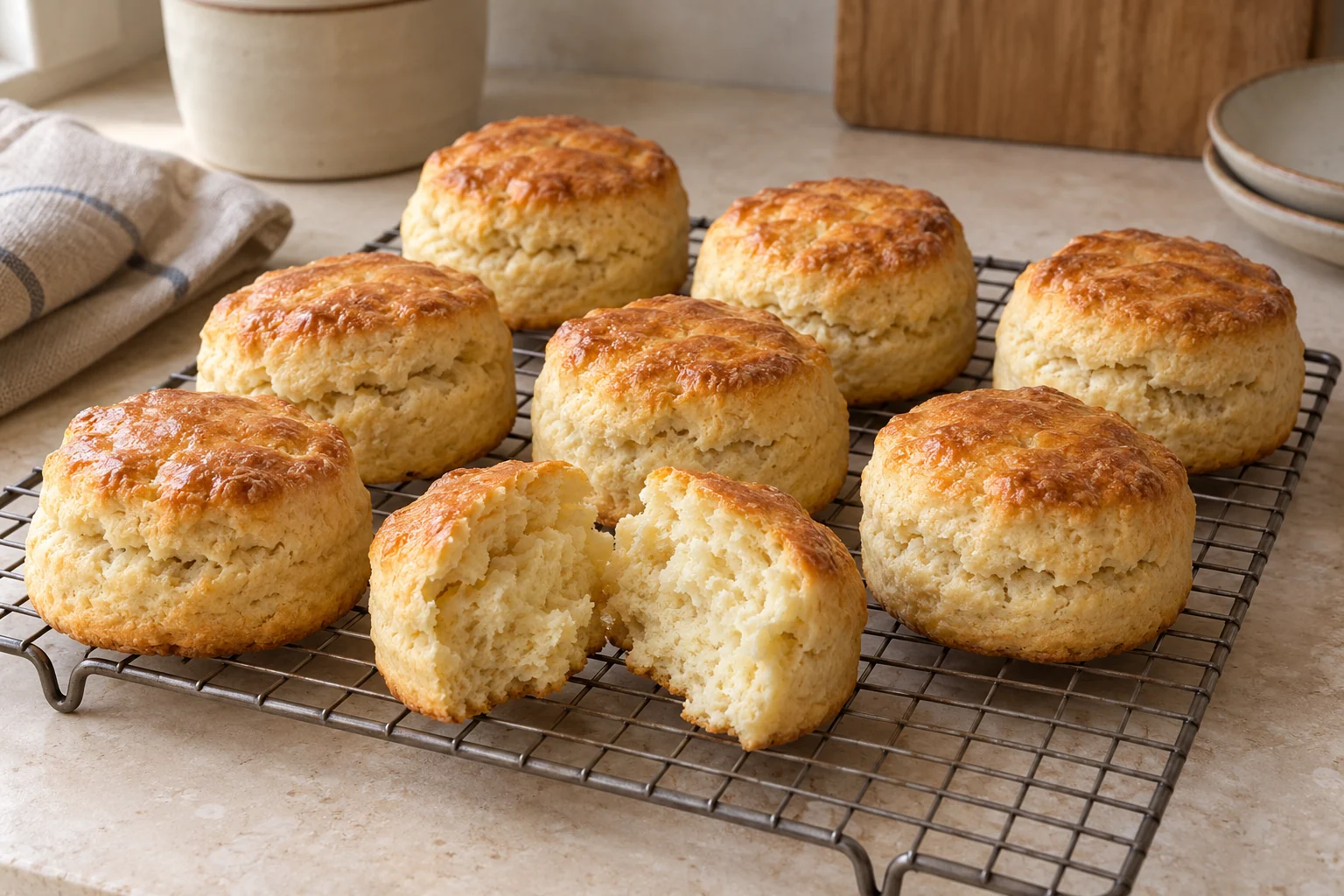
Quick breads often use chemical leaveners because they don't rely on long yeast fermentation. But their height also depends on cold fat, gentle handling, shaping and oven heat. A scone that spreads may have warm butter or excessive liquid rather than insufficient powder. Diagnose the physical dough before changing the leavener.
Use the leavener named in Basic Scones to establish a baseline for height and crumb.
Pancakes and waffles
A pancake batter may need enough leavening to produce a light crumb, but stirring too vigorously can develop gluten and reduce tenderness. Some batters lose gas during long resting, depending on powder type and formula. Use recipe-specified rest and cook promptly when directed. Additional soda isn't an alternative to controlling griddle temperature.
Cookies may spread or rise differently
Chemical leaveners contribute to cookie pH and structure, influencing texture alongside sugar, butter and flour. A soda-based chewy cookie may spread differently from a powder-based soft sugar cookie, but neither powder guarantees one texture. Choose a tested formula for crisp, soft or chewy cookies instead of treating leavener as a stand-alone switch.
Compare the spread of Classic Chocolate Chip Cookies only after checking the powder or soda actually measured.

Muffin tunnels aren't only leavening
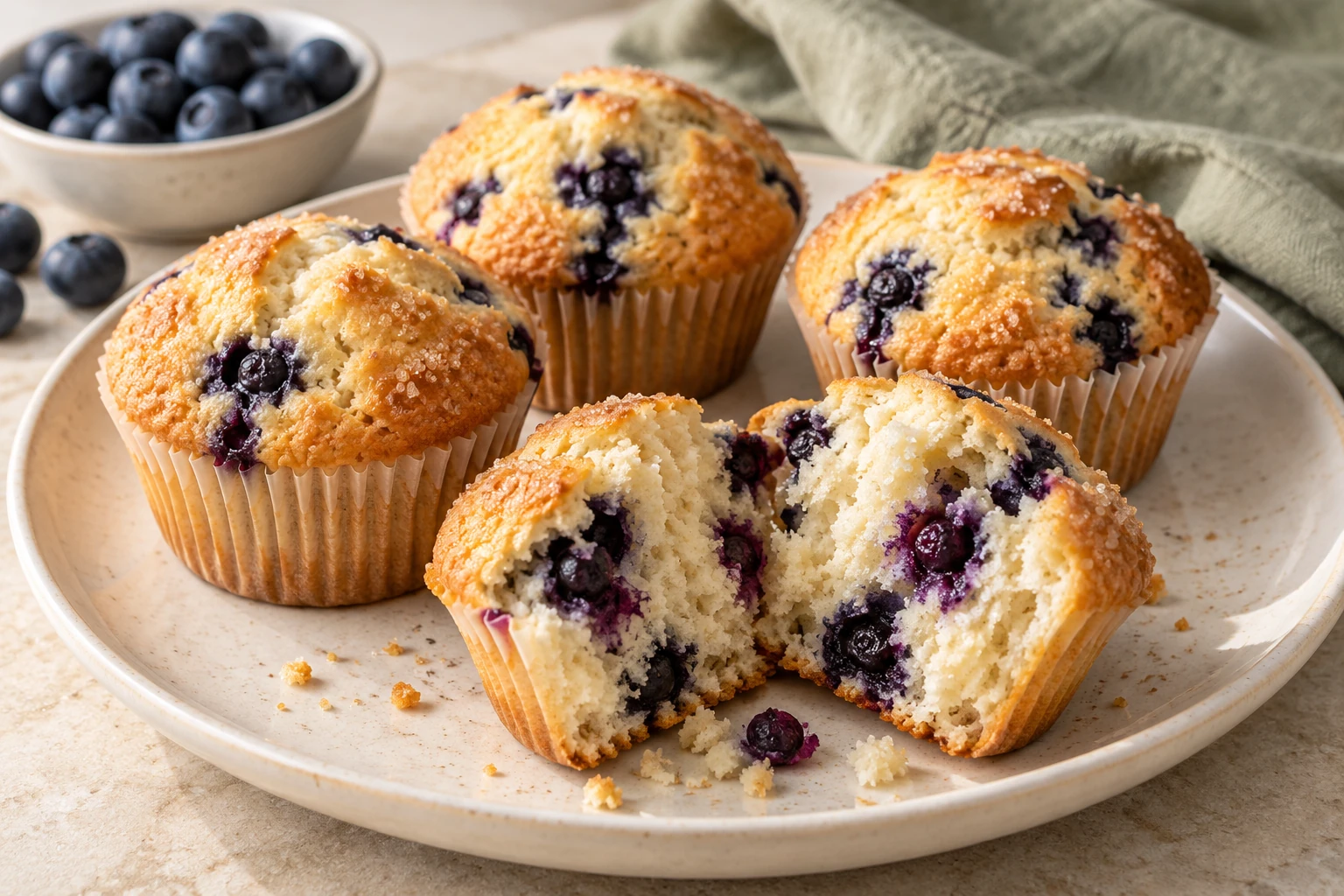
Large tunnels and tough texture may arise from overmixing flour, while excessive leavener can create irregular expansion. Check the batter method and portion fill as well as the powder quantity. A properly measured quick-bread batter usually needs gentle mixing, not prolonged beating to activate its leavener.
For Blueberry Muffins, inspect the crumb between the berries when assessing the rise.
Why an alkaline taste appears
A soapy or metallic taste may suggest too much soda or an improper acid balance, although some ingredients have their own bitter notes. Check the recipe's quantities, measuring spoon size and substitutions. Baking powder can also contribute an off taste if heavily overused. Never add a second spoonful just because the first batter doesn't look fluffy immediately.
What determines final cake rise
Gas generation, air incorporated during mixing and the batter's ability to hold bubbles until starch and proteins set all influence height. A stale powder can reduce gas, while overmixed or improperly emulsified batter may fail despite fresh leavening. An oven that's too cool can also alter setting. Troubleshooting should examine the complete system.

A careful comparison bake
Make a standard buttermilk pancake recipe and a separate plain-milk pancake recipe, following the leavener instructions of each. Observe height, flavor and texture after cooking. Don't replace soda with equal powder in one batch and attribute every difference to the chemical alone; the other recipe components may also need balancing.

Label and storage habits
Keep baking soda and powder in their original labeled containers to avoid confusion. Some people also use baking soda for cleaning, so separate household cleaning supplies from food ingredients. Use clean dry measuring tools, and never introduce moisture into bulk powder. A small clearly dated container can prevent accidental use of an old stale ingredient.
IN PICTURES
From the baking notebook
FROM THE RECIPE BOX


