
On this page
Back-to-school weeks can make even simple mornings feel busy. A few dependable bakes prepared on a quieter day can help: muffins for breakfast, small rolls for lunch and a tray of cookies for a treat. The goal is not to fill the freezer with twenty recipes. It is to select foods your family actually eats, package them sensibly and keep food safety and school allergy policies in mind.
Start with actual school routines
Check whether children eat breakfast at home, how long they have for lunch and whether a refrigerator or microwave is available. A cream-filled pastry requiring chilled holding may not work in a backpack. A plain muffin or suitable roll is easier to handle on a rushed morning.
Bake one breakfast item at a time
Choose a family-favourite banana, blueberry or apple muffin rather than three batches in one weekend. Freeze portions according to the recipe and rotate another item next week. This uses freezer space efficiently and reduces the fatigue of eating identical treats every day.
Banana oat muffins
A tested banana muffin with oats can be a convenient breakfast component. Use ripe fruit in the prescribed amount, bake completely and cool before wrapping. Pair with yogurt, fruit or another appropriate food for a more substantial morning.
Recipe to try: Protein Banana Oat Muffins. Follow this recipe’s ingredient amounts and complete method.

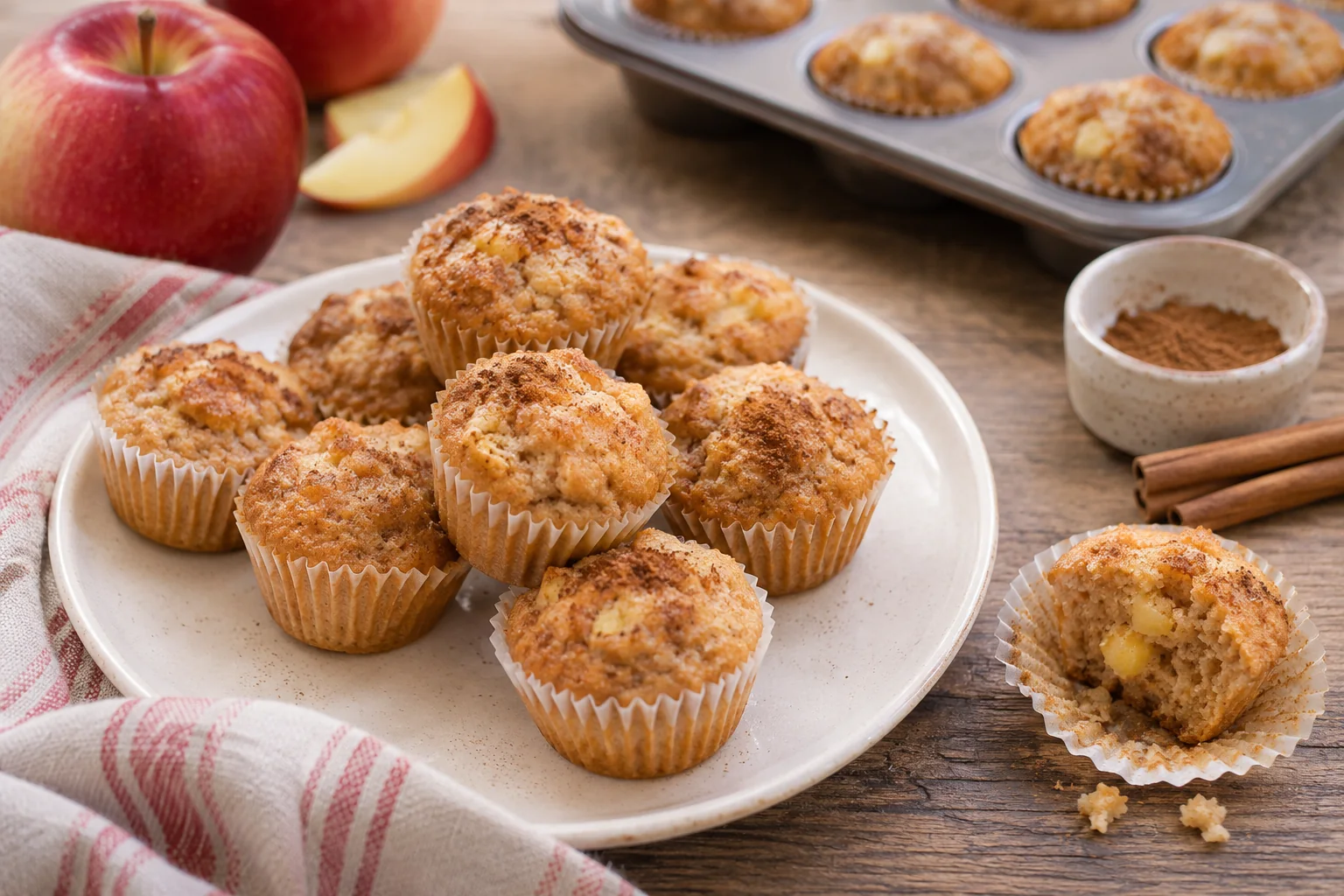
Apple cinnamon mini muffins
Mini muffins suit varying appetites and are easy to pack. Use a small-tin formula so the baking time matches the size. Finely diced or grated apple adds moisture, but too much wet fruit can make the middle pasty.
Recipe to try: Mini Muffins (Banana, Zucchini, or Apple). Follow this recipe’s ingredient amounts and complete method.
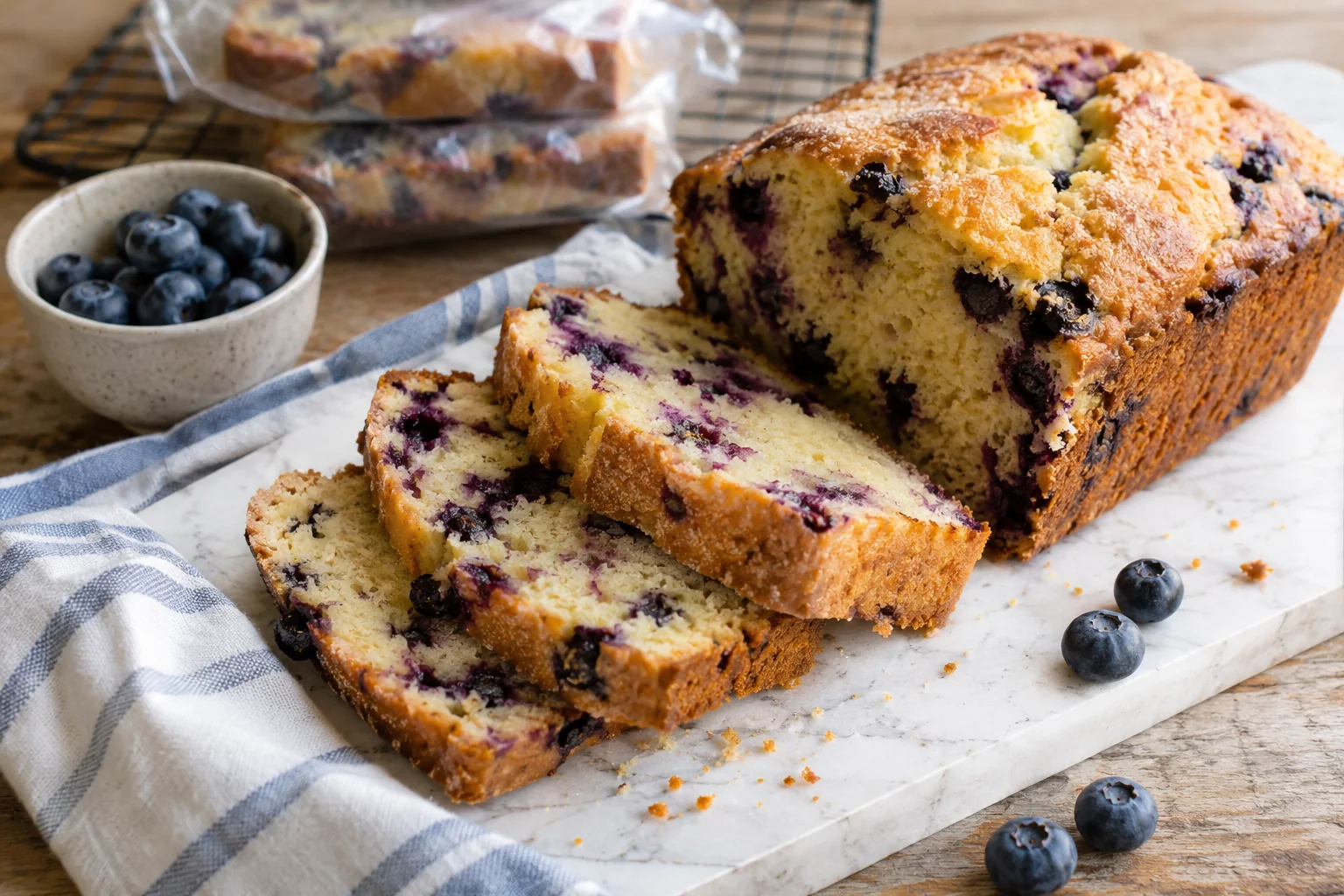
Blueberry breakfast loaf
A quick bread with blueberries can be baked and sliced after complete cooling. Wrap suitable portions for the freezer when the recipe permits. Frozen berries may be used in some formulas, but don't change moisture or flour amounts randomly.
Baked oatmeal squares
A pan of oats with milk or a suitable alternative, fruit and other measured ingredients can become portioned breakfast squares. Some versions are soft and spoonable; others hold like bars. Choose the texture appropriate for school mornings and follow the recipe's refrigeration instructions.

Homemade waffles for reheating
Bake waffles in batches, cool on a rack and freeze in portions according to a tested method. A toaster or oven often restores crispness better than sealing warm waffles in a bag. Keep syrups and spreads separate until eating.
Recipe to try: Sweet Potato Waffles. Follow this recipe’s ingredient amounts and complete method.

Savoury rolls
Small cheese-and-herb rolls or plain bread rolls provide a savoury alternative to sweet muffins. Use a tested recipe with proper dough proofing and baking. Cheese-rich fillings are perishable and need appropriate cold packing when sent to school.
Recipe to try: Classic Dinner Rolls. Follow this recipe’s ingredient amounts and complete method.

Pizza pinwheels
A suitable baked dough with tomato sauce and cheese can become easy lunchbox pieces. Keep wet sauce modest to prevent soggy centres. If meat is used, fully cook it according to the method and maintain safe storage and reheating.

Simple oat bars
Baked oat bars can be useful when they hold together without crumbling. Check any nut or seed additions against school policy. A bar with raw untreated flour still needs complete baking even if the recipe markets it as a quick snack.

Cookies are treats, not the whole lunch
Homemade cookies can be a pleasant addition to a packed meal. Keep portions suitable and pair them with more substantial foods. A tray of cookies labelled back-to-school isn't automatically a nutritionally complete lunch.
Frozen fruit is helpful
Frozen berries and other fruit can reduce food waste and simplify baking, but check whether the recipe calls for thawing. Some products require cooking before consumption. Keep the rest of the bag properly frozen after measuring what you need.
Check the school's food policy
Rules about peanuts, tree nuts, sesame, homemade treats and shared food vary. Read all packaged labels and do not assume a recipe lacking visible nuts is allergy-safe. Follow school requirements rather than trying to work around them.
Cross-contact in home kitchens
A cake may contain a verified flour yet encounter traces from shared mixing bowls or utensils. For medically required avoidance, prepare with appropriate cleaning and use ingredients whose labeling meets the need. Be honest when safe preparation cannot be guaranteed.
Use a small freezer system
Label packages with the baked item and date. Freeze portions in quantities you actually use, rather than one tightly joined bundle of twenty muffins. A simple list on the freezer door helps keep older packages in rotation.

Cool before wrapping
Warm muffins release steam, which condenses inside tightly closed packaging and can create wet surfaces. Cool completely as the recipe directs. Perishable egg or dairy fillings may require more controlled handling than ordinary plain baked breads.
Reheat and pack safely
Follow the baked item's thawing instructions. Keep dairy, eggs, cooked meat and cut fruit cold at or below 4°C (40°F) where applicable, using insulated lunch bags and ice packs. Avoid leaving perishable food on a desk for hours.
Avoid the Sunday marathon
A realistic preparation session might include one tray of muffins, a batch of washed fruit and a simple review of lunch supplies. You don't need an entire freezer wall of identical containers to make mornings easier. Add to the system gradually.
Make children part of the routine
Children can count liners, choose approved fruit mix-ins or label cooled containers, under age-appropriate supervision. Adults manage hot ovens, powered mixers and raw ingredients. Raw flour dough and batter should not be tasted.
A five-day breakfast rotation
Monday: banana muffin and yogurt. Tuesday: toasted waffle and fruit. Wednesday: savoury roll with an appropriate protein. Thursday: oatmeal square. Friday: a small slice of homemade quick bread. Adjust to appetite, budget and family preferences.
A five-day lunchbox rotation
Use a plain roll with a suitable filling, leftover safely stored savoury pinwheels, a grain bowl, soup in proper equipment and an easy packed snack plate. Baked items are components, not necessarily complete meals. Keep fresh toppings separate until needed.
Create a two-week starter rotation
For the first week, bake one muffin batch and freeze appropriate portions. For the second week, make a savoury roll or baked oatmeal square. Repeat what the family enjoyed and skip the items that came home untouched. This builds a useful freezer collection gradually rather than crowding it with three varieties of treats that all need to be eaten within the same week.
Breakfast and lunch aren't interchangeable
A small chocolate muffin can be a pleasant breakfast accompaniment or lunchbox treat, but it doesn't replace the need for a more substantial meal. Think of baked food as one part of the plate. Add fruit, vegetables and an appropriate protein-containing food based on appetite and household needs. A sweet quick bread may be an excellent component without being a complete weekday routine.
How to use a school food checklist
Before packing, confirm that the item meets the school's current rules, ingredients are known, the wrapper opens easily and the serving suits the child's age. If a refrigerated filling is included, use an insulated lunch bag and suitable cold packs. For severe allergy restrictions, ordinary home baking may be inappropriate if cross-contact cannot be controlled. These checks take less time than discovering at school that a homemade treat cannot be shared.
Keeping muffins tender in the freezer
Allow baked muffins to cool fully, wrap portions using freezer-suitable packaging and label with the date. Keep strong-smelling foods sealed separately. Thaw according to the recipe; some muffins are pleasant after refrigerator thawing, while others may be gently refreshed in an oven under an approved method. An overheated microwave can make a muffin tough or unevenly hot, so test one serving before establishing a morning routine.
A balanced shopping list
Choose flour or oats, one fruit that works in several recipes, eggs or a suitable replacement, a fat, leavening and a few flavourings. Check existing pantry supplies before buying. Apples can go into muffins and lunchbox fruit, while a bag of frozen berries can be used across several tested recipes. A narrow reusable ingredient list reduces waste more effectively than preparing a different speciality bake every weekday.
When the first week gets too busy
Use a reliable frozen portion or suitable packaged food rather than attempting a new baking project late at night. The routine should lower pressure, not create it. If an overnight dough or complicated egg bake needs extensive preparation, move it to the weekend. Families can always fall back on toast, fruit and another appropriate food without losing the spirit of homemade baking.
What to review at the end of the month
Notice which items thawed well, which became soggy in lunchboxes and whether portion sizes matched appetite. Ask children what they liked without making them responsible for meal planning. Keep two dependable favourites and try one new recipe next month. Consistent gradual changes create a practical school-year system rather than a pantry full of abandoned meal-prep ambitions.
A realistic freezer inventory
Keep a short dated list of the breakfast bakes stored in the freezer and how many individual portions remain. That avoids discovering three half-empty bags of the same muffins while shopping for ingredients. Rotate the oldest suitable packages first, and plan one baking session only when supplies genuinely run low. A visible inventory is often more useful than doubling every recipe on Sunday.
Make consistency your goal
A handful of reliable recipes, realistic portions and safe storage provide more value than an ambitious set of unfamiliar projects. Back-to-school baking should reduce morning decisions while still leaving room for variety.
More recipes from What’s Baking?
Round out your plans with these recipes from our kitchen. Open each recipe for the full ingredient list, method and serving details.
IN PICTURES
From the baking notebook
FROM THE RECIPE BOX


