On this page
A bread dough can become easier to stretch simply by being left alone for a short time. The autolyse method uses that pause deliberately: flour and water are mixed, then rested before the remaining dough ingredients and most kneading are added. The technique helps flour hydrate and gluten begin developing without intensive mechanical work. It can be especially useful for lean wheat breads, but it isn't necessary for every loaf.
What is an autolyse?
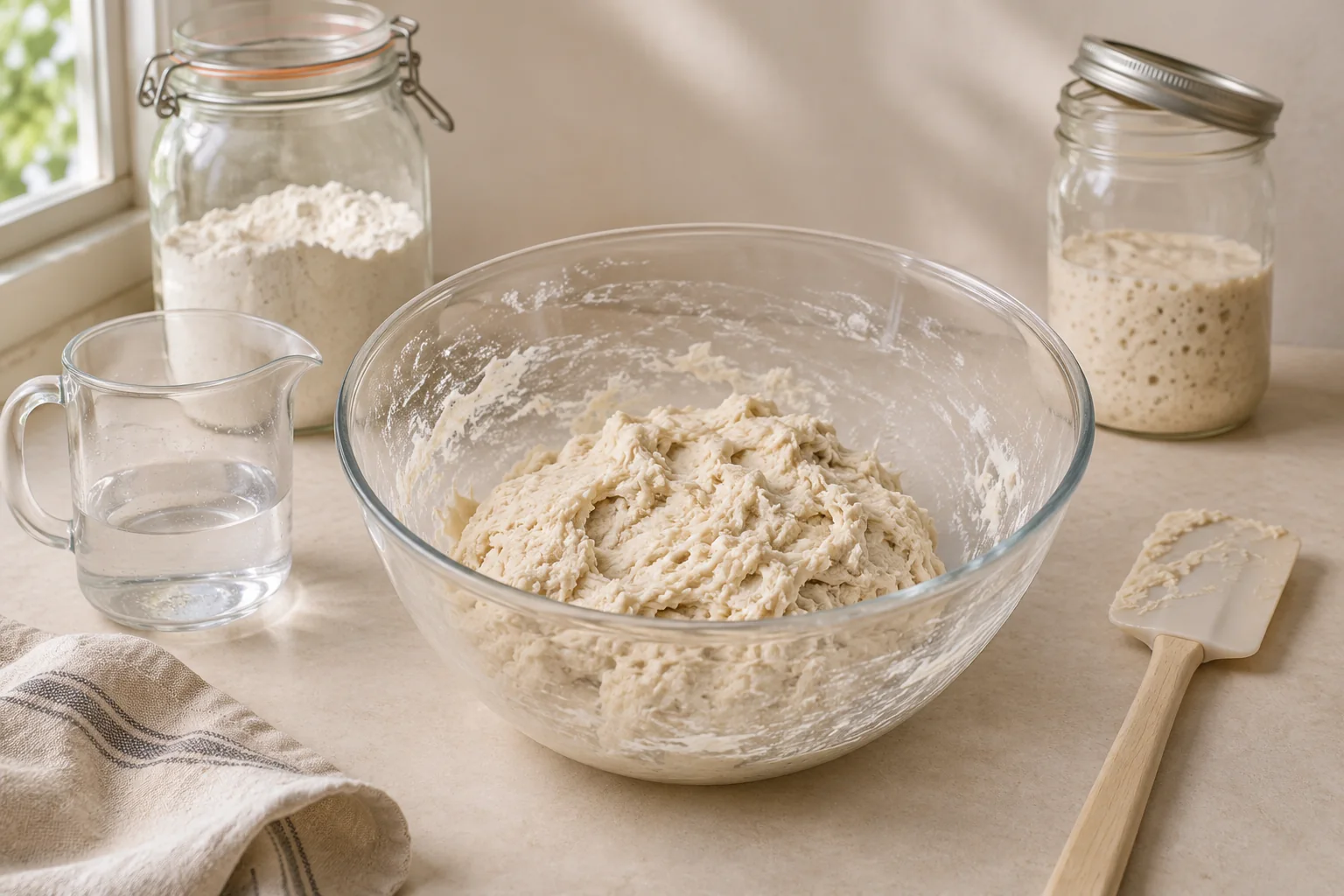
In the classical method, mix the recipe's flour and water just until no significant dry flour remains, cover and let the mixture rest. Salt and yeast are normally withheld until afterward.
Why it works
Flour particles continue absorbing water while the dough rests. As hydration proceeds, wheat proteins can associate and form a developing gluten network. That can make the dough feel smoother, less resistant and more manageable when later kneaded. The rest is doing useful physical and biochemical work rather than replacing all mixing.
How it differs from fermentation
An ordinary autolyse isn't a separately fermented starter. Without deliberately added yeast or levain, it isn't intended to generate the gas that raises bread. Fermentation comes after the main dough is assembled, although flour naturally contains enzymes and microorganisms that may still be active.
Autolyse versus a general rest
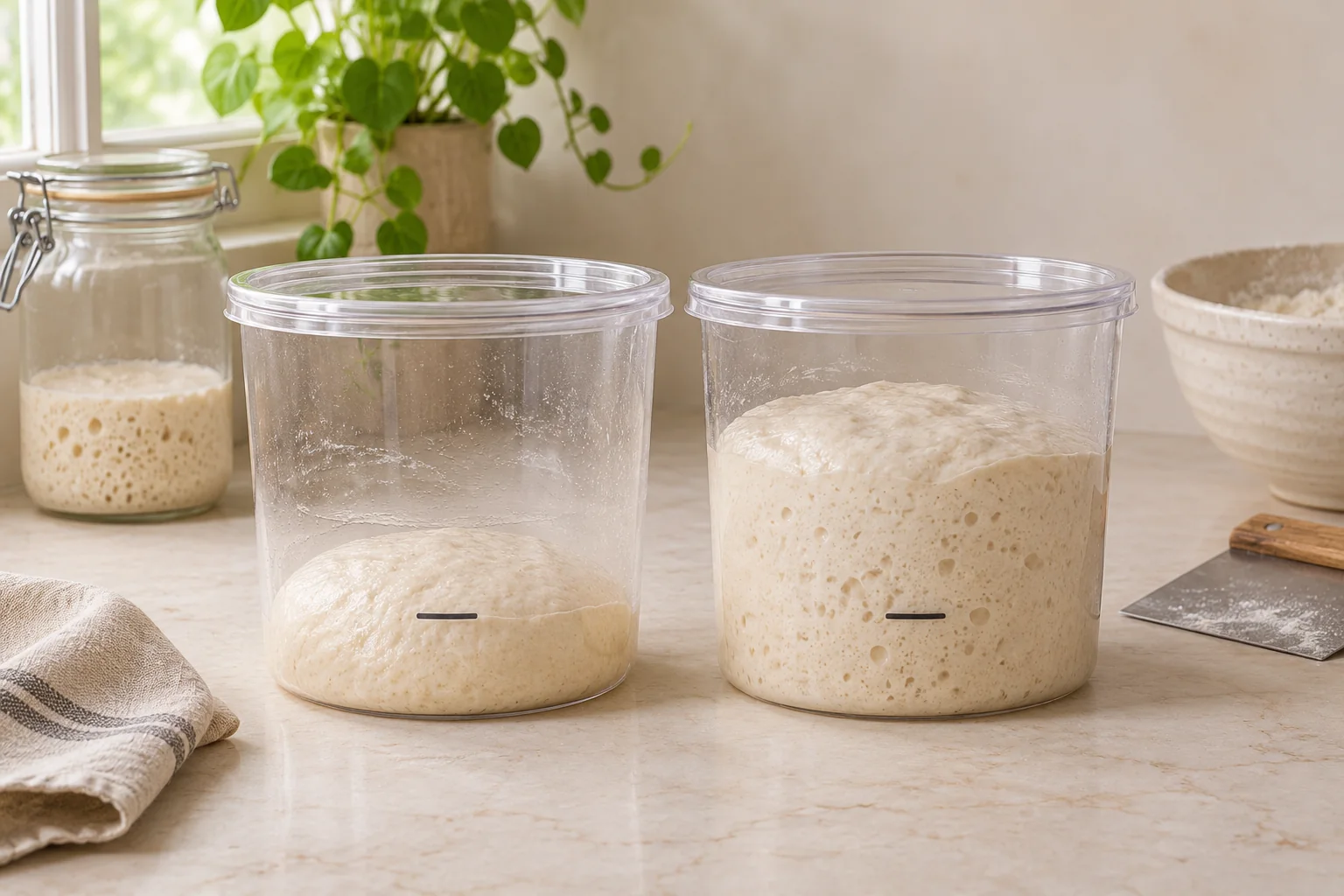
Bakers sometimes call any pause after mixing an autolyse, even when salt and yeast are already included. A rest with all ingredients can still improve dough handling, but it is sometimes called a modified autolyse or fermentolyse depending on what's present. Distinguish the process by ingredients rather than by the label.
When to add salt
Salt is commonly kept out of a classical autolyse and added after the rest. It influences dough properties and fermentation, and certain bakeries use the omission to encourage extensibility during the hydration stage. Follow the formula's exact timing rather than forgetting salt entirely.
When to add yeast
Commercial yeast is generally introduced after the classical rest, along with salt and any remaining ingredients. Follow the chosen bread method rather than forcing a textbook definition onto every formula.
How to measure water
Use the flour and water already listed in the bread formula, not additional amounts. If the recipe reserves a small portion of water to dissolve salt or yeast later, keep that amount aside. Unmeasured extra water changes hydration and makes the final loaf harder to compare.
Mix only enough to hydrate
At the beginning, the dough can look shaggy and uneven. You are not trying to knead it to a full windowpane immediately. Stir or squeeze until the flour is moistened, then cover the bowl to prevent the surface from drying during the rest.
Choosing the rest duration
A short 20-minute pause may already make a noticeable difference. Some formulas benefit from a longer period; very long rests can affect dough strength or enzyme activity. Use the time specified for the flour and dough temperature rather than assuming overnight is an improvement.
Room temperature matters
Warmer conditions accelerate hydration and enzymatic activity; a very hot kitchen can alter dough behaviour during extended resting. Recipes normally assume a particular dough temperature. Keep the mixture in a suitable environment and avoid leaving perishable enriched ingredients warm for a lengthy interval.
Why dough may become stretchier
After hydration, a wheat dough often resists rolling or stretching less sharply than it did immediately after mixing. This can make folds and shaping easier. The difference is particularly useful in baguette-style doughs that need extensibility without tearing.
Recipe to try: Baguette. This baguette is a direct-yeast bread example. Follow its published mixing sequence; it is not a poolish formula simply because it is a baguette.

Does autolyse strengthen gluten?
It helps the conditions under which gluten develops and can reduce how much intensive kneading is needed. But strength isn't created independently of flour protein, mixing, fermentation and folds. Too much resting in an unsuitable dough can allow excessive breakdown rather than unlimited improvement.
Why lean wheat bread is a natural fit
A classic flour-water-salt-yeast dough allows the hydration stage to proceed simply. Enriched doughs with large quantities of butter, sugar or egg involve additional mixing and food-safety considerations. Their recipes may use a different rest or no autolyse at all.
Recipe to try: Sourdough Country Loaf. The loaf calls for active starter. Check its maturity and the dough’s fermentation cues before moving on to shaping.

Whole-grain flour considerations
Whole wheat contains bran and germ, which influence water absorption and gluten behaviour. A properly chosen rest can help hydration, but longer isn't necessarily better. Use a whole-grain-specific recipe and respect its flour type and temperature.
Why rye needs caution
High-rye dough doesn't develop a wheat-like gluten network and has different enzymatic and acidity requirements. Choose a rye formulation instead of transferring a white-bread schedule.
Autolyse versus tangzhong
Tangzhong gelatinizes starch by heating a portion of flour with liquid. Autolyse hydrates uncooked flour by resting it. They solve different technical problems; tangzhong often targets softness and moisture retention, while autolyse typically targets mixing and gluten handling.
Autolyse versus poolish
A poolish is a fermented preferment prepared earlier using flour, water and yeast. An autolyse is generally a short nonfermented hydration rest inside the bread process. A bread can use both, but the recipe must specify which ingredients go into each stage.
What if the dough feels too soft afterward?
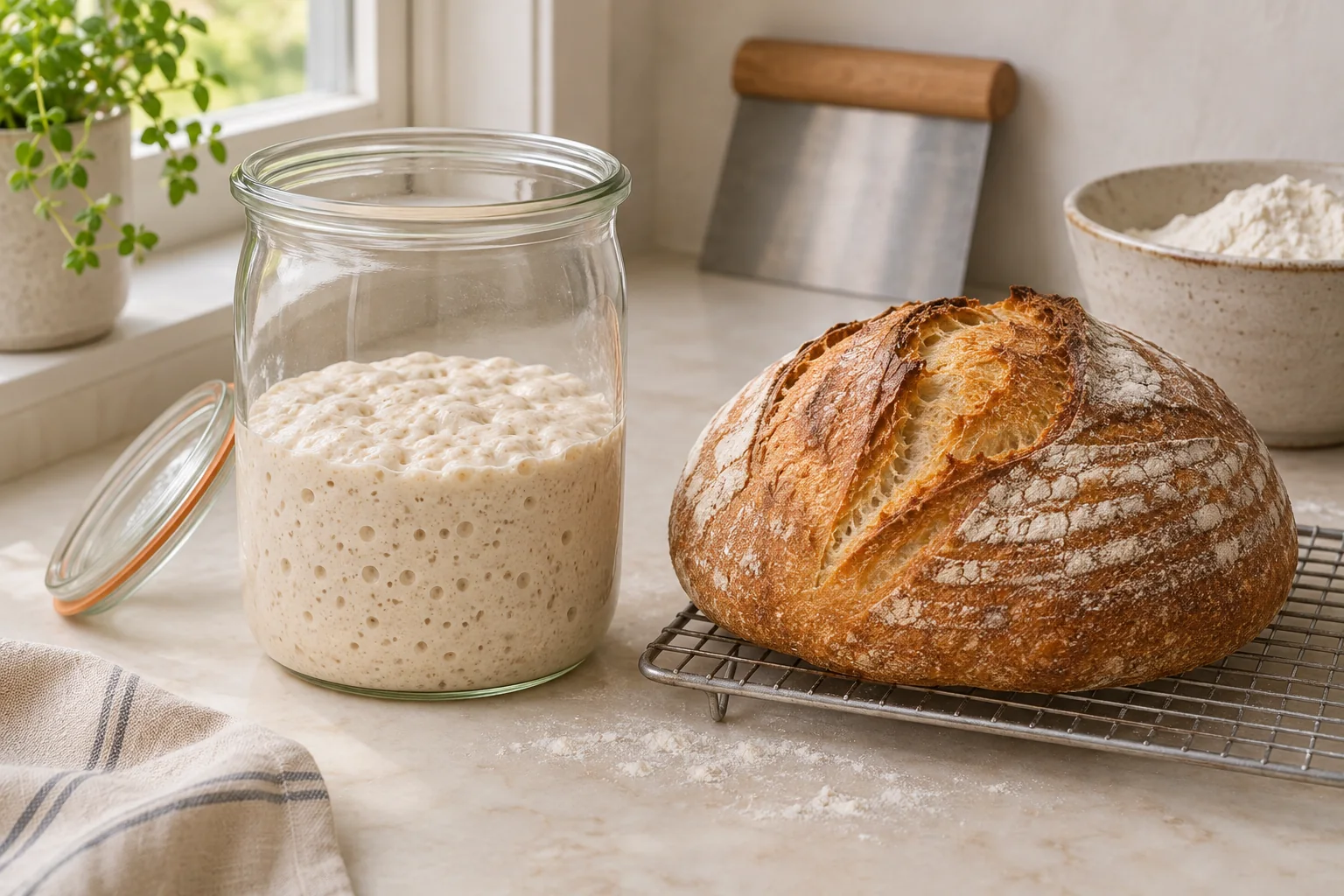
Rested dough can become more supple, which may initially feel sticky. Follow the recipe's mixing and folding stages before adding extra flour. If the final dough is genuinely too wet, check ingredient weights and whether you inadvertently added all reserved water twice.
What if it keeps tearing?
The flour may not have enough protein for the target bread, the rest may be insufficient or the final gluten development may need more work. One pause doesn't replace proper mixing. Diagnose with the whole dough method rather than doubling the autolyse time.
Frequently asked questions
Is autolyse required for sourdough? No. Should you add salt before? Not in the classical version, but modified methods exist. Can it last overnight? Only under a specific controlled recipe. Does it replace kneading? It can reduce work, not eliminate every development step. Is it fermentation? Not ordinarily.
Use the pause intentionally
Measure the flour and water, hydrate them thoroughly, rest for the interval suited to the dough and then add the remaining ingredients. A calm short pause can make shaping easier and preserve good dough character without an elaborate new ingredient.
Recipe to try: Ciabatta Bread. This is a separate bread formula with its own water range and mixing method. Add a resting stage only when the recipe supports it.

IN PICTURES
From the baking notebook
FROM THE RECIPE BOX


