On this page
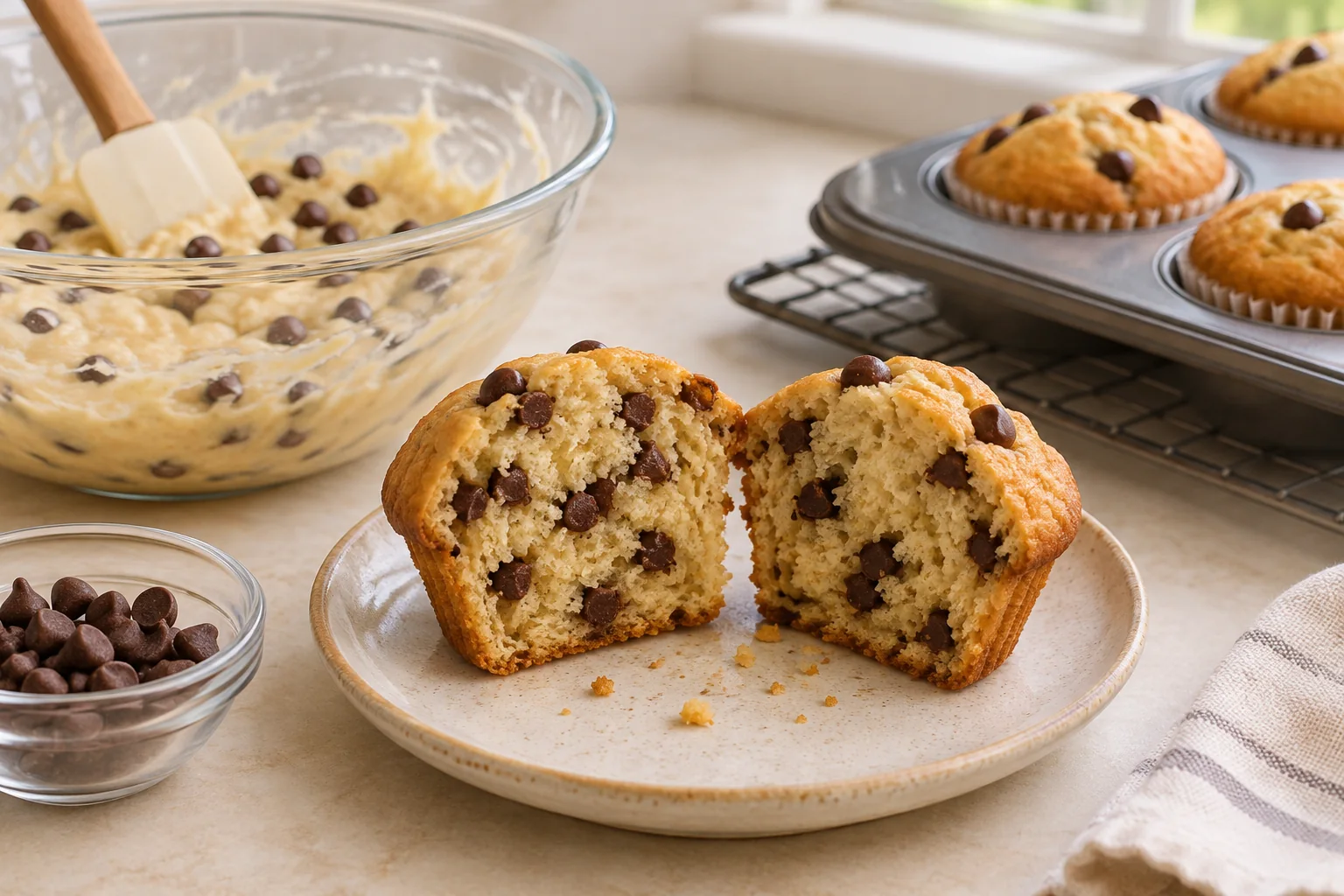
A chocolate chip muffin should have chocolate in every bite, not a row of chips stuck to the bottom of the paper liner. Getting an even distribution is usually a matter of choosing the right chip size, measuring the quantity carefully, mixing briefly and using a batter intended to carry add-ins. Those details matter far more than a trick involving a thick layer of extra flour.
Choose a muffin recipe designed for add-ins
Start with a reliable plain, vanilla, banana or chocolate muffin formula that specifically allows chocolate chips. Its flour, liquid and leavening balance should be able to support the stated inclusion weight. A delicate sponge-cake batter is not necessarily a suitable substitute simply because it can be baked in a muffin tin.
Choose regular or mini chocolate chips
Mini chocolate chips distribute more evenly through small muffins, so each bite may contain chocolate. Regular chips create larger pockets and suit standard or jumbo muffins. Large chocolate chunks can look appealing but may make small muffins difficult to portion or slice. Choose the format that matches the recipe and the finished texture you want.
The difference between chips and chopped chocolate
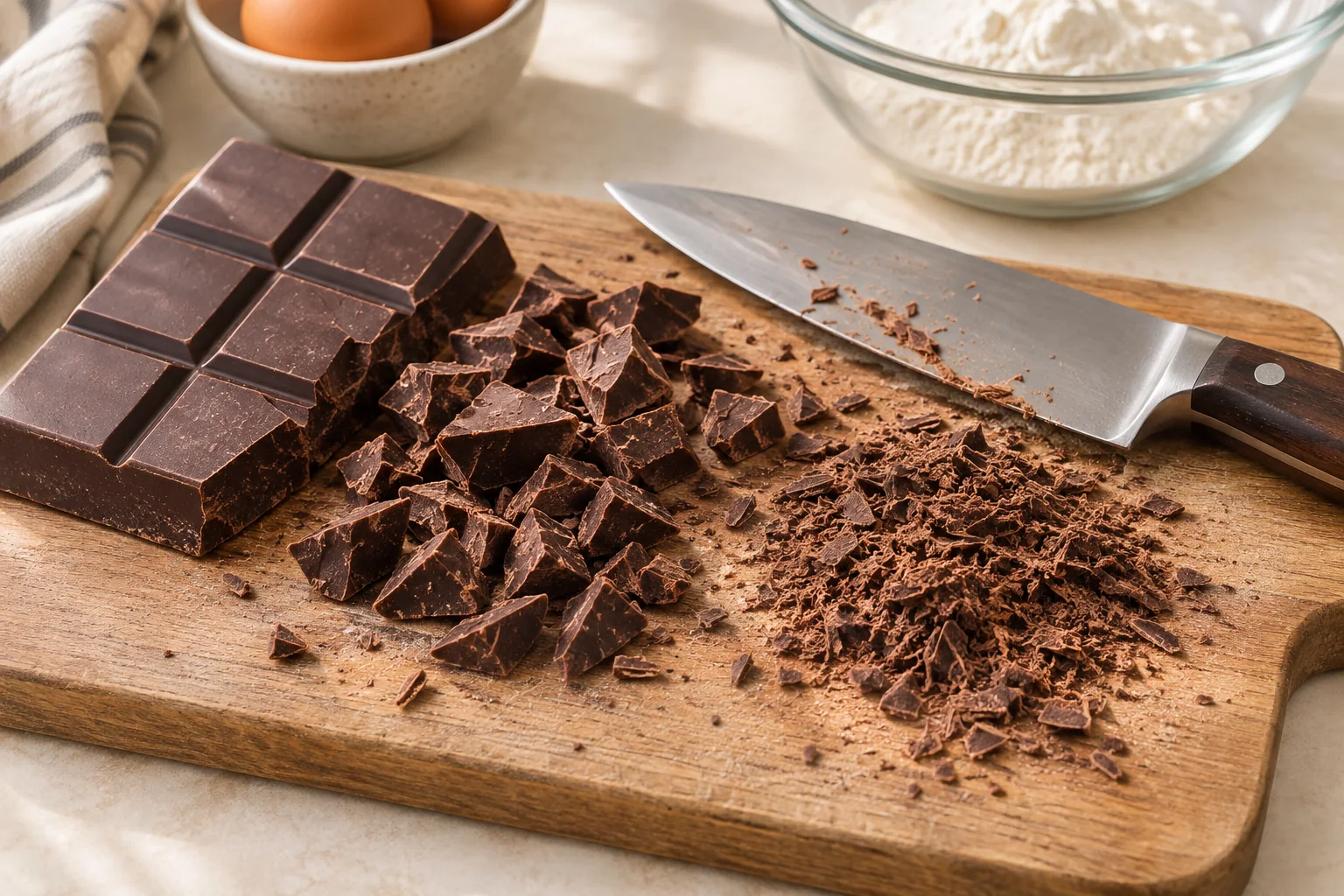
Many baking chips are formulated to retain a recognizable shape during baking. Chopped bar chocolate often makes irregular pools, tiny flecks and larger shards. Either can be delicious, but a recipe designed for uniform chips may look quite different with big chopped chunks. Chocolate percentage also changes sweetness and intensity.
How many chips should you add?
Use the weight specified by the recipe. Adding twice as much can make batter dense or leave the crumb unable to support the chocolate. If a recipe lists a total mix-in allowance for nuts, berries or chips, don't use the full allowance of each at once. For an unfamiliar formula, begin with its tested option rather than adding a whole bag by instinct.
Why chip weight is more reliable than cups
A cup of miniature chips and a cup of large chunks have different spacing and may not weigh the same. When your recipe gives grams, use a scale. If it gives volume, follow the stated cup measurement for the chip size intended. Record the product used so future batches are reproducible.
When to add chips to the batter
In many muffin-method recipes, combine wet and dry ingredients gently, then fold in the chocolate chips near the end. Other formulas ask you to stir the chips into the dry ingredients first. Both can work when deliberately tested; the important part is avoiding unnecessary mixing after the flour becomes wet.
How to fold chips without toughening muffins
Use a flexible spatula to lift batter from the bottom and turn it over the chips. Continue only until pieces appear reasonably distributed. Some small flour streaks disappear with the final folds, but unmixed dry pockets should not remain. Excessive vigorous stirring in many wheat-flour muffin batters can promote toughness and tunnelling.
Why chocolate chips sometimes sink
A thin batter may allow relatively heavy pieces to settle before the crumb sets. Very large chocolate pieces and excessive mix-in quantities make the problem more noticeable. If almost every chip collects at the bottom, first check that the batter has the correct flour and liquid amounts and has not been thinned with extra milk or juice.
Does tossing chips with flour help?
Some recipes dust add-ins with a small amount of flour before folding them in, but it is not a universal solution. A thin batter can still allow pieces to sink, while unmeasured extra flour alters hydration. When the developer directs you to coat the chips, use flour taken from the measured recipe amount if specified.
A better way to distribute chips
A thicker muffin batter designed for generous mix-ins often gives more predictable distribution than a very loose cupcake-style batter. Portion promptly after mixing so chips don't have time to settle in the bowl. Use a scoop and gently redistribute pieces between portions rather than stirring the entire bowl over and over.
Recipe to try: Chocolate Chip Muffins. This muffin formula already accounts for chocolate chips. Use its quantity before experimenting with larger add-ins.
How to make the tops look bakery-style
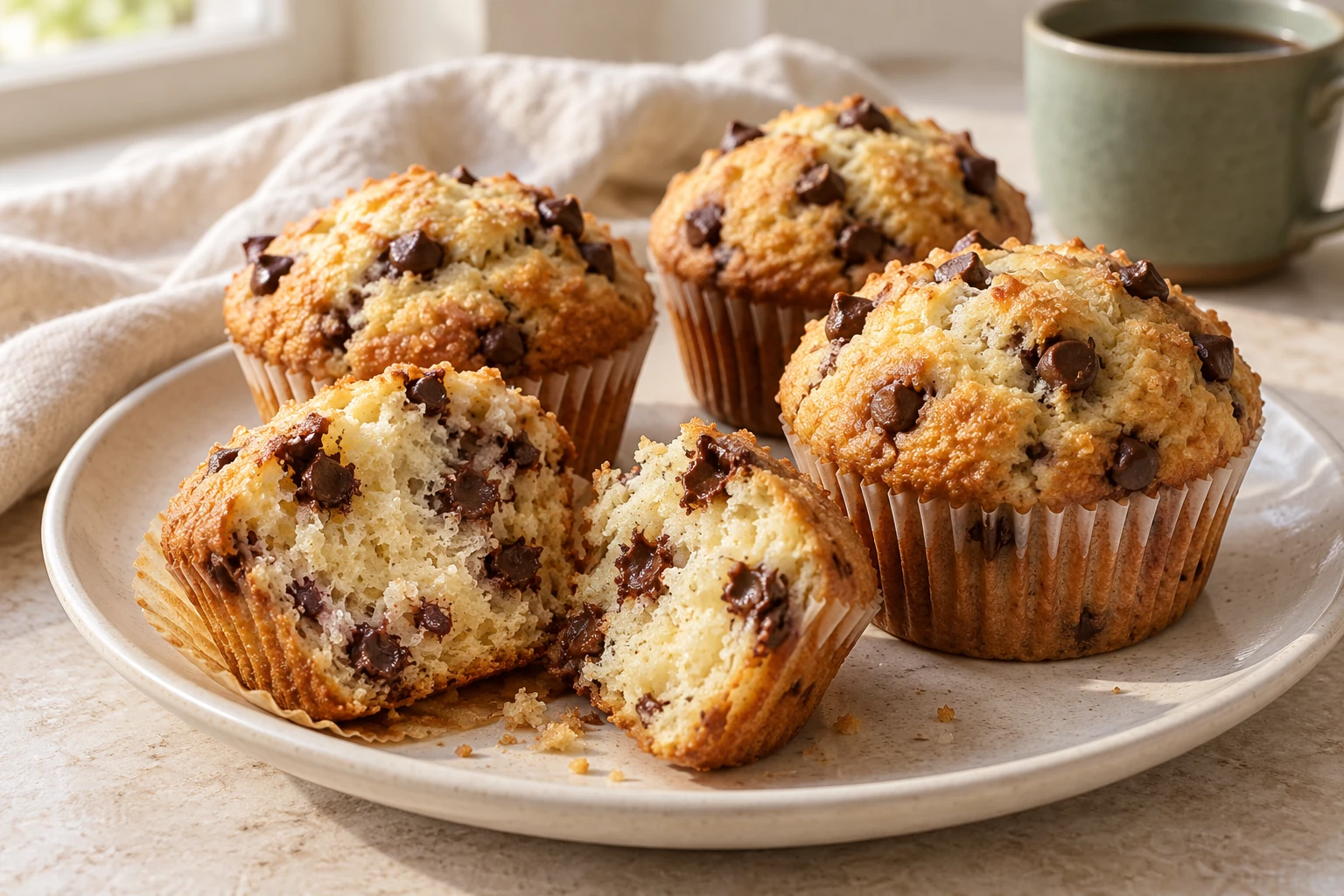
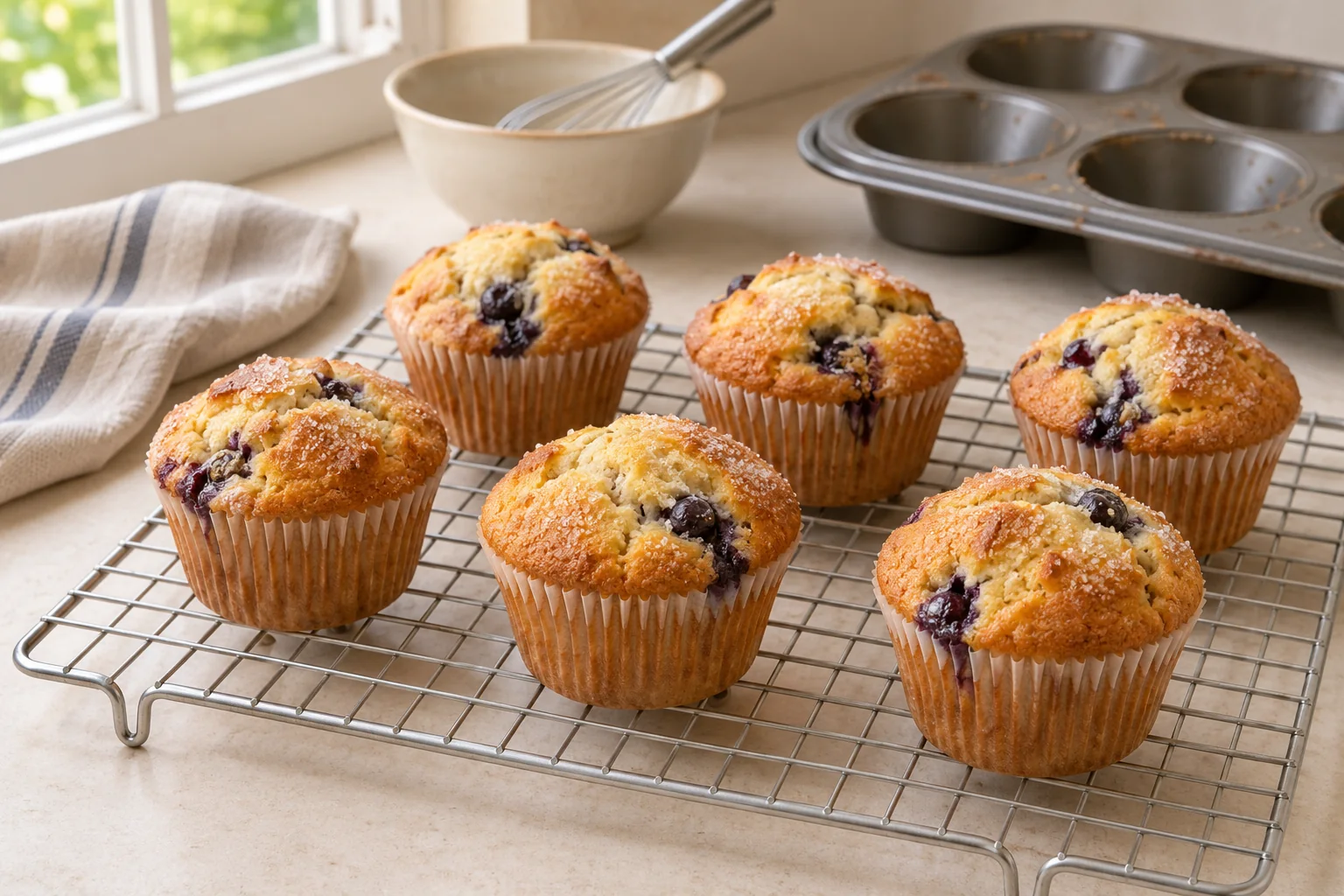
Some recipes reserve a measured portion of chips to scatter onto the filled muffin cups before baking. This creates visible chocolate without changing the total amount. Press pieces lightly into batter when directed; chips sitting on a very exposed dry surface may brown differently from those embedded inside.
Recipe to try: Blueberry Streusel Muffins. The streusel creates a separate topping texture. Cool the muffins before packing so trapped steam does not soften it unnecessarily.

Prevent scorched chips on top
Chocolate pieces exposed to the oven's strongest heat can dry or become overly dark. Use the specified rack position and oven temperature. Don't switch on the broiler to get a darker muffin crown, and avoid adding extra surface chips beyond the tested quantity.
Chocolate chips in banana muffins
Bananas add moisture and sweetness, so banana muffins often pair well with bittersweet or semisweet chocolate. Weigh the mashed banana because extra fruit can produce wet centres. Add chocolate at the stage recommended by the banana-muffin formula rather than converting an ordinary vanilla batter by guessing.
Chocolate chips in pumpkin muffins
Pumpkin purée makes a dense, moist batter. A chocolate chip variation should use a measured quantity of purée and properly balanced leaveners. Oversized chocolate pieces combined with excess pumpkin can leave gummy areas; follow a tested pumpkin chocolate chip muffin recipe.
Double-chocolate muffins
When cocoa is already present in the batter, chocolate chips contribute melted pockets and a contrast in texture. Some recipes use melted chocolate too, creating a different balance of sugar and fat. Don't replace all the chips with cocoa powder; cocoa is a dry ingredient rather than a piece-for-piece equivalent.
White chocolate chips in muffins
White chips are sweet and often retain their shape differently from dark chips. Real white chocolate and white compound chips may not have the same ingredients or melting properties. Raspberry and lemon flavours pair well with white chocolate, but choose a muffin recipe designed for the berry and chocolate quantities.
Chocolate and frozen berries
Frozen berries can stain the batter and lower its temperature, while chocolate pieces add weight. When using both, look for a recipe tested with the combination. Fold frozen berries gently at the end and do not thaw unless instructed. Adding both full quantities from two unrelated recipes can overwhelm the batter.
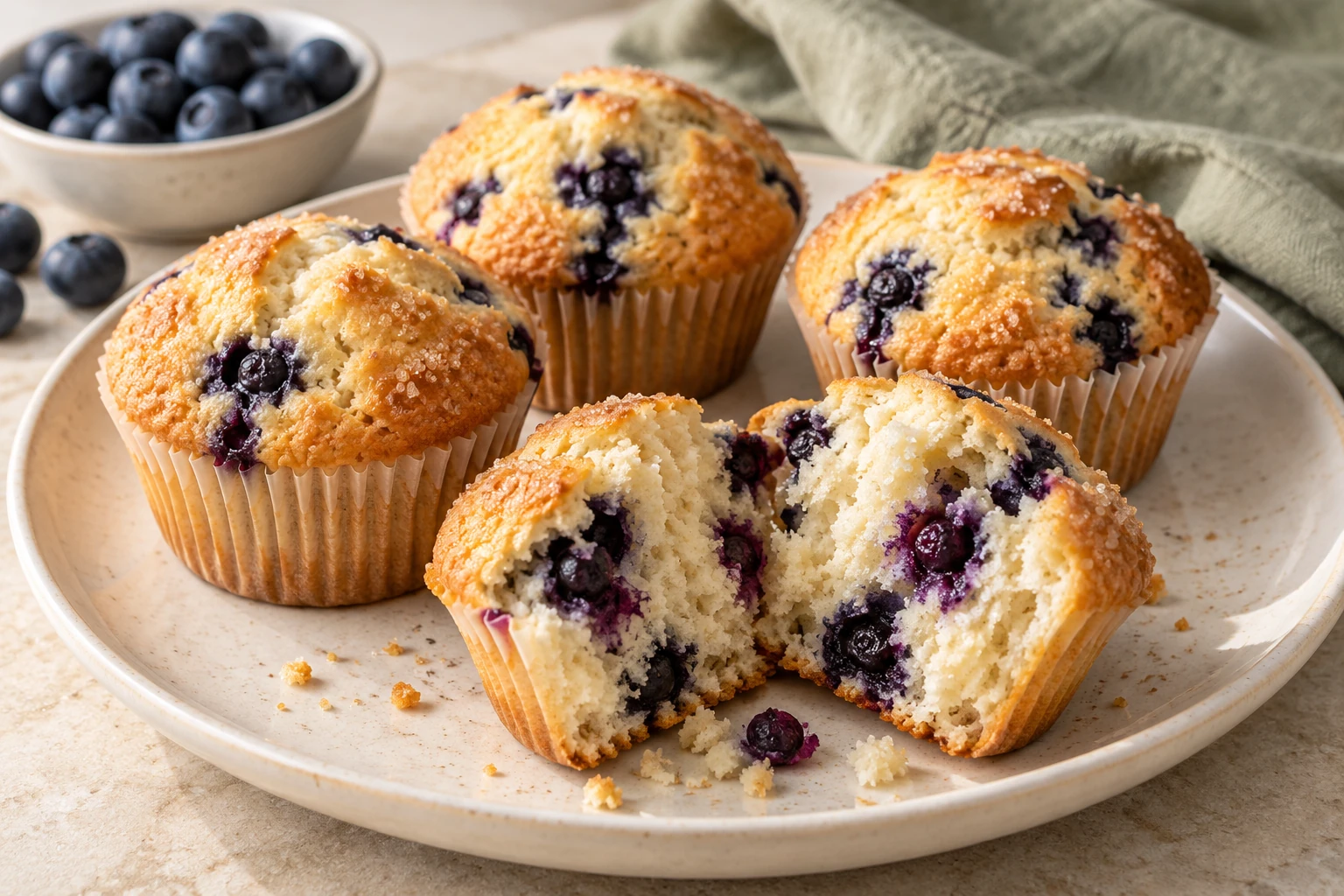
Recipe to try: Blueberry Muffins. Blueberries add a different source of moisture from chocolate. Keep the fruit quantity and baking cues matched to this muffin recipe.
Mini muffins versus jumbo muffins
Mini muffins generally benefit from smaller chocolate pieces so the batter remains easy to portion. Jumbo muffins can handle larger pieces but must be baked long enough for their deeper centres to set. Pan size changes baking time even when chocolate quantity per gram of batter remains consistent.
Checking doneness around chocolate chips
A tester pushed into a molten chocolate chip may emerge coated and look like raw batter. Check the actual cake crumb at another point and use the doneness cues described in the recipe. Deep chocolate muffins can look dark long before their centres are cooked.
Why muffin bottoms become greasy
Too much fat, overfilled chocolate pieces or a weak batter can make bottoms feel oily. Also check whether the paper liners or pan are heavily greased. Avoid correcting the problem by simply adding extra flour; use the right formula and measured mix-in weight.
Cooling and storage
Let muffins rest for the prescribed time in the pan, then move to a wire rack if directed to release steam. Seal only when properly cooled, following the recipe's storage directions. Cream-filled or otherwise perishable muffins need suitable refrigeration, while plain chocolate chip muffins may have a different storage window.
Allergies and serving considerations
Read chip labels for milk, soy and potential nut cross-contact. A muffin containing chocolate isn't automatically dairy-free or nut-free, even if the batter itself omits those ingredients. For school events and shared meals, identify major allergens and choose appropriately labelled chocolate.
Frequently asked questions
How do I stop chocolate chips sinking? Check batter thickness, chip size and quantity before trying a recipe-approved flour coating. Are mini chips better? They distribute more evenly in small portions but don't create large melted pools. Can I substitute chunks? Often for mix-ins, with a change in appearance and distribution. Can I add chips to any muffin batter? Prefer a tested variation.
A repeatable chocolate chip muffin method
Select a tested muffin recipe and weigh the chips. Prepare the pan and preheat the oven first. Mix the batter using its method, fold chocolate in briefly, portion consistently and bake until the crumb is set. Reserve only the recipe-approved amount for the tops. Small, controlled choices produce a better chocolate distribution than extra mixing or arbitrary flour adjustments.
IN PICTURES
From the baking notebook
FROM THE RECIPE BOX


