On this page
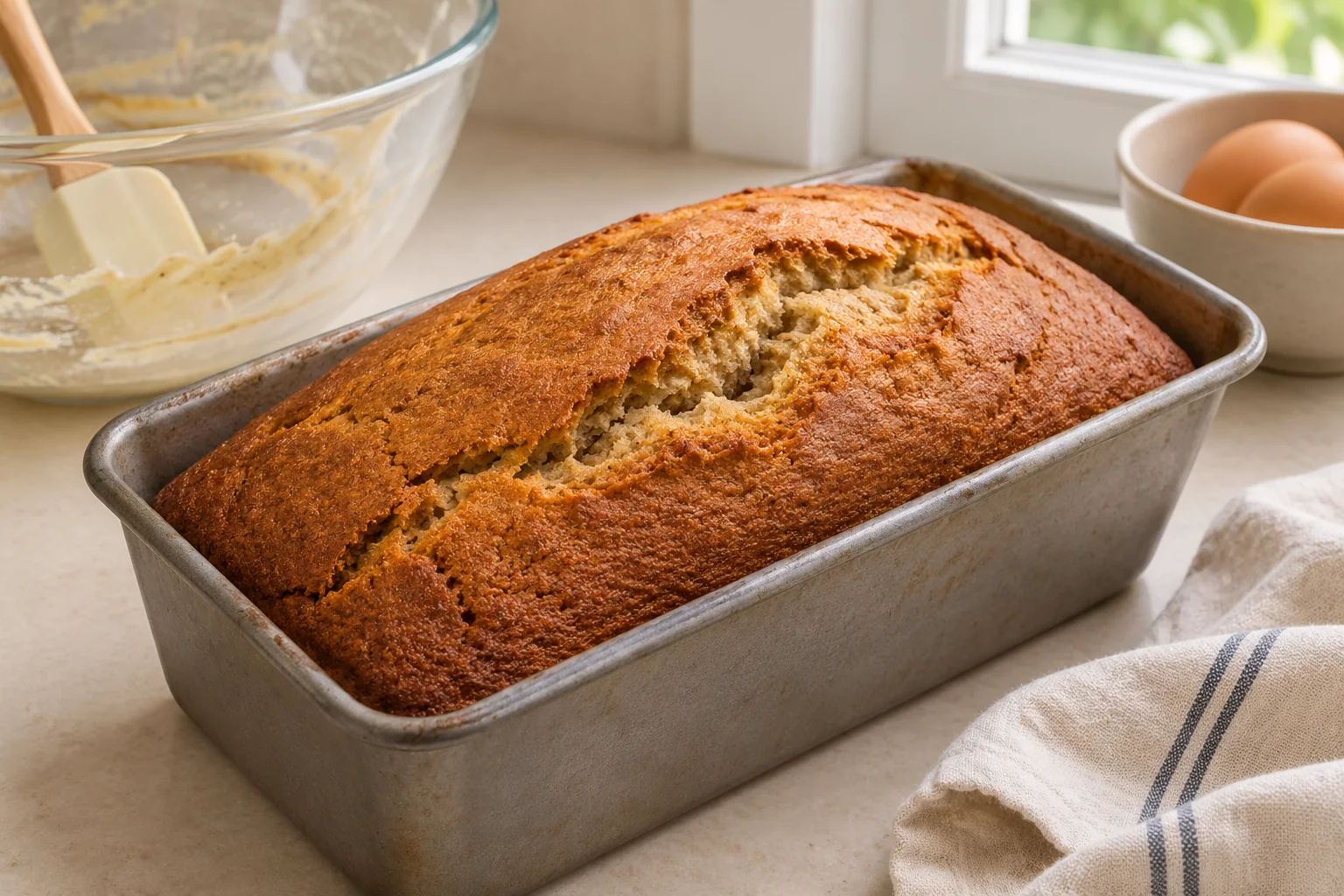
A beautiful loaf of banana bread often comes out of the oven with a long, dramatic crack across the top. The centre has pushed upward, opening the browned crust like a little ridge. Is something wrong with the recipe? Usually not. Unlike a cheesecake, a classic quick bread is expected to rise and split as it bakes. That rustic opening is often a sign that the loaf expanded while the outer surface was setting. But when the crack is huge, one-sided or paired with a wet centre, it's worth understanding what happened.
Why quick breads crack on top
Thick quick-bread batter heats first along the pan walls and upper surface. The exterior begins setting into a crust while the middle is still warming, expanding and releasing moisture. As the centre rises, it can push through the more rigid top and create a split.
A crack is often completely normal
Banana bread, pumpkin bread, lemon loaf and zucchini bread may all develop an attractive split. The presence of a crack alone does not prove the oven is too hot or the batter is overmixed. For these recipes, trying to eliminate every opening can be unnecessary. Focus on an evenly baked centre and appealing texture rather than perfectly smooth crust.
Why the crack forms near the centre
The edges of batter in contact with a heated pan tend to set sooner than the deeper interior. The middle remains flexible and continues expanding, so pressure often finds its release along the relatively weak centre line. This is not the same mechanism as scoring a yeast loaf, where a baker cuts the dough to guide expansion before baking.
Does a larger crack mean better rise?
Not automatically. A well-developed crack can accompany a properly risen loaf, but its size depends on pan geometry, batter thickness, sugar, fat, leavening and oven temperature. An oversized jagged opening doesn't guarantee the centre is cooked, and a relatively small crack doesn't mean the bread failed.
Why banana bread cracks dramatically
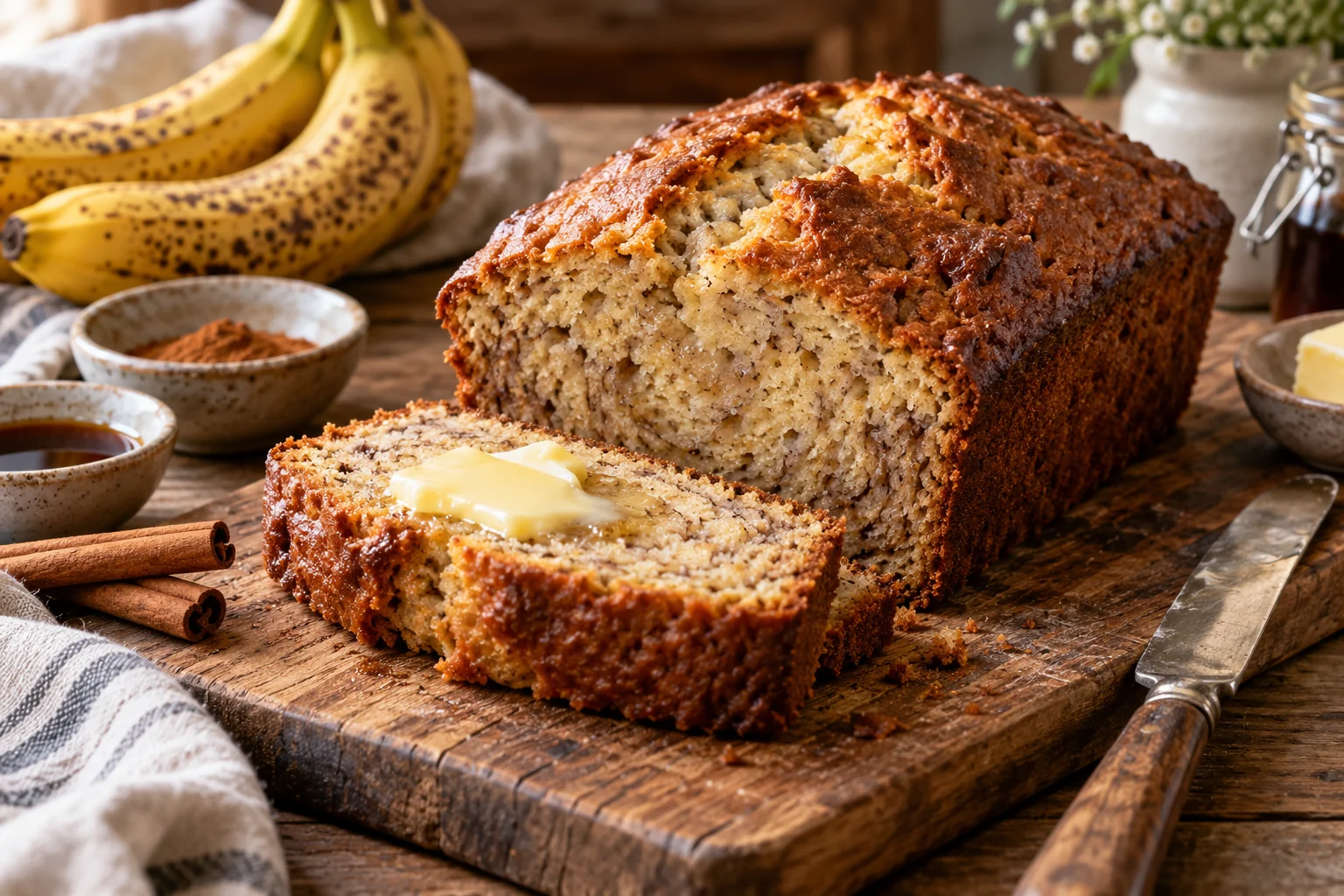
Banana bread is often dense and moist. Its top can begin to brown while the fruit-rich centre continues expanding. Many standard loaves split lengthwise. If the inside is properly baked and the crumb is tender, that crack can be part of the intended finished appearance rather than a troubleshooting issue.
Recipe to try: Classic Banana Bread. Weigh the banana and use the specified loaf pan. Extra fruit or a deeper pan can change the centre’s baking time.
Why pumpkin bread cracks
Pumpkin purée brings considerable moisture and dissolved solids, creating a batter that may take time to set through its centre. The top crust can split as the loaf rises. Use the measured purée quantity in the recipe: additional pumpkin can leave a wet middle, even if the crack looks impressive.
Recipe to try: Pumpkin Bread. Pumpkin bread offers another moist loaf to compare. Follow its measured purée, leavening and pan instructions.

Why lemon and vanilla loaves crack
Butter-rich loaf cakes and lemon quick breads may develop a clean centre split. Their relatively thick batters and crust-setting behaviour make cracking common. Sugar and fat ratios influence how quickly the surface colours, so two equally well-baked loaves may look different.
How pan size changes the crack
A smaller, deeper loaf pan gives batter a taller column through which heat must travel. That can create a more pronounced dome or split than a larger, shallower pan holding the same batter. But overfilling a small pan is not a reliable way to create a beautiful crack: it can cause overflow and an underbaked centre.
Check the pan the recipe specifies
An 8½-by-4½-inch loaf pan and a 9-by-5-inch pan are not always interchangeable without considering batter depth. Even pans with similar footprints can have different wall heights. Follow the developer's size and use an appropriate pan for the formula rather than increasing oven time arbitrarily after switching.
How oven temperature influences cracking
An oven that's hotter than the recipe expects may set and brown the top early while the centre continues rising. That can accentuate or unevenly position the split. A too-cool oven may delay surface structure and change the loaf's profile. Use a fully preheated oven and verify its accuracy if results are consistently unpredictable.
What if the crack is on one side?
The pan may receive more heat on one side, the batter may have been distributed unevenly or the oven rack may be positioned awkwardly. A side crack is often cosmetic when the crumb is correctly baked. If every loaf leans the same way, inspect oven hot spots and whether the pan is level.
What if the top cracks and sinks?
Cracking followed by collapse is different from a stable centre split. Underbaking, excessive leavening, too much mashed fruit or another ingredient imbalance can prevent the loaf from holding its expanded structure. Check the actual centre using the recipe's doneness method rather than judging only the appearance of the crust.
How to create a neat centre crack
For a thick loaf batter, a shallow line drawn along its centre can help guide the split. Keep the mark near the surface; cutting deeply can disturb the batter. This is an optional finishing technique, not a required step in every quick bread.
The buttered-knife technique
Another test-kitchen method is to draw a line through the batter with a knife lightly coated in melted butter. The aim is to make the centre line a more predictable place for the loaf to open. Use the particular recipe's instructions and avoid repeatedly stirring or dragging through a delicate aerated batter.
The thin line of butter technique
Some bakers pipe a very narrow line of softened butter along the centre of a thick loaf batter before baking. The method works best with certain thick batters and should not be treated as a universal improvement for airy sponge cakes or all quick breads.
Should you slash the batter deeply?
Not usually. Unlike a sturdy bread dough, cake batter can be liquid or delicate. A deep, vigorous cut can disturb distribution or spoil a carefully aerated formula. Use a tested visual technique and gentle movement. If the recipe doesn't call for scoring and you don't care about a perfectly centred crack, simply bake it normally.
Does extra baking powder help create a crack?
Adding more baking powder is not a dependable way to get a taller, neater loaf. Excess chemical leavening can produce a dramatic rise that collapses, leaving tunnels or a gummy centre. Use the exact measured amount specified by the recipe.
What overmixing does to the loaf
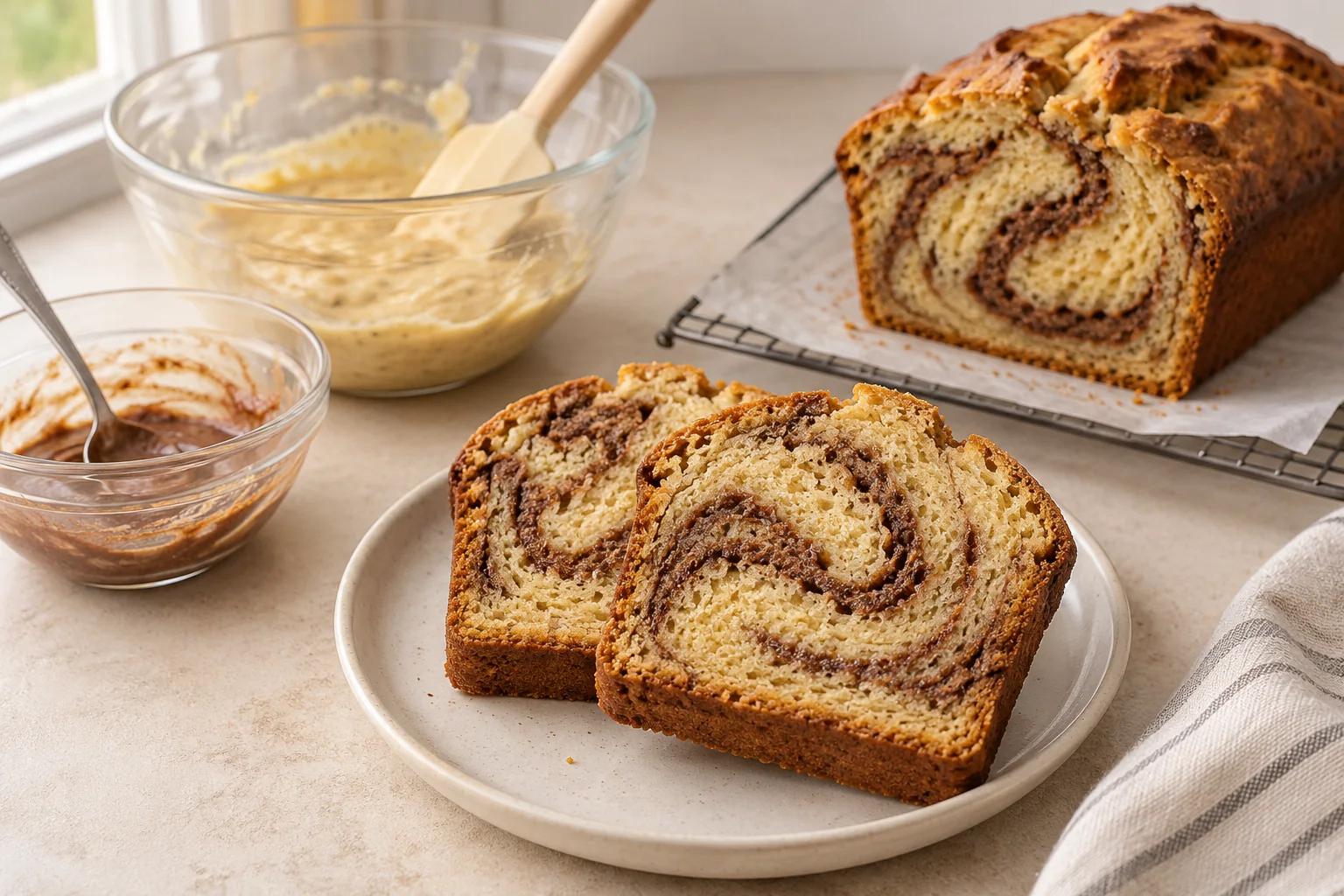
For many quick breads, mixing too vigorously after flour is added can toughen the crumb. Overmixing can also affect how gas bubbles distribute and how the loaf rises. But a crack alone doesn't diagnose overmixing. Look for other signs such as tunnels, rubbery texture or a dense, uneven interior.
When a crack is a sign of underbaking
A large split may expose a pale moist strip in the top. That strip isn't necessarily raw; the centre may simply have been exposed later than the outer crust. Use a skewer, knife or recipe-supported internal temperature to check the deepest point. Do not serve a loaf with visibly raw batter in the centre.
Can foil stop the top from cracking?
Foil can sometimes limit excess browning near the end of baking, when the recipe recommends tenting the loaf. It does not necessarily prevent a crack, because expansion continues underneath. Adding foil too early or tightly covering the pan may alter baking. Use the formula's prescribed method.
Cooling a cracked quick bread
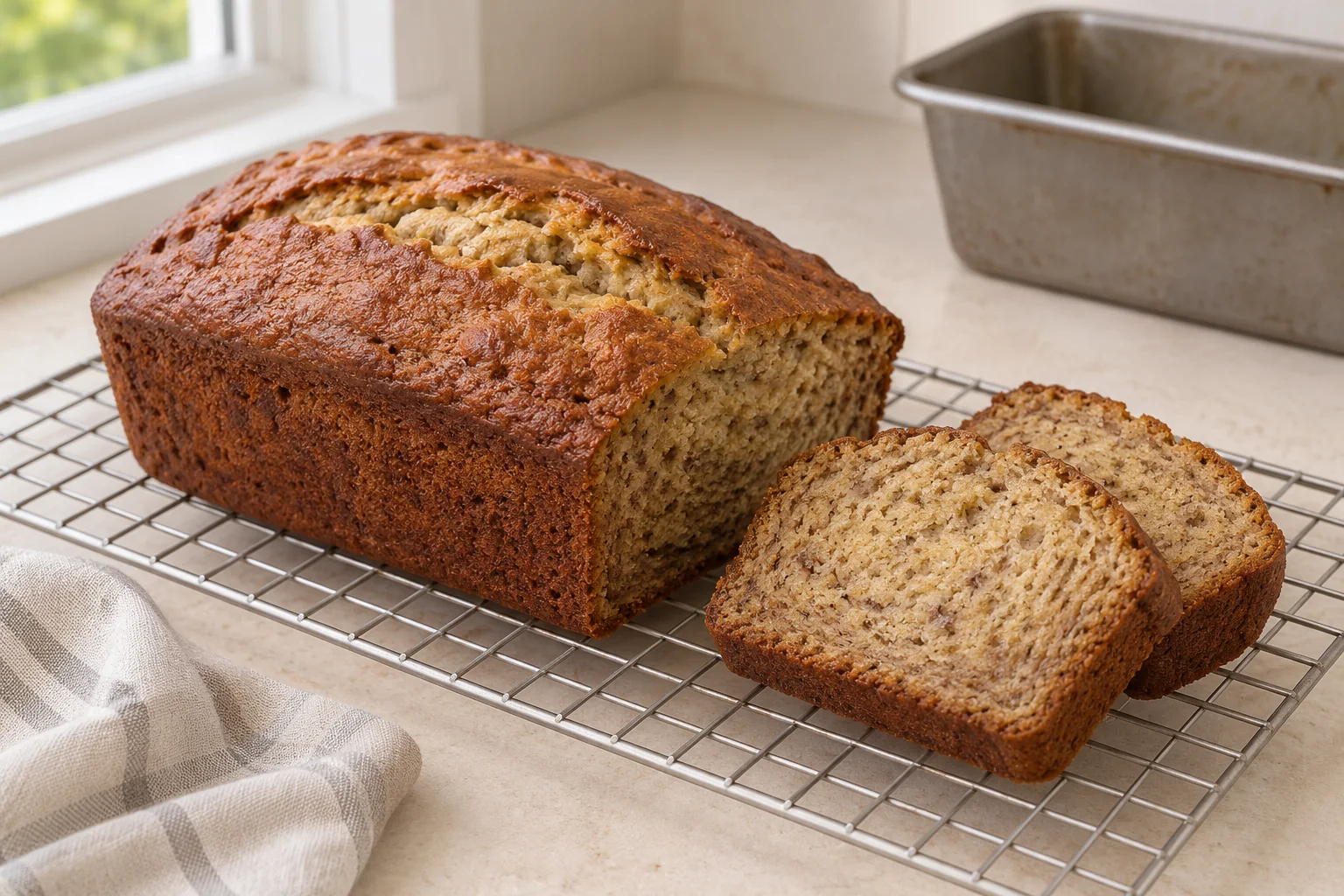
Let the loaf rest for the period the recipe specifies, then transfer it to a rack where appropriate. As it cools, the split can become more defined and the crumb firms enough to slice. Packaging while warm traps steam and can soften the crust, whether the surface cracked or not.
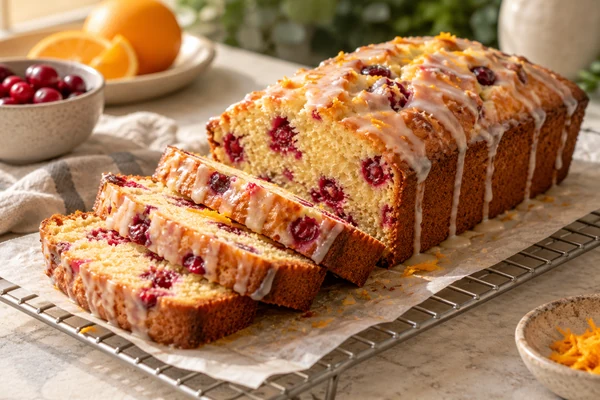
Recipe to try: Cranberry Orange Bread. The loaf pairs cranberries with orange zest. Use the specified cranberry type and loaf pan for its batter.
How to photograph a beautiful cracked loaf
A central crack adds texture and signals a homemade loaf. For editorial photography, allow the loaf to cool and position the cut side of a slice so the centre crumb is visible. Avoid trimming the entire ridge simply for symmetry; that can make the cake look unnaturally flat.
Frequently asked questions
Is a cracked banana bread overbaked? Not necessarily; cracks are often normal. Why is my loaf cracked only on one side? Uneven heat or batter distribution may contribute. Can I force a centre crack? A tested shallow groove or line of butter can guide it in certain loaf cakes. How do I tell if the bread is done? Check the actual centre using the recipe's method, not the crack alone.
Celebrate the right kind of crack
A quick-bread crack is often a feature, not a flaw. Bake with the right pan and oven temperature, keep leavening balanced and judge the crumb after cooling. When you want a clean, deliberate split, use a tested scoring or butter-line technique; otherwise let the loaf rise in its own rustic way.
IN PICTURES
From the baking notebook
FROM THE RECIPE BOX


