
On this page
Whipping cream that refuses to thicken can derail a dessert just as you're preparing to pipe a frosting or serve fresh berries. The mixer may run for several minutes while the bowl stays liquid, or the cream may become foamy without forming peaks. In most cases, the issue is the product, temperature or method rather than a mysterious shortage of mixer power. The first step is to check what you poured into the bowl.
Check the cream's fat percentage
Ordinary dairy whipping cream relies on milk fat to stabilize air bubbles. In Canada, whipping cream is commonly sold around 35% milk fat. Lower-fat products such as half-and-half, table cream or coffee cream generally can't create the same stable whipped peaks with an ordinary mixer.
Whipping cream and heavy cream labels
North American labels vary. Heavy whipping cream in the United States typically has at least 36% fat, while Canadian whipping cream commonly has 35%. Both can work in recipes designed for them, but a carton called cream may have far less fat. Read the nutrition or product label rather than relying on the front name alone.
Keep the cream cold
Fat needs an appropriate physical state to partially join around air bubbles. Warm cream can resist thickening or produce an unstable foam. Chill the cream according to the package and recipe; don't assume fifteen minutes at room temperature makes whipping easier.
A cold bowl can help
In a hot kitchen, a chilled mixing bowl and beaters may slow unwanted warming as the cream is whipped. This is a practical aid rather than a fix for using 10% table cream. Keep equipment clean and dry and avoid adding ice water directly to the cream.
Use suitable equipment
A hand mixer, stand mixer or whisk can work for ordinary whipping cream. A large stand mixer bowl may struggle with a tiny quantity that barely reaches the whisk; a narrow bowl and hand whisk may be better. Make sure the attachment actually moves through the cream instead of spinning above it.
Begin at a controllable speed
Moderate speed allows you to observe the foam forming and avoid whipping past the ideal peak. Extremely high speed isn't a guaranteed shortcut and can carry the mixture quickly from soft peaks to graininess. Watch texture rather than relying on a fixed number of minutes.
Why bubbles don't mean peaks
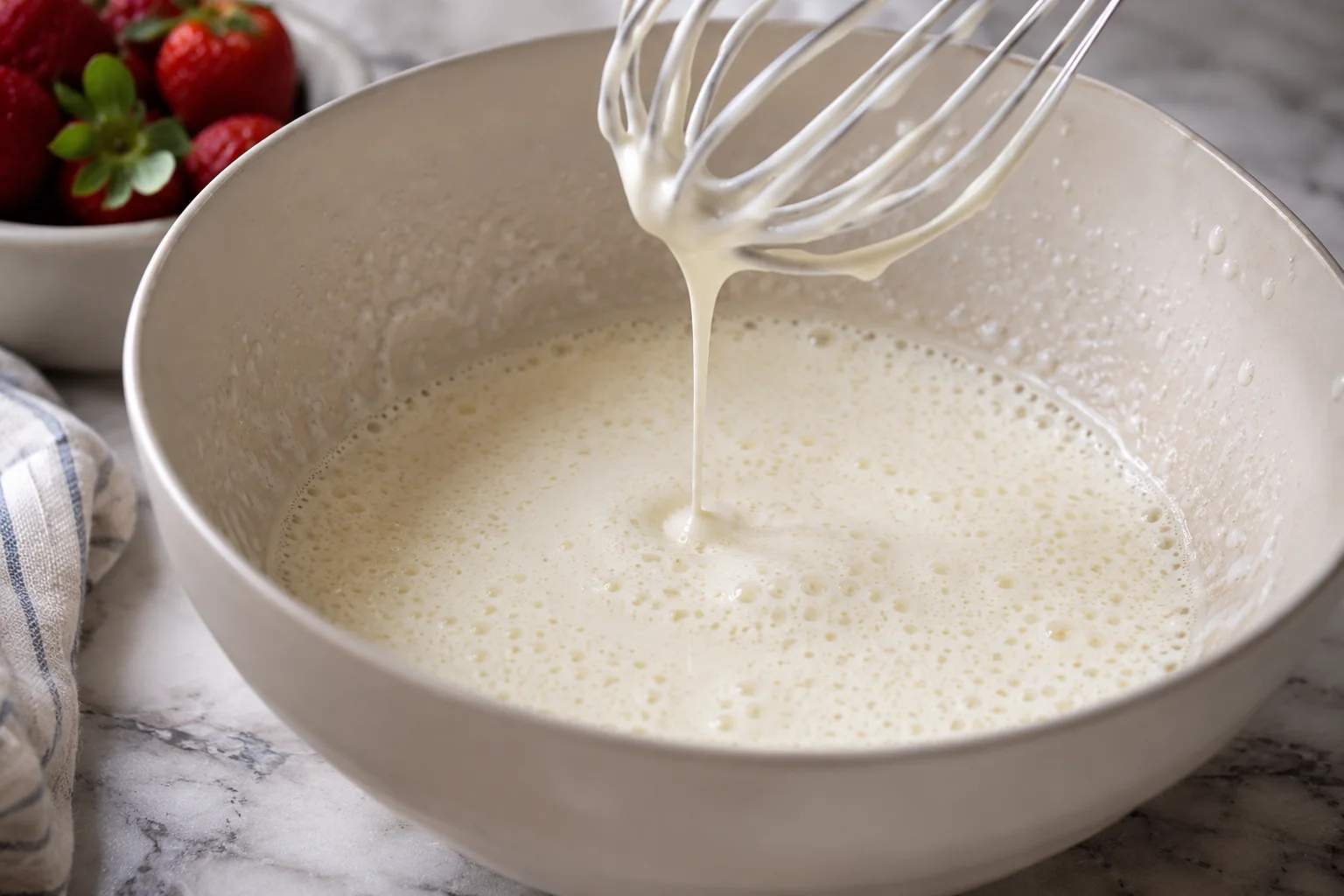
Cream may become frothy before its fat network is strong enough to support shape. Continue whipping when it is appropriately cold and high-fat. If it remains watery for a prolonged period, stop and check the product rather than running the mixer indefinitely.
Recipe to try: Strawberry Shortcake Cream Pie. Buttery shortbread crust cradles clouds of sweetened whipped cream and fresh strawberries for a dreamy summer dessert that balances crisp, creamy, and fruity elements in every perfect bite.
When sugar should go in
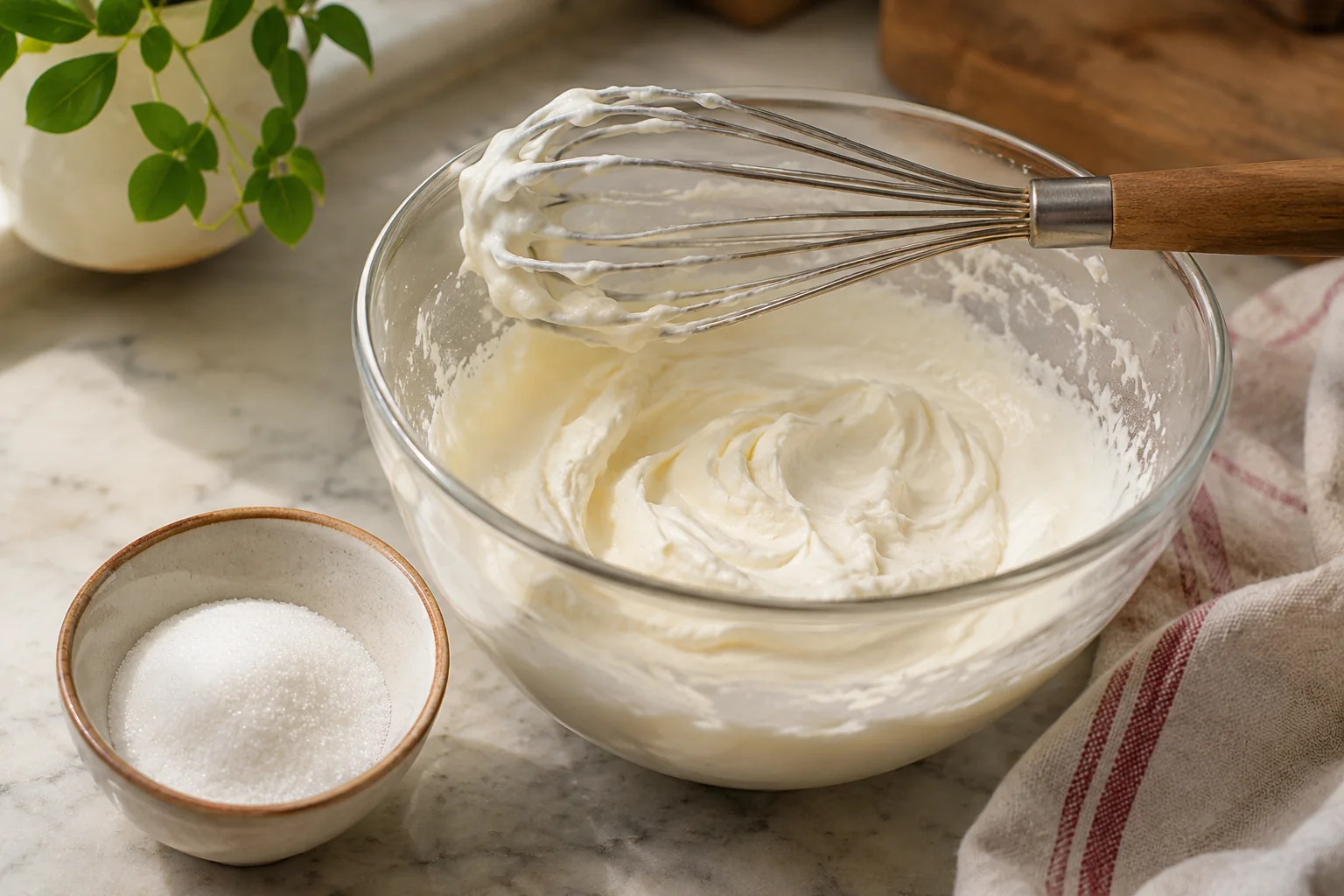
Some recipes add powdered sugar once the cream begins thickening; others combine ingredients earlier. Large amounts of liquid syrup or juice can thin the mixture and interfere with peak formation. Follow the recipe's order, particularly for delicately flavoured whipped toppings.
Recipe to try: Tres Leches Sheet Cake. This moist, sweet sponge cake soaked in three different milks delivers a velvety texture and rich flavor that melts effortlessly on your tongue.
Too much added liquid
Alcohol, fruit purée, coffee or extra vanilla can dilute ordinary whipping cream. Even if it eventually thickens, the foam may be less stable. For flavoured cream, use a tested formulation that balances liquid additions with whipping and stabilizing ingredients.
What if the cream is ultra-pasteurized?
Ultra-pasteurization changes heat treatment and sometimes whipping behaviour, but many commercial ultra-pasteurized creams still whip successfully. Check the product's intended use and follow package guidance before blaming the treatment alone.
Plant-based creams behave differently
Oat milk, almond milk and thin coconut milk typically don't whip like dairy cream without added formulation. Products sold specifically as plant-based whipping cream may contain stabilizers and fats that support peaks. A vegan recipe must be matched to the exact product, not just any carton of plant milk.
Coconut cream requires separation
Some canned coconut creams produce a thick solid layer after thorough chilling that can be whipped. The thin liquid beneath generally dilutes the mixture. If the can never separates or the top remains watery, consider a different tested product rather than adding arbitrary cornstarch.
What about gelatin or stabilizer?
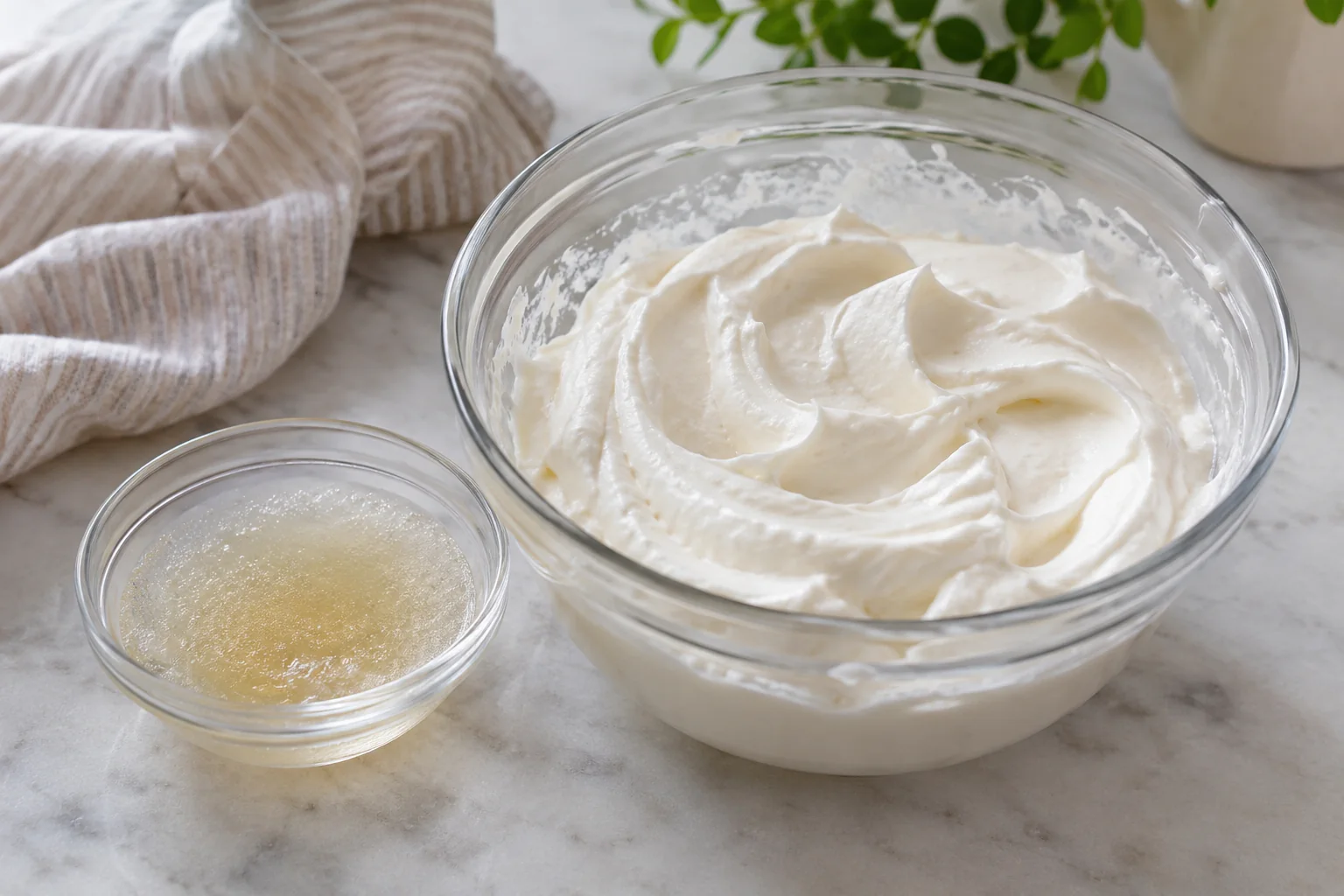
Stabilizers can extend the holding ability of whipped cream, but they don't turn low-fat milk into true whipping cream. Gelatin requires blooming and temperature management; mascarpone and cream cheese affect texture and dairy content. Use a complete stabilized-whipped-cream recipe.
Recipe to try: No-Bake Cheesecake. Use the filling and full refrigerator-setting time in this no-bake formula; chilling is part of its structure.
Why cream can stay thin after freezing
Some thawed creams separate or lose their ability to whip properly. Manufacturers may advise against freezing liquid whipping cream intended for whipping. Check the label and use a freezer-suitable product rather than relying on a thawed cream that has broken.
When it suddenly becomes grainy
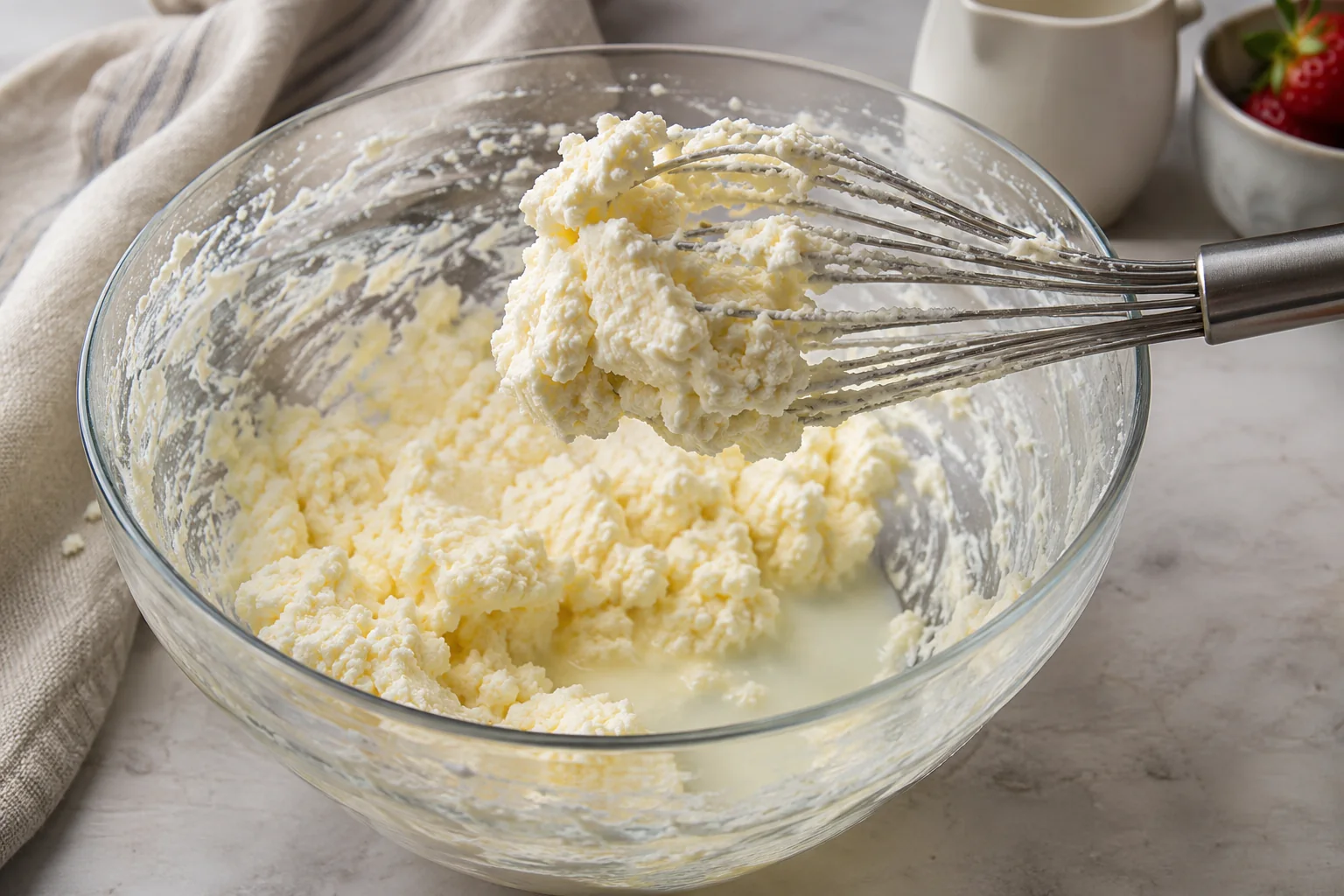
That's the opposite end of the problem. Once cream forms peaks, additional whipping can cause fat to join into grains and eventually butter. Stop immediately. Slight overwhipping may sometimes be improved by gently folding in fresh cold cream, but fully separated butter won't become smooth frosting by further whipping.
Expired or mishandled cream
If the cream smells sour unexpectedly, shows abnormal separation or has been stored outside safe temperatures, do not try to salvage it by whipping. Use fresh properly refrigerated dairy. A successful foam doesn't make spoiled ingredients safe to eat.
Whipped cream versus whipped topping
Some commercial whipped toppings are already aerated or use different stabilizing systems. They may not be intended for whipping again. Read the package: an aerosol can, frozen nondairy topping and liquid whipping cream require different handling.
How to rescue a watery batch
First verify that the cream is high-fat and cold. If it's simply a little warm, refrigerate it according to safe instructions, then try again. If it's low-fat, diluted or an unsuitable beverage, switch to the correct ingredient; extended mixing won't rewrite its fat composition.
How to plan for cake decorating
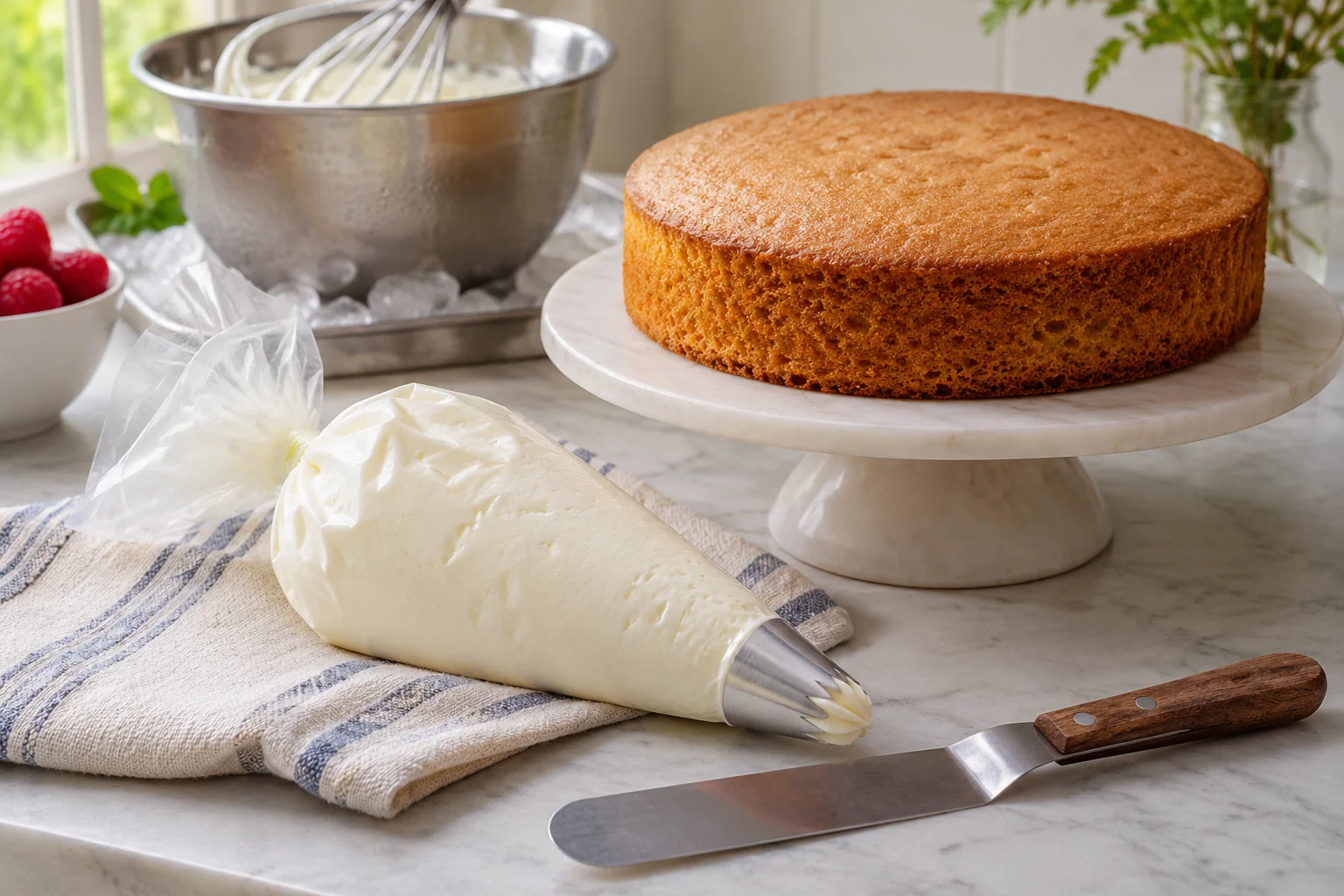
Use a tested whipped-cream frosting, chill the cake and equipment, and whip only to the intended firm peak stage. Keep finished frosting refrigerated at 4°C (40°F) or colder. A stabilizer supports presentation but doesn't make cream safe at room temperature for hours.
Frequently asked questions
Can 10% cream whip? Not into ordinary stable peaks. Can I add butter? Not as a simple rescue; choose a tested formula. Should the bowl be cold? Helpful in warm kitchens. Why did it thicken then become watery? It may have overwhipped and separated. Does powdered sugar fix a thin cream? Not if the fat content is too low.
Check the label first
Cream that is sufficiently rich, properly chilled and whipped with suitable tools generally forms peaks. Before blaming the recipe or buying a new mixer, make sure the ingredient is truly whipping cream and that it hasn't been thinned or overheated.
IN PICTURES
From the baking notebook
FROM THE RECIPE BOX


