On this page
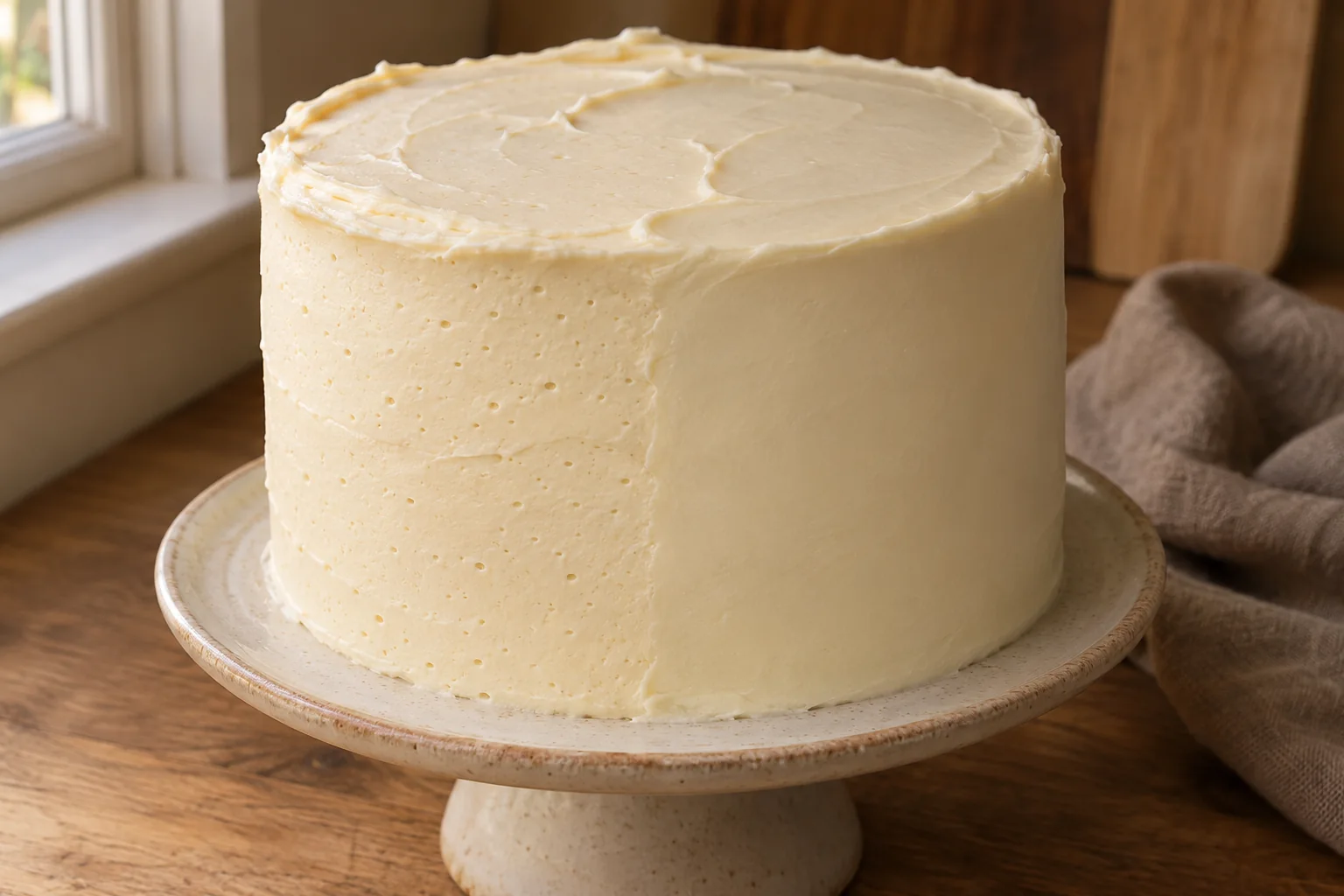
You make a beautiful bowl of buttercream, frost the cake, then notice hundreds of tiny holes across the sides. The frosting tastes lovely, but every pass of the bench scraper seems to reveal more bubbles. It's one of the most common frustrations in cake decorating—and it doesn't necessarily mean the recipe is wrong.
Those little holes usually come from air incorporated while mixing, changes in frosting temperature or the way the frosting is spread. The right fix depends on whether you're using American buttercream, Swiss or Italian meringue buttercream, cream cheese frosting or another style. Here's how to get a smoother finish without repeatedly scraping away the frosting.
Why Does Frosting Have Air Bubbles?
Buttercream contains tiny pockets of air. In many recipes, that's intentional: aeration helps create a light texture. But large or uneven bubbles can remain visible when you spread a thin coating across a cake, particularly if the frosting has been whipped at high speed or is too stiff to smooth.
When a bench scraper pulls across the frosting, it exposes those pockets as small craters. If the mixture is at a suitable working temperature and the bubbles are small and evenly dispersed, you can often smooth them out with careful final mixing and application.
Airy Frosting Isn't Always Bad Frosting
A cupcake swirl can look lovely with fluffy buttercream. A glass-smooth wedding cake calls for a more uniform, satiny finish. The frosting formula and intended decoration influence how much aeration is desirable.
Don't aim to eliminate all air during a recipe stage that requires whipping, such as making a Swiss meringue. Instead, focus on smoothing the finished buttercream after it has formed a stable emulsion.
1. Stop Whipping at High Speed Near the End
High-speed whipping can be essential at certain stages of a recipe, but continuing at high speed after the buttercream is fully mixed may incorporate more air than you want for smooth coating.
Once the frosting has reached the recipe’s intended structure, finish on low speed if the method supports it. Stop periodically and check the frosting on the paddle for fewer visible air pockets.
2. Change from a Whisk to a Paddle
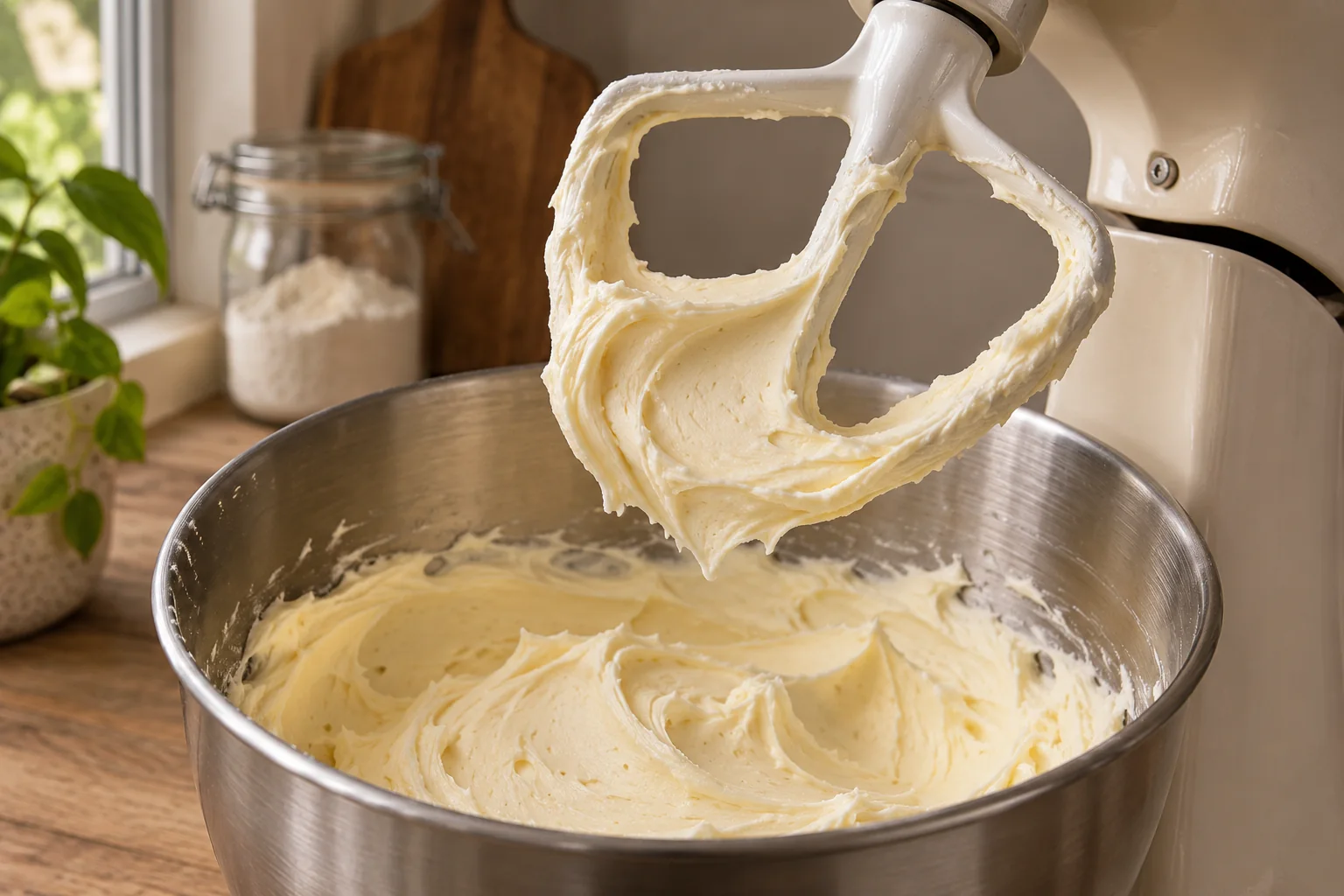
A whisk is designed to incorporate air. That's helpful while whipping meringue, but it may leave the finished buttercream especially fluffy. A paddle attachment can move and smooth the frosting more gently during a final mixing stage.
Use the whisk for the steps that require it, then switch to the paddle only if the recipe allows. Run the mixer on low speed until the texture becomes more cohesive. Some frostings need longer than expected; check the result instead of relying on one universal duration.
Our Vanilla Sheet Cake with Buttercream uses a paddle for its buttercream. Let the frosting reach the texture the recipe calls for before checking the paddle for large air pockets.
3. Make Sure the Frosting Isn't Too Cold
Cold buttercream can be stiff and difficult to spread. As the spatula pushes across it, pockets or tears may appear, and the finish can look rough rather than silky.
If the recipe calls for softened frosting, let refrigerated buttercream return to its proper working temperature before final mixing. Do not leave perishable frostings at room temperature beyond safe handling guidance.
4. Avoid Overheating
Buttercream that's too warm may turn loose or greasy. At that point, repeated scraping can produce streaks and an unstable coating, even if the air bubbles initially seem to disappear.
Temperature control is especially important for Swiss and Italian meringue buttercreams. If the mixture becomes runny, follow the recipe's cooling and rewhipping instructions instead of adding random quantities of powdered sugar.
5. Use a Small Amount of Gentle Warmth When Appropriate
Follow the frosting recipe’s temperature guidance. If a meringue-based buttercream is very firm from chilling, let it soften gradually before you try to smooth it. Check a small portion before you adjust the whole bowl.
This is not a rule for every frosting. Cream cheese frostings, delicate whipped toppings and frostings with unstable fillings can behave differently. Follow a tested method; excessive heating may melt or split the mixture. Avoid open flames or unsuitable heating equipment in a home kitchen.
6. Press Frosting Against the Bowl
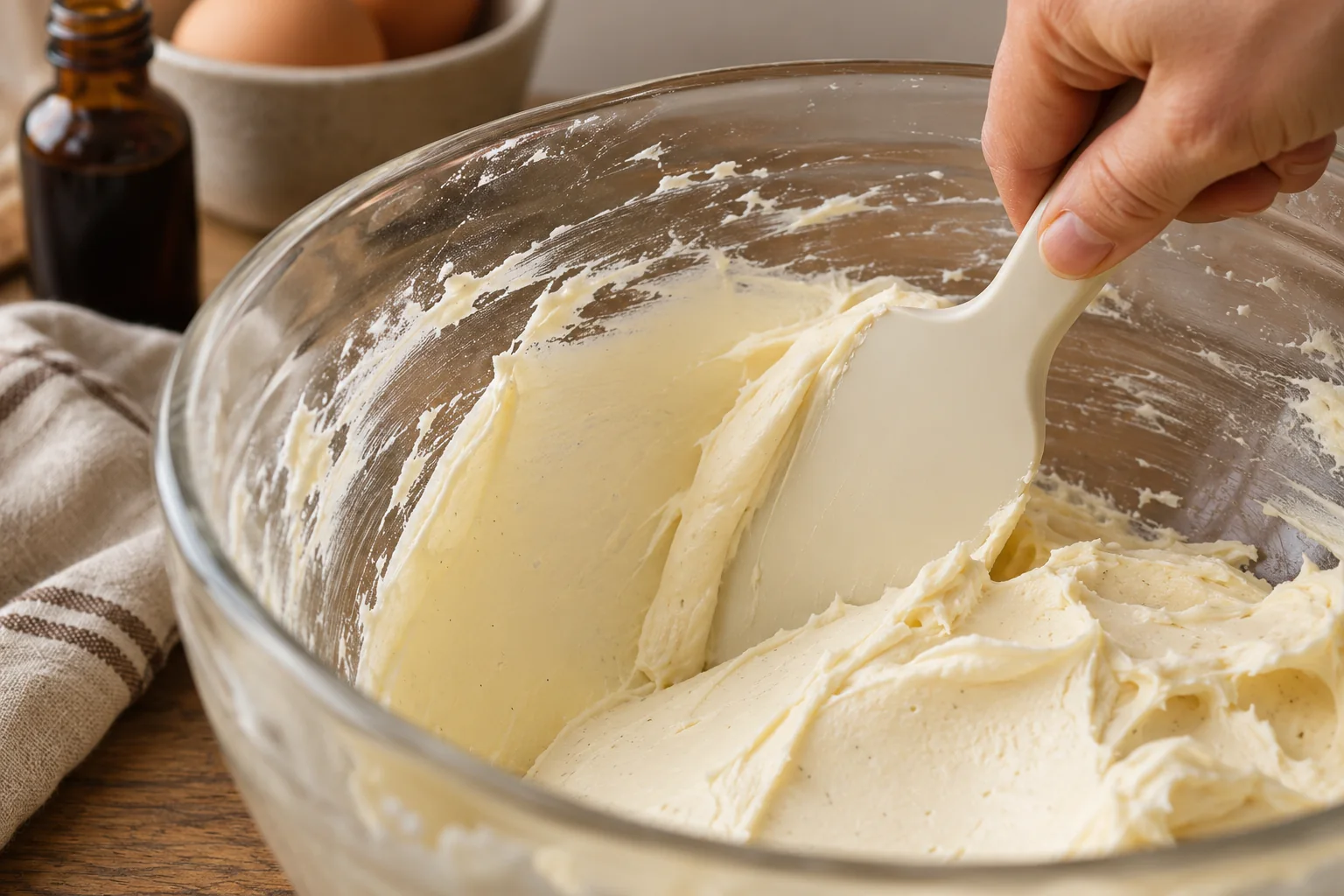
With some stable buttercreams, gently pressing and smearing a small quantity against the side of a bowl with a spatula can help collapse larger air pockets. It gives you an opportunity to evaluate how smooth the buttercream is before covering the cake.
Work slowly and keep tools clean. If the mixture is very stiff, soften according to the recipe first instead of forcing it with a metal tool that could damage the bowl.
Take a small scoop of frosting and spread it into a thin patch up the bowl. Fold it back into the centre and repeat until the frosting spreads with fewer holes.
7. Fill Gaps in the Cake Before Smoothing
Not every hole you see in the frosting comes from the bowl. A gap between cake layers, an uneven crumb coat or a pocket underneath the exterior frosting can create a crater when you drag the scraper across it.
Level your cake layers, use a stable filling and press a small amount of frosting into uneven areas before the final coat. Chilling the crumb coat as directed makes the next layer easier to smooth.
8. Use the Right Amount of Frosting
When the final coating is too thin, the bench scraper may cut into cake crumbs or expose underlying bumps. This can look like air holes even when the frosting itself is relatively smooth.
Apply enough frosting to cover the surface, then remove a little at a time. Don't attempt to create a perfectly smooth finish by scraping almost everything off on the first pass.
9. Hold the Bench Scraper Consistently
Place the scraper upright against the cake's sides and keep the tool relatively steady while turning the cake. A wobbling scraper can leave grooves, chatter marks and uneven patches that resemble bubbles.
Clean excess frosting from the scraper between passes. A build-up of stiff frosting along the blade can drag and scratch the surface.
10. Work with a Cool, Stable Cake
Freshly baked cake layers should be fully cooled before frosting. Warm cake can melt buttercream and create slippery surfaces. A chilled crumb-coated cake is generally easier to cover neatly with a final frosting coat, when the recipe supports it.
The exact cake and frosting temperatures matter. An extremely cold cake can set buttercream on contact too rapidly, making it difficult to spread smoothly. Use the assembly recipe's guidance.
Use the cooling and assembly sequence in Classic Vanilla Layer Cake for a stable surface. If the cake moves while you are smoothing it, level and settle the layers before you continue.

American Buttercream vs Swiss Meringue Buttercream
American buttercream is often a mixture of butter, powdered sugar and liquid or flavouring. It can become fluffy when beaten and may show tiny holes if spread straight from prolonged high-speed whipping.
Swiss meringue buttercream begins with heated egg whites and sugar, then butter is added after the meringue reaches the specified stage. It is especially sensitive to temperature and emulsion balance. For smooth finishing, follow a final low-speed mixing stage after the buttercream has formed.
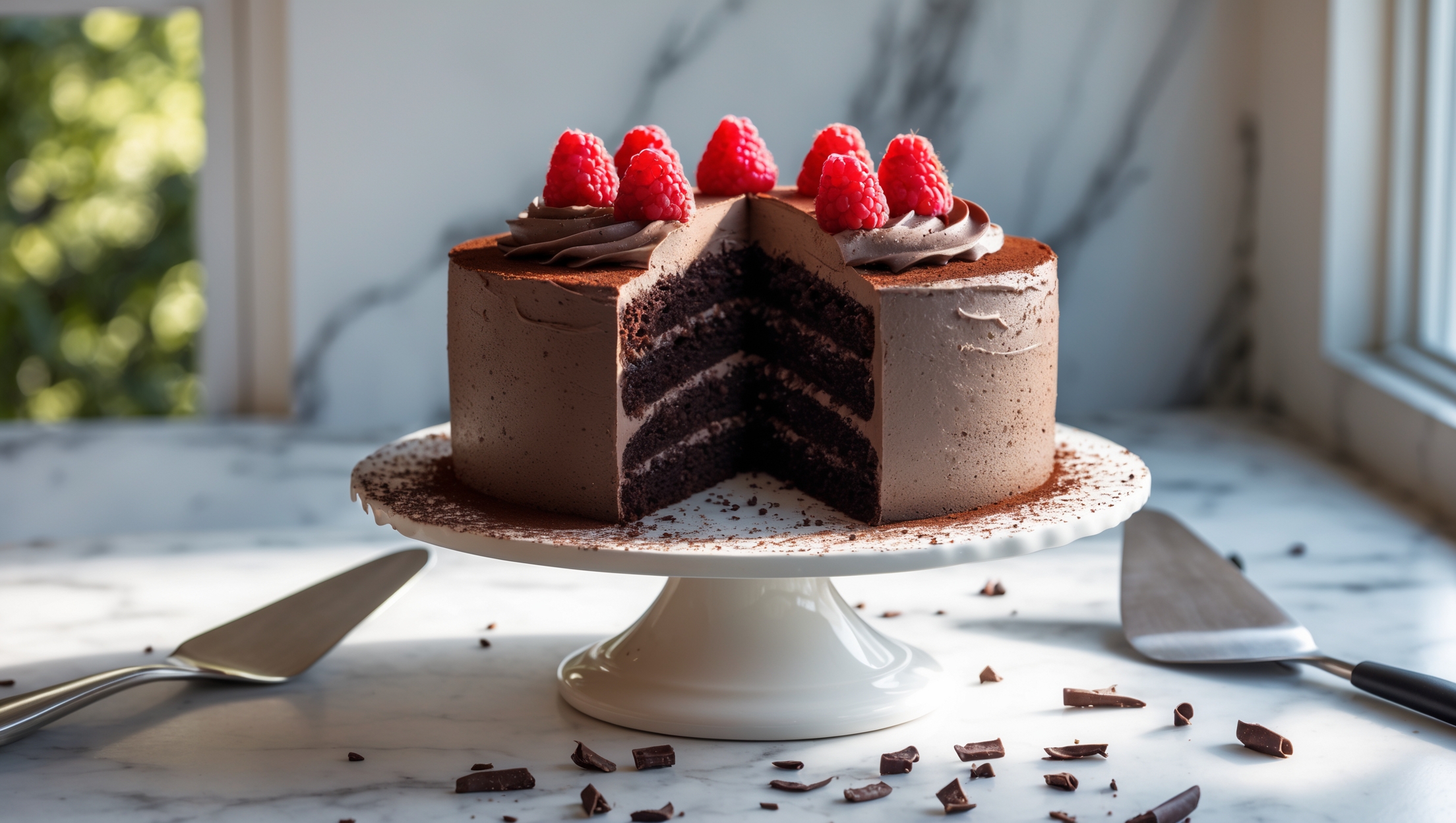
Try the Chocolate Layer Cake for another powdered-sugar buttercream. Follow its own method and compare how easily the frosting moves under the scraper at a spreadable temperature.
Italian Meringue Buttercream
Italian buttercream uses cooked sugar syrup to form a meringue before adding butter. It can be beautifully silky, but air pockets may remain when the mixture has been vigorously aerated.
Use the whisk during the required meringue stage, then follow a tested final smoothing method. Don't shorten the sugar-syrup preparation or bypass food-safety instructions in an attempt to produce fewer bubbles.
What About Cream Cheese Frosting?
Cream cheese frosting can become too soft when overmixed or overheated, and temperature matters to its ability to hold a shape. Some versions look lumpy from cold cream cheese or a poorly blended mixture, which is different from tiny trapped-air pockets.
Choose a recipe designed for your decoration and use its mixing order. A heavy-duty high-speed de-aeration process developed for meringue buttercream may not suit soft cream cheese frosting.
Is Grainy Frosting the Same as Bubbly Frosting?
No. Graininess may come from undissolved sugar, incorrect butter temperature, a broken emulsion or ingredients that haven't combined properly. Air bubbles are pockets of gas; graininess often looks like tiny solids or curdled texture.
An oily layer or a curdled texture may signal a separated frosting. Check the frosting style and recipe before choosing a temperature or mixing adjustment.
Why Frosting Gets Worse After Refrigeration
Chilled buttercream becomes firmer as fats solidify. If you stir it aggressively while it is very cold, the texture may appear rough and uneven. Uneven warming can also leave soft patches mixed with hard ones.
Let it soften as directed and re-emulsify gently before frosting. Avoid applying strong heat directly to a full cold bowl in an attempt to speed things up.
Why More Powdered Sugar Isn't Always the Fix
Adding additional powdered sugar will thicken some American buttercreams, but it can also make them excessively sweet, stiff and difficult to spread. More stiffness may leave even more visible gaps when you scrape the cake.
Use the correct recipe ratios and manage temperature and mixing first. A texture problem caused by excess air isn't automatically a sign that the frosting lacks sugar.
How to Fix Bubbles Already on the Cake
Start by identifying whether the holes are shallow surface bubbles or deeper gaps between cake layers. Fill obvious gaps with a little of the same frosting, then smooth gently with a clean scraper or offset spatula.
If the frosting is covered in many tiny holes, it may be easier to remove the final layer into a clean bowl, smooth that mixture using the correct technique, and reapply it over a firm crumb coat. Avoid introducing cake crumbs back into frosting reserved for a pristine finish.
What About a Hot Bench Scraper?
Some decorators use a slightly warmed metal scraper to smooth certain buttercreams. This can help in a narrow temperature range, but too much heat melts the surface, causes streaks or leaves a slippery finish.
Use a validated decorating method and test carefully. Never press a dangerously hot tool against a cake, and don't apply techniques meant for buttercream directly to whipped cream or fragile mousse.
A Practical Smooth-Frosting Routine
First: make buttercream according to its recipe and bring it to the correct working temperature. Second: complete any required whipping. Third: switch to a gentle paddle or other tested finishing method to reduce trapped air. Fourth: apply a crumb coat and let it set. Fifth: spread a sufficient final layer and smooth with a clean scraper, removing excess in controlled passes.
Stop once the surface looks attractive. Endless scraping can warm the buttercream and undo a perfectly good finish.
Before decorating the cake, spread a spoonful against a plate. If the test patch has holes, press a small amount against the bowl again and repeat the test. Once it spreads evenly, fill any remaining gaps on the cake and smooth the surface.

Frequently Asked Questions
Why are there tiny holes in my buttercream?
They're often exposed air pockets from mixing or applying frosting. Temperature and how you use the scraper can make them more visible.
Is using the paddle better than the whisk?
For many finished buttercreams, a low-speed paddle can smooth air bubbles. The whisk is still important for recipes that require whipping a meringue.
Can I fix frosting that's already bubbly?
Often, yes. Use a recipe-suitable gentle mixing or warming method, refill the surface and reapply a smooth final coat.
Should buttercream be warm or cold when frosting?
It should be at the working temperature specified by the recipe—usually soft enough to spread but firm enough to hold its shape.
Is frosting with air bubbles unsafe?
Air bubbles alone are primarily a texture or appearance issue. Safety depends on the ingredients and storage, not on whether the frosting is perfectly smooth.
Smooth Frosting Comes from Control
A smooth finish isn't achieved by scraping harder. It comes from making the right buttercream, keeping its temperature stable, finishing the mixing gently and applying it over a prepared cake. Once you understand where the bubbles originate, the final coat becomes much easier to make beautiful.
IN PICTURES
From the baking notebook
FROM THE RECIPE BOX


