On this page
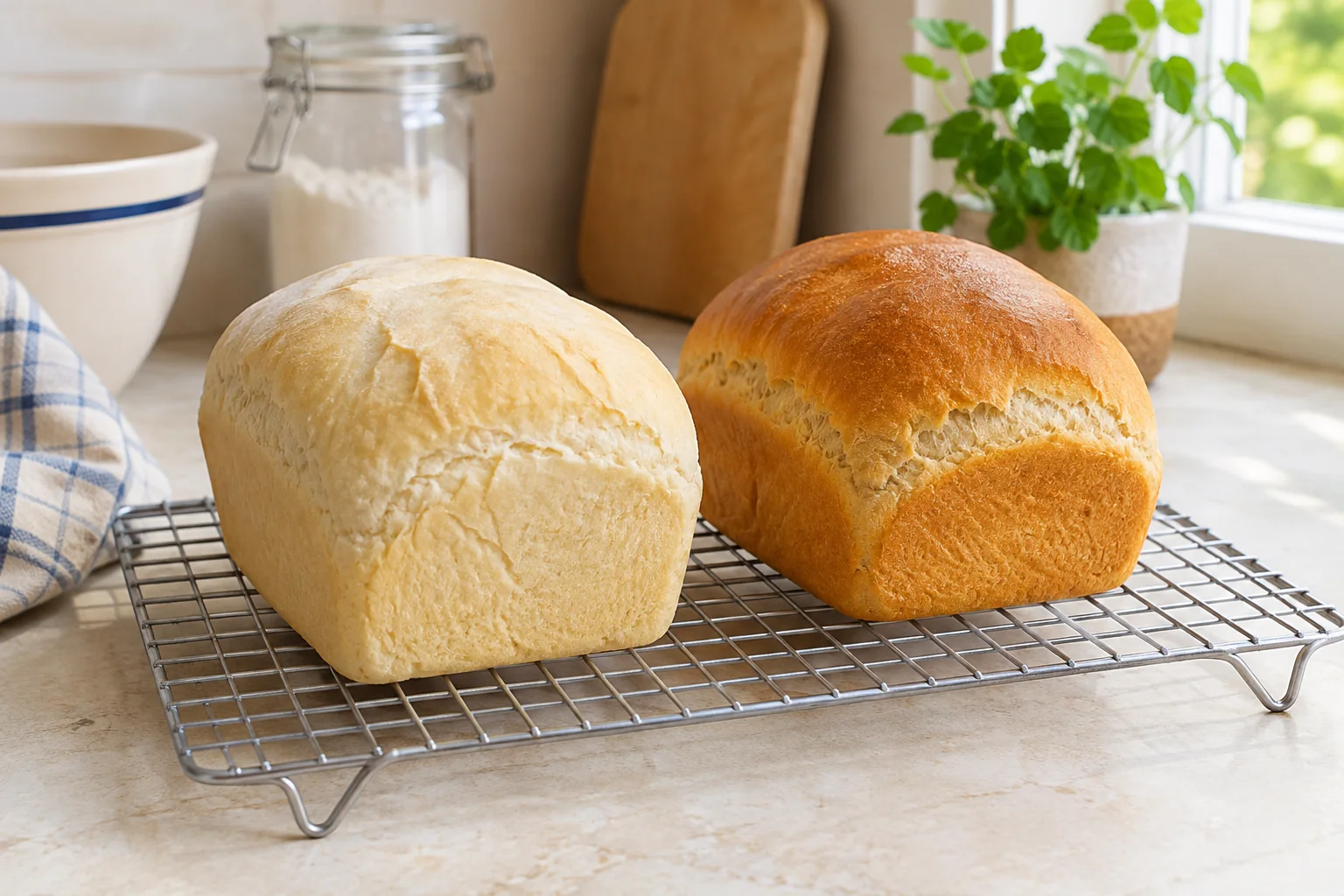
A loaf can be fully formed and still emerge disappointingly pale, with little of the toasted aroma that makes fresh bread inviting. Browning depends on heat, available sugars and proteins, moisture and baking conditions. Sometimes the loaf simply needs more time; other times its dough has been fermenting so long that little browning potential remains. Diagnose colour alongside crust texture and interior doneness rather than assuming one darker oven setting will fix every pale loaf.
What makes bread brown?
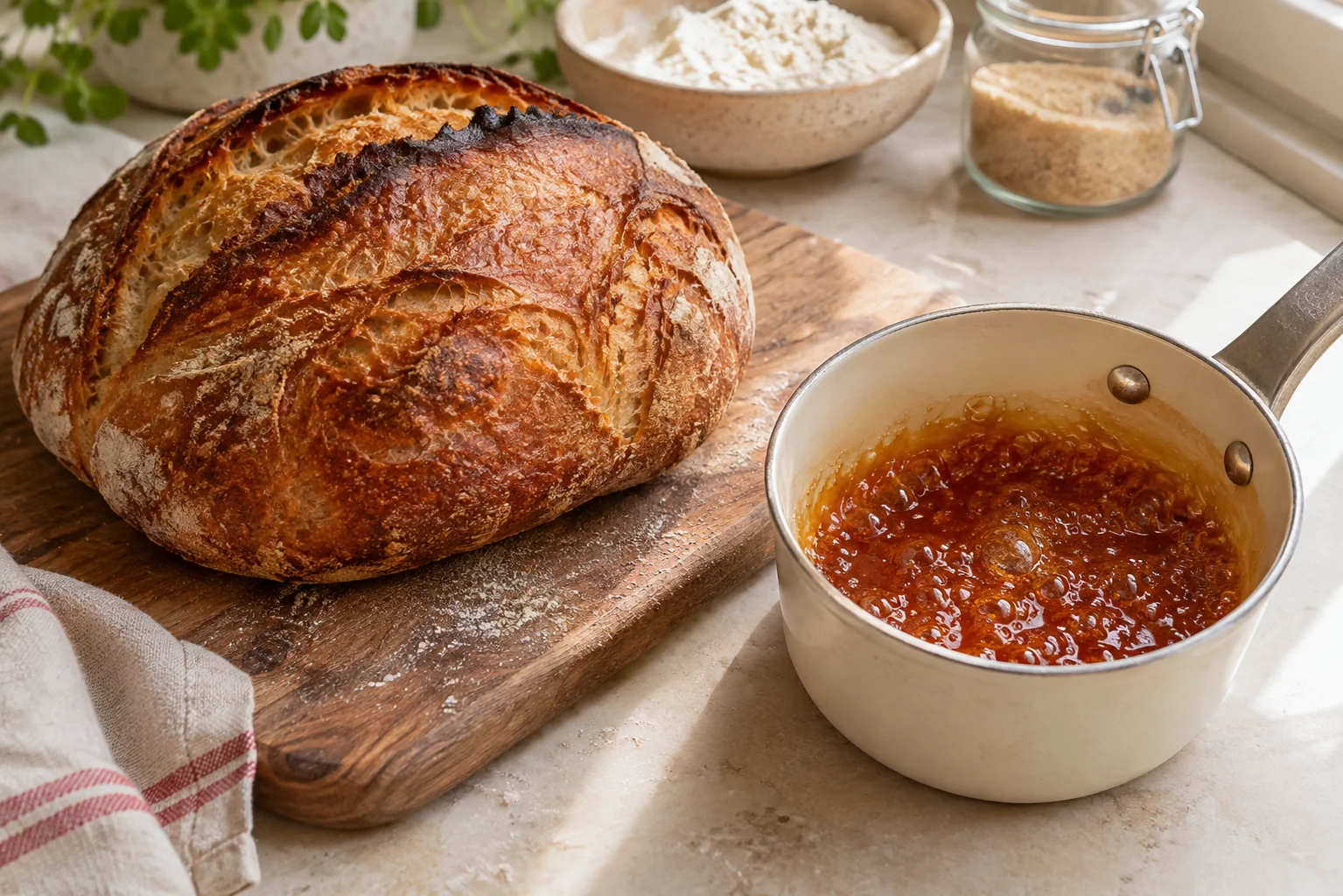
Two groups of reactions are important: Maillard browning between certain sugars and amino compounds, and caramelization of sugars under suitable heat. These build colour and aroma as the crust dries and heats. The exact mix depends on bread ingredients and temperature; a lean loaf differs from milk bread rich in dairy and sugar.
Check actual oven temperature
An oven set to 450°F may be running cooler than indicated. A loaf may bake through slowly without producing the desired crust colour. Use a suitable independent thermometer when pale results recur, and allow sufficient preheating before loading bread.
Underbaking is a possibility
A pale loaf may simply have been removed before the crust developed. Check the recipe's full time and doneness cues, including internal temperature when specified. Returning an underbaked loaf to the oven can sometimes help, but don't assume an extra ten minutes fits every formula.
Why preheating stones and Dutch ovens matters
A heavy baking surface takes time to reach operating temperature. Loading dough before it is thoroughly heated can reduce initial heat transfer and change oven spring and crust development. Follow the vessel manufacturer's limits and the bread formula's preheat instructions.
Steam delays early crust setting
Moisture in the first part of baking keeps a crust flexible for oven spring. Later, steam must dissipate so the surface can dry and brown. In a covered Dutch oven, leaving the lid on for too long can produce a pale loaf that hasn't had enough uncovered time for colour.
When to remove a Dutch oven lid
Use the loaf recipe's covered and uncovered stages. Removing it too early may limit oven spring; removing it far too late may leave little browning time. A deeply browned crust is typically developed during the latter stage, when hot dry air can act on the surface.
Recipe to try: Baguette. Crispy golden crust gives way to a tender, airy interior with that distinctive chew that makes homemade baguettes the ultimate expression of artisan bread baking.

Over-fermentation can reduce browning
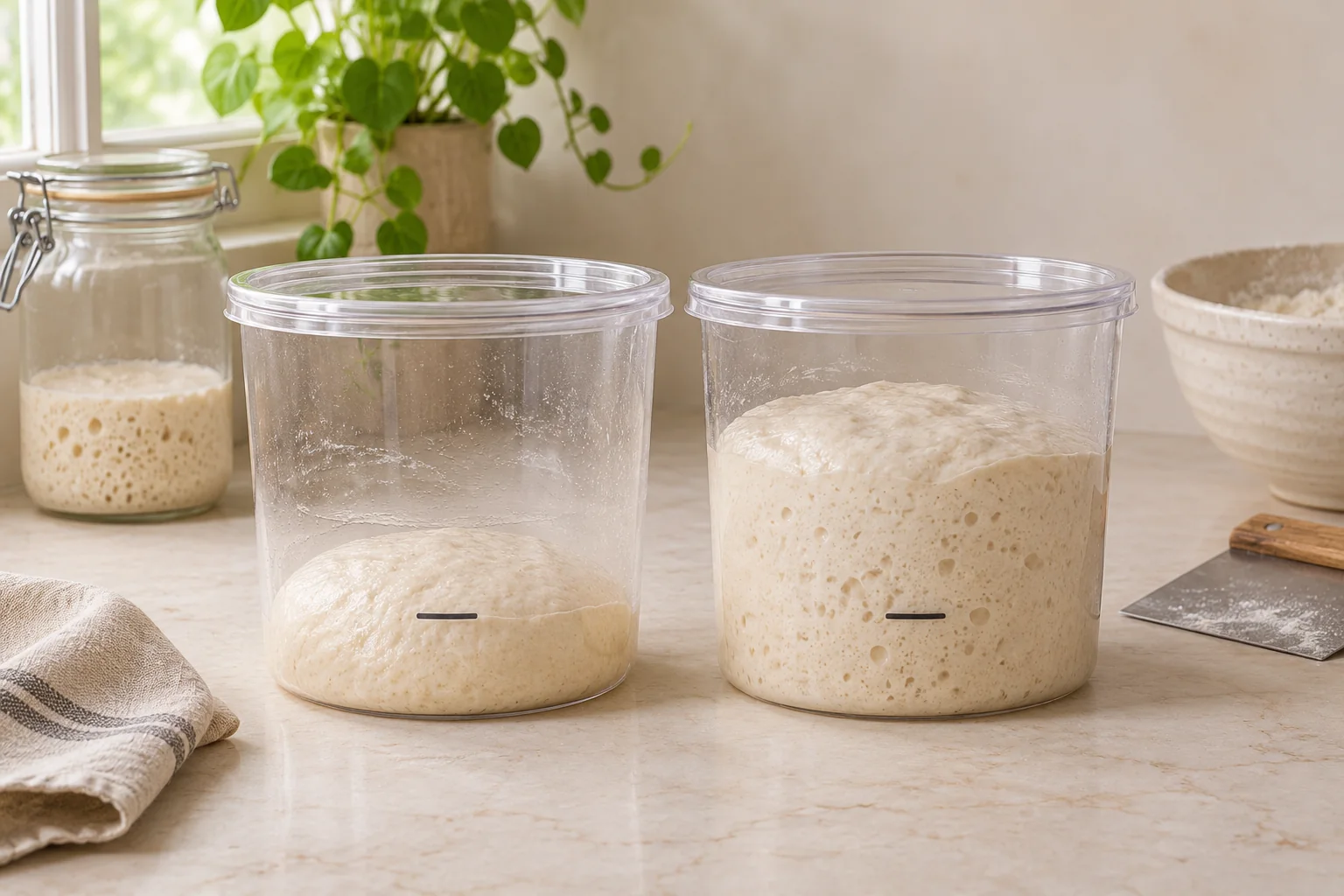
During long fermentation, yeast consumes available fermentable sugars. In some doughs, very long or poorly balanced fermentation can leave fewer browning substrates. Bread that's excessively proofed may therefore be pale even with adequate oven heat. Other ingredients and flour enzymes complicate the relationship, so colour isn't a standalone test.
Flour type changes colour
Different flours contain varying protein, minerals and enzyme activity. A white-flour loaf and a whole-grain rye loaf won't develop identical crust shades. Malted flour can contribute enzymatic activity; don't add arbitrary malt powder to compensate for a pale crust without a tested formula.
Recipe to try: Honey Oat Sandwich Bread. Tender, slightly sweet sandwich bread with nutty oats and golden honey that makes exceptional toast and hearty sandwiches with a rustic, wholesome texture.

Added milk and sugar
Enriched breads often brown more readily because lactose, proteins and added sugar influence crust reactions. A lean flour-water-salt loaf may need a different heat and bake method to become golden. Don't turn every baguette into sweet bread by adding sugar solely for colour.
Recipe to try: Soft Milk Bread. Pillowy-soft, subtly sweet milk bread with a tender, pull-apart texture and golden crust that makes for perfect sandwiches, toast, or enjoying warm with butter.

Egg wash gives a different appearance
A brushed egg wash can produce shine and deeper colour on brioche, challah or rolls. It isn't typically needed for a flour-dusted country loaf, and it can brown faster than the interior cooks. Use the wash specified by the recipe.
Why an oven rack matters
A loaf too high in the oven might darken on top before the bottom finishes, while one too low may have the opposite problem. Follow the prescribed rack position and consider whether large pans block airflow. Uneven heat can create a pale side even with correct total time.
Pan finish and colour
Dark metal often promotes stronger surface browning at points of contact, while light metal and glass behave differently. Changing from metal to a very thick ceramic baker may alter heat transfer. Use the material expected by the recipe or follow a tested conversion.
Bread crust colour versus crumb
A richly browned surface does not guarantee the centre is fully baked, and a pale surface doesn't automatically mean raw dough. Use internal temperature or crumb-specific doneness criteria where the formula provides them. Cool the loaf sufficiently before evaluating a slice.
What if the loaf is pale and soft?
It may need more dry baking time, especially after a covered steam stage. In a soft sandwich loaf, however, a tender pale crust may be part of the intended result. Compare with the recipe's photograph and specified colour rather than chasing a baguette crust on brioche.
What if the bottom is pale?
Check baking surface temperature, rack position and whether the loaf was placed on a sheet that insulates it from the heat. A wet, pale bottom can also reflect underbaking or moisture condensation while cooling. Use a rack to allow steam to escape after baking.
What if the top is pale but the bottom burns?
The oven setup may direct too much heat to the underside. A too-dark pan, low rack or excessively hot stone may contribute. Don't extend baking until the bottom is bitter; correct the configuration before the next loaf.
Should you spray water into the oven?
Only use a steam method explicitly suitable for your oven and bread formula. Spraying water onto hot glass or heating elements can cause damage or burns. A compatible covered bread vessel is one alternative for single artisan loaves.
A simple diagnosis log
Record actual oven temperature, preheat duration, covered and uncovered baking intervals, dough fermentation and final crust colour. A few repeated bakes can reveal whether the issue tracks oven setup or an over-proofed dough schedule.
Frequently asked questions
Does a pale crust mean dead yeast? No. Is sugar necessary? No, many lean breads brown well. Can more oven time help? Sometimes if the loaf needs it. Why does milk bread brown early? Dairy proteins and sugars contribute. Does steam make crust pale? It delays early browning until the surface dries.
Aim for appropriate colour
Match the crust to the bread style, bake in a fully heated environment, manage steam deliberately and monitor fermentation. Good browning is the finishing result of the entire process rather than an isolated trick at the oven door.
Related recipe: Classic White Sandwich Bread.
IN PICTURES
From the baking notebook
FROM THE RECIPE BOX


