On this page
A macaron recipe that worked beautifully in January may crack and spread on a humid summer afternoon. Crisp meringue cookies can turn sticky overnight, and flour that feels powdery in one kitchen may seem slightly damp in another. Humidity affects how ingredients absorb and release water during mixing, proofing, baking and storage. You can't control every weather change, but understanding where moisture matters most makes the results more repeatable.
What relative humidity means
Relative humidity describes how much water vapour is in the air compared with the amount it can hold at that temperature. Warm humid air changes how quickly moisture evaporates from batter, dough and baked surfaces. The ingredient formulation and room temperature still matter; humidity isn't a single explanation for every failed dessert.
Why flour responds to the room
Flour contains some moisture and can absorb or release water as storage conditions change. A measured cup of flour can therefore behave differently when compacted or humid. Weighing flour and storing it sealed in a dry place make recipes more consistent.
Humidity and dough hydration
In a very humid kitchen, a dough might feel slightly stickier, especially when the flour itself has absorbed moisture. The effect may be smaller than errors from inaccurate water measurements or an unfamiliar flour brand. Check the dough's intended texture before making a large hydration adjustment.
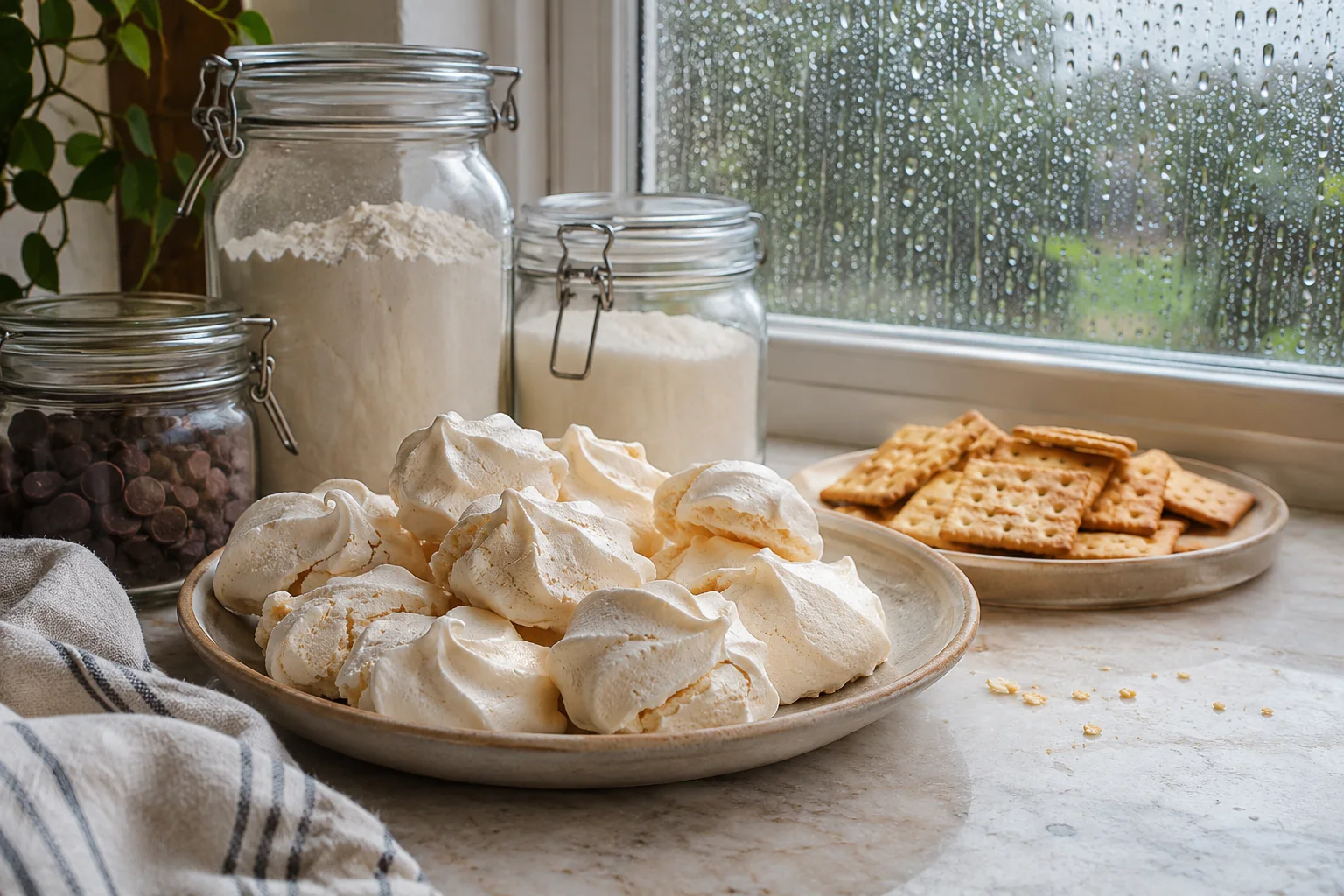
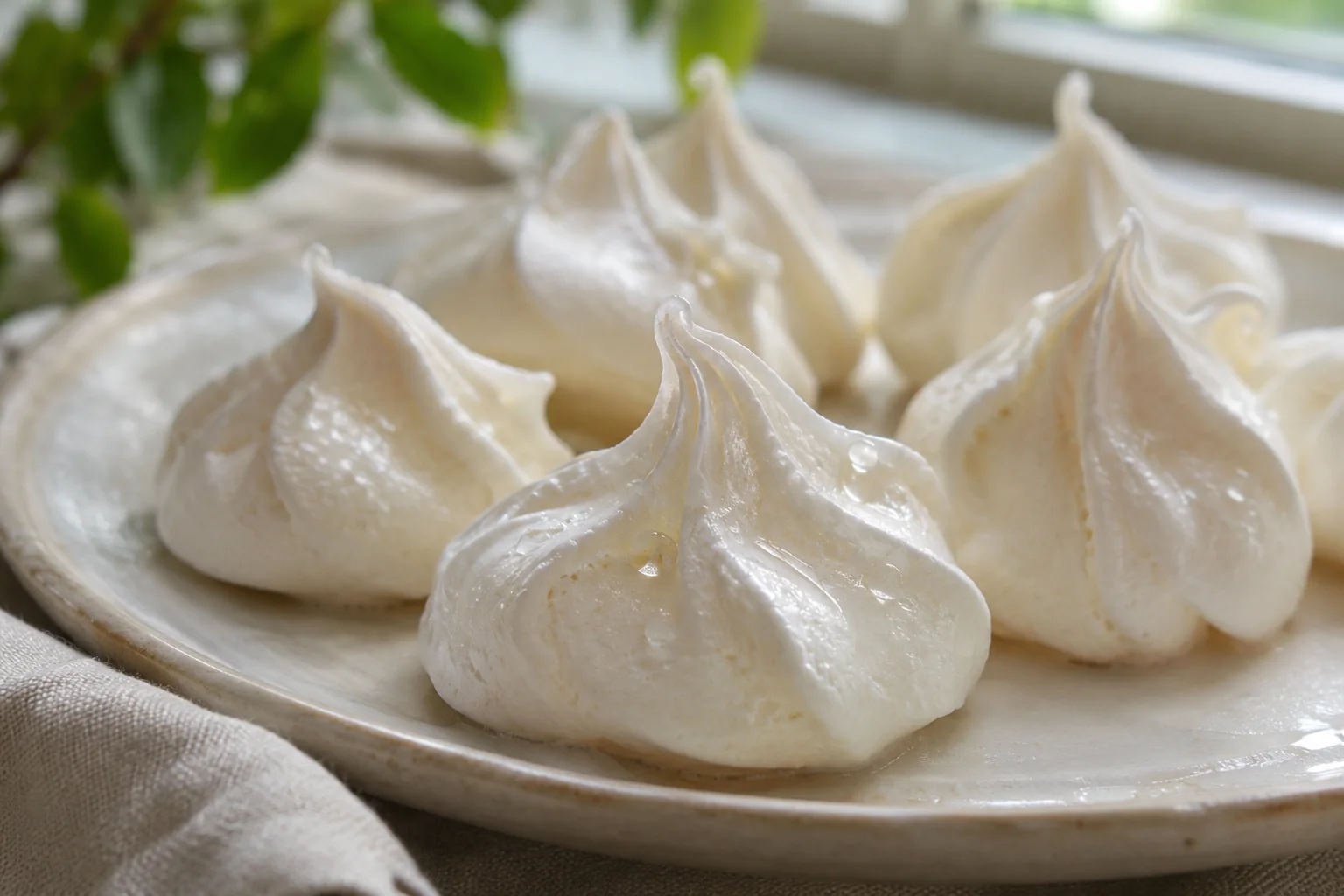
Why meringues become sticky
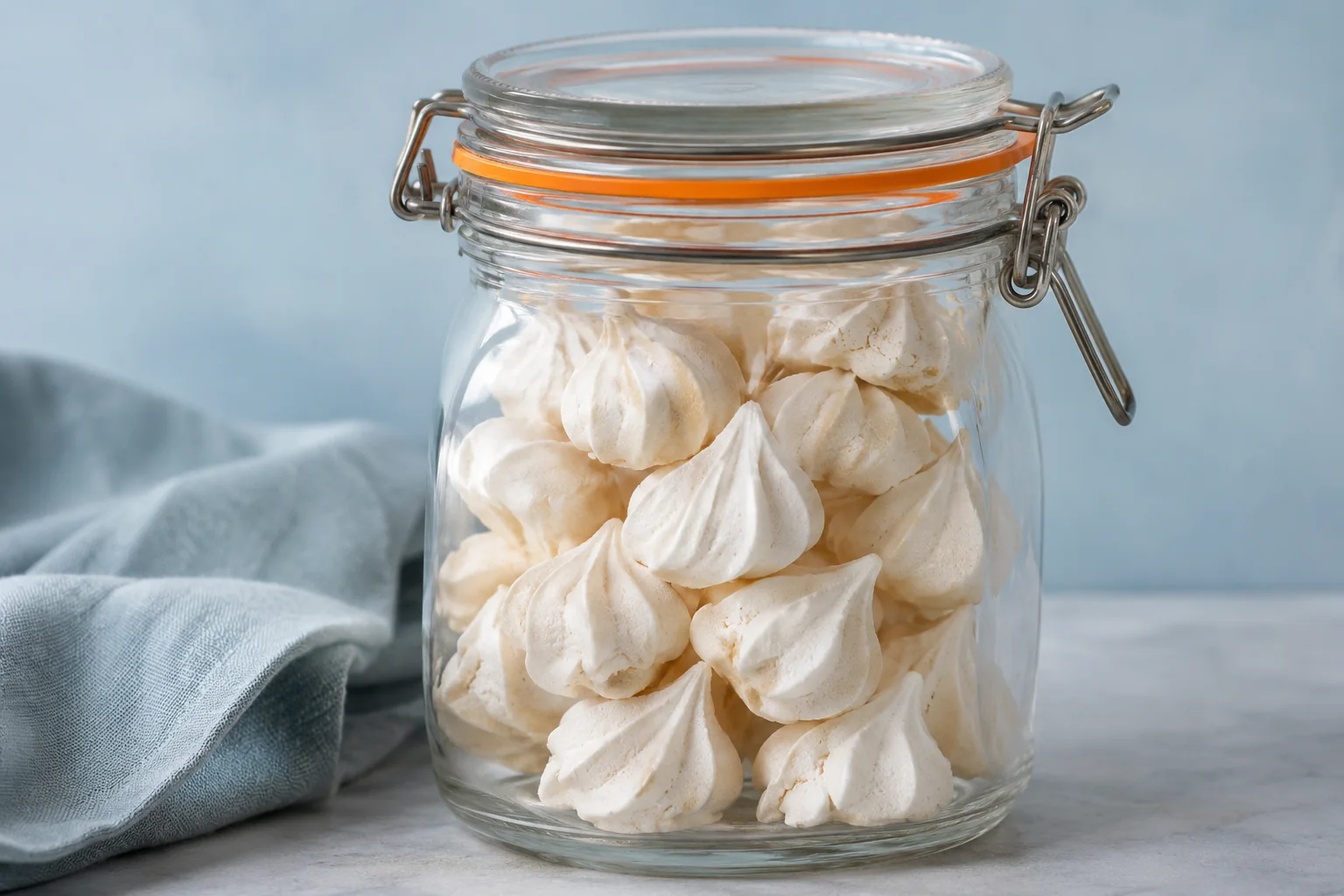
Sugar-rich meringues can absorb moisture from humid air and lose their crispness. Protect fully cooled, dry meringues promptly in an airtight container according to the recipe. A correctly baked shell may still soften if it is left exposed.
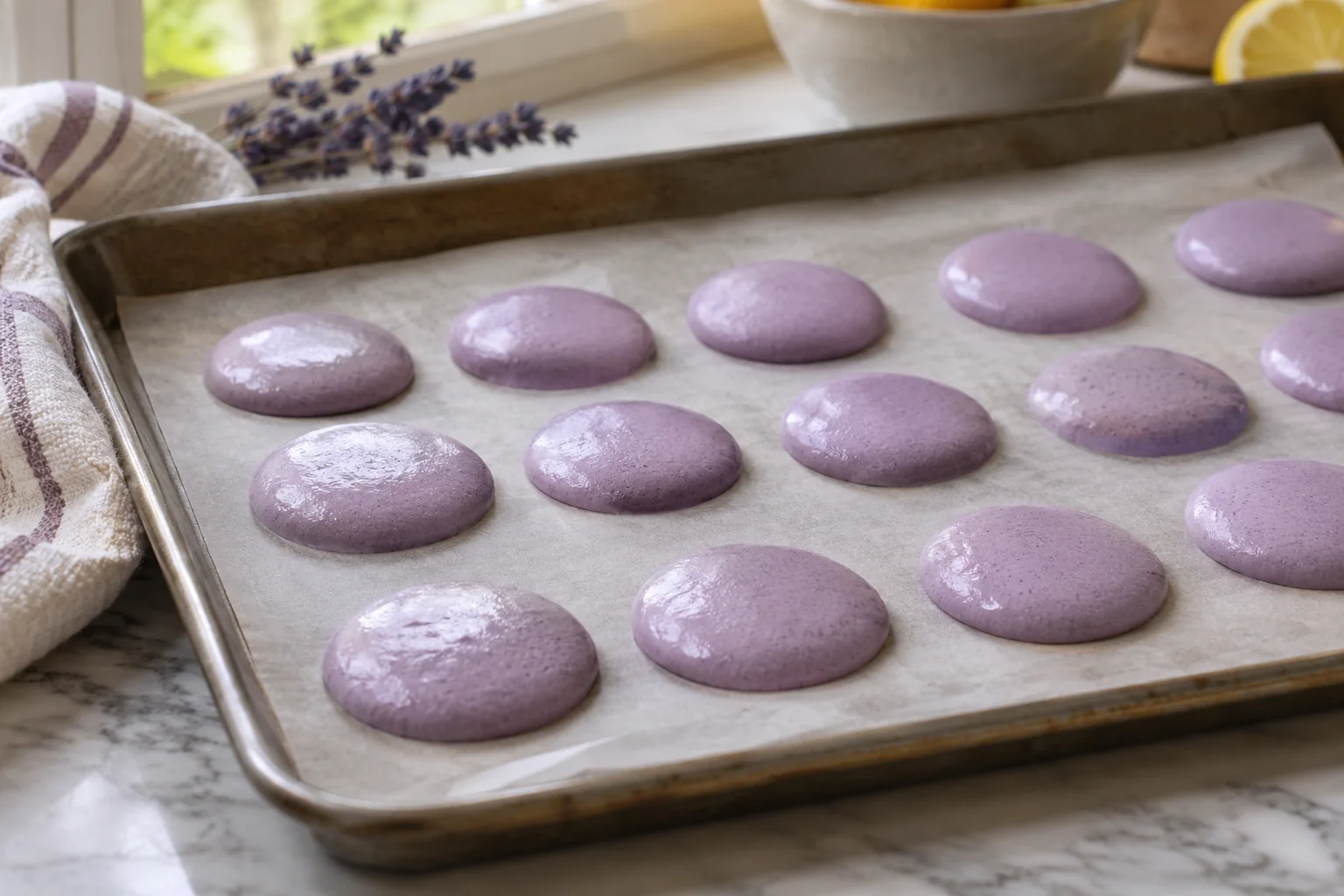
Macarons can take longer to dry
Many French macarons rest after piping to develop a dry surface before baking. Humid air slows that evaporation, so a fixed 20-minute rest may no longer produce the same skin. Follow the recipe's surface cue, not a rigid timer, and avoid placing trays in an unventilated steamy kitchen.
Recipe to try: Lemon Macarons. Follow this recipe’s own shell method, drying cues and filling instructions rather than mixing steps from different macaron methods.
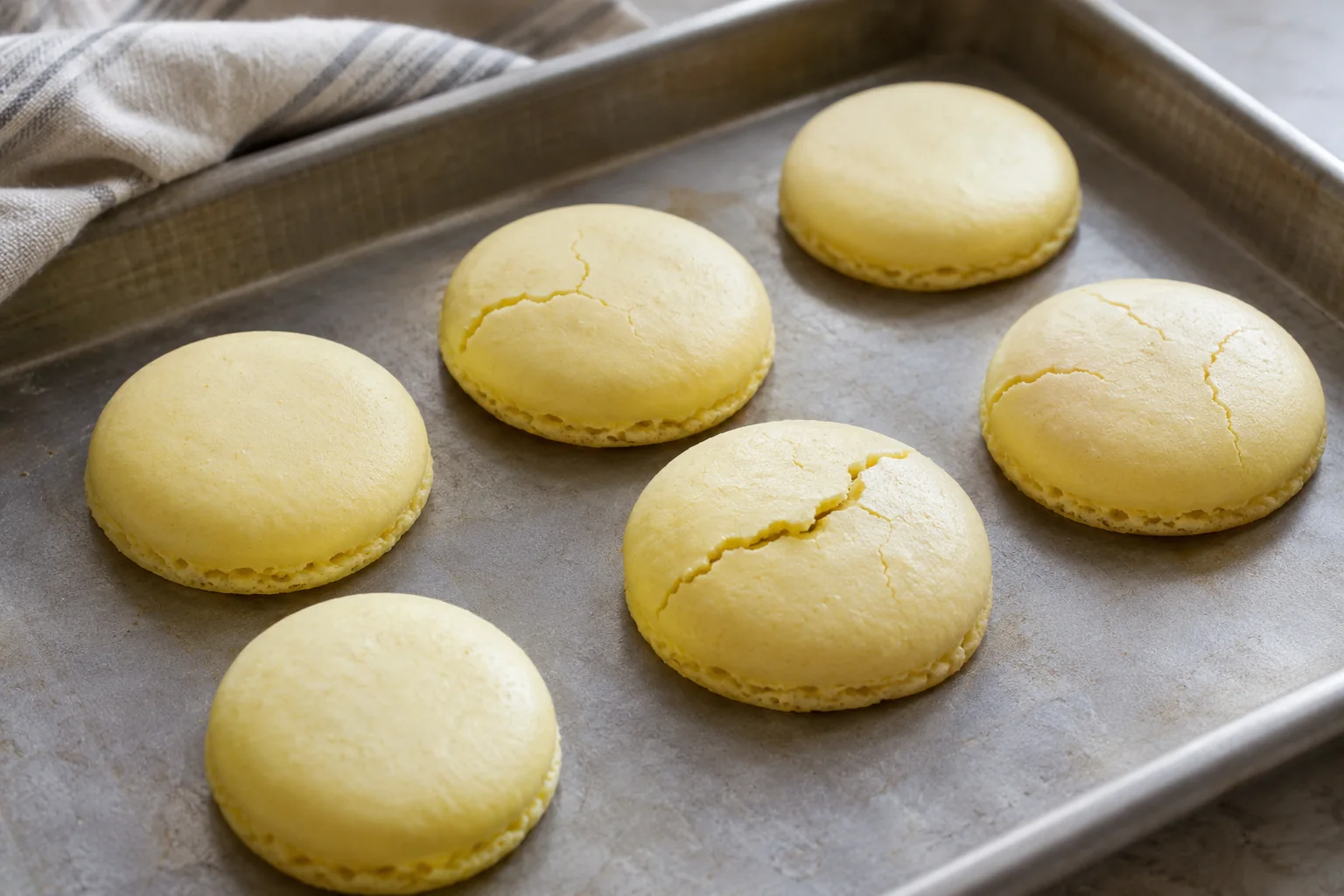
Cracked macarons aren't only humidity
Insufficient surface drying can contribute to cracking, but overmixed batter, poor meringue and incorrect oven heat are also common causes. A humid day may reveal a weakness in your process rather than being the sole problem. Test carefully and change one variable at a time.
Crisp cookies can soften after baking
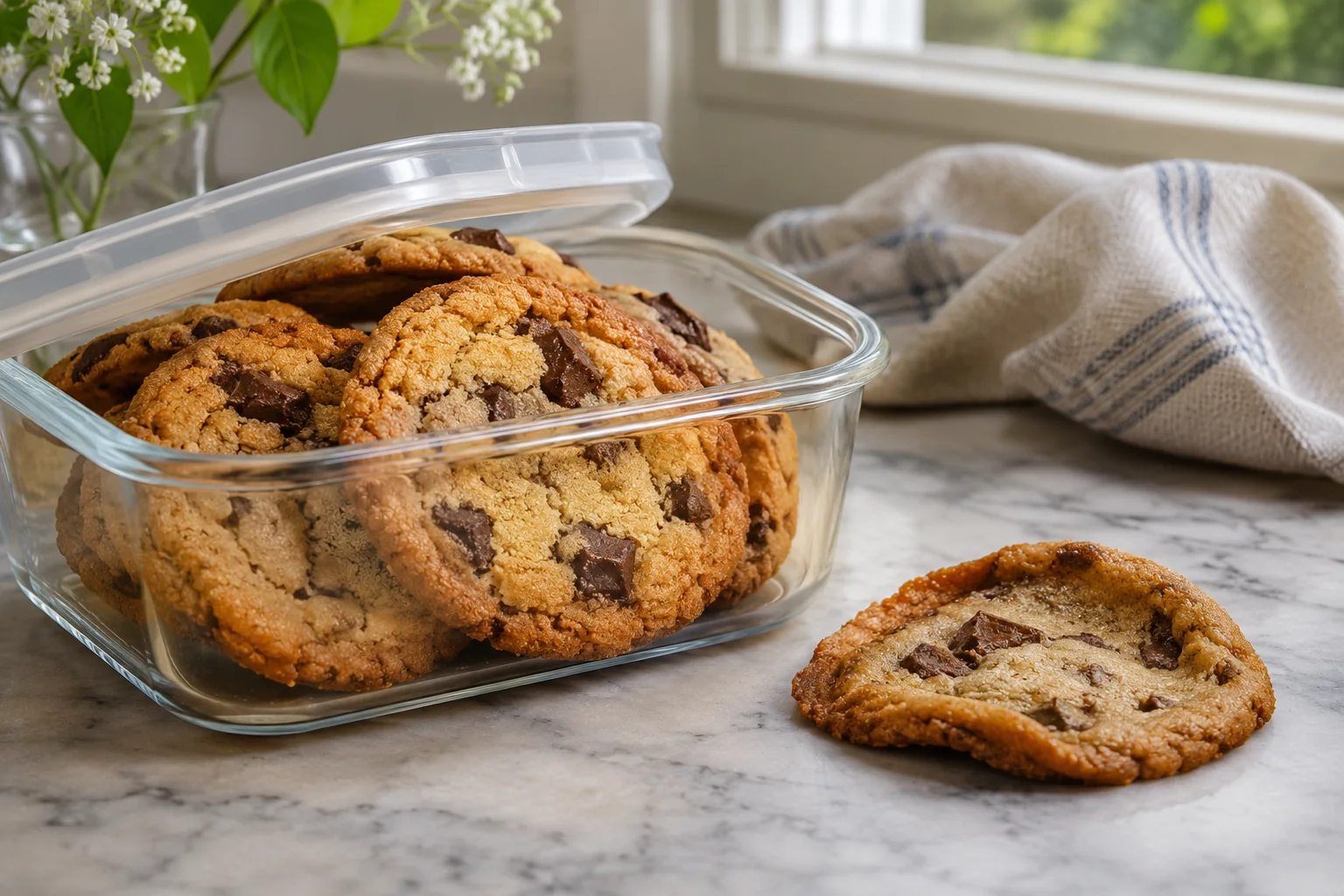
Thin cookies and tuiles are often designed to be dry enough to snap. When left uncovered in humid air, they can absorb water and become bendy. Allow them to cool completely, then store in a clean airtight container rather than on an open rack overnight.
Recipe to try: Crispy Chocolate Chip Cookies. Perfectly balanced cookies with crisp golden edges, gooey chocolate pockets, and deep buttery caramel notes that shatter with each satisfying bite.
Brownies can behave differently
A fudgy brownie has more internal moisture than a crisp meringue. High humidity may make exposed edges less prone to drying but can also soften delicate crackly tops. Storage needs to protect the texture you want rather than assuming more moisture is always beneficial.
Puff pastry needs moisture control
Laminated pastry relies on crisp baked layers and butter that remains structured during rolling. Humid conditions can affect cooling and finished crispness, while warm kitchen temperature often matters even more during handling. Keep raw pastry cool and assemble with wet fillings near the right moment.
Fruit tart shells
A fully baked crisp tart shell begins absorbing moisture once pastry cream or fruit is added. Humid ambient air can add to this challenge, but the wet filling is usually the larger influence. Fill close to serving and consider a recipe-approved moisture barrier where helpful.
Bread proofing and crust
Humidity influences evaporation at the surface of proofing dough and cooling bread. Dry air can form a skin on uncovered dough; very moist conditions keep the surface softer. Cover dough as the recipe directs rather than compensating with uncontrolled extra water.
Bread crust after baking
A crisp artisan crust can soften as internal moisture redistributes and humid air adds more moisture. Cooling bread on a rack helps steam escape, while sealing a warm loaf in plastic traps condensation. The ideal storage also depends on whether you want a crisp baguette or soft sandwich loaf.
Chocolate and condensation
Moving cold chocolate into warm humid air can cause water to condense on its surface. The moisture may dissolve sugar locally and later leave a pale grainy coating sometimes called sugar bloom. This differs from fat bloom, which involves cocoa butter changes. Avoid abrupt temperature transitions and follow chocolate storage guidance.
Sugar work and caramel decorations
Pulled sugar, caramel shards and certain spun-sugar decorations can quickly become sticky under humid conditions because sugar attracts atmospheric moisture. Make them close to service when possible and store using a method suited to the specific confection. A damp room can shorten their attractive display window.
A dehumidifier isn't a recipe ingredient
A consistently comfortable dry workspace can help with meringues or sugar work, but you don't need to purchase expensive equipment before checking the process. Smaller improvements include good kitchen ventilation, avoiding simultaneous boiling pots and storing crisp desserts properly.
Watch nearby steam sources
A dishwasher, steaming kettle or boiling stockpot can raise local moisture even when outdoor humidity is moderate. Macaron trays and sugar decorations may be particularly sensitive. Prepare delicate desserts away from active steam where practical.
When to adjust flour or liquid
Make adjustments based on actual dough consistency and a tested recipe range, not merely a weather-app humidity number. Keep ingredient weights constant initially and note whether the flour feels different or the batter is visibly wetter than usual.
Room temperature works alongside humidity
A hot dry kitchen and a cool humid kitchen can affect butter and dough differently. Butter melting during cookie mixing is primarily a temperature problem even if the weather is also humid. Log both factors when a recipe becomes inconsistent.
How to store crisp meringues
Let dry meringue cookies cool as directed before packing them in a well-sealed container. Choose storage or freezing only as the recipe permits, and protect them from condensation when changing temperature. Cream-filled pavlovas and meringue pies need different, usually refrigerated, handling.
Recipe to try: Vegan Aquafaba Meringues. This is an egg-free aquafaba formula. Its whipping and baking behaviour differs from egg-white meringue, so follow its own method.
How to protect ingredients
Keep flour, powdered sugar and dried decorations in tightly closed food-safe containers in a dry storage area. Avoid leaving open bags near ovens or sinks. Check storage directions for chocolate, baking powder and other moisture-sensitive products.
A small kitchen record
Note the room temperature, approximate humidity, flour type, mixing and baking times, and how quickly finished cookies become soft. This can reveal patterns across seasons. It is more useful than assuming every failure on a rainy day had one cause.
Frequently asked questions
Does humidity change flour weight? Flour moisture can vary, but weighing remains more reliable than cups. Should macarons rest longer on humid days? Often until the intended surface forms. Is humid air bad for all bread? Not necessarily. Does refrigeration protect meringue crispness? It may introduce moisture; use the recipe's storage plan.
Work with the environment
Control the things you can: weigh ingredients, keep butter at the intended temperature, watch surface drying, vent the kitchen and seal crisp desserts after cooling. Humidity is one variable in a larger baking system, not an unavoidable reason to abandon the recipe.
Related recipe: Ginger Crinkle Cookies.
IN PICTURES
From the baking notebook
FROM THE RECIPE BOX


