On this page
You unwrap a bar of chocolate expecting a smooth brown surface, only to find pale streaks, cloudy patches or little white speckles. It can look as though the chocolate has gone bad. Often, though, what you're seeing is chocolate bloom, a common quality problem caused by changes in cocoa butter or by moisture.
Chocolate bloom is different from mold. In properly manufactured and stored chocolate, bloom usually affects appearance and sometimes texture or flavour rather than making the chocolate unsafe. Understanding which type you're seeing helps you decide how to use the chocolate and how to prevent it next time.
What Is Chocolate Bloom?
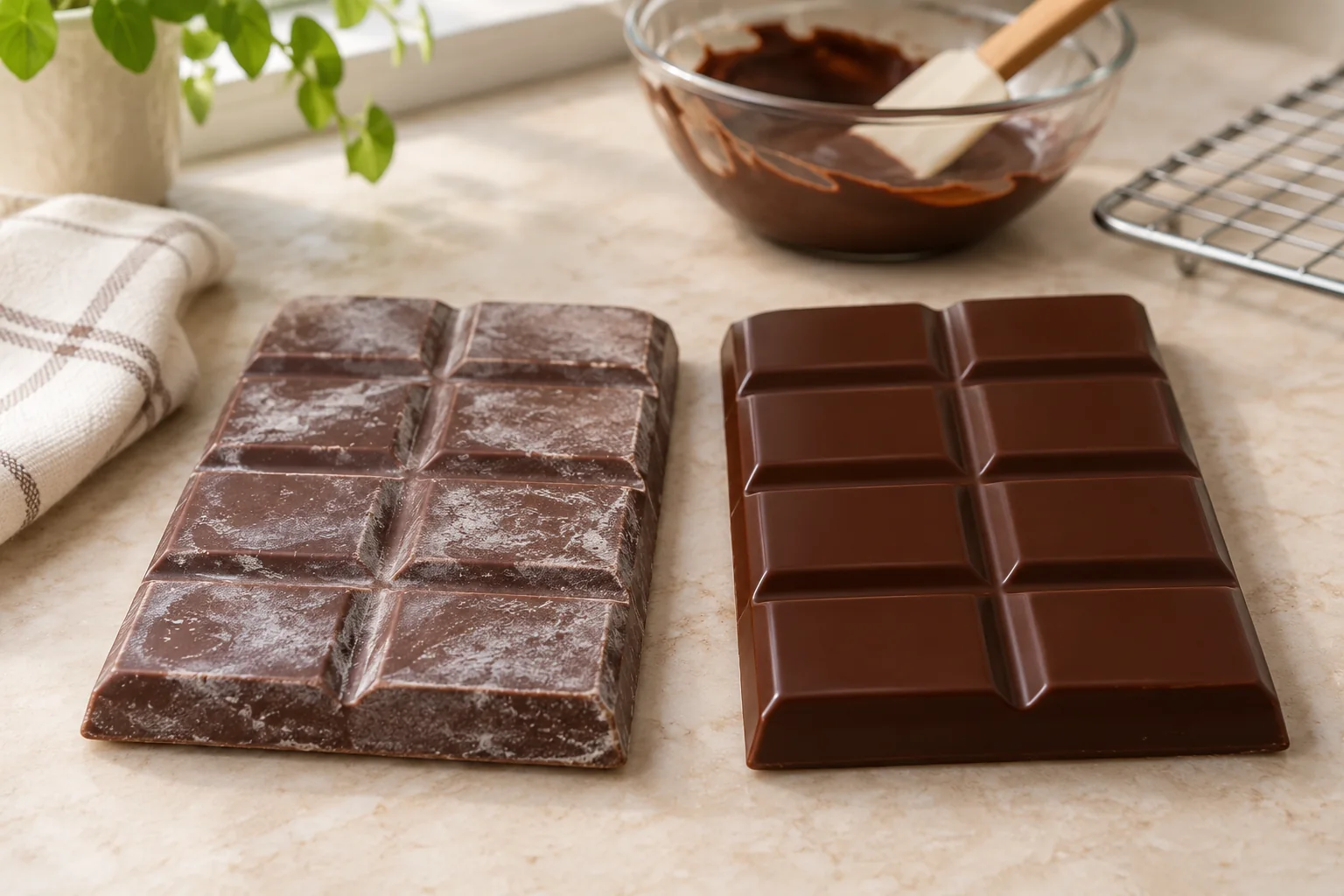
Chocolate bloom is a pale, whitish or greyish surface appearance caused by changes in the chocolate's fat or sugar. The two principal kinds are fat bloom and sugar bloom. They can look similar, but their causes are different.
The Canadian Food Inspection Agency explains that bloom is a familiar appearance change and, by itself, is harmless. That advice applies to bloom, not to chocolate that is moldy, contaminated, unusually wet or otherwise spoiled.
What Does Fat Bloom Look Like?
Fat bloom often appears as a dull grey-white film, cloudy pattern, pale streak or marbled surface. Some areas may look waxy or less glossy than the rest of the chocolate. The chocolate may also lose some of its pleasant snap or feel different as it melts.
The appearance is caused by cocoa butter moving or recrystallizing in a different structure, often after temperature changes or an unstable tempering process.
What Causes Fat Bloom?
Cocoa butter is a mixture of fats that can crystallize into different arrangements. Properly tempered chocolate encourages the crystal form that gives a glossy surface and satisfying snap. Poor tempering, storage at unsuitable temperatures and temperature fluctuations can encourage less desirable crystal structures to develop.
As the fat reorganizes, some can move toward the surface and create a pale coating. Chocolate stored near a heater or exposed to repeated warming and cooling is particularly vulnerable.
What Does Sugar Bloom Look Like?
Sugar bloom often produces rough, dry-looking, whitish speckles or a grainy film. It is associated with moisture contacting the surface of the chocolate.
Water can dissolve a little surface sugar. As it evaporates, that sugar recrystallizes into a visible pale layer. The chocolate may look dusty or feel sandy even though the underlying chocolate was originally smooth.
What Causes Sugar Bloom?
Humidity and condensation are the main triggers. Taking cold chocolate out of a refrigerator into a warm humid kitchen can cause water to condense on the bar or its coating. The moisture affects surface sugar and leaves marks after it dries.
Callebaut's chocolate academy highlights condensation as a key cause of sugar bloom and advises allowing packaged cold chocolate to acclimate before unwrapping it in a warmer environment.
Fat Bloom vs Sugar Bloom
| Feature | Fat bloom | Sugar bloom |
|---|---|---|
| Primary cause | Changes in cocoa butter crystals | Moisture and recrystallized sugar |
| Typical look | Cloudy, streaky or grey-white film | Rough, grainy white spots |
| Common trigger | Temperature swings or poor tempering | Condensation or humidity |
| Prevention | Stable, suitable storage | Keep chocolate dry; avoid condensation |
| Effect | Changes appearance and snap | Changes appearance and surface texture |
Is Chocolate with White Spots Safe to Eat?
If the marks are ordinary chocolate bloom and the product has otherwise been stored properly and is within its suitable quality period, the bloom itself does not create a health hazard. It may taste less fresh or have a less appealing texture.
However, a white substance isn't always bloom. If chocolate has been exposed to contamination, has unusual fuzzy growth, a strange off-odour, damaged packaging or signs of spoilage beyond a simple white film, don't assume it is safe. When uncertain, discard it.
Does Bloom Mean the Chocolate Is Expired?
Not necessarily. Bloom can develop before a chocolate's best-before date if storage conditions are poor. Conversely, chocolate can be old or poorly stored without developing obvious bloom.
Look at the package instructions, date, storage conditions and overall appearance. A best-before date is primarily a quality indicator in many jurisdictions, but it doesn't replace common-sense evaluation of handling and contamination.
Why Does Chocolate Turn White After Refrigeration?
Chocolate placed into a cold refrigerator can be exposed to humidity, and moisture may condense on the surface when it is brought into a warm room. That can trigger sugar bloom. Repeated shifts in temperature can also encourage fat bloom.
For plain chocolate bars, consistently cool, dry storage following the manufacturer's instructions is often preferable to repeated moves between a warm counter and refrigerator.
Should You Store Chocolate in the Fridge?
Manufacturers generally recommend stable, cool, dry storage for plain chocolate, protected from heat, sunlight and strong odours. In very hot climates, refrigeration may sometimes be necessary, but packaging must limit moisture and temperature shock.
Filled chocolates and chocolate-covered desserts may have different storage requirements because their centres contain cream, fruit or other perishables. Always follow the instructions for the complete product rather than treating it like a plain chocolate bar.
How to Prevent Condensation
If refrigerated chocolate must be moved into a warmer room, keep it protected in suitable sealed packaging while it gradually approaches the new temperature. Opening it immediately can let humid air contact the cold surface.
Avoid using a damp container or wet silicone mold. Even a little moisture can create sugar bloom on a beautifully tempered shell.
Why Homemade Chocolates Become Streaky
Chocolate bonbons, dipped cookies and bars may develop streaks if the chocolate wasn't tempered correctly or cooled and stored under suitable conditions. A glossy finish requires managing cocoa butter crystallization, not merely melting chocolate and putting it into the refrigerator.
For molded chocolates, clean dry molds, an appropriate tempering method and stable storage are especially important. Rapid temperature changes may lead to bloom even when the chocolate looked beautiful immediately after setting.
Why Chocolate Chips Sometimes Look Pale
Chocolate chips can also bloom when exposed to heat fluctuations or moisture. The small pieces have a large surface area, so pale speckling may be particularly obvious in a bag.
Check whether the marks match ordinary bloom and whether the chips have otherwise been stored correctly. Don't confuse flour dust from a recipe, sugar coating on specialty chips or visible contamination with bloom without assessing the product.
Can You Bake with Bloomed Chocolate?
Chocolate with ordinary bloom can often be used in brownies, cookies or cakes where it will be melted or baked, assuming it is otherwise wholesome and properly stored. The appearance of the original bar won't be visible after mixing.
However, flavour and texture may have changed. For a special ganache, tempering project or delicate confection where finish matters, fresh properly stored chocolate may give more predictable results.
Can You Fix Fat Bloom?
Some fat-bloomed chocolate can be remelted and properly tempered, which can restore a glossy finish when the chocolate is suitable for tempering and hasn't been damaged in other ways. Simply melting and cooling without correct tempering may recreate the problem.
Follow a tested tempering method for the exact chocolate type. Temperatures and working ranges differ for dark, milk and white chocolate.
Recipe to try: Chocolate Tart. A chocolate tart offers a complete pastry-and-filling project. Use the chocolate and liquid quantities specified for its filling.

Can You Fix Sugar Bloom?
Sugar bloom changes the surface and can leave a rough texture. Melting the chocolate may make it usable in some baked recipes, but it doesn't guarantee that a perfectly smooth professional confection can be restored. Introduced moisture can complicate melting.
When the chocolate is otherwise safe, a brownie or cake batter may be a more forgiving use than a delicate molded shell.
Why Chocolate Looks White After Tempering
If homemade tempered chocolate develops white streaks after setting, the tempering process may not have produced a stable crystal structure. Excessive warmth, insufficient movement through the recipe's temperature stages, or poor cooling conditions can contribute.
Use a digital thermometer, a reliable tempering method and a small test of the chocolate's set before molding an entire batch. Keep equipment completely dry.
How to Store Chocolate for the Best Finish
Use a stable environment that is cool and dry according to the chocolate manufacturer's instructions. Keep bars sealed, away from direct sunlight, heaters and strong odours. Avoid cycling chocolate repeatedly between very cold and warm conditions.
Protecting chocolate from humidity is especially important for decorations, chocolate-dipped strawberries and molded products. For filled chocolates, the filling's refrigeration requirements override general advice for plain chocolate.
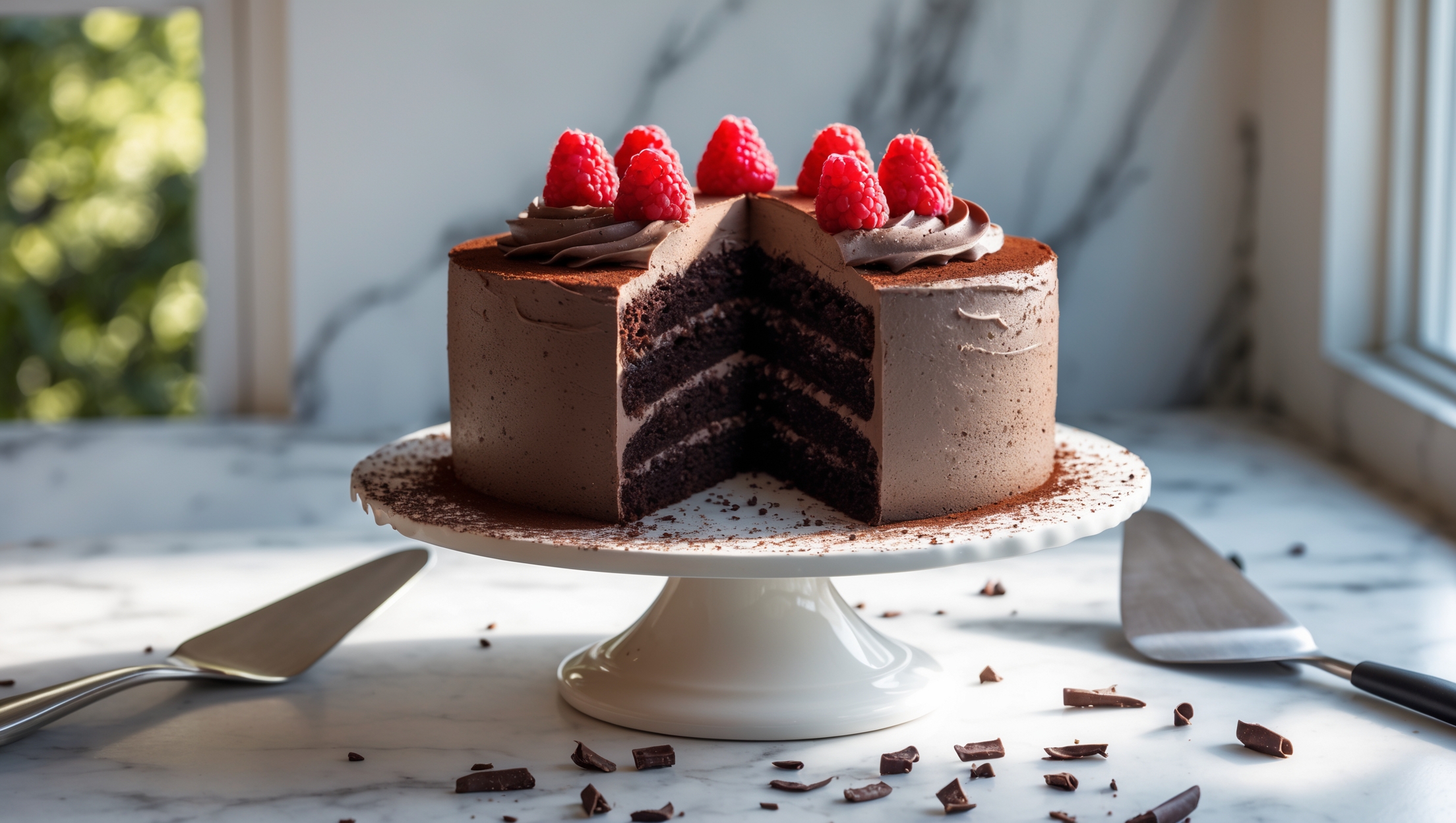
Recipe to try: Chocolate Layer Cake. Chocolate cake provides a larger baking project for practising ingredient preparation. Keep the batter and frosting instructions together.
Common Storage Mistakes
Unwrapping cold chocolate immediately: humid air can condense on the surface. Keeping chocolate near a hot window: fats soften and recrystallize. Using damp molds: sugar bloom develops. Improper tempering: an unstable finish may bloom. Frequent temperature changes: even good chocolate can lose gloss.
Frequently Asked Questions
Is white chocolate bloom mold?
Bloom itself is not mold. But if the appearance is fuzzy, accompanied by off-odours or otherwise suspicious, don't assume it is harmless bloom.
Can I eat chocolate that has turned white?
Ordinary bloom is considered harmless, provided the chocolate is otherwise safely stored and uncontaminated. Texture and flavour may be less appealing.
Does refrigerating chocolate prevent white streaks?
Not automatically. Moisture and temperature changes can cause bloom. Follow the manufacturer's cool, dry storage advice and avoid condensation.
Why does my melted chocolate turn grey after setting?
Improper cocoa butter crystallization can cause fat bloom. Use a tested tempering method when a glossy stable shell is required.
Can I use bloomed chocolate in cookies?
Often, yes, if it is ordinary bloom and the chocolate is otherwise safe. Check flavour and freshness before using it.
Recipe to try: Classic Chocolate Chip Cookies. Use the stated butter texture, dough portions and bake time together to establish a consistent cookie baseline.

The White Marks Tell a Story About Storage
White streaks on chocolate often come from cocoa butter changing its crystal structure or sugar reacting to moisture. Neither automatically means the chocolate is spoiled. For a beautiful finish, keep chocolate consistently cool, dry and properly tempered; for baking, ordinary bloomed chocolate may still have a useful place in your pantry.
IN PICTURES
From the baking notebook
FROM THE RECIPE BOX


