On this page
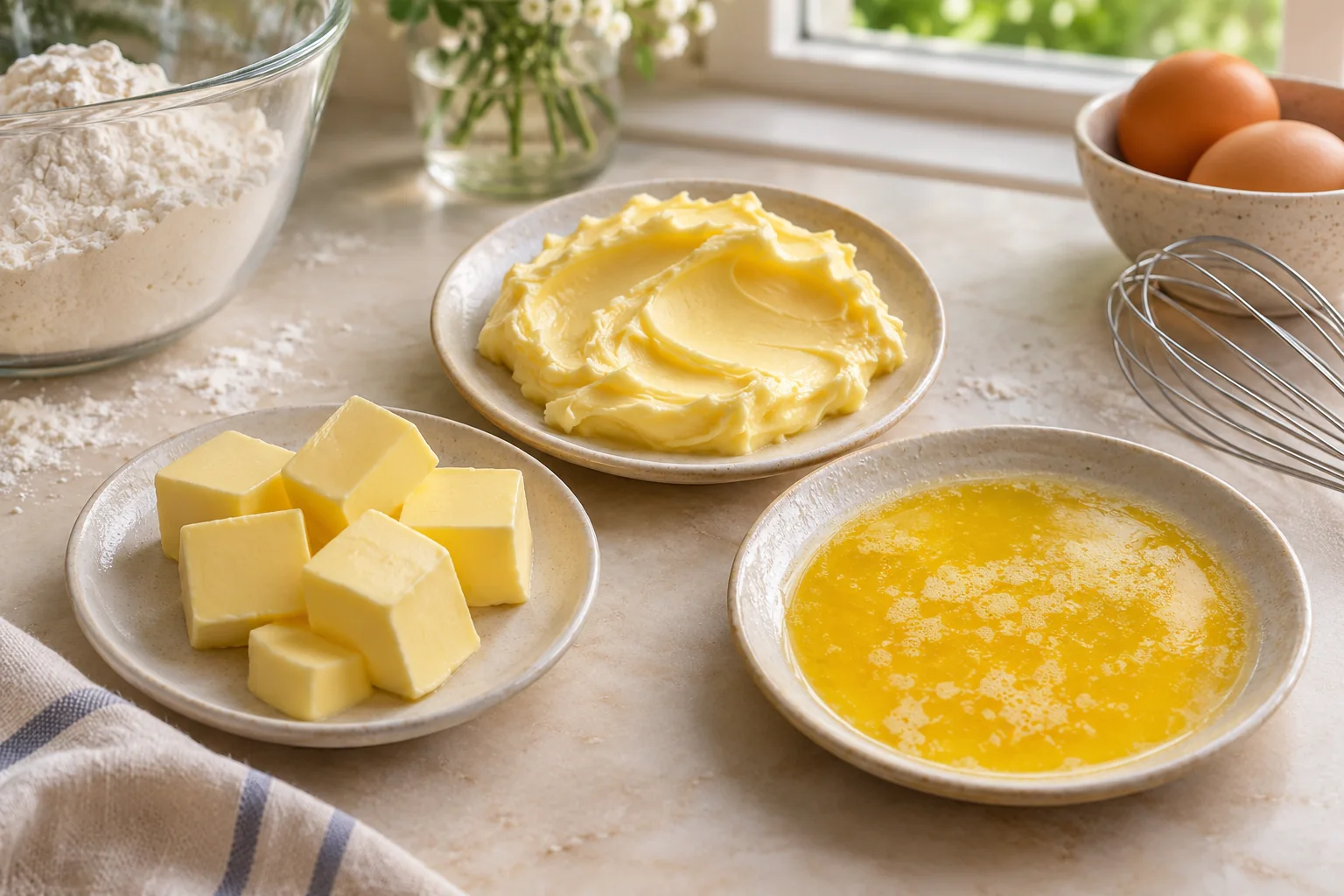
Press a finger gently into the centre of a piece of butter. For many recipes that use creaming, the right butter takes a shallow dent and still keeps its shape. A hard centre can leave pieces in the bowl. Oily butter or a cube that slumps when moved may already be too warm.
Check the middle of a piece
When butter warms on a plate, the outside can soften while the centre stays hard. Cut through a cube with a table knife. Feel whether there is resistance in the middle and watch whether the cut edges stay upright. If only the surface gives, wait briefly and check another cube before starting the mixer.
Cut it into even cubes
Small cubes come to a more even temperature than a whole block. Spread them out in a single layer, away from direct heat. The timing depends on the kitchen and the size of the pieces. Use the same test for the butter you plan to cream for Classic Vanilla Layer Cake.

Watch the mixture once it starts beating
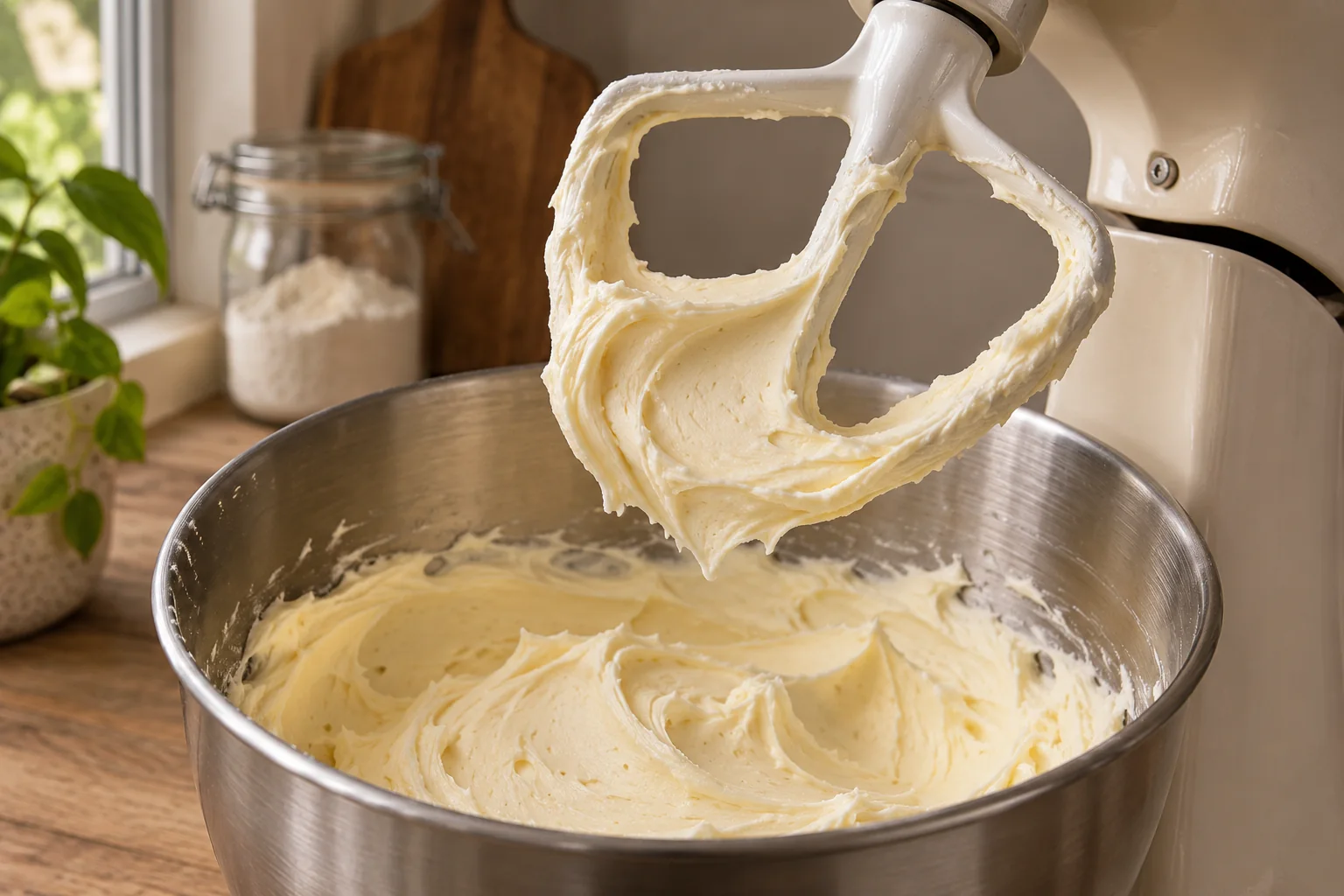
Butter that stays in pieces around the paddle can be too cold. Give it more time to soften and scrape the bowl so you can see the texture. Butter that is already greasy can smear into a heavy layer and hold less air. Use the mixer speed and timing in your chosen recipe before judging the result.
Cool a soft batch before it liquefies
If butter is too soft but still solid, refrigerate it briefly and test it again. If it has melted and separated, set it aside for a suitable recipe that calls for melted butter. For Classic Chocolate Chip Cookies, follow the recipe’s specified butter state because it affects spread and texture.

Check whether the recipe needs cold pieces
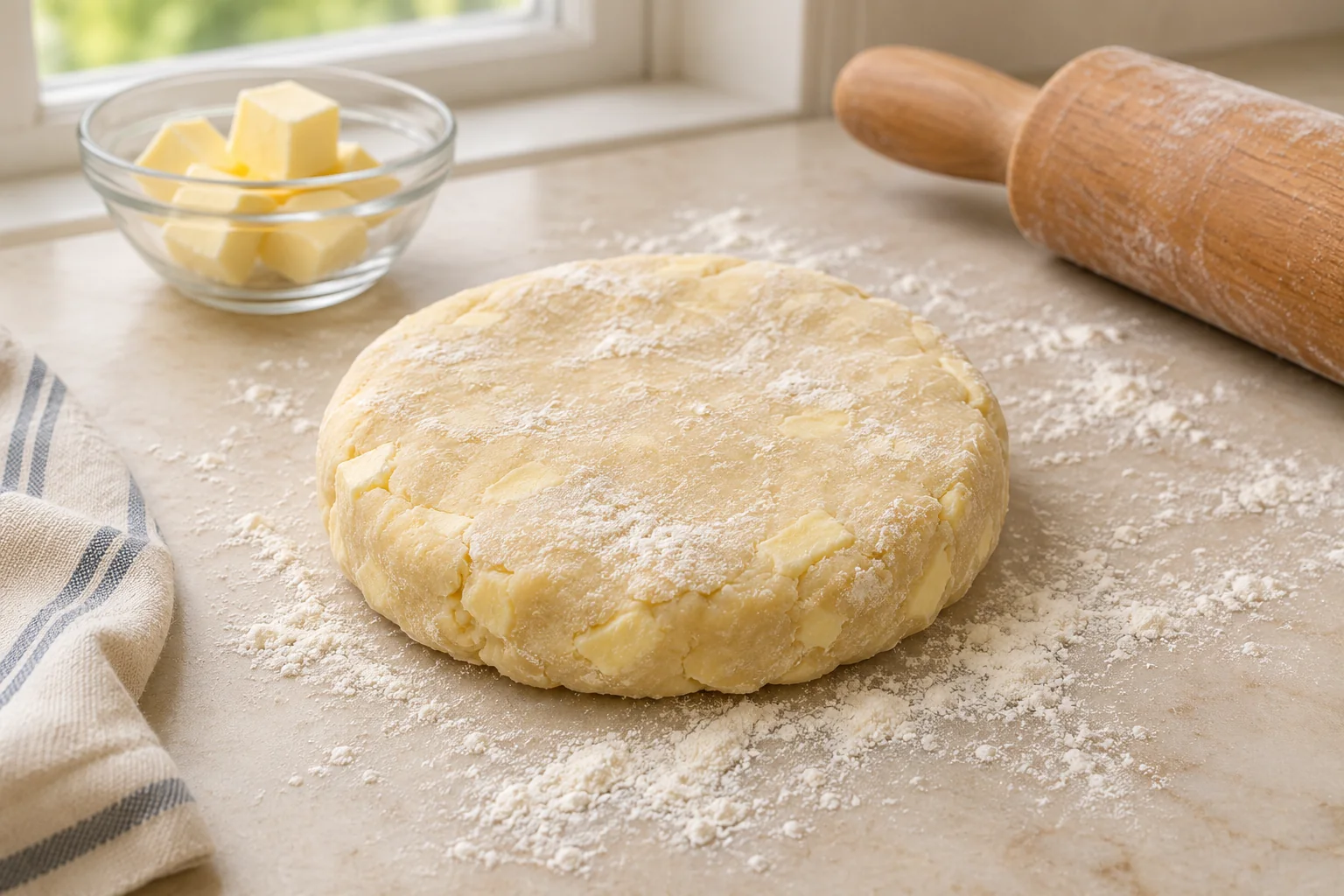
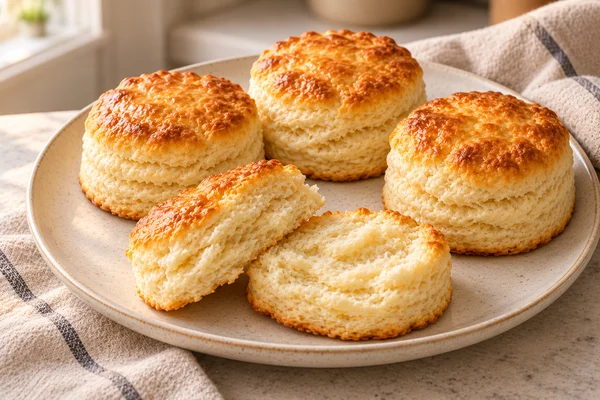
Butter in Buttermilk Biscuits needs to stay cold. The pieces should remain distinct as you bring the dough together. If the kitchen is warm, measure the other ingredients first and take the butter out close to mixing.
IN PICTURES
From the baking notebook
FROM THE RECIPE BOX


