
On this page
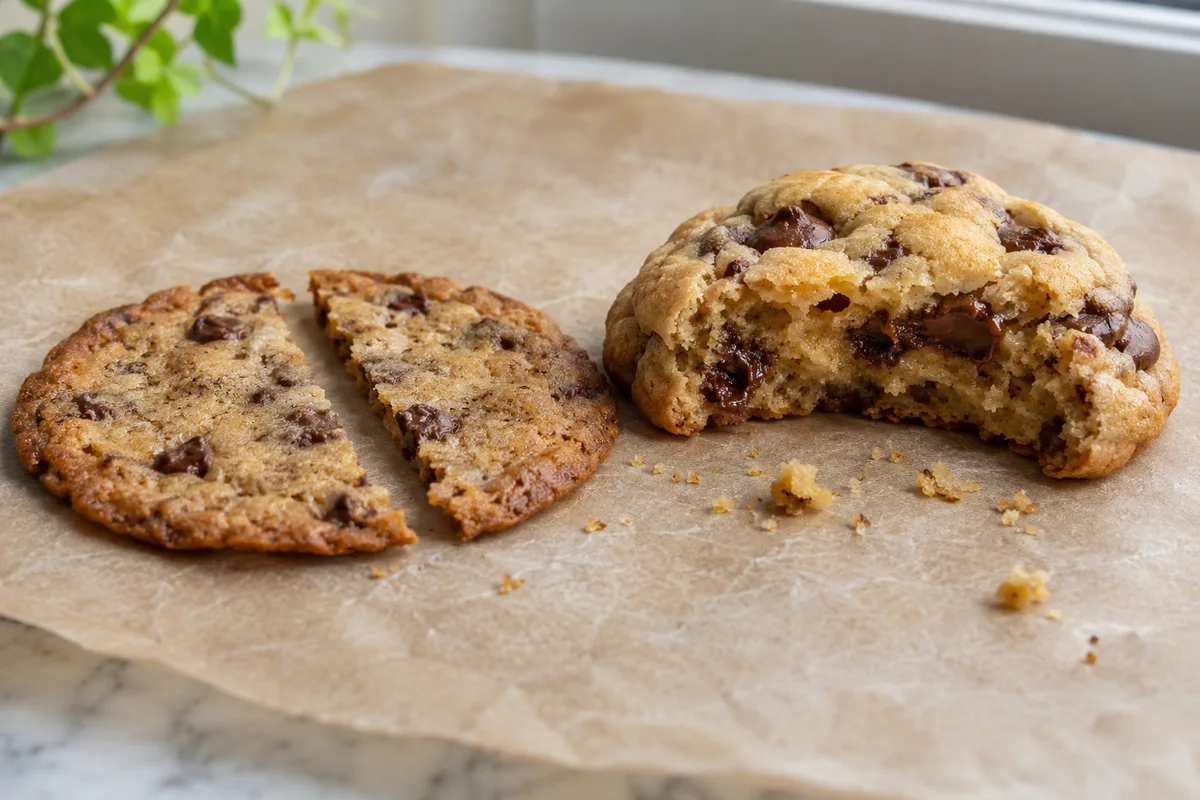
Break a cookie once it has cooled. If the rim snaps but the middle gives, that tells a different story from a cookie that feels hard all the way through. Keep one from the first tray to compare with the next.
First identify the intended texture
A biscotti, lace cookie and crisp wafer should not resemble a soft chocolate chip cookie. Compare the cooled cookie with the style and photos in its original recipe. A pleasant crisp edge is different from a completely dry hard center. If the cookie tastes delicious and breaks cleanly, it may simply be its intended texture; if it is difficult to bite and tastes chalky, something likely went wrong.
A clean snap is intentional in Crispy Chocolate Chip Cookies. A chewy cookie needs a different benchmark.
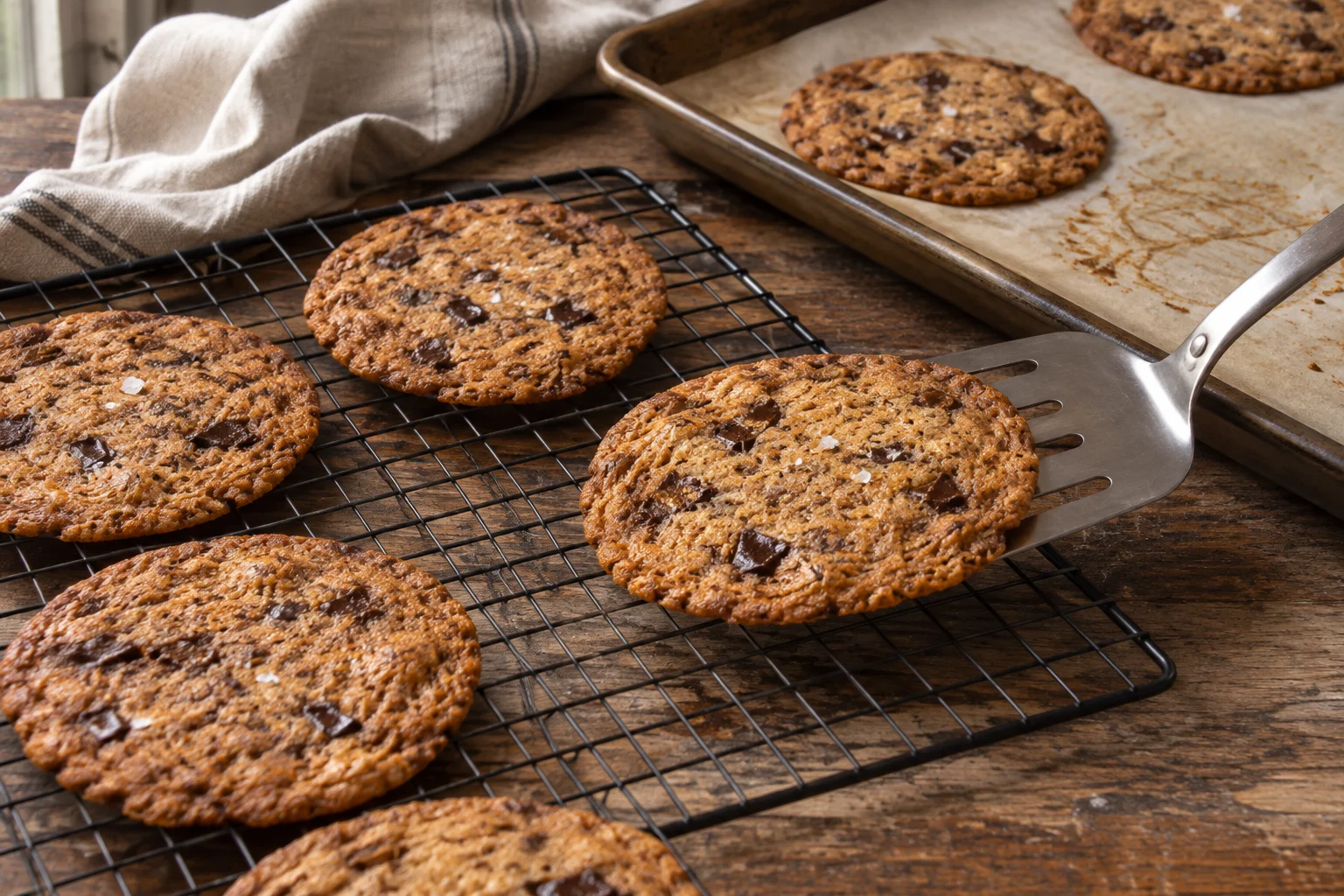
What cooling does to fat
Butter and chocolate are more fluid while warm and become firmer as they lose heat. This can make a hot chocolate chip cookie seem softer than its final cooled form. A recipe may require a particular rest on the tray before transfer. Evaluate texture after cooling and at the intended serving temperature, not immediately after removing it from the oven.
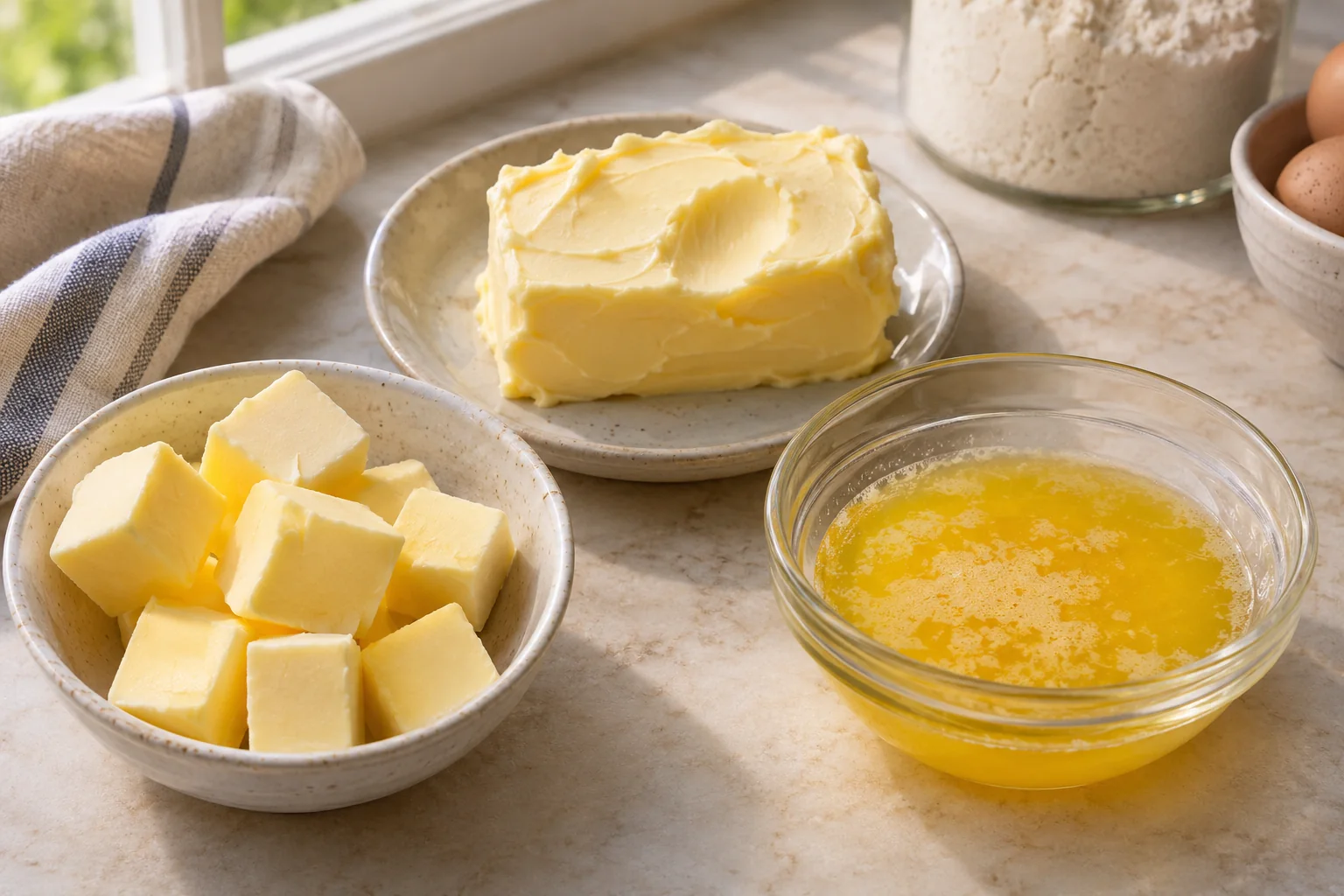
Sugar contributes to the setting change
During baking, sugar dissolves and participates in the cookie's spreading and structure. As the cookie cools, that structure firms. White and molasses-containing brown sugar behave differently in some doughs, affecting moisture retention and crispness. A cookie with a large white-sugar proportion may have a snappier texture depending on the formula. Changing the sugar type can also influence pH and browning.
Cause one: overbaking
Many drop cookies keep cooking from residual heat after the tray comes out. Baking them until every center looks dry may remove too much moisture. The result becomes hard after cooling rather than pleasantly chewy. Follow the recipe's edge color and center cues, including the advised rest on the sheet. Don't assume the longest listed bake time is always the best choice.
Use the edge and centre cues in Chewy Chocolate Chip Cookies when checking the first tray.
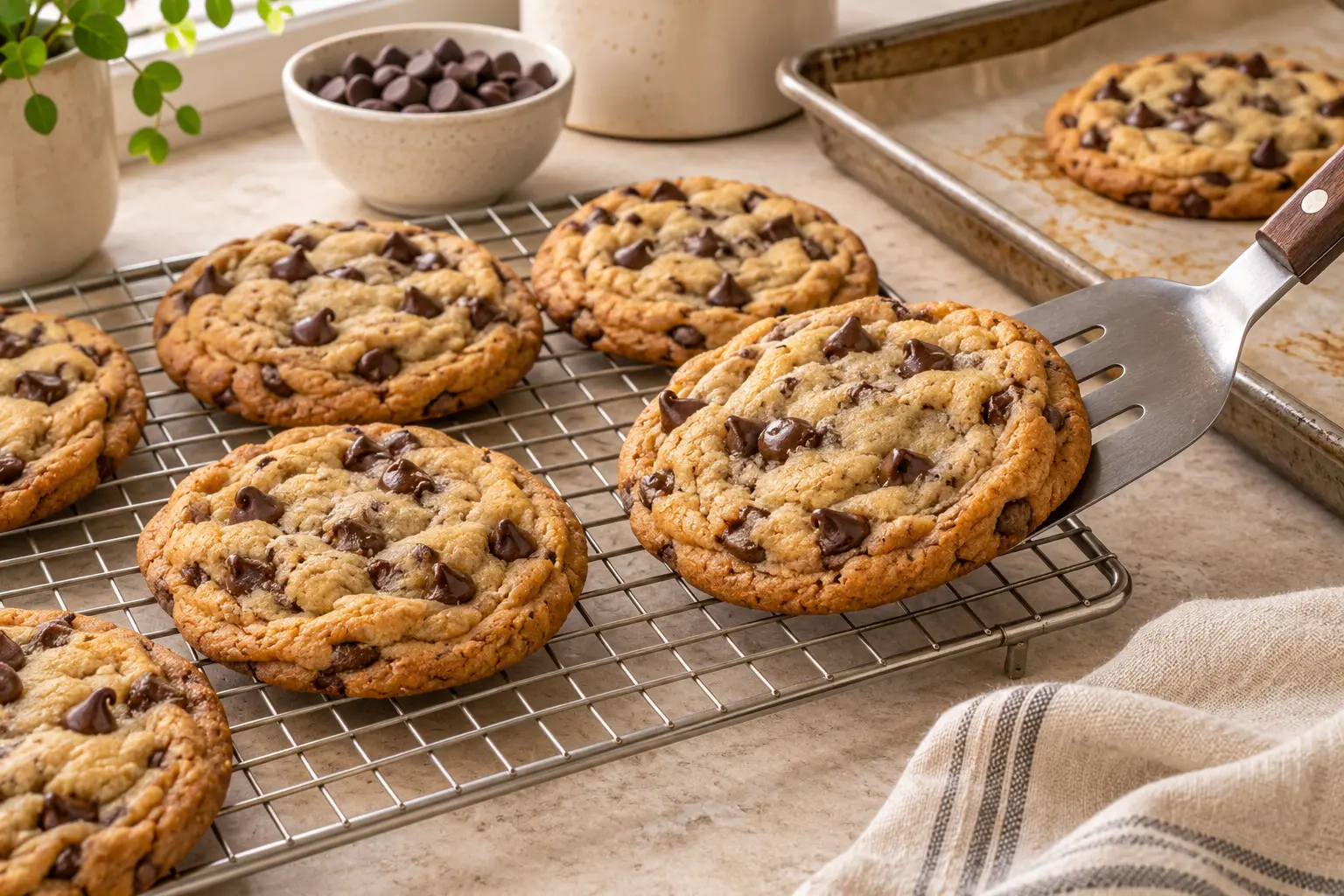
Cause two: a smaller scoop
A cookie portion half the original weight heats through sooner and can dry out if baked for the standard time. Small cookies can develop a crisp texture even when the dough formula is meant to be soft. Use the recipe's portion size and spacing. If changing sizes, use tested instructions and confirm the center is properly baked rather than relying on an arbitrary two-minute adjustment.
Stick to the portion size in Classic Chocolate Chip Cookies before adjusting its bake time.

Cause three: too much flour
Excess flour reduces the relative amount of butter, sugar and liquid, leading to dense dry or bready cookies. Scooping a cup directly from a bag may pack more flour than intended. Weigh ingredients where possible and avoid kneading in large amounts of bench flour while rolling cutouts. The dough may feel pleasingly firm before baking yet produce an unpleasant hard cookie.
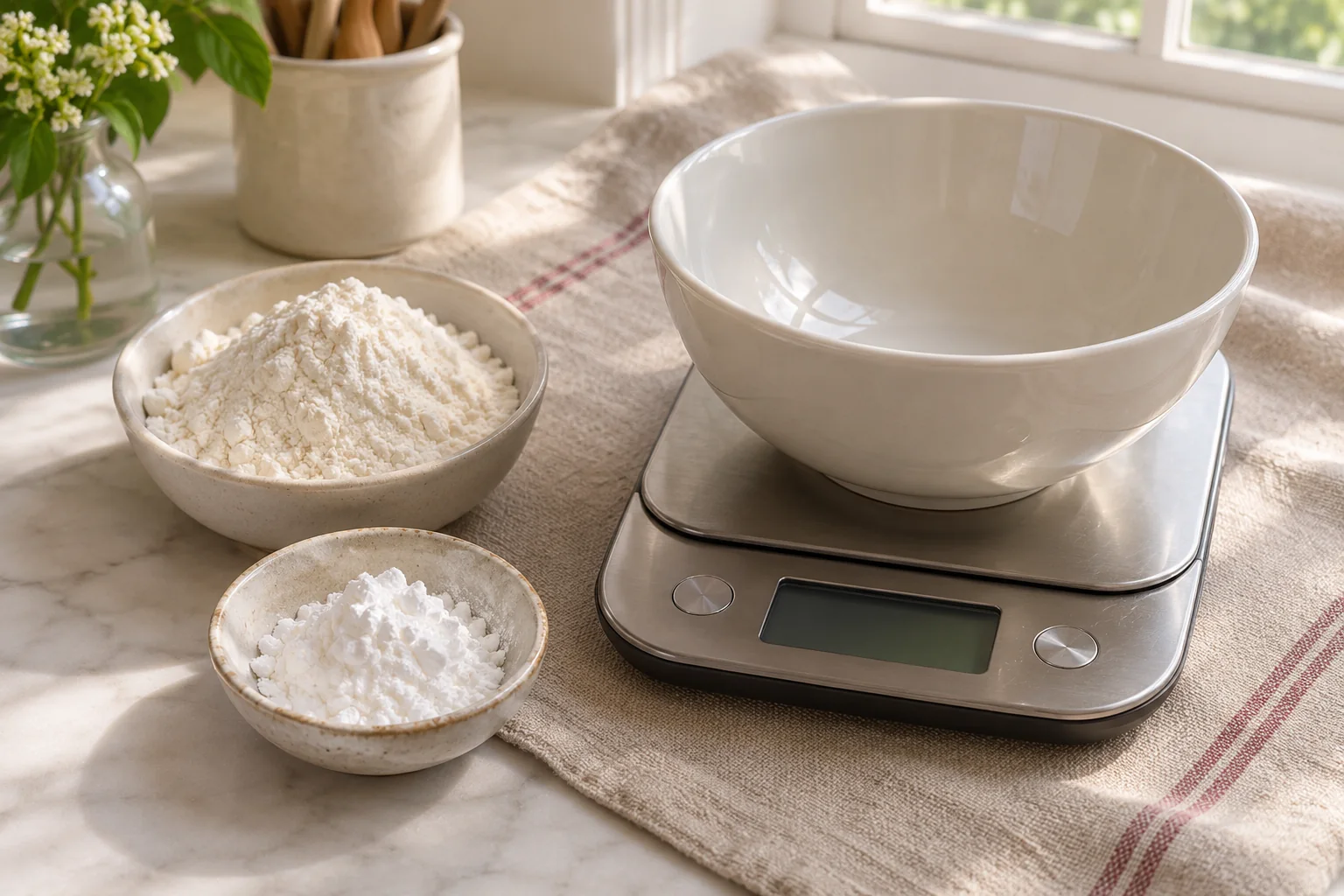
Cause four: butter ratio changed
Reducing fat substantially can make some cookies tougher or less tender. Substituting liquid oil for solid butter also changes the mixing and spreading system. A cookie with insufficient fat relative to flour may feel dry after cooling. Use the intended formulation rather than adding oil to a finished stiff dough as a guess.
Cause five: sugar was reduced
Sugar contributes tenderness and moisture-related properties, not just sweetness. Cutting a large percentage can leave cookies firmer, less spread and less pleasant to eat. If you want lower sugar, choose a tested reduced-sugar recipe. Replacing removed sugar with extra flour can worsen the problem.

Cause six: too much oven heat
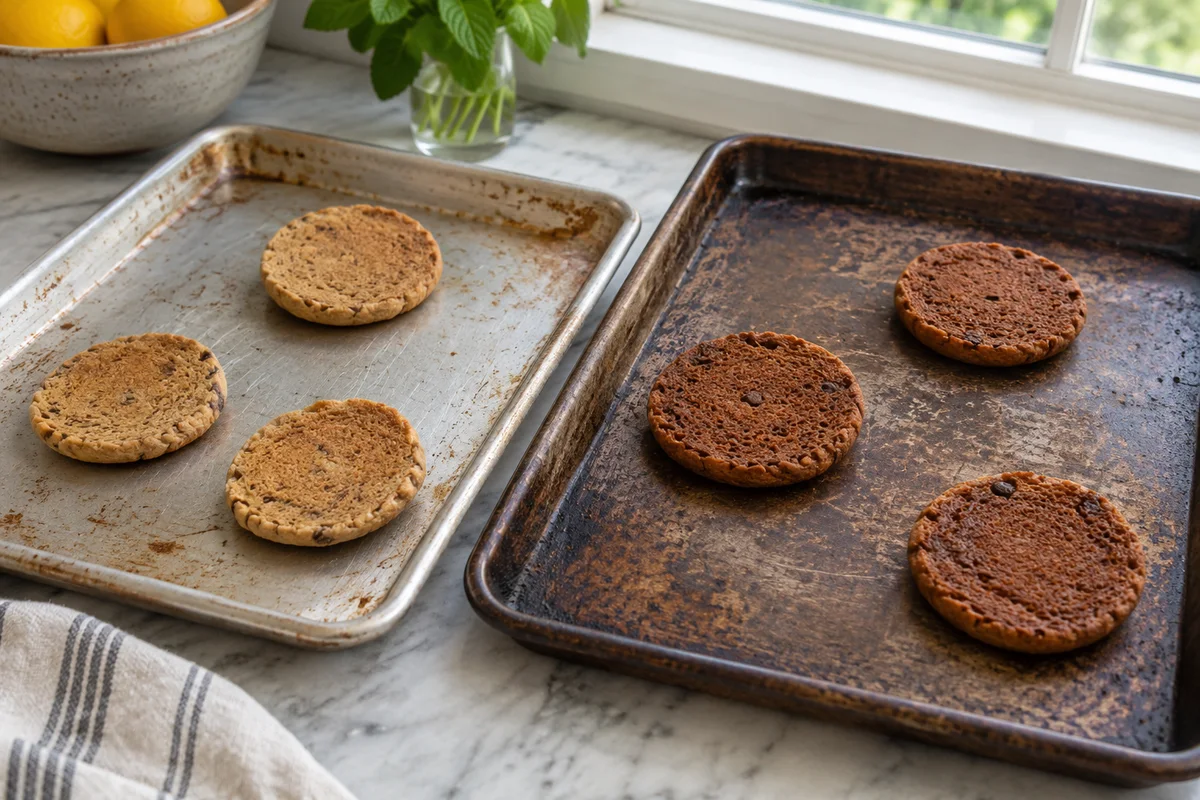
An oven running hot may set and brown cookie exteriors quickly, producing brittle edges while the center has less time to bake evenly. Dark metal sheets may intensify underside browning. Check oven calibration and pan type if every batch feels harder than the recipe suggests. A golden exterior is not proof that the exact center endpoint was ideal.
Cause seven: too much pan carryover
A dark heavy baking sheet can keep transferring heat to cookies after removal. Leaving them there far longer than the recipe specifies may dry their bases and edges. Some delicate cookies need a rest to become strong enough to transfer; others should move sooner. Follow the tested timing and use a rack where directed.
Cause eight: mixing method
Extensive mixing after flour addition can develop gluten in some cookie styles, contributing toughness. Conversely, insufficient combination can leave pockets of flour. Traditional creaming and melted-butter methods produce different textures. Follow the recipe's mixing endpoint rather than automatically whipping every dough for several minutes.
Why shortbread is different
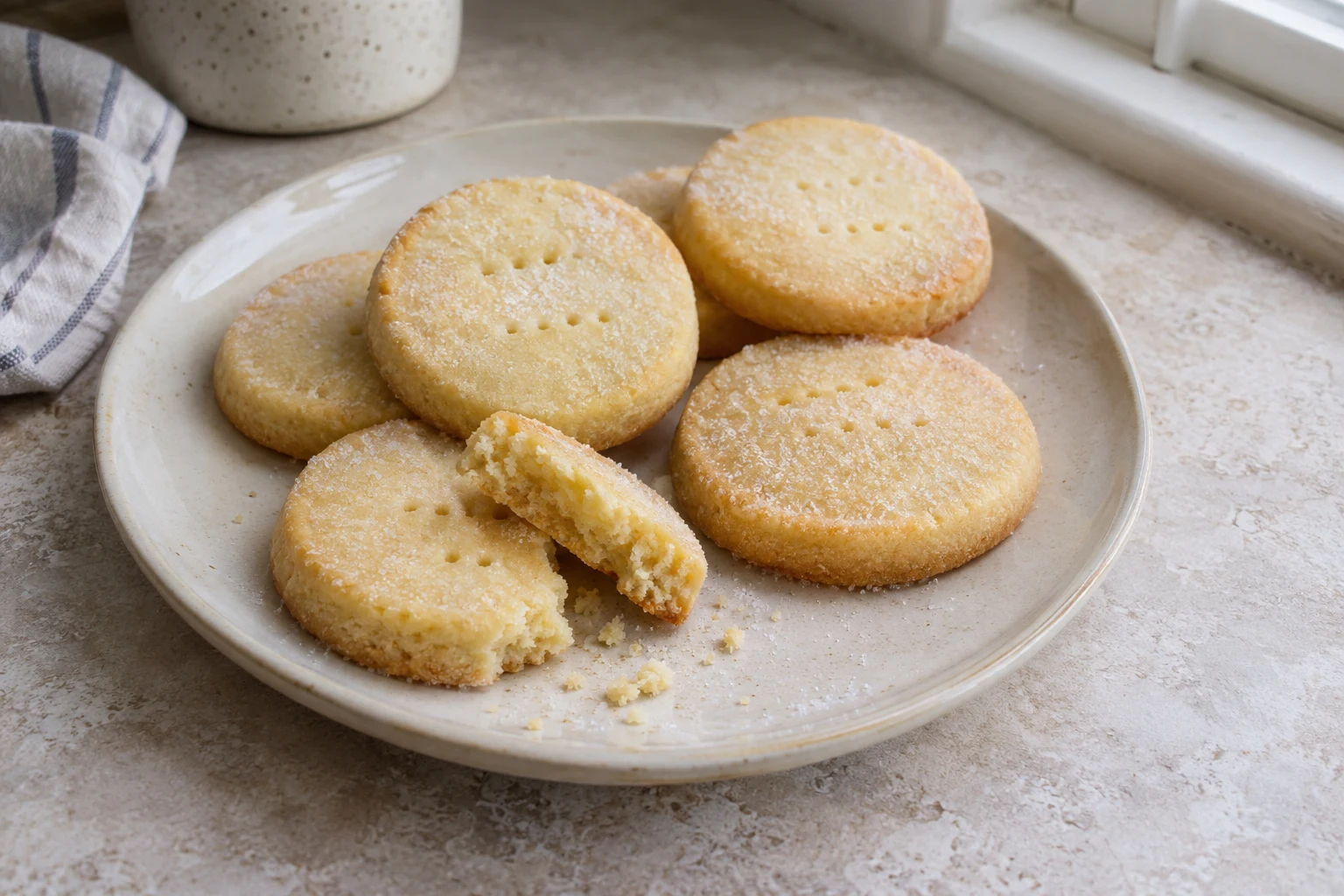
Shortbread deliberately has a high fat ratio and a sandy tender crumb, though some versions become crisp after cooling. An underbaked piece may crumble while a properly baked one holds together. If it's rock-hard, check bake time and flour balance. Don't force a shortbread into chewy chocolate chip texture by adding eggs without a dedicated formula.
Break a cooled piece of Vegan Shortbread Cookies to compare a delicate, short crumb with a tough bite.
Why sugar cookies can be hard
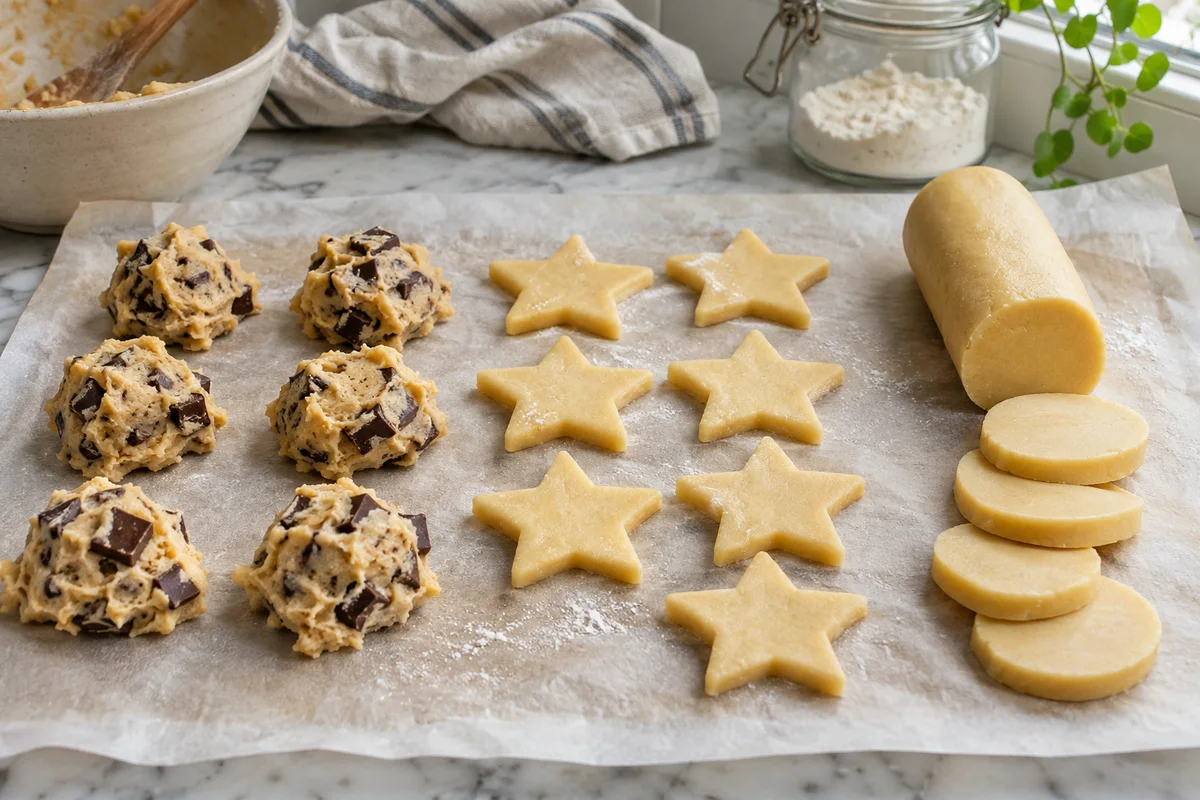
Thin cutout sugar cookies often dry more than thick frosted bakery rounds. Repeatedly rolling scraps with excess flour can also make the final shapes tougher. Use a uniform thickness and bake comparable sizes together. For a soft frosted sugar cookie, choose a formula intended to remain tender rather than underbaking a crisp cutout dough.
Oatmeal-cookie moisture
Oats absorb water and alter the cookie's chew. A recipe that uses quick oats may behave differently with thick rolled oats or excessive extra oats. Raisins and other inclusions also change moisture distribution. If oatmeal cookies are hard by the next day, check oat type, bake endpoint and storage instead of simply adding more brown sugar.
For Oatmeal Chocolate Chip Cookies, keep the oats and flour at the specified weights while testing the bake.

Cocoa and chocolate effects
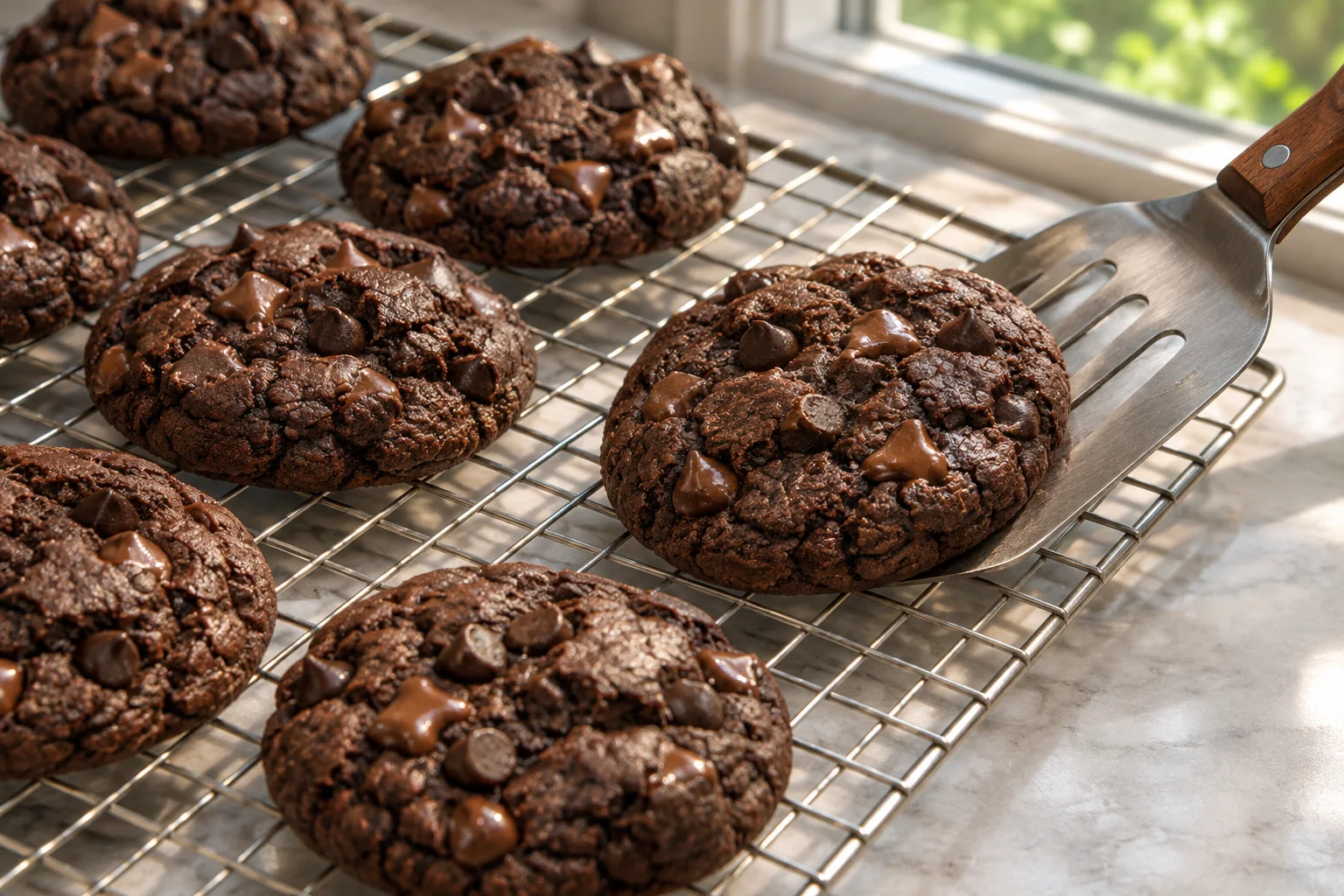
Cocoa powder absorbs water and introduces dry solids. Adding a large amount to vanilla dough without compensating for flour may make the cookie drier. Melted chocolate adds fat and sugar as well as cocoa solids, so it isn't interchangeable gram-for-gram with cocoa powder. Use a chocolate-cookie recipe designed around the form you have.
On Double Chocolate Chip Cookies, use the set at the edge as well as surface colour to judge doneness.
Humidity and storage
Soft cookies left uncovered can lose moisture and become hard. Crisp cookies stored near moist treats may soften, producing the opposite problem. Cool cookies completely, then place in a suitable sealed container and separate different textures. A cookie stored beside cream filling also needs refrigeration if that filling is perishable.
Why refrigeration can change texture
Butter firms during refrigeration, so a refrigerated cookie may taste harder straight from the fridge. Let a safely stored cookie reach its recipe-appropriate serving condition when possible. A perishable filled cookie still requires controlled cold holding and cannot be left out indefinitely merely to regain softness.
Freezing for future freshness
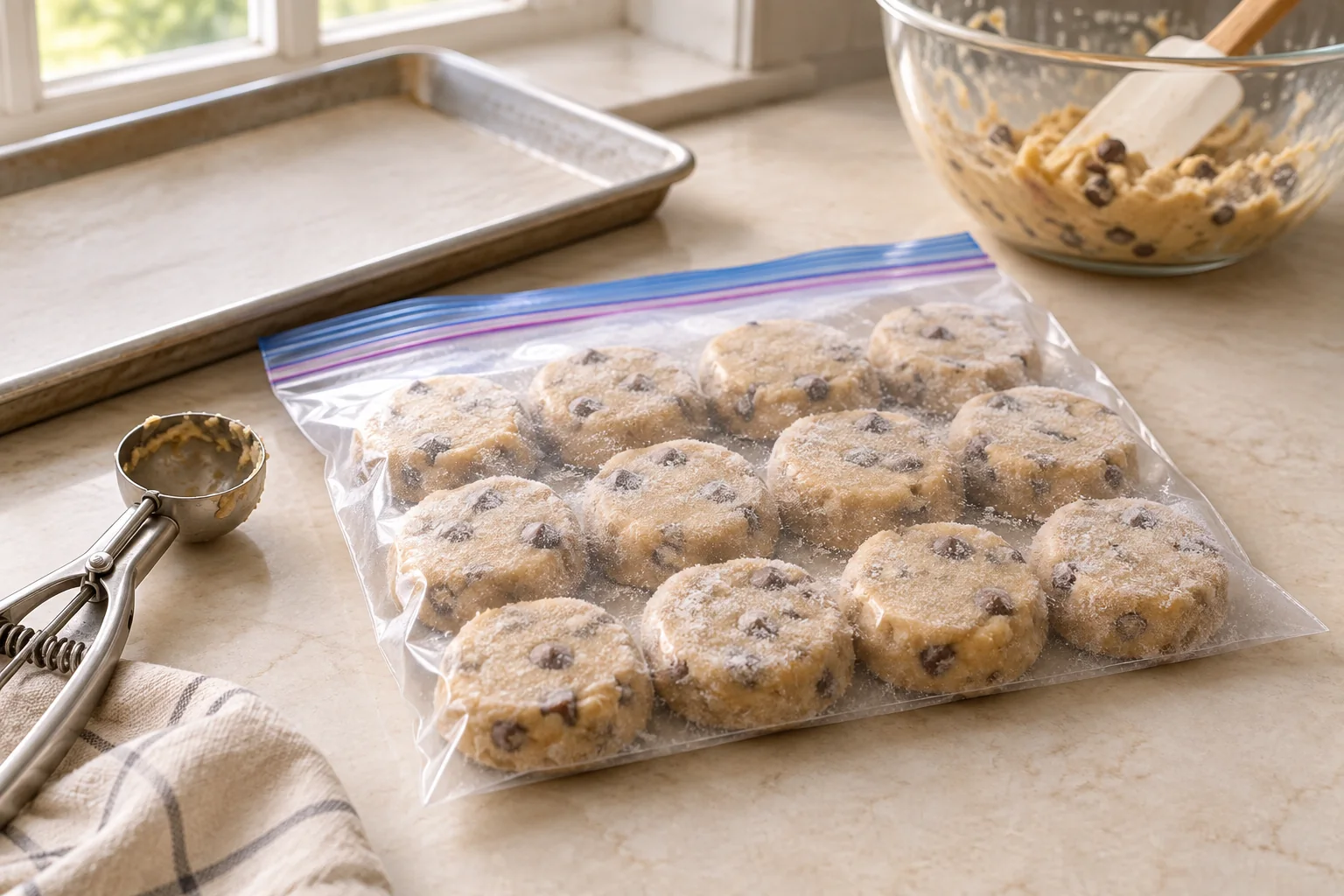
Many finished cookies freeze well if cooled and wrapped under recipe guidance. Freezing portions before they stale can preserve quality better than leaving them unwrapped for a week. Thaw appropriately and avoid exposing crisp cookies to condensation. Frozen storage isn't an excuse to disregard perishable fillings or quality windows.
Can a hard cookie be rescued?
Safe fully baked hard cookies may be enjoyable dunked in milk or coffee or repurposed as crumbs for a dessert crust. Some methods can temporarily soften a cookie, but they don't restore the original butter, flour and sugar balance. Avoid adding wet perishable ingredients and leaving cookies unrefrigerated. Moldy or improperly handled cookies should be discarded.
How to run a bake-time test
Using accurately weighed dough of uniform size, remove a few cookies at the earlier edge of the recipe's acceptable bake window and others later. Let all cool under the instructed conditions. Compare edge snap and center texture. This tests whether excess time caused hardness without changing ingredients and pan at the same time.
Watch the second tray
If the first sheet produced chewy cookies and the second turned hard, note whether the second sheet was dark, hot or placed on a different rack. Dough may also have warmed as it waited. Differences between trays are valuable clues. An ingredient imbalance generally affects the whole dough, while pan and temperature changes may affect only certain batches.
IN PICTURES
From the baking notebook
FROM THE RECIPE BOX


