
On this page
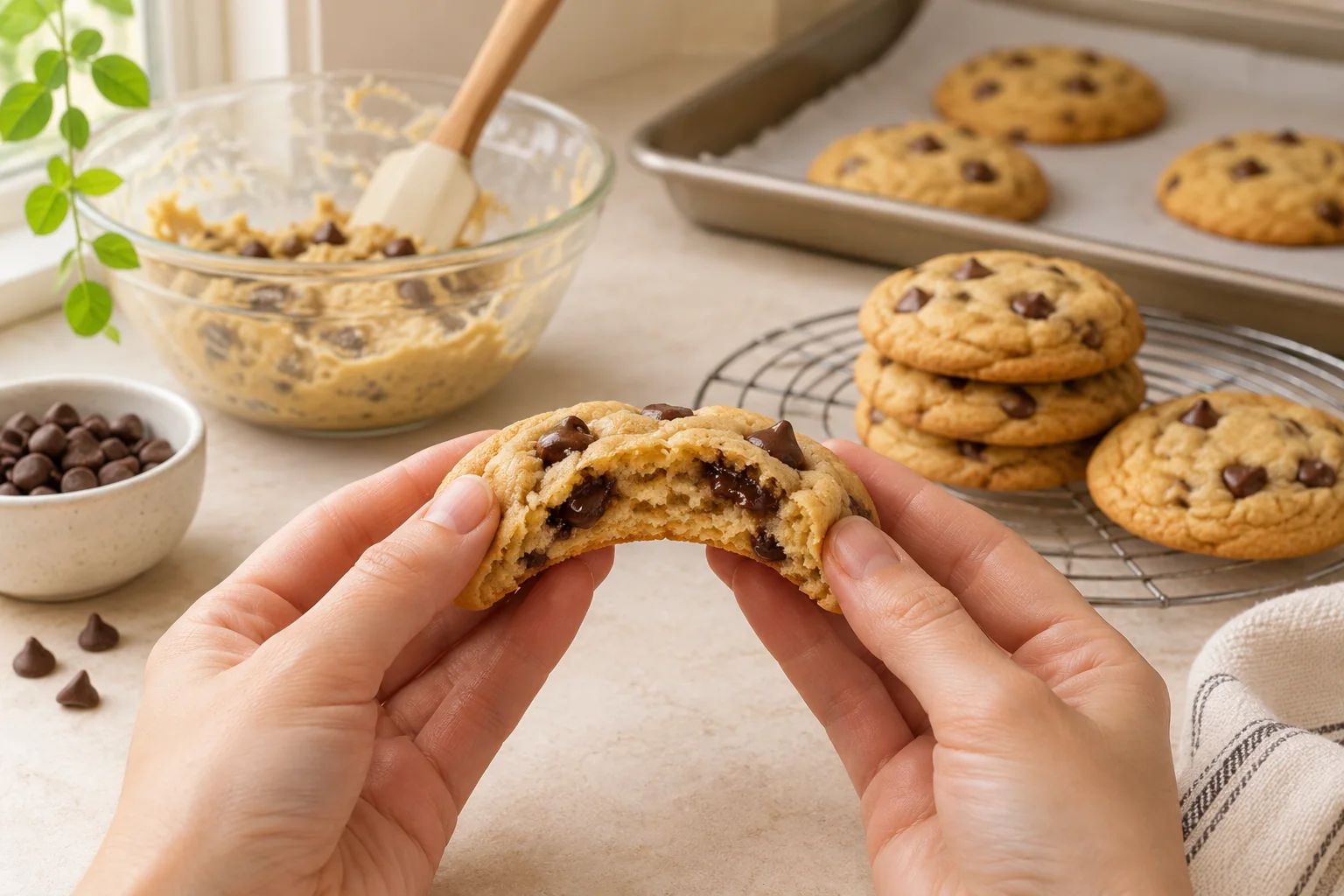
Break a cooled cookie in half before you change the dough. A dark brittle rim with a tender middle points toward time on the tray. A pale cookie that turns to sand from edge to centre sends you back to the flour measurement and the fat. Keep one cookie from the batch as a reference.
What crumbly actually means
Some shortbread is supposed to break cleanly into a sandy tender crumb, while a chewy chocolate chip cookie should bend somewhat rather than fall apart. Compare the result to the intended style. A crisp snap is not the same as excessive dryness. A delicate butter cookie that dissolves in the mouth may be successful, while a chalky drop cookie that crumbles without flavor may need adjustment.
Overmeasured flour
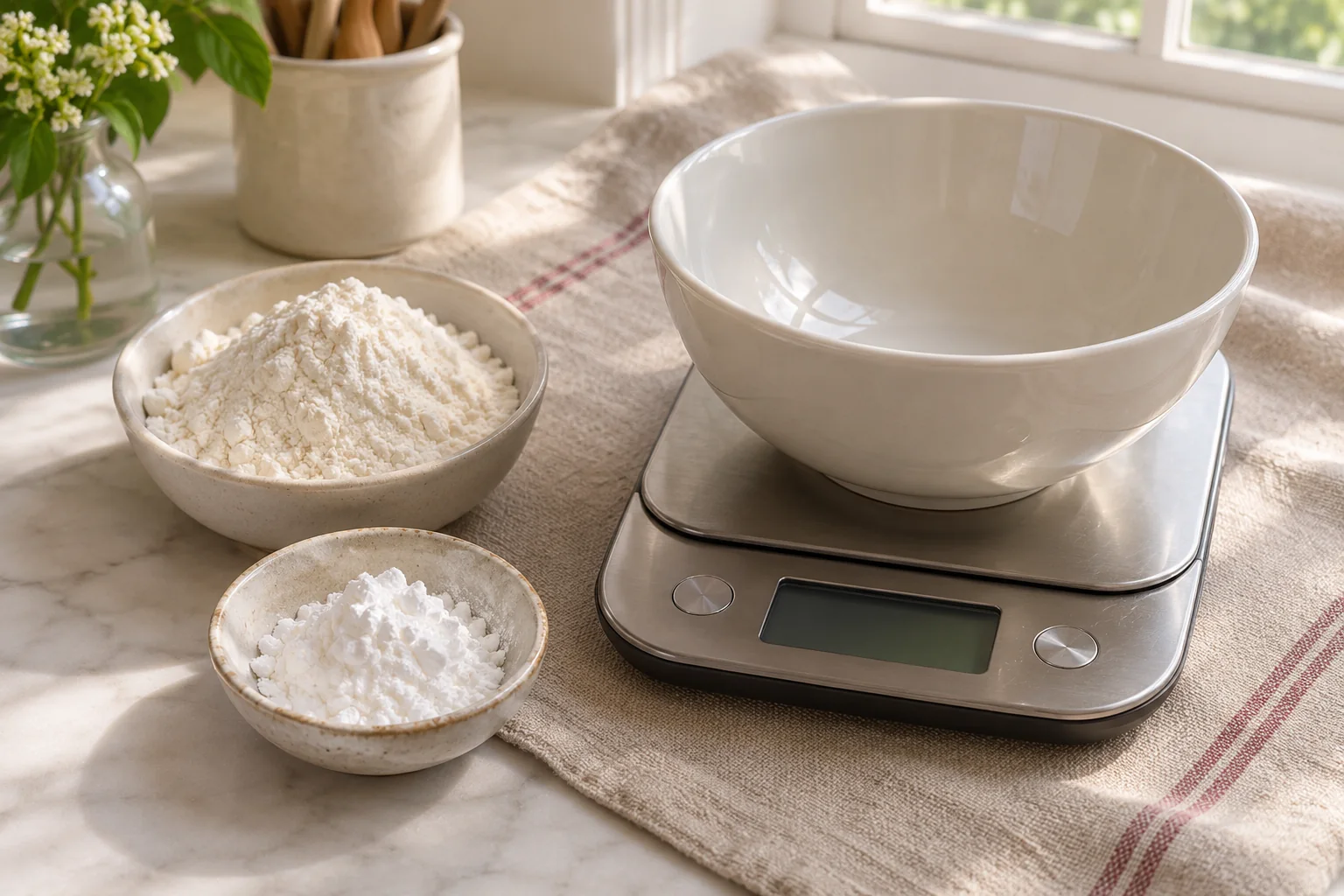
Adding more flour relative to fat, sugar and eggs makes a dough stiffer and can create a dense dry cookie. Flour cups are especially easy to overpack when scooped directly from a bag. Weigh flour in grams when available and avoid adding large amounts of bench flour to rolled dough. A cookie that doesn't spread and tastes bready may have too much flour.
Overbaking
Cookies continue setting on the hot tray after leaving the oven. Baking until the centers look completely dry can remove too much moisture from styles intended to be chewy. Check the recipe's edge and center cues, then transfer after the stated carryover rest. A smaller-than-intended portion may dry before the standard timer ends.
For Classic Chocolate Chip Cookies, use the edge and centre cues together before extending the bake.

Pan material affects the underside
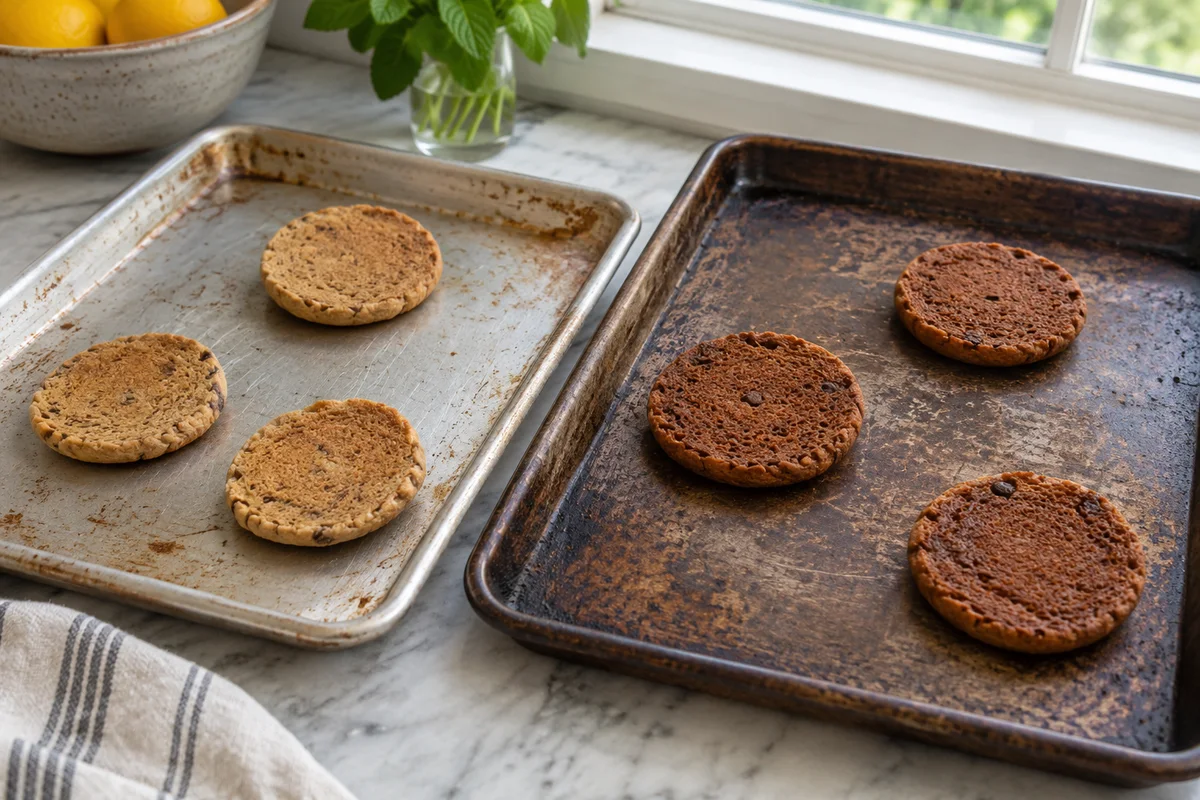
Dark metal can brown cookie bottoms more aggressively than light aluminum, potentially creating a dry crust while the top looks pale. Silicone mats, bare metal and parchment may also change spread and contact heat. If only the bottoms are hard, evaluate the sheet and oven rack before altering sugar or adding eggs.
Portion size matters
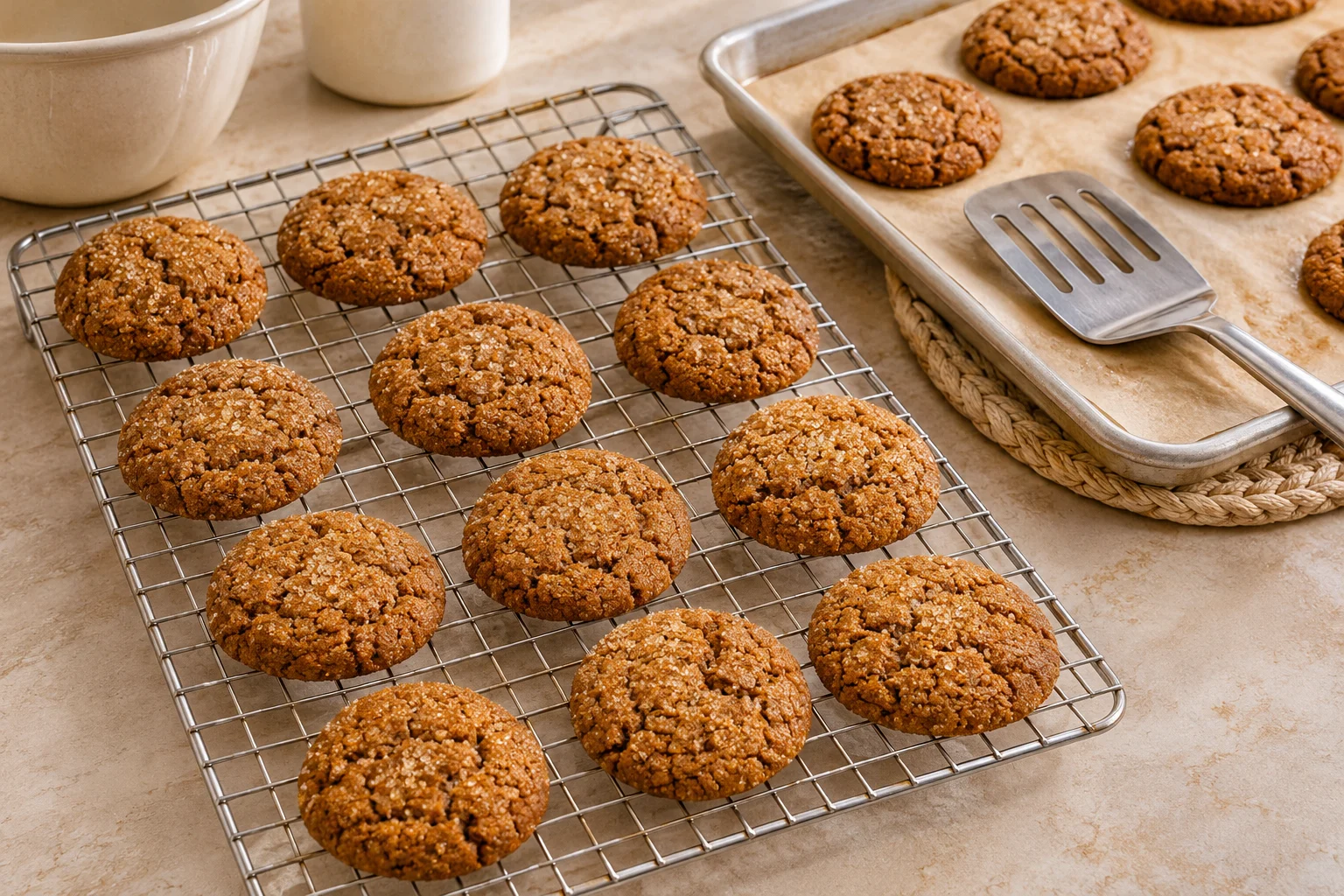
A small ball cooks through faster than a large one. If you use a teaspoon scoop in a recipe written for a generous two-tablespoon portion, the listed baking time may overcook the smaller cookie. Weigh portions for consistency and use tested size-specific timing. Avoid placing mixed small and large pieces on a single tray if they need different endpoints.
Portion Ginger Spice Drop Cookies with the same scoop so a few smaller cookies do not dry out first.
Butter and oil aren't interchangeable
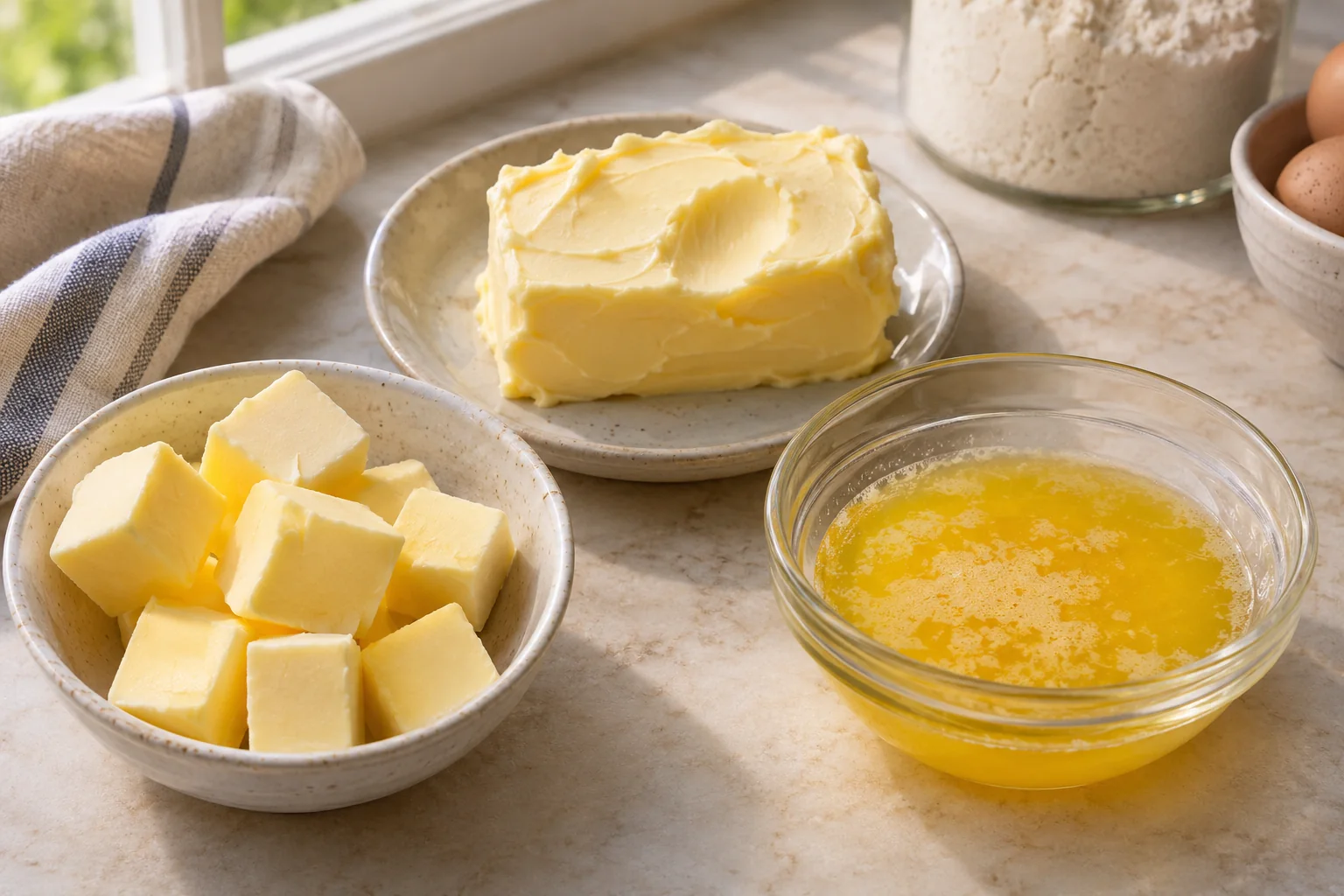
Butter provides fat, water and milk solids, while oil is mostly liquid fat. A formula designed for creamed butter may become dense or spread strangely with oil. A cookie with too little fat may taste dry, but adding arbitrary oil after mixing isn't a reliable repair. Select a tested variation for the chosen fat.
Too little sugar can dry the crumb
Sugar affects moisture retention, spread and texture as well as sweetness. Reducing it dramatically may make cookies firmer and less tender. Replacing sugar with flour can worsen dryness. If lower sweetness is the goal, choose a recipe formulated for reduced sugar rather than removing a third of the sweetener on baking day.
Brown sugar and moisture
Molasses-containing brown sugar can contribute to a soft or chewy texture in many formulas. White sugar may produce a different crispness when other variables remain constant. But the sugar split isn't the only control, and a brown-sugar cookie can still overbake. Preserve the intended ratio before diagnosing other issues.

Egg balance
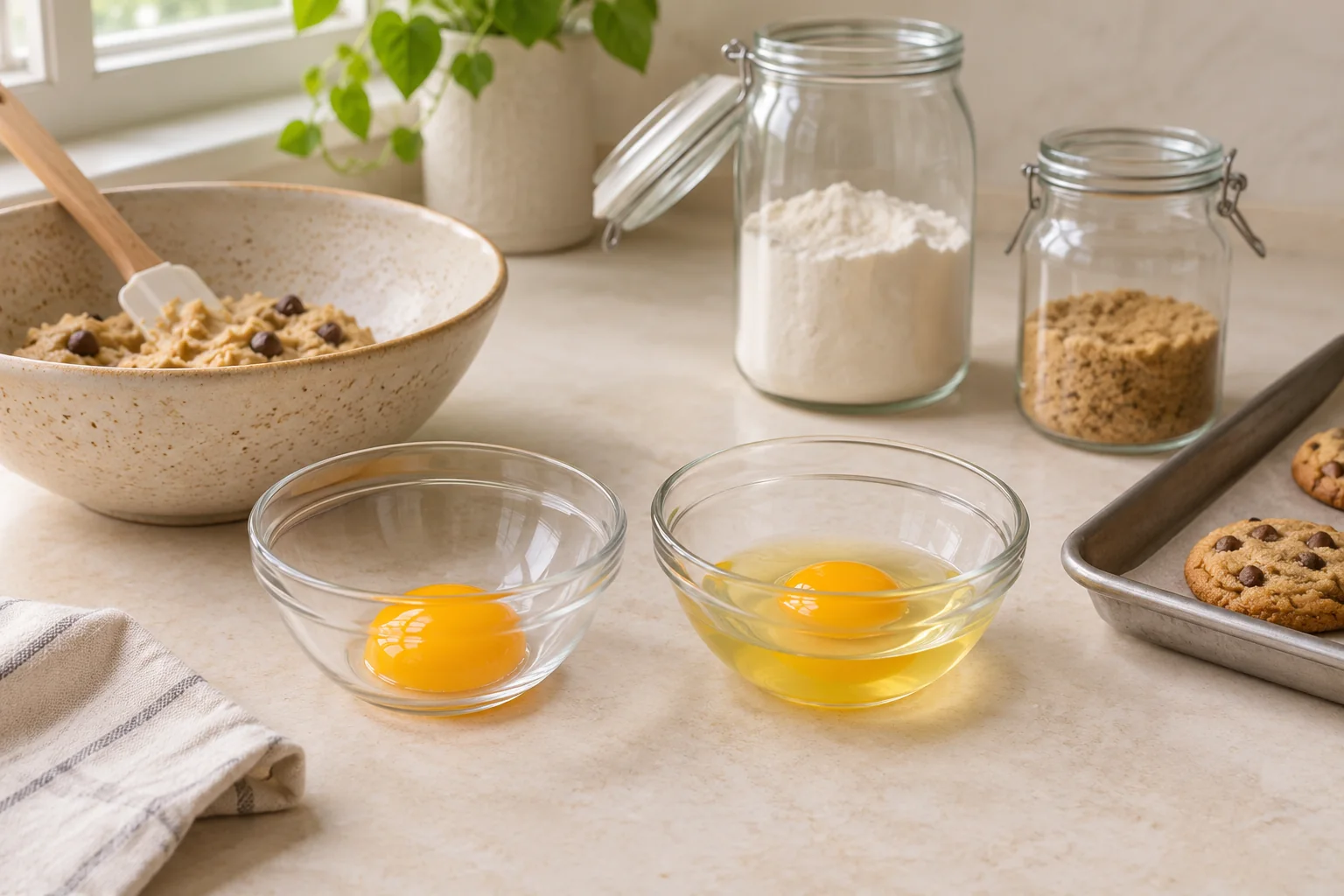
Whole eggs add protein, water, fat and emulsifying components. Extra yolk in some tested cookie recipes can encourage richness, but more egg doesn't automatically fix dry cookies and may change them toward a cakier texture. Undermeasured eggs or an accidental omitted yolk can disrupt the intended dough. Check the ingredient list and actual egg size.
Chilling changes spread
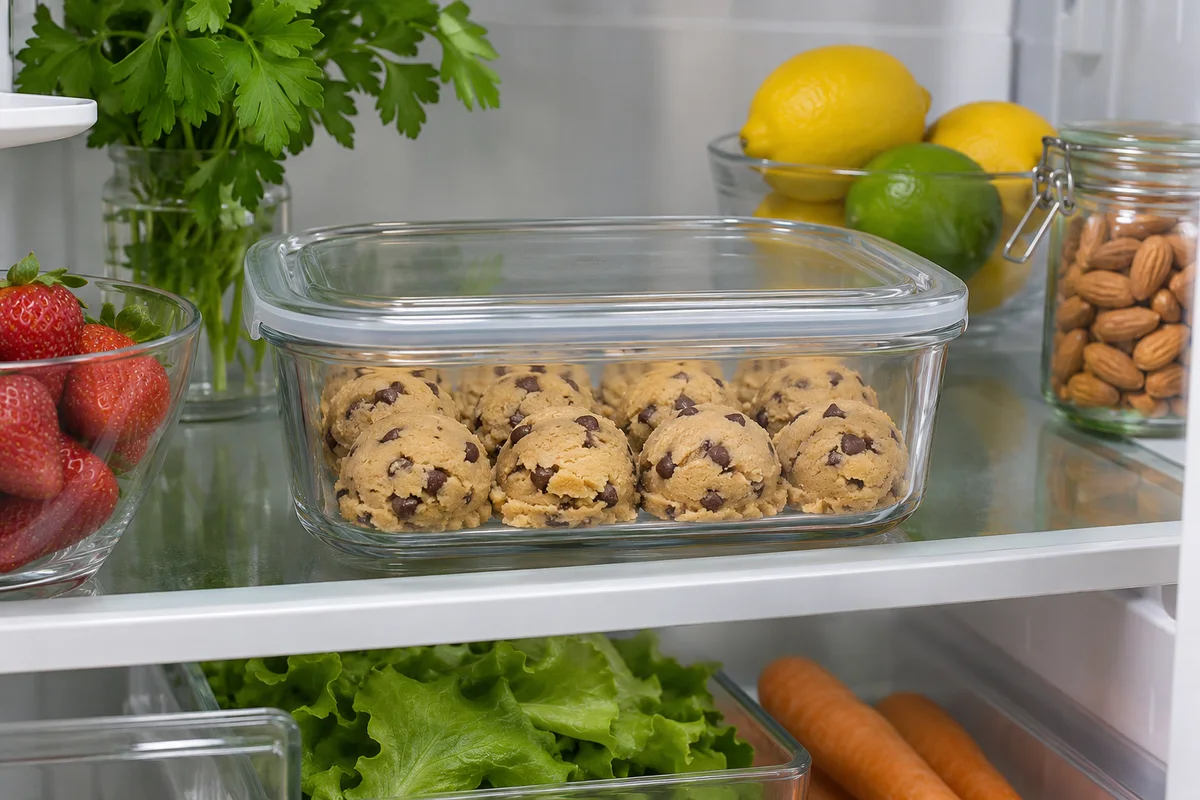
Chilled butter dough may spread less at the beginning of baking. If the recipe was written for room-temperature dough, baking rock-hard portions without adjustment can change height and center texture. Conversely, a recipe needing a chill may become flat if baked warm. Follow its resting and starting-temperature instructions.
Dough that looks too stiff
A stiff dough could reflect too much flour, insufficient liquid, very cold butter or a deliberately firm slice-and-bake formula. Don't pour milk into an unfamiliar mixture as a universal fix. Check whether the dough is supposed to relax during resting and compare flour weights. A formula designed for rolled cutouts should be stiffer than many soft drop-cookie doughs.
Shortbread is a special case
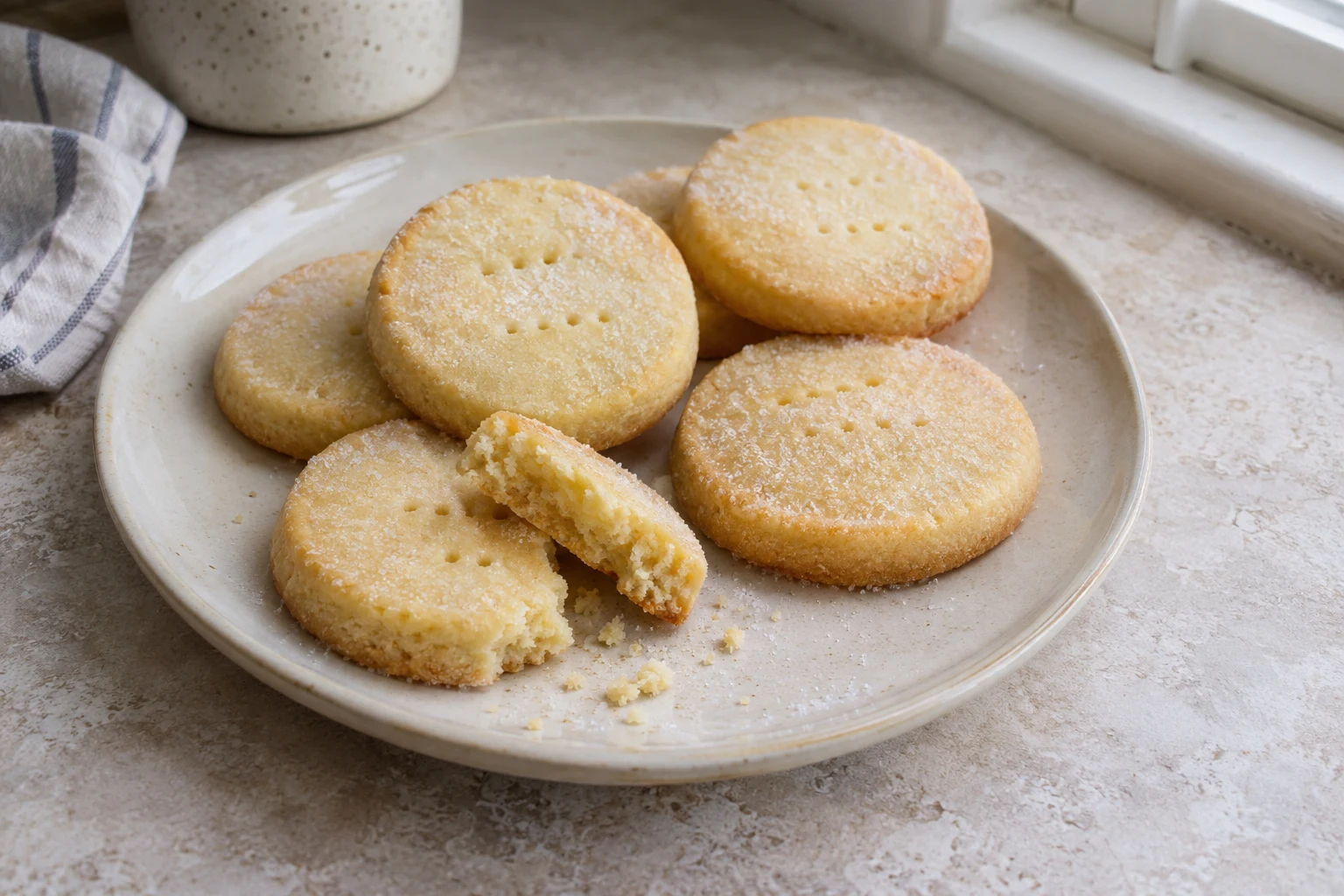
Shortbread often has high fat and minimal liquid and is intentionally delicate. A sandy crumb can be desirable, but extremely powdery dry shortbread may reflect an inaccurate flour-to-butter ratio, insufficient binding or overbaking. Let pieces cool as directed before lifting. A hot shortbread round can break even when its final texture will be perfect.
Break a cooled piece of Vegan Shortbread Cookies to see the tender, short texture this style is meant to have.
Oatmeal cookies
Rolled oats absorb moisture and influence chew. Replacing quick oats with thick whole rolled oats or increasing the oat quantity can change the dough's water balance. An overly dry oatmeal cookie may need a recipe formulated for that oat type, not an extra long baking period. Check the original oat measurement and rest method.
When baking Oatmeal Chocolate Chip Cookies, weigh the oats separately from the flour before mixing.

Cocoa can absorb moisture
Unsweetened cocoa powder contributes dry solids and absorbs water. Adding large quantities to a vanilla dough to make it chocolate can leave the mixture stiff and chalky. Use a chocolate-cookie recipe that adjusts flour and liquids appropriately. Natural and Dutch cocoa also vary in acidity, which can matter with soda.
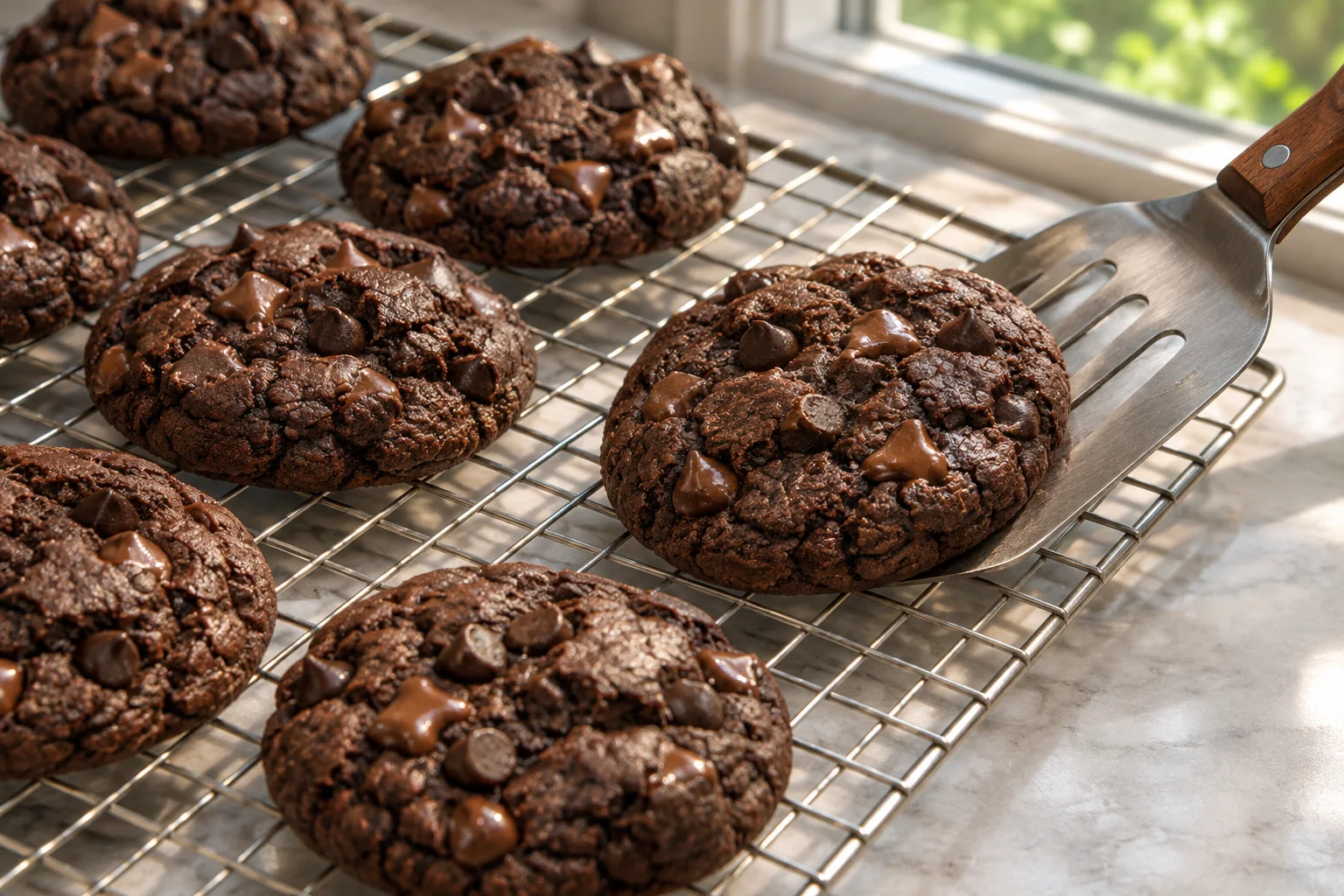
The dark surface of Double Chocolate Chip Cookies makes a colour change harder to see, so check the recipe’s timing and edge texture.
Dry mix-ins
Large amounts of nuts, oats or dried fruit can dilute the binding dough and alter how moisture moves. Some dried fruit pieces absorb water as the dough rests. Follow the stated inclusion quantity. Doubling every mix-in for a 'loaded' cookie may cause a crumbly collection of ingredients rather than a cohesive cookie.
Oven temperature accuracy
An oven that runs hot may dry small cookies quickly, while a very cool oven can promote spreading before setting. If repeated batches contradict a tested recipe, check with an independent oven thermometer. Convection settings and rack placement can also affect timing. Adjust through validated guidance rather than lowering heat and doubling bake time by guesswork.
Why cookies harden as they cool
Molten sugars and warm fats change texture as they cool; a cookie soft on the tray may become crisp or firm at room temperature. That isn't automatically a failure. Compare the final cooled texture with the recipe's intention. If it becomes rock-hard rather than pleasantly crisp, check overbaking, size and sugar balance.
Let Chewy Ginger Cookies cool before judging whether their centres have the intended chew.

Packaging and staling
Cookies exchange moisture with the surrounding air. Uncovered soft cookies often lose pleasant texture, while crisp cookies packed with moist ones can soften. Cool fully before storing in appropriate sealed containers, separating texture types. Cream-filled or fresh-fruit cookies may need refrigeration, which changes texture but is necessary for safety.
Can dry cookies be rescued?
A safe, slightly overbaked cookie may be more enjoyable dipped in milk, crumbled over ice cream or used in a baked dessert. Some storage methods can temporarily alter softness but do not correct an incorrect flour ratio. Avoid adding wet perishable toppings and leaving the cookies unrefrigerated. If a cookie has spoiled or developed mold, discard it rather than repurposing.
A controlled troubleshooting batch
Bake a reliable recipe using weighed ingredients and correctly sized portions on the recommended sheet. Remove half of a test batch at the early edge of its approved doneness window and the remainder at the later edge, if safe. Compare after cooling. This can reveal whether texture responds mainly to bake time before you change the entire formula.
IN PICTURES
From the baking notebook
FROM THE RECIPE BOX


