On this page
Some cookies spread into thin discs; others rise into thick, soft mounds. A puffy cookie is often exactly what a baker wants, especially when the aim is a tall, bakery-style treat. But a cookie that's unexpectedly domed and dry can be just as disappointing as one that spreads too far. The height comes from an interaction of ingredients, mixing, dough temperature and oven heat—not from one miracle teaspoon of baking powder.
What does puffy mean?
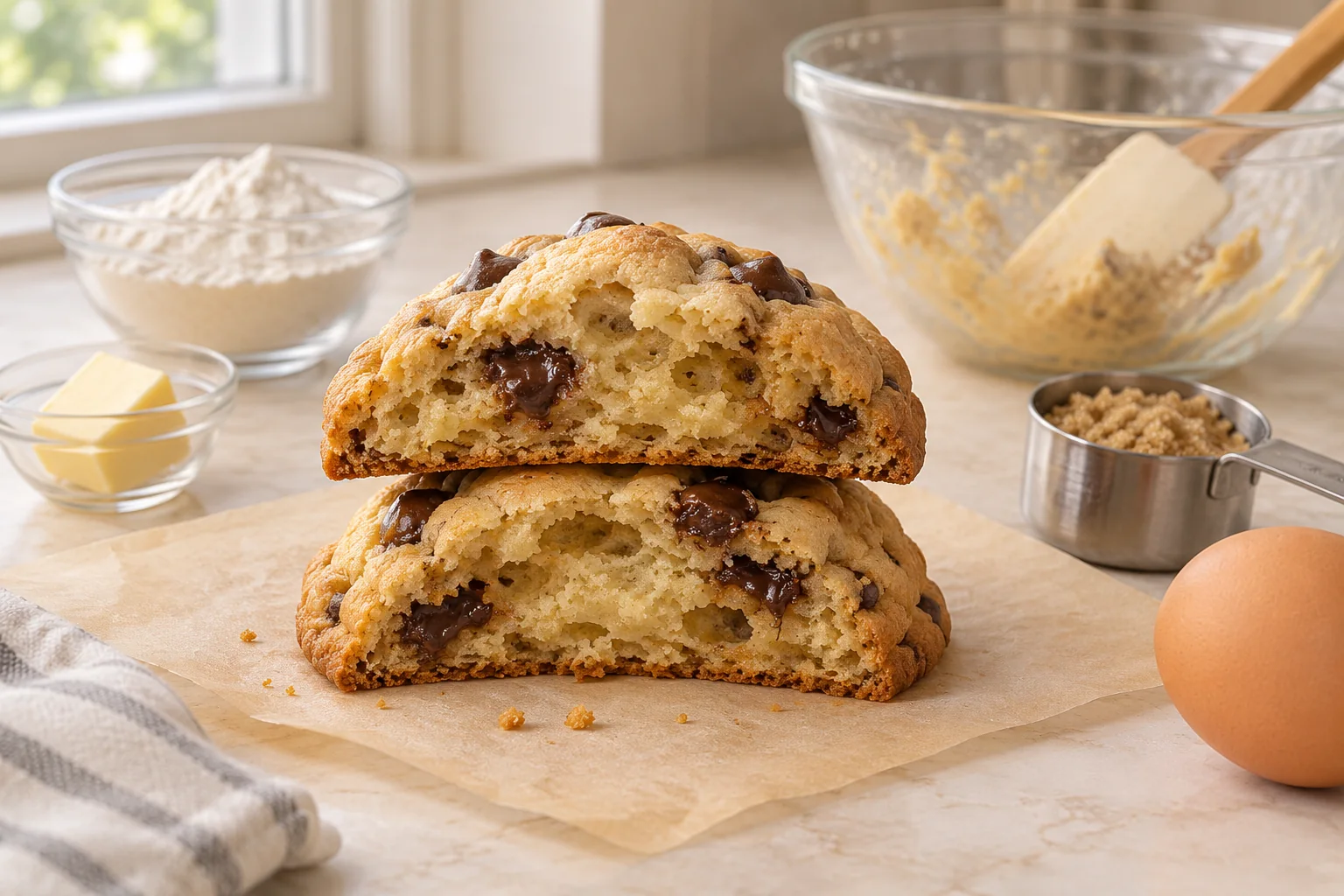
A puffy cookie retains more height during baking and often has a relatively soft or cake-like centre. That's different from a chewy cookie with a dense middle or a crisp wafer with little thickness. The intended result matters: a domed sugar cookie might be wonderful, while an overly tall lace cookie would mean the formula missed its target.
Flour is central to shape
Flour supplies starch and gluten-forming proteins that create structure. Too little flour may allow excessive spread; more flour can help a cookie retain thickness but can also make it dry. Weigh the recipe's quantity rather than scooping densely packed cups into the bowl.
Recipe to try: Classic Chocolate Chip Cookies. Use the stated butter texture, dough portions and bake time together to establish a consistent cookie baseline.

Butter temperature changes spread
Very soft or partially melted butter can make some doughs spread more before the structure sets. Butter that's properly softened for creaming retains its form while incorporating air. A recipe calling for melted butter deliberately produces a different texture, so don't replace one method with the other without a tested conversion.
Creaming incorporates air
When softened butter and sugar are beaten, they can trap small air pockets. Those bubbles expand during baking and may contribute to lift. Over-creaming or adding eggs too quickly can also destabilize the mixture, so follow the specified speed and duration.
Baking powder can provide lift
Baking powder releases gas and can contribute to a cakier, taller cookie. The amount needs to suit the flour and other ingredients. Adding extra powder to a flat cookie recipe can cause an off flavour or a rapid rise followed by collapse.
Baking soda behaves differently
Baking soda reacts with acidic components and also changes dough pH and browning. Its influence on spread and lift depends on the complete recipe. It is not equivalent to baking powder by volume, so don't switch the two ingredients to chase height.
Sugar affects spread
Granulated and brown sugar influence the way dough softens, retains moisture and browns. A high-sugar formula may spread more, but the result also depends on butter and flour. Reducing sugar drastically can change texture, flavour and crust rather than simply making a taller cookie.
Chilled dough often spreads less
In many butter-based recipes, cooling the dough firms the fat before it enters the oven. This may limit early spreading and produce a thicker cookie. But chilling isn't a universal remedy; some cookie formulas are intentionally baked immediately after mixing.
Shape before chilling when directed
Portioning dough while it is soft is often easier. A recipe may instruct you to scoop balls and refrigerate them, ensuring every portion cools evenly. Another may require a single chilled disk or log. Follow its shaping plan instead of improvising a long overnight chill.
Tall dough mounds
Some thick-cookie recipes portion dough into taller mounds rather than flattening them before baking. The shape affects initial spreading and final profile. If the recipe calls for pressed-down discs, leaving them tall may create underbaked centres.
Pan temperature
A hot baking sheet can melt butter in the new dough before the next batch reaches the oven. Let the pan cool between batches when the recipe expects a room-temperature sheet. A warm pan can make a correctly formulated cookie spread more than the first tray.
Recipe to try: Chewy Chocolate Chip Cookies. For a chewy cookie option, use this complete formula. Sugar, flour and cooling work together; changing only baking time is not the whole method.
Oven temperature and set
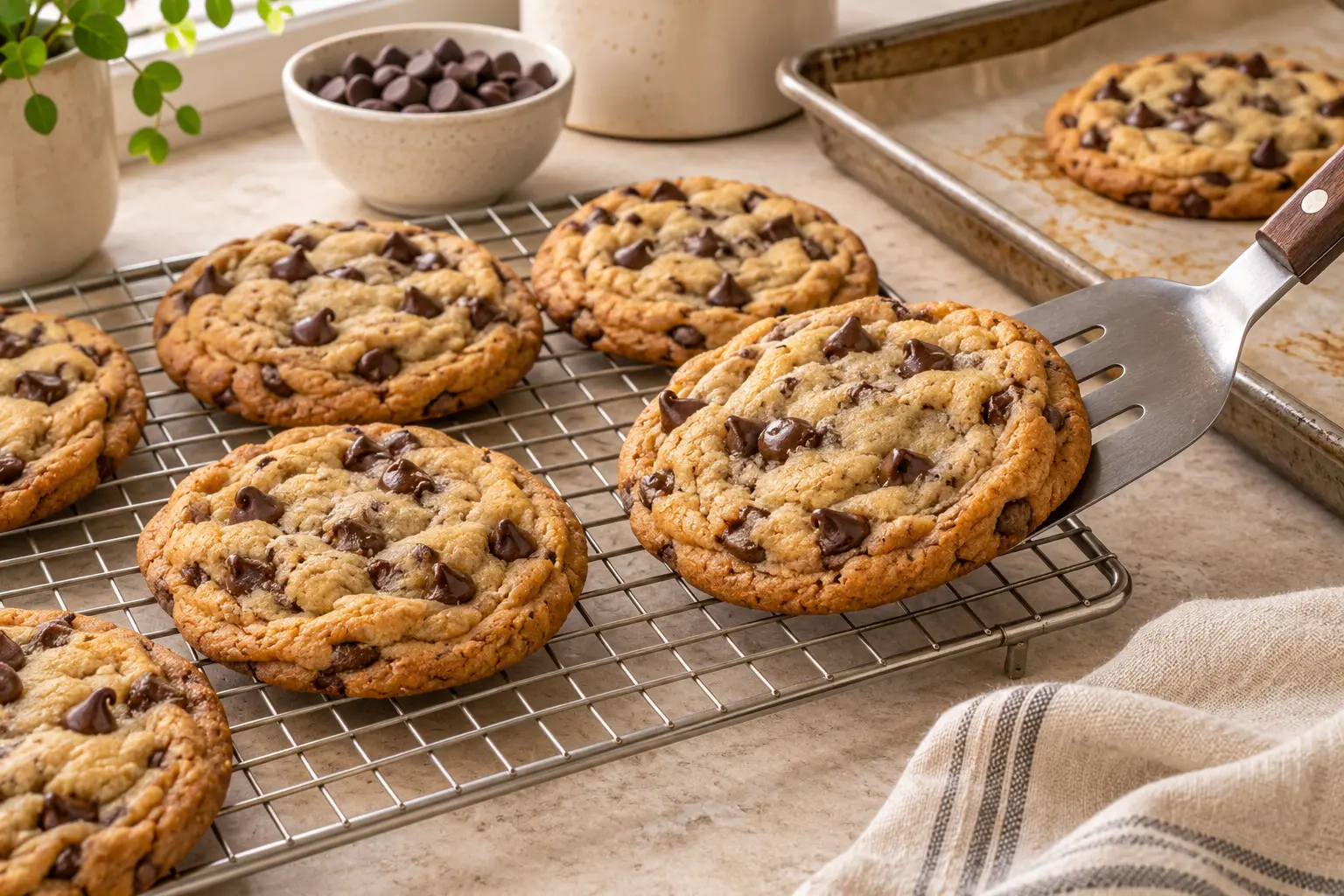
In some thick-cookie formulas, heat helps the exterior set before the dough spreads widely. However, a hotter oven may overbrown the edge while leaving a large centre raw. Use the tested temperature and verify oven accuracy before experimenting.
Why some cookies stay cake-like
A relatively high flour-to-fat ratio, aeration during creaming, egg composition and chemical leavening can create a lighter crumb. If your goal is chewiness rather than cakiness, choose a recipe developed for that target instead of removing flour at random.
Eggs influence structure
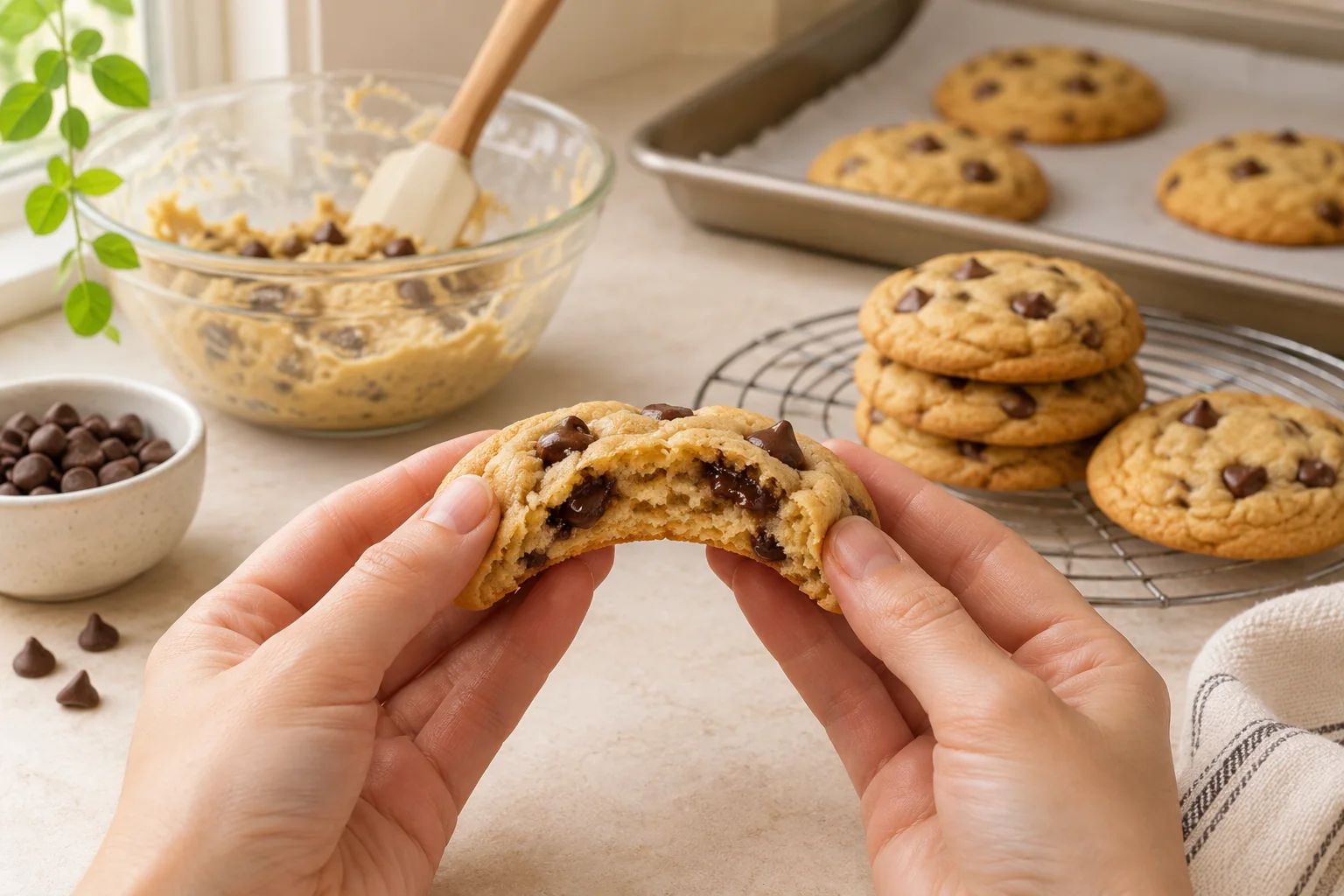
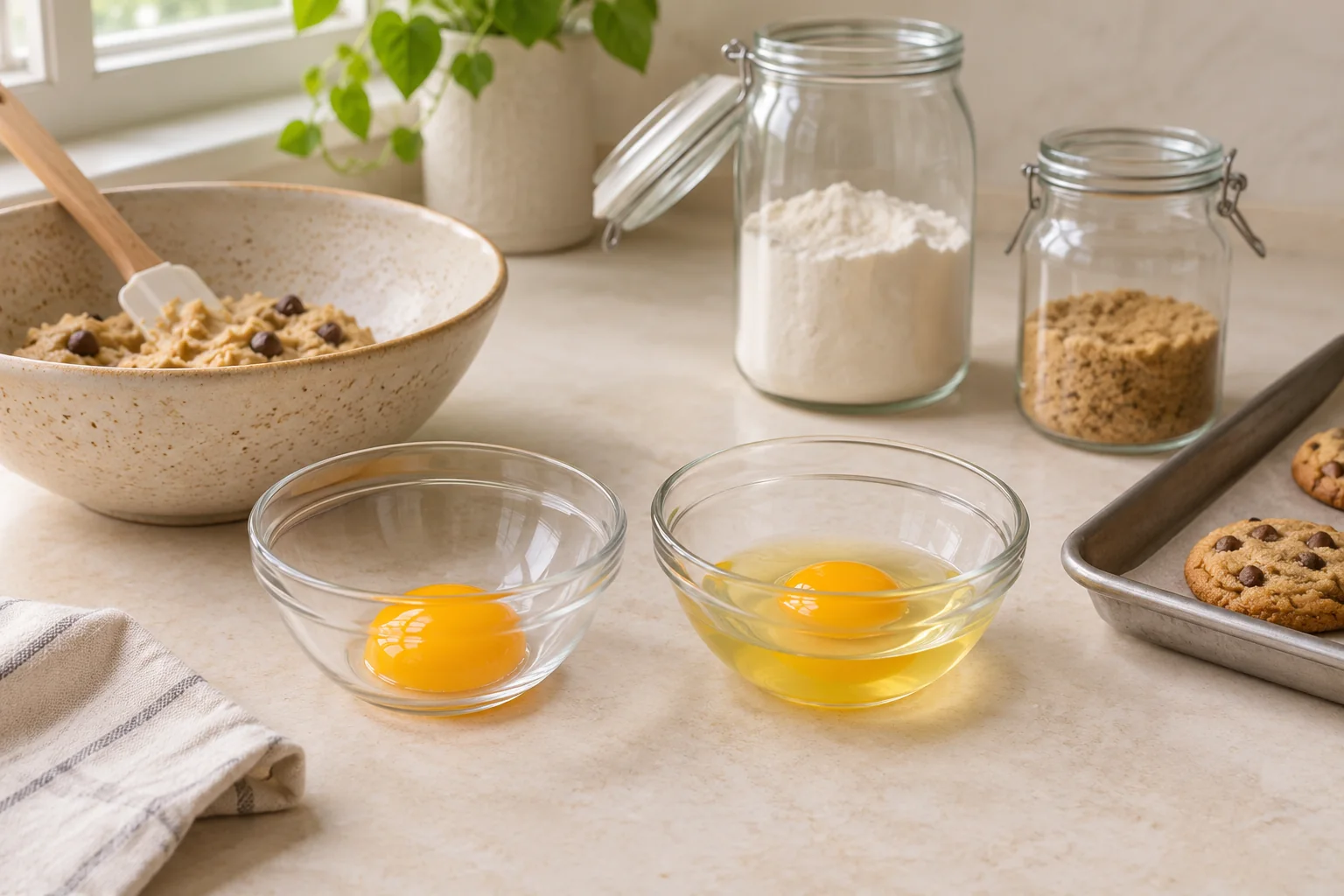
Whole eggs provide water and proteins, while yolks supply additional fat and emulsifiers. The recipe's egg size and number can change lift and tenderness. An unmeasured extra egg may make cookies cake-like or alter spread, not necessarily improve height.
Which flour is best?
All-purpose flour is common for many cookie styles. Bread flour and cake flour differ in protein and may change the bite. A substitution can make cookies tough, tender or structurally different depending on method, so use a flour suited to the tested thick-cookie formula.
Why thick cookies can be dry
Excess flour, overbaking and very large portions held too long in the oven can produce a dry mound. A tall cookie isn't automatically soft. Check the centre's proper baked texture and the recipe's cooling instructions.
Why a dome collapses
Excess leavener, insufficient structural ingredients or an underbaked centre can allow a cookie to rise and then sink. Some settling is normal for chewy cookies. If yours develops a major crater, inspect the formula and bake rather than just increasing flour.
How to keep portions consistent
Use a scoop or a scale. A 50-gram portion and a 100-gram portion bake differently, even if the dough is identical. When experimenting, maintain the original portion weight so you can interpret changes in spread and height fairly.
Troubleshooting flat cookies
Check butter temperature, flour weight, dough rest, leavener freshness, pan heat and oven accuracy. If several factors changed, return to the original instructions and alter one variable at a time. An extra handful of flour may conceal the cause while making the crumb less pleasant.
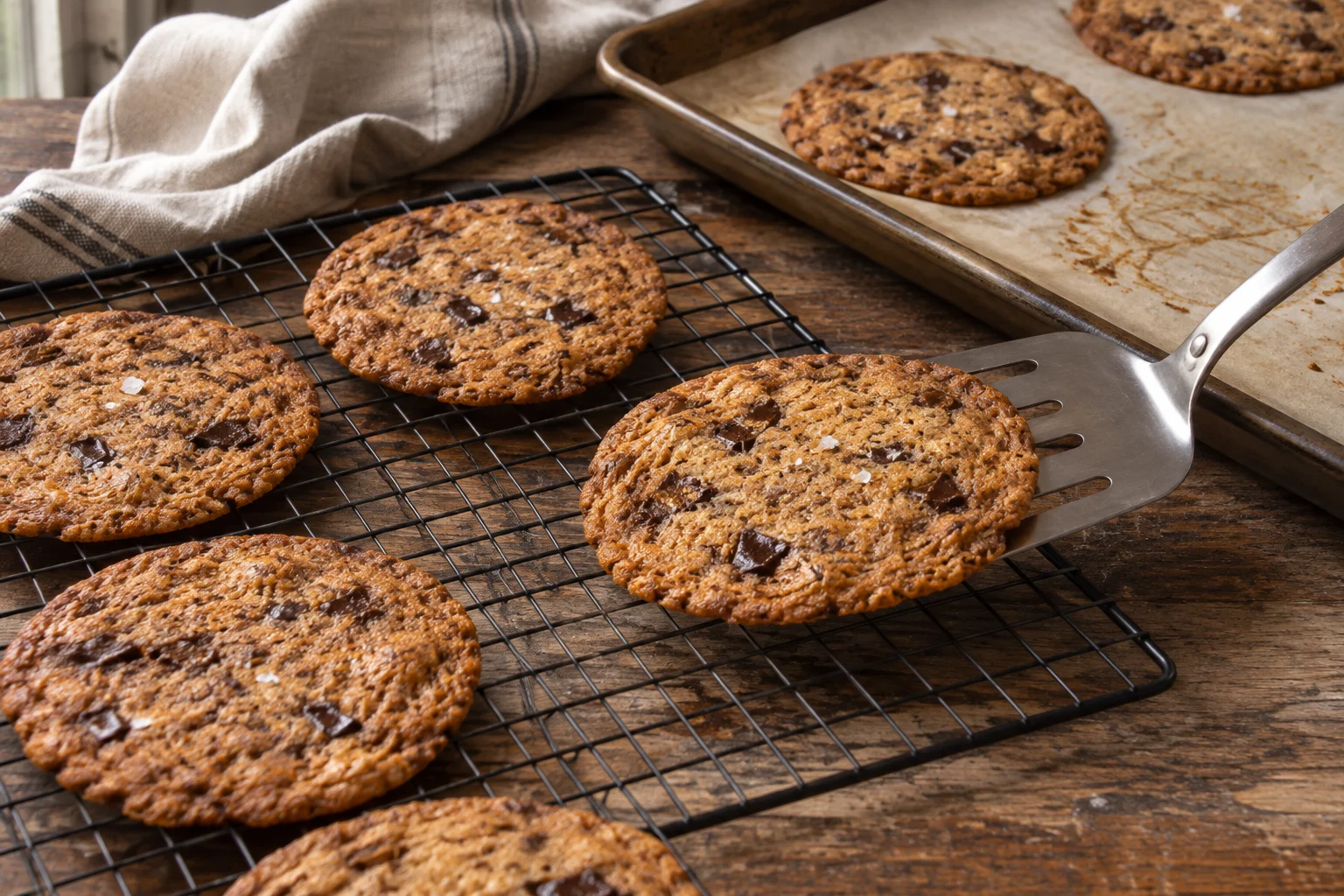
Recipe to try: Crispy Chocolate Chip Cookies. For a crisp cookie option, start with this formula and follow its baking and cooling cues. Thinness alone does not guarantee a crisp texture.
Frequently asked questions
Does chilling always make cookies puffy? No. Does more flour help? It can increase thickness but may cause dryness. Should I add baking powder? Only in a tested formula. Why are my cookies puffy but hard? Overbaking or ingredient imbalance may be responsible.
Make height match the texture
A truly successful puffy cookie has deliberate height and a tender properly baked centre. Weigh ingredients, use the intended butter state and leavening, portion evenly and follow chilling instructions. Those basics create thickness without sacrificing flavour.
IN PICTURES
From the baking notebook
FROM THE RECIPE BOX


