
On this page
Honey brings much more to baking than a floral kind of sweetness. It is a concentrated liquid sweetener that contains water and a mixture of sugars, mainly fructose and glucose, along with flavour compounds that vary by floral source. In a cake it can contribute a tender, moist crumb; in a cookie it can change spread and browning. The secret is treating honey as an ingredient that alters the recipe's chemistry, not simply as a spoonful of healthier sugar.
Honey is both sweetener and liquid
Honey contains dissolved sugars and water, with composition that varies by source. It contributes liquid as well as sweetness and acidity. Replacing dry sugar with honey therefore changes the formula's hydration and sugar balance, not just its flavour.
Why honey often tastes sweeter
Honey's sugars include substantial fructose, which tastes sweeter than sucrose in many circumstances. That means equal weights of honey and white sugar can produce different perceived sweetness. The actual effect varies with honey variety, temperature and the other flavours in the bake.
Honey helps some cakes feel moist
Honey is hygroscopic, meaning its sugars attract and retain moisture. In a recipe designed for it, that can help a cake or muffin feel supple after cooling. More honey isn't necessarily more tender: excessive liquid or sugar can weaken structure and leave a sticky or underbaked centre.
Why honey browns quickly
Honey supplies sugars that can encourage browning. A honey-rich cake can darken on the outside while its centre still needs baking, especially when the formula or pan has changed. Use a recipe written for honey and follow its oven setting and doneness cues.
How acidity enters the picture
Honey varies in acidity, and this can affect the balance of baking soda and other ingredients in a batter. It is not an equal substitute for acidic buttermilk or vinegar, however. Use a formula developed for honey or a reliable conversion that accounts for leavening rather than changing baking soda by guesswork.
Honey in a butter-creamed cake
Traditional creaming relies partly on solid sugar crystals working through softened butter to incorporate air. Pourable honey doesn't behave the same way. A fully honey-sweetened butter cake may be denser unless its mixing method is designed for a liquid sweetener.
Honey in oil-based cakes
Oil-based batters generally combine liquids differently from creamed butter cakes. Honey can blend readily into the wet phase, producing a rich taste and moist impression when ratios are balanced. Excess honey can still alter structure and create surface pinholes or uneven browning.
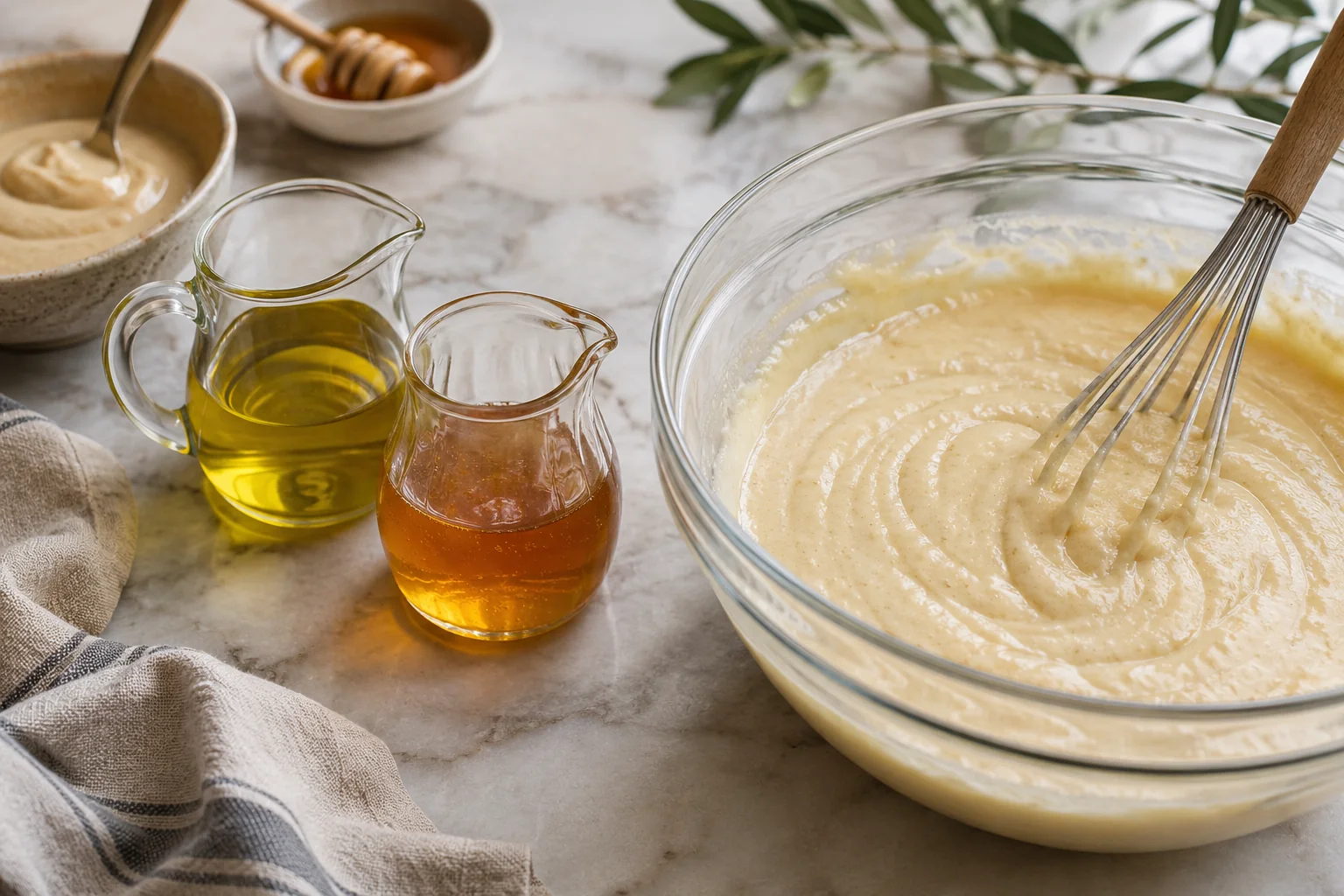
Recipe to try: Honey Tahini Layer Cake. A sophisticated layer cake combining the nutty richness of tahini with floral honey sweetness, finished with a silky tahini buttercream that balances sweet and savory notes in every luxurious bite.
Honey in cookies
Honey can soften the texture and change spread, particularly in recipes intended to be crisp. A little may add complexity to oatmeal, ginger or nut cookies; a complete substitution can make them sticky. Choose a honey-cookie formula when the sweetener supplies a substantial percentage of the dough.
Honey in yeast bread
Yeast can ferment certain sugars present in honey, but bread rise depends much more on yeast health, dough temperature, flour strength and fermentation. Honey also contributes colour and flavour. A small amount in sandwich bread is different from a heavily sweetened dough that may ferment more slowly because of high overall sugar concentration.
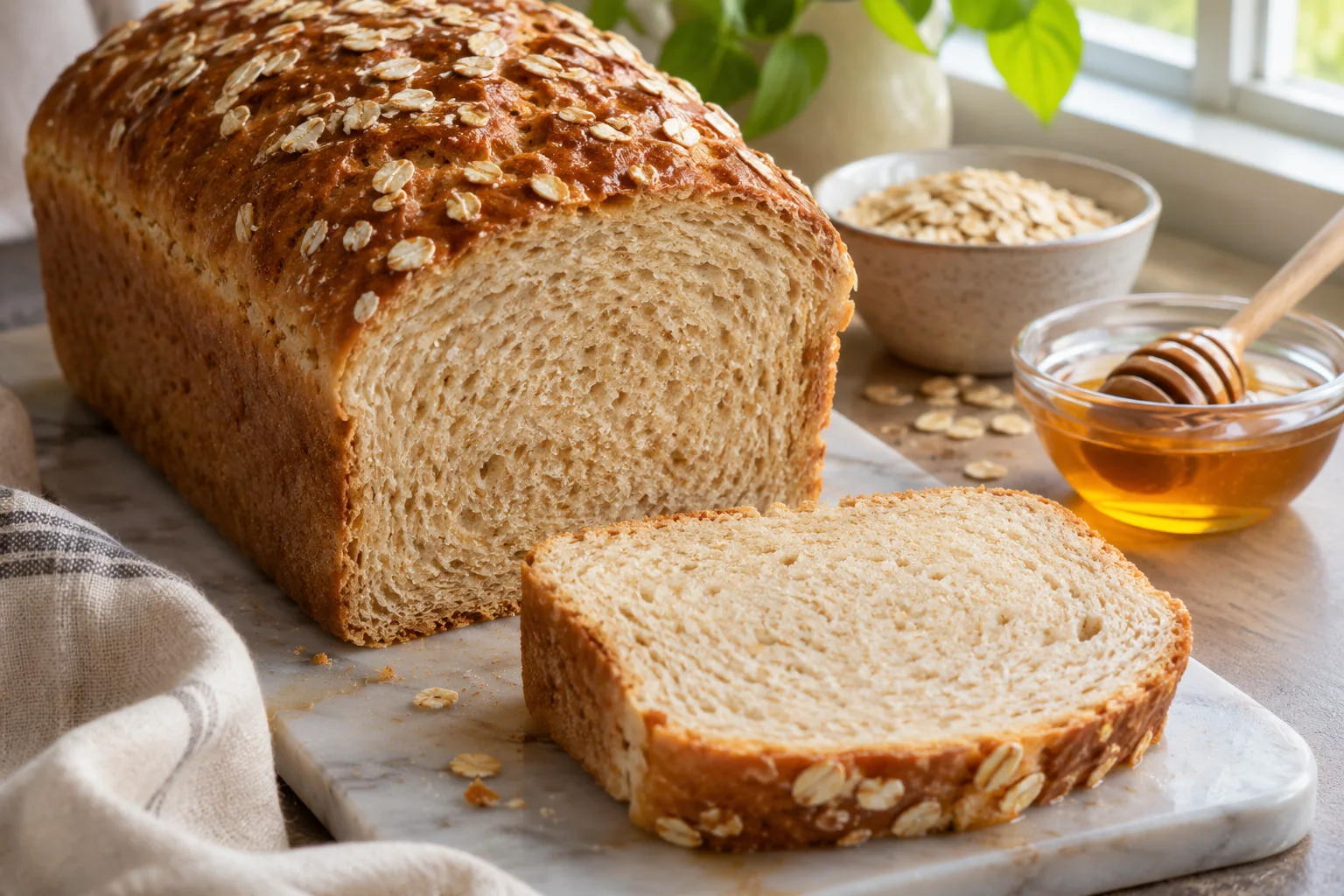
Recipe to try: Honey Oat Sandwich Bread. Tender, slightly sweet sandwich bread with nutty oats and golden honey that makes exceptional toast and hearty sandwiches with a rustic, wholesome texture.
How to compare honey and dry-sugar formulas
For a dependable first bake, compare a honey-based recipe with a dry-sugar recipe instead of converting by volume alone. Note the liquid, flour, leavening and mixing method in each. Use a conversion only when it gives complete adjustments for that style of bake; there is no universal ratio for cookies, sponge cakes, meringue and caramel.
What if the recipe has no other liquid?
Adding enough flour to absorb honey's extra moisture can also make a bake dry or tough. If the original formula has little liquid to adjust, choose a honey-specific recipe. Do not keep adding flour until the batter merely looks familiar.
Weight gives more consistent results
Honey clings to measuring cups and varies in density slightly by product and temperature. If the recipe gives grams, weigh it and scrape the container thoroughly. Remember that an equal weight of honey isn't an equal weight of dry sugar solids because honey contains water.
Which honey flavour should you use?
Mild clover or wildflower honey may suit vanilla cakes, while darker strongly flavoured varieties complement rye bread, gingerbread or spice cake. Flavour is dependent on source and producer. A strongly floral honey can overpower delicate lemon or almond desserts, so taste the ingredient first.
Honey alongside fruit
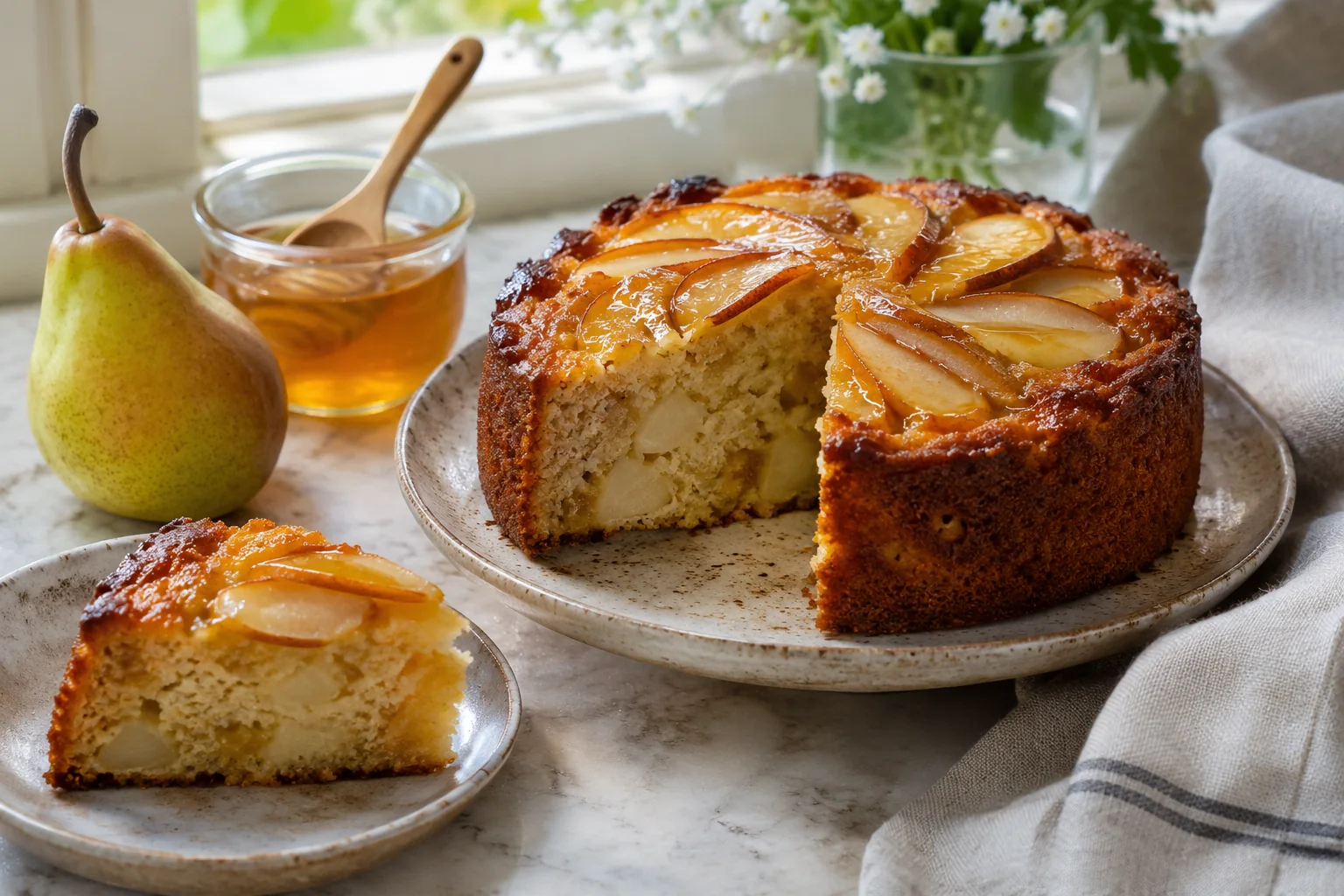
Honey pairs beautifully with pears, figs, apples, citrus and roasted stone fruit. In a fruit cake, the juice released by the fruit adds to honey's water content, so a tested formula matters. Pouring extra honey over a wet fruit filling can create a soggy base.
Honey glazes and finishing syrups
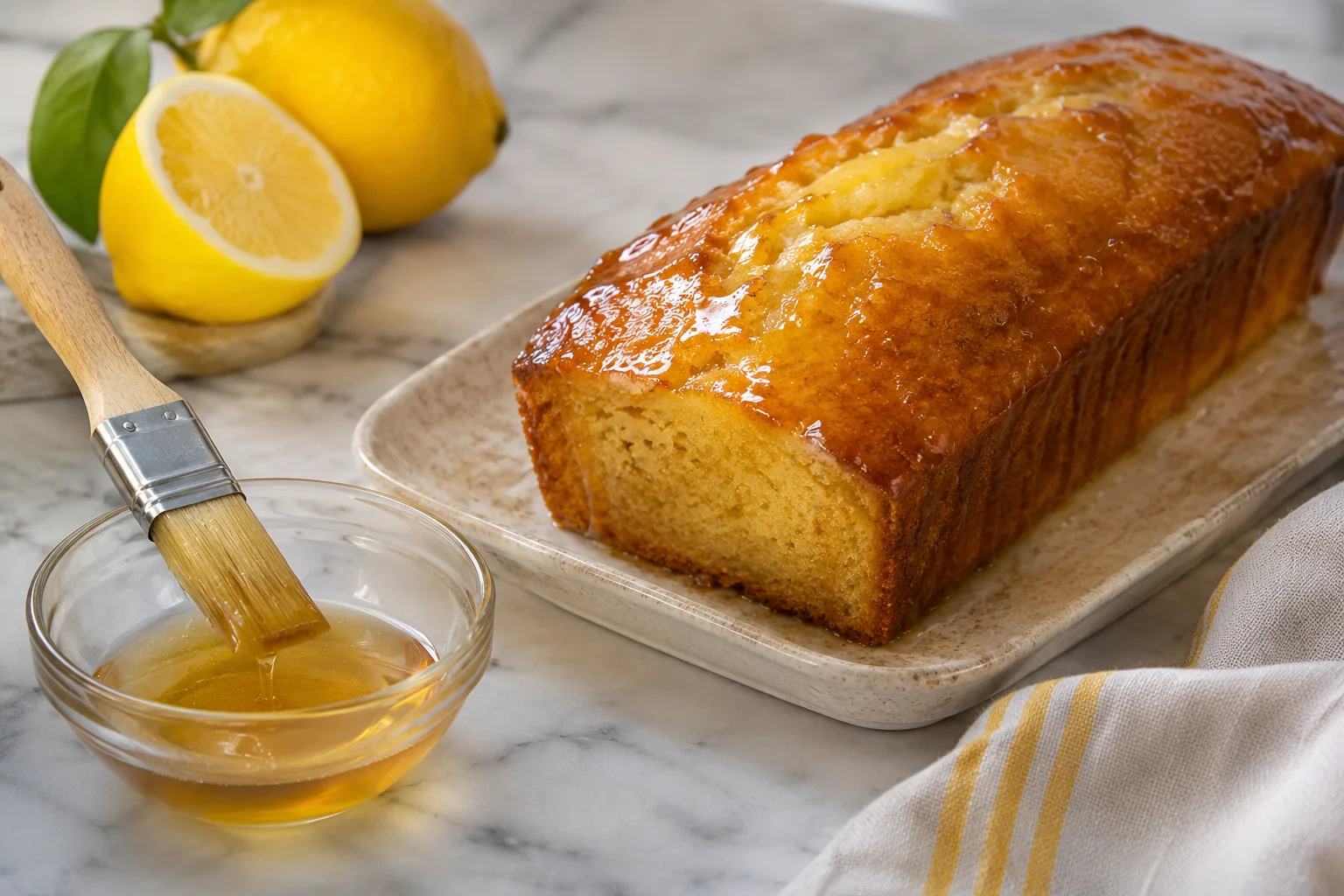
A little honey in a glaze can create gloss and a gentle floral note. It remains sticky and may absorb moisture from humid air. Apply an appropriate amount to fully baked pastries, taking care not to soak the shell or turn a crisp pastry into a soft one.
Honey isn't an automatic health upgrade
Honey remains an added sugar and provides energy; its trace compounds do not erase that fact. Use it for flavour and baking properties, not as a promise of a low-sugar dessert. For infants under twelve months, honey should not be served because of infant botulism risk, including honey-containing baked foods.
Handling and storage
Honey is generally a shelf-stable ingredient in its original properly stored state, but a prepared mixture containing dairy, fresh fruit or water may not be. Follow the finished recipe's safe storage requirements. Crystallized honey can often be liquefied gently under producer guidance, but avoid overheating sealed containers.
Troubleshooting a dark exterior
If a honey cake becomes too dark before it is baked inside, check oven accuracy, pan colour and whether you used an untested complete sugar substitution. A recipe-authorized foil tent or adjusted bake may help. Do not stop the bake early with raw batter inside solely to preserve a pale crust.
Troubleshooting a sticky cookie
Too much liquid sweetener, too little flour, humidity or insufficient baking may contribute. Don't add a large amount of flour blindly, which can turn the crumb tough. Choose a honey-cookie formulation with appropriate sugar and moisture balance and follow the stated cooling time.
Frequently asked questions
Can honey replace sugar cup for cup? Not reliably. Does it make baked goods brown faster? Often. Is honey always sweeter? It frequently tastes sweeter for a given amount, but flavour varies. Can I use honey in meringue? Only in a specially designed recipe. Is it safe for babies in baked goods? Honey should not be given to infants under one year.
Bake for honey's strengths
Use honey when its floral flavour, moisture retention and golden colour suit the dessert. Account for the liquid and faster browning, and choose a complete tested formula when honey is the main sweetener. A deliberate honey cake tastes better than a conventional cake with its sugar simply replaced.
Recipe to try: Honey Whole Wheat Sandwich Bread. Tender, slightly sweet whole wheat sandwich bread enriched with golden honey that offers the perfect balance of nutrition and flavor in every soft, chewy slice.
IN PICTURES
From the baking notebook
FROM THE RECIPE BOX


