On this page
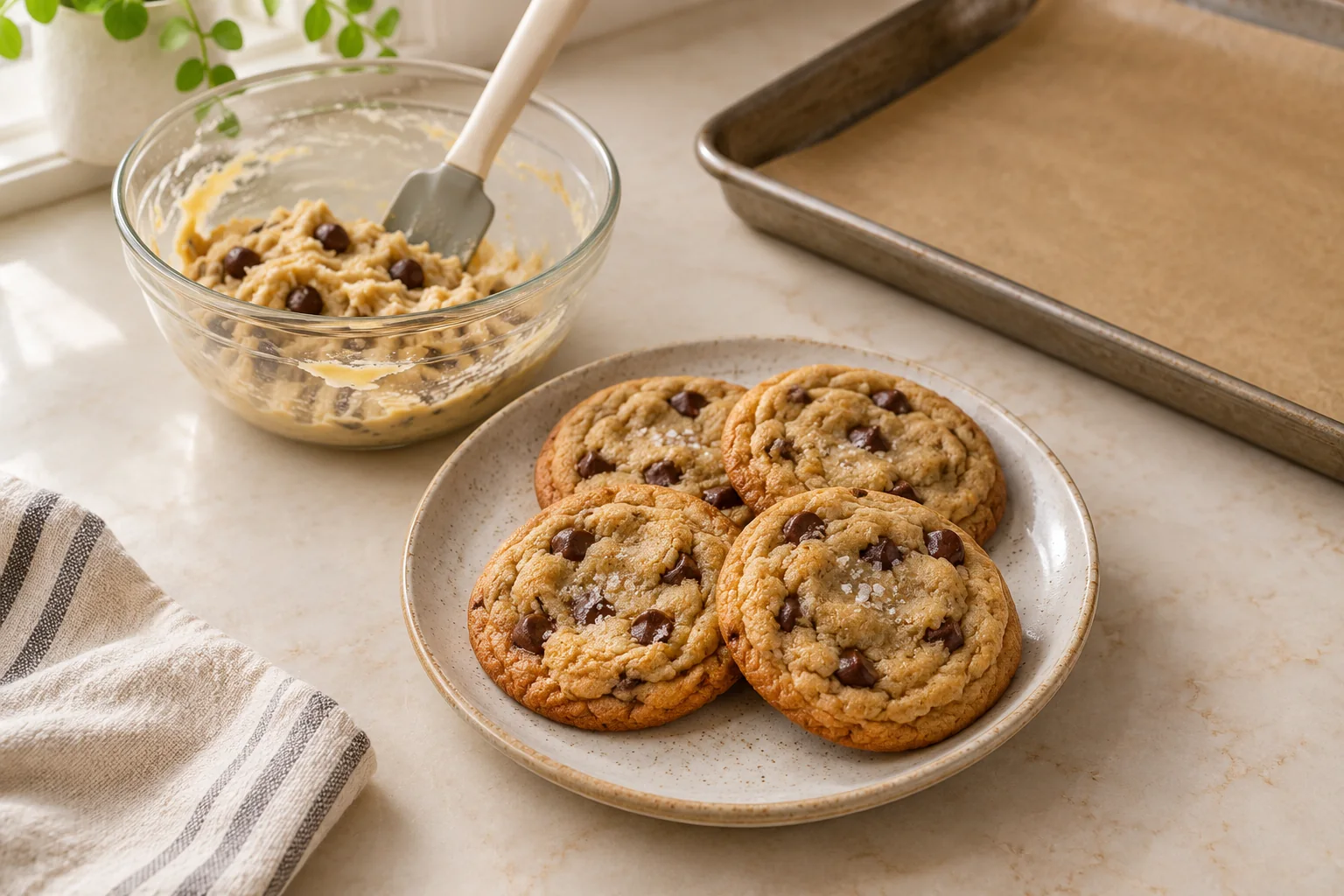
Sometimes you want two warm chocolate chip cookies, not a container of thirty. Small-batch baking sounds easy until a recipe requires half an egg, a few grams of baking soda and a baking sheet built for much more dough. The trick is to choose a formula developed for a modest yield, weigh accurately and keep the portions consistent. Done well, small-batch cookies offer fresh-baked flavour with less waste and little cleanup.
The linked recipes make their stated full batches. For a smaller bake, use careful scaling or freeze excess dough where the recipe allows; these links do not each yield only two servings.
Start with a real small-batch recipe
Recipes developed for two, four or six cookies balance the small quantities of flour, fat, egg and leavener. Simply dividing a large recipe by seven can make tiny measurement errors disproportionately important. Choose a reliable small-yield formula before trying to scale your favourite party batch.
Decide what 'for two' means
Two large bakery-style cookies might use as much dough as four smaller household cookies. Choose the intended portion weight and serving style first. A recipe making four modest cookies can be practical for two people who want a treat tonight and one tomorrow.
Use a kitchen scale
Measuring fifteen grams of flour by eye is less reliable than weighing it. Butter and sugar are also easier to portion accurately in grams. When ingredient amounts become small, an error of one tablespoon can make the difference between a chewy cookie and a flat brittle one.
The half-egg problem
A large cookie batch may require one egg, while its half-size conversion would need roughly half an egg. A tested small-batch formula may use an egg yolk or a measured portion of beaten egg instead. Do not blindly use one whole egg, which changes liquid and protein considerably.
How to measure part of an egg
If a tested recipe specifically calls for part of a beaten egg, crack the egg into a clean bowl, beat it and weigh the specified amount. Use the remainder promptly in another fully cooked dish while following food-safety guidance. Don't attempt to split an uncooked egg by pouring half the white from its shell based solely on appearance.
Tiny leavener amounts matter
An eighth or quarter teaspoon of baking soda is easily mismeasured, especially when a spoon is rounded. Use proper measuring spoons or a suitably accurate scale as directed. Too much leavener can leave a chemical taste or produce rapid rise and collapse.
Creamed versus melted butter
Some small cookie recipes cream softened butter and sugar to incorporate air, while others use melted butter and a whisk. The choice affects spread and texture. Don't replace one method with the other without a conversion; two cookies leave little margin for testing mistakes.
Mix without overworking
Combine the flour until no significant dry streaks remain. Excessive beating after hydration can contribute to a tougher texture in some recipes. On the other hand, leaving unmixed butter or flour in a tiny bowl creates big differences between portions.
Choose the right bowl
A wide stand mixer may struggle to reach a tablespoon of butter at the bottom of the bowl. A small whisk, spatula or hand mixer may be easier for tiny recipes. Scrape carefully so the small amount of batter doesn't remain stuck to utensils.
Measure chocolate chips
With two cookies, adding an extra large handful of chips can change the dough's structure. Use the recipe's suggested amount and portion chips evenly. Small chopped chocolate pieces can distribute more naturally than very large chunks in miniature cookies.
Portion equally
Weigh dough balls or use a consistent small scoop. One oversized cookie and one small cookie will not reach doneness at the same time. If both are intended to be generous café-style portions, shape them to matching heights and diameters.
Don't overcrowd the tray
Even two cookies need enough space to spread. Follow the recipe's baking-sheet spacing and use a suitable liner. A tiny tray in a toaster oven still needs appropriate clearance from heating elements.
Check pan colour
Dark baking sheets may brown the bottoms faster than light metal, and insulated sheets behave differently. Small cookies can overbake quickly. Use the baking surface the recipe expects where possible and check toward the earlier end of the time range.
How to judge doneness
Many cookies firm as they cool on the tray. A slightly soft centre may be correct for a chewy recipe, but it shouldn't contain visible raw dough. Follow the tested formula's edge colour and centre cues instead of waiting for every cookie to become hard in the oven.
Cooling is still important
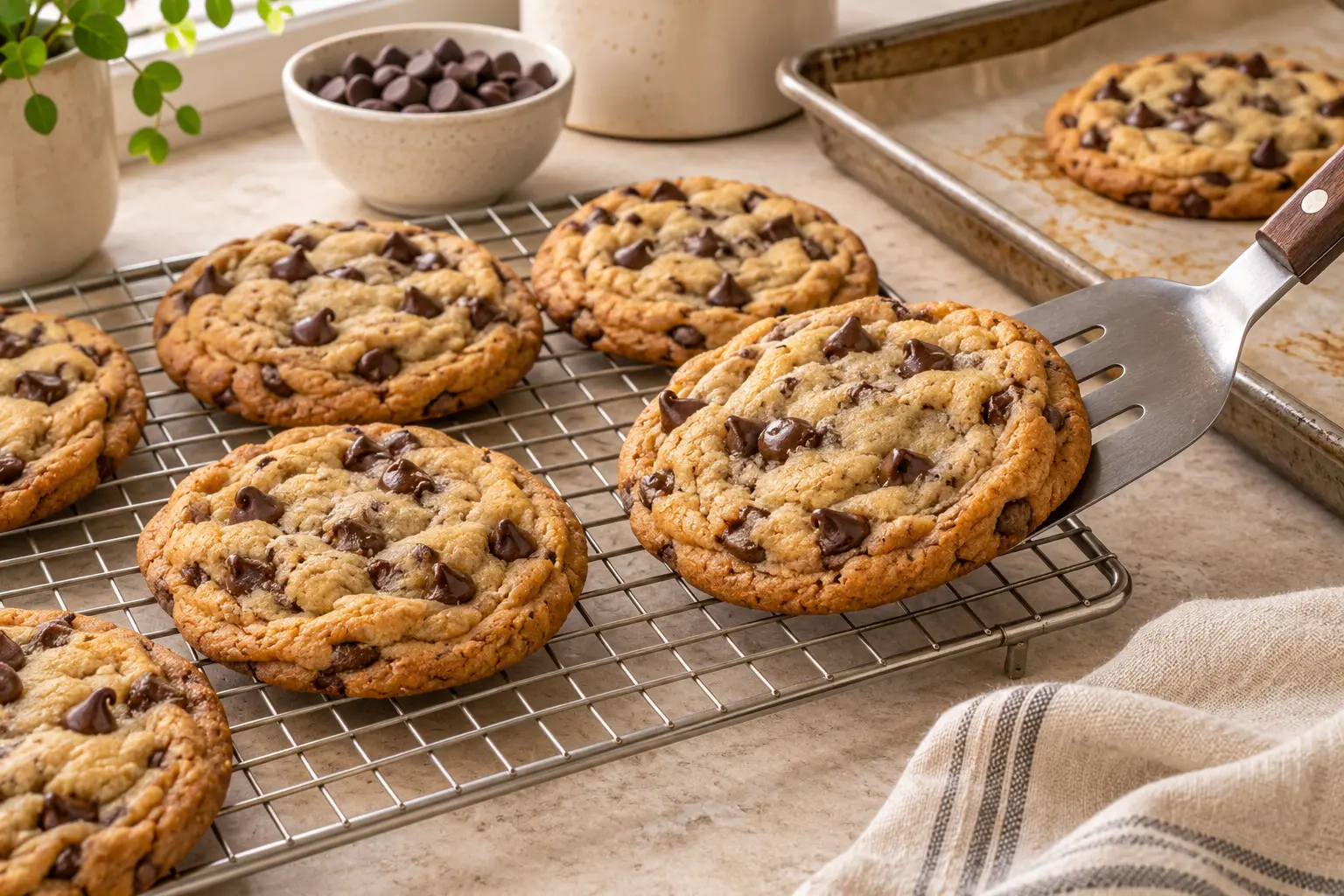
Allow cookies to sit for the period specified before transferring to a rack. This helps delicate centres become stable enough to move without breaking. For a warm dessert, you can serve once the cookie is safe to handle and fully baked.
Recipe to try: Chewy Chocolate Chip Cookies. Use the recipe’s stated yield when scaling, and measure partial eggs and leavening carefully. If making the full batch, freeze extra dough only as its recipe permits.
How to make two flavours
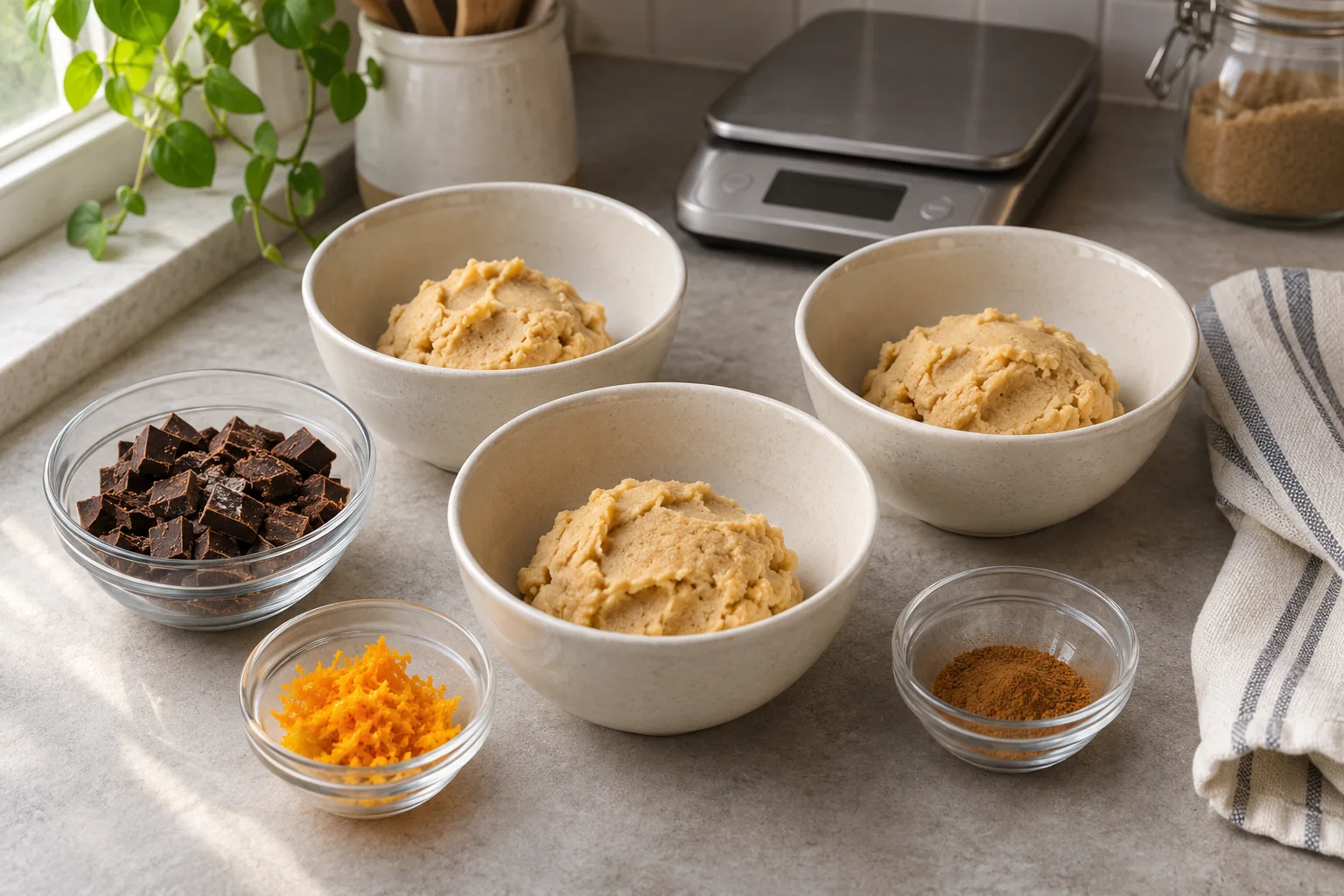
A four-cookie batch can sometimes be split before mix-ins, with chocolate in one half and nuts or dried fruit in the other. Keep each variant balanced and consider allergens. Avoid adding extra liquids to just one portion, which changes its baking behaviour.
Freezing extra dough
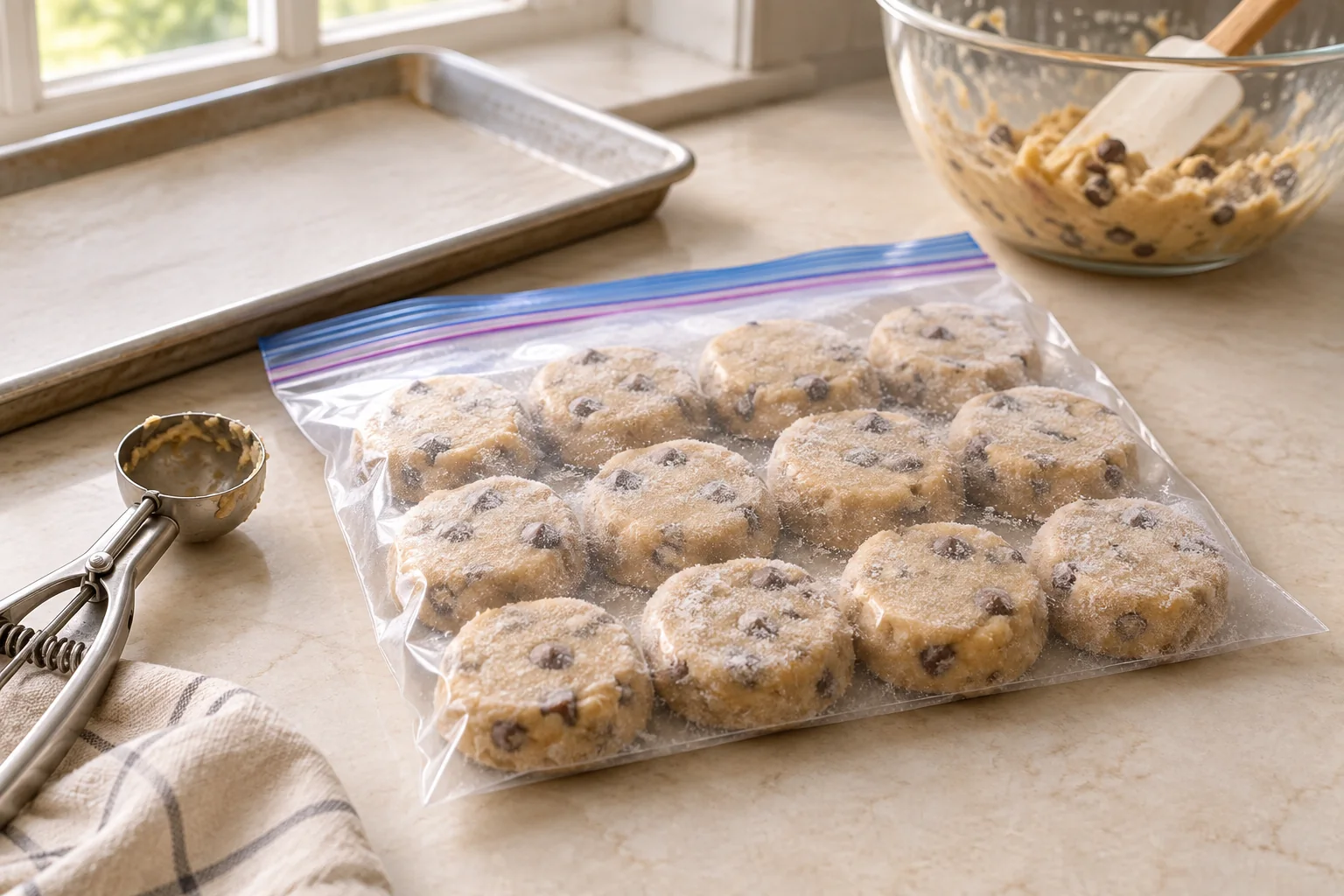
If your small-batch recipe makes six cookies and you want only two, many compatible drop-cookie formulas allow individually portioned dough to be frozen. Use the recipe's instructions and label the portions. This gives fresh cookies without mixing from scratch each time.
Scaling a favourite recipe
If you do divide a full recipe, calculate all ingredients by weight, check whether egg and leavener portions are practical, and compare the dough's intended consistency. Write down the trial before baking so you can make corrections rather than rely on memory.
Recipe to try: Classic Chocolate Chip Cookies. Use the recipe’s stated yield when scaling, and measure partial eggs and leavening carefully. If making the full batch, freeze extra dough only as its recipe permits.

Small-batch gluten-free cookies
Gluten-free flour blends and binders can be difficult to scale when ingredients are measured in tiny quantities. Use a gluten-free small-batch recipe designed for the flour blend rather than assuming equal-volume substitutions will behave like wheat dough.
Frequently asked questions
Can I use one whole egg for two cookies? Only if a tested recipe calls for it. Does the baking time become shorter automatically? Portion size matters more than batch count. Can I use a large baking sheet? Yes with proper spacing. Is a kitchen scale necessary? It makes small recipes much more reliable.
A small batch worth making
Choose a recipe built for the number of cookies you want, weigh everything carefully and bake matching portions on a suitable sheet. Two properly made cookies can be just as satisfying as a bakery box—and much easier to finish while they're fresh.
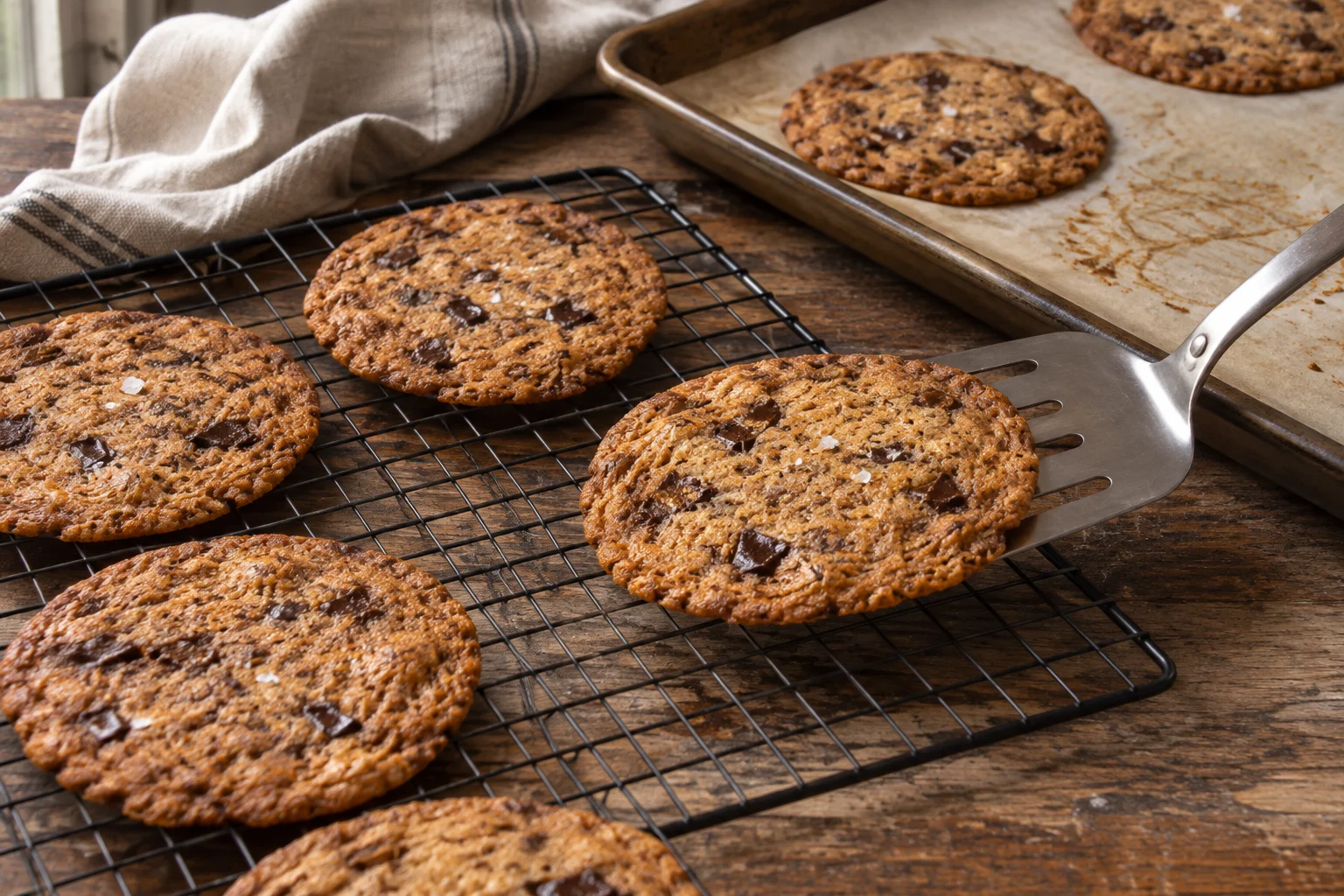
Recipe to try: Crispy Chocolate Chip Cookies. Use the recipe’s stated yield when scaling, and measure partial eggs and leavening carefully. If making the full batch, freeze extra dough only as its recipe permits.
IN PICTURES
From the baking notebook
FROM THE RECIPE BOX


