On this page
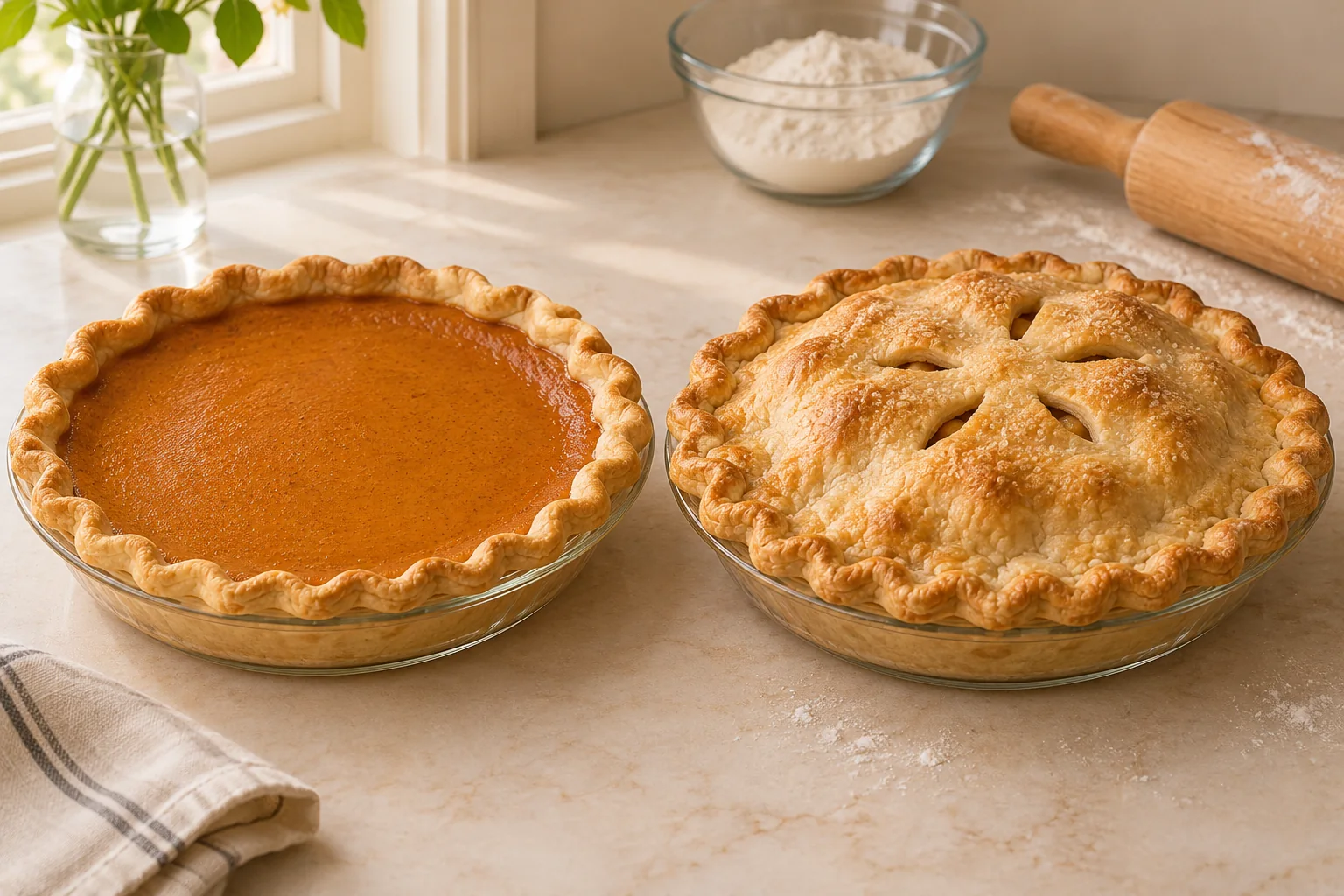
A cherry pie with a woven lattice and a pumpkin pie with a smooth open top may use similar pie dishes, but they require different pastry structures. Single-crust pies have pastry beneath the filling; double-crust pies add a second pastry layer across the top. That simple choice affects dough quantity, moisture release, baking time and presentation. Matching the crust style to the filling makes the dessert easier to bake and serve.
What is a single-crust pie?
A single-crust pie has a pastry shell forming its bottom and sides, usually leaving the filling open on top. Classic examples include pumpkin, custard, lemon and pecan pies, although specific recipes vary. Some single-crust fruit pies use streusel instead of a pastry lid.
What is a double-crust pie?
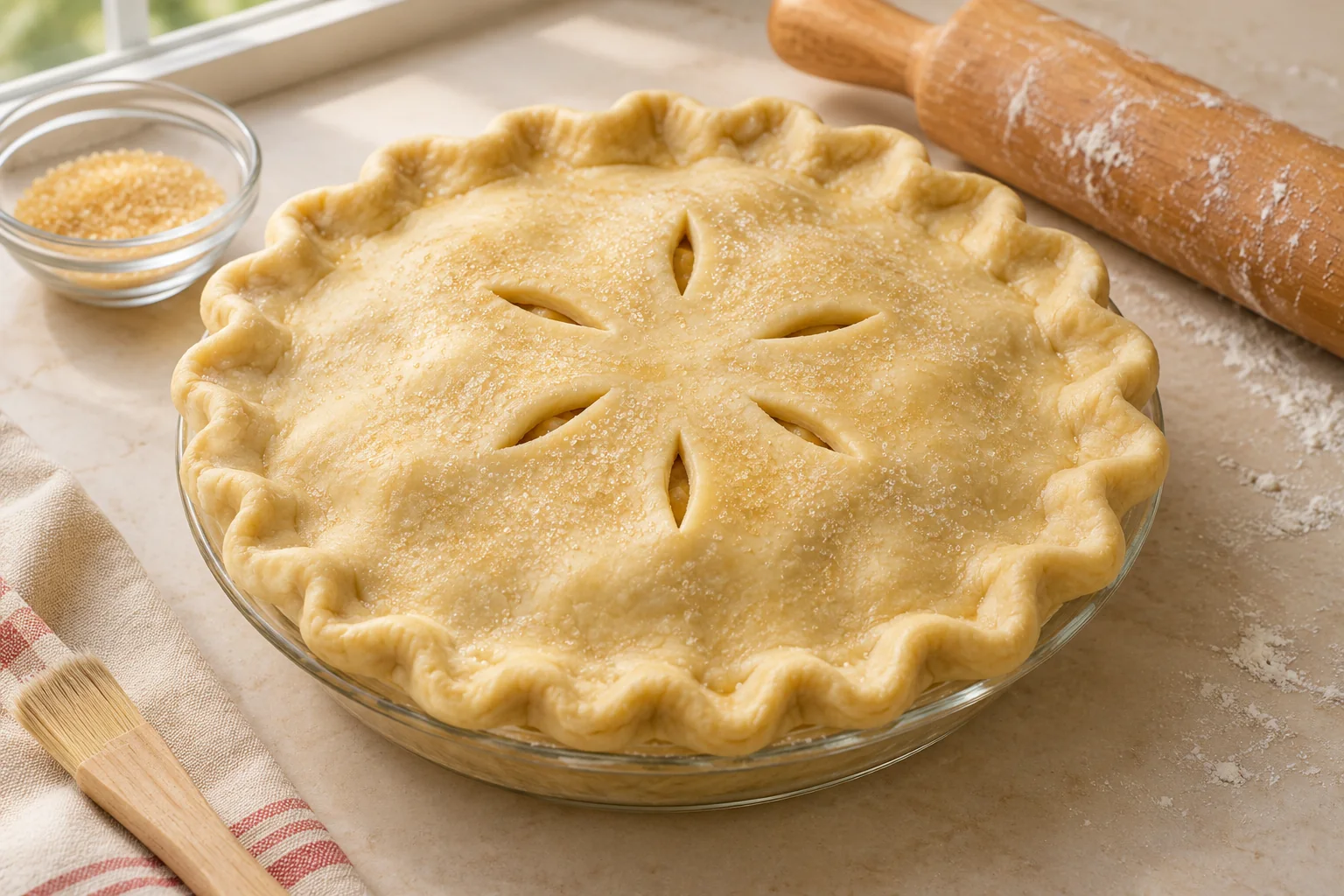
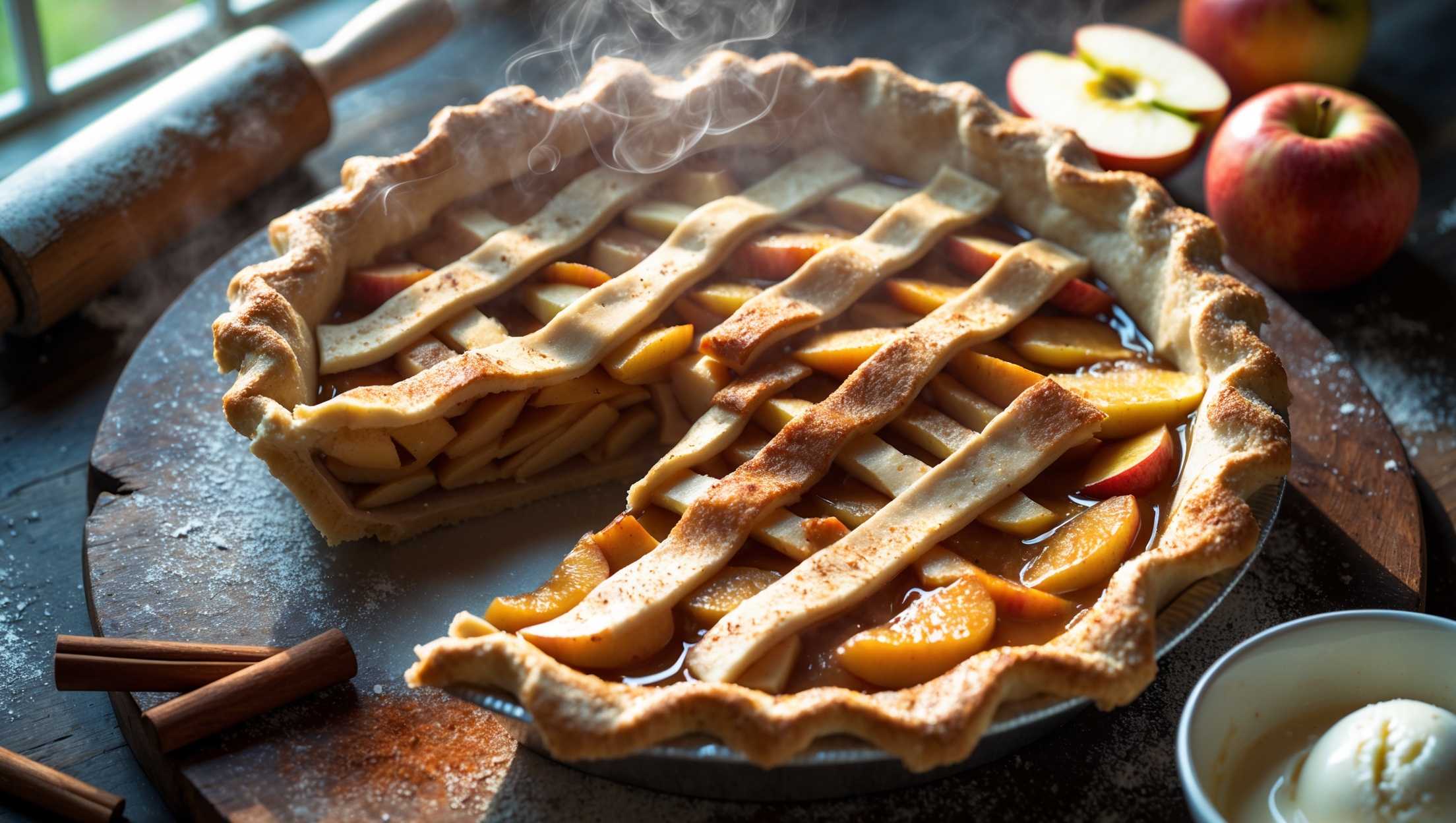
A double-crust pie has pastry below and a top sheet or woven lattice above its filling. Many apple, berry and cherry pies use this arrangement. The top protects and contains the fruit, while vent openings allow steam to escape and reveal the filling's progress.
How much pastry is required?
A single-crust pie needs enough dough for the base, walls and rim. A double-crust pie generally requires an additional portion for the upper sheet or lattice. The portions aren't always equal, especially in deep pans. Use the recipe's measured yield for your dish and design.
Blind baking is common for open shells
A pie filled with cold cream after baking usually needs a fully baked empty shell. Some custard pies use a partial prebake before the filling is added. Other single-crust pies begin with raw pastry and bake everything together. Blind baking is determined by the filling and recipe, not merely by the absence of a top crust.
Double-crust pies are often baked assembled
A fruit pie commonly goes into the oven with raw pastry above and below the uncooked filling. Baking them together allows the fruit and thickener to cook while the dough browns. Prebaking the lower crust isn't impossible, but it requires a recipe designed for that assembly method.
Why fruit pies may benefit from a top
A solid pastry lid can create an appealing contrast between crisp crust and juicy fruit. It also contains the filling and provides a surface for decorative vents. A lattice offers more open space and potentially more evaporation, resulting in a different moisture balance.
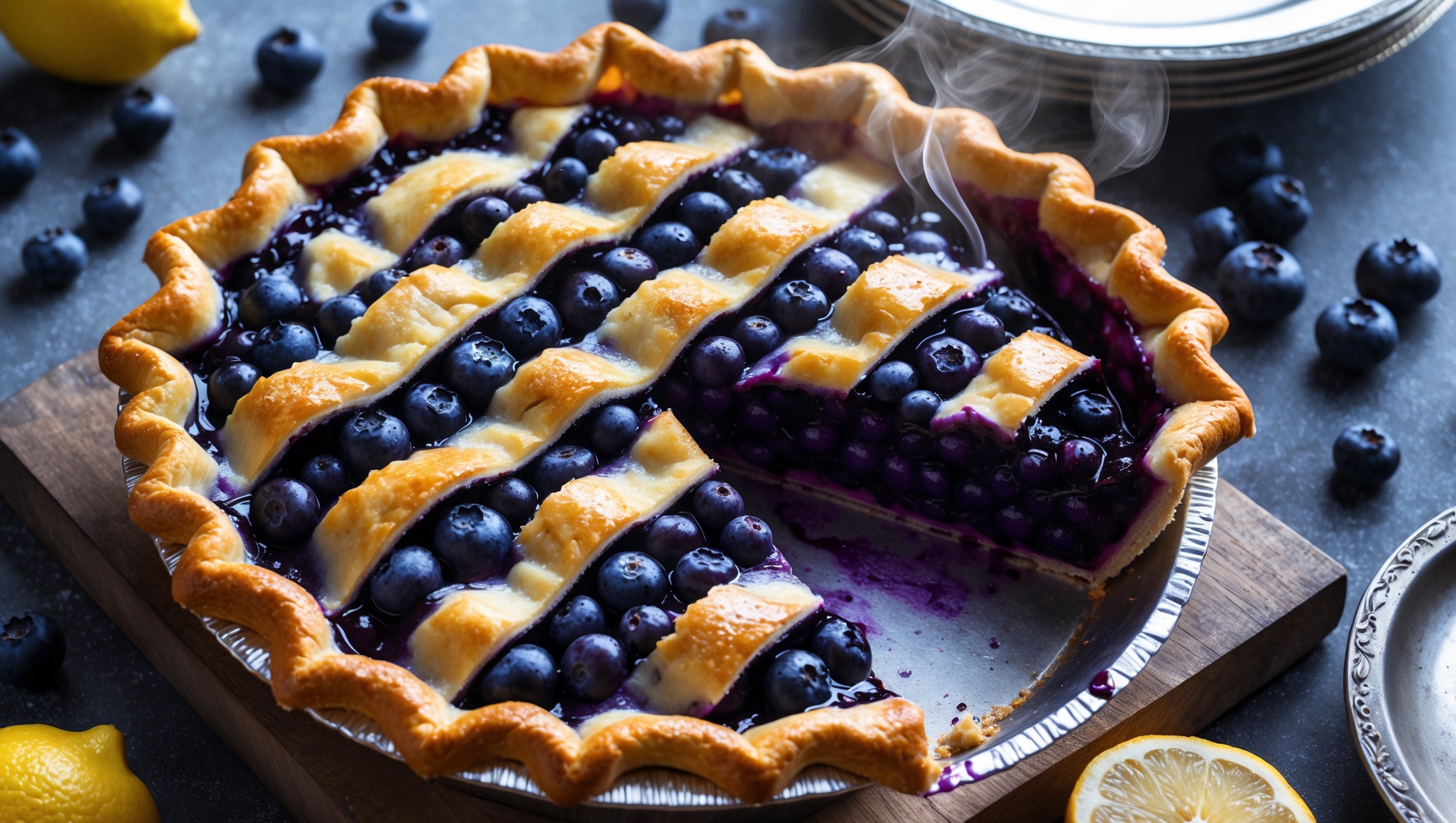
Recipe to try: Blueberry Pie. Blueberries release juice differently from apple slices. Follow this pie’s filling formula and allow its cooked filling to set before cutting.
Why custard pies often remain open
Egg-based custards need a controlled set. An open top allows the baker to observe movement and colour, and avoids a pastry lid that could obscure the filling. A dense double crust would usually be unsuitable for a classic pumpkin custard unless a particular recipe was developed around it.
What about streusel pies?
An apple or berry pie with a crumble topping is typically considered single-crust because there is no full upper pastry sheet. Streusel can bake crisp, but it does not behave identically to lattice or a solid lid. It exposes fruit differently and can alter the amount of thickener needed.
Lattice is still double-crust pie
The woven strips are the second layer of pastry, even though much of the filling is exposed. Depending on strip width and how intricate the weave is, a lattice may use somewhat less pastry than a complete round lid or almost as much.
Why top pastry needs vents
Steam forms as fruit heats and juices bubble. A completely sealed lid can puff or split in uncontrolled places, so solid double-crust pies use intentional slits or cutouts. A lattice already provides openings. Keep functional vents clear of decorative pieces.
How filling thickener changes
A fully covered fruit filling loses moisture differently from a lattice or crumble-topped pie. Use a recipe tested for the selected crust style rather than switching without adjustments.
How to seal a double crust
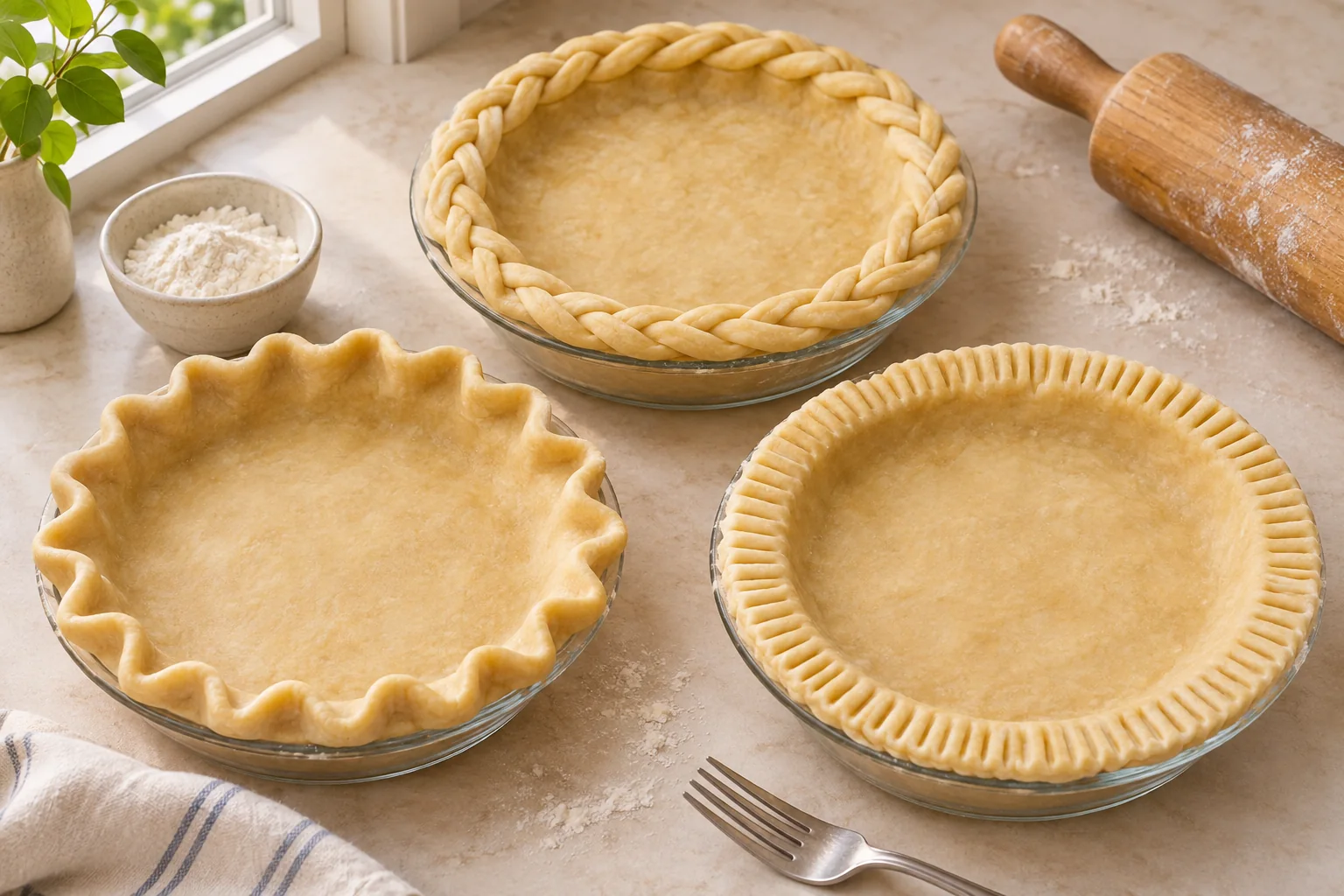
The upper and lower pastry sheets should be joined around the rim using the formula's overhang and folding method. A fork crimp, flute or decorative rope can then finish the edge. Sealing helps prevent bubbling fruit from escaping through the sides.
Which crust stays crisper?
Crispness depends on pan heat, pastry thickness, baking and filling moisture. An open pie is not automatically soggy and a double-crust pie isn't automatically crisp. A thick wet fruit filling can soften a bottom crust regardless of how elaborate the lid looks.
What about deep-dish pies?
Deep dishes hold more fruit and often require more pastry for their taller walls and lid. A standard nine-inch recipe may not fill a deep dish correctly. Match dish capacity and dough yield so the pastry is not stretched thin.
Baking time differences
A single-crust custard pie and double-crust fruit pie have different endpoints. A custard should set according to its egg-and-dairy formula; a fruit pie often needs bubbling near the centre to activate its thickener. Do not use the same timer simply because both fit in a nine-inch plate.
Decorating the top
An open shell may need only a defined crimped rim. A double crust offers broad options for lattice, leaves, braid or simple slashes. Keep thick decorations proportional so they bake through without burning the surrounding pastry.
Freezing for make-ahead
Unbaked double-crust fruit pies are often good freezer candidates when made by a tested method. Some single-crust custards don't freeze well in an unbaked state. Consider the filling's freezing behaviour and the pan's freezer-to-oven safety rating.
Which should you choose for apple pie?
Both can be wonderful. Use a covered or lattice recipe for a classic pastry-rich apple pie; choose an open apple streusel pie if you prefer a crumbly sweet topping. Follow the corresponding thickener and baking method instead of swapping the top at the last minute.
Recipe to try: Classic Apple Pie. Use the apple preparation, filling quantities and pastry method specified for this pie. A different fruit can require a different thickener balance.
Frequently asked questions
Is lattice double-crust? Yes. Is pumpkin usually single-crust? Often. Can you put a pastry lid over lemon cream? Not under an ordinary cold-fill method. Does double crust always need twice the dough? Pan and lattice design can change the quantity.
Choose according to filling
If your filling needs to set visibly or is added cold after baking, a single-crust shell may be appropriate. If you're baking juicy fruit with a protective pastry lid, choose double-crust or lattice. A recipe designed for that choice is more dependable than improvising between styles.
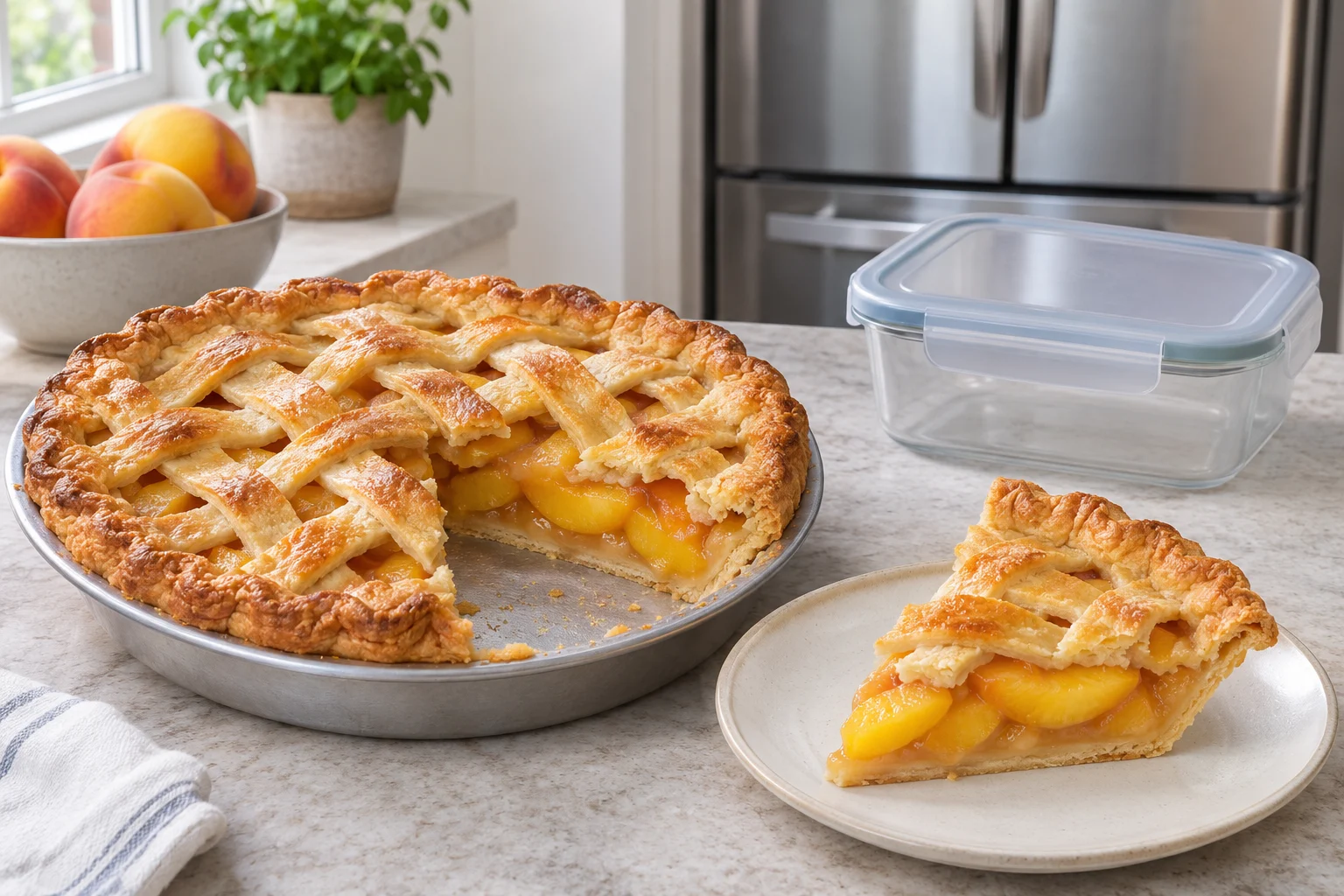
Recipe to try: Fresh Peach Pie. Peaches bring their own moisture and texture. Use this recipe’s preparation and thickener rather than borrowing an apple-pie ratio.
IN PICTURES
From the baking notebook
FROM THE RECIPE BOX


