On this page
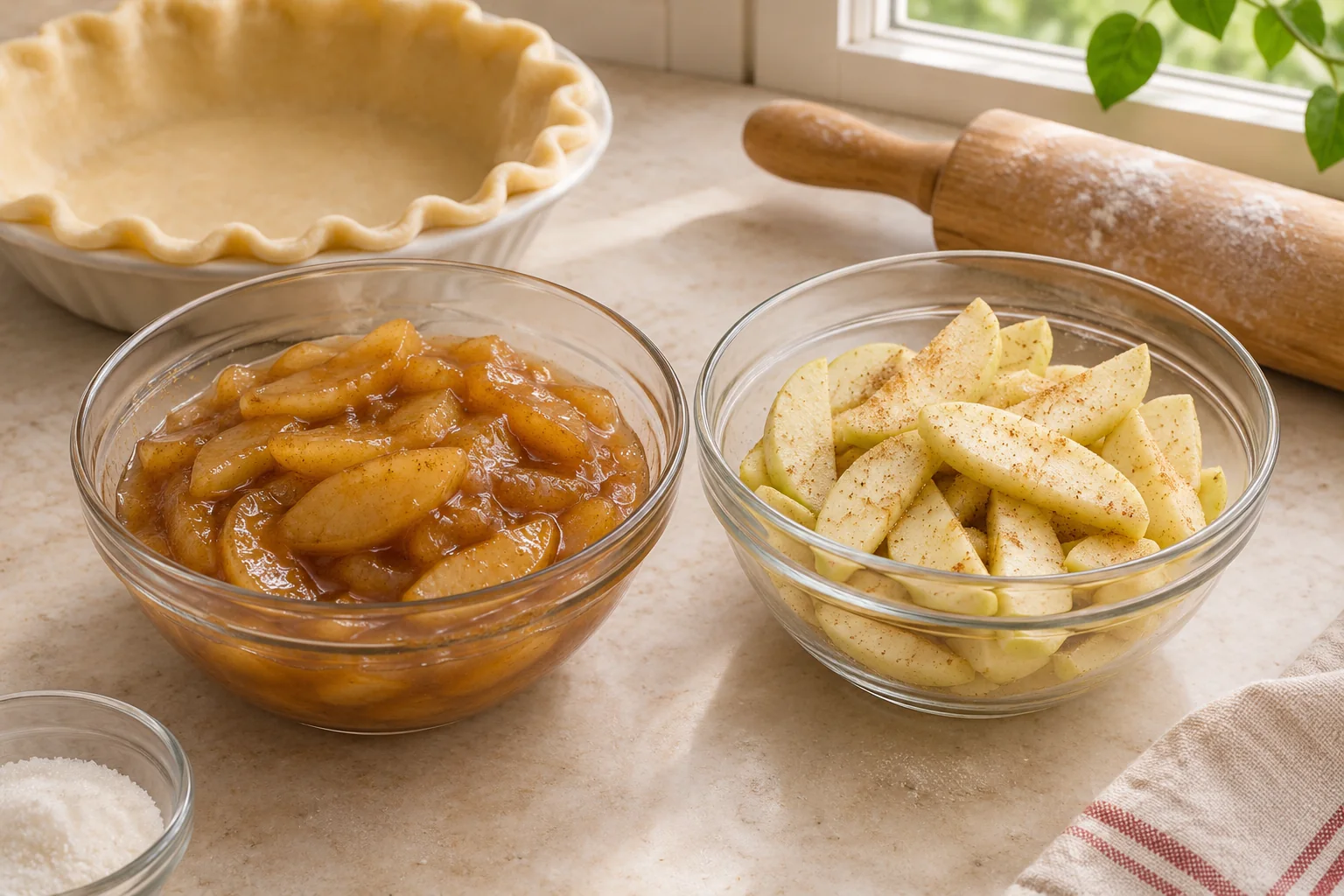
Some fruit pies are assembled with raw sliced apples and a simple sugar-starch mixture. Others begin by cooking fruit into a glossy filling before it ever meets the pastry. Both approaches can be excellent, but they produce different textures and demand different baking schedules. Whether to precook depends on the fruit, pie design and how much moisture the recipe needs to control.
Two distinct methods
A raw-filling pie cooks the fruit and its thickener inside the crust. A precooked-filling pie partially or fully cooks that mixture before assembly, often helping control liquid and texture in advance. Do not switch methods without considering the recipe's sugar, thickener and bake time.
Why raw fillings are popular
Raw filling is simple and can preserve defined fruit pieces, especially in apples that hold their shape. The oven gradually softens fruit while baking the pastry. A reliable raw-filling recipe accounts for fruit juice, thickener activation and the time required for bubbles to reach the centre.
Why cooked fillings are useful
Precooking lets you see and adjust the mixture's consistency before assembly, and can reduce surprises with juicy fruit. It can also soften firm apples or reduce bulky filling before it goes into a shell. The method may create a more jammy or cohesive texture than baking raw fruit.
Apple pie with raw apples
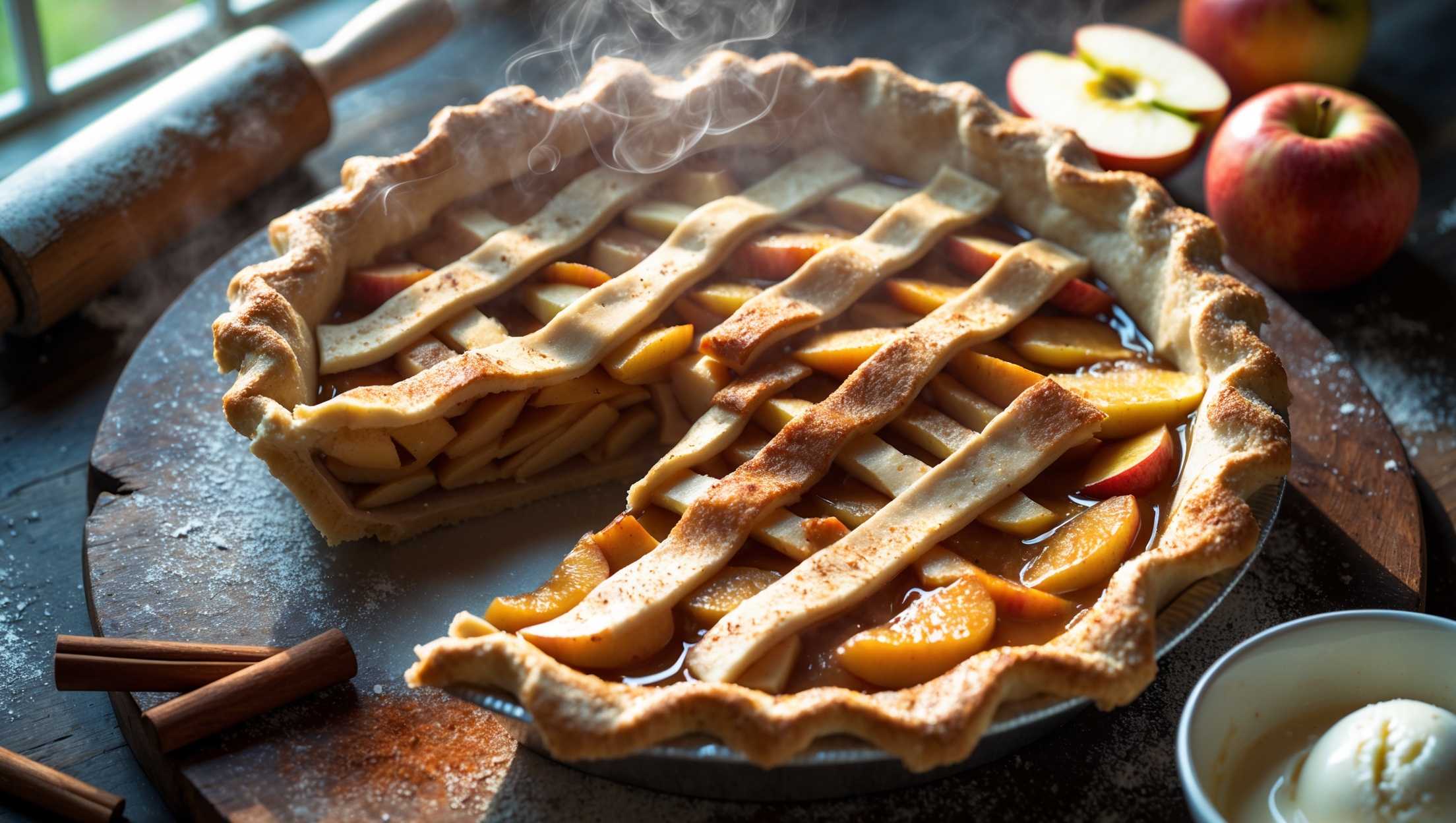
Many classic apple pie recipes toss sliced apples with sugar, lemon, thickener and spices before filling the shell. Some apples retain distinct pieces while others cook down. The recipe's bake time and fruit variety determine whether the centre becomes tender before the crust overbrowns.
Recipe to try: Classic Apple Pie. Use the apple preparation, filling quantities and pastry method specified for this pie. A different fruit can require a different thickener balance.
Apple pie with cooked apples
Some methods sauté or simmer apples first to release liquid and control volume. That can reduce a large gap beneath the top crust when apples shrink. But fully precooked slices can become too soft during the second bake, so follow the recipe's target degree of tenderness.
Berry pies with raw filling
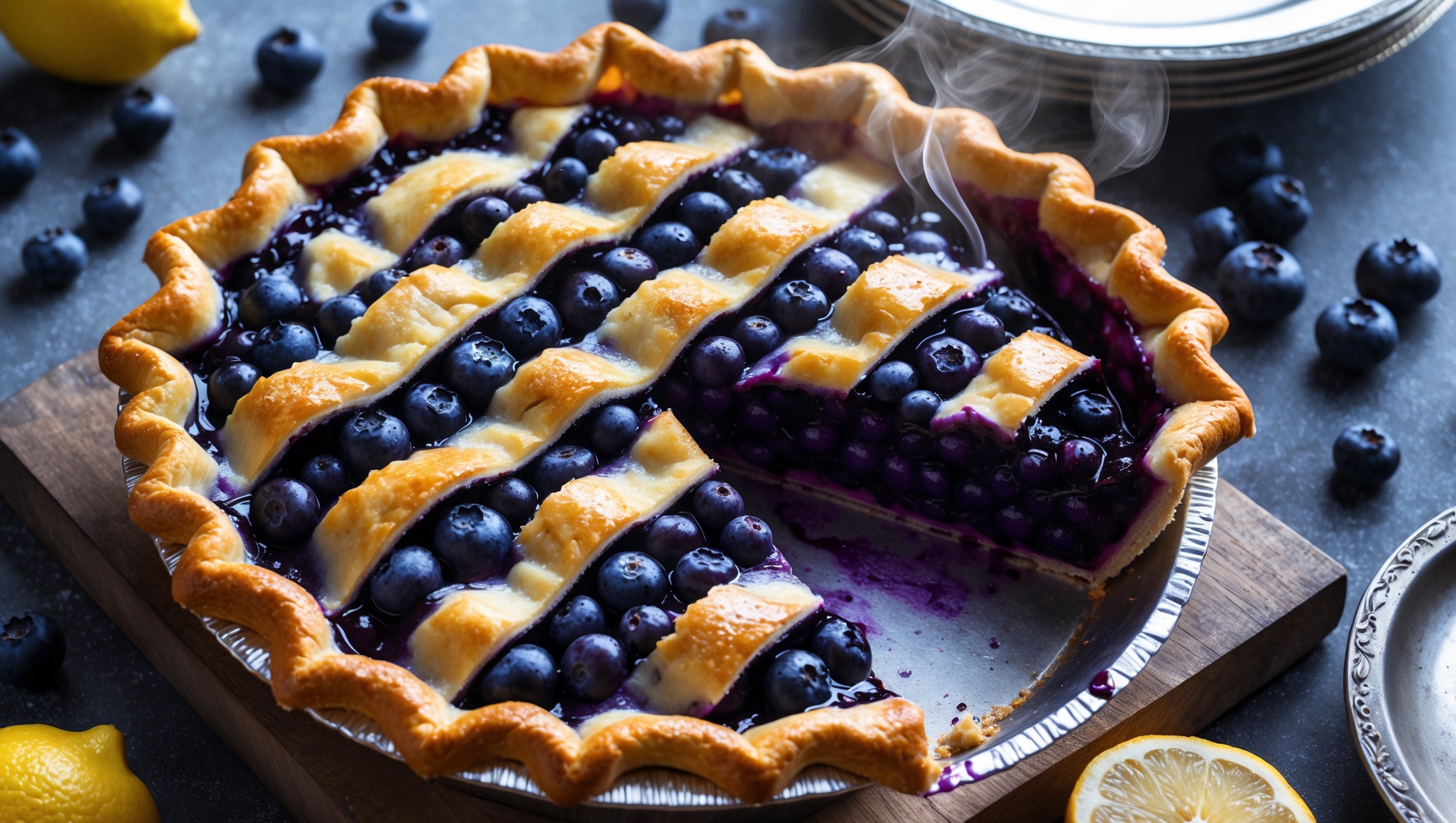
Blueberries and mixed berries can often be combined directly with sugar and starch for a traditional pie. They release significant juice in the oven, making the right thickener and bake endpoint critical. A lattice or vented top allows steam to escape.
Berry pies with cooked filling
A cooked berry filling can help you control free liquid and create a spoonable glossy mixture for a pre-baked tart shell. It may lose some of the intact-fruit texture, though. Choose a formula designed to preserve the desired balance between whole berries and thickened juices.
Recipe to try: Blueberry Pie. Blueberries release juice differently from apple slices. Follow this pie’s filling formula and allow its cooked filling to set before cutting.
Peach and stone-fruit fillings
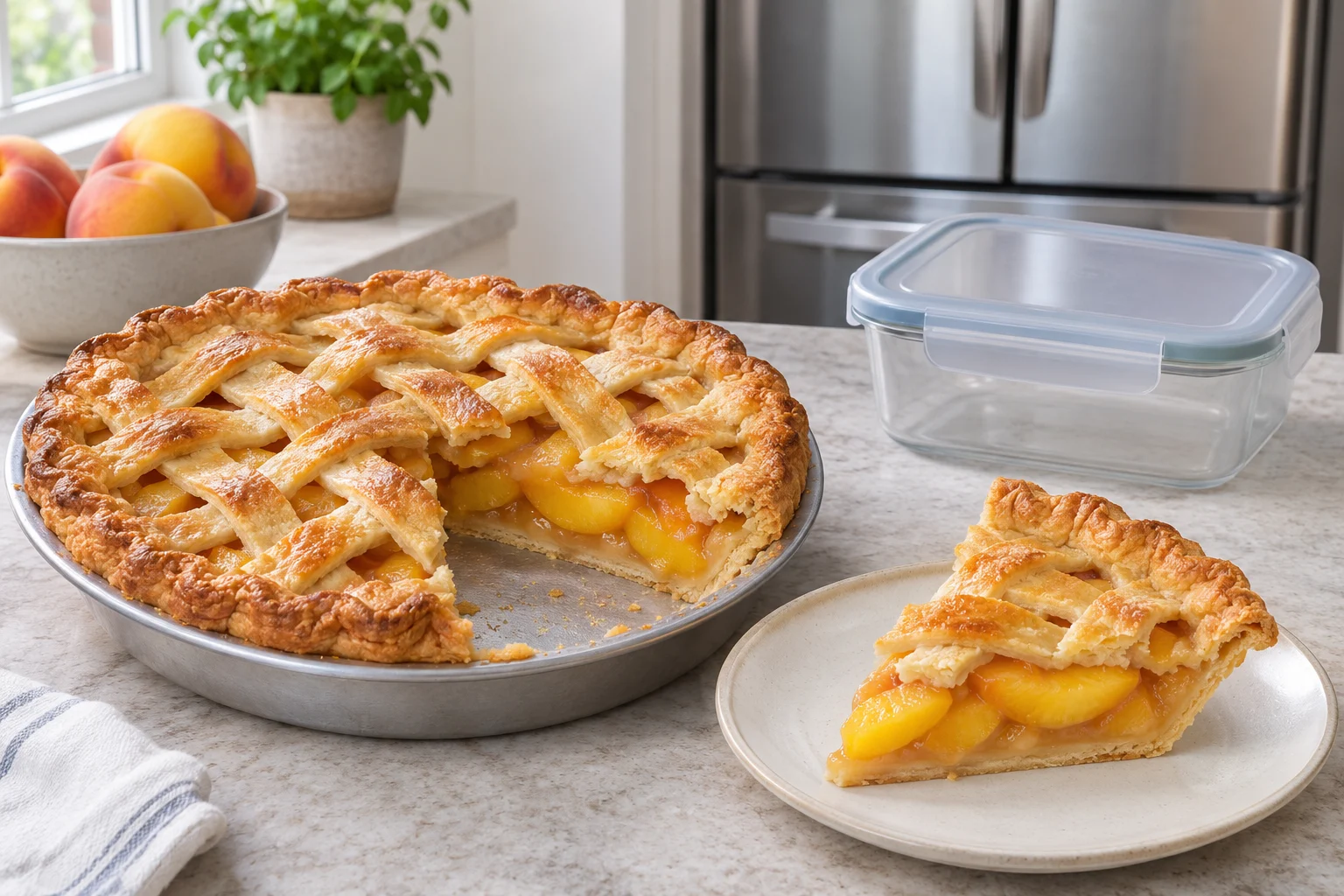
Very ripe peaches can be exceptionally juicy. Some recipes macerate slices and reduce the collected liquid; others rely on starch during baking. A precooking step may help, but it can make soft peaches collapse. Use the fruit preparation specified by the formula.
Recipe to try: Fresh Peach Pie. Peaches bring their own moisture and texture. Use this recipe’s preparation and thickener rather than borrowing an apple-pie ratio.
Frozen fruit needs special attention
Freezing damages some fruit cells and can release extra moisture. A cooked filling may allow you to manage that juice before assembly, but other recipes bake from frozen successfully with measured thickener. Don't assume all frozen fruit needs to be thawed and drained.
What maceration does
Letting sliced fruit sit with sugar draws out some liquid. A recipe may then reduce that juice, add it back or thicken it. The technique can improve filling consistency when carefully measured. Randomly draining juice can also discard flavour and change the starch-to-liquid ratio.
Choosing thickener for cooked filling
Cornstarch, flour, tapioca and specialized pie thickeners behave differently under heat, acidity and cooling. Some are suited to heated fillings; others have specialized instructions.
Why thickener timing matters
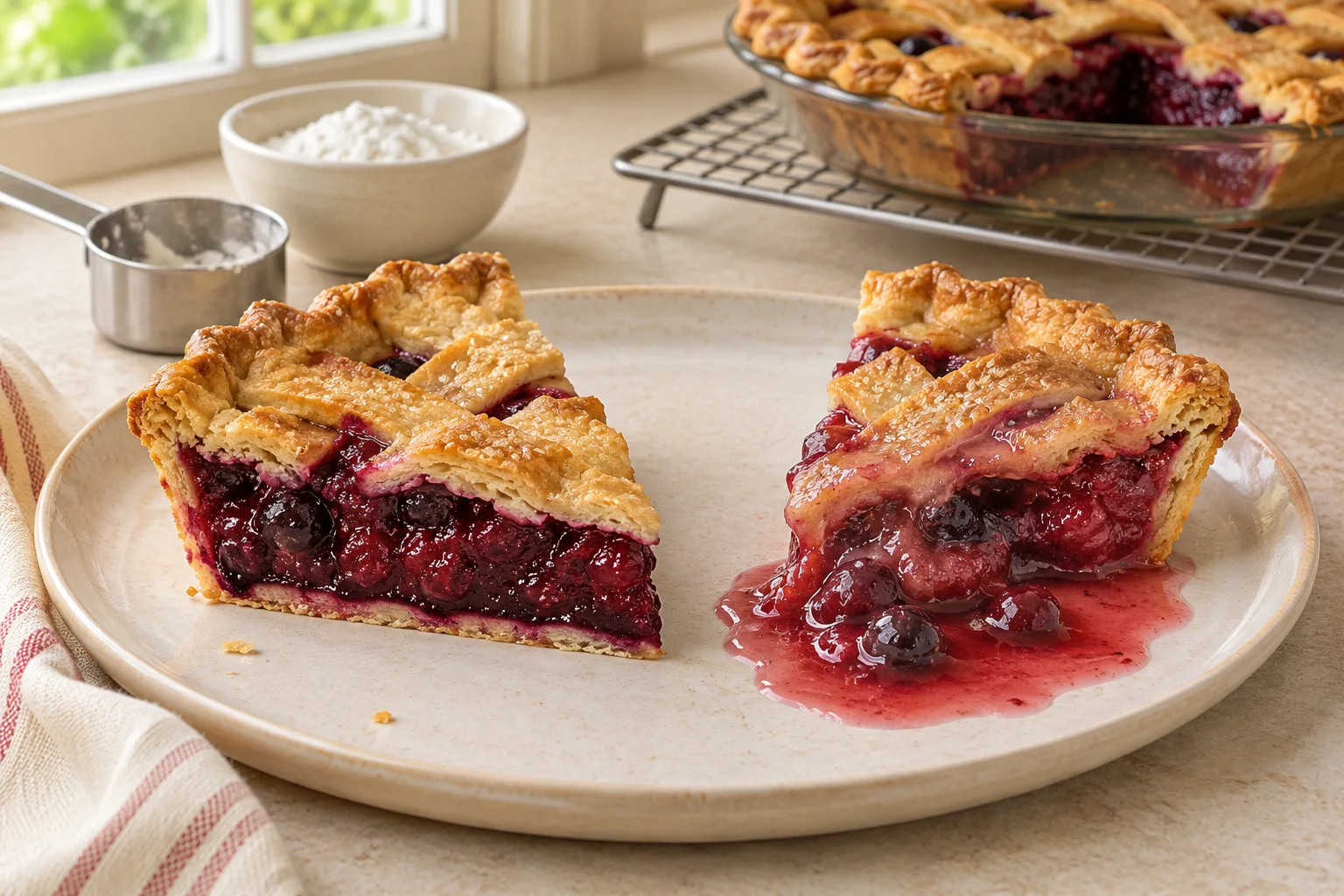
Starch needs sufficient moisture and heat to thicken properly. In a raw fruit pie, this happens during baking. In a cooked filling, it may happen on the stovetop before the crust is filled. Don't double the thickener because the filling looks loose while still extremely hot.
Avoid overcooking berries
Delicate fruit can break down into a purée if boiled aggressively. For a more textured cooked filling, some tested recipes cook only part of the fruit, then fold in the remainder. This is a formula-specific technique, not a licence to add extra raw berries without adjusting starch.
Cool precooked filling appropriately
Hot filling can melt butter in pastry and soften a cold shell before it reaches the oven. Many recipes require the filling to cool before assembly. Follow the method and food-safety guidance, especially when dairy or eggs are included.
What if you're using a pre-baked tart shell?
A fully cooked pastry shell often pairs with a cooked fruit compote or fresh fruit topping that doesn't require another long bake. A raw apple filling in a completely baked shell may need a different process. Select a fruit tart formula designed for its final assembly.
How a precooked filling changes baking time
If the fruit has already softened and thickened, the remaining oven time may focus more on the pastry and reheating the filling. Use a recipe developed for precooking; applying a raw apple pie's full baking time may overcook the fruit.
Watch for a soggy bottom
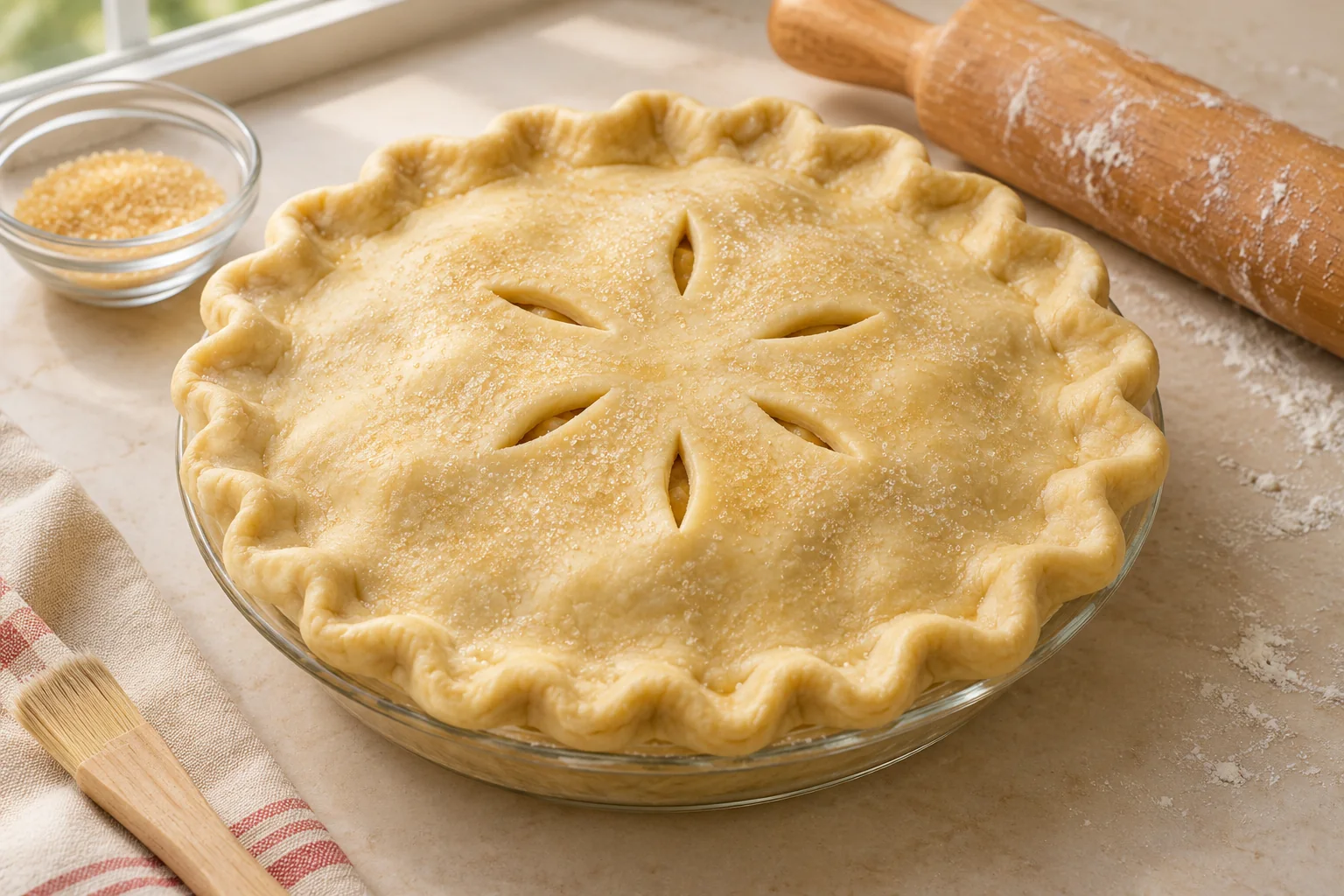
Precooking isn't an automatic solution to soggy crust. A warm, liquid-heavy filling can still saturate an underbaked base. Proper pastry bake, suitable filling thickness and assembly timing all matter.
Making filling ahead
Some cooked fillings can be prepared in advance and refrigerated or frozen under a tested recipe. Label the date and handle them safely. Keep custard and dairy-containing mixtures refrigerated at 4°C/40°F or colder, and don't leave a large hot container at room temperature for many hours.
Frequently asked questions
Must apple filling be precooked? No, many excellent pies use raw apples. Is it better for frozen berries? Sometimes, but use a tested method. Does precooking guarantee a dry crust? No. Can you use raw filling in blind-baked crust? Only when the pastry-and-filling method supports it.
Match the fruit to the method
For defined fruit and simple assembly, a raw filling can be ideal. For predictable moisture and soft fruit, a cooked approach can be useful. Either way, choose the starch, heat and timing designed for that particular pie.
IN PICTURES
From the baking notebook
FROM THE RECIPE BOX


