On this page
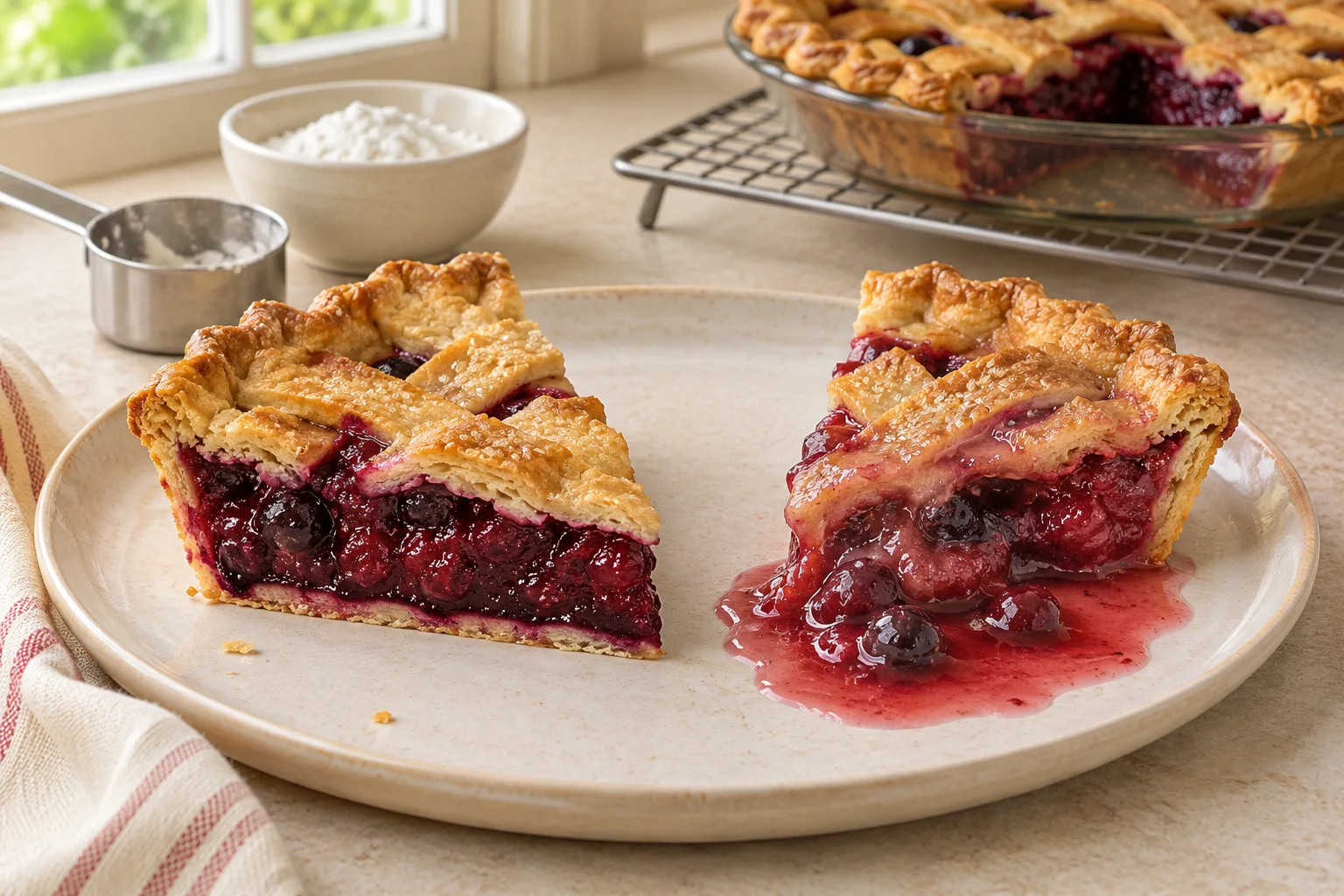
A fruit pie can look perfect until the first slice releases a river of bright juice. The filling may have been undercooked, the fruit particularly juicy, the starch insufficient or the pie simply cut too soon. Fixing watery filling starts with understanding that fruit releases liquid as it heats and that thickener needs both correct quantity and cooking conditions to form a stable sauce.
The most common causes
An overly wet filling may contain more juice than the recipe expected, too little appropriate starch, or starch that never reached the heat required to thicken. Cutting while hot makes even well-balanced filling run. These causes need different fixes, so observe when the pie became watery.
Choose fruit suited to the recipe
Fruit moisture varies by variety, ripeness and season. Some peaches or berries are exceptionally juicy; apples have a different texture and natural pectin content. The same starch level won't necessarily work for eight cups of blueberries and eight cups of strawberries.
Measure fruit instead of guessing
A heaping bowl of fruit can contain substantially more than the recipe's stated cups or grams. Adding extra berries without additional tested thickener alters the balance. If using frozen fruit, also follow the formula's instructions for measuring and treating juice.
Use a suitable starch
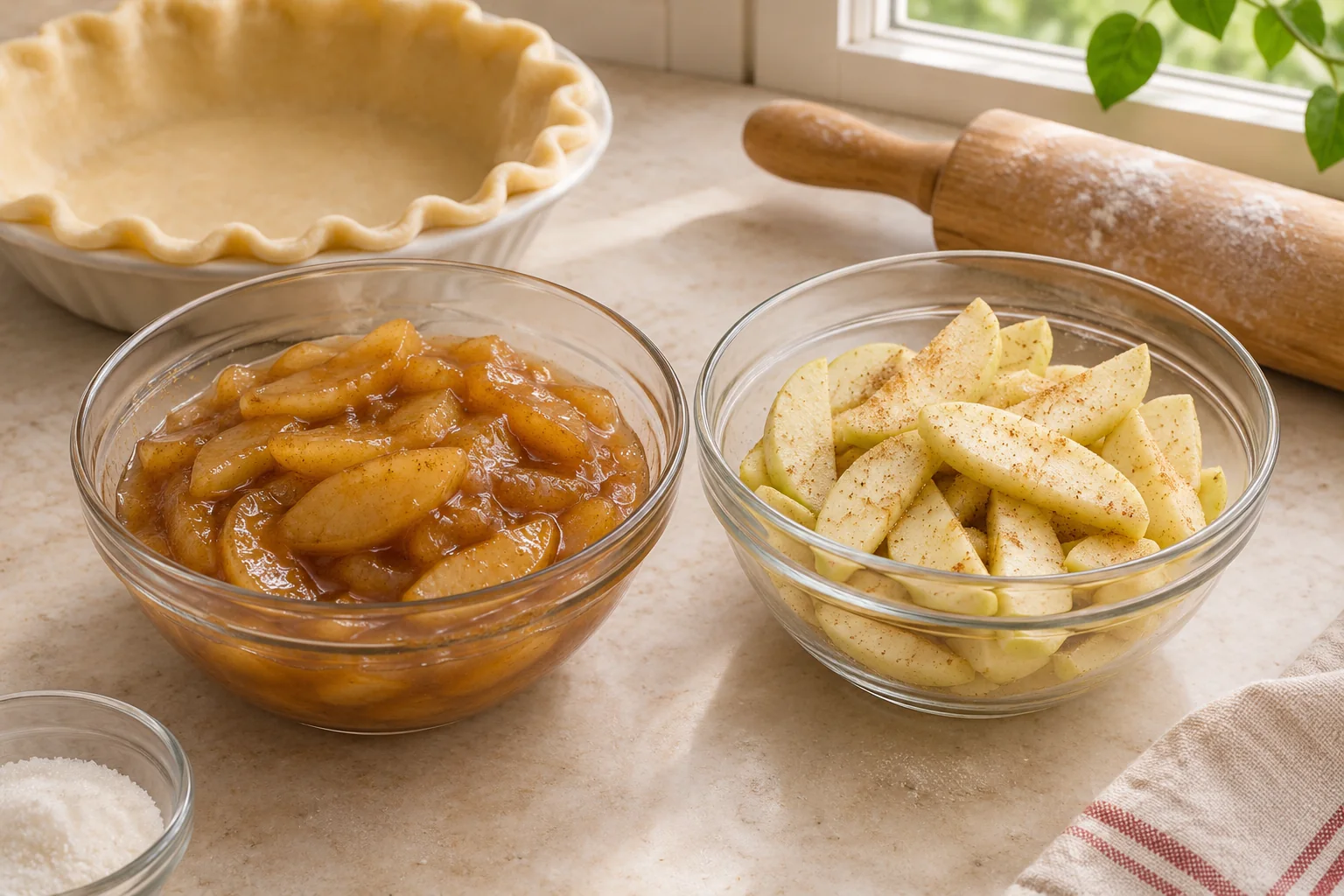
Flour, cornstarch, tapioca and instant modified-starch products all work differently. Use the starch and quantity in a reliable recipe, not a fixed personal ratio for every fruit.
Why some thickener makes the pie gummy
Too much starch can turn filling pasty, cloudy or rubbery. A properly thickened pie should still taste like fruit, not gel. If a recipe has consistently produced a stiff filling, don't try fixing it by adding water after baking; choose a tested amount suited to that fruit.
Mix thickener with sugar
Whisk starch thoroughly with the recipe's sugar before tossing with fruit. This helps distribute it and reduces clumping. Dry pockets of starch can become white lumps, while areas without enough starch remain runny.
Frozen berries release more liquid
Ice crystals can damage fruit cells, causing more juice to escape during thawing and baking. A frozen-fruit recipe may use a different filling method or starch quantity. Do not drain every drop unless instructed; the recipe may rely on retaining and thickening that liquid.
Strawberries and rhubarb
These are often especially juicy fillings. Follow a tested strawberry-rhubarb pie formula that accounts for the moisture and acidity. A juicy summer harvest may behave differently from firm out-of-season fruit.
Blueberries
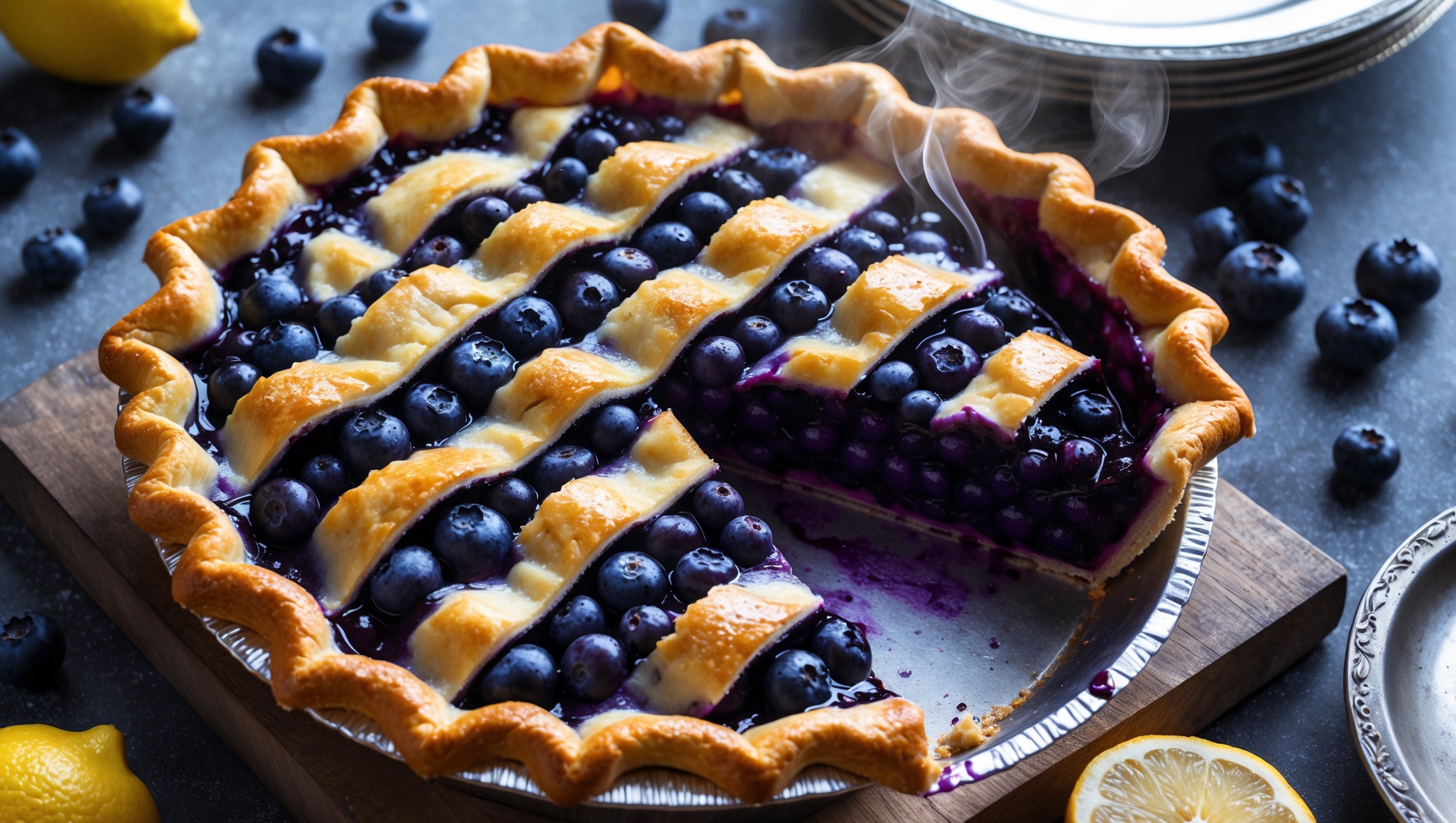
Blueberries contain natural pectin and can create a lovely jammy filling, but quantities and ripeness still matter. Use a blueberry-specific thickener recommendation and bake until the juices meet the recipe's endpoint. A dark crust before the filling boils doesn't prove the pie is finished.
Recipe to try: Blueberry Pie. Blueberries release juice differently from apple slices. Follow this pie’s filling formula and allow its cooked filling to set before cutting.
Peaches
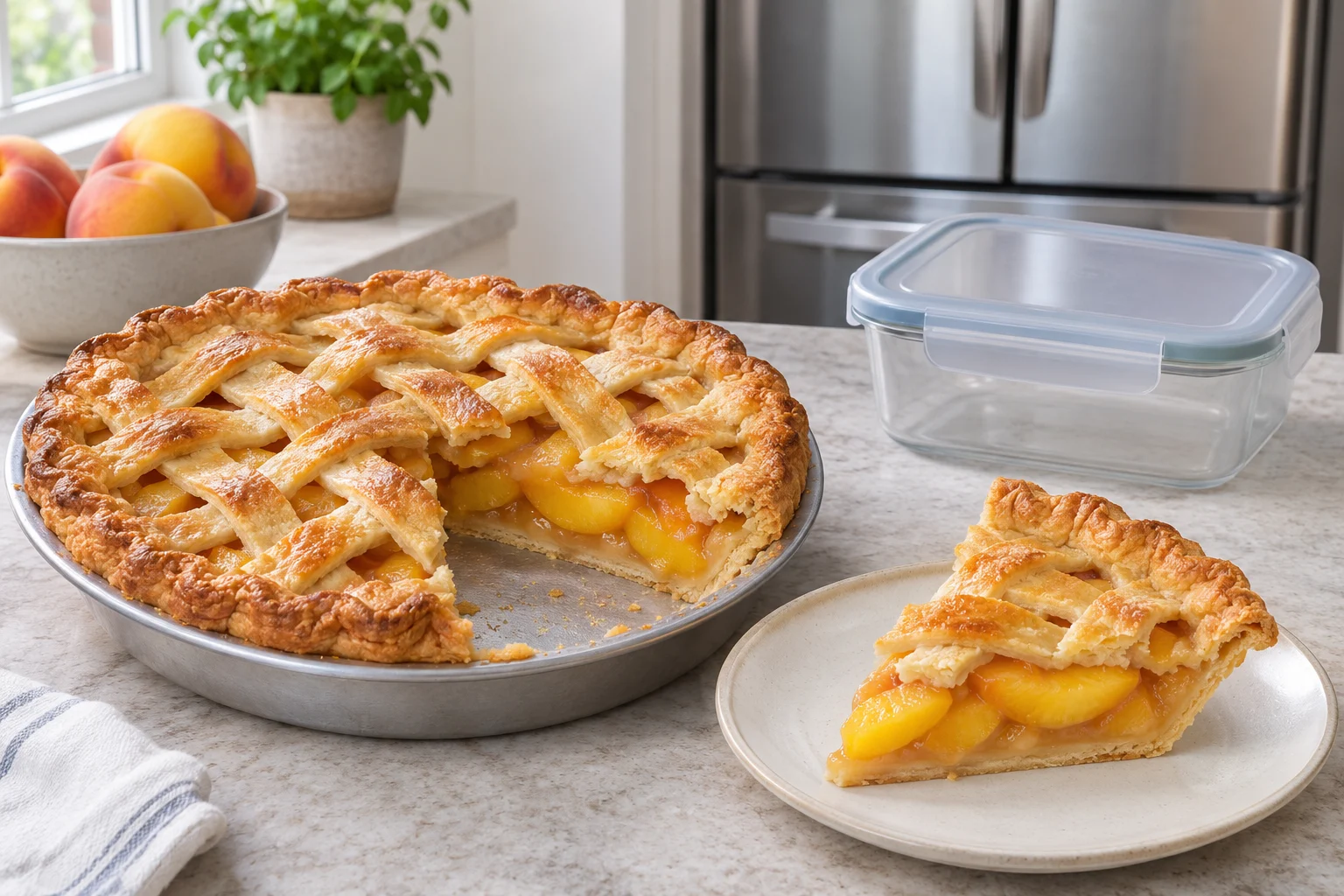
Ripe peaches can shed abundant juice. Some recipes macerate the fruit, then reduce or measure the liquid; others rely on a carefully calculated starch. If you drain juice without recalculating the filling, you can lose flavour and change sweetness.
Recipe to try: Fresh Peach Pie. Peaches bring their own moisture and texture. Use this recipe’s preparation and thickener rather than borrowing an apple-pie ratio.
Apple pie
Apples vary in firmness and moisture. Thin slices soften differently from large chunks, and some varieties collapse more readily. Use a pie-appropriate apple and the recipe's amount of thickener, recognizing that a very watery filling may also be underbaked.
Recipe to try: Classic Apple Pie. Use the apple preparation, filling quantities and pastry method specified for this pie. A different fruit can require a different thickener balance.
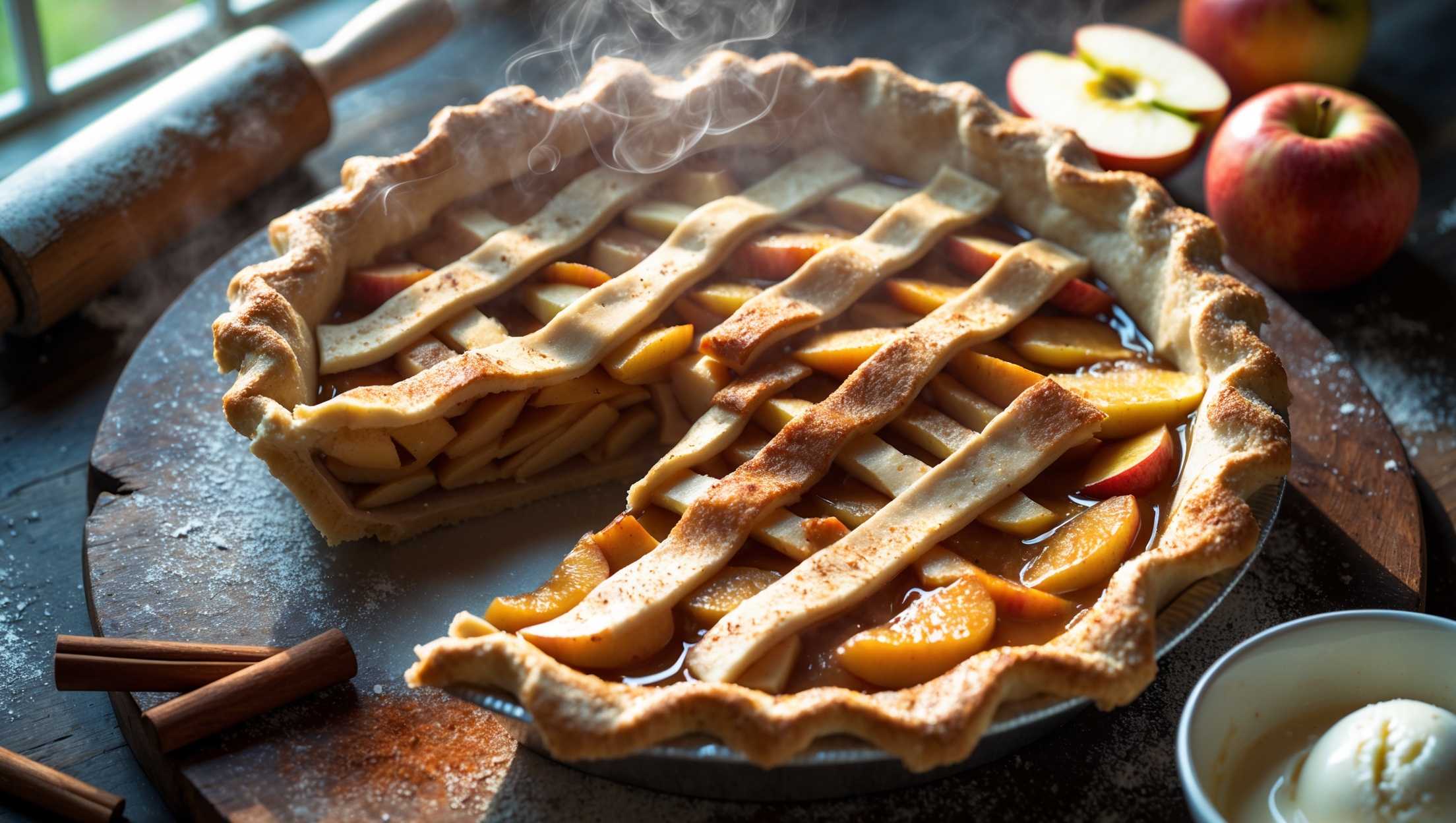
Bake until the filling bubbles
Many fruit pies need visible bubbling, often near the centre vents, to demonstrate that the filling has heated sufficiently. A top crust can brown long before the centre is fully hot.
A lattice affects evaporation
A lattice or streusel topping exposes more filling and lets steam escape more readily than a full top crust. Don't substitute an open topping for a solid lid without considering the recipe's filling proportions.
A full lid needs vents
Steam trapped beneath an unvented top can affect the crust and push filling out at seams. Cut vents according to the pie recipe. Vents do not replace the need for suitable starch and thorough baking.
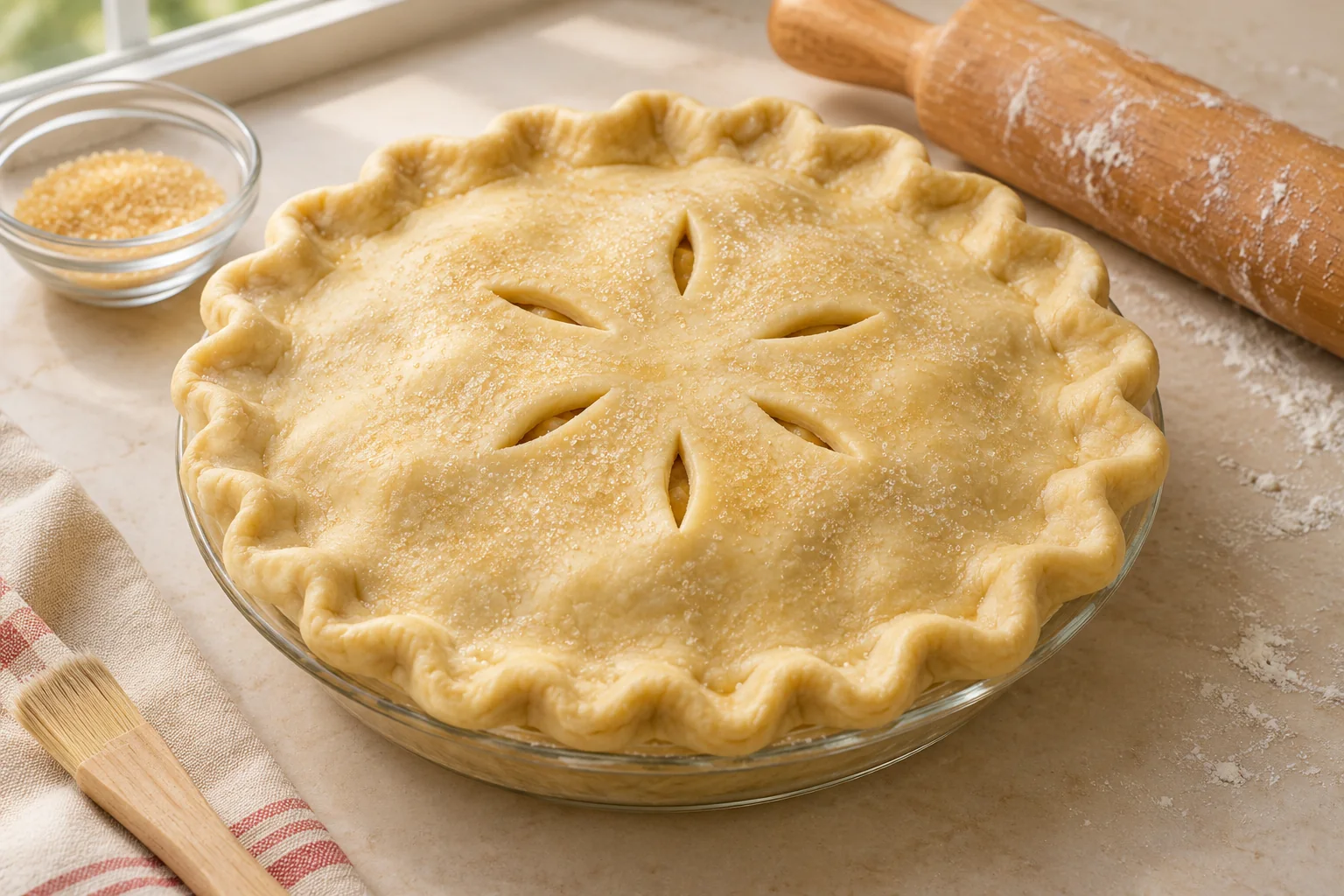
Cool completely before slicing
The hot fruit sauce is much more fluid than the cooled filling. A pie that leaks only when cut piping hot may not need any recipe change.
Why watery filling soaks the bottom
Excess juice can reach the pastry before the shell has set, especially when filling is very wet and the base bakes too gently. Proper oven placement, pan choice, sufficiently baked crust and recipe-approved barriers may help. A thicker crust alone isn't a dependable fix.
What if the top browns too quickly?
Use a loose foil shield or edge guard at the stage the recipe suggests while the filling continues cooking. Avoid removing the pie just because the surface looks finished. Protecting the rim allows the fruit to reach the required bubbly endpoint.
Can a watery baked pie be fixed?
Once cut, a soupy pie is difficult to restore without changing its texture. Enjoy safely baked portions with a spoon or alongside ice cream if the filling is fully cooked. For the next batch, identify whether the issue was starch, fruit volume, insufficient baking or premature slicing.
Keep a fruit-pie log
Record the fruit type and weight, whether it was frozen, starch brand and amount, pan material, whether filling bubbled centrally and how long the pie cooled. These details make it possible to repeat a perfect pie instead of repeatedly guessing at how much cornstarch to add.
Frequently asked questions
Does extra cornstarch always fix watery pie? No. Is frozen fruit too wet to use? No, with an appropriate recipe. Should filling bubble? Commonly for many fruit pies, yes. Why was my pie perfect the next day? Cooling helped the filling set. Does a lattice need vents? Its openings already provide escape paths.
Let the filling actually set
A good fruit pie uses fruit and thickener in the right proportion, reaches a sufficient cooking temperature and has time to cool. Work through those three steps before inventing another trick. Most watery pies improve with better measurement and patience, not with a radically different crust.
IN PICTURES
From the baking notebook
FROM THE RECIPE BOX


