On this page
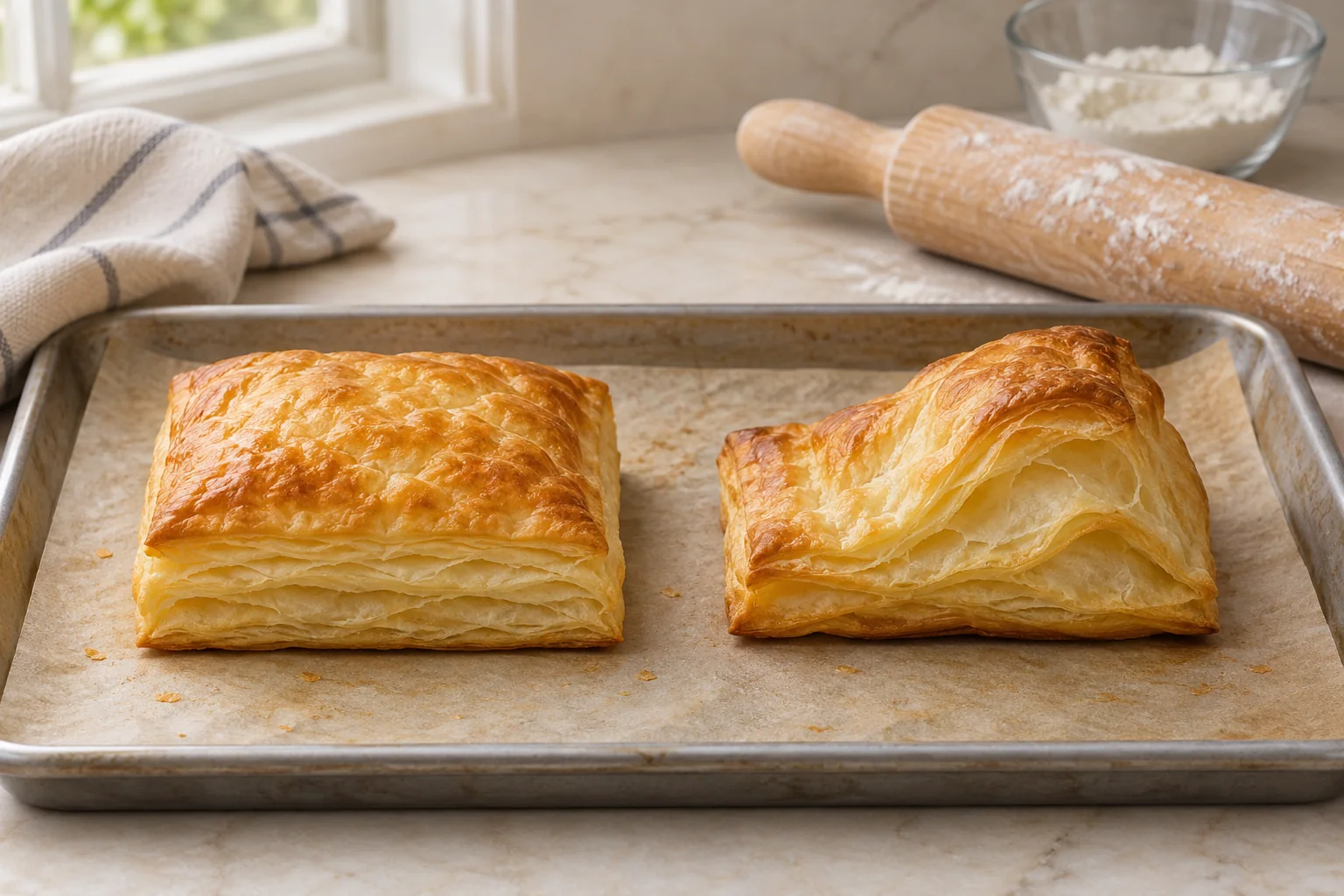
A puff pastry square emerges from the oven with one edge standing tall and the opposite corner almost flat. Or an elegant tart border twists sideways instead of rising evenly. Puff pastry is built from layers of dough and butter, so any variation in thickness, temperature, cutting or moisture can change how those layers expand. Some irregularity is natural and charming; repeated severe leaning, collapse or raw patches indicate a fixable technique issue.
What makes puff pastry rise?
During baking, the moisture in the dough and butter turns into steam that pushes the laminated layers apart. Heat also sets and browns the dough. For a tidy rise, the sheet should have reasonably even layers that remain distinct until the oven's initial heat begins expanding them.
1. Roll to an even thickness
If one side is twice as thick as the other, the pastry heats and expands differently. Use controlled rolling pressure and rotate the sheet as the recipe allows. Thickness guides can help when learning. Don't make an already prepared commercial sheet thinner unless the package or recipe specifies it.
2. Keep the butter layers cool
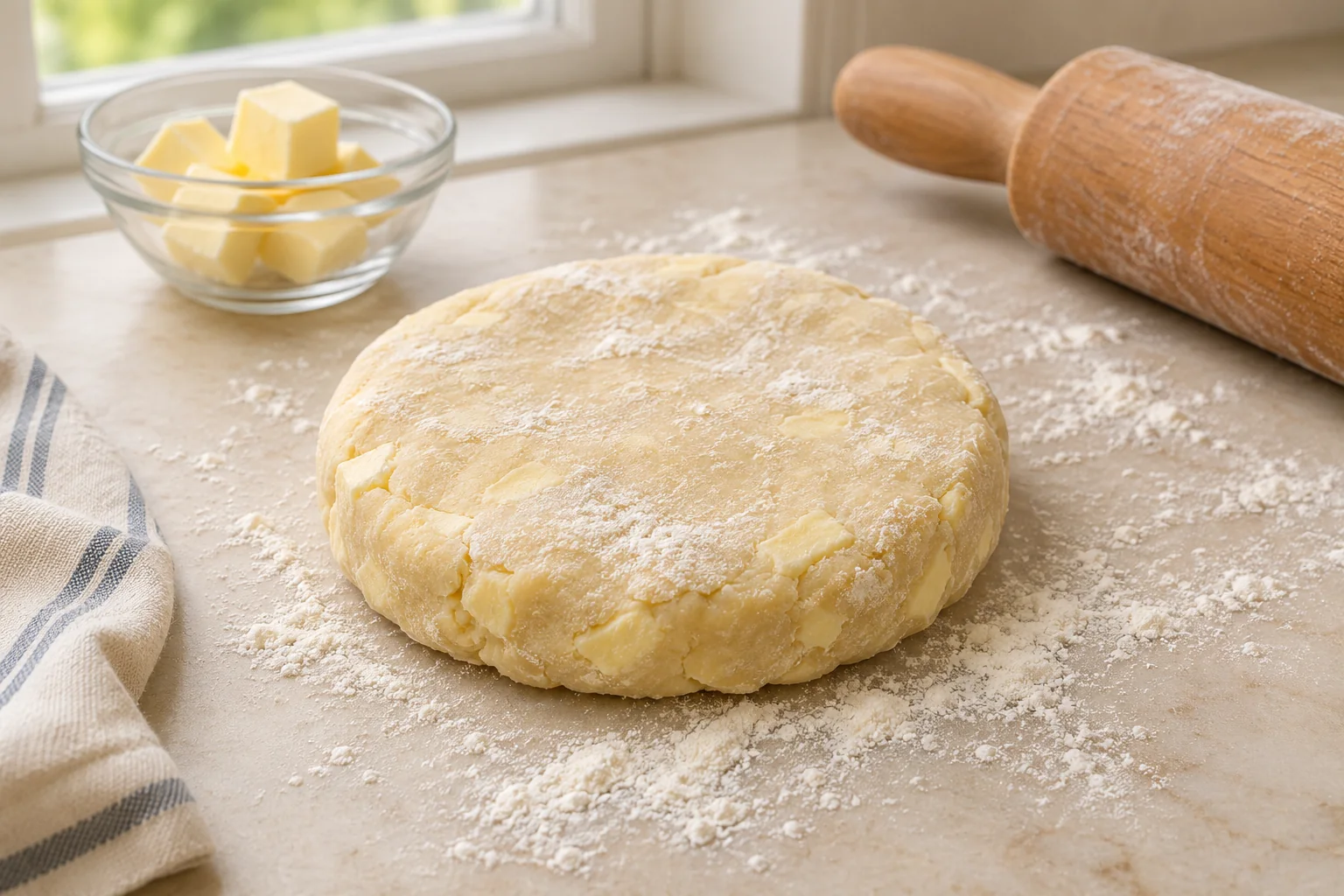
When butter softens excessively, it can smear into the dough rather than remaining in defined layers. That can reduce puff or create lopsided expansion. Chill the pastry whenever it becomes greasy or stretchy, while avoiding a frozen-hard state that causes butter sheets to crack during rolling.
3. Cut with a sharp tool
A dull knife or wheel can compress cut edges, sealing layers that should separate. Use a sharp clean blade and a confident cut. Avoid sawing back and forth through raw pastry or squeezing the edges firmly when lifting pieces.
4. Avoid twisting round cutters
When making vol-au-vents or small pastry rounds, twisting a cutter may distort the layers around the circumference. Press down cleanly and lift vertically. A sharp appropriately sized cutter gives a more consistent edge than repeatedly rocking a blunt one.
5. Watch the pastry's orientation
If you're rolling a laminated block, follow the sequence and rotation specified for each fold. An uneven or torn butter layer can affect expansion later. Don't knead leftover scraps into a ball and expect them to rise exactly like an untouched sheet.
6. Check oven preheating
Puff pastry commonly benefits from firm initial heat. A poorly preheated oven may allow butter to soften and leak before the structure lifts, producing flat or uneven results. Use the recipe's oven temperature and allow sufficient preheating for any heavy baking surface.
7. Keep filling weight balanced
A tart with a heavy mound of fruit on one side may rise unevenly because moisture and weight suppress the pastry underneath. Distribute filling as the recipe specifies, keeping an intended border relatively clear. Avoid using extra fruit simply because one side of the sheet looks empty.
Recipe to try: Cranberry and Orange Pastries. This recipe provides a homemade pastry project with cranberry and orange. Follow its own folding and chilling sequence.

8. Control the filling's moisture
Watery fruit, unthickened jam or very wet cheese can soak one section of the sheet while another remains dry. A recipe may direct you to drain, cook or pat fillings dry. That step affects both even puff and bottom crispness.
9. Dock only where you want flatness
Fork holes can intentionally limit expansion in a tart's centre. If one section is docked heavily and another is untouched, the puff may look uneven. Follow the pattern specified by the recipe, keeping the border free when it is meant to rise.
10. Score instead of cutting through
A shallow border score marks the upper layers so the pastry can lift around a central filling. Cutting through the sheet completely can separate the frame or cause pieces to move. Use appropriate depth and a sharp blade rather than an accidental full-thickness cut.
11. Keep the pieces similar in size
A tray combining tiny pastry squares and large thick turnovers may bake unevenly because smaller portions brown faster. Group similarly sized pieces and follow their own baking schedules. Use a ruler or pattern for precise portions, especially for mini puff pastries.
12. Space pieces on the tray
Crowded pastries can touch as they rise, causing edges to fuse or lean against neighbouring pieces. Leave the spacing indicated by the recipe so hot air can circulate and every border has room to expand.
13. Avoid excess egg wash on raw edges
Egg wash can add shine and colour, but a heavy coating down the cut edges can potentially glue layers together. Brush lightly where the recipe directs. Don't leave puddles in the corner of a scored border or around a sealed turnover.
14. Seal turnovers only at the seam
Filled turnovers need a closed seam to avoid leakage, but pressing all the exposed pastry edges together can restrict puff. Use the indicated crimp and leave the remainder of the shape intact. Keep filling away from the join so the dough can adhere.
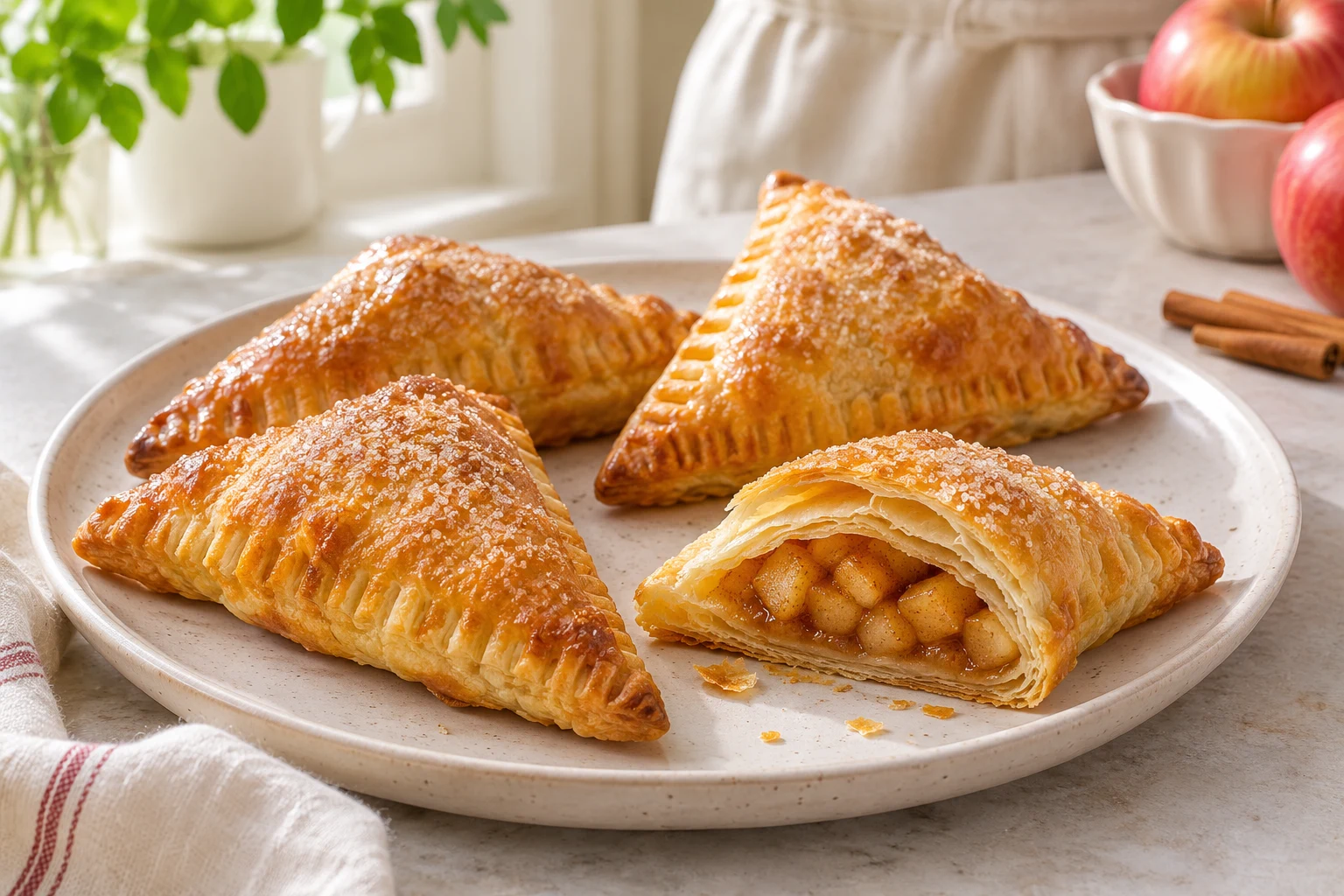
Recipe to try: Apple Turnovers. These turnovers use ready-made puff pastry. Keep their assembly and baking directions distinct from a shortcrust pie.
15. Understand the effect of frozen pastry
Commercial puff pastry may need partial thawing before unfolding, while some assembled pastries bake from a chilled or frozen state under a tested recipe. A partly frozen centre and greasy warm edge can expand inconsistently. Follow the product's handling instructions.
16. Check the baking sheet and rack
An oven hot spot or uneven pan can brown one side sooner. A warped tray may also cause liquid fillings to flow toward one corner. Bake on a stable suitable surface and use the rack and rotation instructions supplied by the recipe.
17. Don't open the oven too early
Repeated early door-opening changes the heat environment while delicate pastry is lifting. Certain recipes permit a later rotation, but a drastic early temperature loss can contribute to poor expansion. Look through the oven window until the recommended checkpoint.
18. Bake the thick parts through
A beautifully puffed corner can conceal wet underbaked layers beneath a heavy topping. Continue baking until the entire pastry reaches the recipe's proper colour and dry texture. Cooling won't cook raw flour layers that never received enough heat.
How to troubleshoot a tilted tart
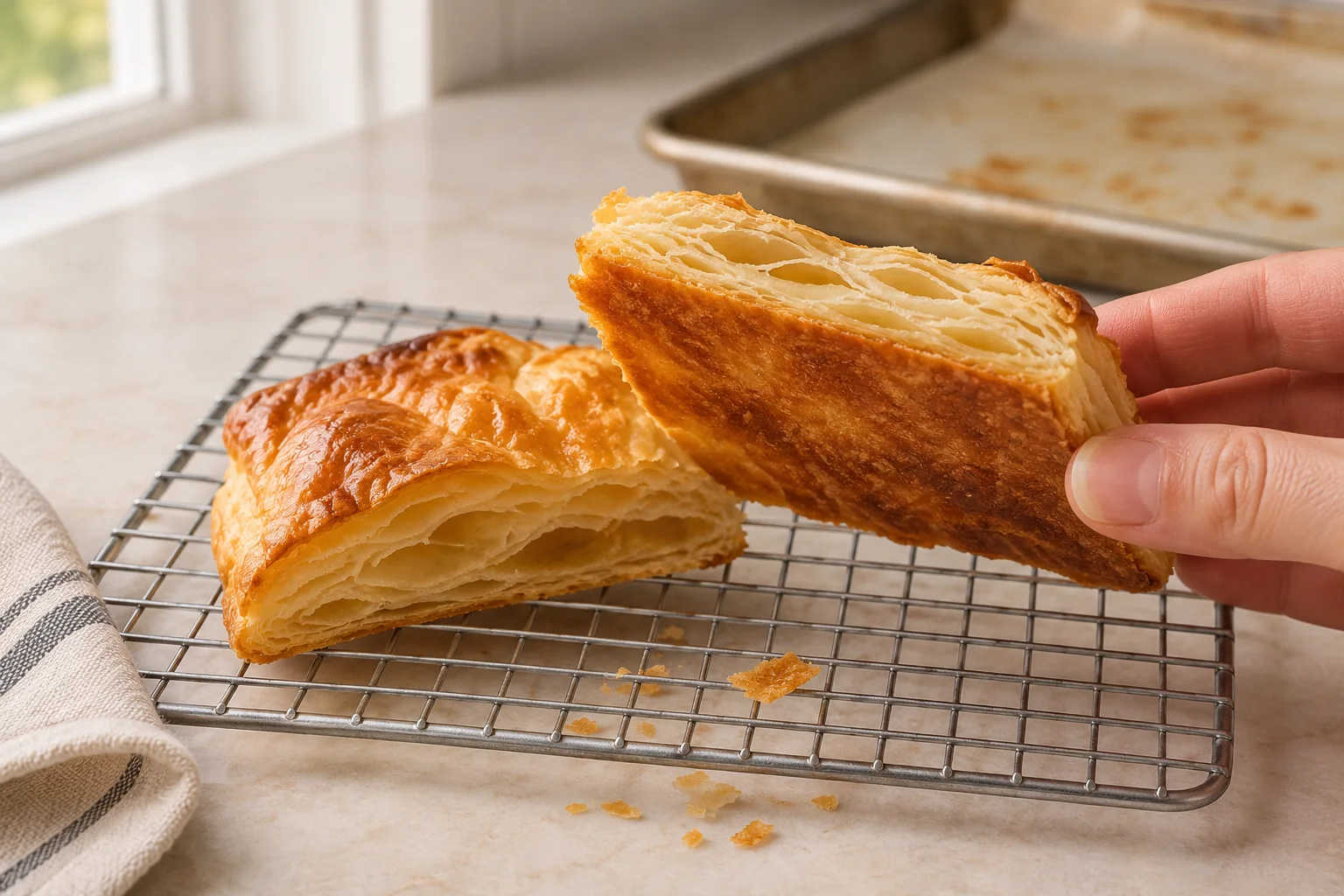
Check whether the sheet was even, the border was scored at the same depth, the filling was centred and the oven was preheated. A lopsided tart isn't usually solved by adding more egg wash or folding the edge repeatedly. Compare how the pastry looked before and after the bake.
Frequently asked questions
Why did one edge rise higher? Thickness, compressed cutting or filling weight may differ. Do I need to chill after shaping? Many formulas recommend it. Can I reroll scraps? Only as directed, with reduced puff expected. Does docking stop all rising? It limits puff where holes are made.
Make even layers the priority
Cold workable pastry, straight cuts, balanced filling and a properly heated oven do most of the work. A few irregular flakes give homemade pastry character; consistency in the underlying technique prevents dramatic collapse and uneven baking.
Recipe to try: Cranberry Danish. Danish dough also involves yeast and proofing. It is a related pastry project, not an interchangeable version of plain puff pastry.

IN PICTURES
From the baking notebook
FROM THE RECIPE BOX


