
On this page
A tray of homemade treats can make a school celebration or family party feel thoughtful. When a guest or school has a peanut or tree-nut restriction, however, choosing a recipe without chopped nuts is only the beginning. Chocolate chips, flour blends, sprinkles, packaged decorations and shared utensils can introduce allergens. The safest plan is to confirm the actual policy and the needs of the people eating before choosing what to bake.
Begin by asking about the exact restriction
Peanut and tree-nut allergies are distinct, and school rules may be broader than an individual allergy. A classroom may restrict particular ingredients, require commercially labelled products or prohibit homemade food altogether. Check with the school or host and, for a guest with an allergy, follow their specific instructions. Do not infer permission from a past celebration.
Nut-free describes ingredients and handling, not appearance
A vanilla cupcake without almonds may still contain ingredients produced on shared equipment or be contaminated in a home kitchen. An allergy-safe claim requires confidence in every ingredient and preparation step. When you cannot verify the necessary controls, be transparent and offer a packaged food the family or school has approved rather than promising it is safe.
Read every label every time
Check the complete ingredient list and allergen declarations on flour, chocolate, baking chips, frostings and decorations. Look at precautionary wording such as 'may contain' according to the individual or school's requirements. Product formulations can change, even if the packaging looks familiar. Store labels or photograph them for the person responsible for approving the food.
Classic vanilla mini cupcakes
A reliable vanilla cupcake recipe can be an easy party choice when all ingredients and equipment meet the applicable restriction. Make modest-size cakes that travel in a covered carrier and decorate with a simple approved frosting. Avoid choosing a topping just because it looks nut-free; many sprinkles and chocolates have their own allergen statements.
Chocolate chip cookies with verified ingredients
A straightforward drop-cookie formula is easy to portion, bake and transport. Choose chocolate chips and other components specifically suitable for the restriction, using a recipe that does not rely on nut flour. Let cookies cool completely before packaging to prevent condensation and sticky surfaces.
Cinnamon sugar muffins
A tender muffin with cinnamon, vanilla and a little sugar on top needs no nut garnish to feel special. Applesauce or diced apples can provide moisture in a tested recipe. If using premade muffin mix, check its full ingredient list and cross-contact advice rather than relying on the front-of-box illustration.
Recipe to try: Mini Muffins (Banana, Zucchini, or Apple). These muffins contain wheat, milk and eggs. Check every ingredient label and the school’s policy; the recipe name is not an allergen-safety certification.

Oatmeal raisin cookies
Oats, raisins and cinnamon can make a chewy cookie without added nuts. For guests who also require gluten avoidance, oats must be sourced appropriately and tolerated individually. Oatmeal cookies may contain eggs, wheat or dairy, so 'nut-free' does not mean free from every allergen.
Jam thumbprint cookies
A small pool of fruit jam makes a plain butter cookie festive without a chopped-nut coating. Choose a tested dough that holds its shape and a suitable jam. Verify the jam and decorations, and cool the cookies before stacking because hot jam can cause burns or stick to wrappers.
Lemon shortbread
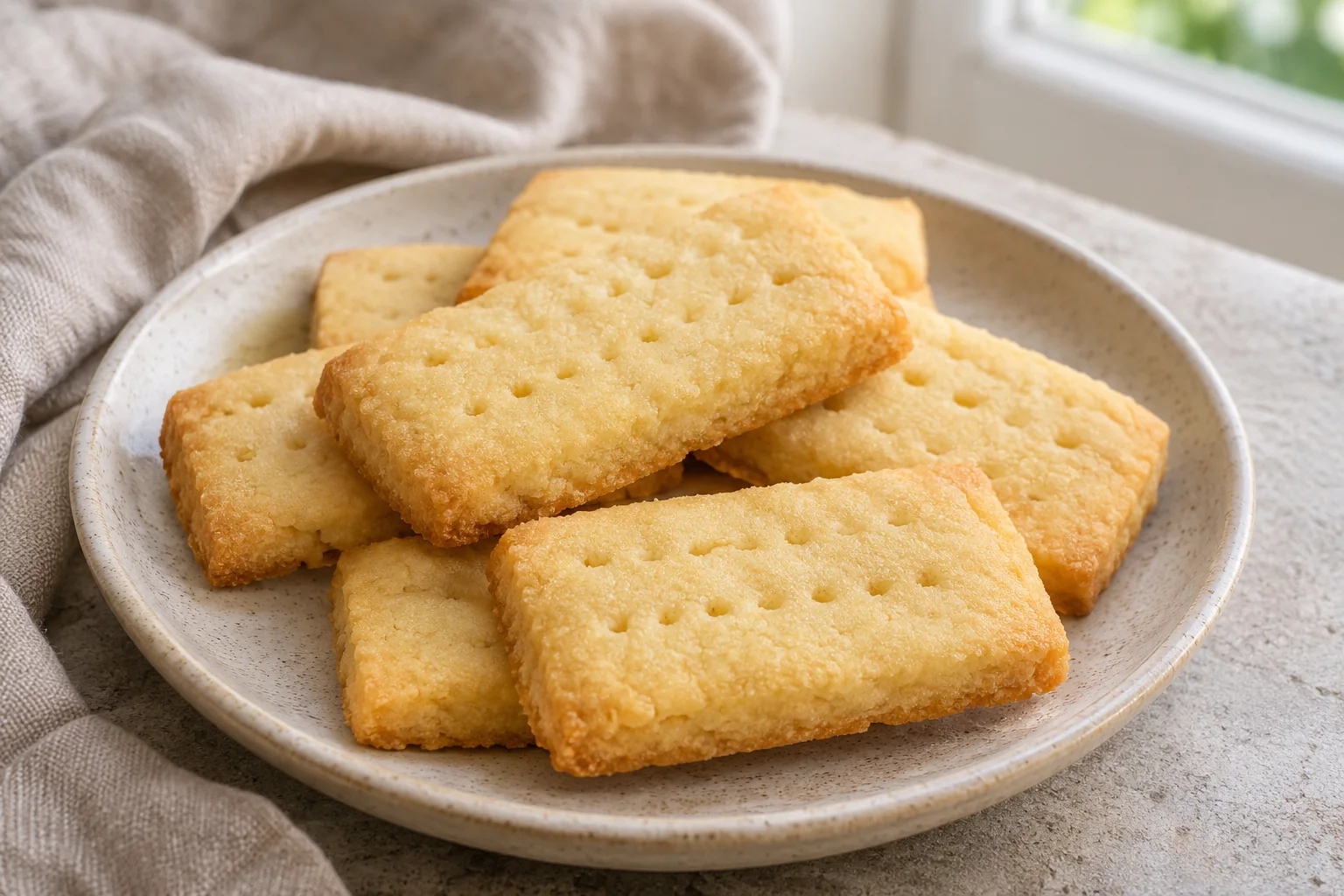
Crisp shortbread with a little lemon zest is a simple make-ahead treat. Some shortbread recipes contain only butter, flour, sugar and flavouring; others use almond flour, so recipe choice is important. A thin citrus glaze can add visual interest without specialty toppings.
Recipe to try: Vegan Shortbread Cookies. This is a plain shortbread option, not a lemon formula. Verify the plant butter and all other labels for the exact allergy requirements before baking.
Cocoa brownies
A well-tested cocoa brownie can provide strong chocolate flavour without nuts. Verify cocoa, chocolate and any decorating components for the intended allergy plan. Cut completely cooled brownies into modest squares, and pack in a rigid box so edges remain neat during transport.
Fruit crumble bars
A fruit filling between suitable oat or shortbread layers offers a colourful alternative to chocolate. Use a recipe that contains no almond meal or pecan crumble if those are restricted. Bars that include cream cheese or other perishable fillings require refrigerated storage, unlike some plain baked bars.
Soft sugar cookies for decorating
Plain cutout cookies can be topped with a simple glaze or approved food colours. Make the dough a day ahead when the recipe allows and decorate after complete cooling. A small number of clean colours is easier for children than a station with dozens of shared toppings.
Avoid replacing nuts blindly
If a cake formula relies on almond flour for fat, protein and structure, replacing it with the same volume of wheat flour can produce a dry or dense result. Choose a naturally nut-free recipe rather than removing an essential component. For crunch, a verified seed or cereal topping may work when the school and allergy plan permit it.
Seeds are not a universal solution
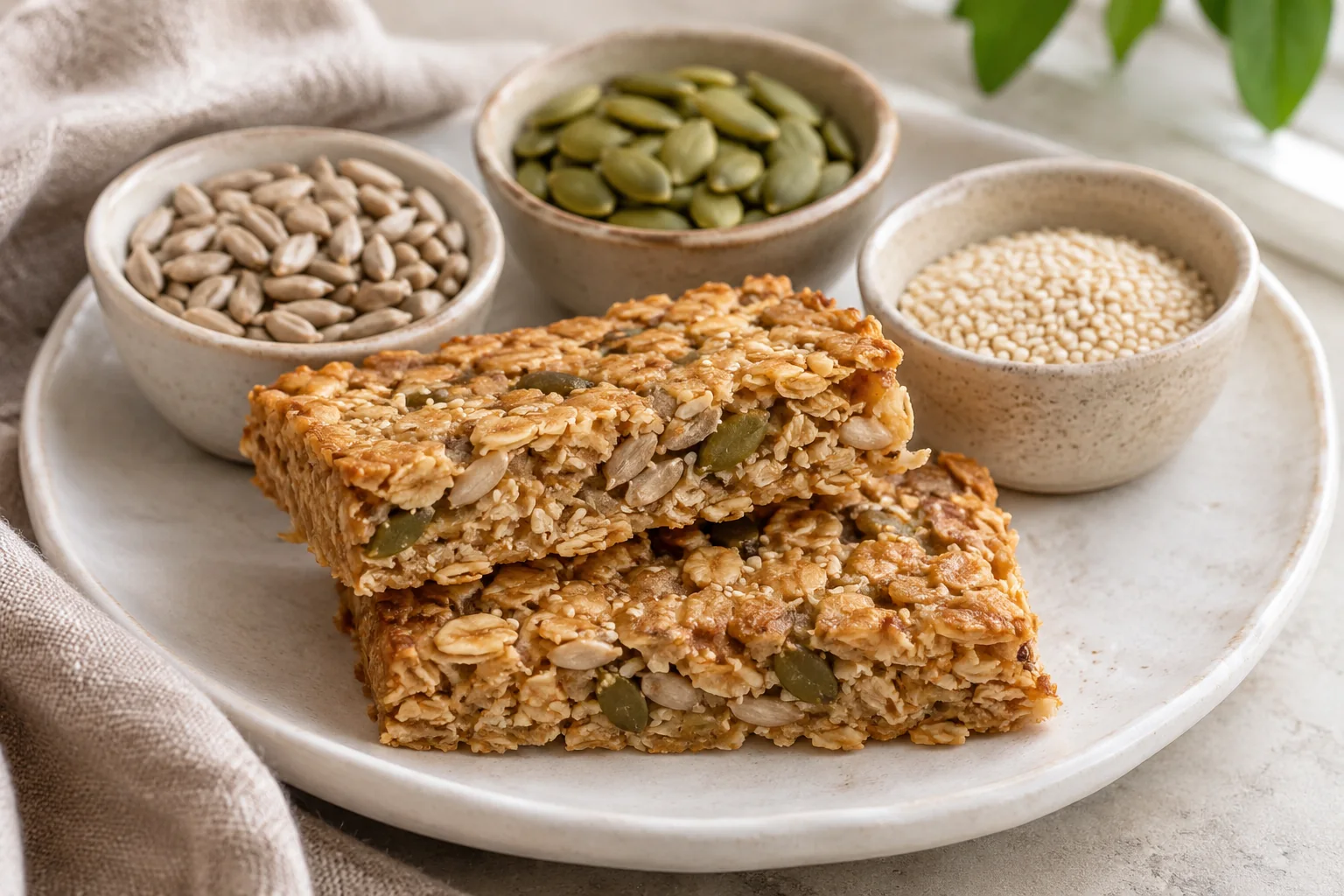
Sunflower, pumpkin and sesame seeds are different from tree nuts, but individual seed allergies exist and some schools restrict them as well. Sunflower-seed butter may also change colour in baking when it reacts with leaveners. Use a recipe developed for the chosen seed product and never assume a seed-based swap is automatically safe.
Recipe to try: Oaty Cereal Bars (Nut-Free version). These bars include sunflower, pumpkin and sesame seeds. They are only an option where those ingredients and the preparation environment are explicitly suitable.
Prevent cross-contact in the kitchen
Clean countertops, bowls, pans, utensils and hands thoroughly before baking. Avoid shared bulk-bin ingredients, dusty nut-flour surfaces and utensils that have not been fully washed. Some home environments cannot reliably meet the needs of a person with a severe allergy. Ask what preparation controls are required before making a promise.
Pack each type separately
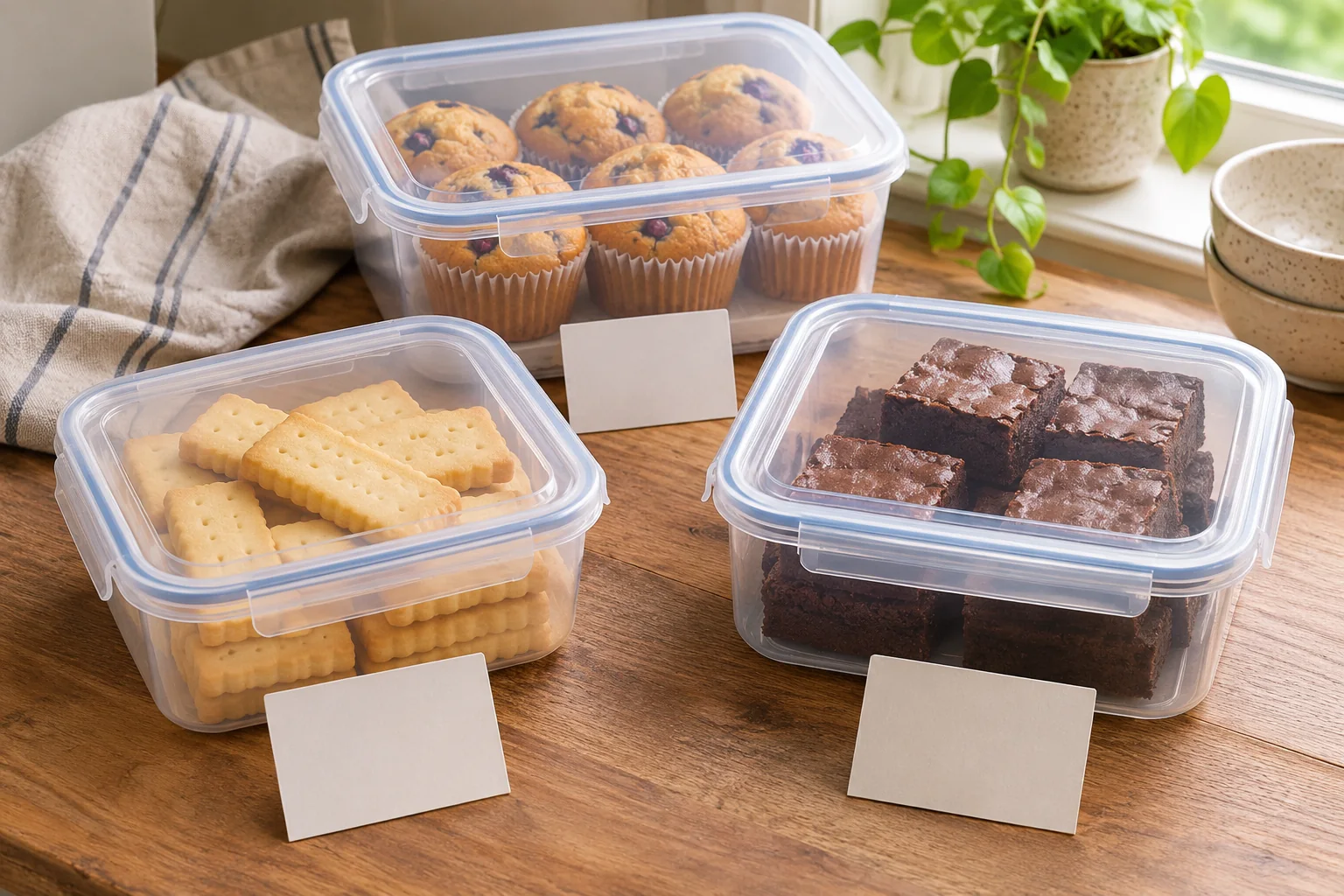
Use clean covered containers or individually wrapped portions if requested by the school. Label ingredient names, relevant allergens and preparation date when appropriate. Separate utensils reduce handling and make it easier for a teacher to distribute approved food without confusion.
Consider all other allergies
A treat prepared without nuts may still contain wheat, eggs, milk, soy or sesame. Don't describe it as 'allergy-free.' Ask the host for actual restrictions and select a recipe compatible with them. A child with multiple allergies may need a separately approved product or preparation plan.
Choose stable transport-friendly treats
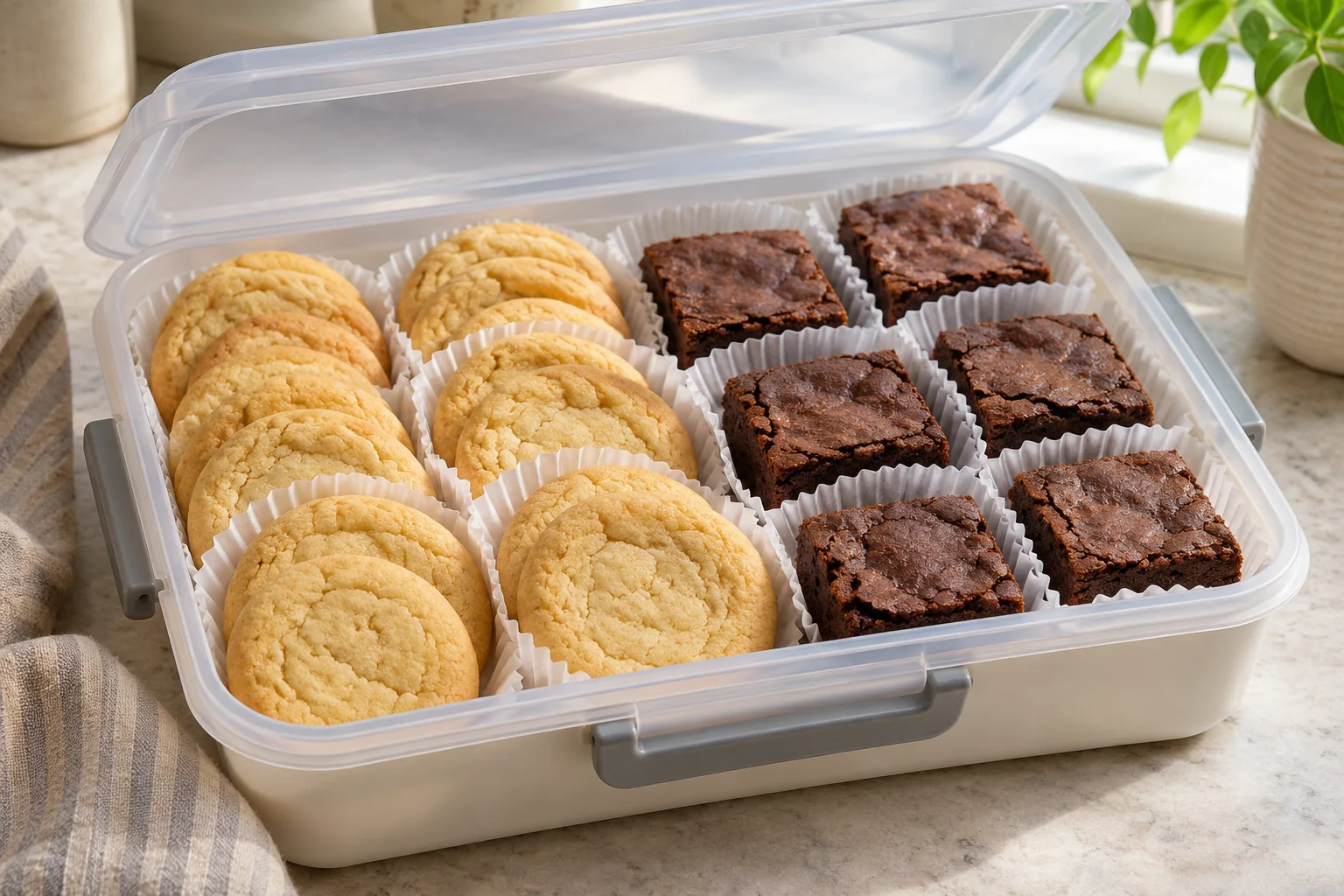
Plain cookies, muffins and firm brownie squares are generally easier to move than whipped-cream cupcakes or delicate mousse cups. Choose sturdy packaging and a recipe suited to room-temperature service for the intended period. Keep anything with perishable dairy or custard filling cold.
What about food made in a nut-using home?
If nuts are regularly handled in the kitchen, communicate that fact rather than claiming no cross-contact is possible. A severe allergy plan may require dedicated facilities or verified packaged food. Being clear helps the family or school make an informed decision.
A simple party menu
Choose one verified vanilla cupcake, a chocolate cookie and fruit prepared according to the event's guidance. That offers contrast without creating ten ingredient lists to check. The snacks can be cheerful with paper liners and colourful containers instead of risky decorative garnishes.
If homemade food isn't permitted
Consider sending nonfood party favours, a card or a classroom craft instead. The celebration can still feel generous without putting pressure on families who must manage allergies. A restriction on homemade treats is a safety policy, not a challenge to find a loophole.
The best nut-free treat is the verified one
Pick a simple recipe, verify every ingredient, check the school's current policy, prevent cross-contact and label the final food honestly. Taste and appearance matter, but safe inclusion is the real measure of a successful shared treat.
IN PICTURES
From the baking notebook
FROM THE RECIPE BOX


