On this page
Thanksgiving dinner already asks a lot of the kitchen. Between the main course, vegetables, gravy and last-minute oven juggling, dessert is the part of the menu that benefits most from an advance plan. Fortunately, many holiday favourites can be baked, chilled or partially prepared before the big day—without losing the fresh, welcoming feeling of a homemade finish.
The secret is choosing desserts that genuinely improve with rest or hold their texture, rather than preparing every component at once. A chilled cheesecake may be ideal made in advance, while a fruit crisp needs a little more thought if you want its topping crunchy. This guide helps you decide what to make, what to freeze, and what should wait until serving.
Start with the Dessert, Not the Calendar
Before moving a recipe onto your make-ahead list, read its entire storage section. Two desserts that look similar may have completely different keeping qualities. A butter cake can often be baked before decorating, but a custard tart must be kept cold and may lose its crispness if assembled too early.
Write down when you want to serve, where you can safely store the dessert, and which last-minute steps remain. Make room in the refrigerator before you bake cheesecake or any dessert containing perishable dairy or eggs. Plan freezer space for wrapped cake layers, not for a fully decorated dessert that might be damaged by stacking.
1. Baked Cheesecake
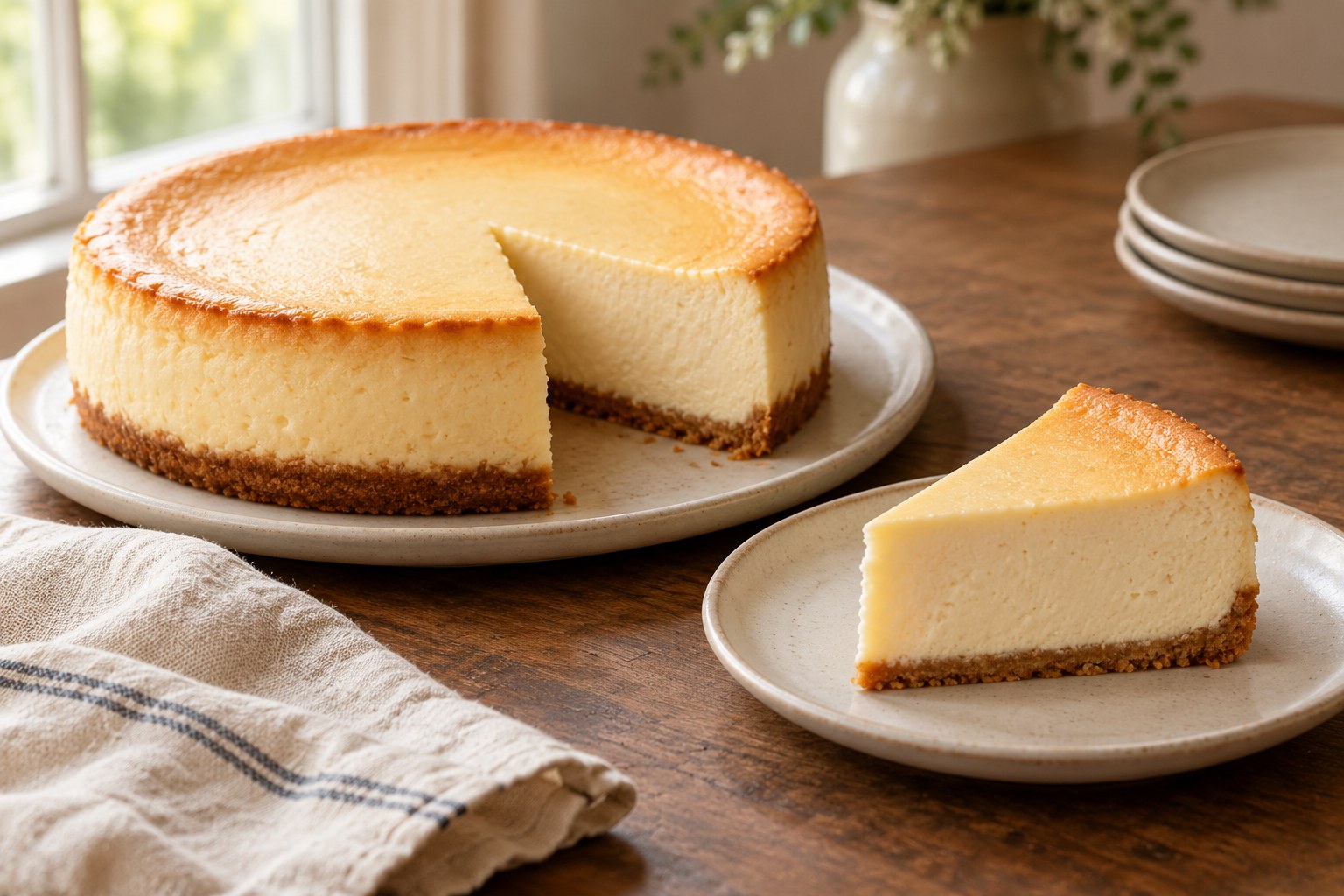
Cheesecake is a strong candidate for advance preparation because proper chilling is part of the recipe itself. Bake according to a tested formula, cool as directed, and refrigerate well before slicing. This takes a substantial task off Thanksgiving morning's list.
Add fresh berries, whipped cream, delicate chocolate decorations or sauce near serving. For a maple or pumpkin cheesecake, follow the formula designed for those ingredients; adding purée or syrup to a plain cheesecake can change how the filling sets. Keep the finished cake refrigerated until it's time to serve.
2. Pumpkin Pie
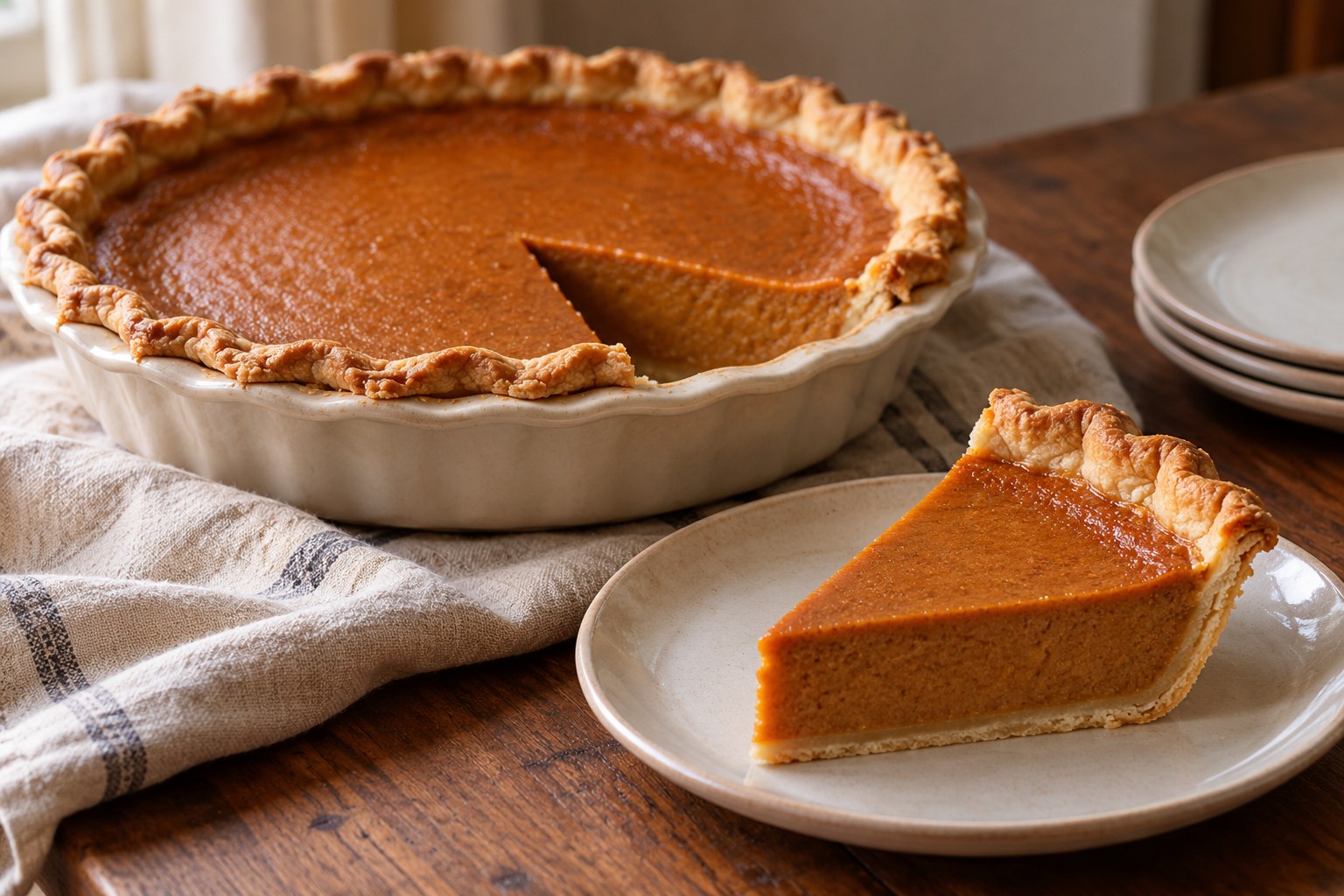
Pumpkin pie is a custard pie. Many recipes allow baking it the day before and refrigerating it once properly cooled. The filling needs time to set, and a chilled pie can be easier to cut into neat slices. Use the recipe's instructions for cooling, refrigeration and serving temperature; do not leave a custard pie at room temperature overnight.
A fragile crust can soften with prolonged storage. If crisp pastry matters most, consider testing the recipe's make-ahead method beforehand or preparing its dough earlier and baking closer to dinner. Add whipped cream at the table rather than storing cream-covered slices in the refrigerator.
3. Apple or Pear Crumble
A crumble is practical because the fruit and dry topping can often be prepared separately. Slice fruit at the stage recommended by your recipe, manage browning if necessary, and keep the topping chilled until assembly. Baking the dessert near serving gives you warm fruit and a more attractive crunch.
If your chosen recipe supports baking ahead, refrigerate appropriately and use its reheating instructions. A topping left covered over steamy fruit can soften, so avoid sealing a piping-hot crumble in an airtight container. For an easy serving plan, portion ice cream or prepare a sauce separately.

4. Brownies and Blondies
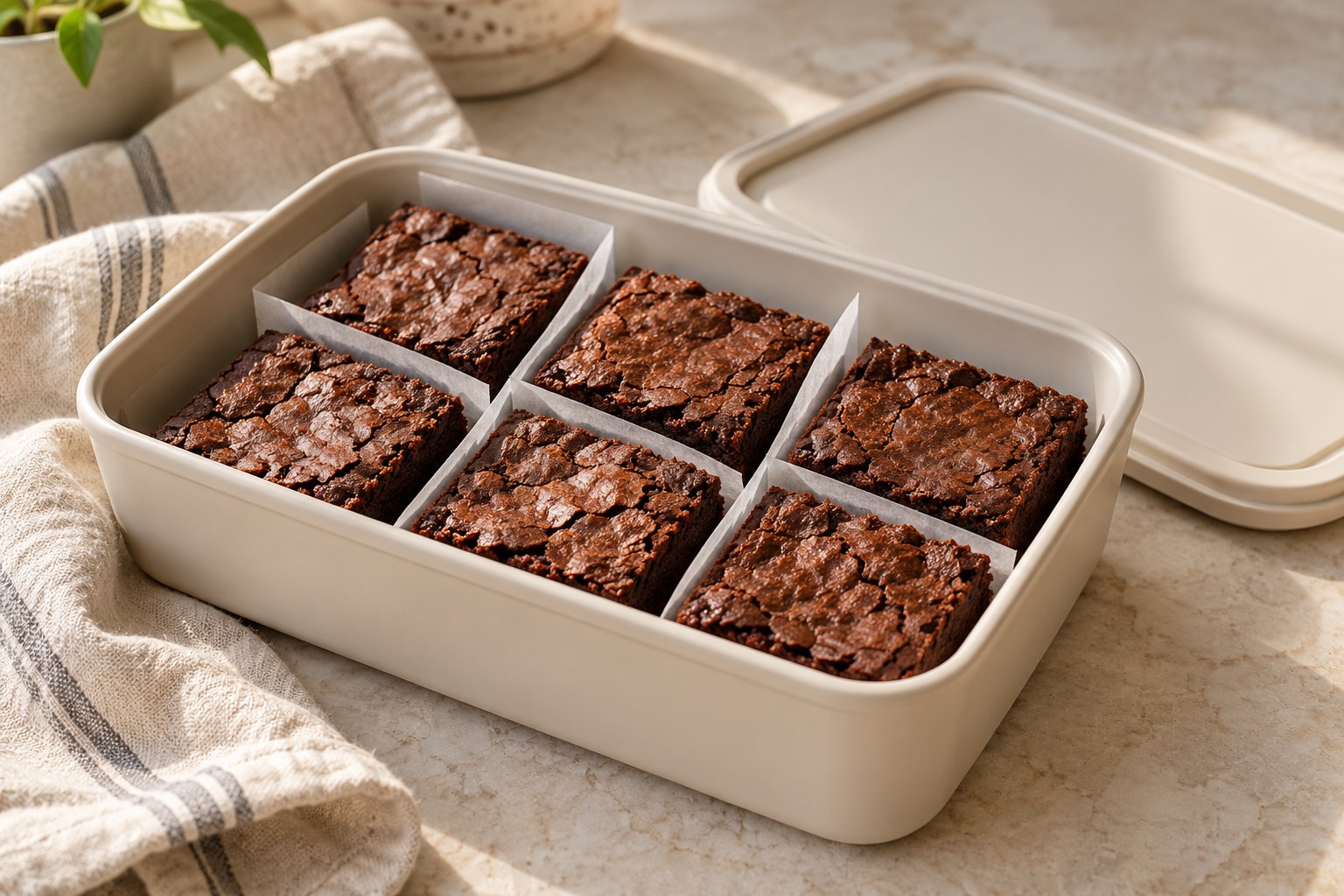
Brownies are ideal when you need a dessert that can be cut into small pieces, packed and served without a pastry knife at the table. Many brownie recipes remain appealing after a day of rest, once their structure has fully cooled. Wrap a cooled slab or separate cut portions with parchment in a suitable container.
For chocolate-forward desserts, make the flavours feel festive with the recipe's approved addition of espresso, toasted nuts or warm spice. Don't add wet pumpkin or cranberry filling to an unrelated formula without checking whether it can accommodate extra moisture.
5. Unfrosted Layer Cake
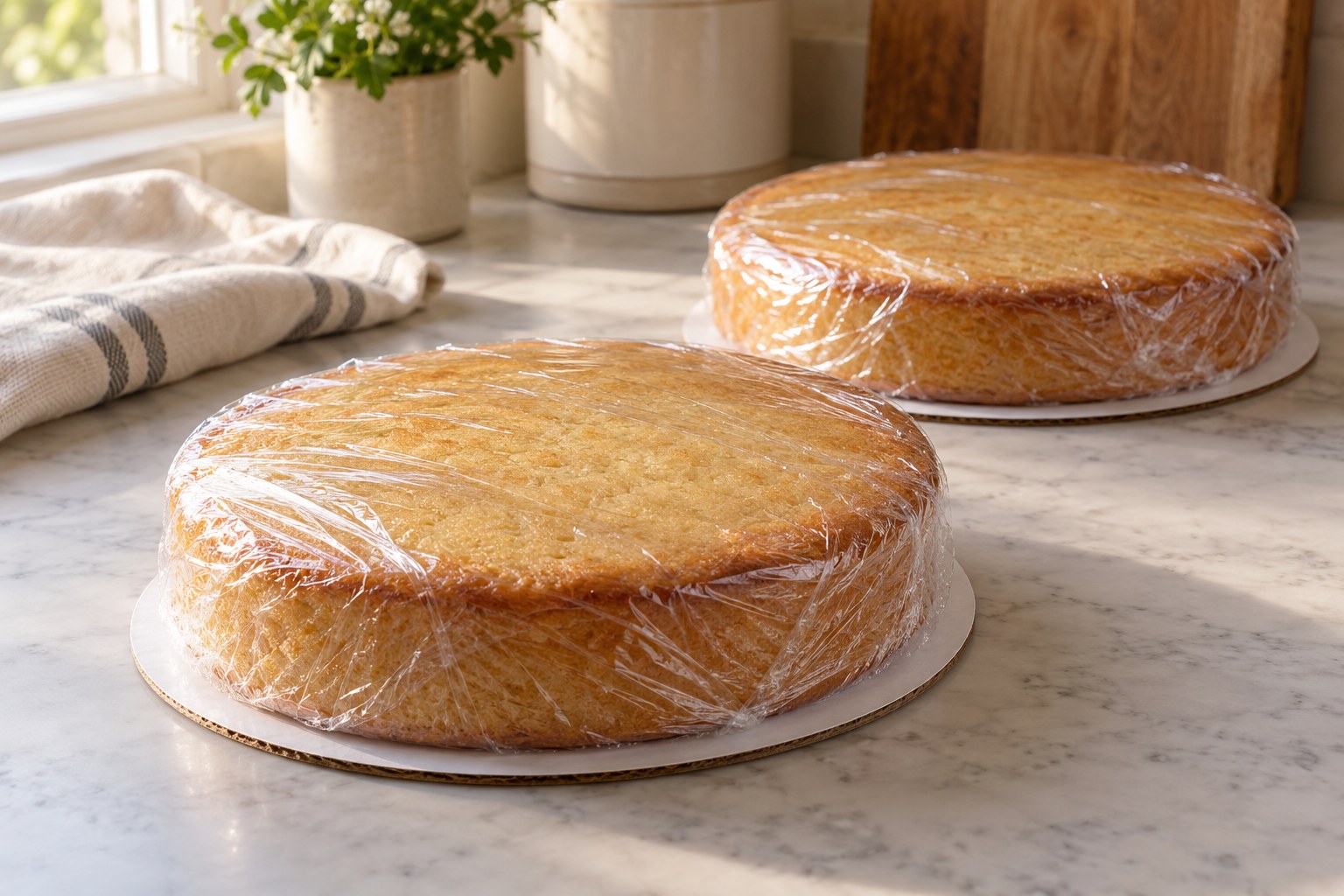
Bake cake layers in advance and wrap them once completely cool, following the chosen recipe's freezer or refrigerator guidance. Keeping the layers unfrosted allows you to build a fresh-looking centerpiece later. Fill and frost once you have space to work carefully, rather than competing with the turkey for the counter.
Consider a spice cake, chocolate cake or simple vanilla cake with an autumn filling. Cream-cheese frosting and certain fruit or custard fillings require refrigeration. Choose the filling partly on how and where the assembled cake will be stored.
6. Pecan Bars Instead of Pecan Pie
Pecan bars give the familiar sweet-and-nutty flavour of pecan pie in smaller portions. A sturdy shortbread-style base makes them convenient for a crowded dessert table. Make sure the filling is baked and set according to the recipe, then cool before cutting.
Follow allergen-label precautions if the bars are being shared outside your home. Tree nuts are a major allergen, and cross-contact matters. If you want a nut-free alternative, choose a different tested dessert rather than assuming seeds can replace pecans one-for-one.
7. Cookie Dough and Shortbread
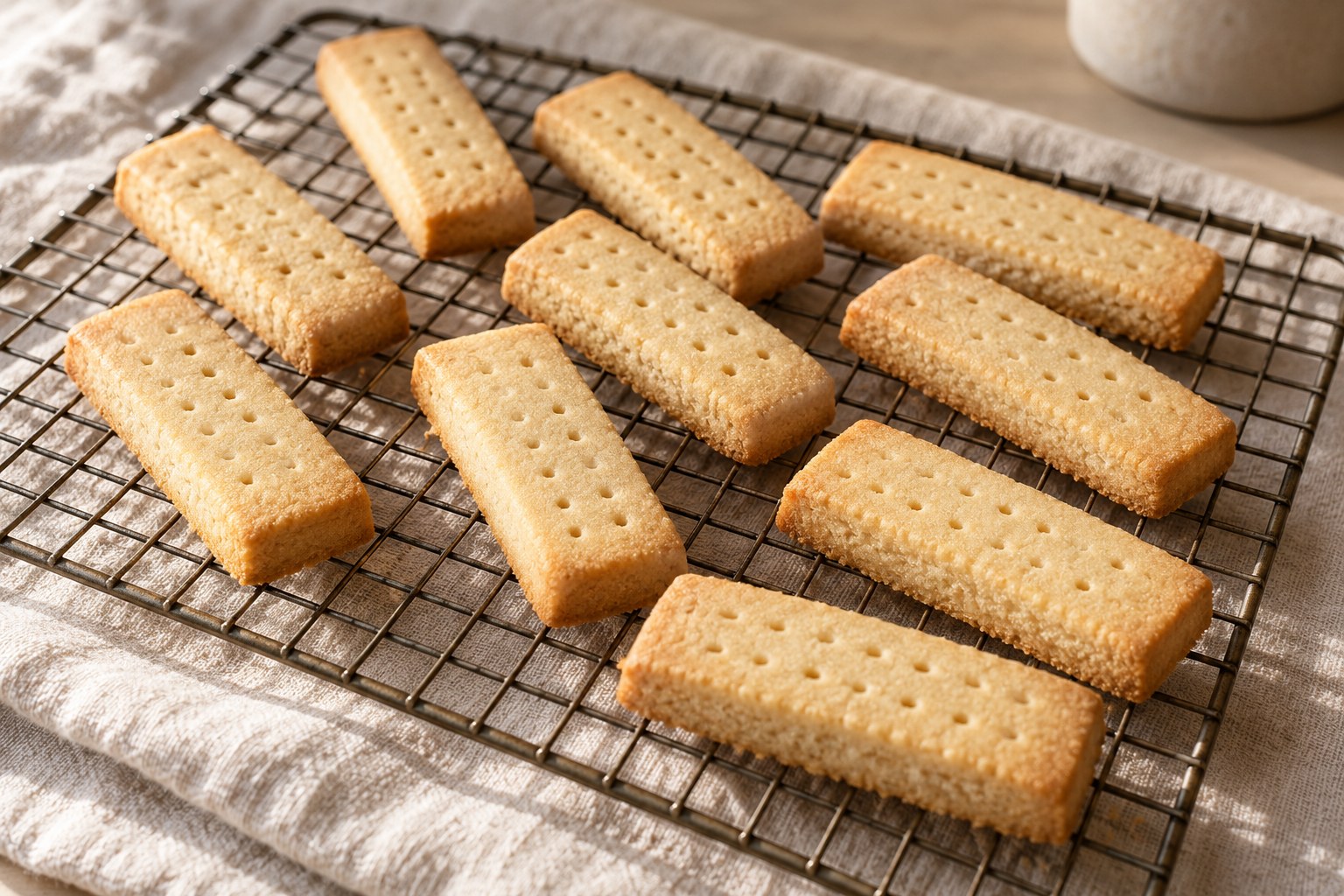
Our vegan shortbread cookies recipe is a useful option when planning a cookie component for the dessert table. Follow the recipe's cooling, packing and storage directions rather than treating every dough as freezer-ready.
A cookie plan can be split into dough day and baking day. Portion or shape a recipe that specifically supports dough refrigeration or freezing, and label it with the oven temperature and expected baking instructions. Then bake fresh cookies closer to the meal without mixing from scratch.
Alternatively, some fully baked cookies such as sturdy shortbread can be prepared ahead when the recipe's storage window permits it. Store crisp and soft cookies separately so moisture does not move between them. Add delicate icing only when the cookies are properly cooled.
8. Tart Shells and Components
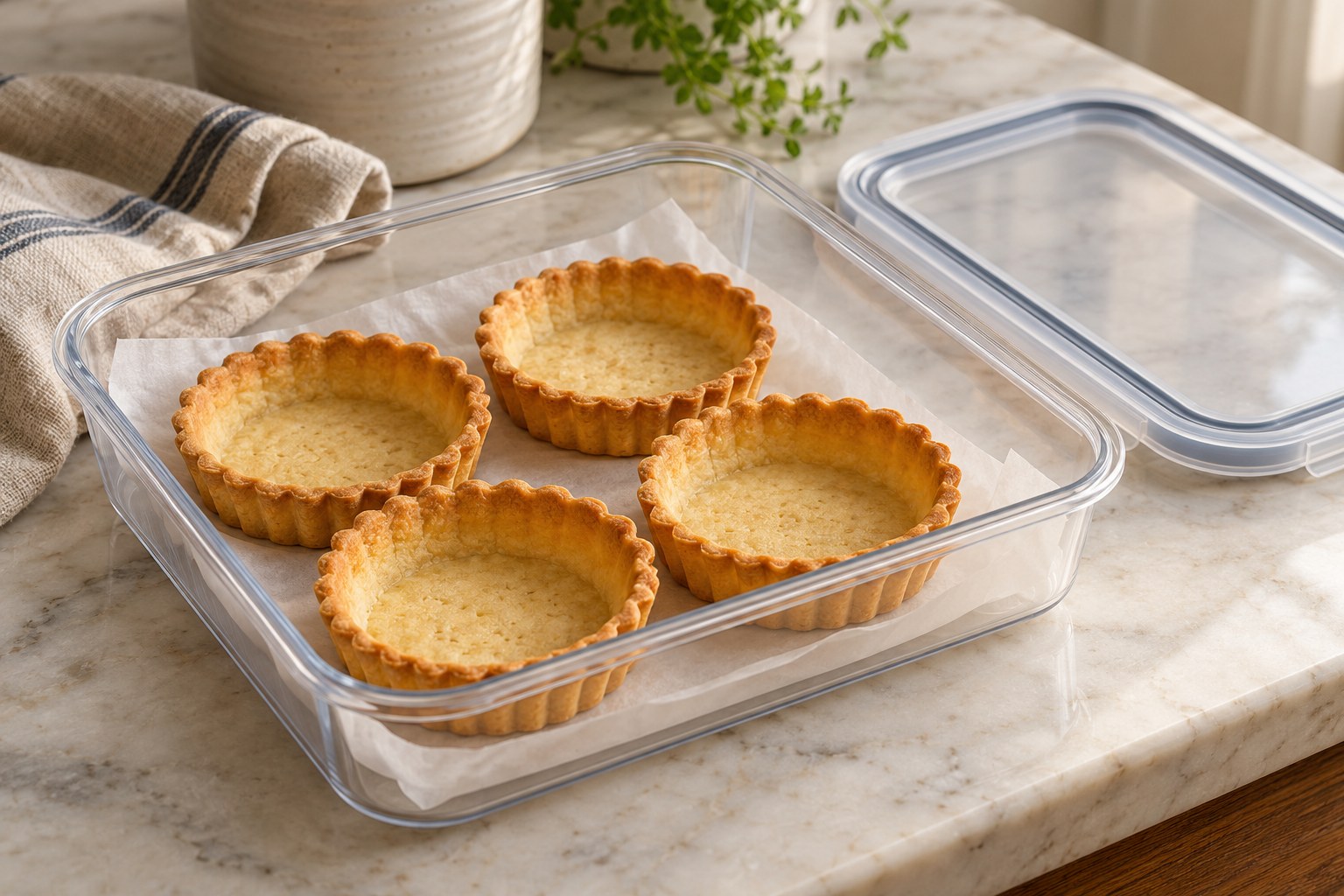
If your dessert uses pastry cream, lemon curd or fresh fruit, make-ahead preparation often works best in parts. A recipe may allow tart dough or an empty baked shell to be stored ahead, while the perishable filling should be made and chilled correctly and added near serving. That keeps the shell from absorbing excess moisture.
Protect baked shells in rigid food-safe containers. Do not assume a pastry shell with a wet filling has the same storage properties as a plain cookie. In particular, custard fillings require appropriate refrigeration.
Build a Two-Day Thanksgiving Dessert Schedule
Two Days Before
Shop for missing ingredients and check refrigerator space. Bake a cheesecake if your recipe's chilling instructions and storage window support it. Mix cookie dough intended for holding, and prepare pastry dough where permitted. Label containers so nothing gets lost under holiday groceries.
The Day Before
Bake and chill a recipe-approved pumpkin pie; prepare the components of a fruit crumble; bake brownies or a snack cake. Put serving plates and cake stands together, and make sure you have a sharp knife or pie server ready. Keep perishable foods properly refrigerated.
Thanksgiving Day
Finish only the items that benefit from freshness: bake an assembled crumble, whip cream, decorate a cake, warm an approved dessert, and plate cookies. Check the recipes for required serving temperatures and chilling. Avoid leaving dairy-based desserts sitting out during a long buffet.
What Usually Doesn't Make a Good Fully Finished Make-Ahead Dessert?
Not every dessert should be completed early. A crisp meringue topped with cream may absorb moisture; a delicate puff pastry filled with custard can turn soggy; and some fresh berries weep into frosting. These aren't necessarily poor menu choices—just better candidates for component preparation.
Instead of forcing them to be fully assembled ahead, write a five-minute finishing task. Fill cream puffs shortly before serving, garnish a tart with fresh berries at the last stage, or toast a crumble topping according to the specific recipe.
How to Avoid the Most Common Make-Ahead Mistakes
Overcrowding the refrigerator: chilled desserts need room for safe storage. Wrapping while warm: trapped steam can make a crust or cookie soggy. Adding toppings too early: cream and delicate garnishes often look better fresh. Ignoring thawing time: a large cheesecake does not thaw as quickly as an individual bar. Changing the recipe: doubling or freezing a dessert not designed for it can introduce avoidable problems.
Store perishable foods in the refrigerator at 4°C (40°F) or colder and frozen foods at −18°C (0°F) or colder. Follow recipe-specific handling instructions. Plan a safe refrigerator thaw for cheesecake and other dairy- or egg-rich desserts.
Frequently Asked Questions
Can I make Thanksgiving dessert three days ahead?
Some desserts and components can be prepared that early, but safe storage and texture vary by recipe. A baked cheesecake may have a suitable chilling window, while cream-filled pastry may not. Check the exact instructions before assigning a date.
Should pumpkin pie be refrigerated?
Yes. Homemade pumpkin pie has a perishable custard filling. Cool and refrigerate it according to food-safety guidance rather than treating it like a shelf-stable fruit pie.
Can I freeze the whole dessert?
Sometimes, but unfrosted layers or individual baked bars are often easier to protect than an elaborately decorated cake. Freeze only desserts whose recipes support it and allow safe, adequate thawing time.
How many desserts should I make?
Consider your guest count, portion sizes and the rest of the meal. One centerpiece and one contrasting smaller treat may be enough for a small group. For a larger gathering, offer different textures rather than several nearly identical pies.
The Make-Ahead Dessert Rule Worth Remembering
Do the sturdy work early and save the delicate work for last. A chilled cheesecake, prepared cake layers or a pan of bars can free hours without making dessert feel old. With a written schedule and recipe-specific storage guidance, Thanksgiving dessert becomes one of the calmest parts of the meal.
IN PICTURES
From the baking notebook
FROM THE RECIPE BOX


