
On this page
The golden colour on a loaf of bread, the toasty aroma of browned butter and the amber shade of caramel all come from chemical changes caused by heat. But not every brown food is caramelized. Two important processes are the Maillard reaction, which involves certain sugars and amino compounds, and caramelization, which involves sugar undergoing heat-driven transformations. They can happen in the same recipe, but understanding the distinction helps you troubleshoot colour and flavour more precisely.
The Maillard reaction in simple terms
Maillard browning is a complex set of reactions involving reducing sugars and amino compounds such as amino acids or proteins. It creates a wide range of brown pigments and flavour molecules. It is especially important in baked bread crusts, roasted nuts, browned milk solids and many cookies.
Caramelization in simple terms
Caramelization occurs when sugars are heated sufficiently to undergo thermal breakdown and rearrangement, producing characteristic caramel colours and aromas. It doesn't require proteins in the way Maillard browning does. A pot of sugar and water turning amber is an accessible example.
Why the two are often confused
Both can create warm brown colour, toasted aroma and flavour complexity. A cookie contains sugar, flour proteins, eggs and dairy, so several processes may occur together. The finished dessert doesn't announce which reaction contributed each specific flavour note.
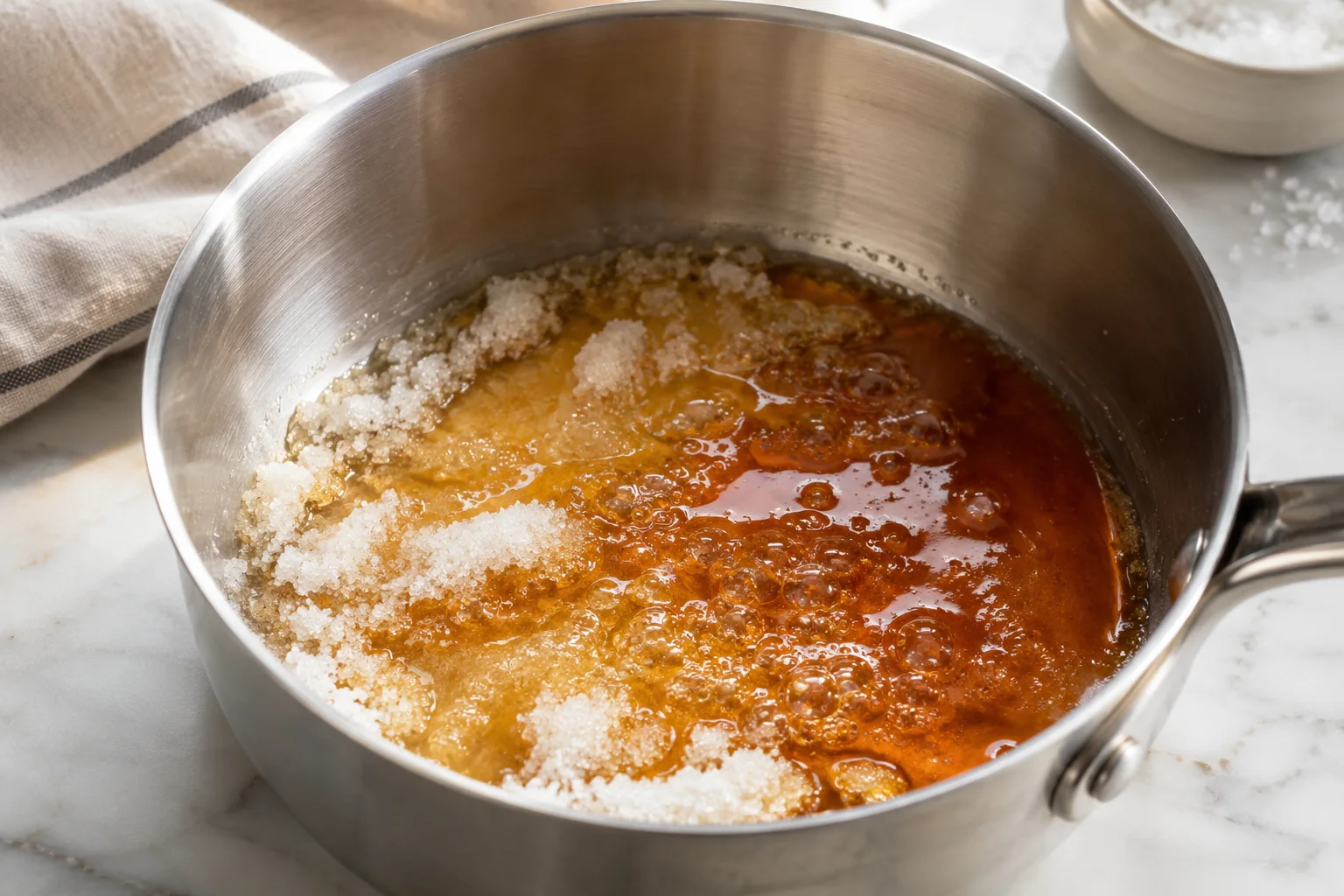
A pot of caramel
When ordinary sugar is heated in a saucepan, it dissolves or melts and eventually changes colour as the syrup becomes hot enough. This is predominantly caramelization. The process depends on moisture and temperature; adding cream later introduces dairy components but doesn't change how the original sugar browned.
Recipe to try: Salted Caramel Custard Tart. A buttery shortcrust pastry filled with silky vanilla bean custard, crowned with a glossy layer of homemade salted caramel that strikes the perfect balance between sweet and salty.
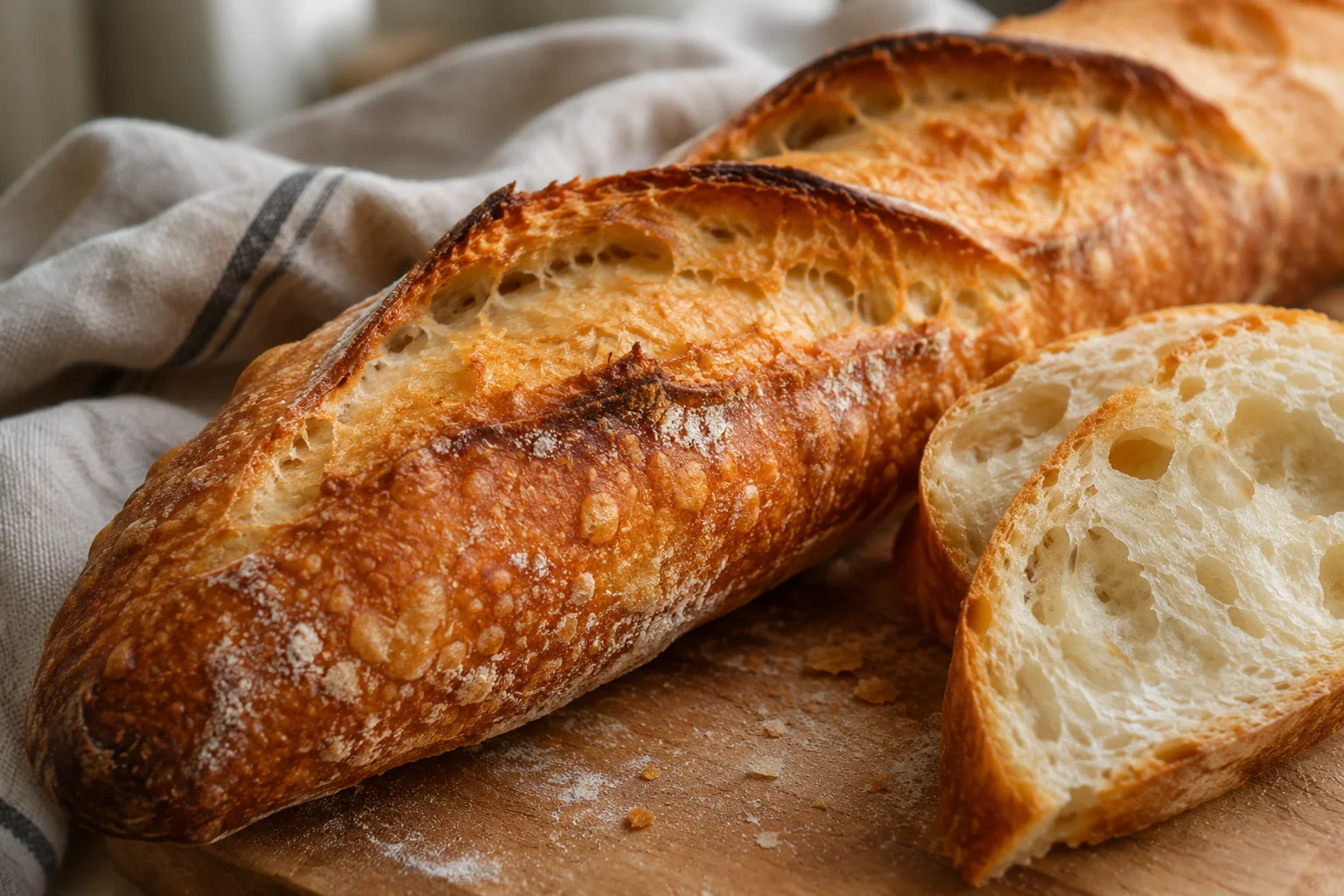
The crust of a loaf
Bread crust contains sugars and wheat proteins, so Maillard reactions contribute strongly to its golden colour and aroma. Some caramelization may also occur under appropriate conditions. Steam management, fermentation and oven heat influence the crust's surface temperature and sugar availability.
Recipe to try: Baguette. Crispy golden crust gives way to a tender, airy interior with that distinctive chew that makes homemade baguettes the ultimate expression of artisan bread baking.
Browned butter
Butter contains milk solids that include proteins and sugars, which brown when the water largely boils away and temperatures rise. Maillard-type reactions are important to its nutty aroma. Clarified butter with much of the milk solids removed behaves differently; butterfat alone doesn't produce the same toasted flecks.

What moisture does
A very wet surface tends to remain at a lower temperature as water evaporates, delaying certain browning reactions. Once a crust dries and heats further, colour can develop more quickly. That's why a covered steam stage helps oven spring but a later dry stage helps artisan bread brown.
Why sugar isn't the only factor
A dough rich in sugar may brown readily, but protein, acidity, oven heat and bake time also matter. A pale loaf can result from low temperature or insufficient drying, not necessarily a lack of sugar. Adding more sugar changes sweetness and fermentation as well as colour.
The role of protein
Milk powder, eggs and wheat flour provide amino compounds that can participate in Maillard browning. An egg wash, for example, can produce a glossy deep-coloured surface when the recipe is designed for it. The same wash may overbrown before a large loaf finishes if applied or baked incorrectly.
Why pH can matter
Maillard reactions generally proceed differently at different acidity levels. Baking soda changes dough pH and can affect cookie colour in addition to its leavening role. But using more soda simply for browning can create off flavours and unstable spread.
Temperature isn't a single universal switch
Caramelization and Maillard reactions involve many stages with overlapping conditions and ingredient-specific rates. There isn't one exact oven temperature where all Maillard chemistry begins or all sugars instantly caramelize. Surface moisture, time and composition matter.
Why caramel can burn quickly
Once sufficient water has evaporated, sugar syrup heats rapidly and colour can deepen in seconds. Dark caramel develops more bitterness, and very dark sugar can become acrid. Use a controlled saucepan and watch colour and aroma, avoiding the temptation to taste dangerously hot syrup.
Why cookies develop golden edges
Cookie edges heat and dry sooner than thick centres, allowing more browning. Butter, eggs, sugar, flour and leaveners all influence the result. A browned edge doesn't mean the centre is fully baked, especially in large stuffed cookies.
Recipe to try: Brown Butter Chocolate Chip Cookies. Rich, nutty brown butter infuses these irresistible chocolate chip cookies with caramel notes, creating the perfect balance of chewy centers and crispy edges that elevate the classic cookie to extraordinary heights.

Why bread can stay pale
A loaf may have insufficient oven heat, too much steam late in baking or a fermentation schedule that changes available sugars. Adding a sugar wash might change the crust character but won't address an underbaked centre. Compare the recipe's intended style and actual bake.

A useful comparison experiment
Bake two equal pieces of a plain flour-and-water cracker dough according to tested instructions, changing only an allowed surface wash. Record colour and flavour. To study caramelization separately, observe a small batch of sugar caramel under appropriate burn-safe conditions.
High-stakes caramel safety
Boiling sugar syrup is far hotter than boiling water in many caramel stages and can cause severe burns. Keep water away from dangerously hot fat or caramel unless the recipe controls how it is added. Don't touch or taste syrup while cooking.
How to apply this knowledge
If bread is pale, inspect surface drying and oven heat. If cookies brown too quickly, check pan colour, leavening and sugar. If caramel tastes burnt, control sugar heating rather than changing flour. Naming the chemistry helps identify which part of the recipe needs adjustment.
Frequently asked questions
Are Maillard and caramelization the same? No. Does Maillard need sugar? It involves certain sugars and amino compounds. Is browned butter caramelized? Its characteristic milk-solid browning is largely Maillard-driven. Can both occur in a cookie? Yes. Does darker always taste better? No.
Brown colour carries information
Look at the ingredients, the surface moisture and the way heat reaches the food. The golden crust on bread and amber sugar syrup may look related, but their chemistry leads to different practical fixes and flavours.
Related recipe: Salted Caramel Cream Pie.
IN PICTURES
From the baking notebook
FROM THE RECIPE BOX


