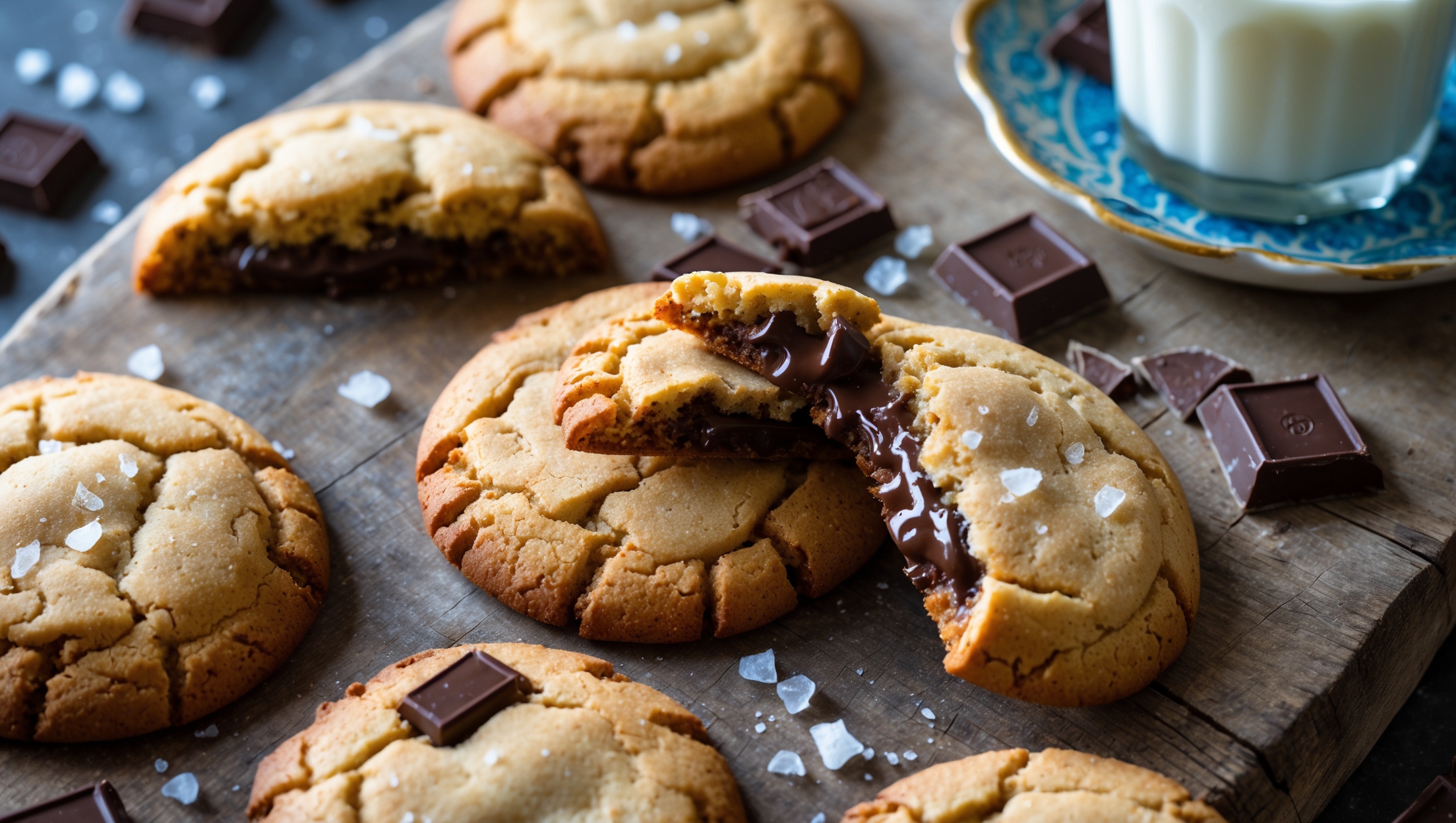
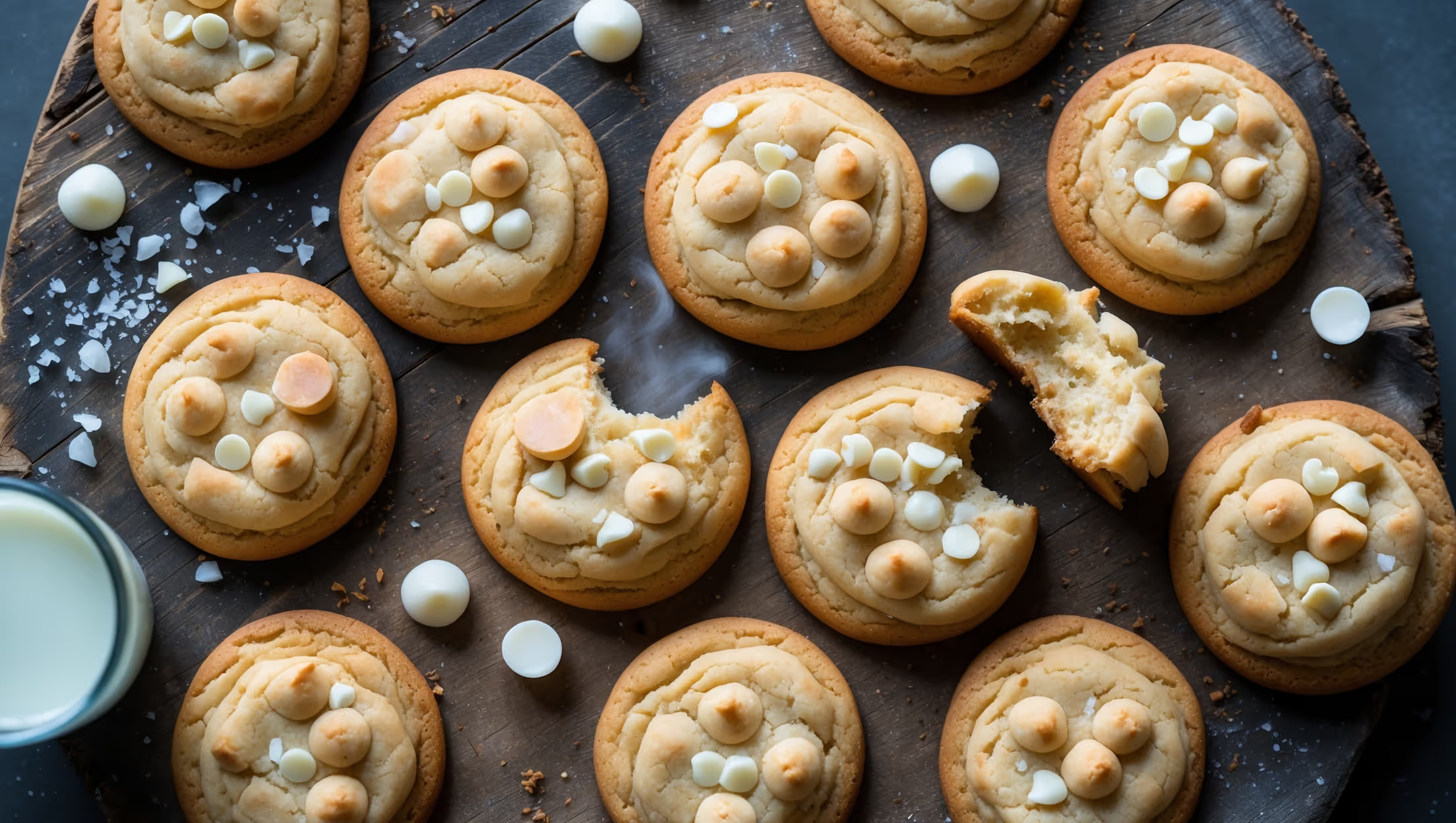
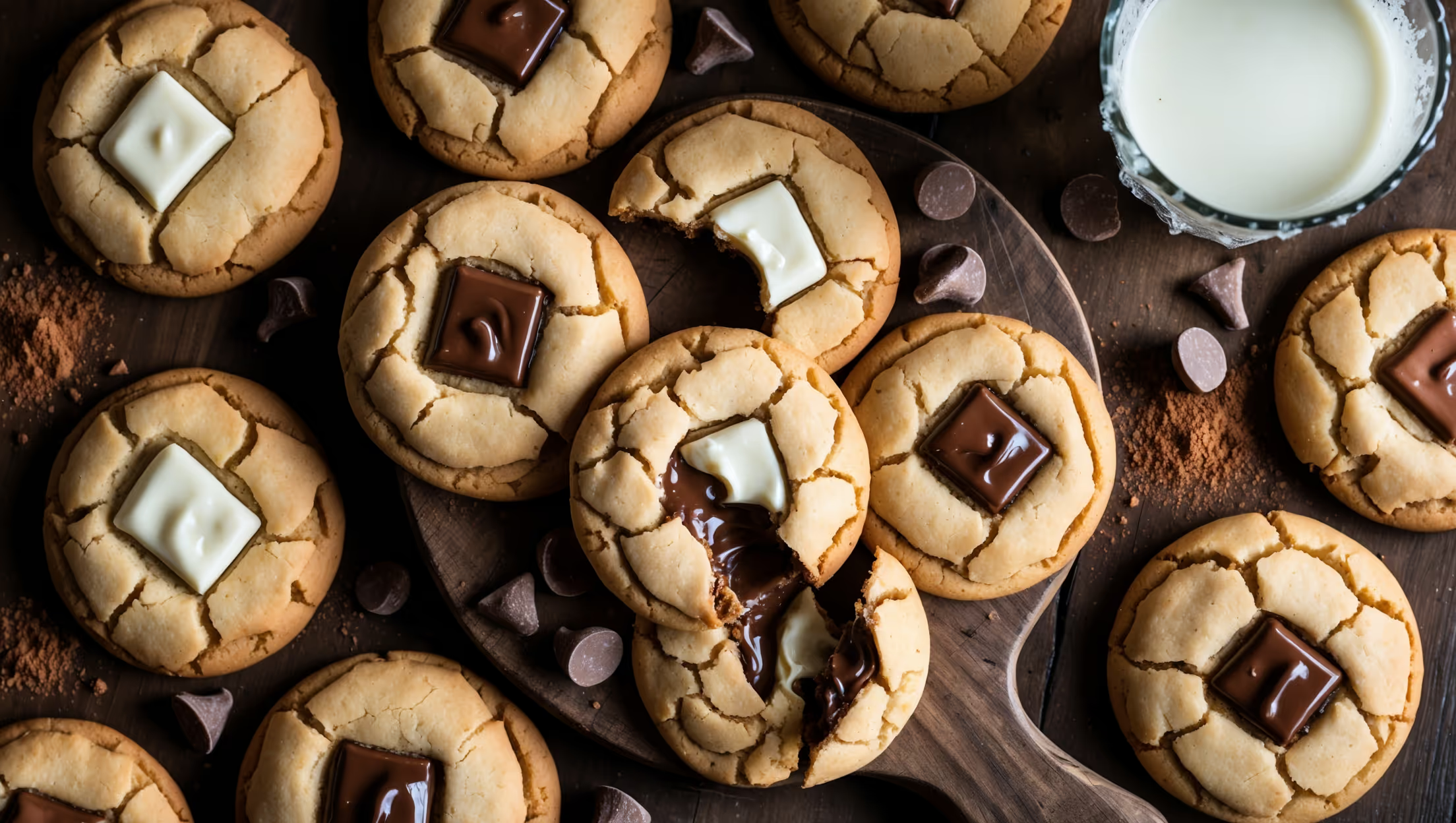
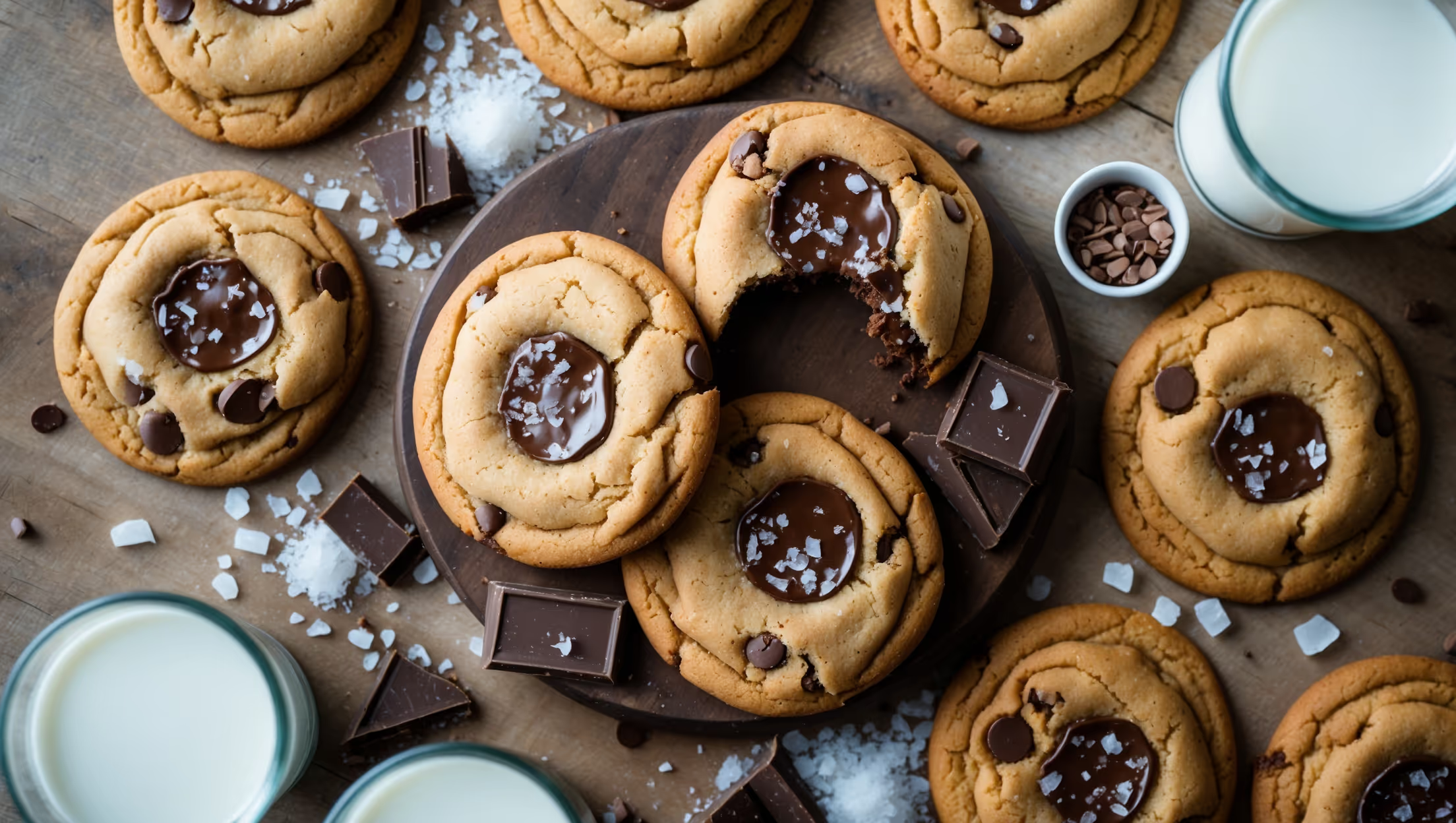
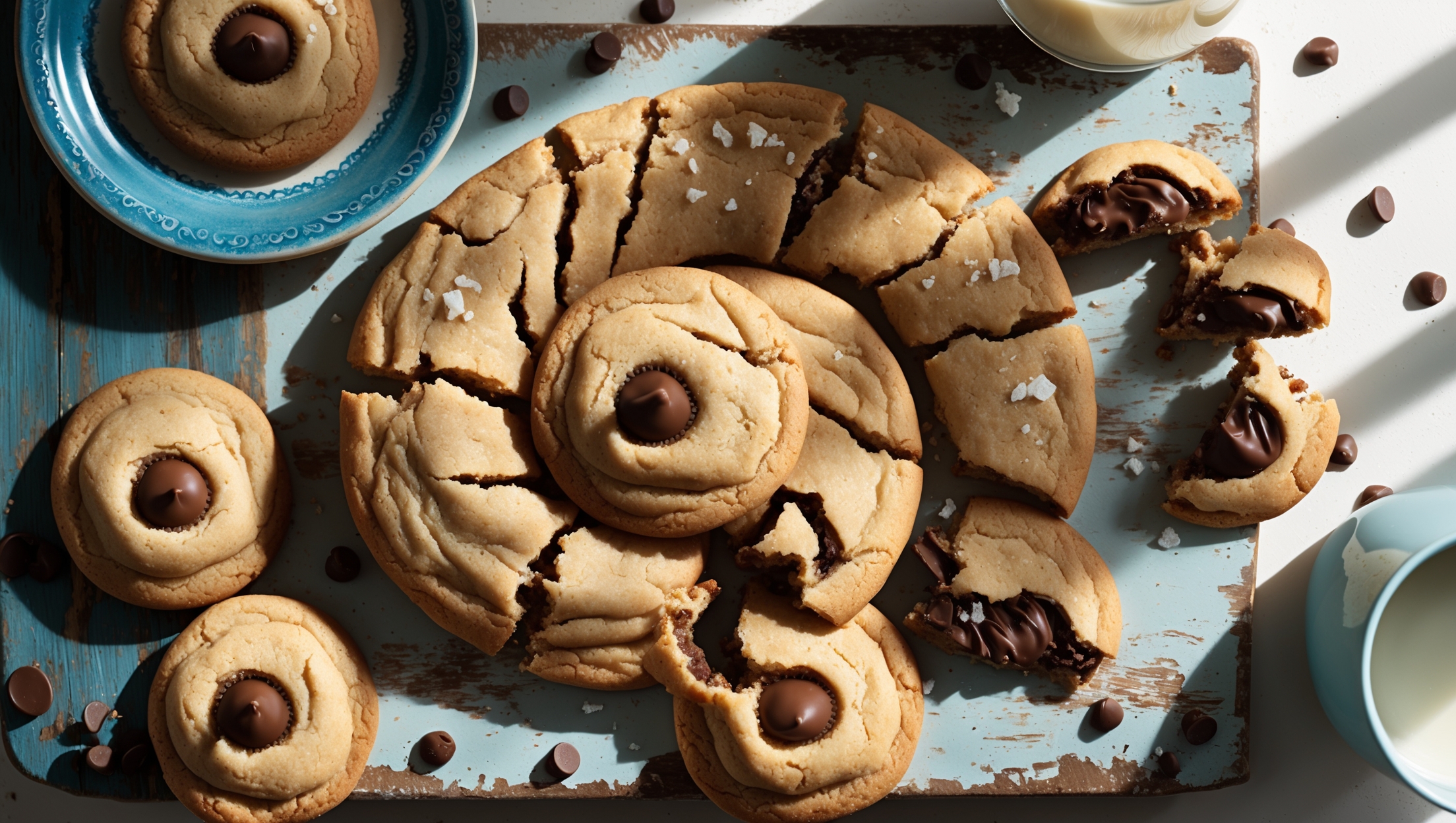
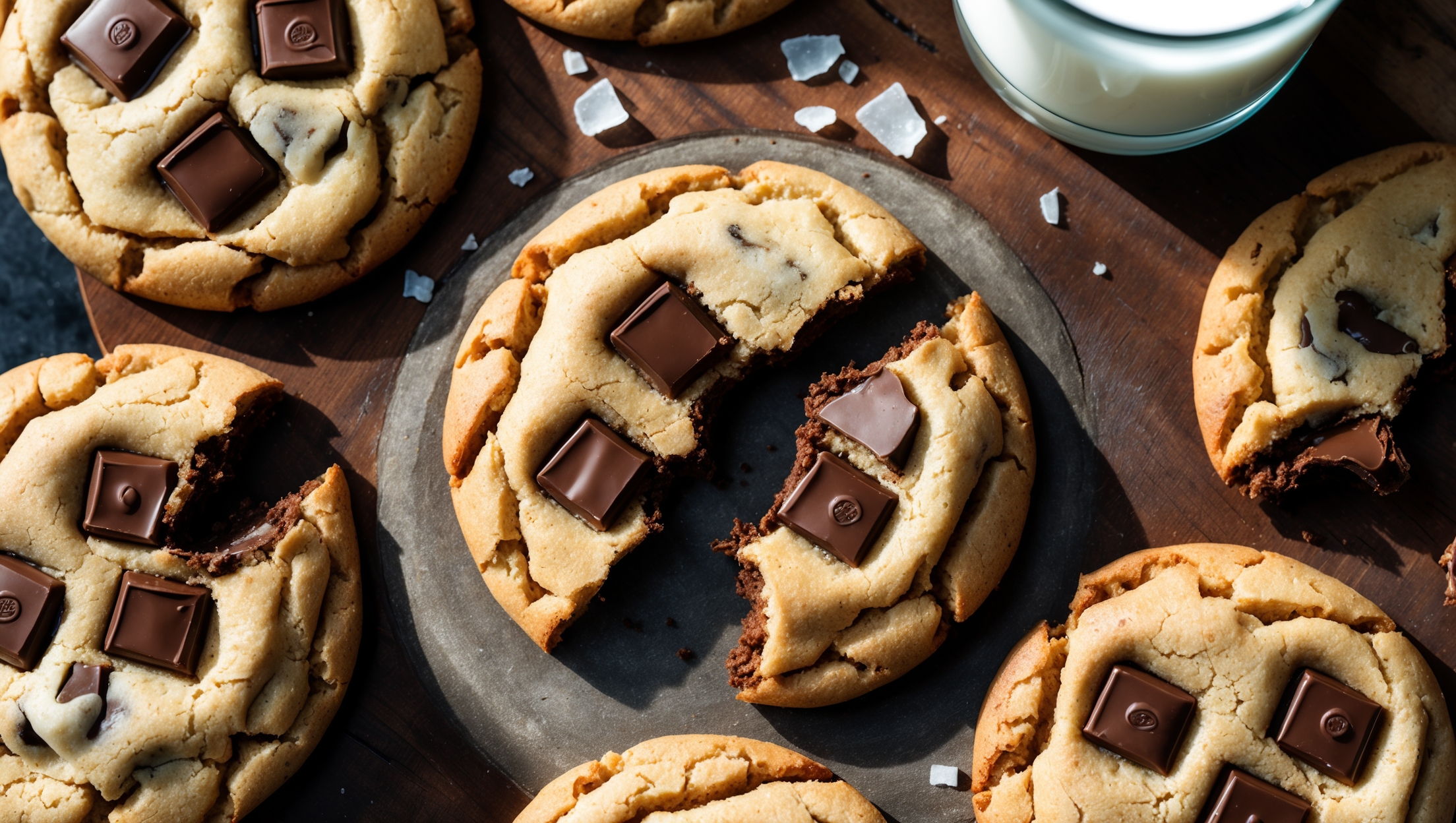
Directions
<ol class="no-list-style"> <li class="MethodStepper"> <h4 class="step-title">Step 1</h4> Place the butter in a light-colored saucepan over medium heat. The light color helps you monitor the browning process. As the butter melts, it will begin to foam and sizzle. Stir occasionally to ensure even melting. After about 5-7 minutes, the butter will turn amber and develop brown specks at the bottom – these are the milk solids caramelizing and are the source of that wonderful nutty flavor. You'll notice a rich, nutty aroma when it's ready. Immediately remove from heat and pour into a heat-resistant bowl to stop the cooking process (butter can go from perfectly brown to burnt quickly). Allow to cool for 15-20 minutes until warm but not hot. </li> <li class="MethodStepper"> <h4 class="step-title">Step 2</h4> While the butter cools, whisk together the flour, baking soda, and fine sea salt in a medium bowl. Set aside. This pre-mixing of dry ingredients ensures even distribution of the leavening agent and salt throughout the dough. </li> <li class="MethodStepper"> <h4 class="step-title">Step 3</h4> In the bowl of a stand mixer fitted with the paddle attachment (or using an electric hand mixer), combine the cooled brown butter, light brown sugar, and granulated sugar. Mix on medium speed for 3-4 minutes until well incorporated – the mixture won't be as fluffy as with regular butter creaming but should be well combined and slightly lighter in color. The sugars dissolve partially in the warm butter, which contributes to the cookies' chewy texture and caramelized flavor. </li> <li class="MethodStepper"> <h4 class="step-title">Step 4</h4> Add the eggs one at a time, mixing well after each addition, then add the vanilla extract. Beat for another 30 seconds until the mixture looks smooth and glossy. This emulsification creates structure in the cookies and helps incorporate air. </li> <li class="MethodStepper"> <h4 class="step-title">Step 5</h4> With the mixer on low speed, gradually add the dry ingredients to the wet ingredients, mixing just until no flour streaks remain – about 30 seconds. Overmixing develops gluten, which can make cookies tough, so be gentle at this stage. </li> <li class="MethodStepper"> <h4 class="step-title">Step 6</h4> Using a spatula, fold in the chopped chocolate by hand. Using chopped chocolate bars rather than chips creates beautiful chocolate layers and pockets throughout the cookies. Mixing by hand prevents the chocolate from being broken down too much by the mixer. </li> <li class="MethodStepper"> <h4 class="step-title">Step 7</h4> For best results, cover the dough with plastic wrap pressed directly onto its surface and refrigerate for at least 2 hours, preferably overnight (up to 72 hours). This resting period allows the flour to fully hydrate and the flavors to develop – particularly the complex brown butter notes. The dough will firm up, preventing excessive spreading during baking. </li> <li class="MethodStepper"> <h4 class="step-title">Step 8</h4> When ready to bake, preheat your oven to 180°C and line baking sheets with parchment paper or silicone mats. Remove the dough from the refrigerator and let it sit at room temperature for 10 minutes to soften slightly. </li> <li class="MethodStepper"> <h4 class="step-title">Step 9</h4> Using a cookie scoop or tablespoon, portion the dough into 50g balls (about 2 tablespoons) and place on the prepared baking sheets, leaving about 7-8cm between cookies as they will spread. For bakery-style cookies with crinkly tops, tear each ball in half and press back together with the rough sides facing up. This creates that beautiful textured surface as they bake. </li> <li class="MethodStepper"> <h4 class="step-title">Step 10</h4> Bake for 10-12 minutes, rotating the pan halfway through, until the edges are set and golden brown but the centers still look slightly underbaked – they'll continue cooking on the hot sheet. For perfect cookies with crisp edges and chewy centers, it's better to slightly underbake than overbake. </li> <li class="MethodStepper"> <h4 class="step-title">Step 11</h4> Immediately after removing from the oven, sprinkle with flaky sea salt if desired (the warmth helps it adhere) and gently tap the baking sheet on the counter a few times. This "pan-banging" technique helps deflate the cookies slightly, creating those lovely rippled edges and fudgy centers. </li> <li class="MethodStepper"> <h4 class="step-title">Step 12</h4> Allow the cookies to cool on the baking sheets for 10 minutes – during this time they'll set up properly. Then transfer to a wire rack to cool completely. The cookies will be at their prime texture when fully cooled but still warm. Store in an airtight container for up to 5 days, or freeze the baked cookies for up to 3 months. You can also freeze the portioned cookie dough balls for fresh-baked cookies anytime! </li> </ol>