On this page
Bread formulas can look remarkably different even though both begin with flour and yeast. A lean dough creates the crisp crust and chewy interior of a baguette, while an enriched dough can become soft brioche, challah or a pillow-like dinner roll. The distinction comes from what is added to the basic dough and how those ingredients affect mixing, fermentation and baking. Knowing the difference helps you choose the right recipe and understand why one loaf won't behave like another.
What is lean dough?
Lean dough is traditionally based primarily on flour, water, yeast or another leavening culture, and salt. Its relative lack of fat and sugar contributes to a chewier texture and crust that can become crisp. Many baguettes, rustic hearth loaves and some pizza doughs fit within this category, although regional variations exist.
What is enriched dough?
Enriched dough includes ingredients such as butter, oil, eggs, milk or added sugar that modify flavour and texture. Brioche is heavily enriched, while a soft sandwich bread may be only lightly enriched. The presence of some enrichment doesn't automatically make bread very sweet.
The ingredient comparison
Lean dough centres on flour, water, salt and leavening. Enriched dough begins with a bread framework but adds measured richness. A dough with butter and eggs has a different water and fat balance from one with the same flour weight and plain water alone. Ingredient proportions, not labels, govern handling.
Crumb texture
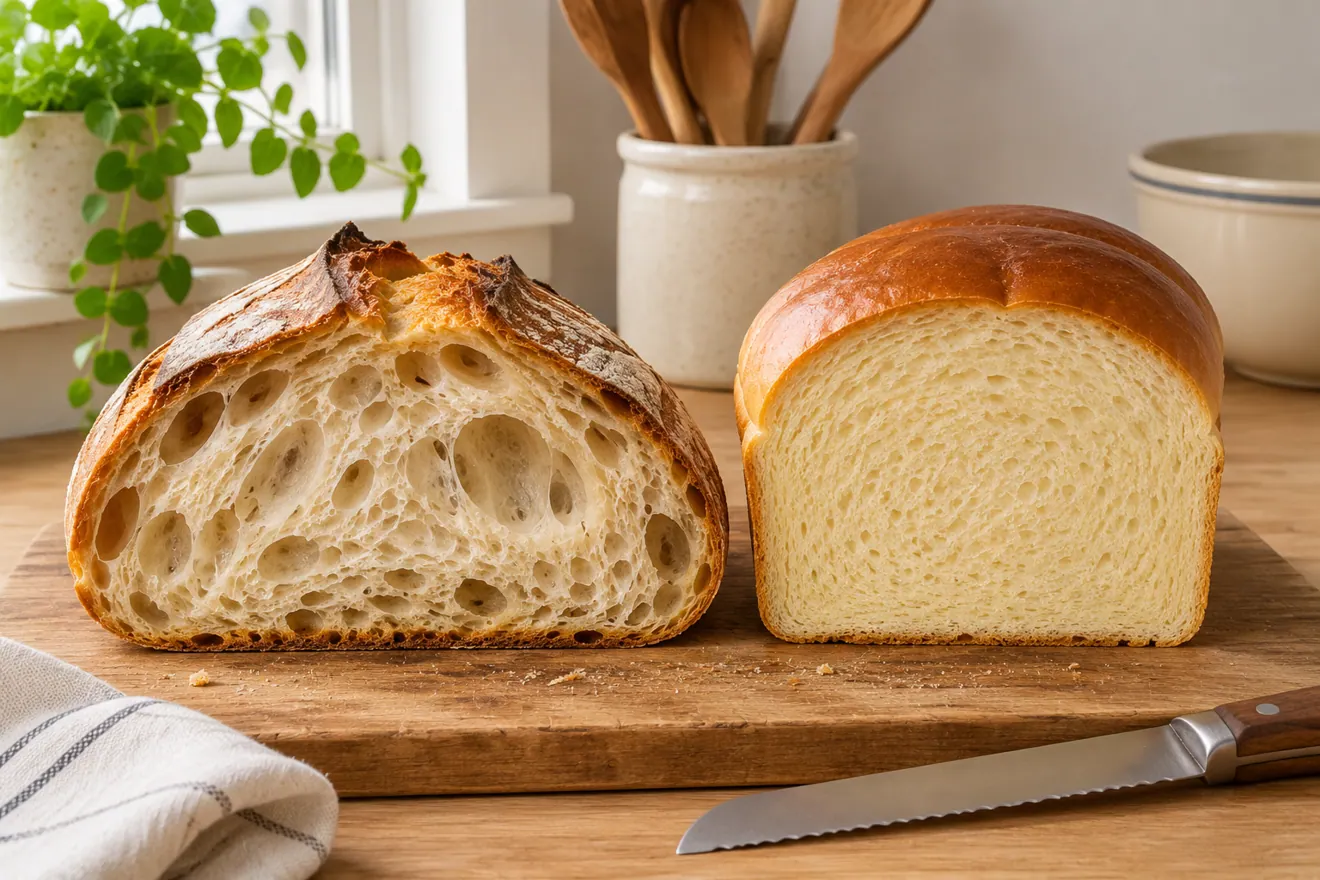
Lean bread can be chewy and open or tighter depending on hydration and shaping. Enriched bread is often finer and softer, though some styles are substantial. A tight crumb isn't exclusive to enrichment, and a lean sourdough can be formulated as a fine sandwich loaf.
Crust texture
A lean loaf baked with sufficient heat and steam can develop a crisp, crackly crust. Fat, sugar and dairy in enriched doughs tend to promote a different, often softer or more browned crust. The baking method remains important: a lean loaf stored in a sealed bag will not stay crackly forever.
Fermentation speed
Enriched dough may ferment differently because added sugar, fat and eggs change the environment. Very rich doughs can rise more slowly than an otherwise similar lean formula, but yeast quantity, temperature and preferments also matter. Follow the specific recipe's fermentation cues.
Mixing and kneading
Lean doughs may rely on kneading or folds to build gluten. Enriched doughs, especially brioche, may use prolonged mixing and staged butter incorporation. Don't knead every dough to the same stopwatch time; observe its texture and follow the intended method.
Hydration isn't always comparable
Baker's hydration normally describes water weight relative to flour, but eggs and milk contribute additional water while butter contains both fat and some water. Comparing a lean dough's water percentage with an enriched bread's listed liquid volume can be misleading unless you account for the formula's full composition.
Shaping a lean loaf
Baguettes and rustic boules often rely on gentle handling to preserve fermentation gas and build surface tension. The shaping can influence irregular holes and oven spring. Excessive flour or pressing may reduce the intended open crumb.
Shaping enriched dough
Soft rolls and brioche may be portioned into tight rounds, braids or moulded shapes. Cinnamon-roll dough is rolled and filled, requiring an even thickness and careful sealing. Because butter-rich dough softens with warmth, chilling can help in formulas designed for it.
Baking temperature
Lean hearth loaves often use relatively high initial heat and steam to support expansion and crust development. Enriched breads may use more moderate heat because sugar and dairy brown readily. There are exceptions; follow each recipe rather than assigning one temperature to the entire category.
Oven steam
Steam often helps lean bread expand before its crust sets. A covered Dutch oven is a common home method. Enriched buns often don't need the same steam treatment, although their surface preparation can involve an egg wash or other glaze.
Baguette as lean example
A classic baguette typically has flour, water, salt and yeast, sometimes using a preferment. Its thin shape, fermentation and scoring help create a chewy open crumb and crisp crust. Adding butter to the dough changes its character and may make it a different type of bread.
Rustic sourdough as lean example
Many country sourdough breads contain no significant added fat or sweetener. The flavour develops through natural fermentation. Yet the word sourdough describes leavening and fermentation, not whether the formula is lean; sourdough brioche and sourdough sandwich bread can be enriched.
The flour, water, starter and salt in Sourdough Country Loaf make a lean dough. The covered first stage helps the loaf expand before the crust browns.

Brioche as heavily enriched example
Brioche often includes large quantities of eggs and butter, giving it a rich, almost pastry-like crumb. Mixing and temperature control are important because fat affects gluten development and handling. A brioche loaf isn't intended to have the same thin, crackling crust as an artisan baguette.
In Brioche Sandwich Loaf, eggs, milk and softened butter enrich the dough. Give it the specified time in the refrigerator before shaping it.

Challah as enriched example
Many challah formulas use eggs and oil and form a tender braided loaf. They may contain sugar without being dessert-sweet. Since recipes vary by tradition, ingredient composition matters more than general statements about what challah must include.
Soft sandwich bread and dinner rolls
These breads may be mildly enriched with milk, oil, butter or a little sugar, producing tender slices or rolls. An effective sandwich loaf can still be made with a relatively lean formula and tight shaping; enrichment helps but doesn't define every pan bread.
Compare slices at the same thickness once they have cooled. Notice how they bend, how the crust breaks and how evenly the holes are distributed.
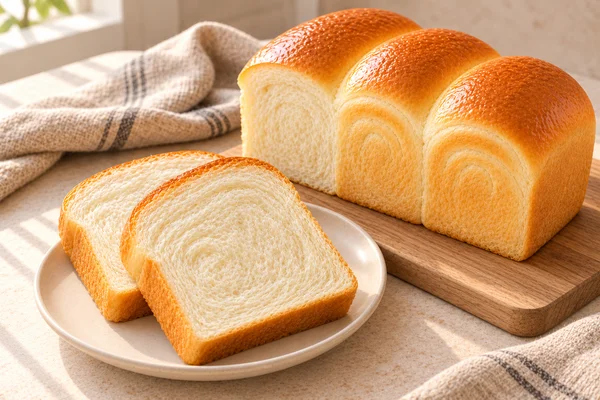
The dough in Soft Milk Bread combines enrichment with a cooked flour paste. It is a distinct formula from the lean country loaf.
Can you convert one style into the other?
Substantial butter, sugar or egg additions change dough structure, fermentation and baking, so a direct ingredient swap usually requires reformulation. It's better to select a tested bread recipe for the desired texture than to add several tablespoons of oil to a baguette and expect soft rolls.
Keeping quality
Lean bread often loses its crisp crust and becomes firmer after storage, while some enriched breads retain a softer eating texture. Storage, moisture and freshness still matter for both. Wrap or freeze according to the recipe, and follow refrigeration requirements for any perishable fillings.
Which is easier for beginners?
A simple lean bread has fewer ingredients but still requires good fermentation and shaping. Moderately enriched dinner rolls may feel forgiving in shaping but add steps involving fat and sugar. Very rich brioche is comparatively demanding. Choose by the technique you want to practice.
Frequently asked questions
Is sourdough always lean? No. Is lean bread low-calorie by definition? Not necessarily; portion size and formula matter. Does enriched mean sweet? Not always. Can enriched bread have a crisp crust? Sometimes, depending on method. Does all lean bread have big holes? No.
Choose the texture before the formula
For crisp crust and chewy bread, look to a lean artisan recipe. For tender slices, rich buns or rolls, choose an enriched or carefully designed soft-bread formula. Understanding the ingredients and their effect on fermentation makes either style easier to bake consistently.
Related recipe: Soft Milk Bread.
Some images are AI-generated illustrations of the dishes and techniques described.
IN PICTURES
From the baking notebook
FROM THE RECIPE BOX


