On this page
A golden double-crust pie is beautiful, but an unbroken pastry lid can trap steam from bubbling fruit. That moisture needs a way out as the filling heats and thickens. Venting can be as simple as a few clean slashes or as decorative as small pastry cutouts. The key is giving steam a purposeful route without destroying the structure of the top crust.
Why pie vents matter
Fruit releases water as it bakes, creating steam beneath the pastry lid. Openings let some of that vapour escape and offer a window into the filling's progress. A sealed top can puff unpredictably or push hot juices through an unintended crack or the crimped edge.
Which pies need vents?
A solid pastry lid over hot fruit filling generally needs openings. Lattice pies already contain spaces between strips, and a crumble topping allows moisture to leave naturally. A custard or cream pie usually follows a different pastry method, often with no solid lid at all.
Plan vents before baking
Roll the upper crust according to the recipe, place it over the filling and seal the rim, then cut openings as directed. Some bakers cut shapes before transferring the lid. The aim is clean openings that remain visible as the pastry expands.
The simplest vent pattern
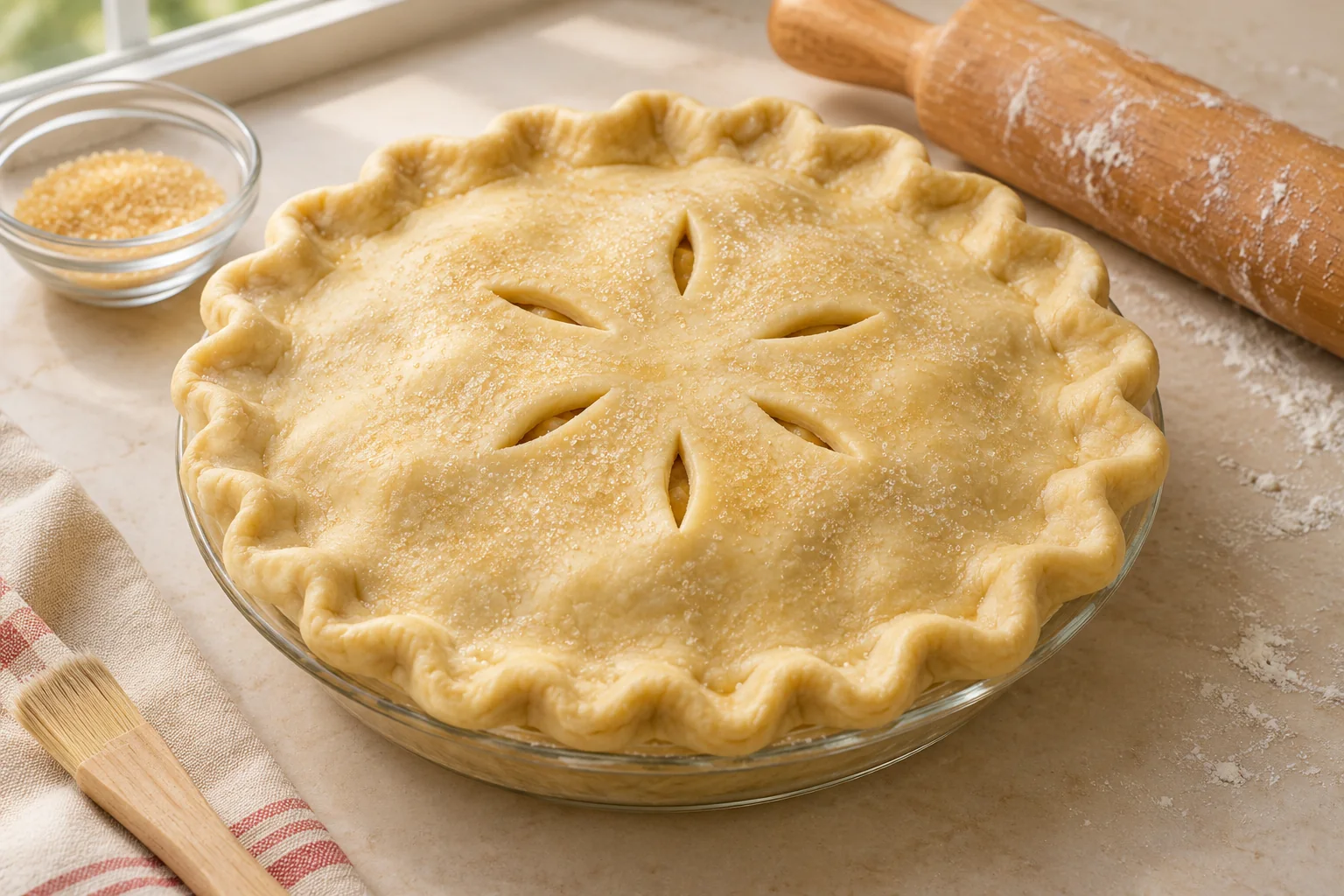
Four or five short slashes radiating from the centre make a classic arrangement, but the number and length depend on pie diameter and recipe. Use a sharp clean knife and cut through the top sheet without gouging the filling. A shallow mark that doesn't penetrate may close as the pastry bakes.
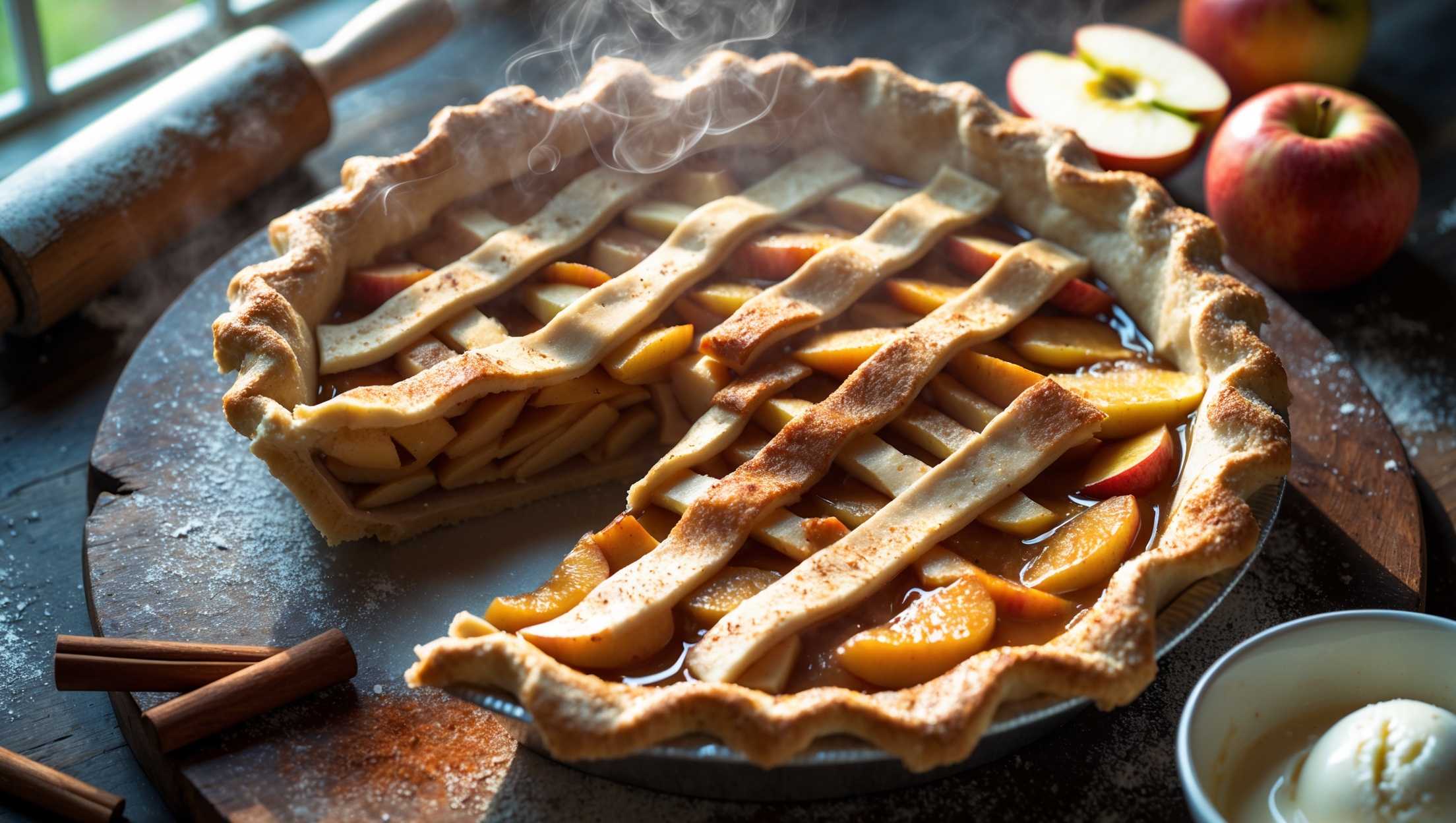
Recipe to try: Classic Apple Pie. Use the apple preparation, filling quantities and pastry method specified for this pie. A different fruit can require a different thickener balance.
Make a decorative centre cutout
Use a food-safe small cutter to remove a circle, star or other shape from the centre of the top pastry. The opening can be attractive while allowing steam to escape. Avoid creating a hole so large that the unsupported top collapses around the fruit.
Leaf and petal vents
Small slits positioned between pastry decorations can become part of a floral design. Keep functional vents separate from pieces of pastry that may rise and cover an opening. A beautiful pattern matters little if every hole seals shut.
Does a lattice need additional vents?
Usually not, because the gaps between woven strips already allow steam to escape. A very tightly woven lattice with almost no exposed filling may behave differently, so follow the specific lattice recipe rather than assuming decorative strips always provide enough ventilation.
How venting affects moisture
Openings allow some steam to escape, but they do not make a watery filling set by themselves. Proper thickener and sufficient cooking are still crucial.
Why bubbling at the vent matters
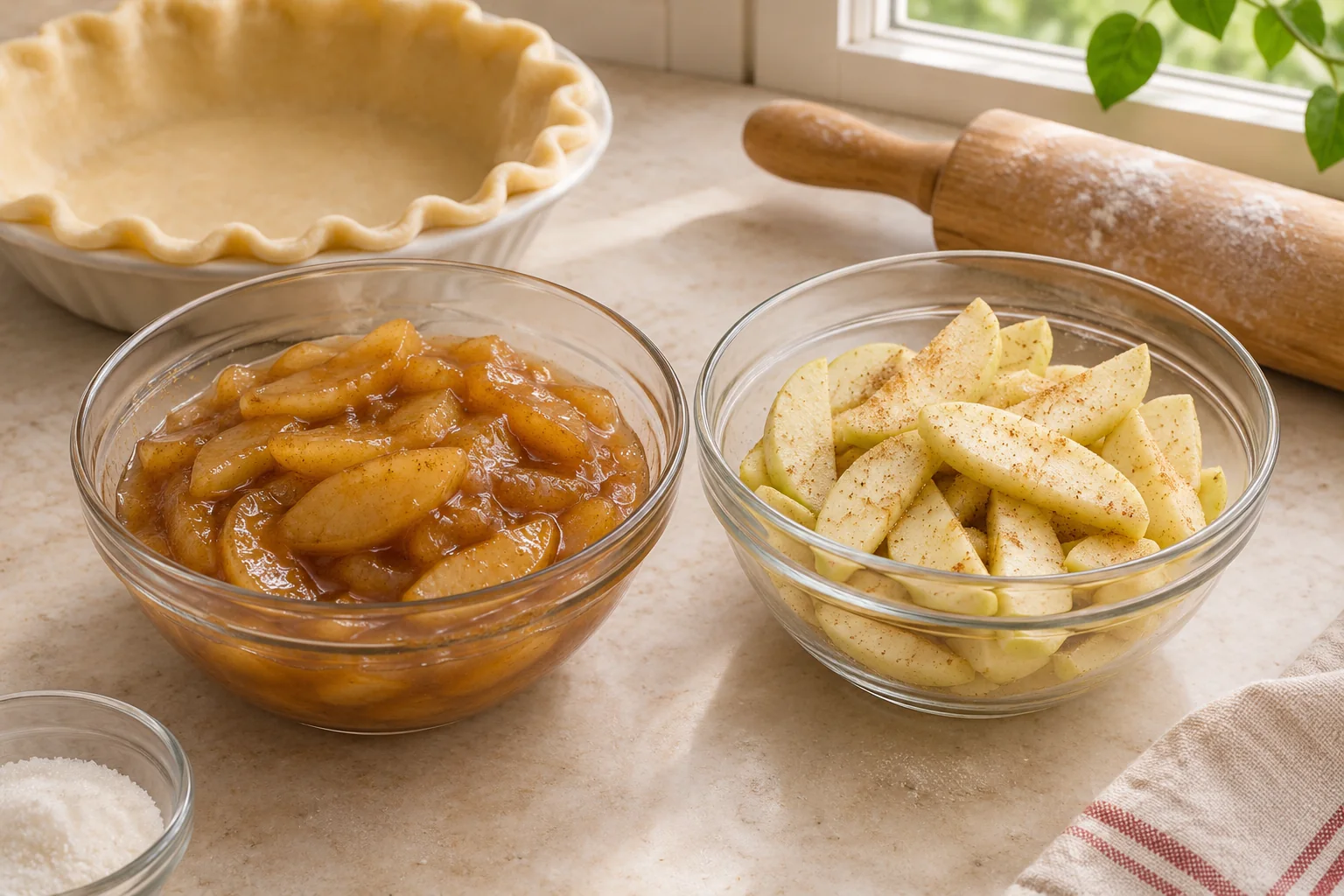
For many fruit pies, bubbling juices visible near the centre indicate that the filling has heated thoroughly enough for its thickener to work. Bubbling only at the edges may not prove the centre is ready. Combine filling cues with the recipe's crust colour and baking time.
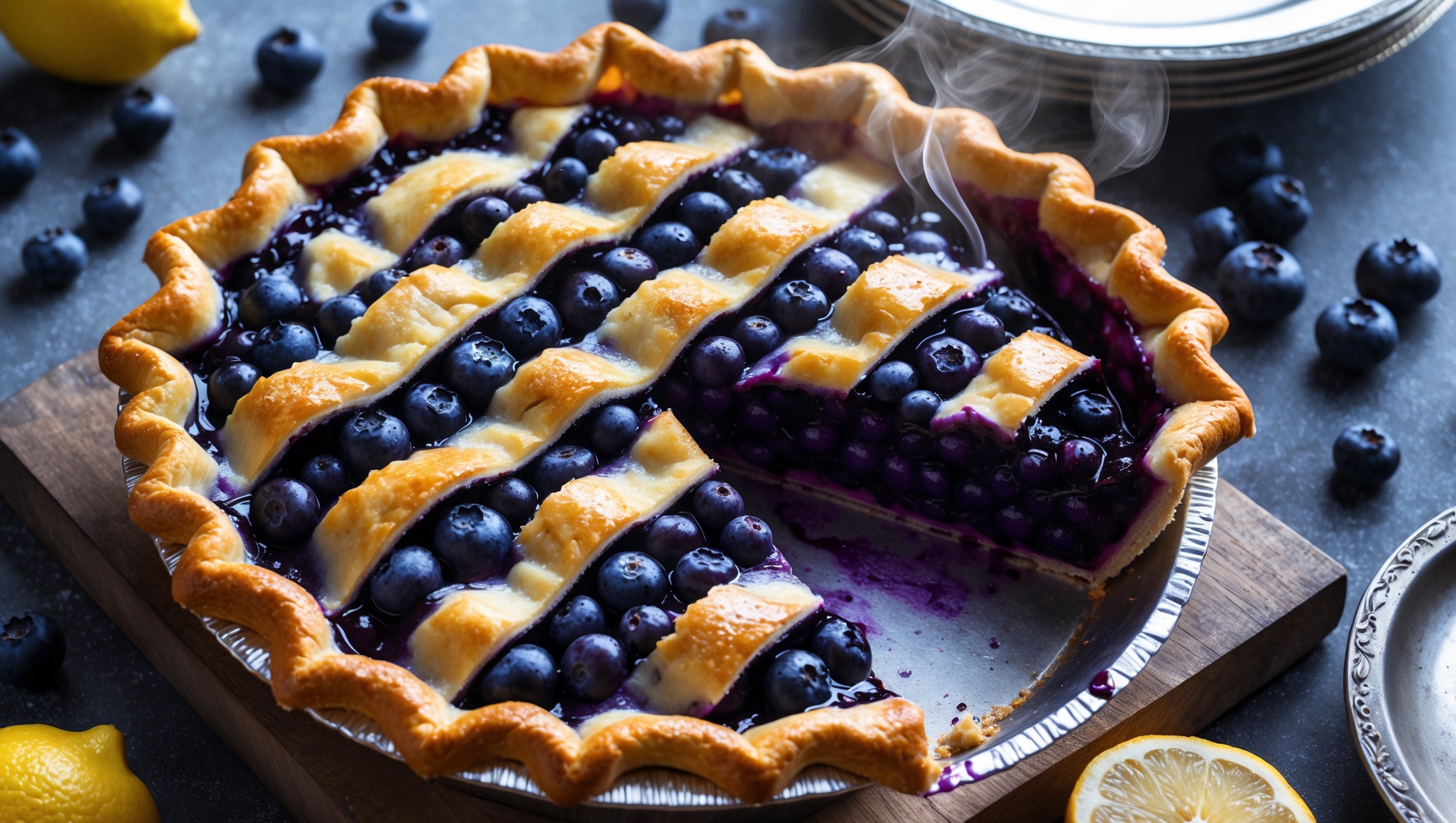
Recipe to try: Blueberry Pie. Blueberries release juice differently from apple slices. Follow this pie’s filling formula and allow its cooked filling to set before cutting.
Protect hands from hot filling
Steam and bubbling sugar syrup can cause burns. Never place your face over a hot vent to smell the fruit or widen a hole with your fingers during baking. Keep children away from the oven door when checking a pie.
How to make a clean slash
Chill soft top pastry briefly when the recipe permits. Use one deliberate motion with a sharp small knife and avoid dragging through the dough, which can stretch or tear layers. The vent should cut cleanly rather than pulling the top out of shape.
Joining the top and bottom crusts
Seal the rims before or while creating vents according to the method. The edge crimp keeps the two sheets together while the opening directs steam through the top. An unsealed rim can leak despite ample centre vents.
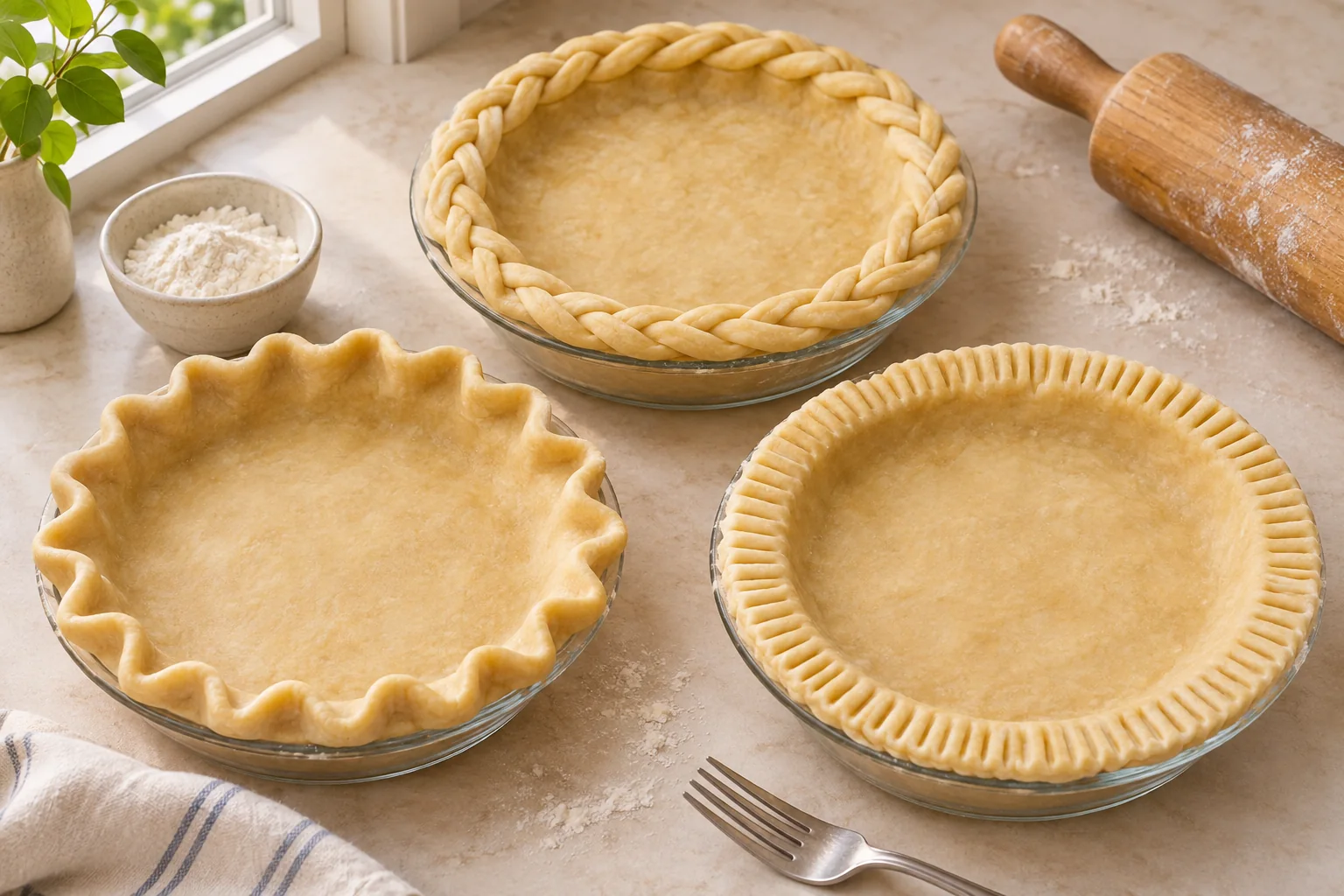
Why vents close during baking
If the slash is too shallow or its edges overlap, expanding pastry may seal it. Thin narrow slits sometimes open naturally as the top rises, while decorative cutouts provide a clearer permanent opening. Follow the recipe and test simple cuts before elaborate artwork.
Vents versus docking
Docking uses many small fork holes, often in an empty tart or pie shell during blind baking, to reduce puffing. A double-crust fruit pie usually needs larger intentional steam vents in the top. Randomly docking the whole pastry lid can create leaks rather than an attractive vented finish.
Egg wash and sugar
Brush an appropriate egg or dairy wash over the pastry in a thin layer, avoiding heavy pooling inside slashes. Decorative sugar can enhance the crust. Keep the vent openings visible rather than filling them with a thick wash or pastry decoration.
How foil shields affect ventilation
An edge shield protects the rim from excessive browning. A loose tent may also limit colour when the recipe requires longer fruit cooking. Avoid sealing foil tightly over all the vents and trapping steam; protect the crust while allowing the filling to continue baking.
Frozen pies and vents
Some recipes cut vents before freezing so the rigid pastry doesn't need to be carved later. Follow the frozen pie method and use equipment safe for temperature changes. A frozen unbaked pie still needs filling doneness checks after baking.
Recipe to try: Fresh Peach Pie. Peaches bring their own moisture and texture. Use this recipe’s preparation and thickener rather than borrowing an apple-pie ratio.
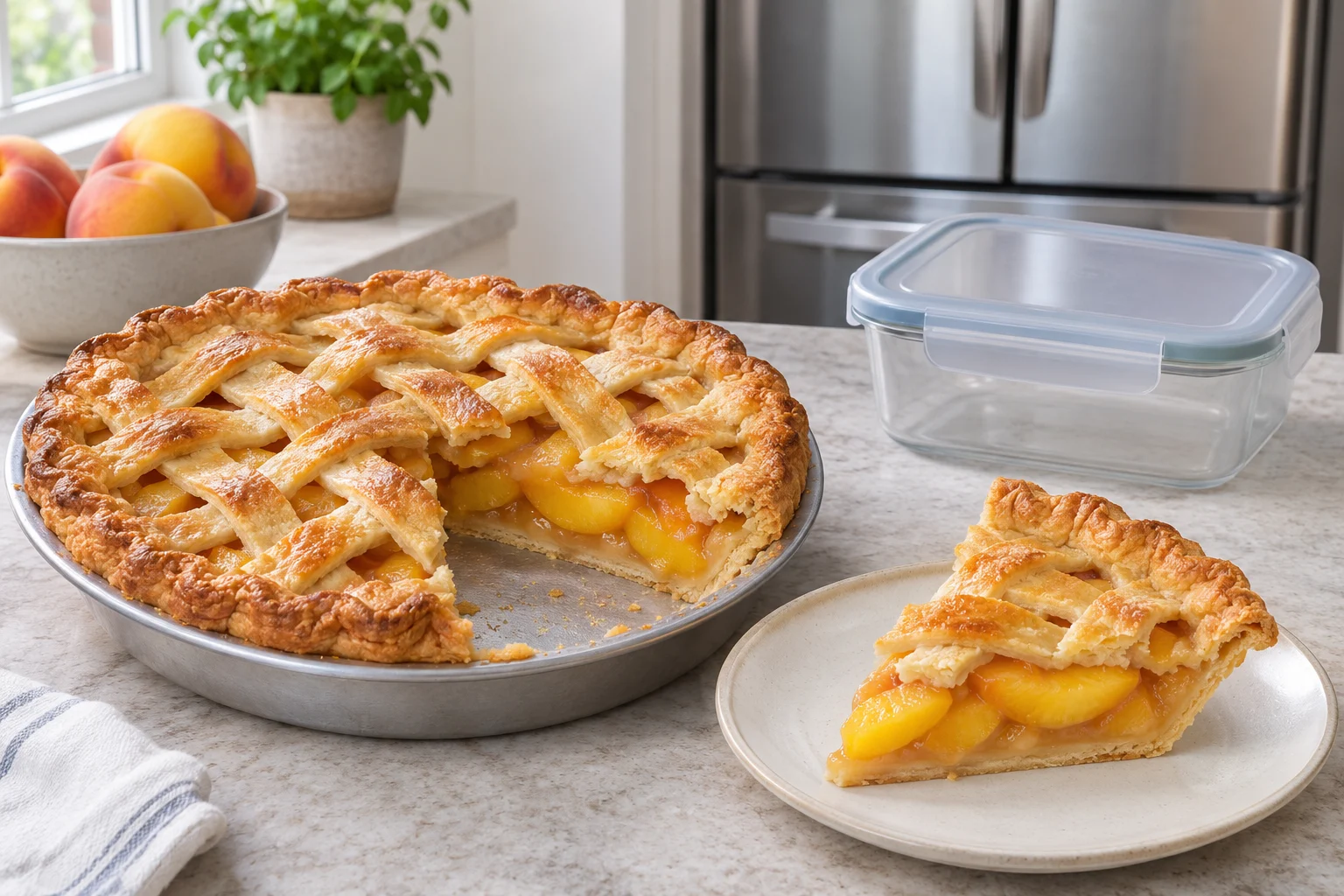
What if juices spill out of the vents?
Some bubbling is normal in many fruit pies. Excessive overflow can indicate a very full pan, too much liquid or inadequate starch. Place a suitable rimmed tray under the pie when directed, and let it cool fully before cutting.
Frequently asked questions
How many vents does a double-crust pie need? Enough functional openings for its size and recipe; several simple slashes are common. Can you vent after baking starts? That is risky and generally not recommended. Are lattice holes vents? Usually yes. Why is my filling runny despite vents? Thickener, cooking or cooling may be the issue.
Let steam escape beautifully
Choose a vent pattern before you bake, cut decisively, keep the edge sealed and watch for the recipe's bubbling endpoint. Steam vents are both a small technical detail and a chance to give your pie its own finishing signature.
IN PICTURES
From the baking notebook
FROM THE RECIPE BOX


