On this page
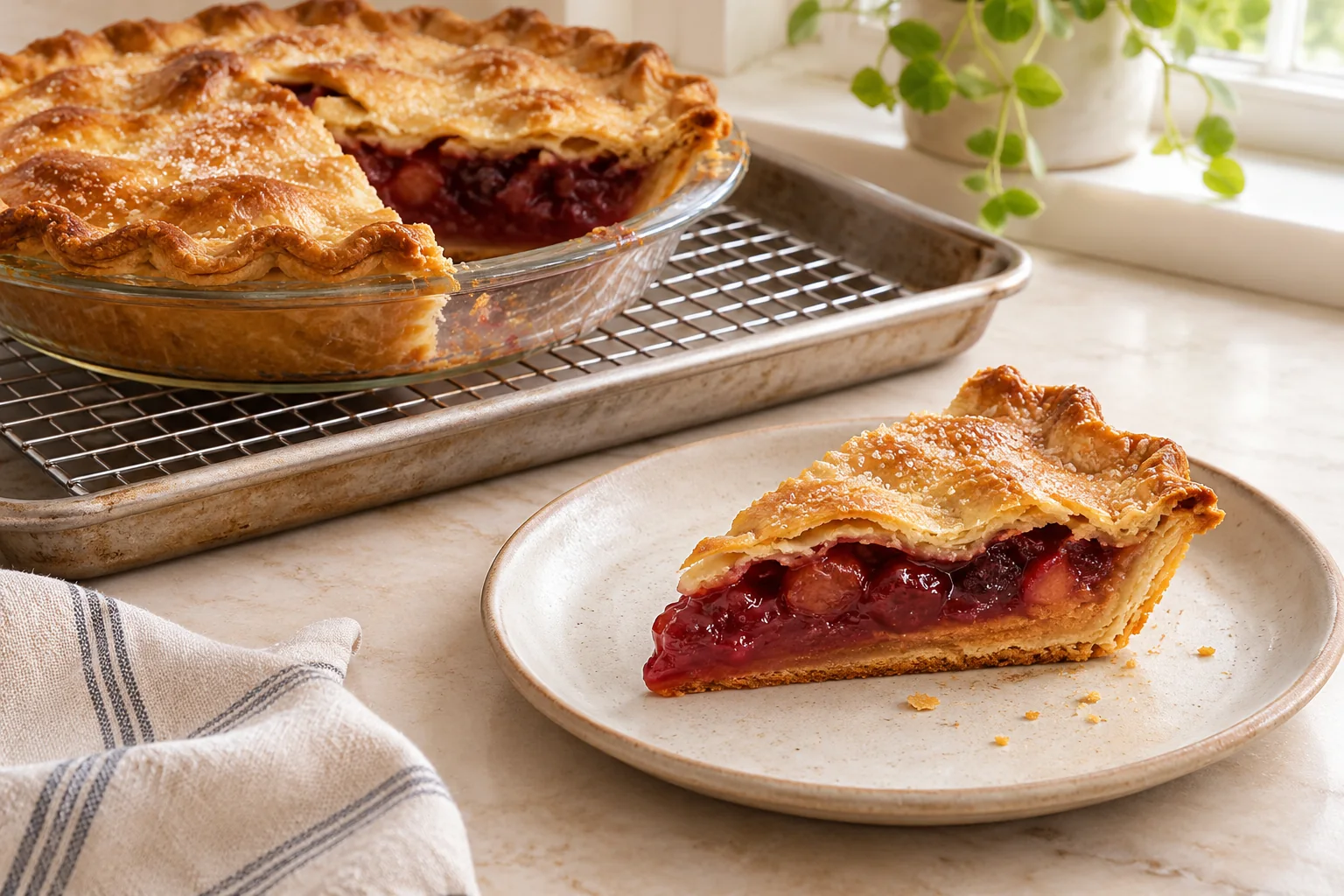
A slice of leftover apple pie should taste warm and fragrant without losing the crispness of its pastry. The quickest reheating method isn't always the best for texture: microwaves warm moist filling quickly but can leave crust limp, while excessive oven heat can burn the edges before the middle warms. The ideal plan depends on whether you're reheating a whole baked fruit pie, an individual wedge or a perishable custard-filled dessert.
Know which pie you're reheating
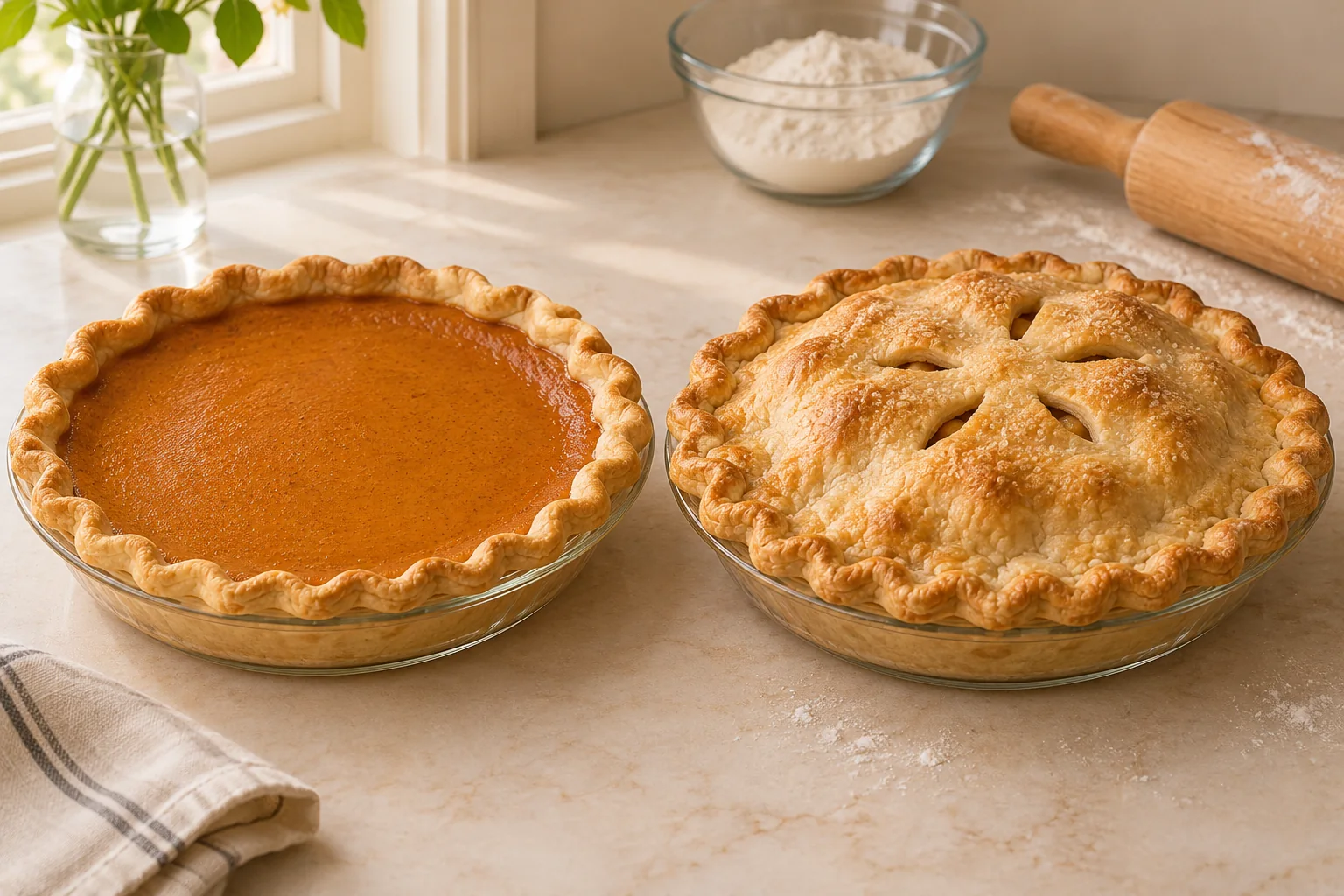
A baked apple or berry pie differs from a pumpkin custard, chocolate cream or whipped-cream pie. Fruit pies may be warmed in the oven when the recipe supports it; cream and custard fillings can separate or become unsafe when handled incorrectly. Use the complete recipe's storage and reheating guidance rather than one universal pie rule.
Let fruit-pie filling set first
If a fruit pie has only just been baked, cool it according to the formula before deciding to reheat later. A properly set filling is easier to cut into portions that stay intact. Reheating a fully cooled slice is different from slicing a hot pie that never had a chance to thicken.
Why the oven helps crust
Dry oven heat can warm pastry while allowing moisture on its surface to evaporate. A microwave preferentially heats water-rich components and can soften the crust, especially when heated for a long time. The oven generally takes longer but is often better for retaining a crisp bite.
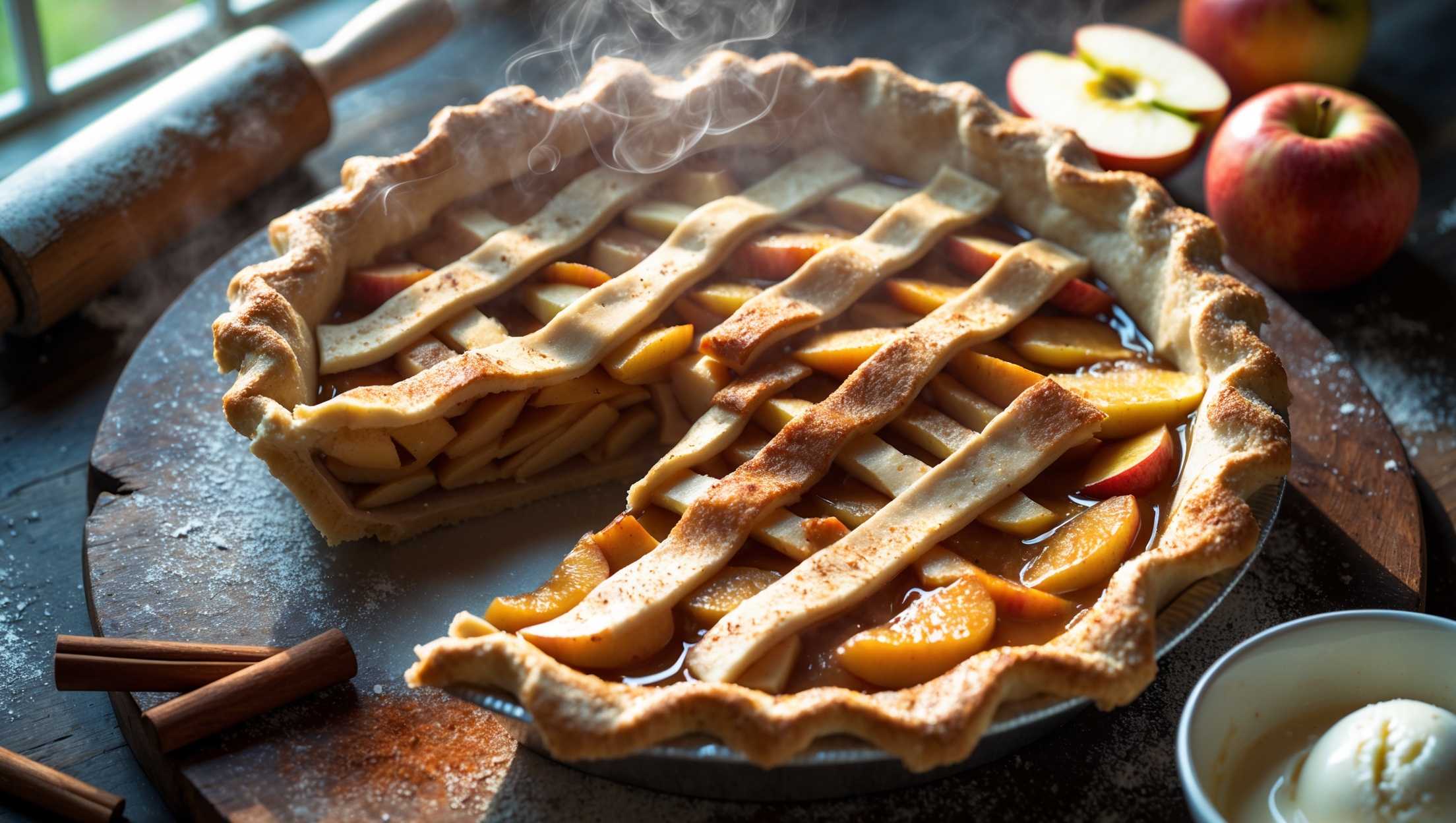
Recipe to try: Classic Apple Pie. Use the apple preparation, filling quantities and pastry method specified for this pie. A different fruit can require a different thickener balance.
Reheat a single portion differently
An individual slice is thinner and has more exposed pastry, so it may warm faster than a full pie. Place it on an oven-safe tray and use a recipe-supported temperature, checking before the crust becomes dark. A small toaster oven can work when the dish and appliance are rated for the heat.
Protect an already dark rim
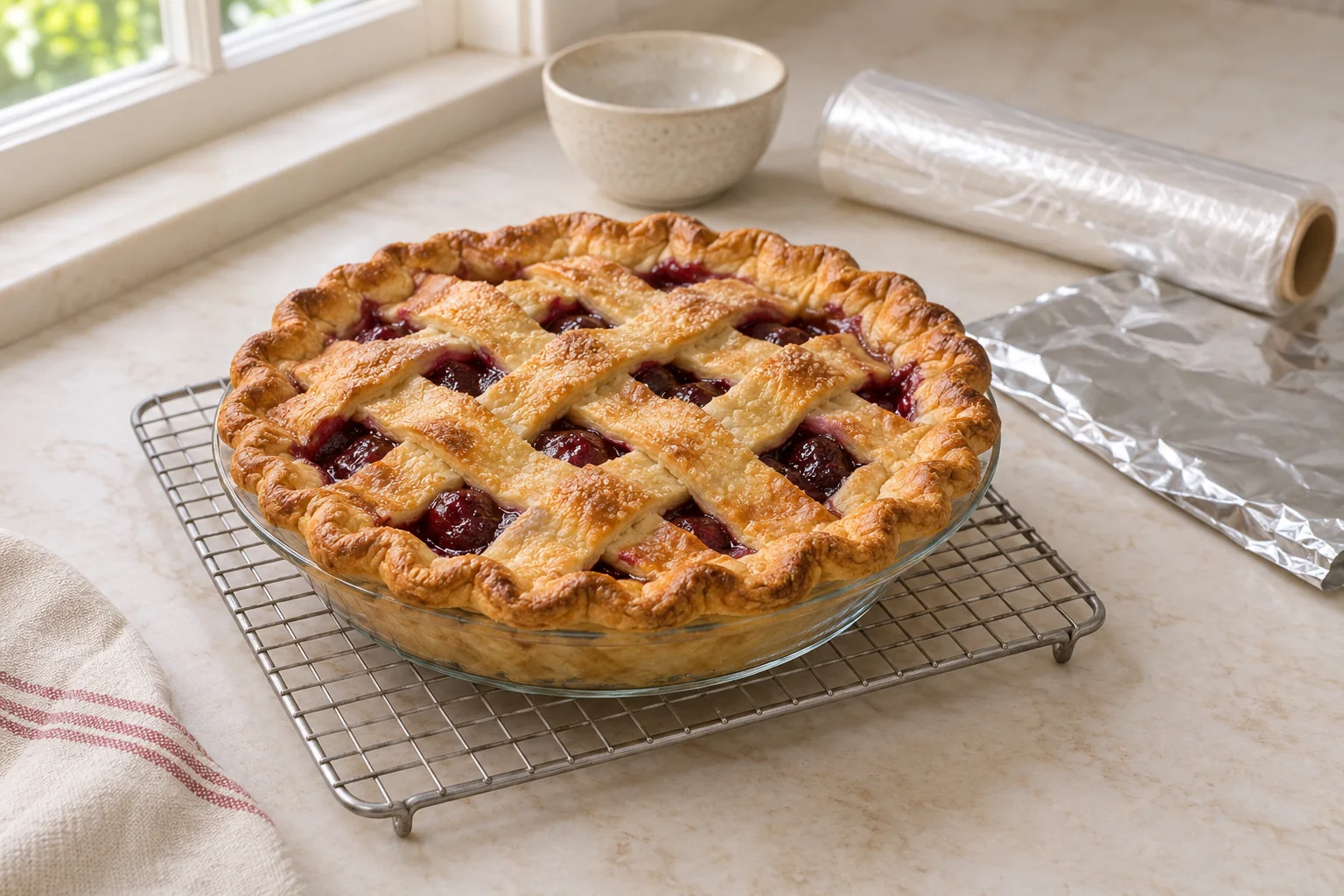
The decorative crimp may be fully browned from its original bake. A loose foil shield can prevent additional scorching while the interior warms. Leave enough space for hot moisture to escape rather than sealing the entire pie in a tightly wrapped packet that steams the crust.
Why tight foil can backfire
A sealed enclosure traps evaporating moisture and can make pastry soft. Use a loose tent when prescribed, adjusting based on the pie's colour and intended texture. Remove or reposition foil only with proper heat protection, since hot filling can bubble unexpectedly.
Use a suitable pan
Set pie or individual slices on a heat-safe metal tray where the recipe permits. Don't place cold or previously frozen glass or ceramic directly into a hot oven unless its manufacturer explicitly approves the temperature change. A cracked baking dish is a far greater problem than a slightly soft crust.
Avoid overheating the fruit
Fruit filling contains sugars and starches that can become very hot before the crust looks especially warm. Overheating may thin the sauce temporarily, produce bubbling overflow or toughen the pastry. Warm only until the dessert reaches the recipe's preferred serving state.
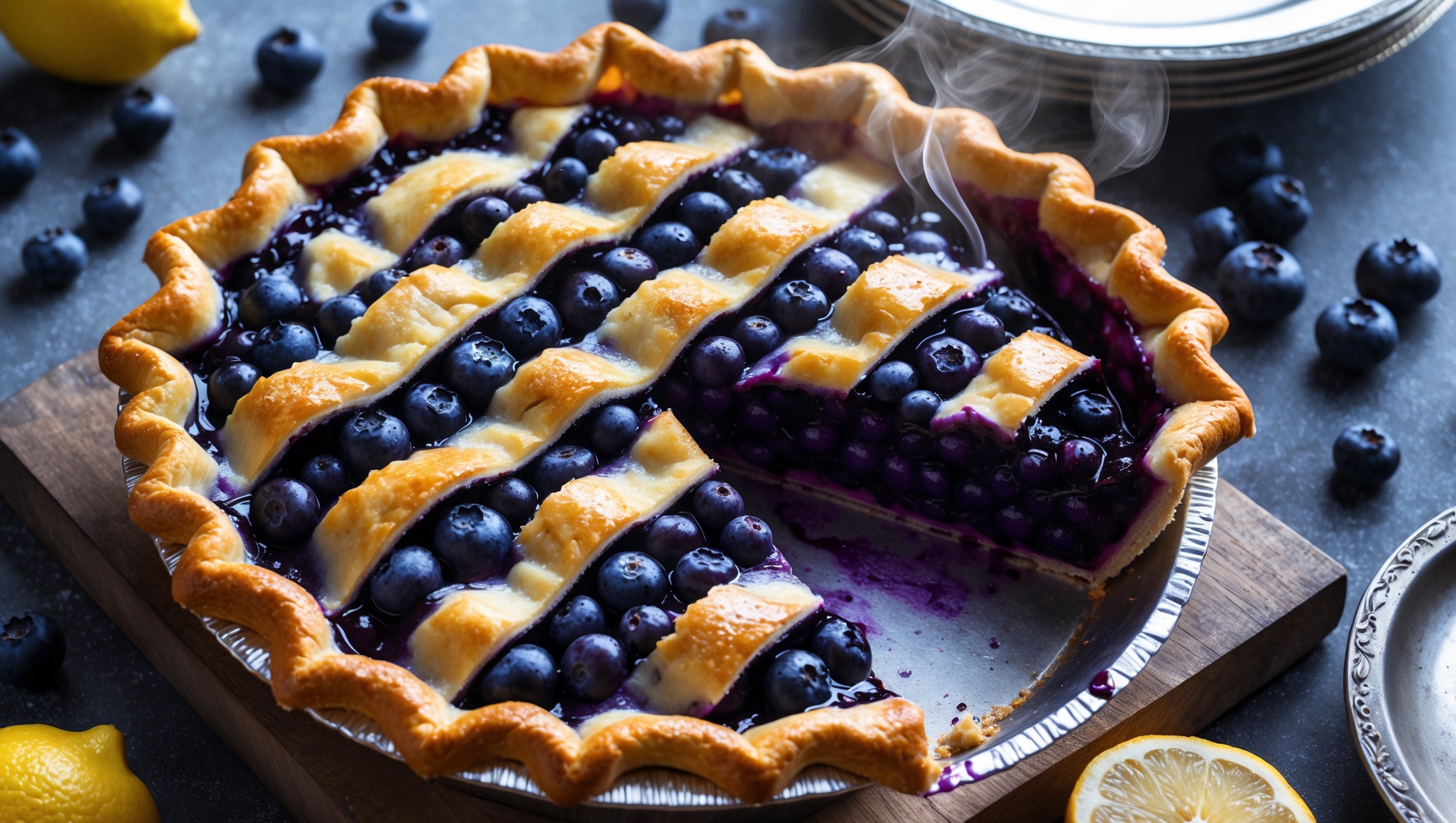
Recipe to try: Blueberry Pie. Blueberries release juice differently from apple slices. Follow this pie’s filling formula and allow its cooked filling to set before cutting.
What about reheating from frozen?
A frozen baked fruit pie requires a formula specifically describing reheating from frozen, which often differs from a chilled pie's schedule. A frozen unbaked pie is an entirely different project and must be cooked through. Never rely on a standard twenty-minute reheat to cook raw frozen pastry and filling.
Microwave as an emergency option
If you need a warm slice quickly, short microwave bursts may heat the filling, but the crust may lose crispness. Some bakers microwave just enough to remove the chill, then use an appropriate oven or air-fryer method to refresh pastry. Follow appliance and recipe guidance, especially for sticky fillings.
Can an air fryer help?
A small air fryer can circulate hot air around an individual plain fruit-pie slice. Use a method tested for the appliance, keep parchment within its temperature and airflow ratings, and monitor exposed edges. A cream-topped or custard-filled pie may not be suitable for this approach.
Cream pies should generally stay cold
Banana cream, coconut cream and chilled pudding pies are intended to be served cold. Oven reheating can melt the filling, separate whipped toppings and compromise texture. Keep these desserts refrigerated at 4°C (40°F) or below and follow the recipe's serving rules.
Pumpkin and egg-custard pies
These are perishable and need prompt refrigeration. Some recipes specify serving chilled or at a controlled cool temperature rather than reheating. Don't improvise oven warming without an appropriate method because the custard may overcook or weep.
Store the pie correctly before reheating
Keep pies protected from drying and follow recipe-specific food safety. Perishable fillings should remain refrigerated. For a fruit pie, avoid exposing the cut edge to air overnight. A well-stored slice is easier to refresh than one that has already dried out.
When the bottom stays soft
Check whether the original pastry was fully baked, whether the filling was unusually wet and whether steam was trapped during storage. Reheating can improve surface crispness but cannot completely restore a base saturated with fruit juice for days. For the next pie, adjust baking and storage at the source.
What if the crust becomes too hard?
Overheating or repeated warming can drive off moisture and create a brittle pastry. Reheat only the portion needed, avoid prolonged hot holding and cover a darkening rim appropriately. Repeated reheat-and-cool cycles rarely improve texture.
Serving with ice cream
If topping the pie with ice cream, warm the fruit slice first and add a scoop just before serving. This keeps the pastry from sitting beneath melting dairy for too long. Treat whipped cream and ice cream as perishable additions with their own storage requirements.
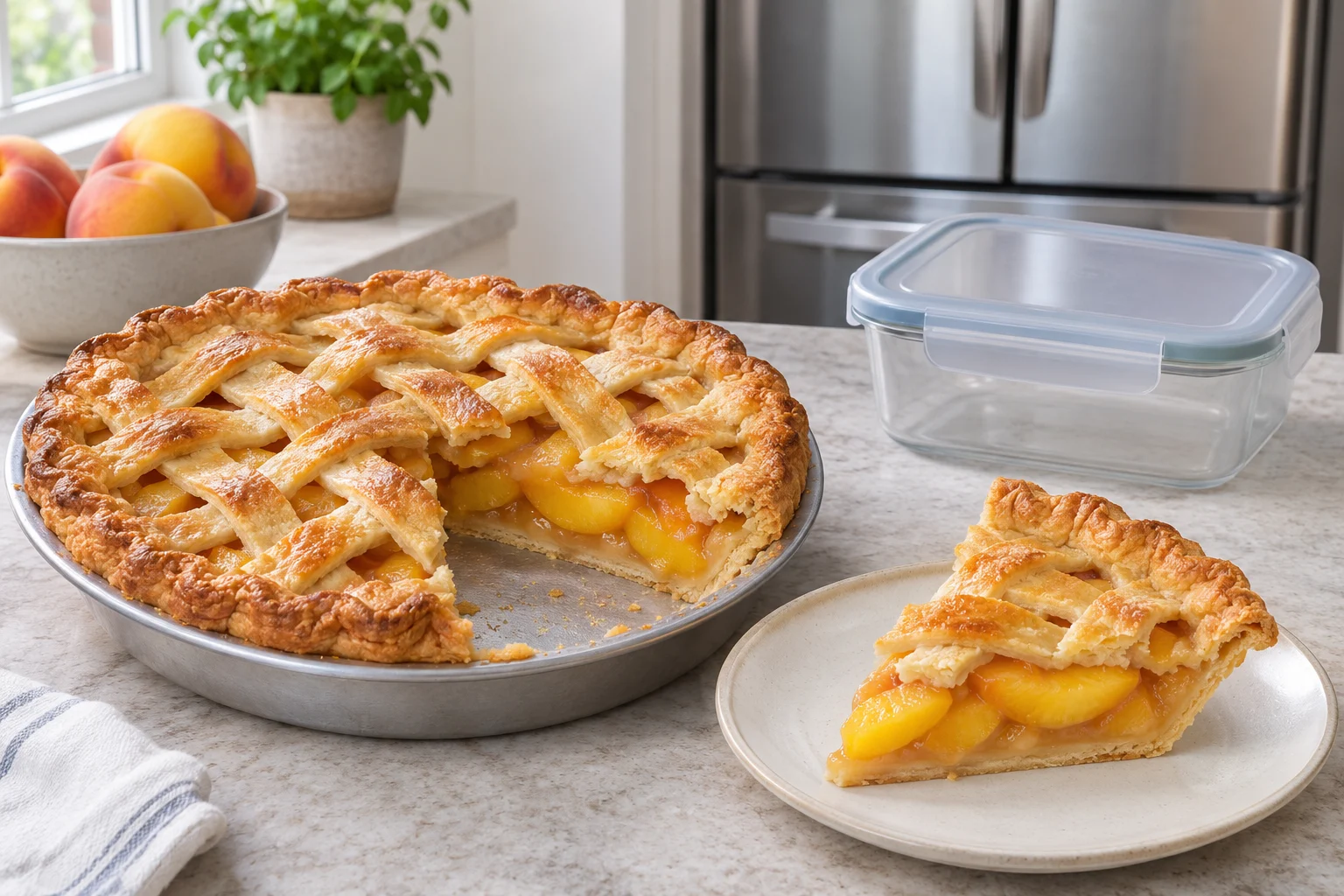
Recipe to try: Fresh Peach Pie. Peaches bring their own moisture and texture. Use this recipe’s preparation and thickener rather than borrowing an apple-pie ratio.
Frequently asked questions
Is oven reheating better than microwave? Often for crust texture. Should foil be tight? Usually not for crispness. Can a whole pie be warmed again? Many baked fruit pies can, under a tested method. Can you reheat custard pie? Follow its specific recipe, and don't treat it like fruit pie.
A better leftover slice
Cool and store the original pie properly, choose a dry-heat method for baked fruit pastry, protect already-browned edges and warm only what you need. For cream pies, keep the filling cold and let the pastry's original texture be the star.
IN PICTURES
From the baking notebook
FROM THE RECIPE BOX


