On this page
Six friends can pass a warm quiche around the table. Twelve guests need a second serving dish, and a party of twenty needs someone who can find the coffee filters while you take the eggs out of the oven. Start with the size of the gathering and build a menu around the work you can comfortably do in its last fifteen minutes.
Begin with four planning questions
How many guests are confirmed? Is the event seated or buffet-style? What time do people arrive? What dietary needs and kitchen capacity matter? Write those answers before choosing recipes. A three-hour open-house brunch and a one-hour plated family meal have different portion and serving plans. The format drives the menu rather than the other way around.

Give every menu a substantial anchor
Whether cooking for six or twenty, choose one dependable main with a known recipe yield: breakfast casserole, quiche, frittata or pancake course. This gives the shopping list a foundation. Add fresh fruit, perhaps a pastry, and a beverage plan. Resist building a menu entirely from unrelated side dishes that each require a different pan and cooking time.
Choose the pan for Breakfast Casserole first. The fruit, bread and drinks can all be served without claiming its spot in the oven.
The six-person menu
For six, serve asparagus and Brie quiche, cut fruit and a basket of scones. The quiche recipe makes eight slices, enough for everyone to take one and two people to have seconds. One person can bring the quiche to the table while another pours coffee. If the group would prefer a sweet main, switch the quiche for pancakes and set out yogurt with the fruit. Give yourself one dish whose timing matters and let the rest wait for the guests.
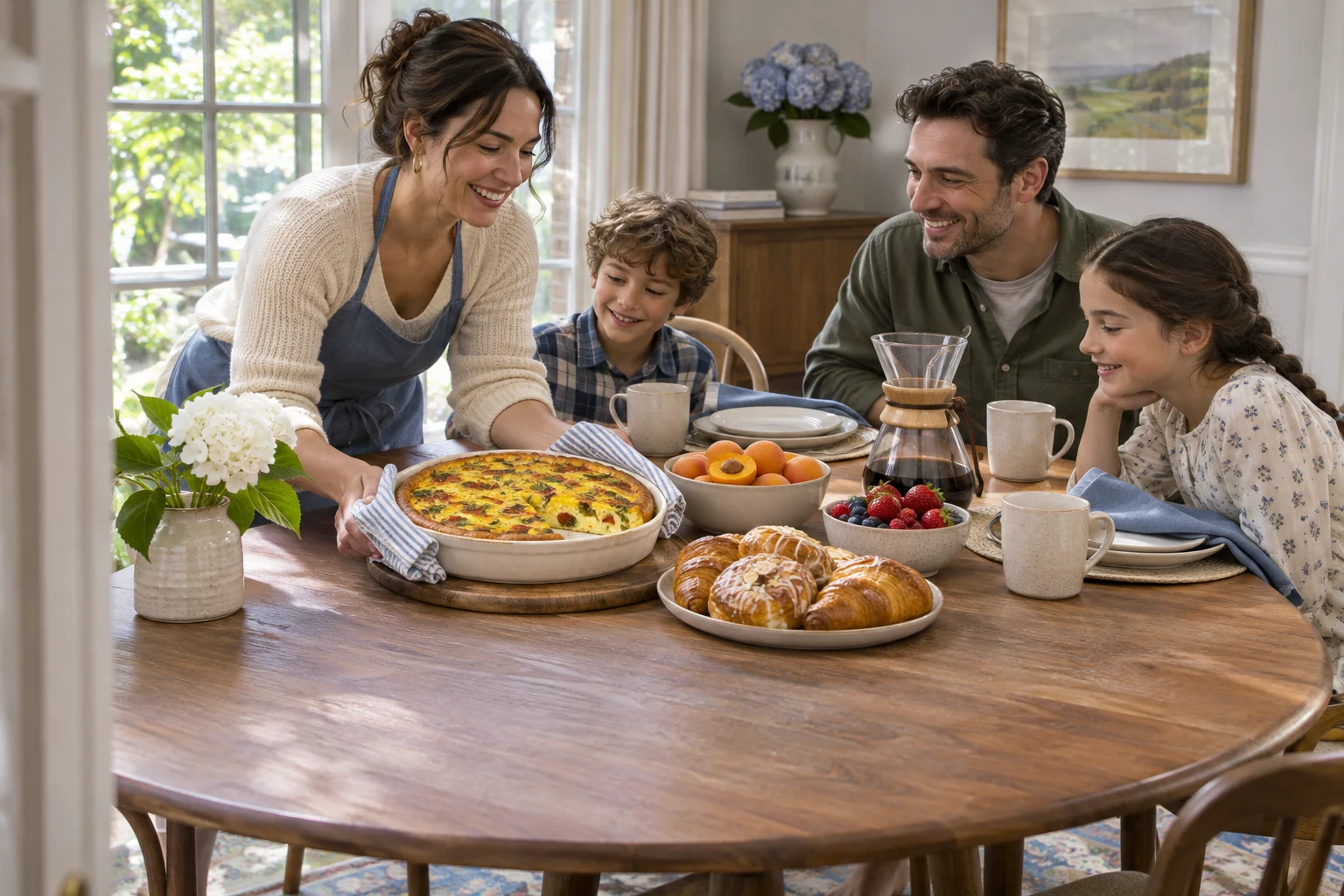
For six around one table, Asparagus and Brie Quiche gives you a centrepiece you can cut at the table and pass with a bowl of fruit.

The six-person cooking timeline
The evening before, lay the table, measure the coffee and prepare the quiche pastry as its recipe directs. In the morning, bake the quiche early enough for its scheduled rest. Use that rest to cut the fruit and bring a pitcher of water to the table. Leave seasoning and dressing until serving so the fruit stays fresh.
If you choose Scrambled Eggs for a small group, have the plates, bread and coffee ready before the eggs go into the pan.
The twelve-person menu
For twelve, build the menu around a spinach and ricotta quiche and a tray of pancakes cut into squares. Add yogurt, a bowl of berries and water or punch. One tray makes twelve pancake squares, and the quiche makes eight slices. If everyone will want a whole savoury slice, plan a second quiche. If there is one oven, give the quiche the earlier slot and make the pancakes closer to the meal.
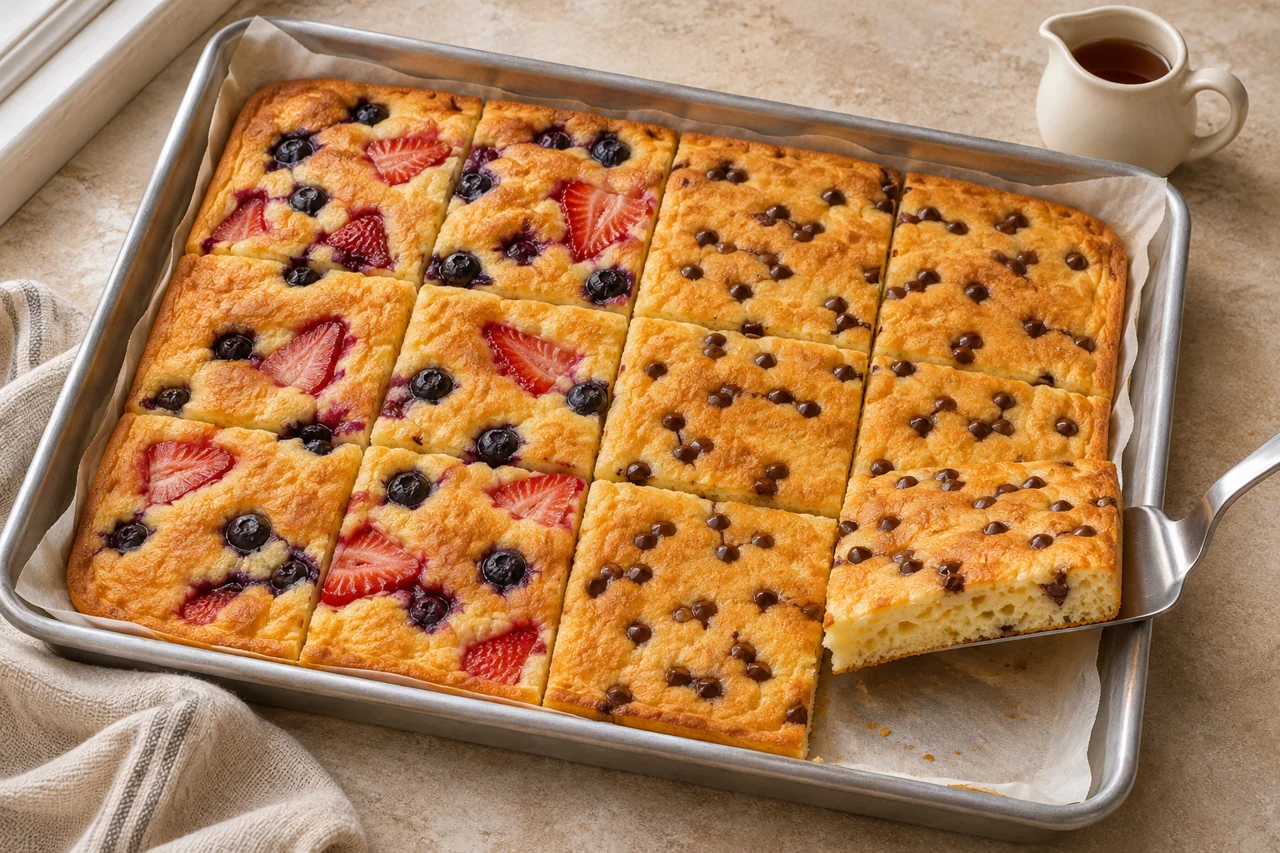
For twelve, Sheet Pan Pancakes lets the cook cut squares from one pan while everyone is still sitting down together.
The twelve-person kitchen strategy
Use two pans or successive batches sized for the oven rather than doubling batter in a single deep pan. Check that pans fit side by side with space for airflow. Prepare dishes that tolerate a short recipe-approved hold and reserve the stovetop for eggs or warming syrup. A single helper to replenish fruit and cups can make a noticeable difference.
Serve Baked Oatmeal from its baking dish and set out toppings in small bowls. Guests can serve themselves while you finish the savoury dish.

The twenty-person menu
For twenty, choose a potato-and-egg casserole and individual egg muffins, with blueberry muffins, sliced fruit and a pitcher of punch alongside. The Amish breakfast casserole makes twelve portions, and one egg-muffin batch makes twelve individual muffins. If the muffins are a guest’s main, plan more than one per person and bake an extra tray as needed. Ask about dietary needs and reserve suitable portions before the buffet opens. Label each hot dish and divide each cold dish between two serving bowls, keeping the refill chilled until needed.
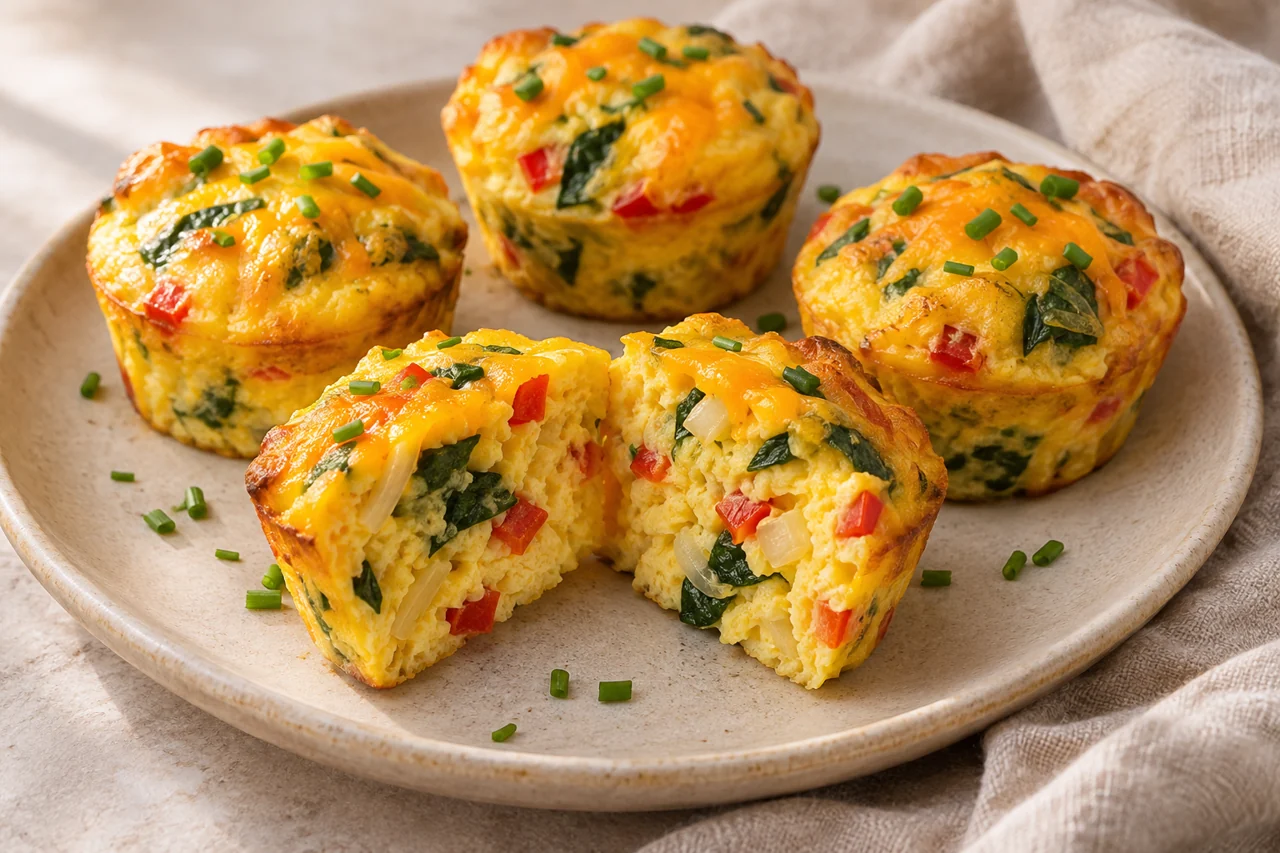
For twenty, bake Breakfast Egg Muffins in batches and count the individual portions before dividing them between the serving and refill trays.
The twenty-person service plan
Separate drinks from the food queue and create accessible serving points. Duplicate popular basics such as bread, fruit and napkins if the table is long. Have a helper manage replenishment and safe hot and cold storage. Write down which dish is removed from the oven when and who will carry it. You need a service plan as much as a cooking plan.
Put half the Lemon Poppy Seed Muffins out at a time. A second plate of intact muffins is easier to carry through a busy room than one overflowing platter.

Portion math with real recipe yields
Make two columns on the shopping list, one for items and one for servings. Twelve individual egg muffins are twelve items. If you plan two per adult as a main, that tray gives six main servings. In contrast, the casserole recipe already counts its yield in portions. Do this conversion before adding up what your menu can feed. If seven guests need the vegetarian main, assign seven full portions to them before counting servings available to everyone else. Write the planned portions beside the name of each pan.
Start your shopping list with the yield and pan size in Cheesy Amish Breakfast Casserole. Work out how many pans will fit before multiplying the ingredients.
Egg and dairy planning
A menu with strata, quiche and yogurt may use substantial eggs and dairy across dishes. Combine ingredient quantities on one shopping list rather than buying separately recipe by recipe. Be realistic about refrigerator capacity before preparing several egg-and-dairy casseroles overnight. Keep perishable food cold and cook eggs and casseroles to safe recipe endpoints.
If pastry is already on the menu, Crustless Quiche gives guests an egg dish they can eat with a fork without adding another crust to the plate.
How much bread and pastry?
If the main is savory, plan a modest portion of bread or one small pastry per person rather than several full bakery treats. When waffles are the star, bread may be unnecessary. Use the actual size of rolls, bagels and croissants. A tray of twelve enormous muffins will feed differently from twelve mini scones. Portion based on the intended menu.
Bake Cranberry Orange Scones in counted wedges so you can set aside a second helping for each table before the first platter goes out.

Coffee and beverage quantities
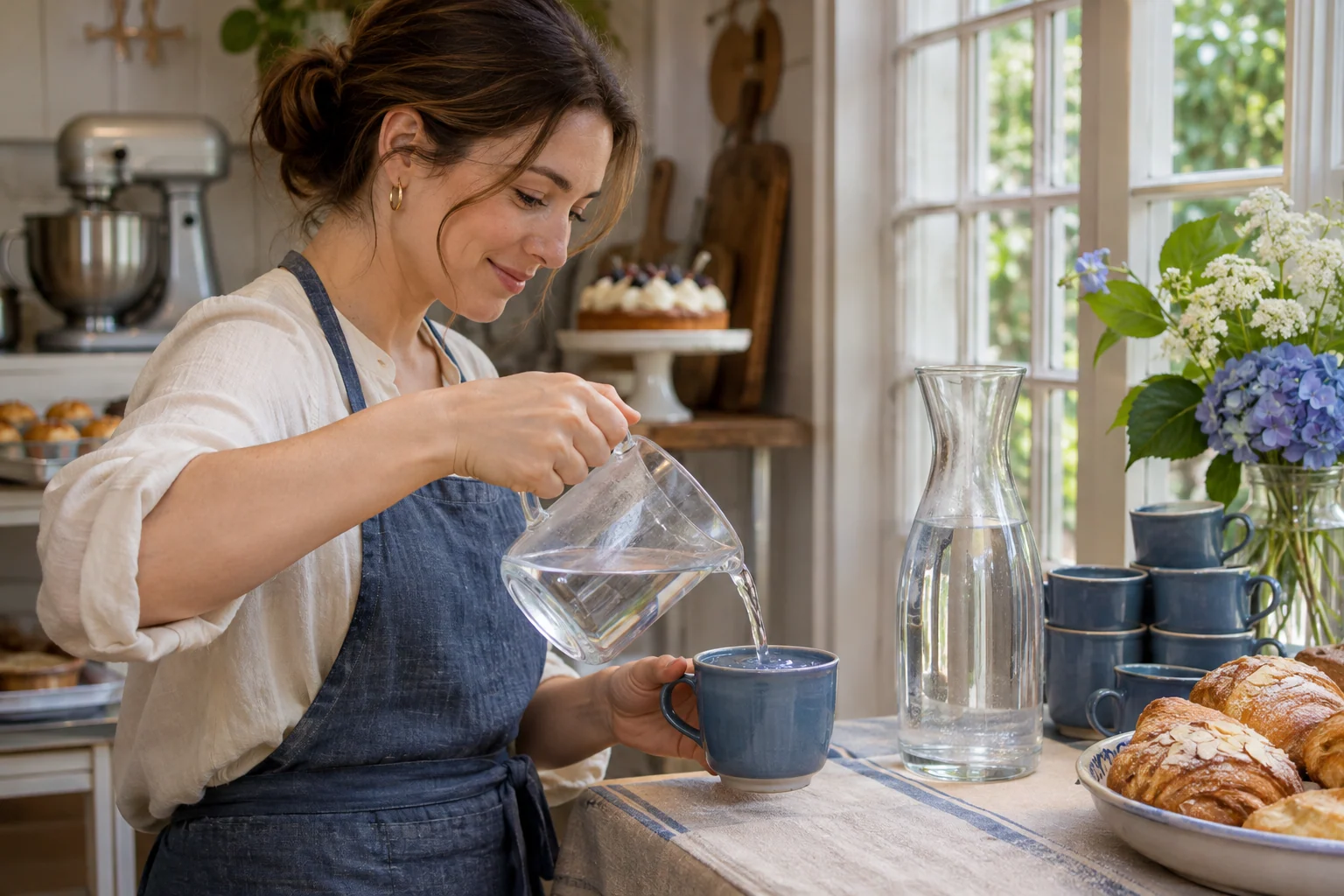
Count people who drink coffee and the size of the cup you will actually use. Eight coffee drinkers taking two 180 mL cups each need about 2.9 L. A carafe marked “ten cups” may hold much less than ten mugs. Fill it with water once to measure its capacity, then decide when the second pot needs to start.
Put Kid-Friendly Easy Punch beside the water at a separate drinks station so children getting a refill can skip the hot-food queue.
Balance oven and stovetop tasks
Assign recipes to equipment: casserole and pastries need oven time, scrambled eggs use a skillet, coffee needs the machine, fruit needs a clear counter. If everything needs the oven at ten o'clock, revise the menu. Replace one hot item with a make-ahead cold side or choose a bake that can be prepared earlier. Kitchen capacity is a real menu constraint.
Read the oven setting for Spinach and Ricotta Quiche before assigning another bake to the same shelf. Different temperatures call for different time slots.

Make a backward schedule
Work backwards from the first plate. Write the serving time at the bottom of a sheet, then enter the rest, bake and preheat times for each hot dish above it. Mark the oven temperature beside each pan. If two dishes need the same shelf at the same time, move one earlier or exchange it for a cold dish before you buy the ingredients.
The day-before checklist
Purchase ingredients, check serving dishes and utensils, prepare approved make-ahead components and label items requiring refrigeration. Wash produce and organize drinks. Avoid leaving raw egg casserole or cut fruit out overnight. A careful evening setup should reduce morning tasks, not create food-safety risks or a cluttered refrigerator.
Make Homemade Granola ahead, cool it completely, and bring it out in a separate bowl so it stays crisp beside yogurt.

The morning-of checklist
Turn on the oven as needed, arrange the buffet route, prepare the long-cooking main, brew drinks closer to service and finish delicate foods last. Keep cold items refrigerated until needed. Set out dedicated serving utensils and labels. Test the first pancake or waffle before starting a large batch, so the griddle heat is correct.
A buffet for mixed ages
Small children may prefer mini pancakes or softer fruit, while adults may choose savory casseroles. Provide age-appropriate portions and avoid whole grapes, whole nuts or other choking hazards for young children. A separate low-stress serving area may help families. Do not assume every guest wants the same portion or spice level.
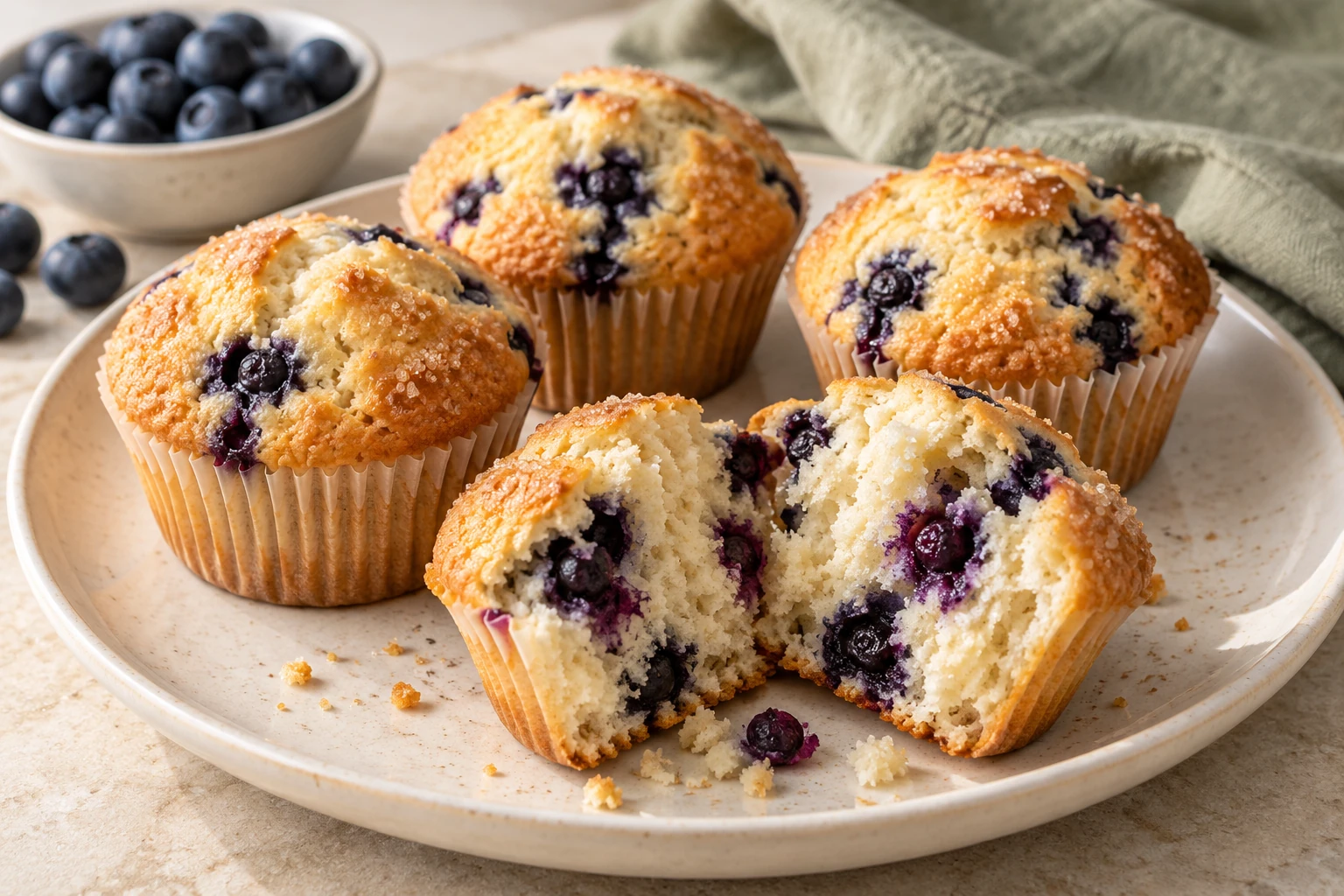
Set Blueberry Muffins within reach on the cool side of the buffet. Put the serving utensils for hot egg dishes farther back.
Allergens and dietary needs
Ask about restrictions early and plan meaningful choices, not only a bowl of fruit for someone who cannot eat eggs or dairy. Use separate utensils and proper preparation to limit cross-contact. A shared buffet labelled nut-free cannot guarantee safety if the same utensils touch nut-containing pastries. In high-risk cases, individually prepared items may be necessary.

Choosing between buffet and plated service
A plated meal suits a small group with a fixed menu and reliable seating. A buffet offers flexibility for twelve or twenty but requires more serving equipment and temperature control. For twenty, a hybrid approach can work: offer a main dish already portioned and let guests add fruit or pastry themselves. Choose what fits both guests and kitchen.
What if guests arrive late?
Give late arrivals a plate from portions you have held safely. Keep hot food at 60°C (140°F) or hotter and cold food at 4°C (40°F) or colder. Put out a fresh tray when needed. Count the time a dish has spent out across the whole meal, and discard perishable food that has been at room temperature for more than two hours.
Weather and season affect the menu
A hot summer brunch may suit fruit and lighter bakes, but warm conditions complicate holding dairy and eggs. A winter gathering can emphasize casseroles and hot drinks. Seasonal fruit reduces cost and often improves flavor. Do not use an outdoor balcony or garage as a substitute for controlled refrigeration; temperature swings are unpredictable.
Keeping the budget sensible
Choose one standout bake rather than several expensive specialty items. Eggs, potatoes, seasonal fruit and homemade bread can form a generous menu. Buy repeated ingredients across dishes where that makes sense, but avoid so much overlap that everything tastes the same. A thoughtful budget often produces a calmer shopping and cooking plan.
One Sour Cream Coffee Cake Bundt can supply the sweet course. Slice it before service so every plate gets a share without buying several kinds of pastry.
Leftovers and cleanup
Plan containers and refrigerator space before cooking. Replenish perishable food in small batches and follow safe time and temperature guidance for leftovers. Keep crisp pastries separate from wet fruit during storage. Place a discreet collection area for used plates and mugs so the buffet remains clean and accessible.

A final scale comparison
For six, prioritize one signature main and close-to-service cooking. For twelve, coordinate two manageable mains and delegate simple refills. For twenty, simplify the menu, repeat reliable recipes and set up an actual buffet service. The number of dishes need not grow in proportion to the guest count; quantity and logistics do.
Frequently asked questions
Can one casserole feed twenty? Only if its tested yield and portions support that, and multiple pans may be safer. Must every guest eat every food? No. Can all dishes be made ahead? Different recipes have different requirements. Is a buffet necessary for twelve? Not always. What saves the most stress? A manageable menu, backward schedule and sensible help.
Build the gathering around enjoyment
Choose the job you want to be doing when the doorbell rings. If it is pouring coffee, plan a menu that is already baked. If it is turning pancakes for six friends at the counter, let the fruit and drinks look after themselves. Scale up the number of portions first, and add another dish only when it earns a place.
IN PICTURES
From the baking notebook
FROM THE RECIPE BOX


