On this page
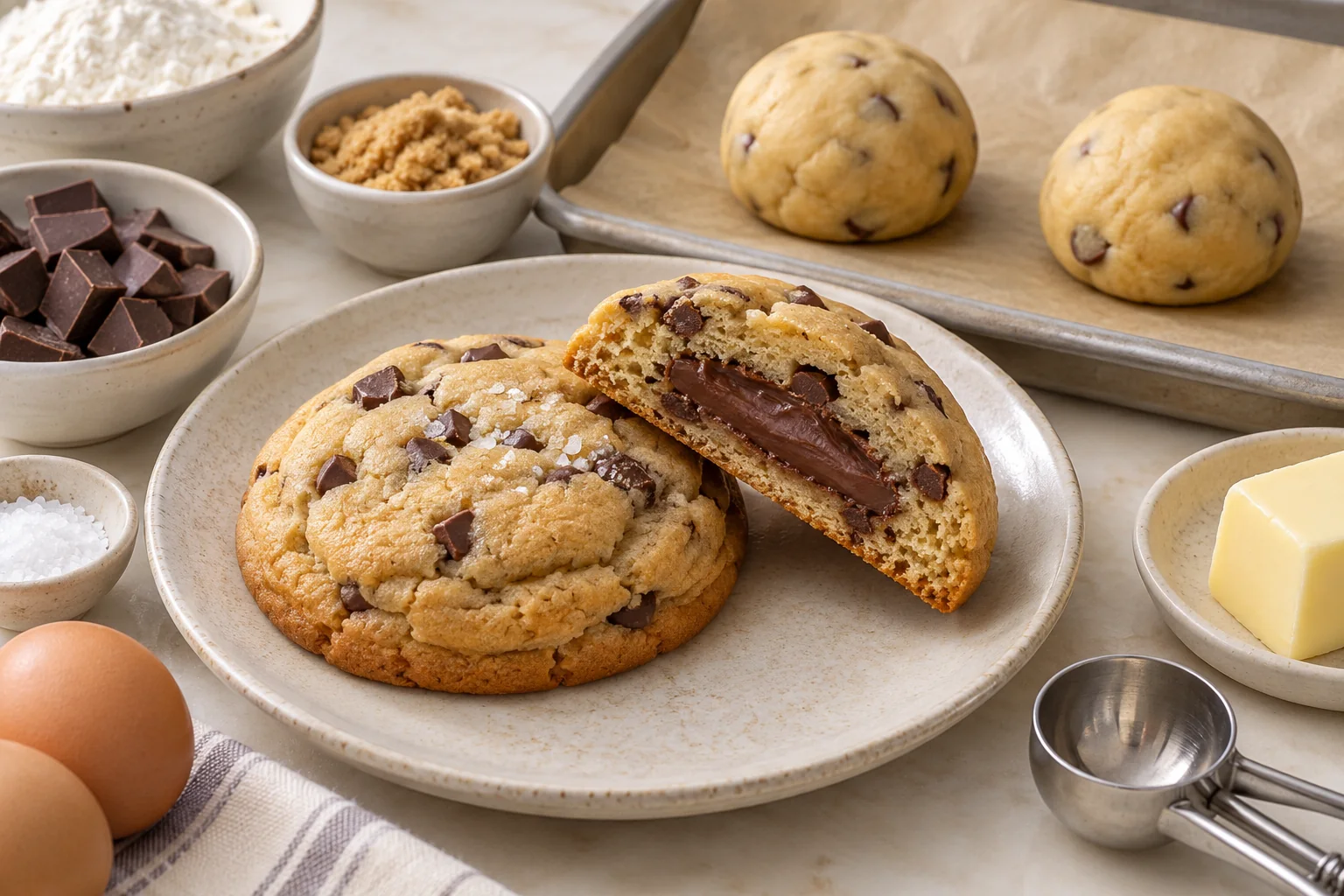
Break open a stuffed cookie and a soft centre of chocolate, caramel or nut butter can turn an everyday bake into something memorable. But filled cookies are also easier to get wrong: warm filling leaks through the seam, oversized centres prevent the dough from setting, and high oven heat can create a hollow shell around a burnt puddle. A reliable stuffed-cookie recipe designs the wrapper and filling to bake together.
The linked cookie recipes below are unfilled alternatives for comparing dough textures. They are not instructions for converting those doughs into stuffed cookies.
Pick a tested stuffed-cookie dough
A conventional thin-and-crispy cookie dough may spread too much to contain a generous filling. Stuffed cookies often use a thicker dough that can be portioned and sealed around a measured centre. Start with a recipe specifically developed for the filling instead of inserting a spoonful of spread into any dough.
Recipe to try: Classic Chocolate Chip Cookies. This is an unfilled cookie recipe for comparing texture. Keep its formula intact; choose a separate tested stuffed-cookie formula for a filled centre.

Choose a filling suited to heat
Chocolate spread, ganache, peanut butter, caramel and cheesecake-style fillings behave differently in the oven. Some stay thick; others melt rapidly or release moisture. Use the filling and quantity specified by the recipe, especially when dairy or raw egg is involved.
The filling should not be excessive
A very large soft centre leaves too little cookie dough to create a stable shell. Weigh or measure each portion. The aim is a noticeable surprise in the centre with enough surrounding dough to bake completely, not a thin film that splits under pressure.
Why chilling filling helps
Some recipes portion fillings onto parchment and refrigerate or briefly freeze them so they are firm enough to wrap. This makes assembly easier and slows early leakage. But freezing isn't a universal trick; certain fillings separate, become rock-hard or fail to bake properly when treated that way.
Portion the wrapper evenly
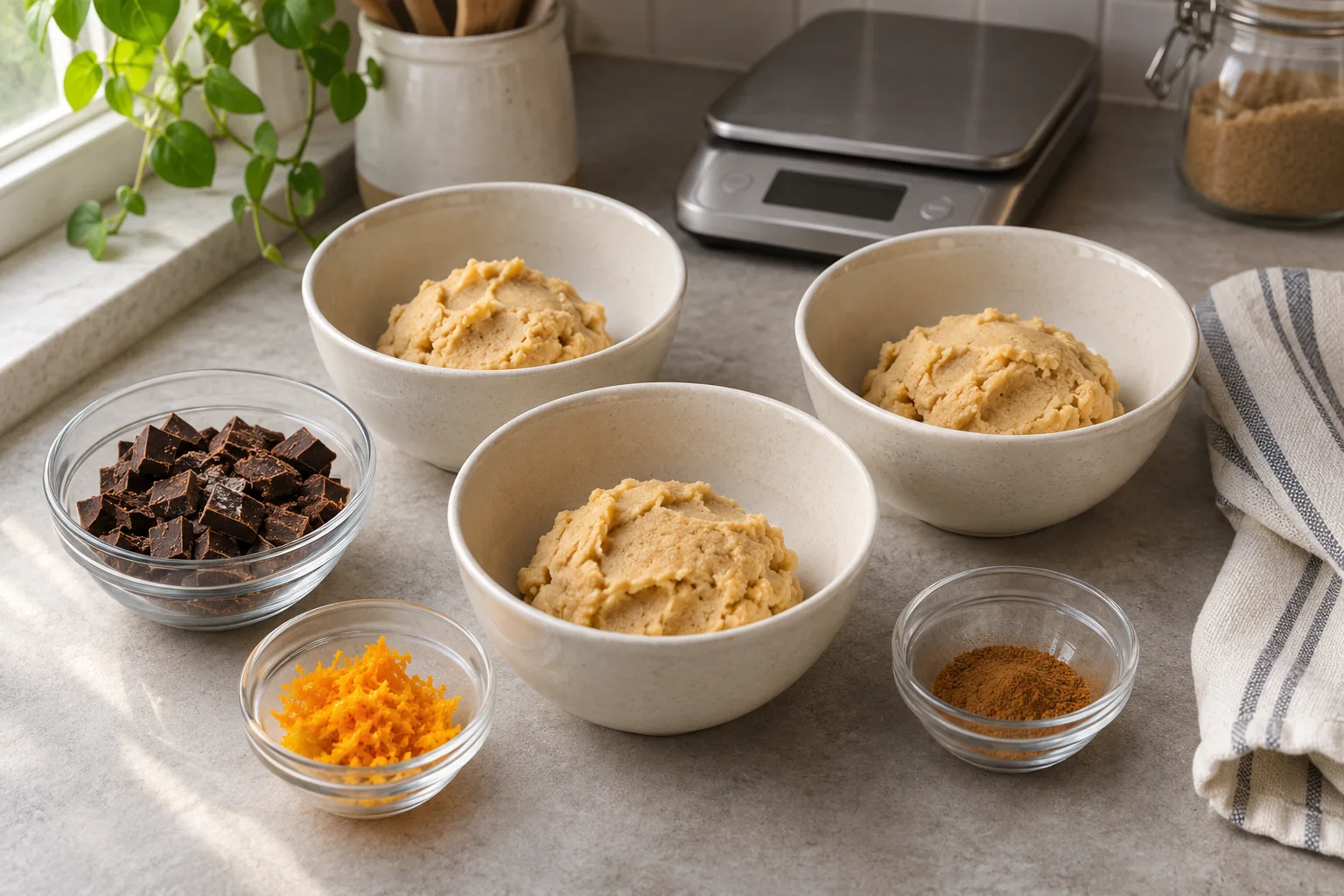
Divide cookie dough into matching amounts and flatten each portion as directed. A consistent shell thickness gives the centre similar insulation in every cookie. Very thin bottoms can leak while thick tops stay underbaked, so pay attention to the dough beneath the filling.
Keep the filling in the centre
Place the chilled or measured filling away from the edges, leaving enough clean dough to close the wrapper. Smearing chocolate across the seam prevents dough surfaces from adhering. A small offset spoon or clean fingertips help position sticky fillings.
Seal every seam
Bring the dough edges together around the filling, pinch gently and roll or shape so no visible opening remains. Avoid squeezing the entire cookie flat. An exposed centre gives melted filling a direct escape route during baking.
Consider seam orientation
Some stuffed-cookie formulas direct you to place the sealed seam down on the tray; others specify seam up for a particular shape. Follow the recipe's method. In either case, a complete seam matters more than a decorative surface pattern.
Why dough temperature matters
Warm butter dough can spread before the outside sets, stretching seams until they break. A recipe-supported dough chill can help preserve shape. Chilling too long without an adjusted baking schedule may leave a thick raw centre, so follow the stated time.
Pan and tray preparation
Use the recommended parchment or baking mat and a tray with enough space between cookies. Stuffed cookies often spread unpredictably if the dough is warm. A crowded tray can cause neighbouring pools of melted filling to join.
Don't overheat to seal quickly
Increasing oven temperature drastically may brown the shell before the thick central dough bakes. Use the formula's temperature and bake time. A rich filling containing sugar can become dangerously hot even when the cookie's exterior is merely golden.
How to tell when stuffed cookies are baked
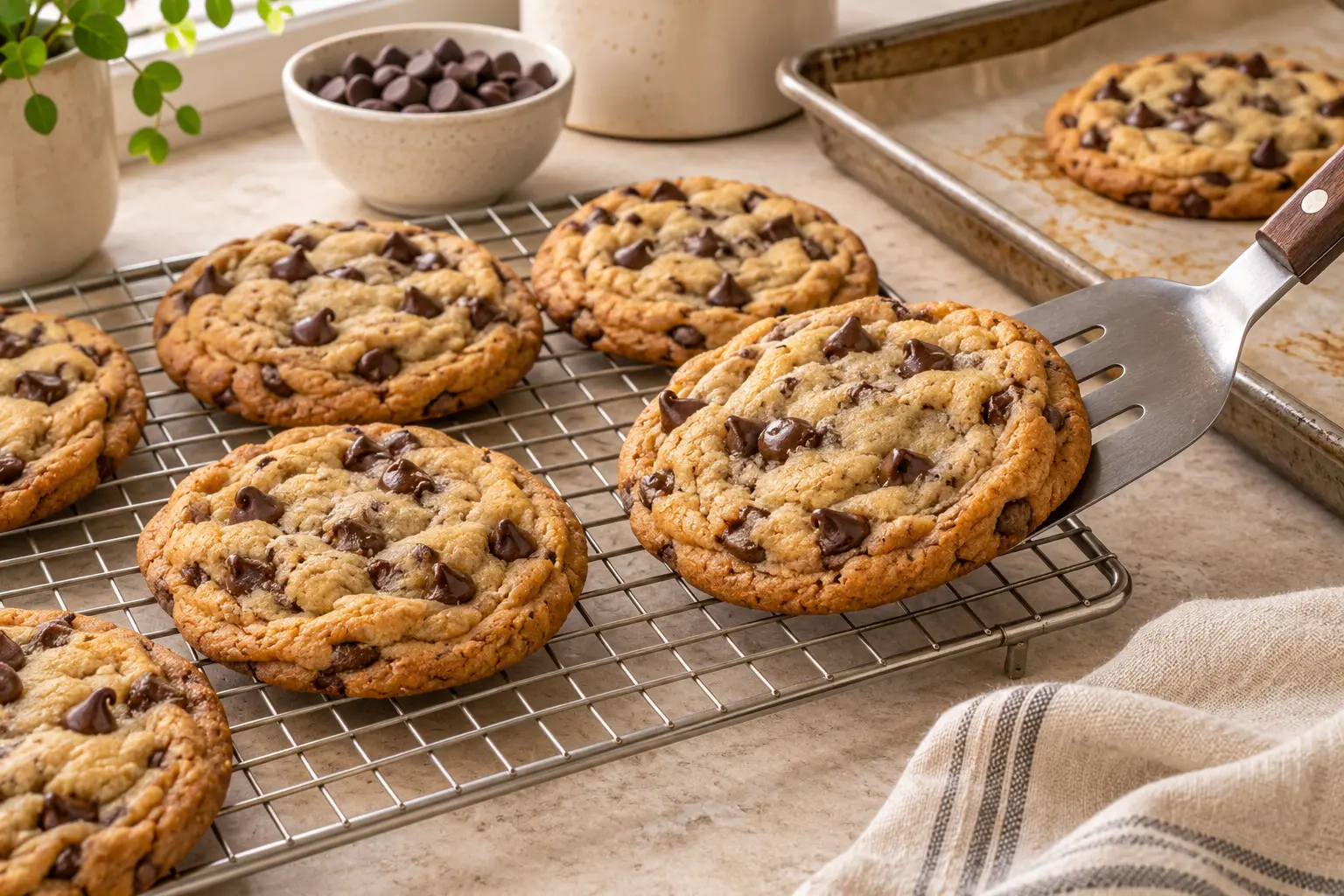
Check the cookie dough itself for the intended edge and surface cues, recognizing that the filling may remain soft by design. A tester pushed into a molten chocolate centre won't tell you whether the surrounding dough is cooked. Follow the recipe's validated doneness guidance.
Recipe to try: Chewy Chocolate Chip Cookies. This is an unfilled cookie recipe for comparing texture. Keep its formula intact; choose a separate tested stuffed-cookie formula for a filled centre.
Why caramel can leak
Caramel becomes fluid under heat and can find tiny gaps in the cookie dough. A properly thick filling, controlled amount and complete dough seal help. Sticky hard-candy-like caramels and pourable caramel sauce aren't interchangeable in a stuffed-cookie formula.
Why chocolate spread can leak
A spread may thin as it warms. If the dough has significant cracks or is rolled too thin, it can escape before the wrapper sets. Using a measured firm centre and appropriately chilled dough often works better than overstuffing with room-temperature spread.
Cheesecake-filled cookies need extra care
Cream-cheese centres are perishable and may contain eggs in some formulas. Their baking and refrigerated storage requirements differ from plain chocolate-filled cookies. Don't substitute raw cheesecake batter for a safe heat-stable centre without using a tested recipe.
Nut-butter fillings
Peanut or almond butter centres can be delicious but create allergen obligations. Some recipes combine nut butter with powdered sugar to make a firm filling, while others use a separate prepared filling. Follow the specified ratios and label nuts clearly when sharing.
Let the cookies settle before breaking
A hot filling can burn your mouth even when the cookie feels cool on the outside. Allow the recipe's rest on the tray and an additional suitable cooling period. A short cool-down also helps the shell firm enough to support the molten centre.
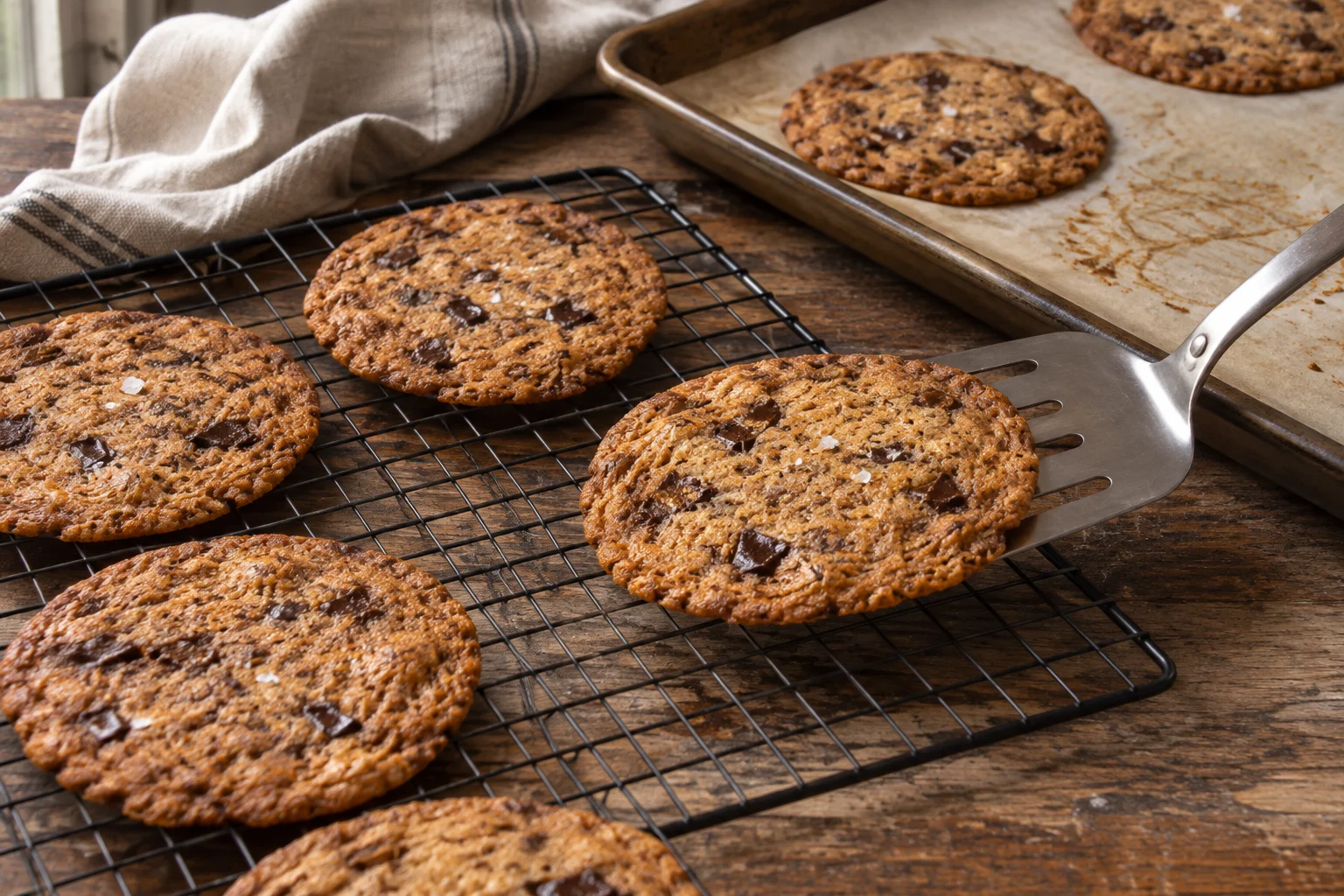
Recipe to try: Crispy Chocolate Chip Cookies. This is an unfilled cookie recipe for comparing texture. Keep its formula intact; choose a separate tested stuffed-cookie formula for a filled centre.
Can you make them ahead?
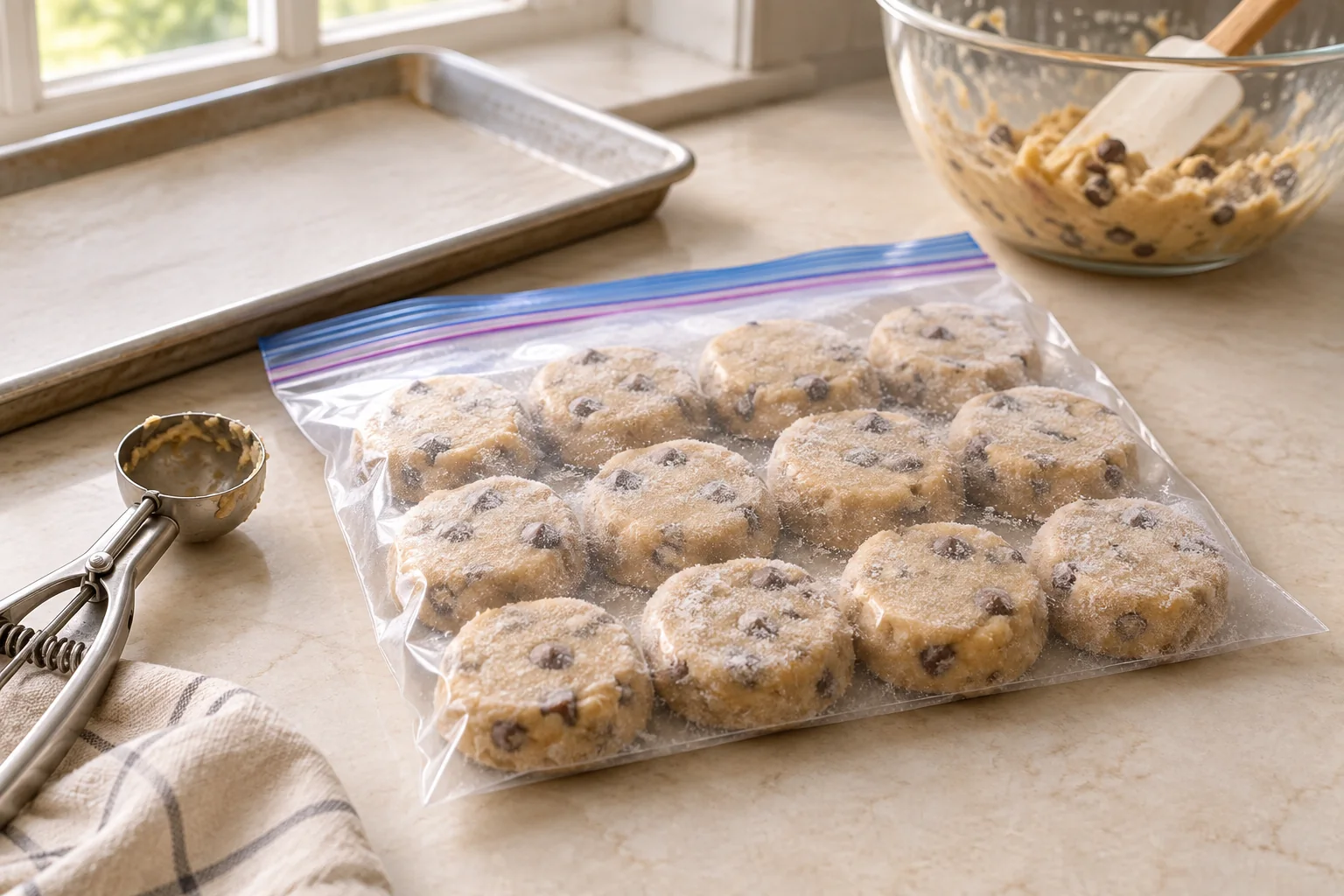
Some stuffed dough balls can be refrigerated or frozen for later baking under recipe-specific instructions. Label the filling and preparation date. A filling that freezes poorly or requires refrigeration may change the plan; don't assume a dough-only freezing guide covers every stuffed cookie.
What if the filling disappears?
Some fillings are absorbed into the dough, while others melt into a thin layer or leak away. Examine the cut cookie and the baking sheet. A centre that diffused evenly suggests a filling-formula issue, while a puddle outside points to seams, quantity or excessive spread.
Frequently asked questions
Should fillings be frozen first? Only where specified. Why do seams burst? Overfilling, cracks and spread can contribute. Can I fill any cookie dough? A tested stuffed-cookie formula is more reliable. Are stuffed cookies safe warm? Fully bake the dough and beware of very hot molten centres.
Build a cookie around its surprise
Choose a filling designed for the oven, measure it, keep the wrapper even and seal every seam. With the correct temperature and cooling time, the centre stays where it belongs until the first delicious bite.
IN PICTURES
From the baking notebook
FROM THE RECIPE BOX


