
On this page
Mini tarts turn a single pastry recipe into individual desserts that are easy to serve and beautiful on a platter. Their small size, however, changes the way pastry heats and cools: a shell that seems fine in a full-size tart may brown too quickly in a miniature tin, while a generous spoonful of pastry cream can soften an underbaked base. The secret is to keep the shell, filling and topping in balance.
Choose the tart style first
Decide whether you want crisp empty shells filled after baking, baked almond-cream tarts or miniature fruit pies. Each style needs a different assembly order. For a fresh-fruit tart with pastry cream, fully bake and cool the shells before adding the cold filling. For frangipane or another baked filling, use a recipe specifying how long the pastry and filling cook together.
Select the right dough
Pâte sucrée makes a sweet, sturdy shell for delicate fruit tarts. Pâte sablée has a rich, tender, sandy bite, while flaky pie-style dough offers a more rustic finish. Choose a dough tested for small tart tins rather than automatically scaling a large pie pastry. Excessively fragile dough may crumble when the finished shells are lifted.
Pick a pan that matches the recipe
Mini tart pans, tartlet rings and muffin tins have different wall angles and depths. A recipe for shallow fluted tartlets will not necessarily yield the same number or bake time in deep muffin cups. Note the actual inner dimensions and prepare the pan as the developer instructs.
Measure the pastry portions
Weigh the finished dough and divide it into equal pieces if the recipe provides a yield. Rolling all pastry to the same thickness helps individual shells bake together. Tiny mismatched scraps can become brittle when rebaked, so plan a little extra dough for trimming without repeatedly reworking it.
Keep the butter cool
A butter-rich pastry becomes sticky and prone to losing its shape when handled too warmly. Roll in small batches and return portions to the refrigerator if they soften. If the dough cracks when very cold, let it become just pliable enough for careful rolling; don't knead it until the butter completely smears.
Roll evenly
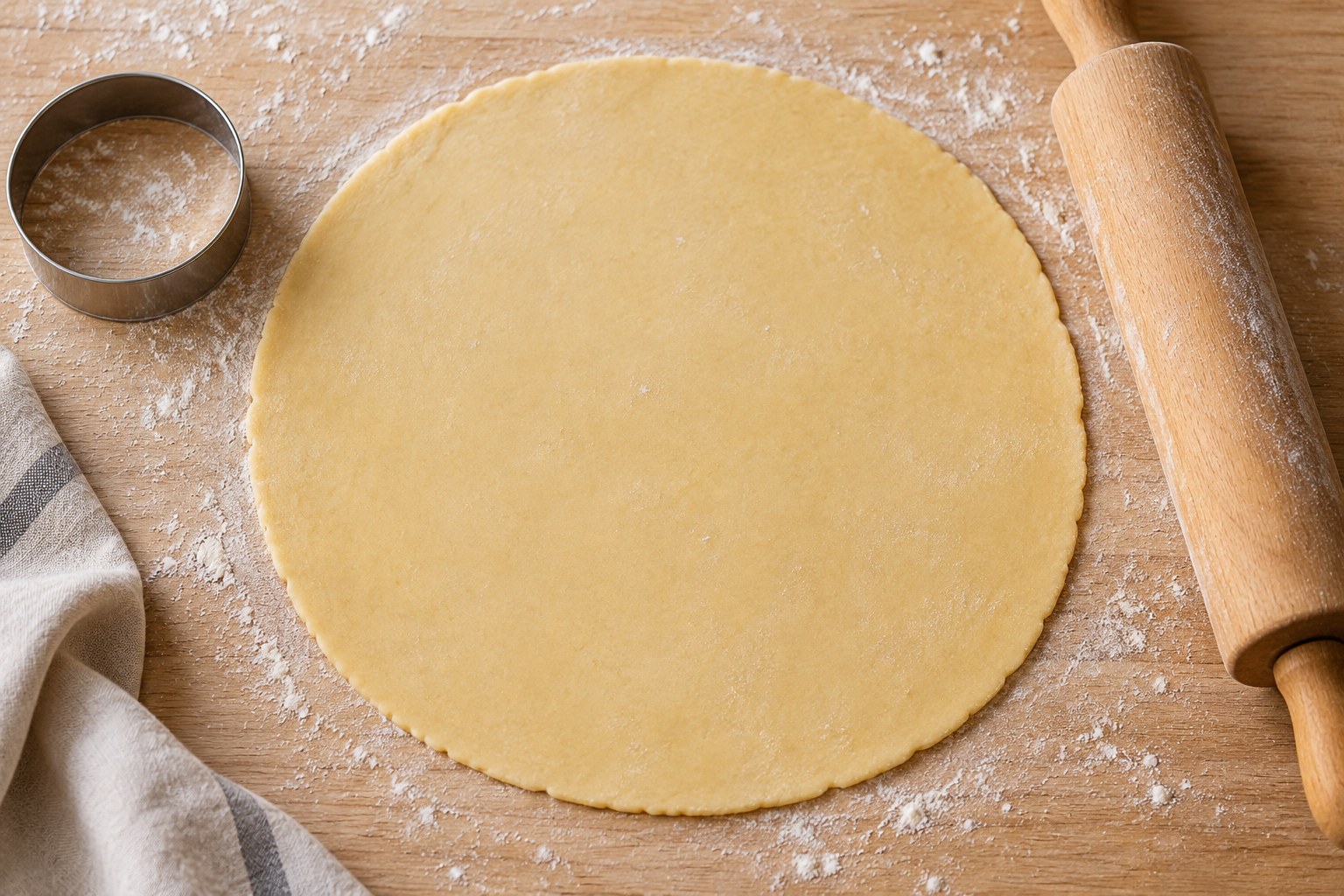
Many sweet tart shells use a relatively thin sheet of dough, but the exact thickness should come from the recipe and pan size. A heavy base with paper-thin sides bakes unevenly. Rotate the dough periodically and use thickness guides if helpful.
Line without stretching
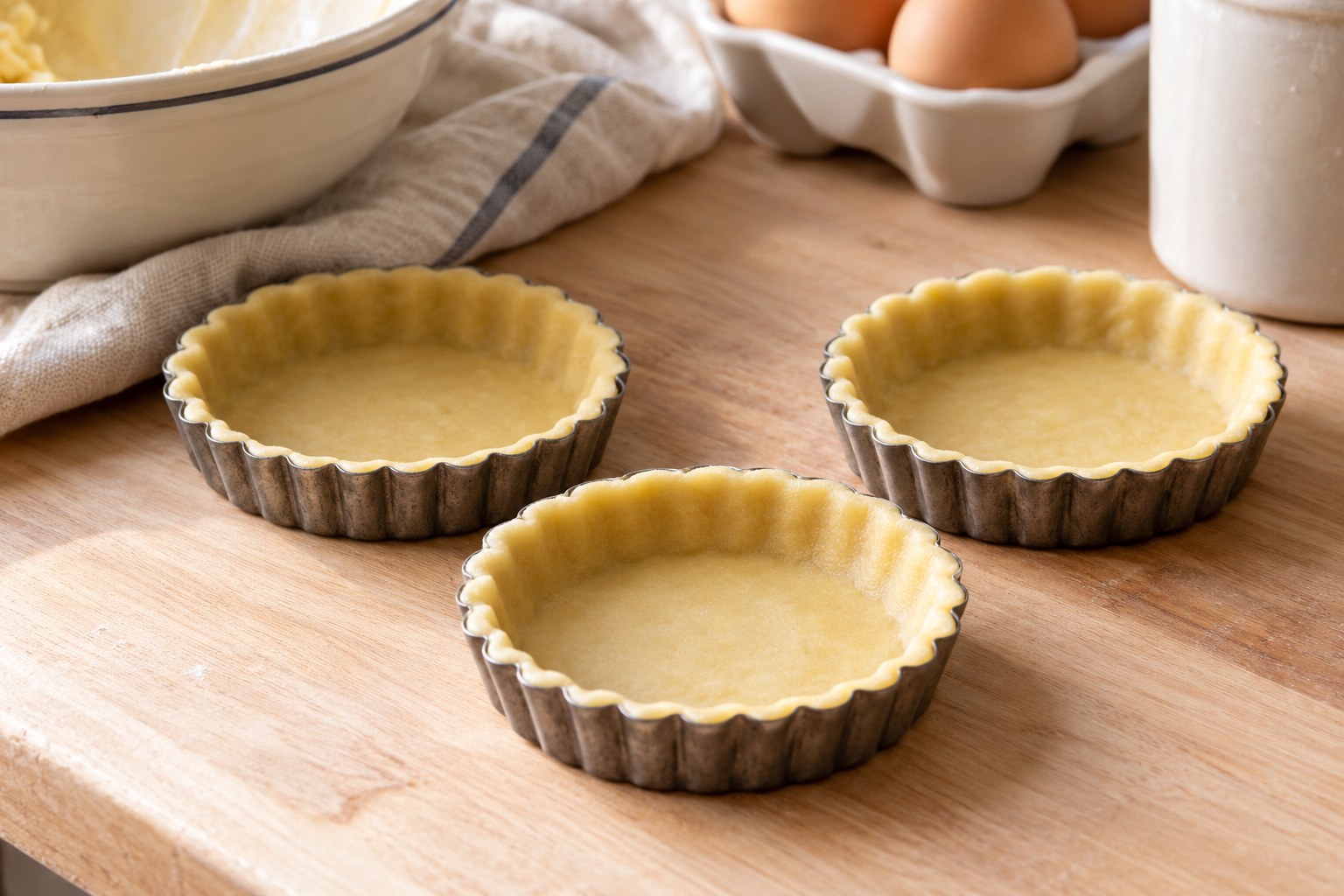
Ease the pastry into each ring or mould, pressing gently into the base-to-side junction. Do not pull the dough down to reach the corners; stretched pastry often shrinks back in the oven. Trim the rim cleanly with an appropriate tool and repair obvious cracks before chilling.
Chill the lined shells
A final chill can help butter firm and flour proteins relax, reducing slump during baking. The duration depends on the pastry formula. Avoid treating freezing as an automatic replacement for refrigeration, especially when delicate pans or fillings are involved.
Blind bake when needed
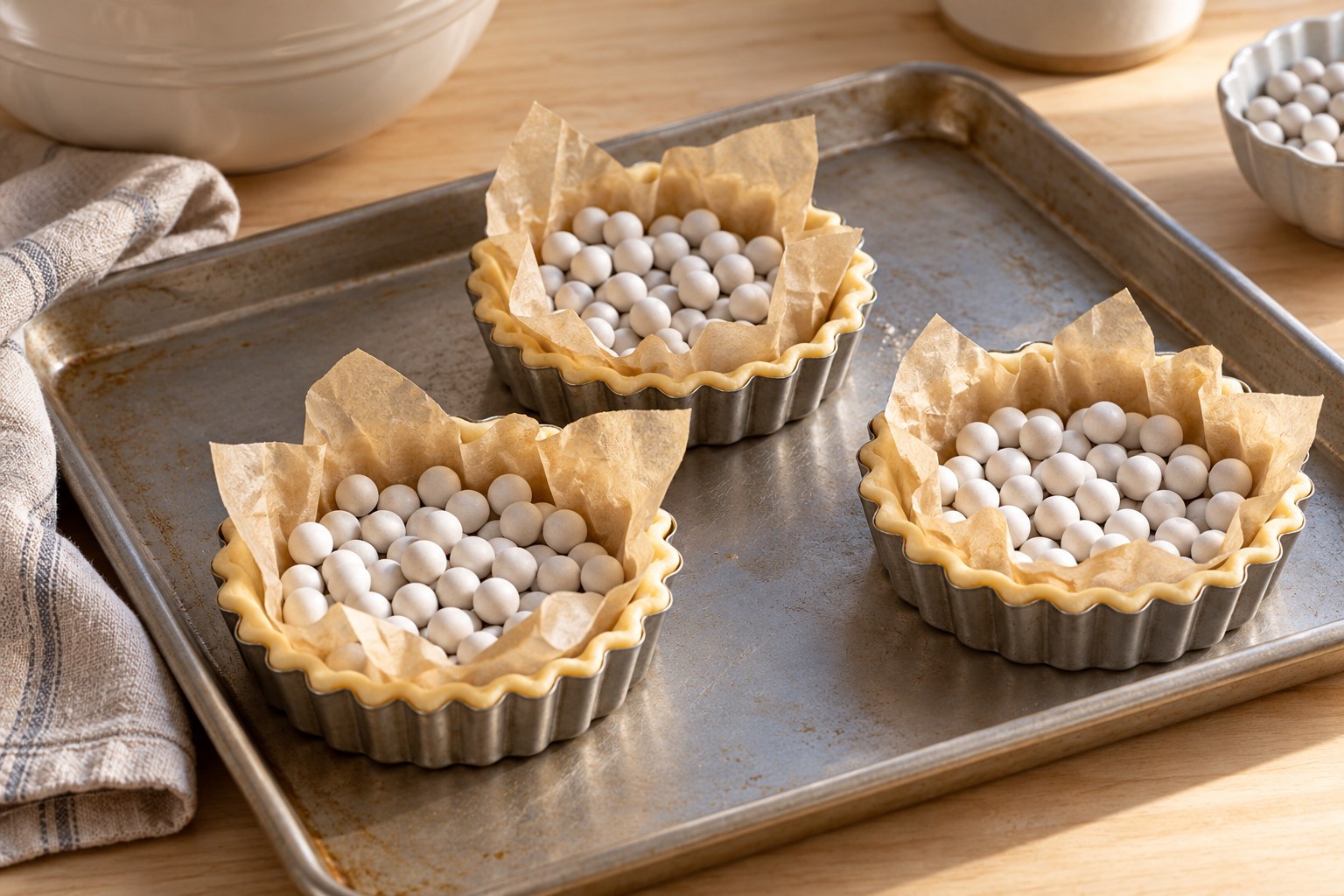
For shells intended for unbaked fillings, blind baking gives the base a chance to become crisp before it encounters moisture. Follow the mini tart recipe for whether to dock the dough, use parchment and pie weights, or bake without weights. Miniature shells can brown quickly, so monitor colour closely.
Watch the corners and rims
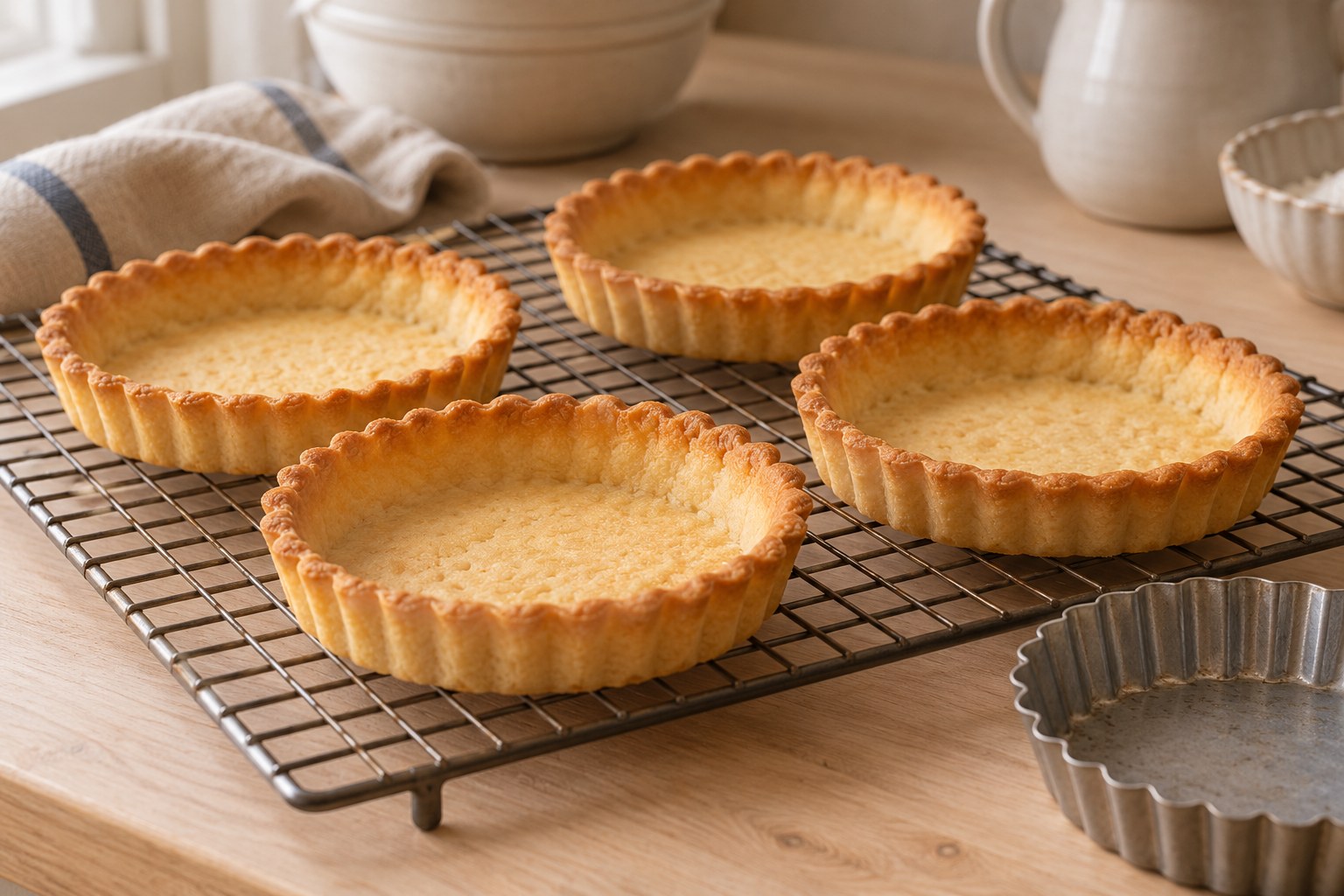
Thin fluted edges may become golden before the base finishes. Overbaking creates brittle shells that crack during unmoulding; underbaking leaves pale, soggy bases. Choose a bake method that cooks the base sufficiently while limiting excessive colour at the top edge.
Unmould carefully
Let shells cool for the interval recommended by the recipe. Support the base as you remove a fluted ring and avoid grabbing the most fragile edges. A completely cool shell is usually easier to fill neatly than a warm shell whose butter-based structure is still delicate.
Choose the filling's firmness
For a full-sized example of a baked shell paired with custard and fresh fruit, see our strawberry custard tart. Use the recipe to understand the components; do not assume its full-sized pastry quantities and bake times transfer unchanged to mini tart tins.
Pastry cream, chocolate ganache, baked almond cream and fruit curd all behave differently. A spoonable cream may need chilling before piping, while a firm ganache may be easier to spread at a particular temperature. Use a filling designed to sit in a pastry shell without immediately flowing over the rim.

Protect shells from wet fillings
A very thin food-safe chocolate barrier or other recipe-approved coating can limit moisture contact in some tartlets. Alternatively, fill close to serving time. A coating is not a substitute for properly cooking and cooling the crust.
Arrange fruit just before serving
Select clean, dry berries or thin fruit slices that fit the miniature surface. Use a small repeating pattern rather than piling fruit so high that pieces roll away when the tart is lifted. A suitable fruit glaze can add shine and slow surface drying, although it doesn't make the dessert shelf-stable.

Keep allergens in mind
Almond-based fillings, wheat pastry, dairy custard and eggs are common tart ingredients. Label individual desserts appropriately for events and use separate utensils where cross-contact matters. Small size does not remove allergy or food-safety obligations.
Storage and transport
Fresh fruit and pastry cream make these perishable desserts. Refrigerate according to the complete recipe, typically keeping chilled dairy fillings at 4°C/40°F or colder. Transport tartlets in a rigid covered tray so they don't slide into one another, and don't leave custard-filled pieces on a buffet indefinitely.
Troubleshooting soft bottoms
Check whether the shell was fully baked, the fruit was dried, or the filling was added too early. A thick wet topping can defeat an otherwise crisp shell. For the next batch, fill a small test portion and compare its texture after the intended holding time.
Frequently asked questions
Can pie crust make mini tarts? Yes, for recipes developed around that pastry, though the result is flakier and more rustic. Should shells be baked first? Usually for cold pastry-cream fillings. Why do rims shrink? Stretching, warm dough or insufficient rest may contribute. Can shells be made ahead? Many tested recipes allow unfilled baked shells to be stored separately.
The finishing touch
A professional-looking mini tart doesn't need elaborate decoration. Make the shell crisp, keep filling below or neatly level with the rim, use a deliberate fruit pattern and handle the pastries cold and gently. Those details matter more than a complicated garnish.
IN PICTURES
From the baking notebook
FROM THE RECIPE BOX


