On this page
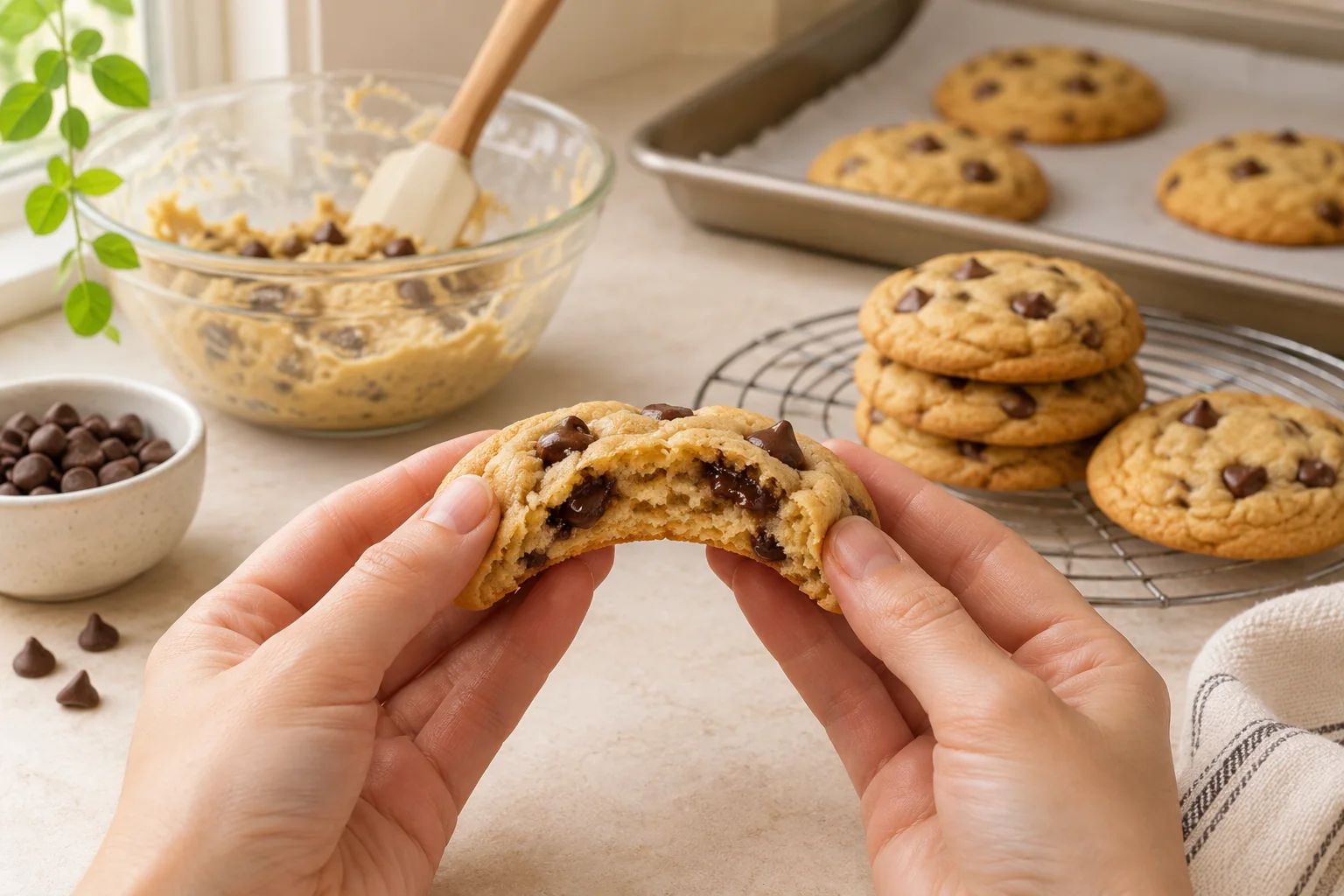
A beautifully soft cookie has a tender centre that yields easily while remaining completely baked. Making one doesn't require leaving raw dough in the middle or wrapping cookies while they're still steaming. Texture begins with the recipe's balance of flour, fat, sugar and egg, and continues through oven time and storage. If your cookies consistently become dry or hard, understanding those stages gives you a reliable way to improve them.
Define the softness you want
Some soft cookies are thick and pillowy, like tender sugar cookies. Others are chewy chocolate chip cookies with a flexible centre and lightly crisp rim. These are different targets. Choose a tested formula that matches your preferred bite rather than expecting a crunchy shortbread recipe to turn into a pillow with minor changes.
Flour measurement matters
Extra flour makes dough drier and can produce a hard or cakey crumb. Weigh the amount given by the author or use the instructed spoon-and-level method. Scooping directly from a compacted bag can unintentionally add more flour than the formula expects.
Sugar contributes to tenderness
Sugar affects moisture retention, spread and browning. Brown sugar contains molasses and can support a moist, chewy character in appropriate cookie formulas. But replacing every bit of granulated sugar with brown sugar changes more than softness; use a recipe that was designed for that balance.
Fat choice changes the bite
Butter offers rich flavour and has a different moisture composition from oil or shortening. Some cookies use melted butter for chewiness, while others cream softened butter and sugar. Follow the intended method, since substituting equal volumes of different fats can alter both texture and spread.
An extra yolk isn't a universal fix
Egg yolks supply fat and emulsifiers, which can make some cookies rich and tender. Adding an extra whole egg changes water and protein as well. Before altering eggs, choose a formula intended for soft cookies and use the precise size required.
The role of cornstarch
Some soft cookie formulas add a small amount of cornstarch to modify flour composition and tenderness. It's one option among many, not a compulsory ingredient. Adding a large unmeasured amount can make cookies crumbly or powdery.
Leavening affects the crumb
Baking powder can encourage a softer cake-like lift in some recipes, while baking soda influences browning and other structural reactions. Neither is automatically better for soft cookies. The quantity and type are balanced to the other ingredients.
Mix only as directed
Overbeating flour-containing dough can develop unwanted gluten in some cookie styles, while inadequate mixing leaves pockets of dry flour. Cream butter and sugar for the specified stage, then stop once the flour is correctly incorporated. A smooth, homogeneous dough doesn't require prolonged beating.
Use the stated chilling schedule
Some soft cookies benefit from chilling to control spread, while others are meant to bake promptly. Chilling changes dough firmness and hydration over time. A soft cookie formula should specify whether dough balls, disks or the whole bowl need refrigeration.
Choose the right portion size
Larger cookies generally have deeper centres and take longer to bake; smaller ones dry more quickly if given the same oven time. Use a scale or scoop to make consistent portions. Don't stretch a tested large-cookie bake time to mini cookies without adjustment.
Preheat the oven fully
An oven that's cooler or hotter than the recipe anticipates can change spread and moisture loss. A hot baking sheet from the previous batch can also cause dough to melt before it sets. Check actual temperature when multiple trays turn out dry.
Know what properly soft doneness looks like
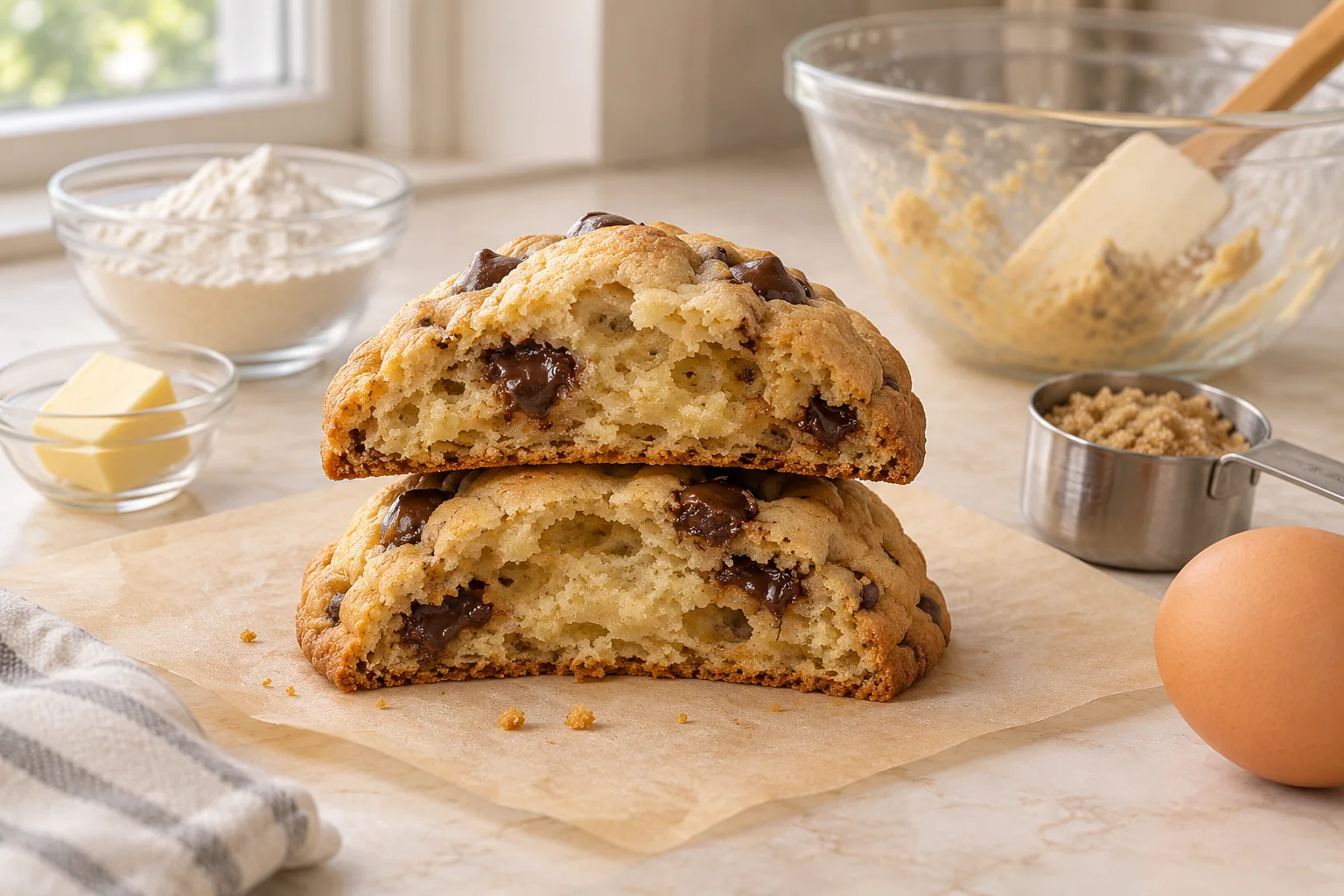
Many soft cookies are removed when edges are set and centres still look slightly soft but no longer liquid. They firm on the hot sheet during the prescribed cooling stage. Raw flour and egg dough must not be served as a desired fudgy centre; follow the recipe's safety and baking cues.
Recipe to try: Chewy Chocolate Chip Cookies. For a chewy cookie option, use this complete formula. Sugar, flour and cooling work together; changing only baking time is not the whole method.
Don't overbake for colour
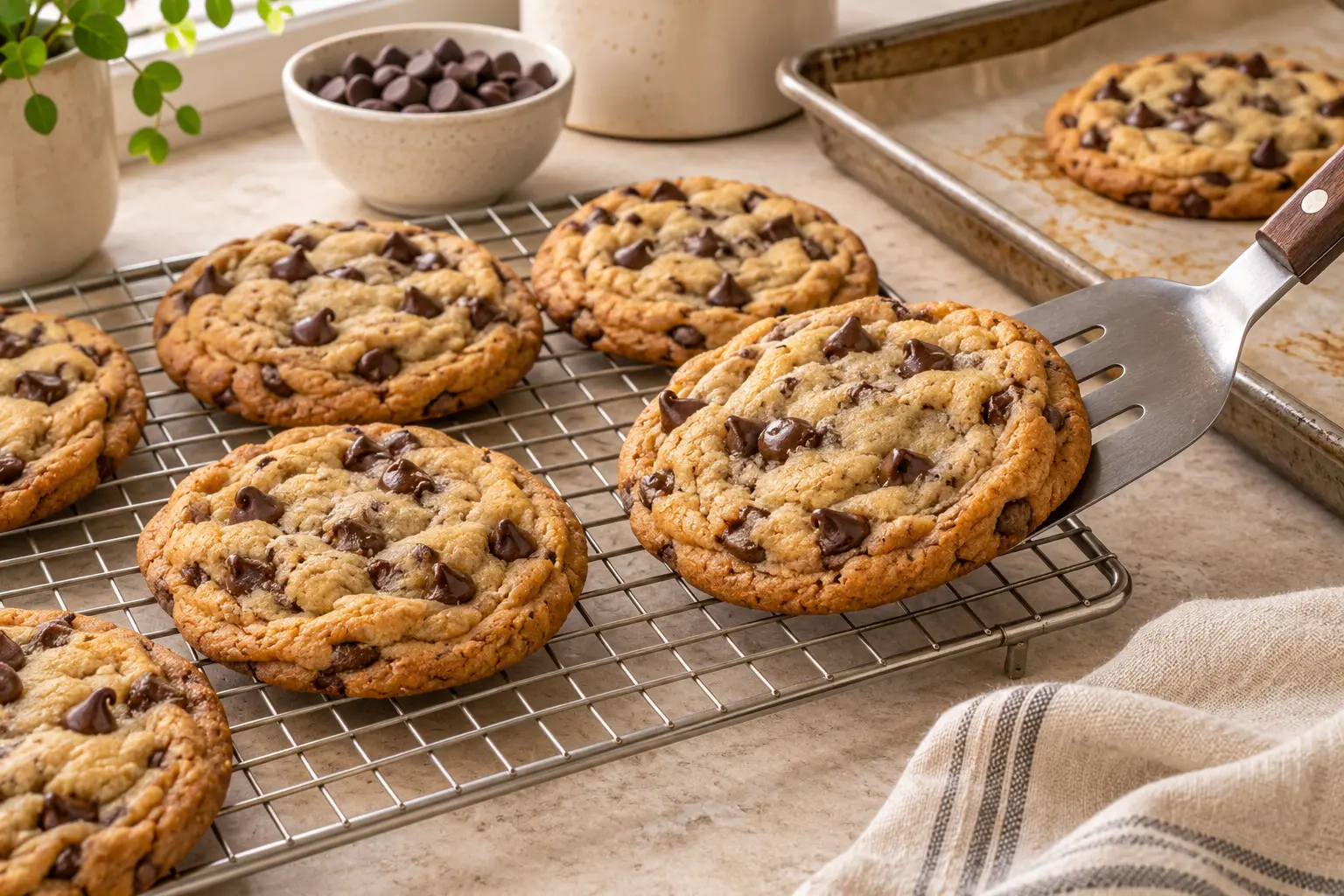
Some vanilla sugar cookies stay relatively pale even when fully cooked. Waiting for a deep brown surface can dry them out. Chocolate cookies are especially hard to judge by colour, so rely on their recipe's texture and time cues.
Recipe to try: Classic Chocolate Chip Cookies. Use the stated butter texture, dough portions and bake time together to establish a consistent cookie baseline.

Cooling on the pan
Let cookies rest on the baking sheet for the specified interval, then move to a rack if directed. The hot metal continues transferring heat, so leaving them there far beyond the schedule can harden bottoms and edges. But moving delicate cookies instantly may break them.
Never seal steaming cookies
Wrapping hot cookies can trap condensation and make their surfaces sticky rather than pleasantly soft. Cool appropriately, then store in a suitable closed container. A soft centre and a soggy crust are not the same desirable texture.
Storage protects softness
Once cool, plain cookies kept in an appropriate airtight container lose moisture more slowly than cookies left exposed overnight. Separate different textures if necessary: a crisp cookie stored with soft cookies may absorb moisture and lose its snap.
Freezing for later
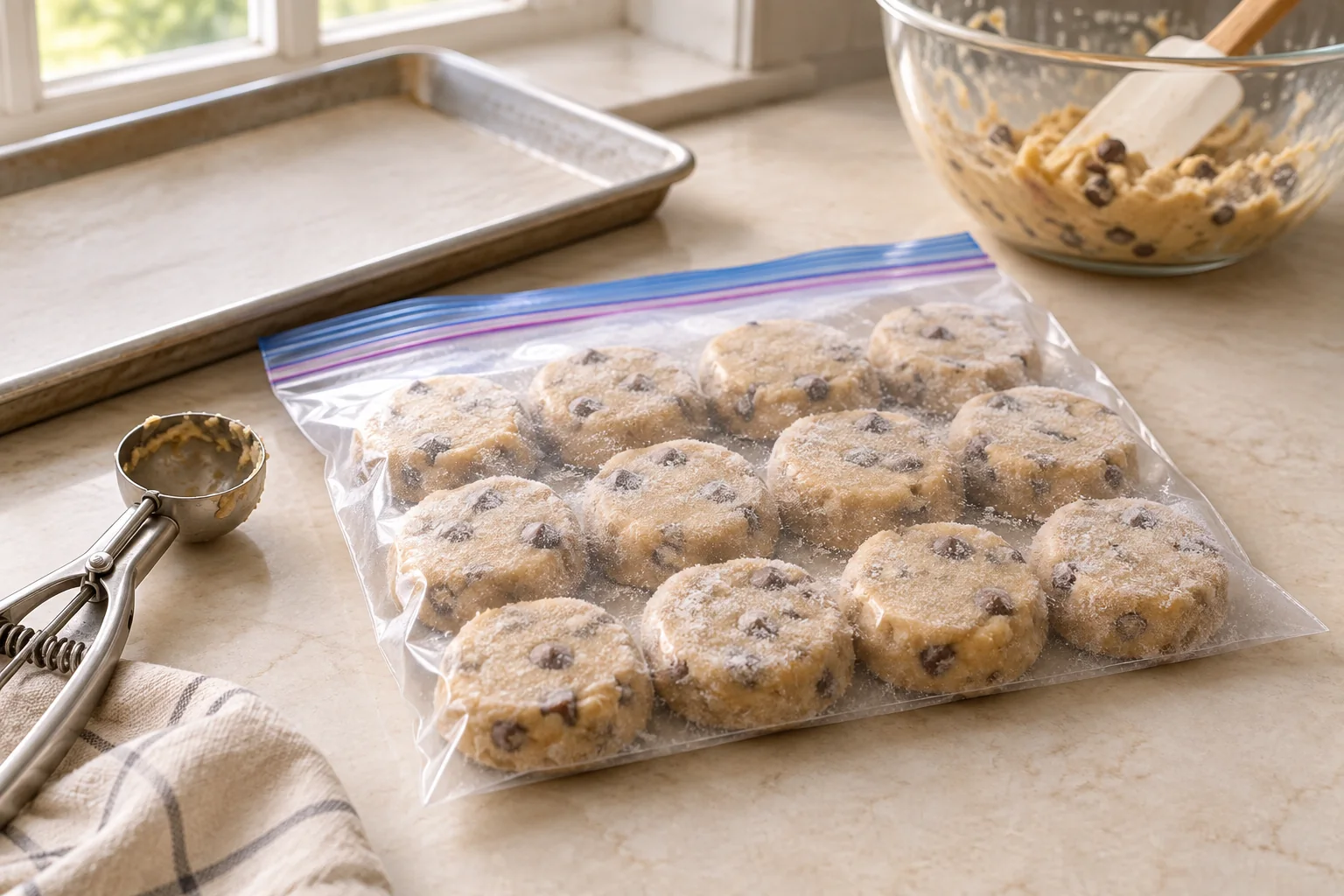
Many soft drop-cookie formulas allow portioned dough or baked cookies to be frozen under tested instructions. Freezing small portions can help you serve fresh cookies rather than keeping a batch on the counter for a week. Label and package them to reduce drying.
What if cookies are already hard?
A fully baked dry cookie may be more enjoyable briefly warmed or paired with fruit or ice cream, depending on recipe. It cannot truly regain its original crumb through an overnight container trick. For the next batch, check flour and baking time rather than soaking cookies.
How to troubleshoot a dry centre
Compare dough weight, pan material, oven temperature, portion size and cooling duration. If every batch becomes hard by the next day, investigate storage after complete cooling. If cookies are hard immediately, measurement and overbaking deserve closer attention.
Frequently asked questions
Does brown sugar make cookies soft? It can contribute in a balanced formula. Can I underbake deliberately? Follow the recipe's actual cooked endpoint. Does adding more butter help? It may increase spread rather than softness. Is airtight storage useful? Yes for many cooled soft cookies.
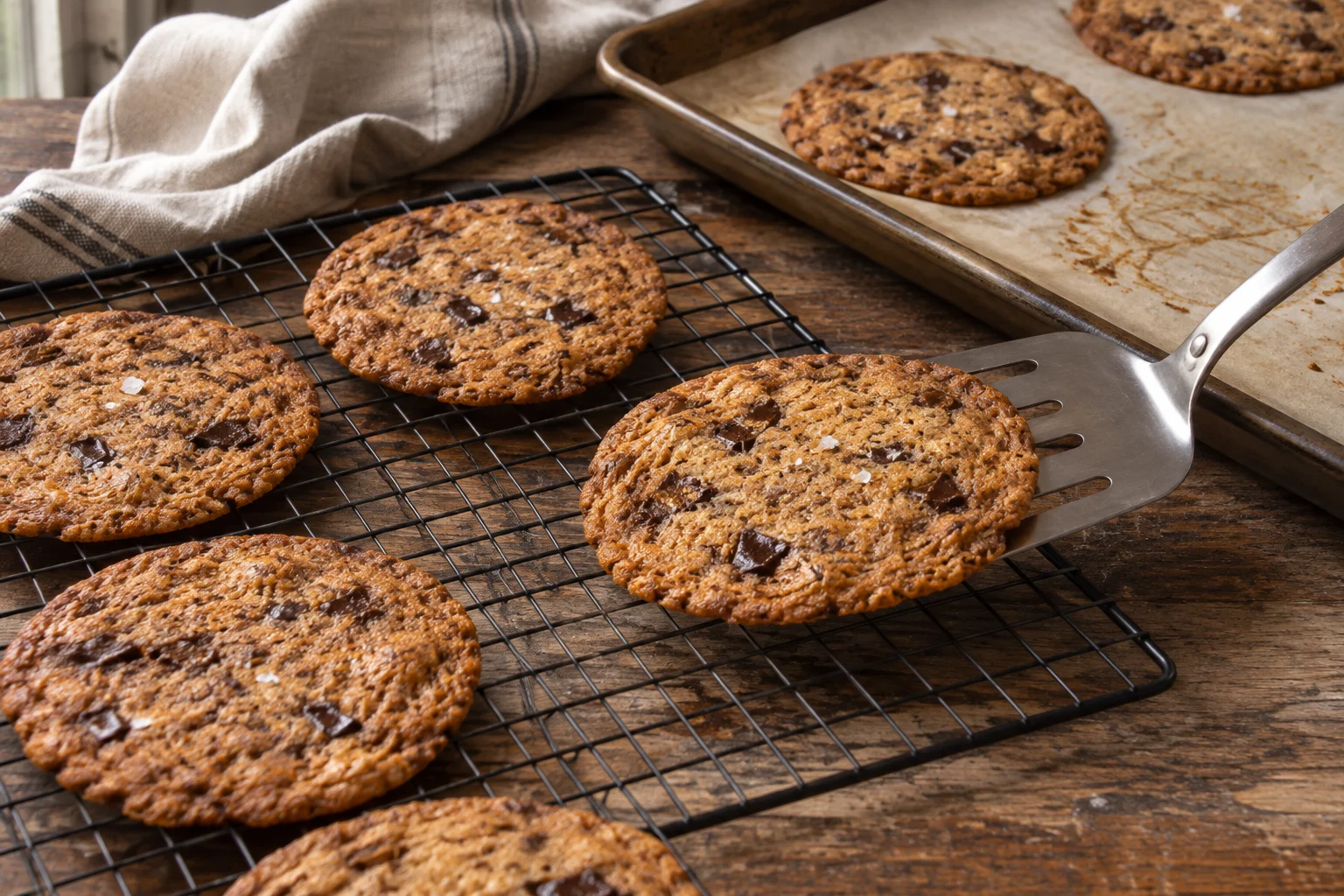
Recipe to try: Crispy Chocolate Chip Cookies. For a crisp cookie option, start with this formula and follow its baking and cooling cues. Thinness alone does not guarantee a crisp texture.
Build softness from the recipe onward
Choose a soft-cookie formula, measure carefully, bake matching portions to a proper doneness and store them promptly after cooling. Tenderness comes from the entire process, not one isolated kitchen trick.
IN PICTURES
From the baking notebook
FROM THE RECIPE BOX


